
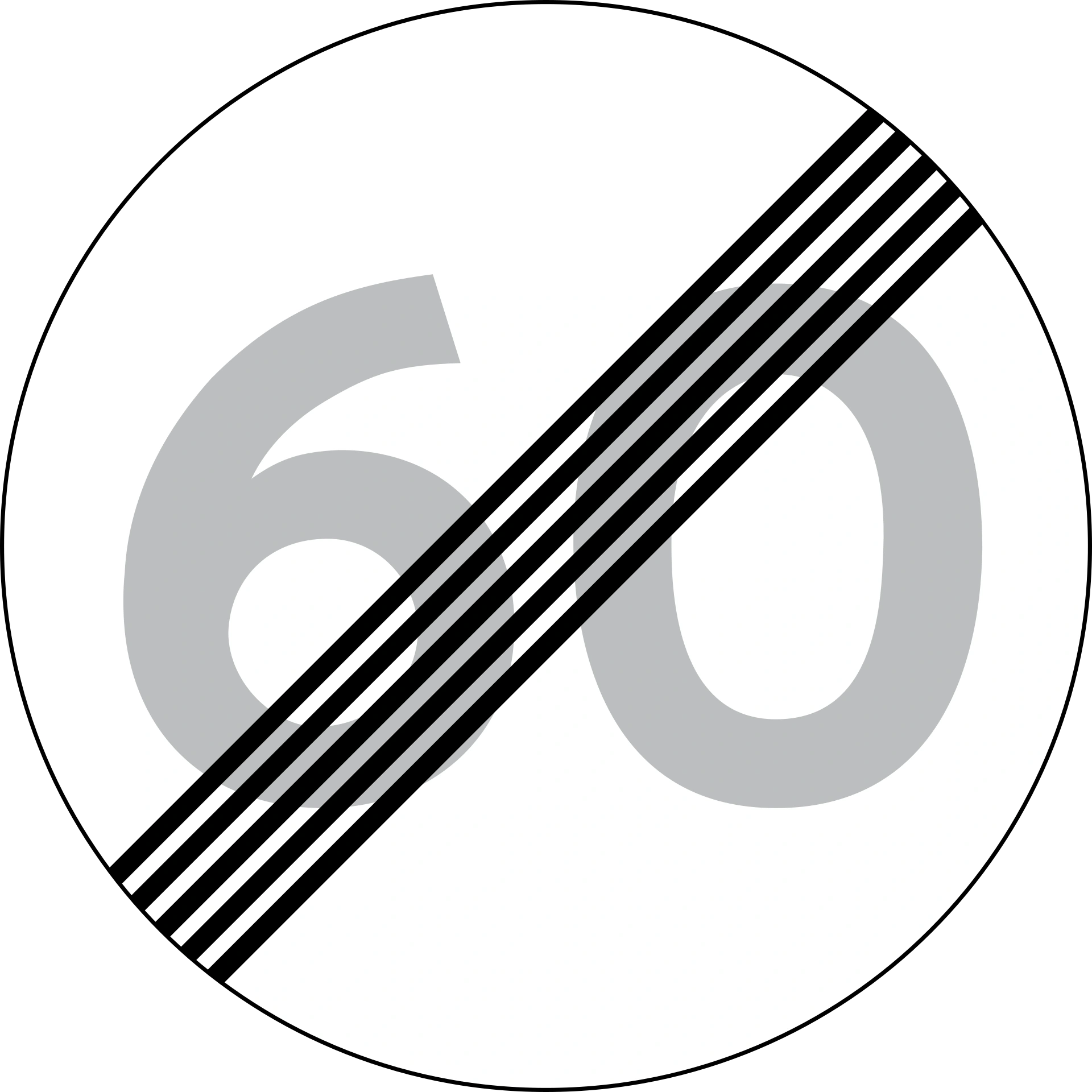
The C56 'End of local speed limit' sign in Denmark signifies the conclusion of a previously imposed speed restriction. Once you pass this sign, you should adhere to the next posted speed limit, the general national speed limit, or the speed appropriate for the road layout and conditions. As a Danish prohibitory sign, it's crucial to understand that it cancels a specific rule, meaning you no longer need to observe the prior limitation but must immediately be aware of what comes next.
Properly interpreting the 'End of local speed limit' sign (C56) is crucial for compliant driving and passing your theory test. This guide helps you recognise when a previous speed restriction ceases, ensuring you adjust to the correct subsequent limit.
This Danish prohibitory sign creates a binding restriction. It can control turns, entry, access, vehicle category, load, dimension, speed, overtaking, stopping, parking, environmental-zone access, or use of shoulder and sidewalk areas. Correct interpretation means checking whether the rule applies to your vehicle and intended action before passing the sign. Official catalogue code: C56.
The "End of local speed limit" sign marks where the previous restriction ends. Continue under the next posted rule, the general rule, and the visible road layout. Catalogue code C56.
Get clear, practical answers to the most common questions about the C56 - End of local speed limit road sign. Learn how the sign works, what rules it represents, and how it affects real driving situations. This FAQ strengthens your understanding and supports accurate decision making for the Danish driving theory exam in Denmark.
The C56 sign means that any specific speed limit that was in effect just before you encountered this sign is now over. You must then follow the next applicable speed limit, which could be a general speed limit for that type of road, or another sign showing a new speed limit.
No, the C56 sign indicates the *end* of a speed restriction. You may now drive at a higher speed if allowed by the new conditions or signage. Always assess the road, traffic, and any subsequent signs or road markings to determine your safe and legal speed.
Yes, after the C56 sign, you must always be aware of the general speed limits in Denmark or any new speed limits indicated by subsequent signs. You also need to consider the road layout, traffic signals, and road markings to determine the appropriate and safe speed for the current situation.
The C56 sign only cancels a previous restriction; it doesn't set a new speed limit itself. A sign showing a new speed limit (e.g., 50 km/h) actively imposes that new limit. You need to look for both types of signs to understand your current speed requirement.
While the C56 sign specifically denotes the 'End of local speed limit', the broader category of Danish prohibitory signs it belongs to can indeed cancel other types of restrictions like turn prohibitions, access for certain vehicles, or parking restrictions. However, this specific C56 sign exclusively relates to speed.
A clear reference image of the C56 - End of local speed limit road sign used in Denmark.
The C56 - End of local speed limit road sign may also be known by these alternative names or terms.
The C56 - End of local speed limit road sign is part of the Danish Prohibitory Signs category, which groups together signs with similar rules and functions.
Review similar road signs alongside the 'End of local speed limit' sign to solidify recognition and prevent confusion. Effective traffic sign comparison during theory test revision sharpens your recall for the Danish driving licence exam.
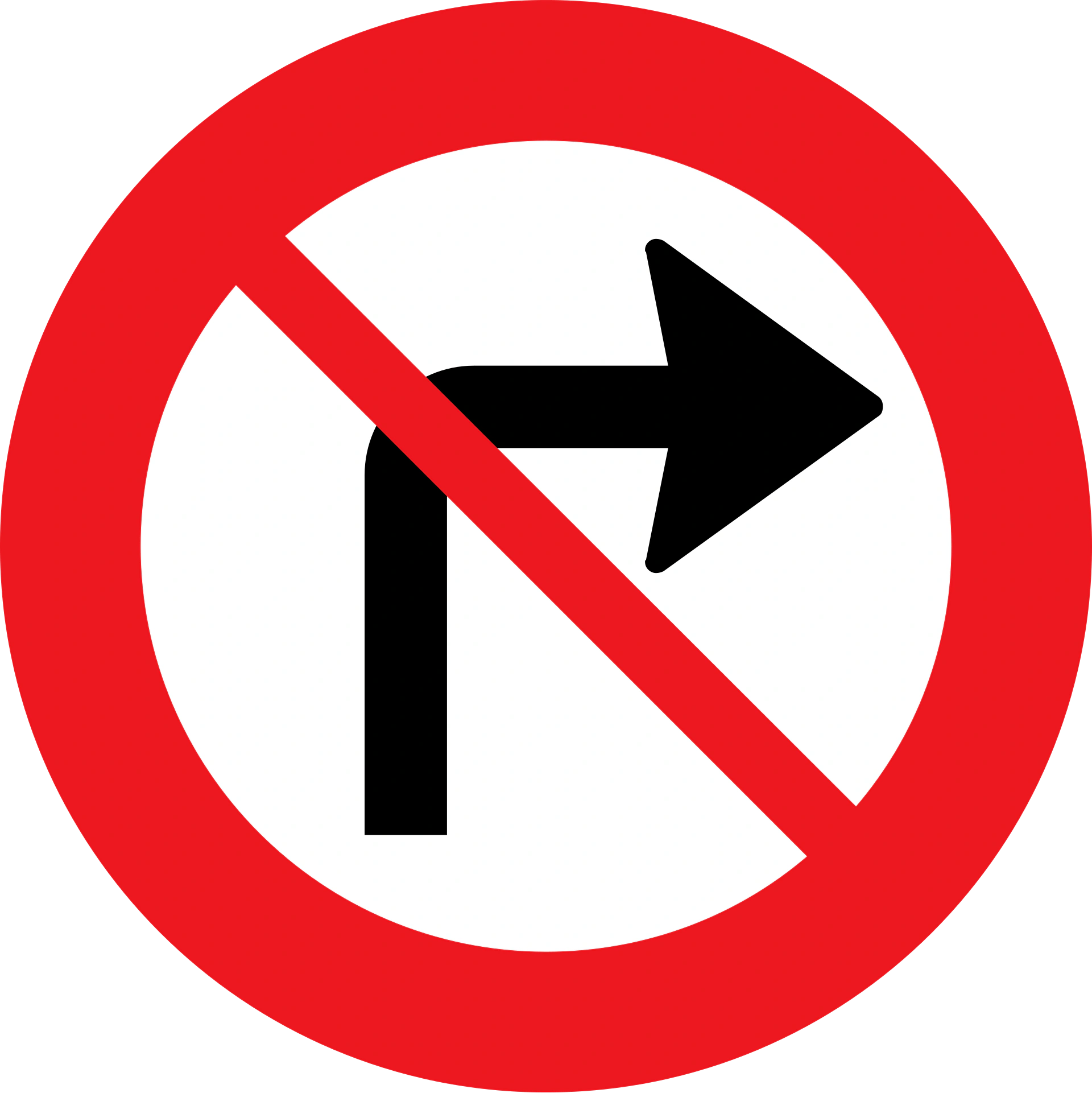
Understand the C11.1 'No Right Turn' prohibitory traffic sign in Denmark.
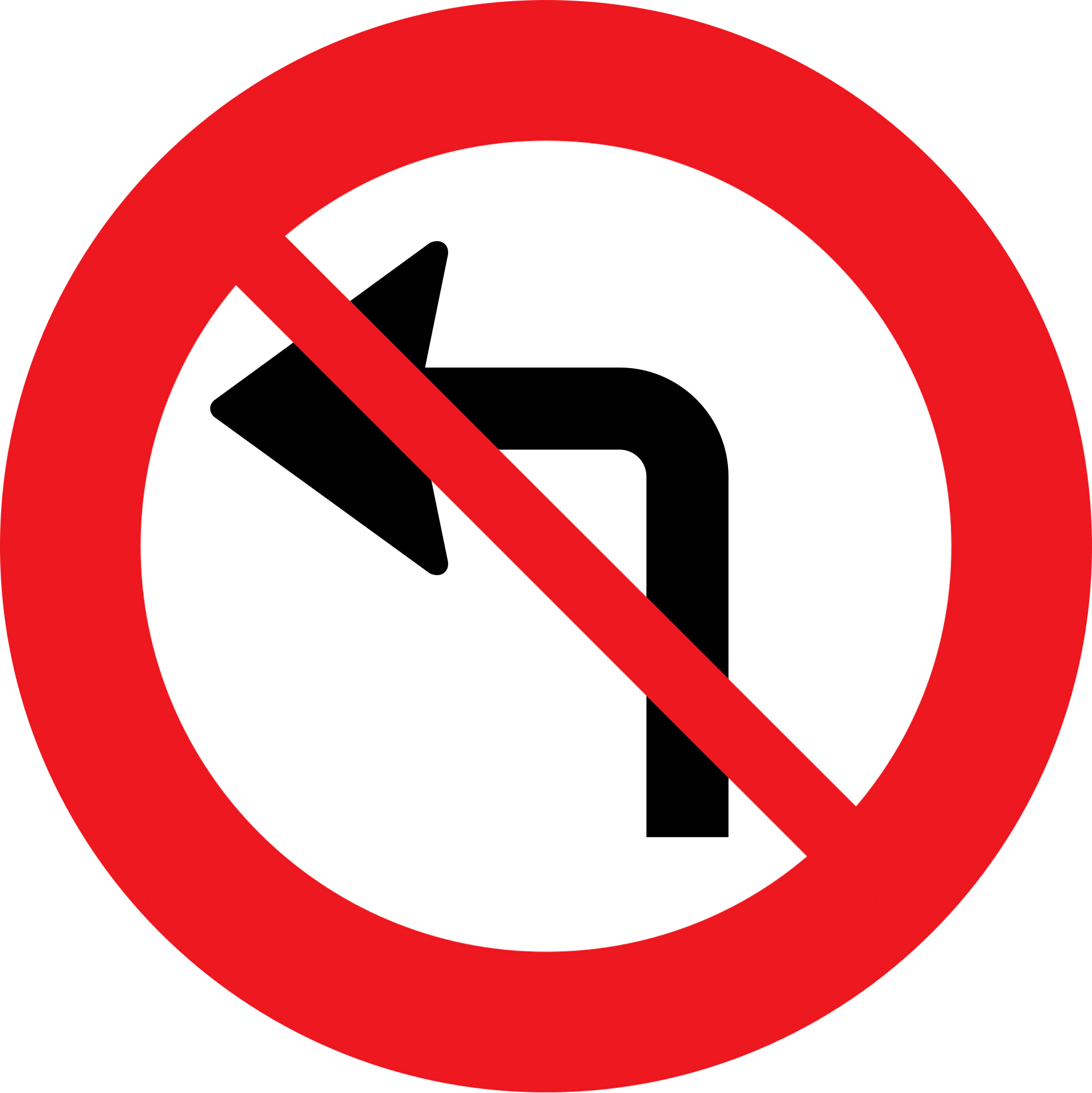
What the C11.2 'No Left Turn' Sign Means and How to Comply
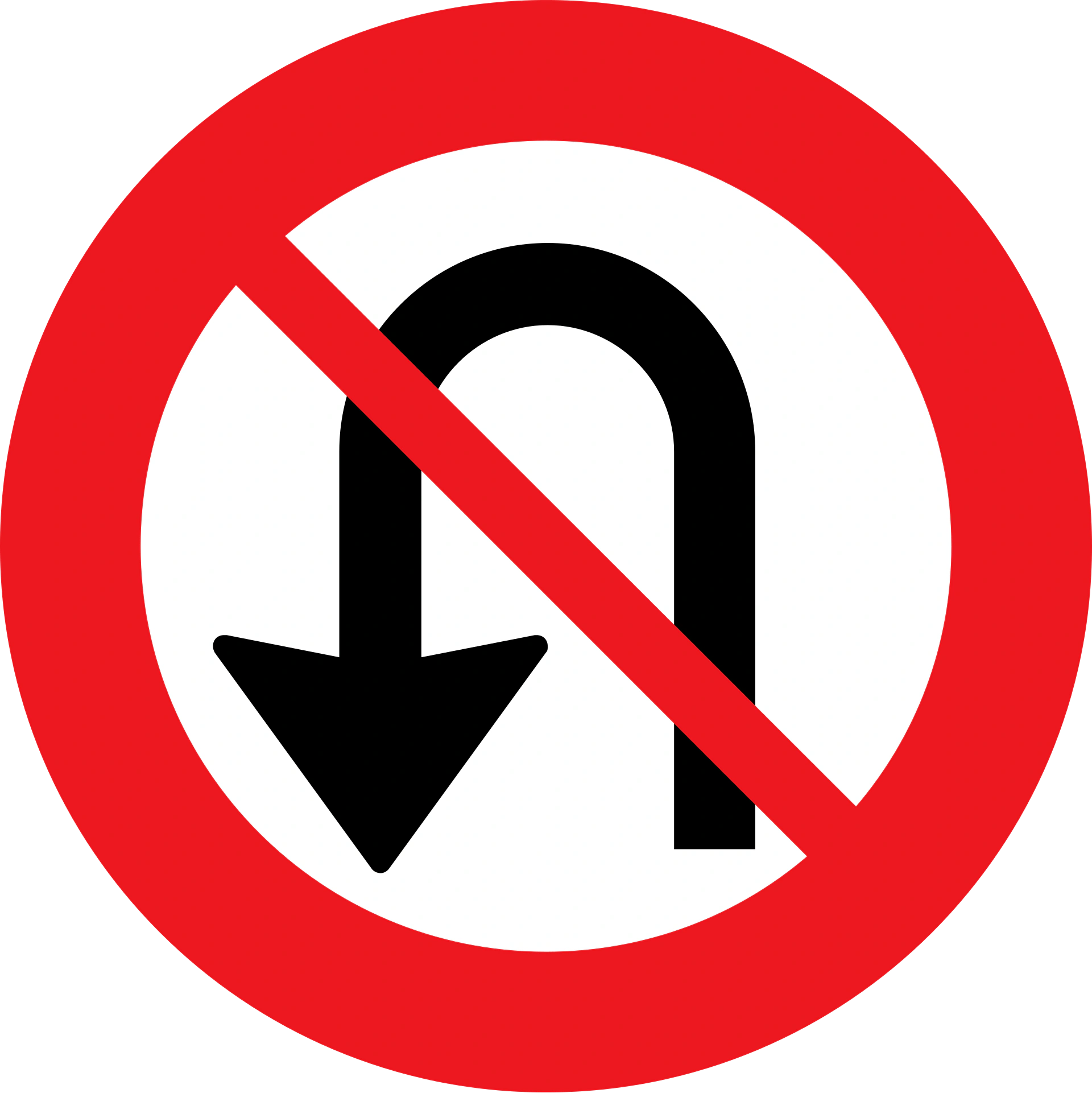
Understand the C12 'No U-turns' prohibitory traffic sign in Denmark

C19 No Entry: Obey This Prohibitory Sign and Stay Out
Understand the C21 'Driving in both directions prohibited' sign in Denmark.
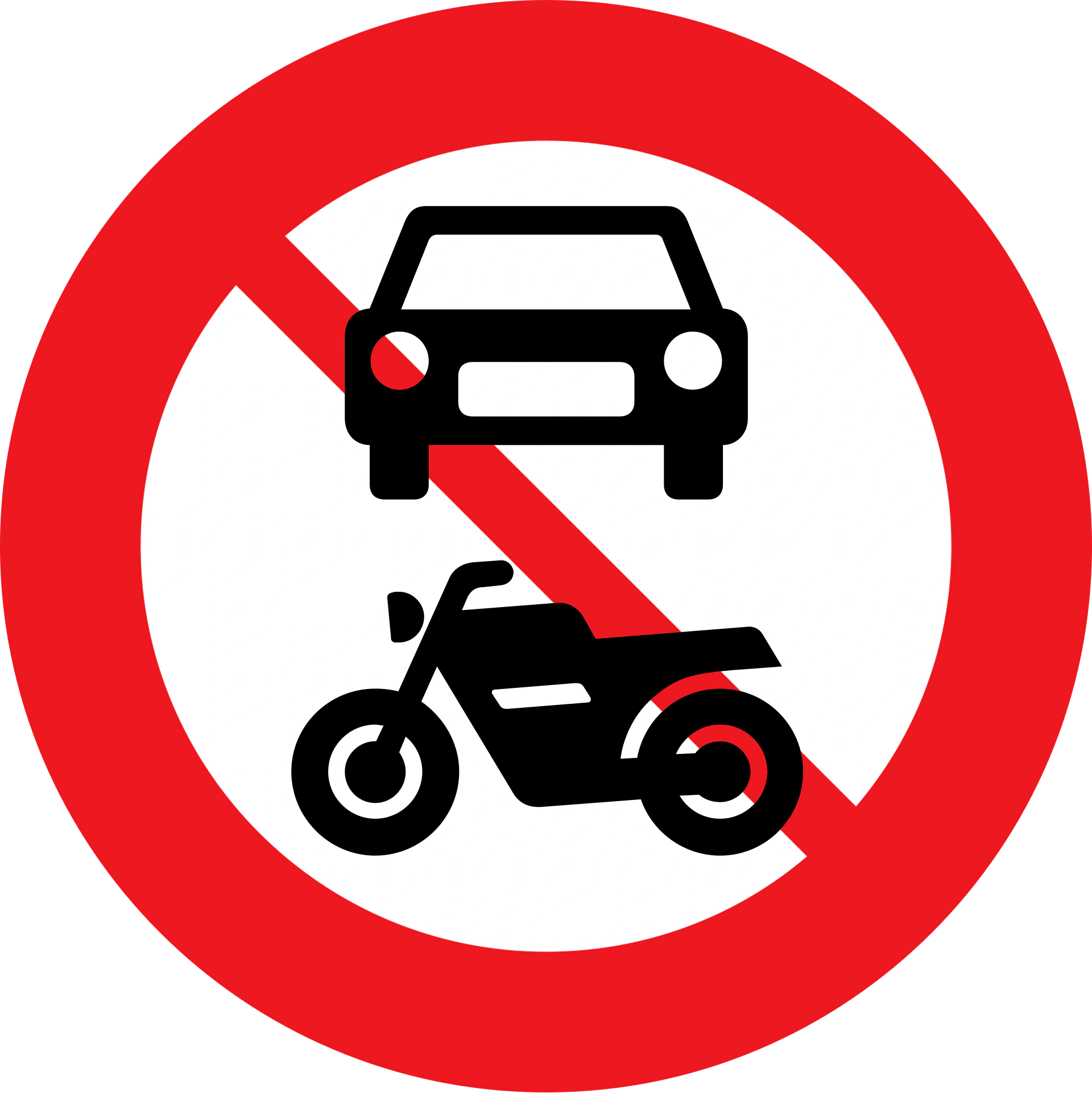
Understand the 'No Motor Vehicles' (C22.1) Sign: What It Means and How to Obey It
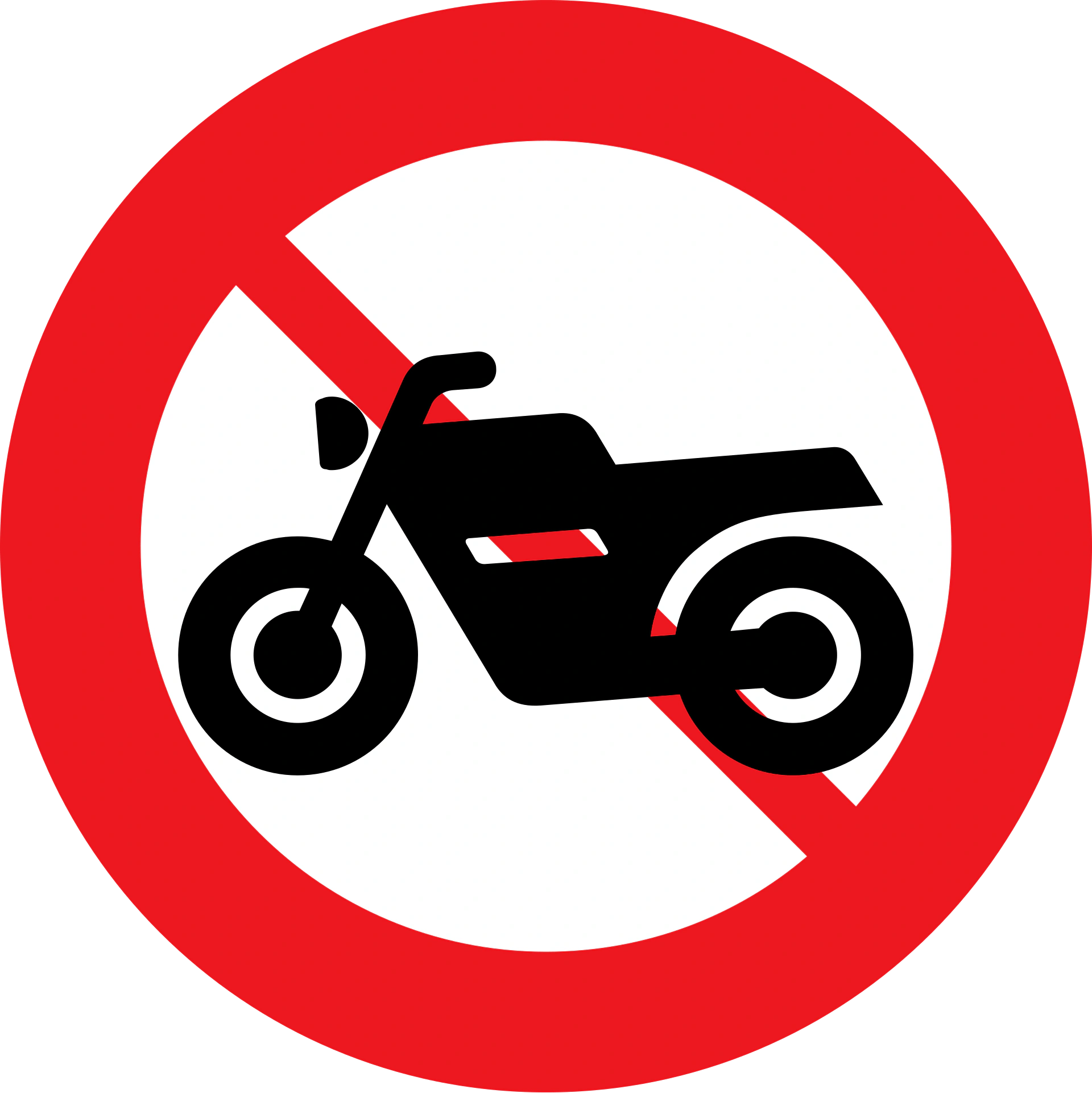
C22.2 Sign: No Motorcycles or Large Mopeds Allowed Ahead
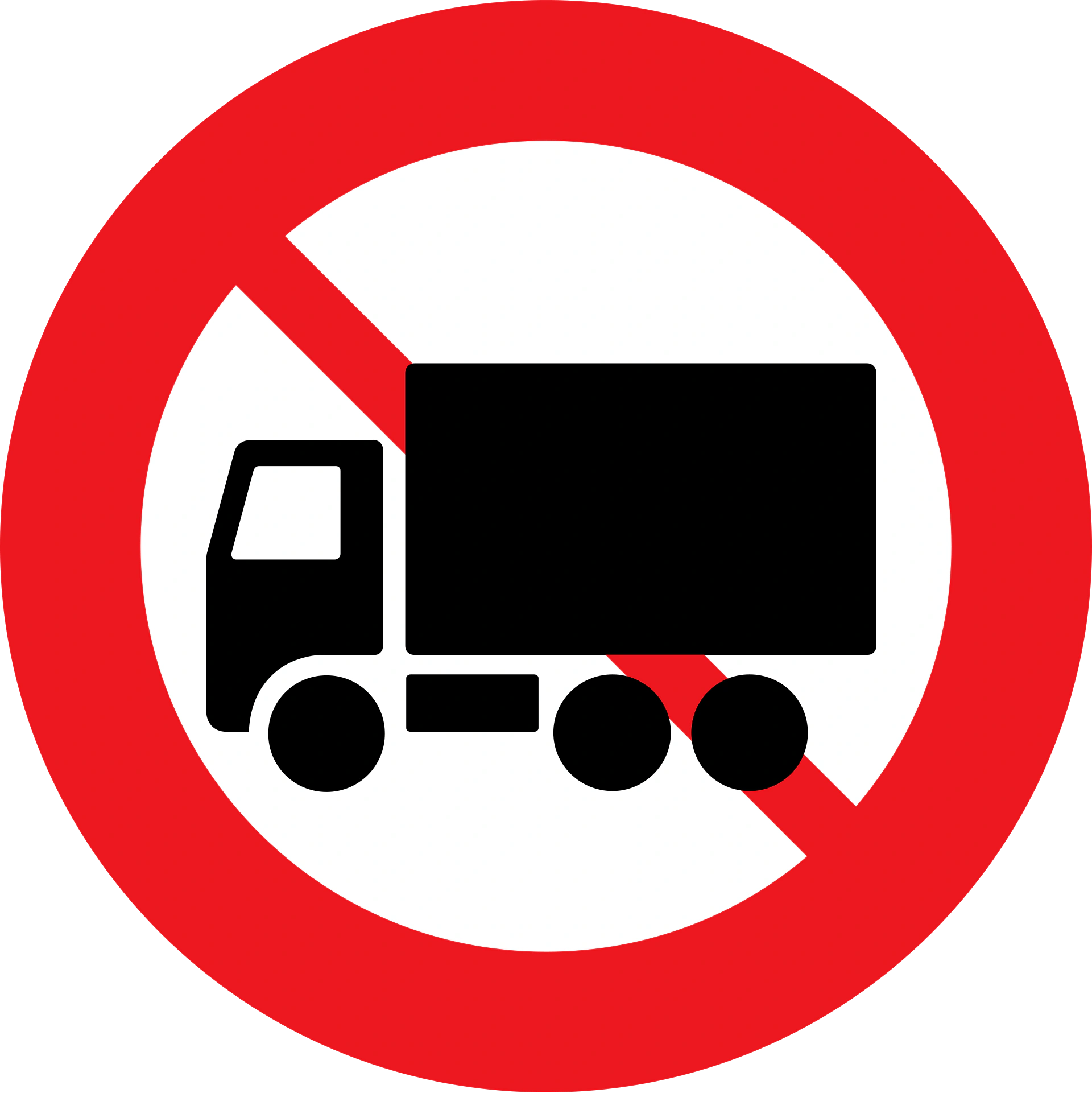
The C23.1 Sign: What 'No Heavy Goods Vehicles' Means for Your Drive
Strengthen your theory test preparation by exploring how these specific road signs influence priority, speed limits, and traffic flow across Danish roads. Review our curated resources to ensure you understand the legal obligations associated with each sign.
Master Danish Category B Rules and Vehicle Entitlement
Navigating Denmark's roads with a moped requires understanding the specific rules for 'lille knallert' and 'stor knallert'. This guide breaks down precisely where each category can legally ride, covering essential distinctions about cycle tracks and forbidden zones like motorways. This knowledge is fundamental for safe operation and crucial for passing your Danish driving theory test.
Master the Special Rules for Young Danish Drivers Aged 17
Navigating the rules for towing a trailer is essential for both your driving theory test and your future as a responsible driver. This guide explains how weight limits on registration documents determine your licence needs, distinguishing between basic Category B, Code 96, and Category B/E requirements. You will learn the importance of the combined total weight of your vehicle and trailer to ensure you stay within legal limits on Danish roads.
This Danish prohibitory sign creates a binding restriction. It can control turns, entry, access, vehicle category, load, dimension, speed, overtaking, stopping, parking, environmental-zone access, or use of shoulder and sidewalk areas. Correct interpretation means checking whether the rule applies to your vehicle and intended action before passing the sign. Official catalogue code: UC60.1.
This Danish prohibitory sign creates a binding restriction. It can control turns, entry, access, vehicle category, load, dimension, speed, overtaking, stopping, parking, environmental-zone access, or use of shoulder and sidewalk areas. Correct interpretation means checking whether the rule applies to your vehicle and intended action before passing the sign. Official catalogue code: C26.1.
After reviewing the full list of Danish road signs, test your understanding by attempting practice questions focused on sign recognition and meaning. Reinforce your learning and identify areas needing further study to confidently pass your driving theory exam.
View All Danish Road Signs List