
Explore comprehensive Danish driving theory topics, covering all essential traffic rules, road signs, priority situations, and vehicle operation specific to Denmark. This hub provides clear explanations designed to help you master official Danish legislation and practical driving concepts. Build a strong theoretical foundation here to prepare effectively for your driving license theory examination.
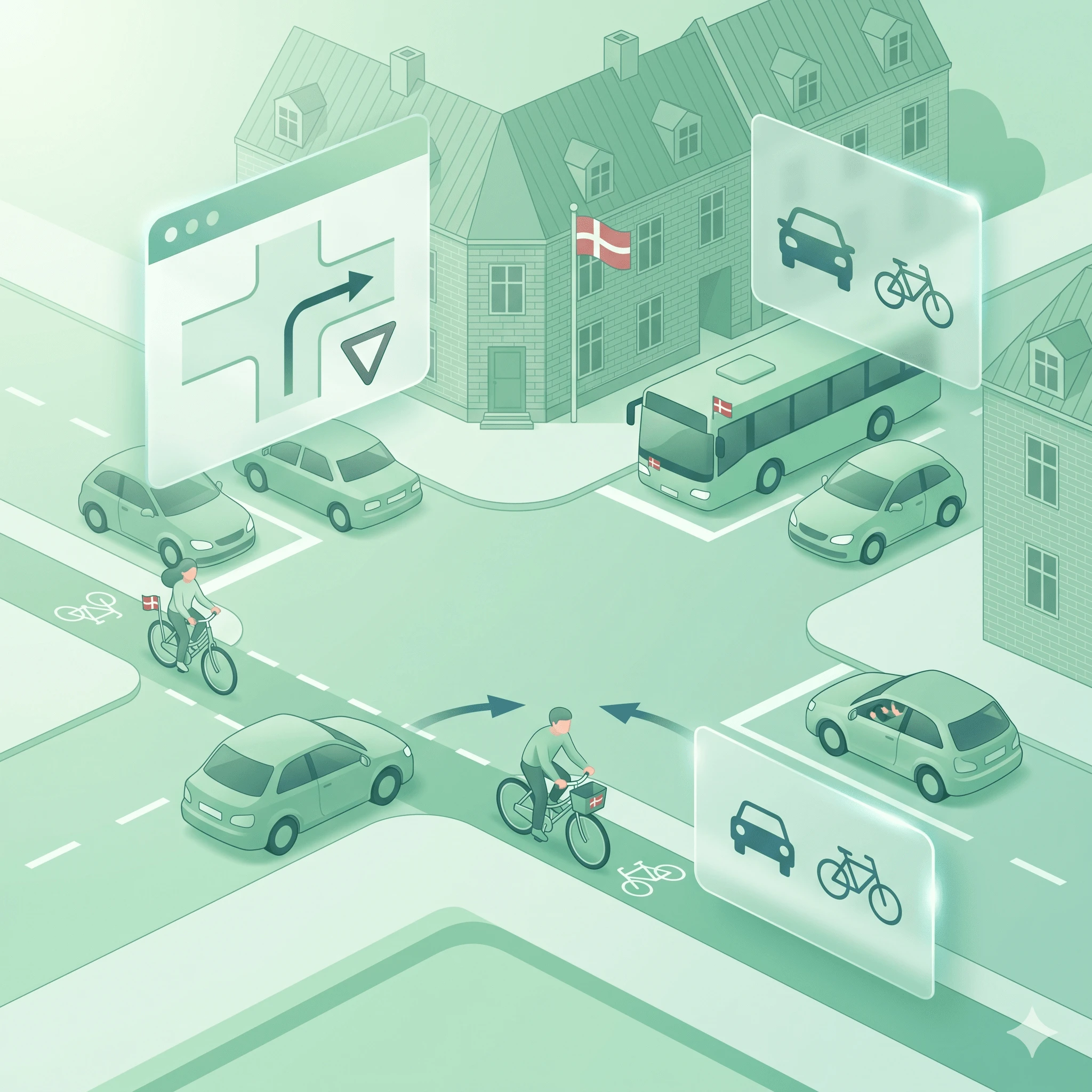
Deepen your knowledge of Danish traffic rules, right-of-way priority, and essential road safety through structured subject modules. These focused study areas help you build confidence in complex hazard perception and official road sign recognition before your test.
9 topics
7 topics
6 topics
3 topics
3 topics
3 topics
2 topics
1 topic
1 topic
1 topic
1 topic
1 topic
Navigate all essential Danish driving theory topics to prepare for your exam. Search for specific traffic rules or road signs, or browse subjects to deepen your understanding for comprehensive exam study.
Filter by category
7 theory topics found

Danish roads are used by many different groups, each with unique characteristics and vulnerabilities. As a driver, you must constantly adapt your behavior to ensure the safety of everyone, especially pedestrians, cyclists, and motorcyclists. This section explains how to interact responsibly and predictably with all road users, from the most vulnerable to the largest vehicles, as required by Danish traffic law.

Driving demands your full and undivided attention. Using a mobile phone behind the wheel is a major source of distraction, severely impacting your ability to react to hazards, maintain precise vehicle control, and process vital traffic information. In Denmark, this is a significant factor in road accidents and a key focus of driver education.
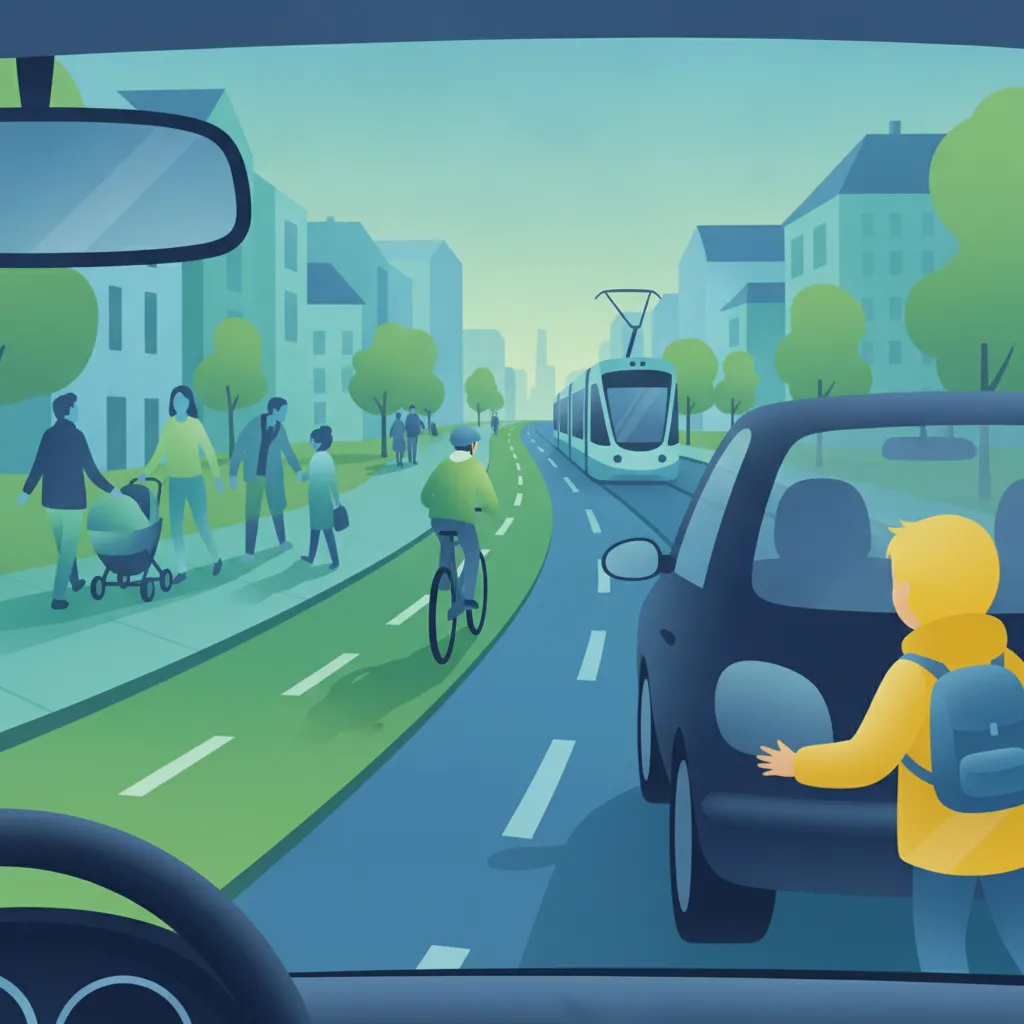
Hazard perception is the ability to identify potential dangers on the road before they become immediate threats. In Denmark, where cyclists are common and road conditions can vary, continuously scanning your environment and anticipating risks is vital. This skill allows you to drive proactively, maintaining safe margins and avoiding sudden braking or evasive maneuvers.

Tailgating, or driving too close to the vehicle ahead, significantly increases the risk of accidents. This page explains why maintaining sufficient safety distance (sikkerhedsafstand) is crucial, covering how your reaction time and braking distance impact the space you need. Mastering this concept is key for both your Danish theory exam and real-world safe driving.
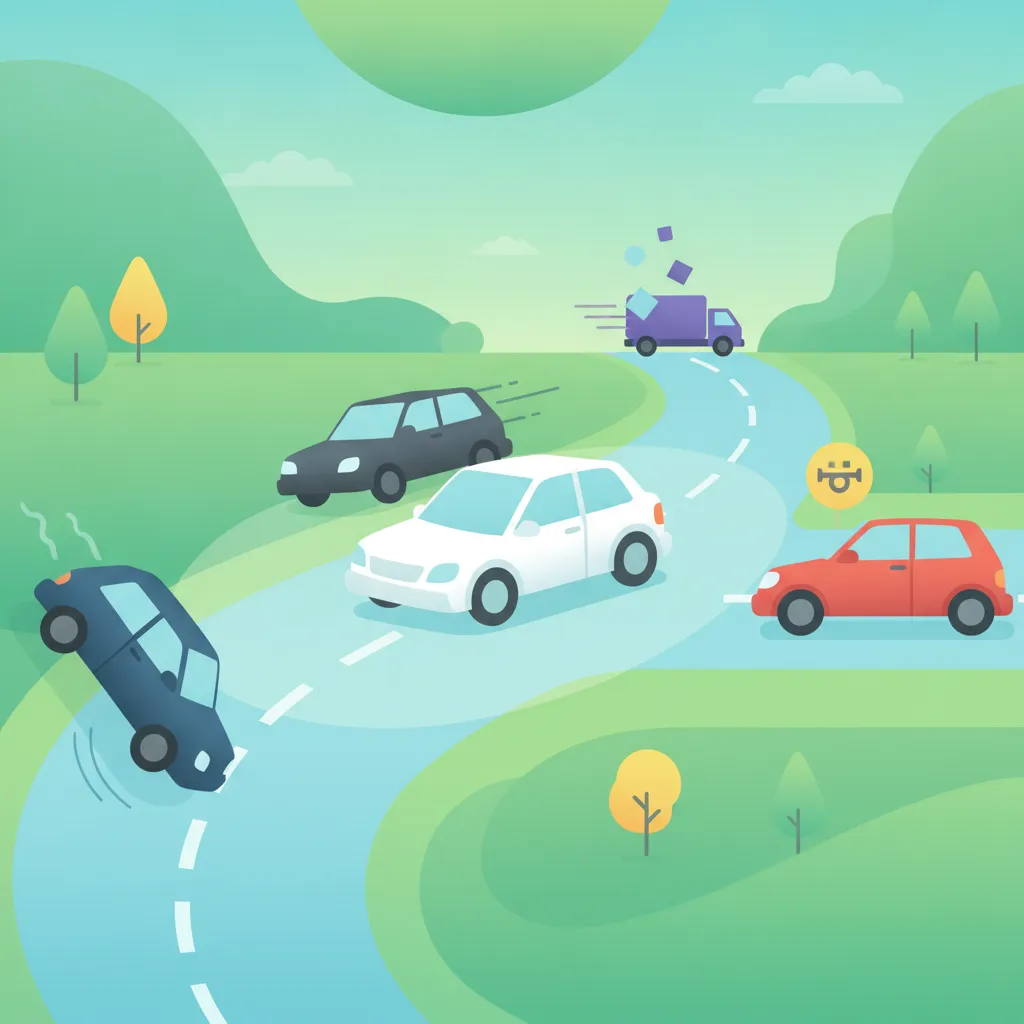
Defensive driving is a crucial approach to staying safe on Danish roads. It's about being proactive rather than reactive, constantly scanning your environment, anticipating potential dangers, and adjusting your driving to minimize risk. By understanding and applying these principles, you prepare yourself for a wide range of situations, reducing the likelihood of collisions regardless of others' actions.

Following distance refers to the critical space drivers maintain between their vehicle and the one ahead. This page clarifies how this distance allows for safe reaction and stopping, especially considering varying speeds and conditions on Danish roads. Understanding the relationship between following distance and overall stopping distance is crucial for both road safety and success in your theory test.

School zones are specific areas around educational facilities where children frequently walk, cycle, and cross roads. Due to their limited awareness of traffic hazards and often impulsive behavior, drivers must adopt special precautions. This section outlines the essential rules and heightened vigilance required to ensure safety for all road users in these critical areas.
Ready to deepen your understanding of Danish traffic laws and road safety? Browse our extensive library of articles to find explanations on specific rules, road signs, or driving procedures that will help you pass your driving theory exam with confidence.
Danish Driving Theory Articles