
This lesson details the specific legal requirements for using acoustic and visual signals while operating large passenger vehicles in France. You will learn how to communicate your intent safely in dense urban environments and when it is legally permissible to use your horn under the Code de la route.

Lesson content overview
Clear and compliant communication is one of the most critical responsibilities of a professional driver. For those operating large passenger transport vehicles—such as buses and coaches under French license categories D1, D, D1E, or DE—navigating dense urban environments demands constant interaction with other road users. In busy city centres, your primary tools for communicating intent and managing space are visual signals (indicators and hazard lights) and acoustic signals (the horn).
However, under the French Code de la route, the use of these tools is strictly regulated. Improper or aggressive use of horns and signals not only causes confusion and increases the risk of collisions, but it also contributes to urban noise pollution and carries significant legal penalties. This lesson outlines the legal boundaries, practical maneuvers, and safe driving protocols for using acoustic and visual signals in busy French urban areas.
In France, the vehicle horn—officially termed the avertisseur sonore—is designed solely as a safety device, not as a tool for personal expression or driver frustration. In built-up areas (agglomération), its use is heavily restricted to prevent noise pollution and ensure that when a horn is heard, it is understood as a critical safety warning.
According to Article R416-2 of the French Code de la route, drivers are strictly prohibited from using the horn in urban areas except in cases of immediate, unavoidable danger (danger immédiat). This means you may only activate the horn when a collision is imminent and cannot be avoided by any other action, such as braking or steering away.
A sudden, critical scenario on the roadway where a collision between vehicles, pedestrians, or obstacles is highly likely to occur within seconds unless immediate corrective action or warning is issued.
Using the horn to signal annoyance at a slow driver, to alert a friend on the pavement, or to urge a pedestrian to clear a crosswalk faster is illegal. In dense traffic, improper horn use can startle other road users—particularly vulnerable road users like cyclists or elderly pedestrians—leading to panic-induced steering or braking errors.
The rules governing acoustic signaling become even more restrictive during night hours. Under French law, between the hours of 22:00 and 07:00, the use of the acoustic horn is prohibited in residential and urban areas unless there is an absolute, unavoidable safety emergency.
To warn other drivers of your presence or of a hazard during these hours, you must use visual signals instead. This is accomplished by briefly flashing your high-beam headlights (appels de phares).
Assess the situation to see if a warning is necessary to prevent a hazard.
Ensure your vehicle is in a position where a light flash will be visible to the target road user.
Pull the headlight stalk briefly once or twice to emit short flashes of high-beam light (appels de phares).
Observe the reaction of the other road user and prepare to brake if they fail to acknowledge your presence.
Abuse of the horn (usage abusif de l'avertisseur sonore) is treated as a traffic violation in France. If law enforcement determines that you used the horn without a qualifying immediate danger, you face a fixed fine.
For professional passenger vehicle drivers, these fines can impact your professional record, and constant noise violations can damage the reputation of your operating transport authority.
Turn indicators (clignotants) are your primary tool for sharing your intentions with the surrounding traffic. Because buses and coaches are long, heavy, and have substantial blind spots (angles morts), signaling early and clearly is essential to secure the space required for any maneuver.
Article R412-10 of the Code de la route mandates that any driver intending to change the direction of their vehicle, merge, or move laterally must signal their intention clearly in advance.
A common mistake among drivers of large vehicles is leaving the turn signal active after completing a turn or lane change. This is highly dangerous as it misleads other road users into believing you intend to make another immediate turn, potentially causing them to pull out in front of you.
You must ensure that your turn indicators cancel automatically, or manually deactivate them immediately upon completing your maneuver. Leaving a signal active when no maneuver is planned is a punishable omission under French traffic rules.
Hazard warning lights (feux de détresse) flash all four turn signals simultaneously. Under French law, they serve a very specific, limited purpose: to warn other road users that your vehicle is currently posing a temporary hazard or that you are experiencing an emergency.
Hazard warning lights are not a "park anywhere" pass. Activating your hazard lights does not exempt you from urban parking regulations, bus lane restrictions, or loading zone rules.
According to the Code de la route, you may only activate your hazard warning lights in the following circumstances:
Using hazard warning lights while moving normally in traffic, or during a standard lane change, is strictly illegal and highly confusing to other drivers, as it masks your ability to indicate a specific left or right turn.
A professional driver must adapt their signaling behavior based on the specific environmental variables of dense French cities.
In heavy rain, thick fog, or falling snow, the visibility of your vehicle's rear lights is severely compromised. In these conditions, you should:
French cities are increasingly filled with cyclists, pedestrians, and personal mobility devices (engins de déplacement personnel like e-scooters). These users do not have the protective metal shell of a car and are highly vulnerable to sudden noises and unexpected vehicle movements.
Operating a fully loaded category D passenger bus changes your vehicle's stopping distance and acceleration rates. Because you cannot accelerate quickly out of a tight spot, your turn indicators must remain active long enough to actively claim your lane space and signal your intent to surrounding vehicles, allowing them to adjust their speed and let your larger vehicle merge safely.
The decisions you make regarding acoustic and visual signals have immediate consequences on the safety of the urban environment.
[Correct Early Indicator Use] ────> Surrounding traffic slows ────> Safe, smooth lane change for bus

[Late or Absent Indicator]   ────> Sudden braking by cars    ────> High risk of rear-end or side-swipe crash

[Aggressive/Abusive Horn]   ────> Startled pedestrians      ────> Unpredictable movements, high stress
By understanding these cause-and-effect relationships, you can actively reduce the probability of incidents along your route.
| Signaling Device | Legal Primary Purpose | Prohibited Actions in France | Key Urban Rules |
|---|---|---|---|
| Acoustic Horn (Avertisseur sonore) | Alerting others of immediate, unavoidable danger. | Expressing anger; greeting people; warning non-imperiled pedestrians. | Only for danger immédiat. No night use (22h–7h) unless critical. |
| Turn Indicators (Clignotants) | Indicating intent to turn, change lanes, or pull away. | Forgetting to deactivate; signaling late (under 30m). | Activate at least 30m before the maneuver; cancel immediately after. |
| Hazard Lights (Feux de détresse) | Signaling a broken-down vehicle, accident, or sudden stop. | Using as a license to double-park or while moving normally. | Must be used during passenger boarding for transport scolaire. |
To reinforce your understanding of urban driving dynamics and prepare for your French professional passenger license theory exam, explore these highly related study areas:
To test your practical knowledge on how to apply these rules in simulated exam conditions, access our practice questions:
This lesson covers the strict French regulations governing acoustic and visual signals for professional passenger vehicle drivers. The horn may only sound for immediate, unavoidable danger in urban areas, and is completely prohibited at night between 22:00 and 07:00 unless absolutely critical. Turn indicators must be activated at least 30 metres before any maneuver and cancelled immediately after; hazard lights serve only genuine emergencies and do not authorize parking violations. For school transport, hazard lights are mandatory during passenger boarding. Understanding these precise legal boundaries is essential for avoiding fines and ensuring the safety of vulnerable road users in dense French urban environments.
A short set of high-value points that capture the most important learning from this lesson.
The horn (avertisseur sonore) in urban areas is strictly limited to warning of immediate, unavoidable danger under Article R416-2.
Turn indicators must be activated at least 30 metres before any maneuver in urban areas and cancelled immediately after completing it.
Hazard lights (feux de détresse) are reserved exclusively for genuine emergencies and do not permit illegal parking or normal driving.
Between 22:00 and 07:00, acoustic horns are prohibited in built-up areas; use headlight flashes (appels de phares) instead.
Professional bus drivers must signal earlier and longer than car drivers due to larger blind spots and longer stopping distances.
Explore all units and lessons included in this driving theory course.
Article R416-2 restricts horn use to danger immédiat only—expressing annoyance or greeting people is illegal.
The 30-metre indicator rule applies in urban zones; extend significantly on motorways.
Hazard lights must be deactivated immediately when the emergency ends—leaving them on misleads other drivers.
For transport scolaire, hazard lights are mandatory during passenger boarding and alighting.
Nighttime hours 22:00–07:00 prohibit horns unless facing absolute, unavoidable safety emergencies.
Using the horn to urge pedestrians to cross faster or to get the attention of friends on the pavement.
Leaving turn indicators active after completing a turn, which misleads other road users into anticipating another maneuver.
Using hazard lights while moving normally in traffic or treating them as a permit to park anywhere.
Activating indicators less than 30 metres before the maneuver, especially when pulling away from bus stops in traffic.
Honking at cyclists in bus lanes instead of establishing eye contact, which can cause panic and falls.
Lesson content overview
A short set of high-value points that capture the most important learning from this lesson.
The horn (avertisseur sonore) in urban areas is strictly limited to warning of immediate, unavoidable danger under Article R416-2.
Turn indicators must be activated at least 30 metres before any maneuver in urban areas and cancelled immediately after completing it.
Hazard lights (feux de détresse) are reserved exclusively for genuine emergencies and do not permit illegal parking or normal driving.
Between 22:00 and 07:00, acoustic horns are prohibited in built-up areas; use headlight flashes (appels de phares) instead.
Professional bus drivers must signal earlier and longer than car drivers due to larger blind spots and longer stopping distances.
Explore all units and lessons included in this driving theory course.
Article R416-2 restricts horn use to danger immédiat only—expressing annoyance or greeting people is illegal.
The 30-metre indicator rule applies in urban zones; extend significantly on motorways.
Hazard lights must be deactivated immediately when the emergency ends—leaving them on misleads other drivers.
For transport scolaire, hazard lights are mandatory during passenger boarding and alighting.
Nighttime hours 22:00–07:00 prohibit horns unless facing absolute, unavoidable safety emergencies.
Using the horn to urge pedestrians to cross faster or to get the attention of friends on the pavement.
Leaving turn indicators active after completing a turn, which misleads other road users into anticipating another maneuver.
Using hazard lights while moving normally in traffic or treating them as a permit to park anywhere.
Activating indicators less than 30 metres before the maneuver, especially when pulling away from bus stops in traffic.
Honking at cyclists in bus lanes instead of establishing eye contact, which can cause panic and falls.
Explore search topics learners often look for when studying Use of Horn and Signals in Busy Environments. These topics reflect common questions about road rules, driving situations, safety guidance, and lesson level theory preparation for learners in France.
Browse additional driving theory lessons that cover connected traffic rules, road signs, and common driving situations related to this topic. Improve your understanding of how different rules interact across everyday traffic scenarios.
Understand the operational requirements for driving passenger vehicles in dense urban environments according to French traffic regulations. This lesson provides insights into navigating heavy traffic, managing interactions with vulnerable road users, and applying professional driving protocols to safely maneuver buses and coaches in complex city centres and school zones.

This lesson analyzes the various traffic challenges unique to operating large passenger vehicles in historic and modern French urban areas. Drivers will learn to manage narrow street layouts, double-parked delivery trucks, and high-density multi-lane roundabouts safely. The lesson emphasizes defensive driving strategies, route adjustments, and maintaining mental focus under severe schedule and time pressures.

Public transit vehicles like city buses and streetcars (trams) have clear legal priorities and dedicated infrastructure in urban areas. This lesson teaches you to recognize reserved transit lanes and your legal obligation to yield to buses exiting their designated stops. You will also learn safe driving strategies near tram tracks, ensuring you never block public transit lines or risk passenger boarding areas.
This lesson examines the regulatory limits and environmental controls applied to large passenger vehicles operating in dense French urban centers. Drivers will study the Crit'Air clean air sticker system and low-emission zones (ZFE) that restrict access for older, high-polluting vehicles. It also addresses navigating physical constraints, such as narrow streets, tight turning radii, and strict municipal weight limits.
This lesson focuses on maneuvering in extremely crowded areas, passenger terminals, or narrow streets blocked by parked vehicles and obstacles. Drivers will learn to assess clearance distances precisely before committing to narrow pathways. The content teaches steering techniques that maintain stability, optimize space usage, and prioritize public safety during slow-speed, high-difficulty maneuvers.
In this lesson, drivers will learn how to navigate urban delivery zones, understanding the rules surrounding loading bays, time windows, and restricted access areas. The content includes the process for obtaining delivery permits, strategies for safe maneuvering in congested city streets, and best practices for minimizing impact on pedestrian traffic. Learners will also be introduced to French city-specific regulations that govern goods vehicle deliveries.

This lesson details how to manage high-risk interactions with pedestrians who may step off curbs or cross the road near bus stops. Learners will study French Code de la route laws regarding pedestrian priority at crosswalks and near stopping transit vehicles. Developing heightened spatial awareness around blind zones near the front of the bus is emphasized to prevent tragic pedestrian collisions.
This lesson detail the exact laws governing the use of reserved bus lanes, detailing who may enter them and during what hours of operation. Drivers will study the penalties for unauthorized passenger cars occupying these lanes and the safety protocols for lane sharing with taxi cabs or cyclists. The lesson also highlights safe lane-merging practices when exiting reserved spaces to merge back into general urban traffic.
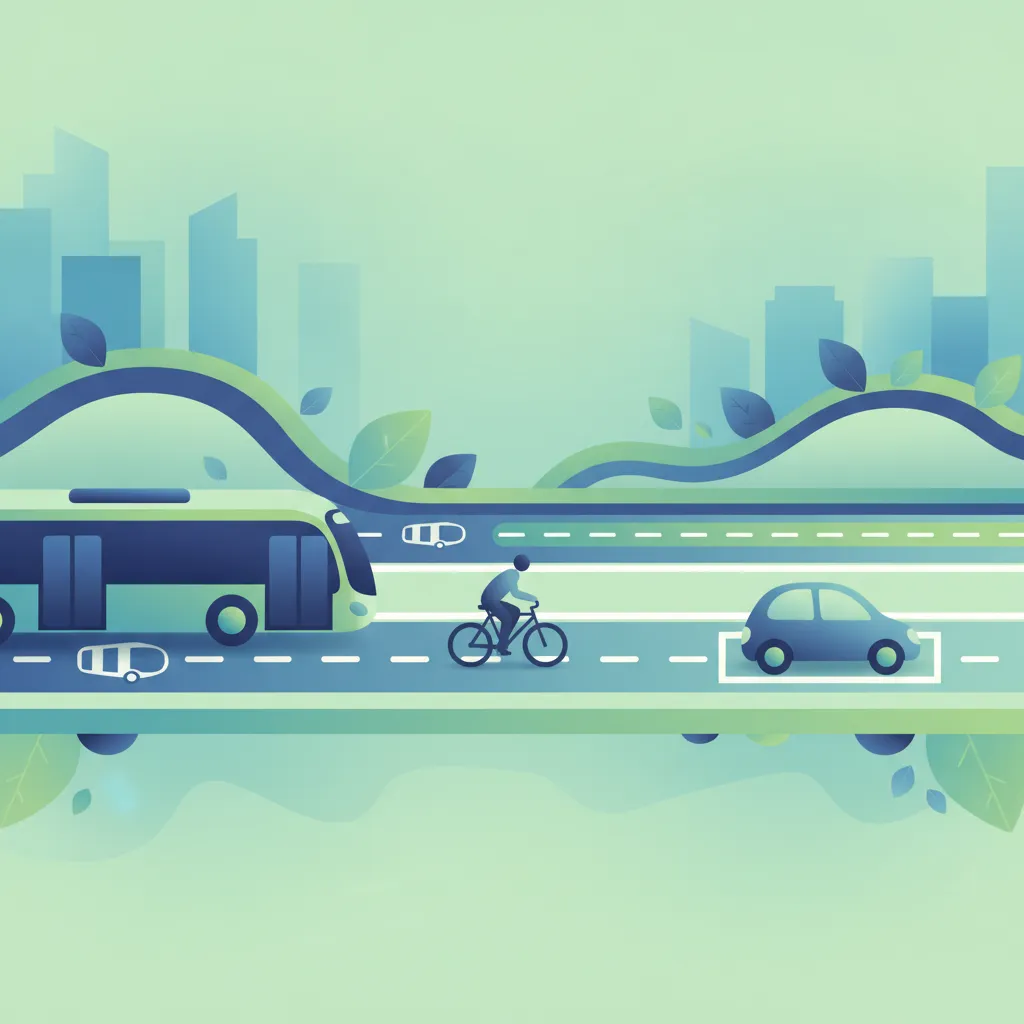
Urban roads in France feature specialized lanes reserved for public transit, micro-mobility, and distinct parking options. This lesson covers how to recognize bus lanes, cycling lanes, and the specific rules that prohibit general traffic from blocking them. You will also learn to interpret parking bay outlines, loading zones, and spots reserved for electric charging or drivers with disabilities.
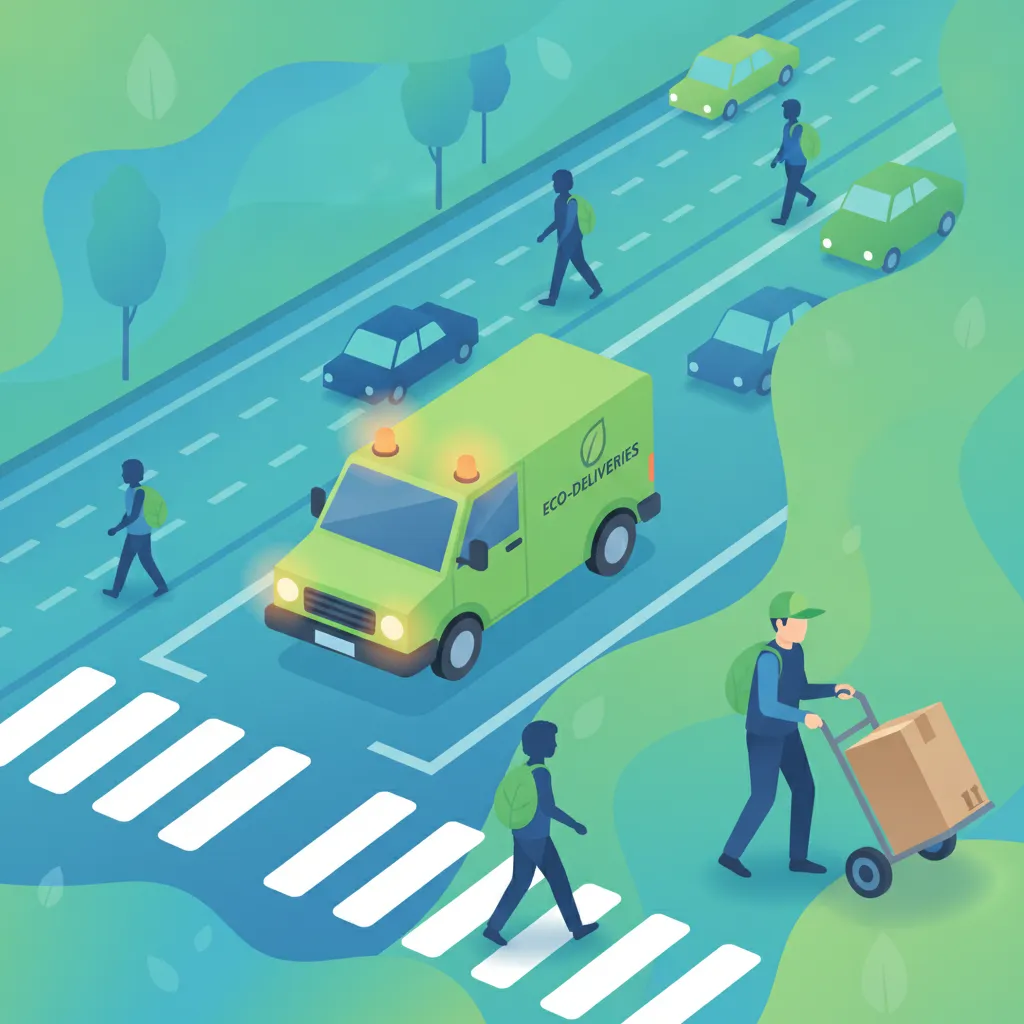
This lesson focuses on the unique challenges of performing deliveries in dense urban areas. Learners will explore best practices for loading and unloading safely, navigating traffic congestion, and minimizing risks to pedestrians and cyclists. The content also covers compliance with city regulations for delivery zones, scheduling considerations, and the importance of careful maneuvering to avoid accidents.
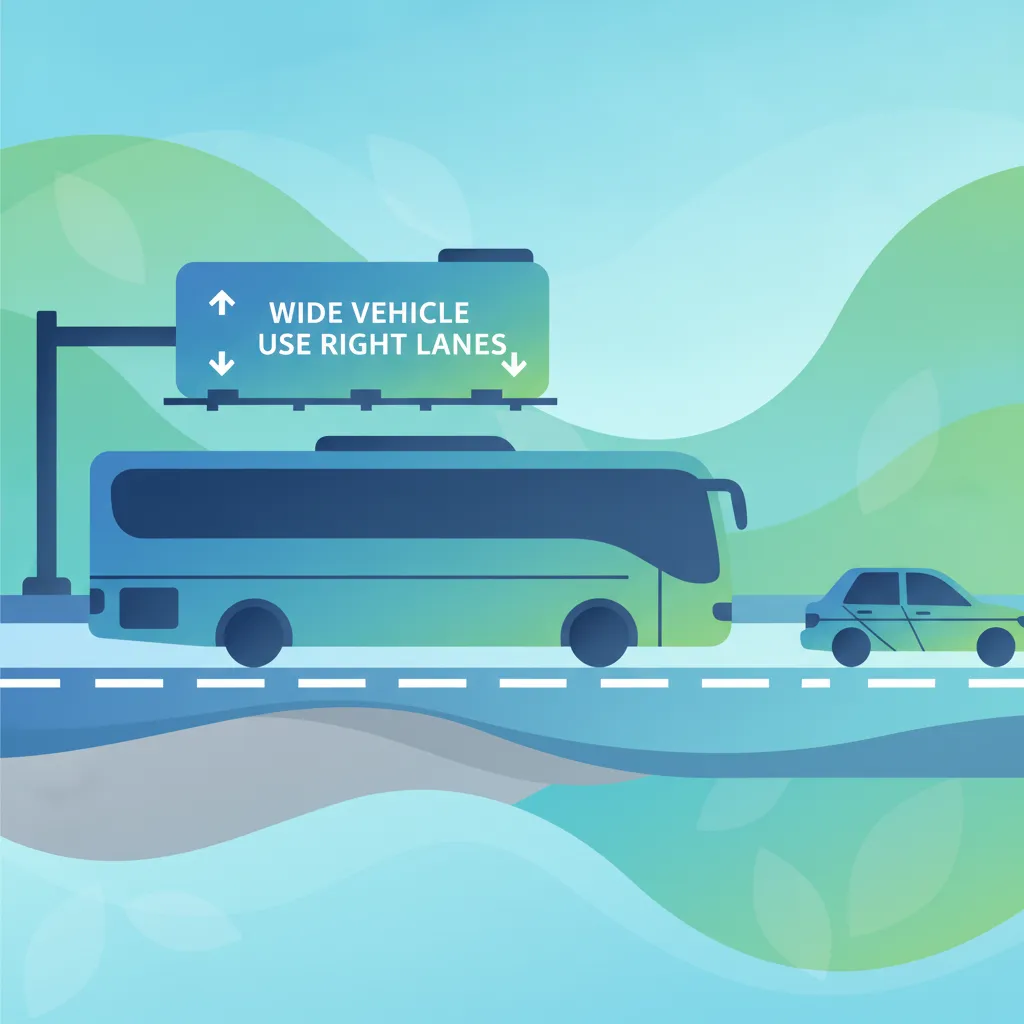
This lesson details the rules of lane discipline for operating wider and longer passenger transport vehicles on highway and city networks. Learners will explore proper lane positioning to prevent encroachment on adjacent lanes or sidewalks. It also covers the step-by-step visual and signaling sequence required to perform safe lane changes, avoiding sudden movements that could startle other drivers.
Learn the essential techniques for maintaining correct lane positioning and executing safe turns with large passenger vehicles. This theory lesson explains the importance of managing blind spots, performing effective mirror checks, and utilizing appropriate signals to ensure clear communication with other road users during complex maneuvers and lane changes.
This lesson details the rules of lane discipline for operating wider and longer passenger transport vehicles on highway and city networks. Learners will explore proper lane positioning to prevent encroachment on adjacent lanes or sidewalks. It also covers the step-by-step visual and signaling sequence required to perform safe lane changes, avoiding sudden movements that could startle other drivers.

This lesson analyzes the technical path a long wheelbase vehicle must take when turning at intersections and navigating roundabouts. Drivers will learn to calculate tail swing and rear-wheel tracking, intentionally swinging wide to clear roadside curbs and poles safely. The lesson emphasizes yielding protocols for pedestrians and cyclists who may be crossing the target street during the turn.

In this lesson, drivers will learn how to plan and execute wide turns with goods vehicles, taking into account turning radius, pivot points, and articulation angles. The content emphasizes the necessity of using the full width of the lane, correctly aligning the vehicle through the turn, and anticipating the movement of the trailer. Learners will also explore road marking guidelines for turning and the importance of giving clear signals to surrounding traffic.

This lesson covers the specific lane usage rules and best practices for articulated goods vehicles, emphasizing the correct positioning within lane markings and the impact of vehicle length on lane width. Learners will understand how to navigate lane changes safely, the importance of maintaining appropriate gaps with other road users, and the challenges posed by narrow lanes in urban environments. The content also addresses the French road markings standard.
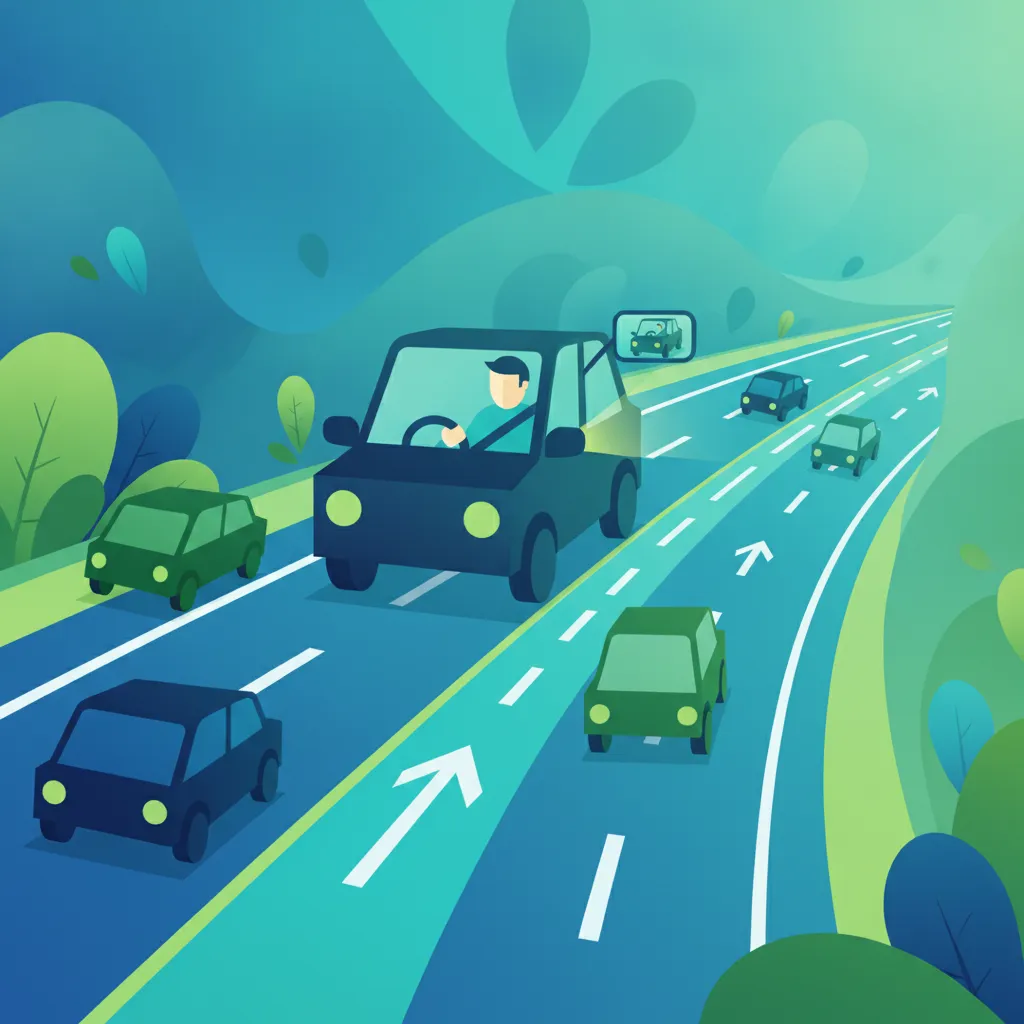
Changing lanes or executing turns requires a structured visual and physical procedure to prevent interrupting surrounding traffic. This lesson explains the key steps: checking the center mirror, exterior mirrors, turning on direction indicators, and performing blind-spot checks. You will learn correct vehicle positioning for both left and right turns, and how to execute safe turning circles without cutting corners.
This lesson analyzes the various traffic challenges unique to operating large passenger vehicles in historic and modern French urban areas. Drivers will learn to manage narrow street layouts, double-parked delivery trucks, and high-density multi-lane roundabouts safely. The lesson emphasizes defensive driving strategies, route adjustments, and maintaining mental focus under severe schedule and time pressures.
This lesson covers the physical dimensions of passenger vehicles and how their high profile, length, and width alter spatial awareness on the road. Learners will study tail-swing mechanics and track the path of the rear wheels during sharp turns to avoid hitting roadside obstacles. Accurate measurement of overhead structures, bridges, and underpass clearances is taught to prevent catastrophic structural collisions.
This lesson focuses on maneuvering in extremely crowded areas, passenger terminals, or narrow streets blocked by parked vehicles and obstacles. Drivers will learn to assess clearance distances precisely before committing to narrow pathways. The content teaches steering techniques that maintain stability, optimize space usage, and prioritize public safety during slow-speed, high-difficulty maneuvers.
This lesson focuses on the specific considerations for operating goods vehicles on French motorways, including lane selection, speed management, and proper merging techniques. Learners will understand the importance of maintaining lane discipline, using appropriate overtaking practices, and respecting motorway-specific speed limits for heavy vehicles. The content also covers the use of emergency lanes and the handling of traffic flow.
This lesson covers the rules of driving passenger vehicles on high-speed French motorways (autoroutes). Learners will study entry-ramp merging protocols, lane restrictions for vehicles over 3.5 tonnes, and motorway-specific speed limits. The lesson also highlights the correct use of toll booths (péages), emergency hard-shoulder safety procedures, and accessing dedicated coach rest areas.
Find clear answers to common questions learners have about Use of Horn and Signals in Busy Environments. Learn how the lesson is structured, which driving theory objectives it supports, and how it fits into the overall learning path of units and curriculum progression in France. These explanations help you understand key concepts, lesson flow, and exam focused study goals.
Under the French Code de la route, the horn is reserved exclusively for giving an urgent warning to avoid an immediate and unavoidable danger. It should never be used to signal impatience or to alert other drivers of your presence unless a collision is imminent.
Yes, you must signal your intent to pull over well in advance. Proper signaling is a core requirement for passenger vehicle drivers to ensure that traffic behind you is aware of your deceleration and movement toward the curb.
Hazard lights should be used when your vehicle is a temporary obstacle or represents a potential hazard to others, such as during an emergency stop, a breakdown, or in specific conditions where your vehicle is causing a significant obstruction on the carriageway.
Yes, theory questions often present scenarios where you must choose the correct defensive action. Identifying that the horn is not for traffic flow management is a frequent test of your understanding of French road etiquette.
Ready to focus your study? Use the practice search to find exactly the French driving theory questions you need for the Code de la route and permis de conduire ETG. Refine your knowledge on specific topics or challenging rules to boost your confidence and exam readiness.