
Drivers in Germany are required to update their older driving licences to the current, uniform EU-compliant card format. This guide clarifies the staggered deadlines based on birth year and issue date, detailing exactly what you need to do to remain legally compliant. You will learn that this process is purely administrative and does not require new theory or practical exams, helping you navigate the requirements for your driving document with confidence.
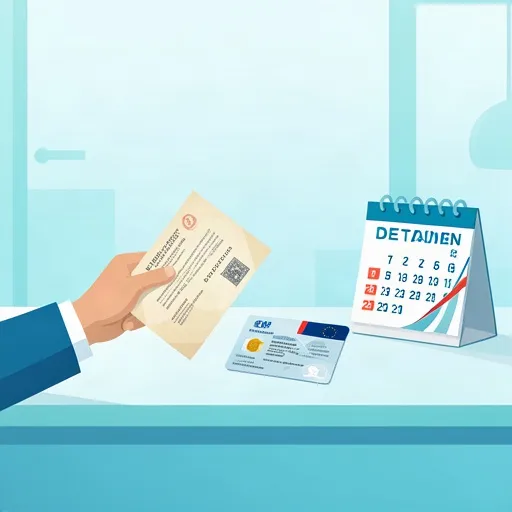
Article content overview
If you are a resident in Germany holding an older driving licence, you may be affected by the ongoing, mandatory exchange of all pre-2013 driving documents. This process is a significant administrative update aimed at unifying driving licences across the European Union. By transitioning to a tamper-proof, uniform EU-compliant card format, the German authorities ensure that all road users carry standardized documentation that meets current security benchmarks. Understanding these rules is essential to remaining legally compliant and avoiding unnecessary bureaucratic complications.
Many learners and experienced drivers worry that the exchange process will require them to retake the theory or practical driving exams. It is important to clarify that this is a purely administrative procedure. You are not required to complete any further driving training, medical examinations, or theoretical tests. The exchange does not affect your existing driving privileges; you maintain the legal right to operate the same categories of vehicles that were permitted on your previous licence.
The mandatory exchange is an administrative update only. Your underlying driving entitlement remains unchanged and valid, provided you meet the required deadlines for replacing the physical document.
The Federal Ministry of Transport has implemented a staggered timeline to manage the high volume of applications. This schedule is divided into two primary categories based on whether you hold an old paper licence (the grey or pink "Lappen") or an early plastic card licence issued between 1999 and 2013.
For those holding the older, non-card formats, the deadline is determined by your year of birth. This ensures that the oldest documents, which are the most susceptible to forgery and wear, are replaced first.
| Year of Birth | Deadline for Exchange |
|---|---|
| Before 1953 | 19. January 2033 |
| 1953 – 1958 | 19. January 2022 |
| 1959 – 1964 | 19. January 2023 |
| 1965 – 1970 | 19. January 2024 |
| 1971 or later | 19. January 2025 |
If you already possess a plastic card licence issued during this period, your deadline is determined by the year of issuance, as printed on your licence.
While the exchange is mandatory, failing to meet the deadline does not immediately revoke your ability to drive. However, missing the deadline can result in a small administrative fine of 10 Euros. More importantly, an expired licence can cause significant issues if you are stopped by police, especially during international travel or if you intend to rent a vehicle abroad. Since the old documents will eventually lose their legal validity, it is highly recommended to complete the process well in advance to avoid these inconveniences.
The local driver's licensing authority responsible for managing all matters related to your driving licence, including initial issuance, renewals, and the mandatory administrative exchange of older documents.
If you are a German citizen living abroad, the rules for your licence exchange depend on your residency status. For those living outside the EU/EEA, it is recommended to contact your original issuing authority in Germany to manage the exchange before your document expires. If you have moved to Germany from abroad and are driving with a foreign licence, remember that your foreign document is generally valid for only six months after establishing residency. After this period, a formal conversion process to a German driving licence is mandatory to remain legally permitted to drive on German roads.
Article content overview
Explore related topics, search based questions, and concepts that learners often look up when studying German Driving Licence Exchange Guide. These themes reflect real search intent and help you understand how this topic connects to wider driving theory knowledge in Germany.
Find clear and practical answers to common questions learners often have about German Driving Licence Exchange Guide. This section helps explain difficult points, remove confusion, and reinforce the key driving theory concepts that matter for learners in Germany.
No, the exchange of an older licence for the new EU-compliant card is a purely administrative procedure. No further examinations or medical tests are required.
While your driving privileges remain valid, your old document becomes invalid. You may face a small fine, and it could cause issues when driving or renting cars abroad.
It depends on the type of document. For paper licences, the deadline is based on your birth year. For card licences issued between 1999 and 2013, the deadline is based on the year of issue.
Didn't find what you were looking for? Continue your German driving theory preparation by exploring related articles, specific road sign categories, or in-depth guides on complex traffic situations. Deepen your understanding before the official test.