
This lesson explores the critical concept of blind spots for motorcycle riders navigating Turkish roads. By integrating proper mirror adjustment and active head checks, you will gain the skills necessary to remain visible and safe in dense traffic. This is a vital step in your preparation for the A, A1, and A2 category theory exam.

Lesson content overview
Operating a motorcycle safely on Turkish roads requires more than just vehicle control and basic balance. Because of a motorcycle’s narrow profile, riders are exceptionally vulnerable to being overlooked by other road users. This textbook-quality lesson covers the critical mechanics of blind spots, how to manage your own visibility, and how to proactively avoid riding in the blind spots of others.
Whether you are preparing for your A1, A2, or A category motorcycle theory exam in Turkey (motosiklet ehliyet sınavı), mastering blind spot management is a foundational pillar of defensive riding that will protect you throughout your driving life.
A blind spot (kör nokta) is any area around a vehicle that cannot be directly observed by the driver or rider using the rearview and side mirrors, or through their unaided forward and peripheral vision. For motorcycle riders, blind spots present a double-edged hazard:
The physical area around a vehicle where traffic cannot be seen using properly adjusted mirrors alone. To see inside these zones, a driver or rider must physically turn their head to look.
A common and highly dangerous misunderstanding among novice riders is assuming that mirrors provide a complete, unbroken field of view of the rear and sides. In reality, mirrors only provide a narrow, cone-shaped corridor of visibility. Any vehicle traveling parallel to your rear wheel in an adjacent lane will be completely invisible in your mirrors.
To eliminate the danger of blind spots, riders must employ a systematic combination of mirror observation and physical head checks. Relying on one without the other is a major cause of collisions during lane changes and overtaking maneuvers.
Before starting any journey under Turkish traffic regulations, you must adjust your mirrors while seated in your normal riding posture.
Never attempt to adjust your mirrors while your motorcycle is in motion. Doing so distracts your focus, compromises your physical balance, and momentarily leaves you with only one hand on the handlebars, which is highly dangerous and a violation of safe riding principles.
Often referred to in international training as the "lifesaver look," the shoulder check (omuz bakışı) is a quick, decisive turn of your head (approximately 90 degrees) toward the shoulder of the side you intend to move toward.
Under the Turkish Highway Code (Karayolları Trafik Kanunu), every lane change (şerit değiştirme) or overtaking maneuver (geçiş) must be executed systematically. Failing to follow these steps in order increases the risk of colliding with an unseen vehicle.
Assess Forward Traffic: Ensure there is a safe, legal gap ahead and that the road markings (such as broken lines) permit a lane change.
Mirror Check: Check your rearview and side mirrors to evaluate the speed and distance of vehicles behind you.
Signal Your Intent: Activate your turn signal indicator early to warn traffic of your proposed action.
Perform the Shoulder Check: Turn your head quickly over the relevant shoulder (left or right) to confirm your blind spot is completely clear of other vehicles or lane-splitting motorcycles.
Execute Smoothly: Move into the target lane with a smooth, progressive diagonal line, maintaining your speed to match the flow of traffic. Deactivate your turn signal immediately after completing the maneuver.
The legal framework governing traffic in Turkey places strict responsibilities on riders to ensure their maneuvers do not endanger or impede other road users.
According to the Turkish Highway Code, drivers and riders must not change lanes abruptly, disrupt the flow of traffic, or change lanes without signaling. Before making any lateral move, the vehicle operator is legally required to verify that the adjacent lane is clear.
Failing to verify blind spots before overtaking can lead to immediate failure during the practical motorcycle licensing exam and results in severe liability if an accident occurs on public highways.
Defensive riding means managing not only your own blind spots but actively keeping yourself out of the blind spots of other drivers.
Heavy commercial vehicles—such as long-haul cargo trucks (tır), municipal transit buses, and construction vehicles—have massive blind spots on all four sides. These areas are commonly referred to as the No-Zone.
To maximize your visibility to other motorists, utilize strategic lane positioning:
Riders must remain alert to specific road layouts and behaviors that amplify blind spot hazards.
| Violation / Error | Why It Is Dangerous | Correct Defensive Behavior |
|---|---|---|
| Failing to shoulder-check before moving | Mirrors cannot see vehicles riding parallel to your rear wheel. | Always execute a physical shoulder check before every single lateral movement. |
| Riding in a vehicle's blind spot | The driver ahead may change lanes suddenly without seeing you. | Adjust your speed to pass through the vehicle's blind spot quickly or drop back. |
| Overtaking on the right (Sağdan Geçmek) | Drivers rarely expect to be overtaken on the right, and their right-side blind spots are often poorly monitored. | Always overtake on the left in accordance with standard Turkish traffic rules, unless traffic flow dictates otherwise. |
| Abrupt lane changes | Reduces the time other drivers have to react to your presence. | Signal early, check blind spots, and drift smoothly into the new lane. |
The physical size and risk profile of a blind spot change dynamically depending on environmental factors, road geometry, and vehicle condition.
During night riding or in heavy Turkish winter rain and fog (common in regions like the Marmara and Black Sea), rainwater on your helmet visor and mirrors can distort reflections. Light from headlights can scatter, making it very difficult to spot vehicle outlines in your mirrors.
Under these conditions, a physical shoulder check becomes even more critical, as your eyes can pick up the direct glare of an adjacent vehicle’s headlights where a mirror might only show a blur of light.
On major Turkish motorways (like the O-3 or O-4), high speeds mean that a vehicle in an adjacent lane can enter your blind spot in a fraction of a second. Fast-approaching vehicles in the left lane require deep mirror scanning and extended shoulder checks.
Conversely, in dense urban areas like Istanbul, delivery riders and scooters frequently filter through lanes. A quick, thorough shoulder check is your primary defense against colliding with a filtering two-wheeler when you attempt to change position within your lane.
Blind spot awareness is a non-negotiable component of surviving on a motorcycle. To ride defensively and pass your Turkish motorcycle driving theory exam successfully, remember these core principles:
This lesson teaches motorcycle riders in Turkey how to identify and manage blind spots, which represent a critical safety hazard given a motorcycle's narrow profile. The core principle is that mirrors are insufficient alone and must always be supplemented by a physical shoulder check (omuz bakışı) before any lane change or overtaking maneuver. Riders must also actively avoid riding in the blind spots of other vehicles, particularly heavy commercial trucks and buses where the 'No-Zone' can completely conceal a motorcycle. The systematic sequence of Mirror-Signal-Shoulder Check-Manoeuvre must be applied consistently, and environmental factors such as night riding, rain, or fog make shoulder checks even more essential as mirror visibility deteriorates.
A short set of high-value points that capture the most important learning from this lesson.
Mirrors alone cannot provide complete rearward visibility; they only show a narrow corridor and miss vehicles directly alongside your rear wheel
The shoulder check (omuz bakışı) is the only reliable method to verify your blind spot is clear before any lateral movement
Heavy commercial vehicles (trucks, buses, dolmuş) have massive No-Zones on all four sides; if you cannot see the driver's face in their mirror, they cannot see you
Use a systematic Mirror-Signal-Shoulder Check-Manoeuvre sequence for every lane change and overtaking under Turkish traffic law
Avoid lingering in the blind spots of larger vehicles; pass quickly and maintain maximum lateral distance when overtaking
Explore all units and lessons included in this driving theory course.
Side mirrors should show your shoulders in the inner third, leaving two-thirds for the road behind and beside you
Scan your mirrors every 5 to 8 seconds while riding to build a dynamic mental map of surrounding traffic
Never adjust mirrors while in motion; it compromises balance, attention, and control
Always overtake on the left in Turkey; overtaking on the right (sağdan geçmek) is dangerous because drivers rarely expect it
Position yourself left-of-center in your lane to maximize visibility in the rear-view mirror of vehicles ahead
Relying solely on mirrors without performing a physical shoulder check before changing lanes or turning
Riding alongside a large vehicle in its blind spot for an extended period instead of accelerating through or dropping back
Attempting to overtake another vehicle on its right side, where drivers rarely monitor their right-side blind spots
Changing lanes abruptly without signaling early enough for other road users to anticipate your move
Experiencing target fixation—unconsciously steering toward where you are looking during a shoulder check, causing the bike to drift in that direction
Lesson content overview
A short set of high-value points that capture the most important learning from this lesson.
Mirrors alone cannot provide complete rearward visibility; they only show a narrow corridor and miss vehicles directly alongside your rear wheel
The shoulder check (omuz bakışı) is the only reliable method to verify your blind spot is clear before any lateral movement
Heavy commercial vehicles (trucks, buses, dolmuş) have massive No-Zones on all four sides; if you cannot see the driver's face in their mirror, they cannot see you
Use a systematic Mirror-Signal-Shoulder Check-Manoeuvre sequence for every lane change and overtaking under Turkish traffic law
Avoid lingering in the blind spots of larger vehicles; pass quickly and maintain maximum lateral distance when overtaking
Explore all units and lessons included in this driving theory course.
Side mirrors should show your shoulders in the inner third, leaving two-thirds for the road behind and beside you
Scan your mirrors every 5 to 8 seconds while riding to build a dynamic mental map of surrounding traffic
Never adjust mirrors while in motion; it compromises balance, attention, and control
Always overtake on the left in Turkey; overtaking on the right (sağdan geçmek) is dangerous because drivers rarely expect it
Position yourself left-of-center in your lane to maximize visibility in the rear-view mirror of vehicles ahead
Relying solely on mirrors without performing a physical shoulder check before changing lanes or turning
Riding alongside a large vehicle in its blind spot for an extended period instead of accelerating through or dropping back
Attempting to overtake another vehicle on its right side, where drivers rarely monitor their right-side blind spots
Changing lanes abruptly without signaling early enough for other road users to anticipate your move
Experiencing target fixation—unconsciously steering toward where you are looking during a shoulder check, causing the bike to drift in that direction
Explore search topics learners often look for when studying Blind Spot Awareness and Management. These topics reflect common questions about road rules, driving situations, safety guidance, and lesson level theory preparation for learners in Turkey.
Browse additional driving theory lessons that cover connected traffic rules, road signs, and common driving situations related to this topic. Improve your understanding of how different rules interact across everyday traffic scenarios.
Learn how to position your motorcycle within a lane to maximize visibility and create safety buffers from other road users. This lesson explains the principles of staggered riding formations and tactical lane placement to help you avoid common collision risks during urban riding and on major Turkish motorways.

In this lesson, learners will discover the principles of optimal lane positioning that enhance both rider visibility and predictability to other road users. The content focuses on selecting the correct lane within various traffic scenarios, such as approaching intersections, navigating curves, and during overtaking. By maintaining appropriate lane placement, riders can minimize blind spots and improve reaction times.

Proper road positioning is your primary shield against being squeezed, sideswiped, or overlooked by larger motor vehicles in daily traffic. This lesson explains how to ride in the center or slightly off-center of your lane to prevent unsafe overtaking within the same lane. You will study how to identify the massive blind spots of buses and trucks, maintain appropriate following distances, and execute overtaking maneuvers with maximum safety margin and clear signal warning.

This lesson delves into the specific challenges and procedures associated with navigating roundabouts on a motorcycle. It outlines the importance of approaching at a safe speed, selecting the correct lane, and yielding to vehicles already within the roundabout. The content also covers the proper use of signals when exiting and emphasizes the need for heightened awareness of blind spots, especially when larger vehicles are present.

In this lesson, learners will master the skills required to safely navigate various types of intersections encountered in Turkish urban settings. The content covers interpreting traffic signals, understanding right-of-way rules, and executing proper lane positioning. Practical strategies for managing blind spots and ensuring visibility to other road users are emphasized. By the end of this session, participants will be equipped with safe crossing techniques.

In this lesson, learners will focus on the specific considerations and safety practices required when riding motorcycles on high-speed roads and motorways. Topics covered include maintaining appropriate lane discipline, safe overtaking at high speeds, dealing with increased wind resistance, and the importance of accurate speed control and appropriate following distances on faster roadways.
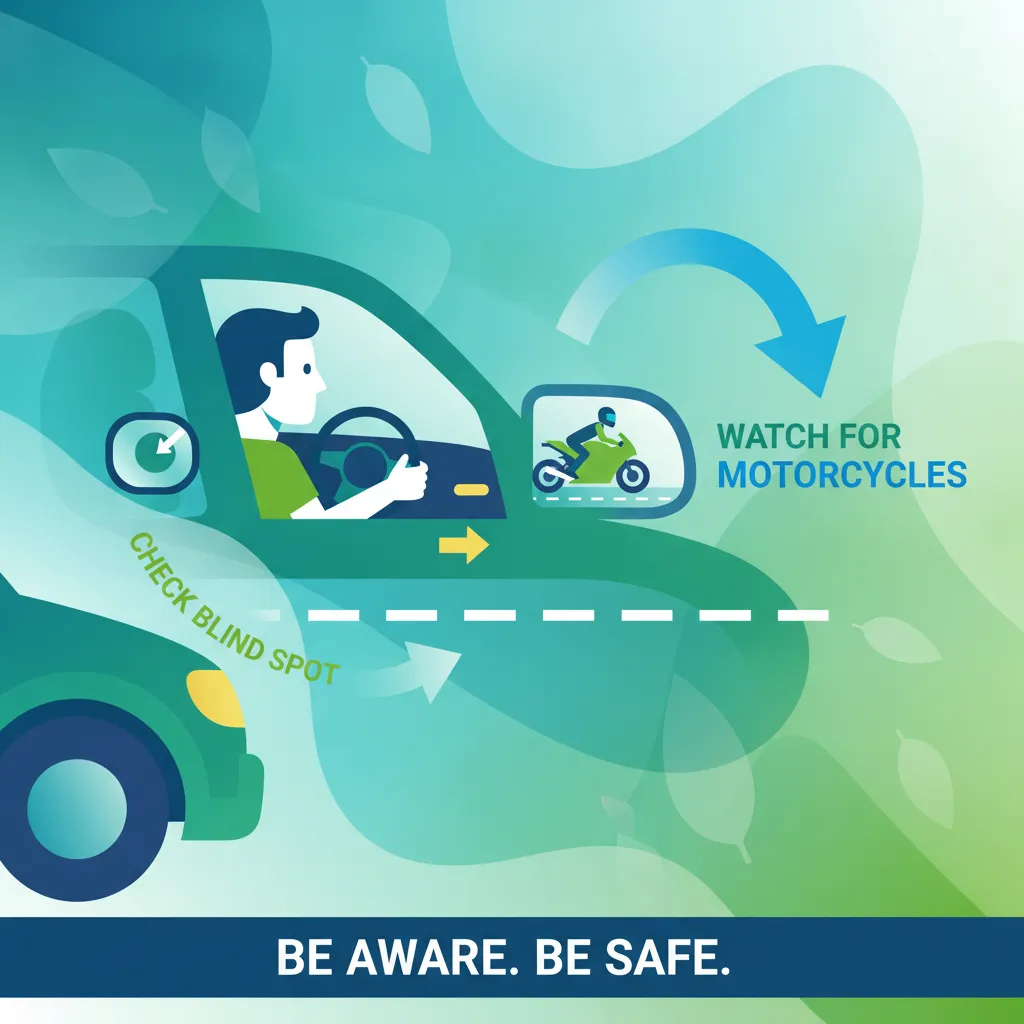
Learners will gain insight into the unique challenges posed by motorcycles and scooters sharing the road with passenger vehicles. The lesson highlights the importance of checking blind spots, maintaining safe following distances, and being aware of the faster acceleration and maneuverability of two-wheeled vehicles. Strategies for anticipating their movements and preventing collisions are discussed.

In this lesson, learners will discover the principles of defensive riding, focusing on hazard anticipation, maintaining safe distances, and practicing proactive avoidance techniques. It emphasizes developing a vigilant riding posture, constantly scanning the environment, and preparing to react to potential dangers from other road users, road conditions, or unexpected traffic events.

This lesson covers advanced cornering techniques for motorcyclists, focusing on maintaining optimal grip and stability while navigating bends. Topics include proper body positioning, throttle control, lean angle management, and the importance of entering a turn at the correct speed. Learners will also study how different road surfaces and weather conditions affect cornering dynamics.

In this lesson, learners will gain comprehensive knowledge of safe overtaking maneuvers during riding, emphasizing the importance of assessing traffic flow, checking blind spots, and signaling intentions. The content covers overtaking strategies on both straight roads and curves, considering visibility and speed differentials. By mastering these techniques, motorcyclists can execute overtaking safely.
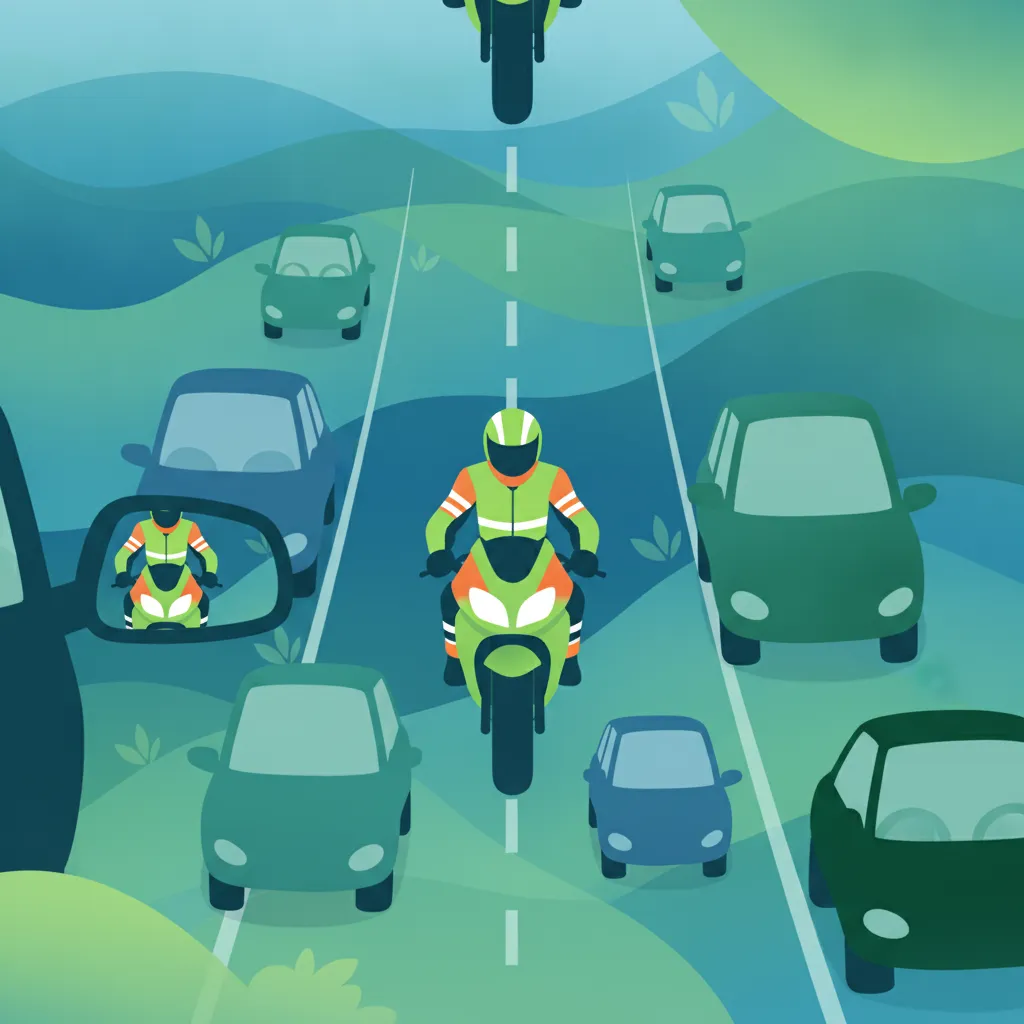
This lesson emphasizes the importance of rider visibility, illustrating how high-visibility clothing and reflective accessories can significantly reduce the risk of collisions. Learners will discover effective strategies for being noticed by other road users, such as using bright colors, reflective strips, and appropriate lighting, especially during adverse weather or nighttime riding. The content also outlines best practices for maintenance.
Understand the systematic legal procedure for lane changes and overtaking as defined by the Turkish Highway Code. This guide covers how to signal, assess traffic flow, and execute maneuvers safely to ensure you remain compliant with traffic regulations while navigating high-speed roads and dense urban traffic.
In this lesson, learners will gain comprehensive knowledge of safe overtaking maneuvers during riding, emphasizing the importance of assessing traffic flow, checking blind spots, and signaling intentions. The content covers overtaking strategies on both straight roads and curves, considering visibility and speed differentials. By mastering these techniques, motorcyclists can execute overtaking safely.
In this lesson, learners will focus on the specific considerations and safety practices required when riding motorcycles on high-speed roads and motorways. Topics covered include maintaining appropriate lane discipline, safe overtaking at high speeds, dealing with increased wind resistance, and the importance of accurate speed control and appropriate following distances on faster roadways.

This lesson outlines the precise legal and safety procedures for overtaking slower vehicles on two-lane and multi-lane roads. It details when overtaking is strictly prohibited by signs or solid road lines, and how to calculate passing distances. Drivers will learn how to communicate their intentions using indicators and pass other vehicles safely.
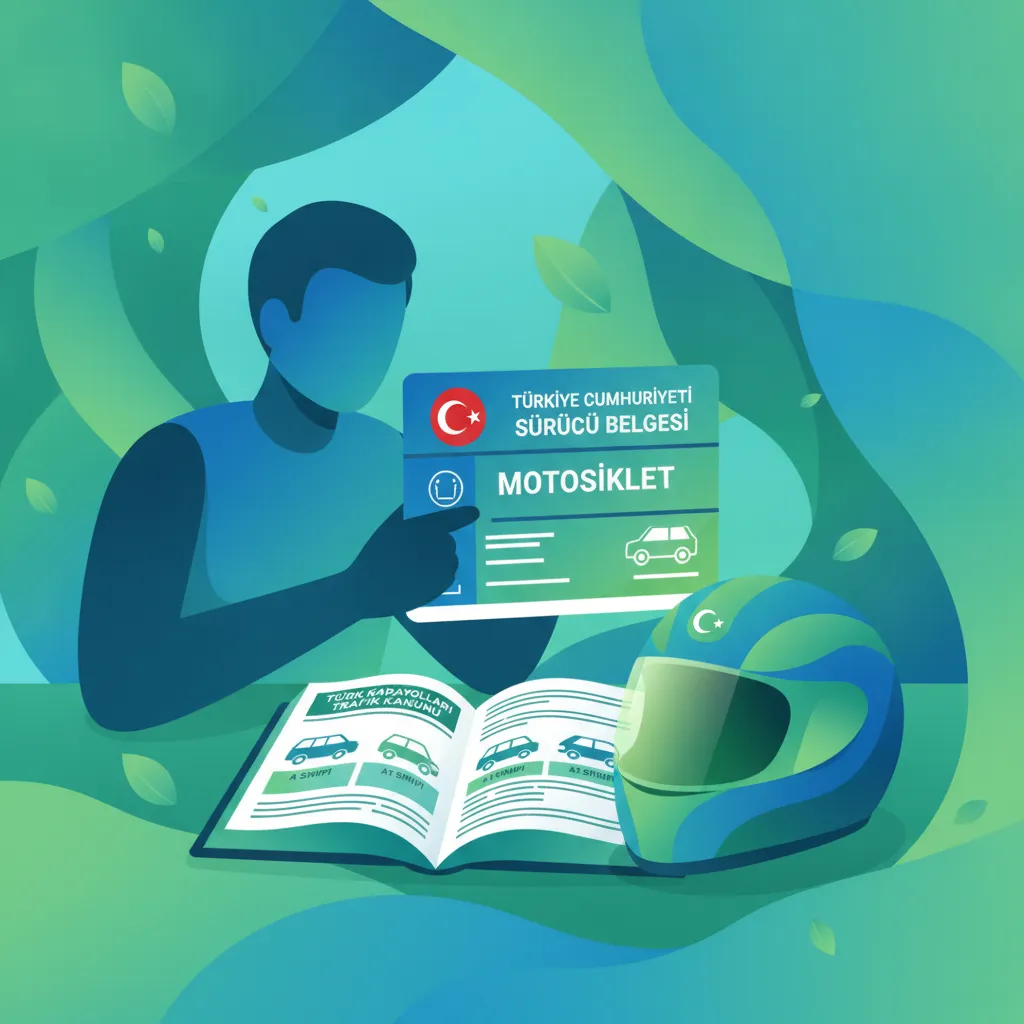
This lesson provides a detailed overview of the Turkish legal framework governing motorcycle licences, outlining the specific requirements for A1, A2, and full A categories. Learners will explore age requirements, necessary medical examinations, and the documentation needed for official application procedures. The lesson also clarifies the structure and content of the theoretical and practical examinations under the national Karayollı Trafik Kanunu regulations.
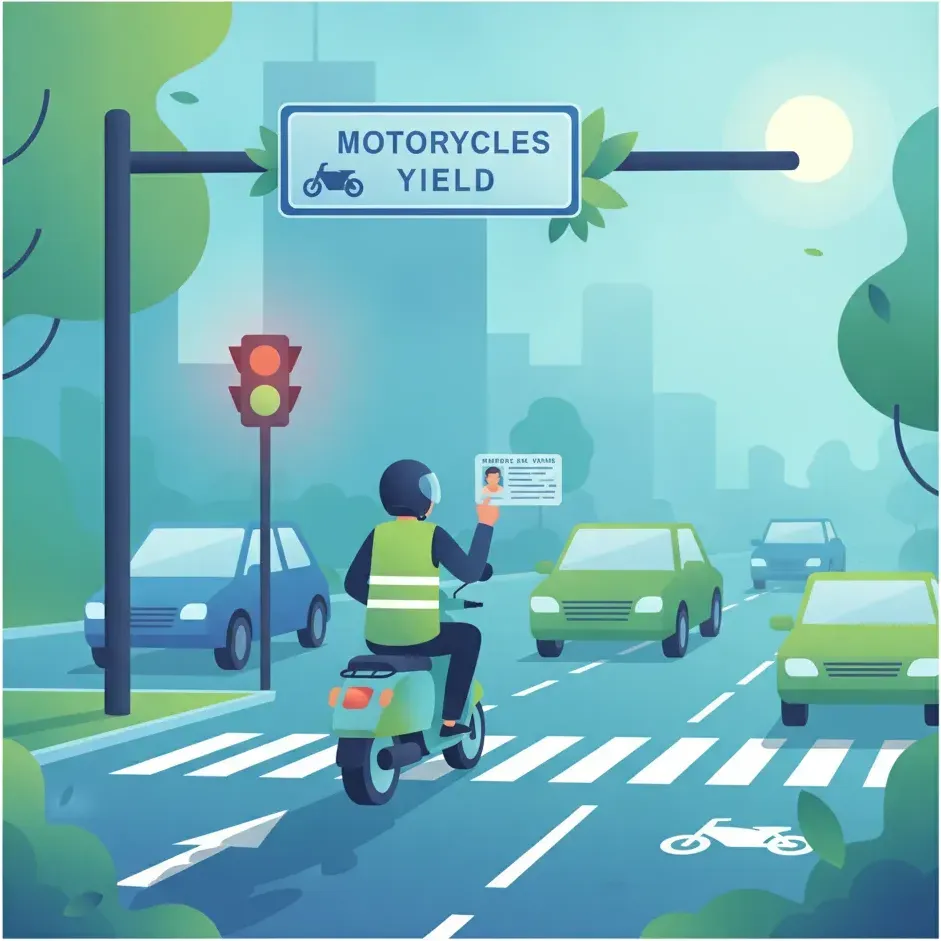
This lesson covers the primary legal requirements that every moped rider must follow when navigating public traffic systems within Turkey. It focuses on the mandatory application of traffic signals, correct lane selection, appropriate overtaking procedures, and the specific speed limitations set for light motorized vehicles. By understanding these regulatory bounds, you will avoid high traffic fines and licence point deductions while ensuring that your riding practices strictly align with national highway laws.
This lesson delves into the specific challenges and procedures associated with navigating roundabouts on a motorcycle. It outlines the importance of approaching at a safe speed, selecting the correct lane, and yielding to vehicles already within the roundabout. The content also covers the proper use of signals when exiting and emphasizes the need for heightened awareness of blind spots, especially when larger vehicles are present.
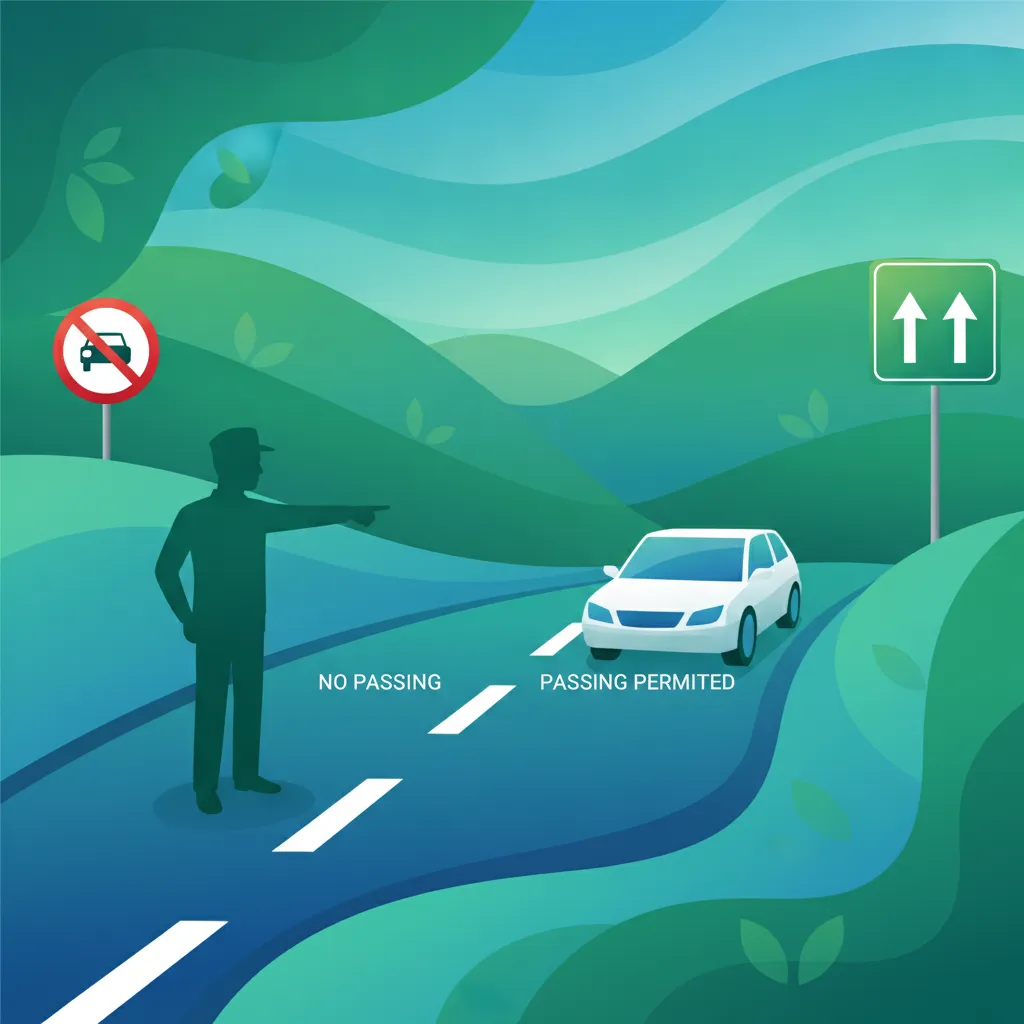
This lesson covers the various road surface markings that motorcyclists must be aware of, such as lane lines, turn arrows, and dedicated bike lanes. It explains how to interpret solid and broken lines, the meaning of specific arrows for turning or lane changes, and the significance of pedestrian crossing markings. Understanding these visual cues is essential for maintaining lane discipline and performing safe road maneuvers.
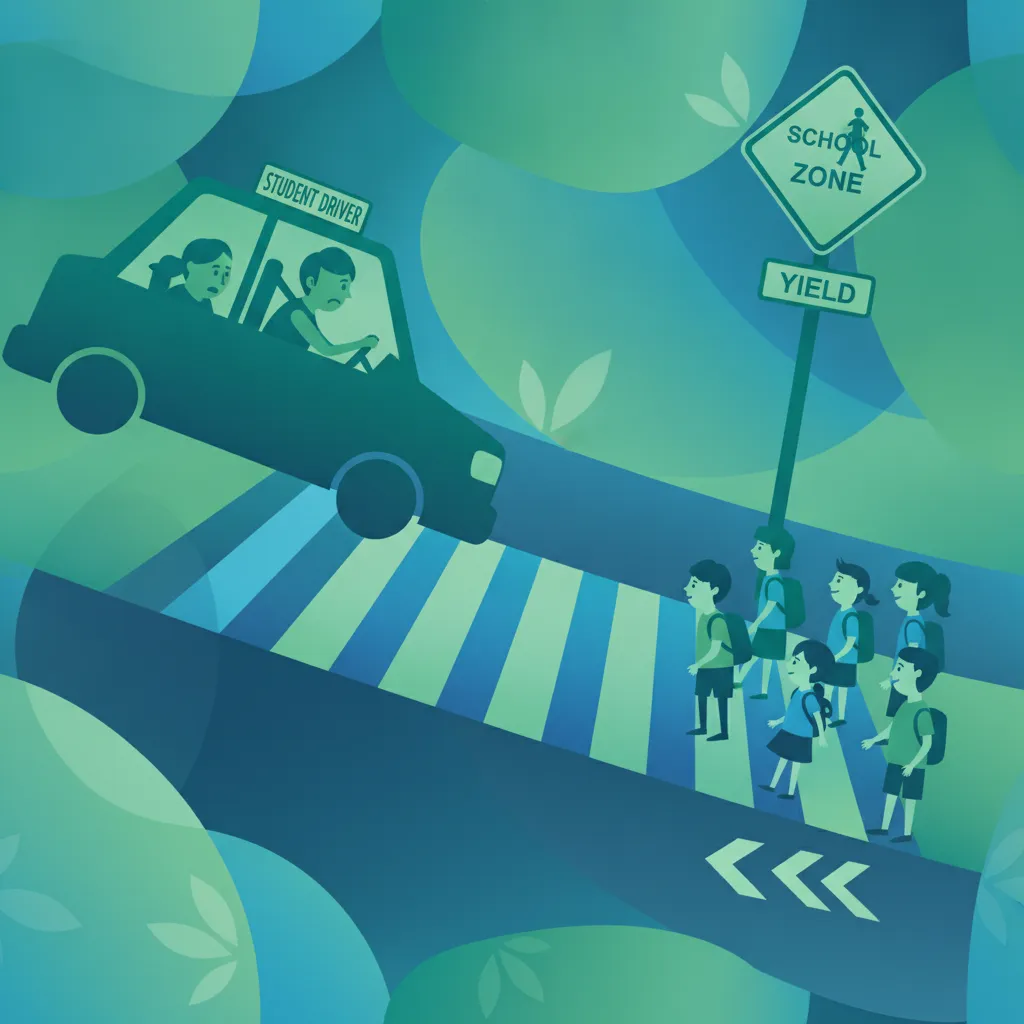
Focusing on pedestrian safety, this lesson addresses the unique considerations motorcyclists must take when approaching zebra crossings, traffic signal-controlled pedestrian crossings, and designated school zones. Learners will understand the legal obligations to yield to pedestrians, especially children, and the importance of reducing speed in these high-risk areas. The lesson also provides practical tips for ensuring visibility.

This lesson outlines the spectrum of legal repercussions that motorcyclists may face when violating traffic regulations, ranging from monetary fines to licence suspension or revocation. Learners will gain insight into the administrative processes involved, the role of law enforcement and judicial bodies, and how repeated offenses can lead to escalating penalties. Understanding these consequences reinforces the importance of strict adherence to traffic laws.

In this lesson, learners will explore the core obligations of a motorcyclist, emphasizing the necessity of adhering to traffic laws and maintaining respectful conduct toward all road participants. The discussion will focus on the principles of defensive riding, where anticipation of hazards and courteous behavior are paramount. Ethical decision-making will be highlighted as a key factor in preventing accidents and fostering a positive traffic environment.
Find clear answers to common questions learners have about Blind Spot Awareness and Management. Learn how the lesson is structured, which driving theory objectives it supports, and how it fits into the overall learning path of units and curriculum progression in Turkey. These explanations help you understand key concepts, lesson flow, and exam focused study goals.
Mirrors provide a view of the rear and sides but always leave 'blind' areas where vehicles can be hidden. A quick head turn, or shoulder check, is the only way to confirm that your intended path is clear of other road users.
Because motorcycles are much narrower and more maneuverable, they can easily slip into the blind spots of larger vehicles like trucks or buses. You must actively avoid lingering in these hidden zones while riding.
Yes, hazard perception and defensive riding are core components of the exam. You may face scenarios requiring you to identify the correct procedure for lane changes or overtaking safely.
You should check your mirrors frequently as part of a regular scan. Always perform a shoulder check immediately before every maneuver, including changing lanes, overtaking, or turning at an intersection.
Use our comprehensive practice search to find exactly the Turkish driving theory questions you need to master. Whether reviewing specific road signs, traffic rules, or first aid scenarios, select your perfect practice set and boost your confidence for the official ehliyet sınavı.