
This lesson explores the complex braking systems essential for operating heavy goods vehicles under Turkish traffic regulations. You will learn the mechanical differences between air and hydraulic systems and discover how to manage their limitations to ensure safe operation. This knowledge is critical for both passing your theory exam and maintaining control in real-world heavy transport scenarios.
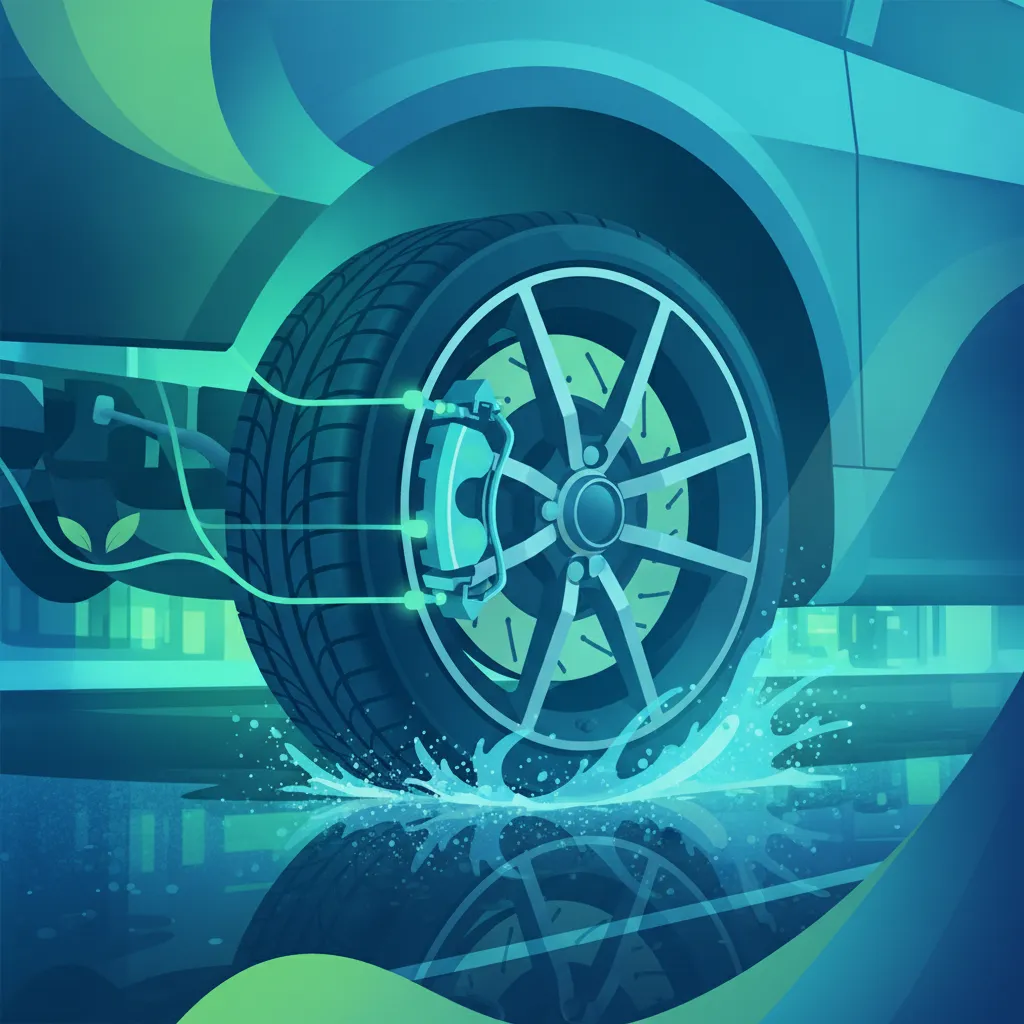
Lesson content overview
Stopping a commercial goods vehicle carrying tons of cargo requires immense physical force. Unlike light passenger cars, heavy goods vehicles (HGVs) in categories C1, C, C1E, and CE operate under extreme physical constraints governed by momentum, mass, and friction.
Understanding the mechanics, operational limitations, and safety regulations of heavy vehicle braking systems under the Turkish Highway Traffic Regulation (Karayolları Trafik Yönetmeliği) is a legal and practical necessity for professional drivers in Turkey.
This lesson explores primary braking technologies, the phenomenon of brake fade, load-related stopping dynamics, and critical maintenance requirements to ensure safe operations on Turkey's diverse road network.
Commercial vehicles utilize specialized systems to manage the extreme kinetic energy generated during transit. The two primary methods of transmitting braking force from the driver's foot to the wheels are pneumatic (air) braking and hydraulic braking, supplemented by modern electronic control systems.
Air brake systems are the industry standard for heavy commercial vehicles over 3,500 kg (Categories C, CE, and heavy C1). Instead of relying on physical fluid pressure, these systems use compressed air to store and transmit braking force.
Hydraulic brakes are typically found on lighter commercial vehicles, such as those in the C1 category (vehicles between 3,500 kg and 7,500 kg).
Modern heavy goods vehicles increasingly utilize Electronic Braking Systems (EBS) to bridge the gap between air-brake power and hydraulic-level response times.
Even on vehicles equipped with EBS, the ultimate force stopping the truck is still compressed air. If the electronics fail completely, the system automatically reverts to a standard mechanical pneumatic control system.
One of the most dangerous operational limitations of any friction-based braking system is brake fade (fren solması). Professional goods vehicle drivers must understand the thermal mechanics of deceleration to prevent catastrophic runaway incidents.
Braking systems operate by converting kinetic energy (motion) into thermal energy (heat) through friction. When a fully loaded truck slows down, its brake drums or discs absorb immense heat.
The temporary, severe reduction or complete loss of braking power that occurs when friction components overheat, causing the coefficient of friction between the brake lining and the disc or drum to drop significantly.
There are two primary forms of brake fade encountered by professional drivers:
To combat brake fade during long mountain descents—such as those on the Taurus Mountains passes or the Bolu Mountain section of the O-4 highway—drivers must rely heavily on auxiliary retardation systems rather than the service brakes.
Select the Correct Gear Before the Descent: Shift to a low gear before descending. The engine's internal compression resistance will help control the vehicle's speed. As a general rule, use the same gear to descend a hill that would be required to climb it.
Engage Auxiliary Braking Systems: Activate the exhaust brake (egzoz freni) or hydraulic/electromagnetic retarder. These systems slow the vehicle's drivetrain without generating heat on the wheel service brakes.
Employ Proper Snubbing (Intermittent Braking): If the vehicle's speed exceeds the safe threshold, apply the service brakes firmly for a few seconds to reduce speed by approximately 10–15 km/h, then release them completely. This "snubbing" technique allows the brake components brief cooling intervals, preventing heat buildup.
Continuous, light application of the brakes ("riding the brakes") on a long downhill grade is highly dangerous. This constant light friction generates high heat with no cooling phases, rapidly inducing severe brake fade and total brake failure.
A vehicle's total mass and cargo distribution dramatically alter its deceleration characteristics. A professional driver must continuously adapt their driving habits based on the load status of the truck or trailer combination.
Kinetic energy is directly proportional to mass, but increases with the square of the velocity ().
Counterintuitively, an empty truck can also present significant braking hazards.
In trailer combinations (semi-trailers or full drawbar trailers), mismatched braking force between the towing vehicle (çekici) and the trailer (dorsey) can lead to catastrophic stability loss.
Under the Turkish Highway Traffic Regulation, driving a commercial vehicle with defective safety equipment is a major offense. Professional drivers must perform thorough pre-trip inspections (yolculuk öncesi kontroller) to verify braking integrity.
Drivers operating vehicles with pneumatic brakes must perform a specific pressure-drop test before starting any journey.
Standard System Operating Range: 6.0 to 8.5 bar
Low Pressure Warning Threshold: At or below 5.5 bar (red light and audible buzzer)
To perform a static air leak inspection:
As the compressor draws in atmospheric air, it also draws in humidity. If water enters the air storage tanks, it can cause severe internal corrosion of the valves. More critically, during winter months in cold regions of Turkey (such as Eastern Anatolia), moisture can freeze inside the air lines, completely blocking air flow and rendering the brakes inoperable.
Every pre-trip inspection must include a visual assessment of the wheel-end braking hardware:
To remain compliant with traffic safety laws and prevent dangerous incidents, drivers must observe several core regulations and avoid common operational errors.
| Violation | Immediate Consequence | Long-Term Hazard |
|---|---|---|
| Riding the service brakes down a long mountain grade. | Rapid heat buildup in drums/discs. | Catastrophic brake fade and loss of vehicle control. |
| Neglecting to drain air reservoirs in freezing conditions. | Moisture freezes inside the pneumatic lines. | Complete brake blockages or unexpected spring brake lockups. |
| Failing to adjust following distance when fully loaded. | Insufficient stopping space during sudden traffic halts. | High-speed rear-end collision with ahead traffic. |
| Disregarding a low-pressure air warning dashboard indicator. | Insufficient air pressure to actuate the brakes. | Emergency spring brakes trigger suddenly on the highway, locking wheels. |
Why do these rules exist? The core logic of commercial driving focuses on risk mitigation through active energy management.
Because a heavy commercial goods vehicle carries immense destructive kinetic energy, the professional driver's primary goal is to minimize the use of friction-based service brakes. By mastering engine braking, anticipating road conditions far ahead to slow down gradually, and conducting rigorous daily pre-trip checks, you protect your safety, your cargo, and the lives of other road users on Turkey's highways.
This lesson covers the technical operation of pneumatic and hydraulic braking systems used in Turkish heavy goods vehicles (C and CE categories), emphasizing the critical safety concept of brake fade caused by overheating during prolonged braking. Professional drivers must master engine braking and auxiliary retardation systems to preserve service brakes on mountain routes such as the Bolu Mountain section of the O-4 highway. Pre-trip inspections under Turkish Highway Traffic Regulation require verifying air pressure exceeds 5.5 bar and that no more than 0.1 bar/minute pressure loss occurs. The lesson also addresses load-dependent braking performance, explaining why fully loaded vehicles require exponentially longer stopping distances and why empty vehicles present their own stability hazards.
A short set of high-value points that capture the most important learning from this lesson.
Heavy goods vehicles use pneumatic air brakes (over 3,500 kg) that rely on compressed air rather than hydraulic fluid, introducing air lag of 0.5–1 second before brakes engage.
Brake fade occurs when overheating reduces the friction coefficient between brake linings and drums/discs, caused by either mechanical expansion or chemical outgassing at temperatures exceeding 300–400°C.
On long descents, use engine braking and auxiliary retarders first, then apply intermittent snub braking (10–15 km/h speed reductions) with full cooling intervals to prevent thermal overload.
Fully loaded vehicles carry exponentially more kinetic energy (tenfold for 40-tonne loads at identical speeds), requiring proportionally longer stopping distances and adjusted following intervals.
Pre-trip inspections must verify air pressure builds above 5.5 bar before moving, and pressure drop must not exceed 0.1 bar/minute (single vehicle) or 0.15 bar/minute (combinations).
Explore all units and lessons included in this driving theory course.
Air brake spring brakes automatically apply if air pressure drops below approximately 4.5–5 bar, bringing the vehicle to an emergency stop.
Riding the brakes (continuous light application) on downhills is more dangerous than intermittent braking because it generates sustained heat without cooling phases.
Empty or lightly loaded trucks are also hazardous—rear wheel lockup and bounce occur easily due to reduced downforce, and ALB valves help compensate but cannot eliminate this risk.
Jackknifing (makaslama) results when tractor drive wheels lock before trailer wheels, swinging the combination into a V-shape; the reverse (trailer swing) occurs when trailer wheels lock first.
Air reservoir drain valves must be manually operated daily, especially in freezing conditions (eastern Anatolia), to prevent moisture from blocking pneumatic lines.
Assuming hydraulic brakes and air brakes operate identically—both have distinct response characteristics, thermal limits, and failure modes.
Forgetting that air lag means the vehicle continues forward for over 20 meters at 80 km/h before brakes begin to engage after the pedal is pressed.
Neglecting to shift to a low gear before descending the same grade needed to climb—engine compression is a critical speed control tool.
Disregarding the low-pressure warning buzzer or dashboard indicator, which signals insufficient air to actuate brakes properly.
Failing to account for the tenfold kinetic energy increase when loaded versus empty, leading to dangerously short following distances.
Lesson content overview
A short set of high-value points that capture the most important learning from this lesson.
Heavy goods vehicles use pneumatic air brakes (over 3,500 kg) that rely on compressed air rather than hydraulic fluid, introducing air lag of 0.5–1 second before brakes engage.
Brake fade occurs when overheating reduces the friction coefficient between brake linings and drums/discs, caused by either mechanical expansion or chemical outgassing at temperatures exceeding 300–400°C.
On long descents, use engine braking and auxiliary retarders first, then apply intermittent snub braking (10–15 km/h speed reductions) with full cooling intervals to prevent thermal overload.
Fully loaded vehicles carry exponentially more kinetic energy (tenfold for 40-tonne loads at identical speeds), requiring proportionally longer stopping distances and adjusted following intervals.
Pre-trip inspections must verify air pressure builds above 5.5 bar before moving, and pressure drop must not exceed 0.1 bar/minute (single vehicle) or 0.15 bar/minute (combinations).
Explore all units and lessons included in this driving theory course.
Air brake spring brakes automatically apply if air pressure drops below approximately 4.5–5 bar, bringing the vehicle to an emergency stop.
Riding the brakes (continuous light application) on downhills is more dangerous than intermittent braking because it generates sustained heat without cooling phases.
Empty or lightly loaded trucks are also hazardous—rear wheel lockup and bounce occur easily due to reduced downforce, and ALB valves help compensate but cannot eliminate this risk.
Jackknifing (makaslama) results when tractor drive wheels lock before trailer wheels, swinging the combination into a V-shape; the reverse (trailer swing) occurs when trailer wheels lock first.
Air reservoir drain valves must be manually operated daily, especially in freezing conditions (eastern Anatolia), to prevent moisture from blocking pneumatic lines.
Assuming hydraulic brakes and air brakes operate identically—both have distinct response characteristics, thermal limits, and failure modes.
Forgetting that air lag means the vehicle continues forward for over 20 meters at 80 km/h before brakes begin to engage after the pedal is pressed.
Neglecting to shift to a low gear before descending the same grade needed to climb—engine compression is a critical speed control tool.
Disregarding the low-pressure warning buzzer or dashboard indicator, which signals insufficient air to actuate brakes properly.
Failing to account for the tenfold kinetic energy increase when loaded versus empty, leading to dangerously short following distances.
Explore search topics learners often look for when studying Braking Systems and Their Limitations. These topics reflect common questions about road rules, driving situations, safety guidance, and lesson level theory preparation for learners in Turkey.
Browse additional driving theory lessons that cover connected traffic rules, road signs, and common driving situations related to this topic. Improve your understanding of how different rules interact across everyday traffic scenarios.
Learn how cargo weight distribution, trailer articulation, and center of gravity affect vehicle handling for C and CE licence holders. This guide explains the physical risks of jackknifing and stability loss in heavy goods vehicles to help you understand professional road safety requirements in Turkey.
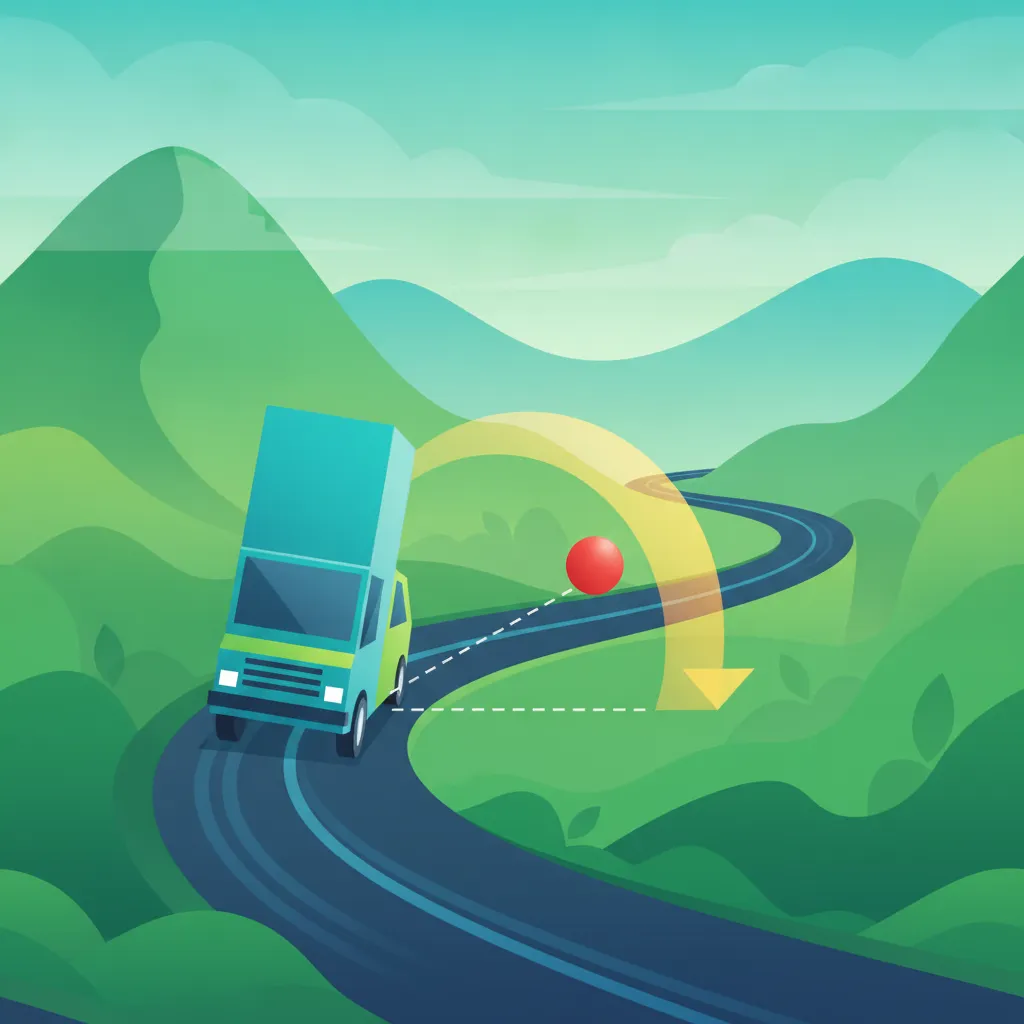
This lesson delves into the concept of centre of gravity and its critical impact on the stability of goods vehicles. Learners will explore how load height and distribution affect side and dynamic stability, particularly during braking, cornering, and evasive maneuvers. The lesson explains the increased rollover risk associated with a high centre of gravity and provides strategies for managing weight.

This lesson examines the effects of load dynamics on vehicle stability during acceleration and deceleration. Learners will learn how cargo can shift and affect handling, particularly during sudden speed changes or emergency braking situations. The lesson emphasizes proper load securing, gradual acceleration, and controlled braking to maintain stability and prevent serious accidents.

This lesson focuses on the essential principles of load planning and weight distribution for goods vehicles. Learners will understand how to assess cargo weight, determine optimal placement, and maintain a low centre of gravity to ensure vehicle stability. The lesson emphasizes legal load limits, the dangers of overloading, and the impact of uneven load distribution on handling and braking.

This lesson delves into the principles of weight distribution and load limits for goods vehicles, emphasizing the impact on vehicle stability and safety. It examines the concept of Gross Vehicle Weight (GVW) and the legal limits imposed on individual axles to prevent overloading. Learners will explore how improper weight distribution affects the centre of gravity, braking performance, and handling characteristics.
Explore the essential methods for managing heavy goods vehicles on steep slopes, including the proper use of engine braking, exhaust brakes, and retarders. Understand how to prevent brake fade and maintain vehicle control on challenging terrain in accordance with Turkish traffic legislation and professional transport standards.

This lesson addresses the techniques required for safely navigating grades and slopes with heavy goods vehicles. Learners will explore the use of engine braking, proper gear selection, and auxiliary retarders to manage speed on steep downhill sections. The lesson also covers strategies for starting on uphill grades without rollback, considering vehicle weight and load distribution.

This lesson presents effective braking strategies designed to safeguard passengers and prevent wheel lock-up or skidding. Learners will become familiar with progressive braking, the use of ABS, and techniques for maintaining vehicle stability during sudden stops. Proper braking ensures passenger comfort and reduces accident risk, especially in adverse road conditions.
This lesson examines the effects of load dynamics on vehicle stability during acceleration and deceleration. Learners will learn how cargo can shift and affect handling, particularly during sudden speed changes or emergency braking situations. The lesson emphasizes proper load securing, gradual acceleration, and controlled braking to maintain stability and prevent serious accidents.

Learners will explore methods for achieving smooth acceleration and deceleration, focusing on gradual throttle application and progressive brake pressure to maintain passenger comfort and vehicle stability. The lesson highlights the importance of anticipating road conditions and traffic flow to avoid abrupt speed changes, thereby enhancing safety and reducing fuel consumption.

This lesson addresses the challenges of safely reversing a goods vehicle, including the identification of blind spots and rear visibility limitations. It covers proper mirror and rearview camera usage, as well as strategies for maintaining awareness of obstacles and the trailer's path. The lesson also emphasizes the importance of reversing alarms and slow, controlled vehicle movements.

Learners will explore techniques for adjusting driving styles based on different road surface conditions, such as gravel, potholes, and wet pavement. The lesson emphasizes the importance of adapting speed, braking, and steering inputs to maintain vehicle control and passenger comfort. Strategies for detecting and responding to road hazards are discussed to ensure safety across diverse driving environments.

This lesson delves into specific manoeuvring strategies required when navigating both tight urban environments and open rural roads with large passenger vehicles. Learners will explore techniques for handling narrow streets, tight turns, and intersections, while maintaining safety and efficiency. The content emphasizes planning and execution of manoeuvres based on road conditions and vehicle dimensions.

This lesson focuses on the importance of maintaining safe following distances for goods vehicles, taking into account longer braking distances and increased load. Learners will learn how to calculate appropriate gaps based on speed, road conditions, and vehicle dynamics. The lesson emphasizes safe following practices to prevent rear-end collisions and improve overall traffic safety in Turkey.
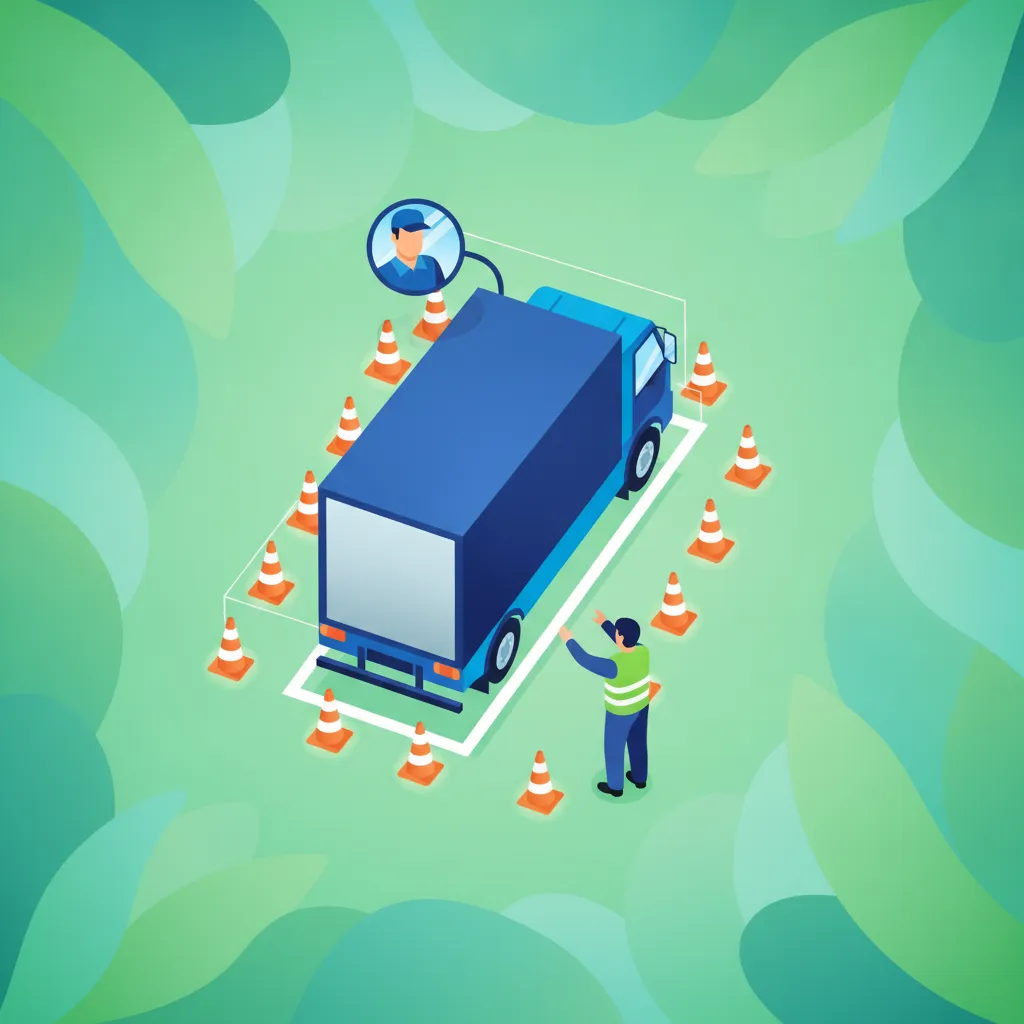
Learners will acquire skills for safely reversing large passenger vehicles in limited spaces, such as bus bays and loading docks. The lesson covers the effective use of mirrors, rear-view cameras, and precise steering inputs to navigate obstacles. Emphasis is placed on slow, controlled movements and constant observation to avoid collisions.
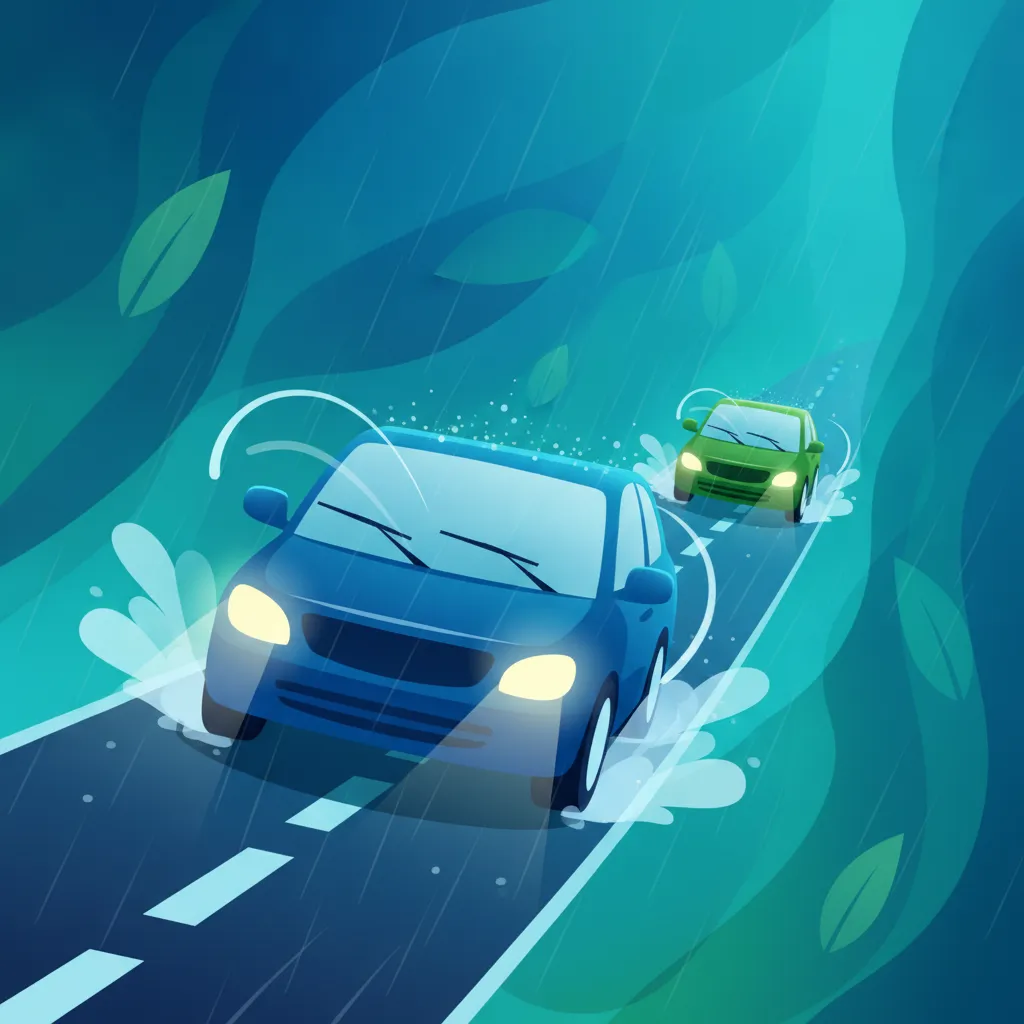
This lesson focuses on the challenges of driving goods vehicles in adverse weather conditions, such as rain, fog, snow, and strong wind. Learners will explore safe speed management, increased following distances, proper use of headlights and windshield wipers, and techniques to maintain traction. The lesson emphasizes the importance of adapting driving behavior to the specific weather conditions.
Find clear answers to common questions learners have about Braking Systems and Their Limitations. Learn how the lesson is structured, which driving theory objectives it supports, and how it fits into the overall learning path of units and curriculum progression in Turkey. These explanations help you understand key concepts, lesson flow, and exam focused study goals.
Brake fade occurs when the braking system overheats due to excessive or continuous use, typically on long downhill gradients. It causes a temporary loss of stopping power, which is extremely dangerous for heavy vehicles. To avoid this, professional drivers should utilize engine braking and gear management.
You must check the gauges on the dashboard to ensure the air reservoirs are at the manufacturer-specified pressure levels. Additionally, listen for any audible air leaks when the engine is running and perform a 'fan down' test to ensure the low-air pressure warning alarm activates correctly.
A fully loaded vehicle has significantly more kinetic energy than an empty one. This places greater thermal and mechanical stress on the brake pads, discs, or drums. Regular inspections are mandatory to ensure that the braking force is sufficient to handle the vehicle's maximum permissible mass.
Yes, the official MTSK e-sınav often includes technical questions regarding vehicle mechanics. You should understand the basic operational differences and the safety checks required for both systems to ensure you are fully prepared for the exam.
Use our comprehensive practice search to find exactly the Turkish driving theory questions you need to master. Whether reviewing specific road signs, traffic rules, or first aid scenarios, select your perfect practice set and boost your confidence for the official ehliyet sınavı.