This lesson explores the vital safety differences between riding during the day and after dark for Category AM vehicle operators. You will learn how to manage environmental challenges like sun glare and ensure your vehicle is visible to others through proper lighting and equipment. This knowledge is essential for both your theory exam and your future on French roads.

Lesson content overview
Riding a moped (cyclomoteur) or a light quadricycle (voiturette) with a Category AM licence exposes you directly to the elements. Unlike car drivers enclosed in a protective steel cabin, riders of small motorized two-wheelers rely heavily on their immediate visual field to anticipate hazards. They also depend entirely on their vehicle's lights and personal high-visibility gear to be seen by others.
Understanding how to navigate the transition between daylight and darkness is not just a matter of comfort; it is a fundamental pillar of the French Highway Code (Code de la route). Diminishing light levels, glare, and improper headlight usage drastically increase the risk of collisions, especially at intersections or on narrow rural roads. This lesson provides the theoretical and practical knowledge needed to manage visibility under all lighting conditions.
Our eyes adapt dynamically to varying levels of light, but this adaptation is neither instantaneous nor perfect. Ambient light refers to the natural or artificial illumination present on a road, ranging from bright midday sunlight to the pitch-black darkness of an unlit rural route.
Human vision relies on two main types of photoreceptors in the retina: cones, which detect color and sharp details in bright light, and rods, which detect movement and shapes in low light. During twilight (crépuscule) or night, our color perception fades, and our ability to judge depth, speed, and distance drops significantly. This transition zone—especially civil twilight, the period after sunset but before the sky is completely dark—is statistically one of the most dangerous times to ride.
Many riders overestimate their own visibility during twilight because they can still see the road ahead. However, they fail to realize that oncoming drivers, whose eyes are adapting to the changing light, may not see them. Contrast sensitivity is heavily reduced, making pedestrians, cyclists, and obstacles blend into the shadows.
The period of time after sunset or before sunrise when the sun is between 0° and 6° below the horizon. During this phase, there is still enough natural light to see clearly, but vehicle headlights must be activated to ensure visibility to others.
The Code de la route dictates precise rules for when and how different vehicle lights must be operated. For Category AM vehicles, which are physically smaller and have less road presence, these rules are strictly enforced to prevent severe accidents.
Low beams emit a wide, short-range beam of light directed downward toward the road surface. This design prevents the light from shining directly into the eyes of oncoming drivers.
High beams project a powerful, focused, and long-range beam of light straight ahead. They are designed to illuminate dark, unlit roads over a long distance.
Many modern mopeds are equipped with Daytime Running Lights (DRL), which turn on automatically with the vehicle's ignition.
Relying solely on Daytime Running Lights (DRLs) when entering a tunnel or riding in fog is highly dangerous and illegal. You must manually switch to your low beam headlights (feux de croisement) to ensure you are visible from both the front and the rear.
To compensate for the reduced physical footprint of a moped, French law mandates the use of specific high-visibility accessories.
In France, all riders of two-wheeled motorized vehicles must have a retroreflective safety vest (often referred to as the gilet jaune) easily accessible on their vehicle (e.g., under the seat or in a top case) or worn while riding.
Every helmet used in France must feature four retroreflective stickers complying with safety standards (one on the front, one on the back, and one on each side). These stickers must reflect light back to its source, helping drivers at intersections spot your helmet when their headlights sweep across your position.
While nighttime presents obvious visibility challenges, daytime riding introduces its own visual hazard: glare (l'éblouissement).
When the sun is low on the horizon—specifically during early morning and late afternoon commutes—direct sunlight can enter your eyes, causing temporary blindness. This glare also reflects off wet asphalt, car windshields, and mirrors, completely obscuring road signs, pedestrians, and braking vehicles.
To mitigate this risk, you should practice shunting the sun. This involves slightly tilting your head downward or to the side so that your helmet's upper edge or visor acts as a physical shield against direct rays. You should also adjust your lane position to avoid riding directly in the mirror reflections of the cars ahead of you.
Using a helmet visor or protective sunglasses can significantly reduce eye strain and glare. However, you must adhere to safety rules regarding tints:
In variable light conditions, where you place yourself on the road directly affects whether you will survive a conflict.
Ignoring lighting and visibility principles carries heavy penalties under the French Code de la route because of the extreme risk of causing a fatal accident.
The following table summarizes the legal and safe usage of different light configurations on Category AM vehicles in France:
| Light Type | Local French Term | Primary Purpose | When to Use (Mandatory) | Prohibited Situations |
|---|---|---|---|---|
| Daytime Running Lights (DRL) | Feux de circulation diurne | To make the moped visible during clear daytime. | Clear, sunny daylight hours. | Do not use as a substitute for headlights at night, dusk, or in fog. |
| Low Beam Headlights | Feux de croisement | To illuminate the road ahead without dazzling others. | From sunset to sunrise, in tunnels, and during poor daytime visibility (rain, fog). | Always active when high beams are not appropriate. |
| High Beam Headlights | Feux de route | Long-range illumination of unlit roads. | Unlit rural roads with no oncoming or leading traffic. | Urban areas with street lighting, when following another vehicle, or when oncoming traffic is present. |
Explore all units and lessons included in this driving theory course.
Lesson content overview
Explore all units and lessons included in this driving theory course.
Explore search topics learners often look for when studying Daytime and Nighttime Riding Safety. These topics reflect common questions about road rules, driving situations, safety guidance, and lesson level theory preparation for learners in France.
Browse additional driving theory lessons that cover connected traffic rules, road signs, and common driving situations related to this topic. Improve your understanding of how different rules interact across everyday traffic scenarios.
Learn how to proactively identify and react to potential dangers on the road. This guide covers scanning techniques, defensive positioning, and predicting movements of other road users to enhance your safety when riding a moped or light quadricycle under various conditions in accordance with the French Highway Code.
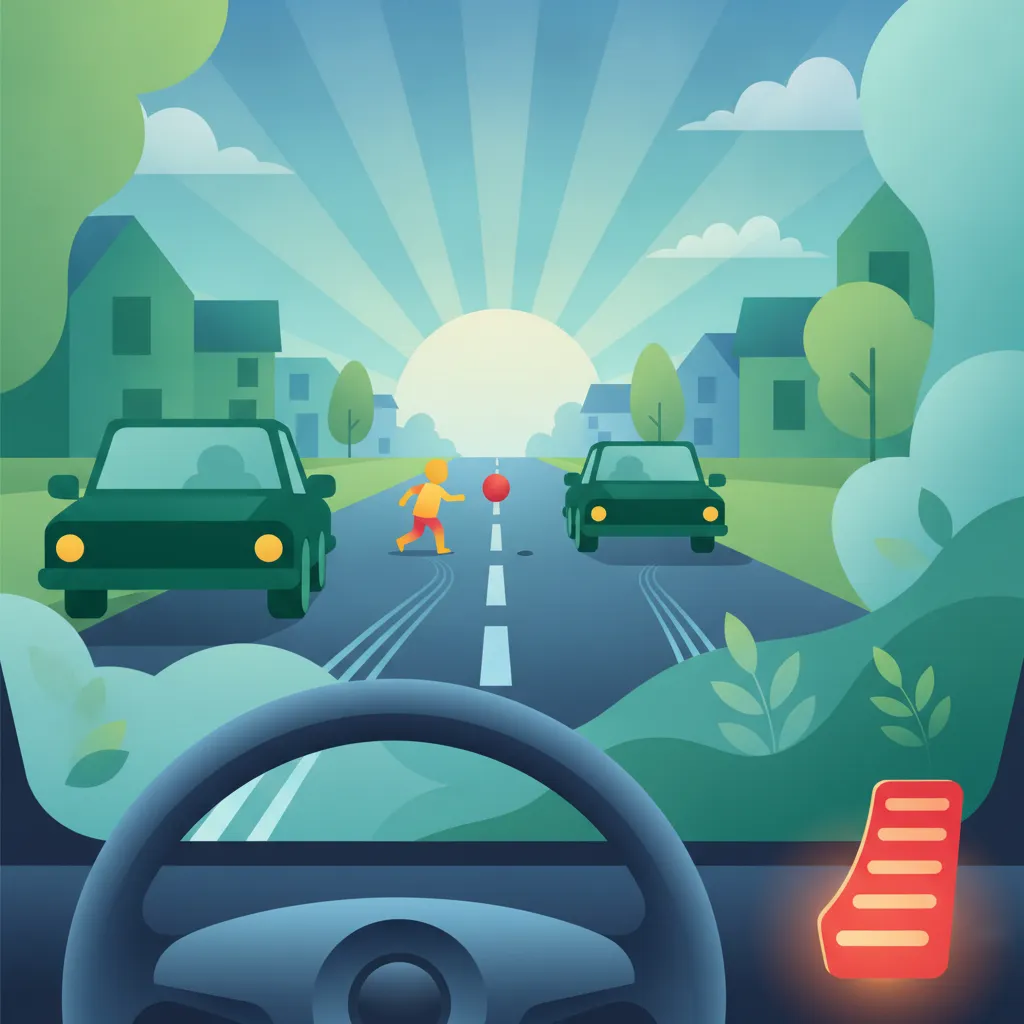
Learners will develop the ability to anticipate potential hazards on the road, enhancing reaction times and defensive riding strategies. The lesson emphasizes constant scanning, early identification of threats such as sudden stops, pedestrian crossings, or unexpected lane changes, and appropriate response measures. By cultivating proactive risk assessment, AM riders can significantly reduce accident likelihood.
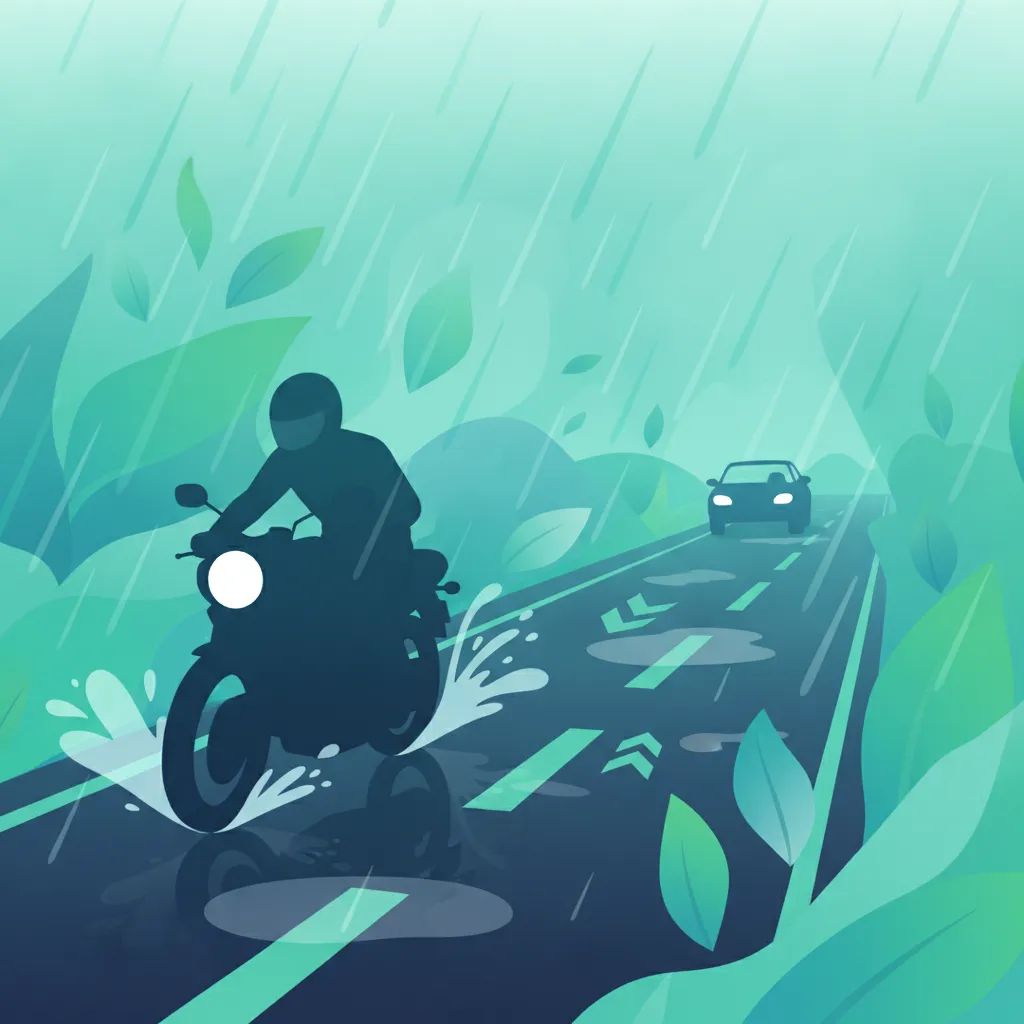
Learners will explore techniques for maintaining control and safety while riding in rain, focusing on reduced braking efficiency, hydroplaning prevention, and visibility challenges. The lesson emphasizes appropriate speed reduction, tire condition checks, and the use of rain gear to enhance rider comfort and protection. By mastering these adaptations, riders can navigate wet French conditions with confidence.
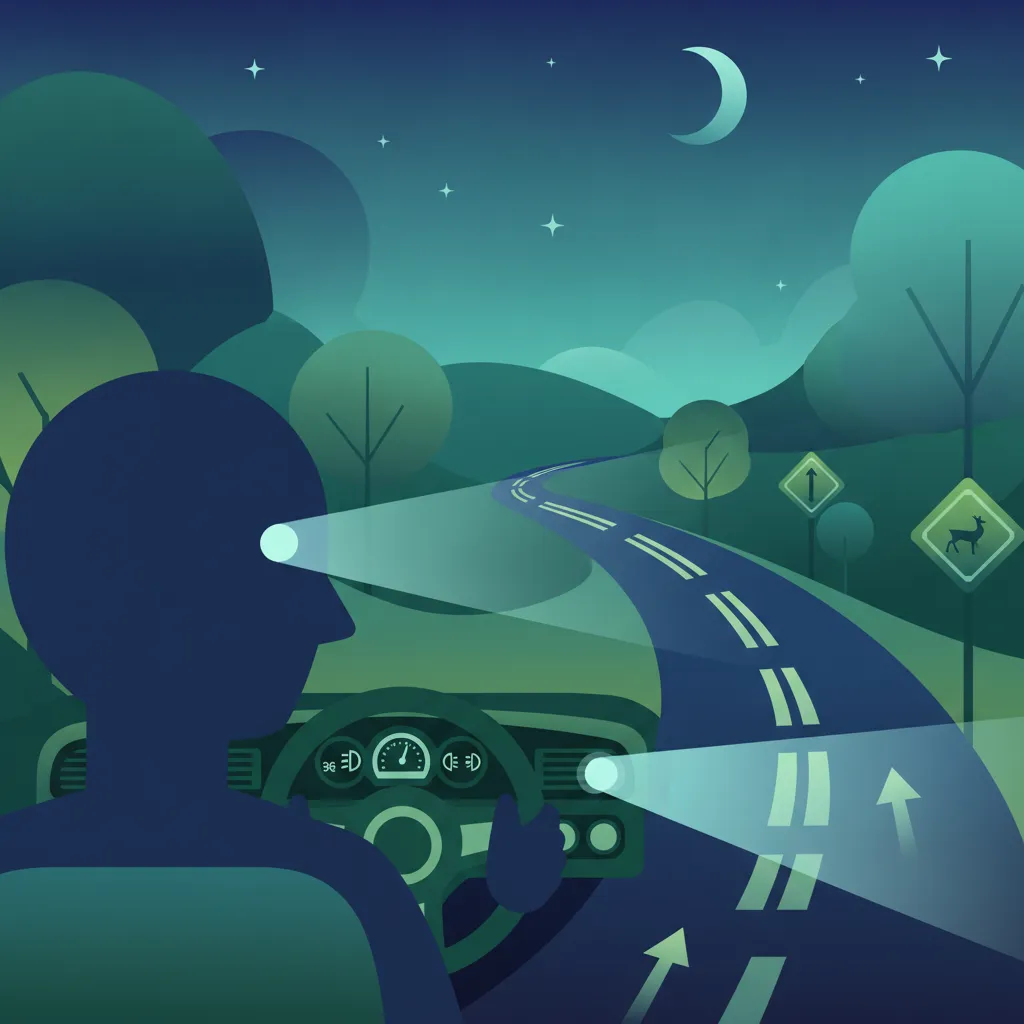
This lesson provides guidance on safe riding practices during nighttime, emphasizing proper headlamp usage, reflective clothing, and strategies to manage glare from oncoming traffic. Learners will learn to compensate for reduced peripheral vision and increased fatigue, as well as to identify common night road hazards in France. By applying these techniques, riders can enhance their visibility and safety after dark.
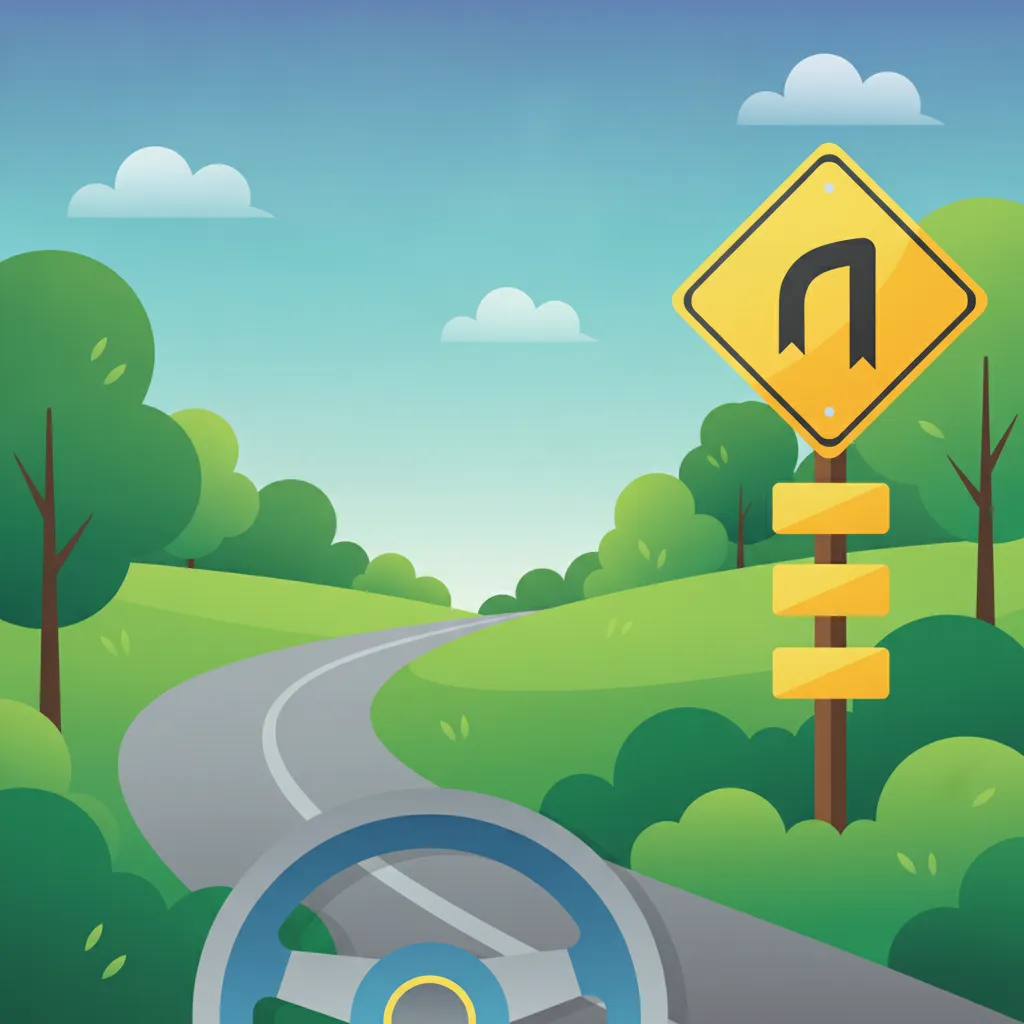
This lesson focuses on French warning signs that alert drivers to potential hazards ahead, such as curves, animal crossings, or slippery surfaces, with particular attention to signs relevant to AM riders. Learners will examine how to interpret these signs, understand the associated risks, and adapt riding behavior accordingly. By mastering warning sign recognition, riders can proactively manage safety risks in diverse road conditions.
Learners will be introduced to effective braking techniques tailored for AM vehicles, emphasizing progressive pressure application and the importance of maintaining grip. The lesson covers how to estimate stopping distances, execute emergency stops safely, and understand the limitations of light vehicle braking systems in France. Mastery of these techniques ensures riders can stop promptly and maintain control in various traffic scenarios.
This lesson focuses on the inherent vulnerability of AM vehicles due to their limited mass, exposure, and visibility within mixed traffic flows on French roads. Learners will examine how blind spots, sudden lane changes by larger vehicles, and higher impact severity affect small vehicle safety. The content underscores the necessity for riders to adopt proactive safety measures, maintain safe distances, and be constantly aware of surrounding traffic dynamics.
This lesson focuses on the skill of adjusting speed according to real-time road conditions, visibility, and traffic density. Learners will learn to assess factors such as weather, road surface quality, and pedestrian activity to determine a safe riding speed under French regulatory expectations. By mastering adaptive speed control, riders can enhance safety and reduce the likelihood of accidents caused by inappropriate speed.

This lesson addresses the social pressures and distractions that can compromise safe riding, such as peer pressure to speed or use mobile devices while riding under French road law. Learners will learn strategies to maintain focus, resist negative influences, and prioritize safety over social conformity. By developing self-awareness, riders can make responsible decisions even in challenging social contexts.
This lesson focuses on the importance of wearing appropriate protective clothing and gear, such as jackets, CE-certified gloves, and durable boots, that meet safety standards for impact and abrasion resistance. Learners will examine the material properties that provide optimal protection while ensuring comfort and adaptability to various weather conditions. Selecting correct gear helps mitigate injury severity and promotes long-term safety habits among AM riders.
Learners will focus on the importance of clear and consistent signalling to convey intentions to other road users, thereby enhancing predictability and safety on French streets. The lesson covers both hand signals and vehicle indicators, detailing correct usage, timing, and the legal obligations associated with each. By mastering these communication techniques, AM riders can reduce misunderstandings and potential conflicts, contributing to a smoother traffic flow.
Understand how reduced visibility and slippery surfaces affect your vehicle control and braking distance. This lesson explains how to adapt your riding technique for rain, fog, and wet road conditions to maintain stability and comply with the safety requirements for Category AM licence holders on French public roads.
Learners will explore techniques for maintaining control and safety while riding in rain, focusing on reduced braking efficiency, hydroplaning prevention, and visibility challenges. The lesson emphasizes appropriate speed reduction, tire condition checks, and the use of rain gear to enhance rider comfort and protection. By mastering these adaptations, riders can navigate wet French conditions with confidence.

Adverse weather reduces tyre traction and limits visibility, dramatically raising the risk of multi-car accidents on highways. This lesson details speed reductions required during rainfall, techniques for avoiding aquaplaning, and demisting windshields for visibility. You will learn how to maintain extra stopping distance on snow-covered roads and the correct headlight adjustments to make during fog.
This lesson addresses the unique hazards of riding a motorcycle in wet conditions, emphasizing the danger of aquaplaning. You will learn how water pooling on the asphalt can cause tires to lose direct contact with the road, leading to a complete loss of steering control. The lesson offers practical advice on reducing your speed, using smooth throttle and brake inputs, and ensuring your tires have adequate tread depth to clear water.
This lesson focuses on adapting your riding behavior to sudden environmental shifts, such as heavy fog or strong crosswinds on exposed bridges. You will learn specific technical adjustments, including leaning slightly into crosswinds and widening your safety margins during low-visibility fog. The lesson also highlights how seasonal temperature drops affect your tires' ability to warm up and achieve reliable, safe levels of road adhesion.
This lesson provides guidance on safe riding practices during nighttime, emphasizing proper headlamp usage, reflective clothing, and strategies to manage glare from oncoming traffic. Learners will learn to compensate for reduced peripheral vision and increased fatigue, as well as to identify common night road hazards in France. By applying these techniques, riders can enhance their visibility and safety after dark.
This lesson covers the mechanical and physical adaptations required to drive a passenger coach in rain, heavy fog, snow, and crosswinds. Drivers will learn to recognize signs of aquaplaning and understand the dramatic traction loss associated with wet or icy roads. It also details French winter equipment regulations (Loi Montagne) requiring snow tires or chains in designated mountainous regions.
This lesson focuses on identifying and managing the wide range of road surface grip levels encountered on French highways. You will learn to recognize hazardous low-traction situations, such as tar strips ('tar snakes'), wet manhole covers, gravel patches, and diesel spills at roundabouts. The lesson provides strategies for adjusting your throttle and lean angle in advance to prevent sudden, dangerous slides on compromised pavement.
This lesson focuses on the skill of adjusting speed according to real-time road conditions, visibility, and traffic density. Learners will learn to assess factors such as weather, road surface quality, and pedestrian activity to determine a safe riding speed under French regulatory expectations. By mastering adaptive speed control, riders can enhance safety and reduce the likelihood of accidents caused by inappropriate speed.

Correctly using your vehicle's lighting system is critical for visibility and communicating with other drivers on the road. This lesson explains when to use low beams (feux de croisement), high beams (feux de route), position lights, and specialized front and rear fog lights. You will learn the legal lighting configurations for driving in urban tunnels, rainy weather, dense fog, and dark rural roads.
This lesson explores practical methods to make yourself visible to other road users, preventing the classic 'sorry mate, I didn't see you' hazard. You will analyze the use of high-visibility yellow or orange retro-reflective waistcoats, which are legally required to be carried on board in France. Additionally, you will study optimal headlight utilization and correct placement of auxiliary indicators to capture driver attention.
Find clear answers to common questions learners have about Daytime and Nighttime Riding Safety. Learn how the lesson is structured, which driving theory objectives it supports, and how it fits into the overall learning path of units and curriculum progression in France. These explanations help you understand key concepts, lesson flow, and exam focused study goals.
Yes, under the French Code de la route, all motorized two-wheelers must have their dipped headlights on at all times, both during the day and at night, to ensure maximum visibility to other motorists.
You should immediately adjust your speed, increase your following distance, and use your visor or sunglasses if appropriate. If visibility becomes too dangerous, you should pull over in a safe, legal area until conditions improve.
Yes, the ETG exam often tests your knowledge of required vehicle equipment. You must know that your AM vehicle needs specific front, side, and rear reflectors to be legally compliant.
While not always mandatory in all situations, it is highly recommended and often a point of emphasis in safety questions. Certain low-visibility conditions or emergency breakdowns may trigger specific requirements for high-visibility clothing.
Ready to focus your study? Use the practice search to find exactly the French driving theory questions you need for the Code de la route and permis de conduire ETG. Refine your knowledge on specific topics or challenging rules to boost your confidence and exam readiness.