
This lesson provides essential training on adapting your driving style when faced with challenging weather conditions like rain, fog, or snow. It is a critical component of the passenger transport curriculum, ensuring you can maintain safety and passenger comfort in diverse French climates.
Lesson content overview
Driving a passenger coach (Category D or D1) carries immense responsibility. Unlike passenger cars, a coach can weigh up to 19 tonnes or more, has a high center of gravity, a large lateral surface area, and carries dozens of passengers. When weather conditions deteriorate, these physical characteristics amplify the risks of traction loss, lateral drift, and extended stopping distances.
This lesson covers the mechanical, physical, and regulatory adaptations required to safely operate a passenger coach in rain, heavy fog, snow, ice, and crosswinds on the French road network.
Operating a heavy vehicle under wet conditions requires an understanding of fluid dynamics and tire friction. A coach’s weight provides substantial downforce, but this does not make it immune to traction loss.
Aquaplaning (l'aquaplanage) occurs when a layer of water builds up between the tire tread and the road surface, leading to a complete loss of contact.
For a heavy coach, aquaplaning leads to an immediate loss of steering control and braking efficiency. Because the front steering axle is lighter than the rear driven dual-axle setup (especially when the coach is not fully loaded), steering tires are highly susceptible to lifting.
In normal driving conditions, professional coach drivers rely heavily on auxiliary braking systems—such as electromagnetic retarders (ralentisseurs électromagnétiques like Telma) or hydraulic retarders (Intarder)—to preserve the service brakes. However, using these systems on wet, snowy, or icy roads presents extreme dangers.
Retarder Hazard on Low-Traction Surfaces: Retarders act exclusively on the transmission drive shaft, applying braking torque solely to the drive axle. On a slippery surface, activating a retarder can instantly lock the driving wheels, causing the rear of the coach to slide sideways (jackknifing or spinning), while the anti-lock braking system (ABS) is bypassed because the service brakes are not engaged.
When driving on low-traction surfaces, you must deactivate or minimize the use of the retarder and rely instead on progressive, manual application of the service brakes, which are fully integrated with the vehicle's ABS and Electronic Stability Control (ESC) systems.
The total stopping distance (distance d'arrêt) of a passenger vehicle is the sum of the reaction distance (distance de réaction) and the braking distance (distance de freinage). While reaction time depends on driver state, braking distance is governed strictly by physics, vehicle weight, and road friction.
Braking distance is proportional to the square of the vehicle's speed. If you double your speed, your braking distance is multiplied by four.
For example, a coach travelling at 80 km/h on dry pavement might require approximately 70 metres to come to a complete stop. On an icy road, that same stop could require up to 250 metres or more.
In normal dry conditions, a professional driver must maintain a minimum following distance of two seconds behind the preceding vehicle. In adverse weather conditions (rain, snow, ice), you must increase this distance to at least four seconds. This extension provides the physical buffer zone required to compensate for the delayed braking response of a heavy vehicle on low-friction surfaces.
The French Code de la Route mandates lower speed limits for all vehicles during precipitation. For coaches and heavy passenger vehicles, the rules require proactive speed adaptation:
To maintain safety and prevent gridlock on alpine and mountainous routes, French legislation enforces strict winter equipment rules. Under the Loi Montagne II, which is active annually from November 1 to March 31, designated mountainous departments require heavy vehicles to carry specific equipment.
Under the Loi Montagne II, passenger coaches operating within designated mountain zones must comply with one of the following two options:
Due to their flat, high side-panels, passenger coaches act like sails in high winds. This physical property is known as the sail effect (l'effet voile). Strong crosswinds (le vent latéral) can destabilize the vehicle, push it out of its lane, or in extreme scenarios with double-decker coaches, cause a rollover.
A professional driver must anticipate sudden aerodynamic shifts in the following locations:
When encountering strong lateral winds, the driver must apply these three core techniques:
In poor visibility, your lighting system serves a dual purpose: enabling you to see the road ahead and ensuring your high-profile vehicle is highly visible to other road users. The French Code de la Route dictates precise rules for headlamp usage.
| Weather Condition | Dipped Beams (Croisement) | High Beams (Route) | Front Fog Lights (Brouillard Avant) | Rear Fog Lights (Brouillard Arrière) |
|---|---|---|---|---|
| Heavy Rain | Mandatory | Prohibited (causes glare) | Allowed (highly recommended) | Strictly Prohibited |
| Heavy Snow | Mandatory | Prohibited (causes glare) | Allowed | Allowed |
| Heavy Fog | Mandatory | Prohibited (causes glare) | Allowed | Allowed |
A common, dangerous mistake among drivers is activating rear fog lights during rain.
Rear Fog Lights in Rain are Illegal: Under Article R416-11 of the Code de la Route, the use of rear fog lights in rainy conditions is strictly prohibited. Because rainwater on the road and windshield acts as a magnifying lens, the high-intensity red light of rear fog lamps creates severe, blinding glare (éblouissement) for drivers following you. Their use is restricted solely to fog and falling snow.
Using high beams (feux de route) in dense fog or heavy snow is also counterproductive. The light hits the suspended water droplets or snowflakes and reflects directly back into your eyes, creating a blinding white wall (effet mur blanc) that reduces your forward visibility to near zero.
Before departing in adverse weather, a professional coach driver must conduct a targeted pre-trip inspection (vérifications du départ) to ensure the mechanical systems can handle the environmental stresses.
Air pressure drops as ambient temperature decreases (approximately 0.1 bar for every 10°C drop). Under-inflated tires have a compromised tread pattern, which reduces their ability to evacuate water and increases the risk of aquaplaning. Ensure all tires, including the inner dual tires on the drive axle, are inflated to the manufacturer’s recommended cold pressure rating.
The distribution of passengers and cargo alters the vehicle’s center of gravity and tire traction:
Inspect Wiper Blades (essuie-glaces): Verify the rubber elements are pliable, intact, and clean. Ensure the wiper motor operates at all speed levels.
Verify Washer Fluid and Antifreeze: Fill the windshield washer reservoir with winter-grade fluid (liquide lave-glace antigel) to prevent the spray nozzles from freezing at high speeds.
Test Defrosting and Demisting Systems: Run the front windscreen demister and passenger compartment heating systems to ensure rapid moisture removal.
Inspect All Light Lenses: Clean dirt, salt residue, and snow off all headlights, taillights, indicators, and retro-reflective contours to maximize vehicle conspicuity.
Confirm Winter Equipment: Inspect the condition of onboard snow chains and verify that safety gloves, a headlamp, and wheel-nut wrenches are easily accessible in the side luggage lockers.
To pass the French passenger vehicle theory exam and maintain a clean professional driving record, you must memorize the key legal thresholds and avoid common physical and regulatory mistakes:
This lesson addresses the unique challenges of operating Category D passenger coaches in adverse weather, emphasizing that a coach's high center of gravity, large surface area, and significant weight create amplified risks compared to standard vehicles. Learners must understand the mechanics of aquaplaning, the danger of retarders on slippery surfaces, and how braking distances scale dramatically with speed and reduced road friction. The lesson covers specific French legal requirements including the 50 km/h visibility threshold, Loi Montagne II winter equipment rules, and proper lighting regulations. Practical knowledge includes the four-second following distance rule, crosswind danger zones, and a systematic pre-trip inspection procedure for winter conditions.
A short set of high-value points that capture the most important learning from this lesson.
Heavy passenger coaches (up to 19 tonnes) have a high center of gravity and large lateral surface, making them uniquely vulnerable to traction loss, lateral drift, and crosswind instability compared to passenger cars
Aquaplaning occurs when water separates tire tread from road surface, with dynamic aquaplaning triggered by excessive speed and static aquaplaning occurring in deep standing water even at lower speeds
Braking distance increases proportionally to the square of speed, multiplied by 1.5–2x on wet roads and 4–10x on snow or ice
Retarders act exclusively on the drive axle and bypass ABS, making them extremely dangerous on low-traction surfaces as they can lock wheels and cause jackknifing
Under the Loi Montagne II (November 1–March 31), coaches in designated mountain zones must carry either 3PMSF-marked winter tires or removable snow chains
Explore all units and lessons included in this driving theory course.
When visibility drops below 50 metres, the speed limit is capped at 50 km/h on all roads regardless of conditions or vehicle category
In adverse weather, increase following distance from 2 seconds to at least 4 seconds to compensate for extended braking distances
Rear fog lights are strictly prohibited in heavy rain under Article R416-11, though they are permitted in fog and falling snow
The sail effect makes coaches vulnerable to crosswind destabilization, particularly on bridges, after forest clearings, at tunnel exits, and when overtaking HGVs
Air pressure drops approximately 0.1 bar for every 10°C decrease, so cold weather requires checking tire pressure before departure
Assuming that a heavy vehicle's weight alone prevents aquaplaning; the lighter front steering axle is actually more susceptible to lifting than the heavier rear drive axle
Using retarders on wet, snowy, or icy roads believing they are safer than service brakes, when in fact they can instantly lock the drive wheels and cause loss of lateral control
Activating rear fog lights during heavy rain due to poor visibility, which creates blinding glare for following drivers and is a €135 fine under French law
Failing to reduce speed sufficiently in wet conditions; even a 10 km/h reduction can significantly improve stopping capability on low-friction surfaces
Driving empty or lightly loaded coaches in snow without recognizing that reduced downforce on the drive axle dramatically increases wheel spin and lateral traction loss
Lesson content overview
A short set of high-value points that capture the most important learning from this lesson.
Heavy passenger coaches (up to 19 tonnes) have a high center of gravity and large lateral surface, making them uniquely vulnerable to traction loss, lateral drift, and crosswind instability compared to passenger cars
Aquaplaning occurs when water separates tire tread from road surface, with dynamic aquaplaning triggered by excessive speed and static aquaplaning occurring in deep standing water even at lower speeds
Braking distance increases proportionally to the square of speed, multiplied by 1.5–2x on wet roads and 4–10x on snow or ice
Retarders act exclusively on the drive axle and bypass ABS, making them extremely dangerous on low-traction surfaces as they can lock wheels and cause jackknifing
Under the Loi Montagne II (November 1–March 31), coaches in designated mountain zones must carry either 3PMSF-marked winter tires or removable snow chains
Explore all units and lessons included in this driving theory course.
When visibility drops below 50 metres, the speed limit is capped at 50 km/h on all roads regardless of conditions or vehicle category
In adverse weather, increase following distance from 2 seconds to at least 4 seconds to compensate for extended braking distances
Rear fog lights are strictly prohibited in heavy rain under Article R416-11, though they are permitted in fog and falling snow
The sail effect makes coaches vulnerable to crosswind destabilization, particularly on bridges, after forest clearings, at tunnel exits, and when overtaking HGVs
Air pressure drops approximately 0.1 bar for every 10°C decrease, so cold weather requires checking tire pressure before departure
Assuming that a heavy vehicle's weight alone prevents aquaplaning; the lighter front steering axle is actually more susceptible to lifting than the heavier rear drive axle
Using retarders on wet, snowy, or icy roads believing they are safer than service brakes, when in fact they can instantly lock the drive wheels and cause loss of lateral control
Activating rear fog lights during heavy rain due to poor visibility, which creates blinding glare for following drivers and is a €135 fine under French law
Failing to reduce speed sufficiently in wet conditions; even a 10 km/h reduction can significantly improve stopping capability on low-friction surfaces
Driving empty or lightly loaded coaches in snow without recognizing that reduced downforce on the drive axle dramatically increases wheel spin and lateral traction loss
Explore search topics learners often look for when studying Driving in Adverse Weather Conditions. These topics reflect common questions about road rules, driving situations, safety guidance, and lesson level theory preparation for learners in France.
Browse additional driving theory lessons that cover connected traffic rules, road signs, and common driving situations related to this topic. Improve your understanding of how different rules interact across everyday traffic scenarios.
Learn the specific speed limits, lane discipline, and safety requirements for category D vehicles on French motorways. This guide covers motorway access, heavy vehicle overtaking regulations, and emergency procedures designed for coaches and buses navigating high-speed traffic networks.
This lesson covers the rules of driving passenger vehicles on high-speed French motorways (autoroutes). Learners will study entry-ramp merging protocols, lane restrictions for vehicles over 3.5 tonnes, and motorway-specific speed limits. The lesson also highlights the correct use of toll booths (péages), emergency hard-shoulder safety procedures, and accessing dedicated coach rest areas.
This lesson focuses on the specific considerations for operating goods vehicles on French motorways, including lane selection, speed management, and proper merging techniques. Learners will understand the importance of maintaining lane discipline, using appropriate overtaking practices, and respecting motorway-specific speed limits for heavy vehicles. The content also covers the use of emergency lanes and the handling of traffic flow.
This lesson details the specific legal speed limits for passenger transport vehicles on motorways, rural trunk roads, and urban streets under French law. Drivers will learn how speed limits shift depending on overall vehicle weight, towing arrangements, and poor weather conditions like heavy rain. Developing a proactive approach to speed management helps maintain stable vehicle control and ensures full regulatory compliance.

This lesson emphasizes the critical importance of maintaining a safe following distance when carrying dozens of passengers. Learners will study how vehicle weight and passenger load dynamically extend braking and total stopping distances compared to standard passenger cars. The lesson provides concrete spacing rules, such as adjusted safety gaps for highway driving and increased distances on slippery roads.
This lesson examines the regulatory limits and environmental controls applied to large passenger vehicles operating in dense French urban centers. Drivers will study the Crit'Air clean air sticker system and low-emission zones (ZFE) that restrict access for older, high-polluting vehicles. It also addresses navigating physical constraints, such as narrow streets, tight turning radii, and strict municipal weight limits.
This lesson covers the specific set of road signs and traffic lights that apply exclusively to buses, coaches, and heavy passenger vehicles in France. Learners will explore symbols indicating height restrictions, maximum allowed weight, and dedicated lane requirements under the Code de la route. Recognizing these traffic signs quickly prevents wrong-way offenses, physical collisions with low structures, and costly moving violations.
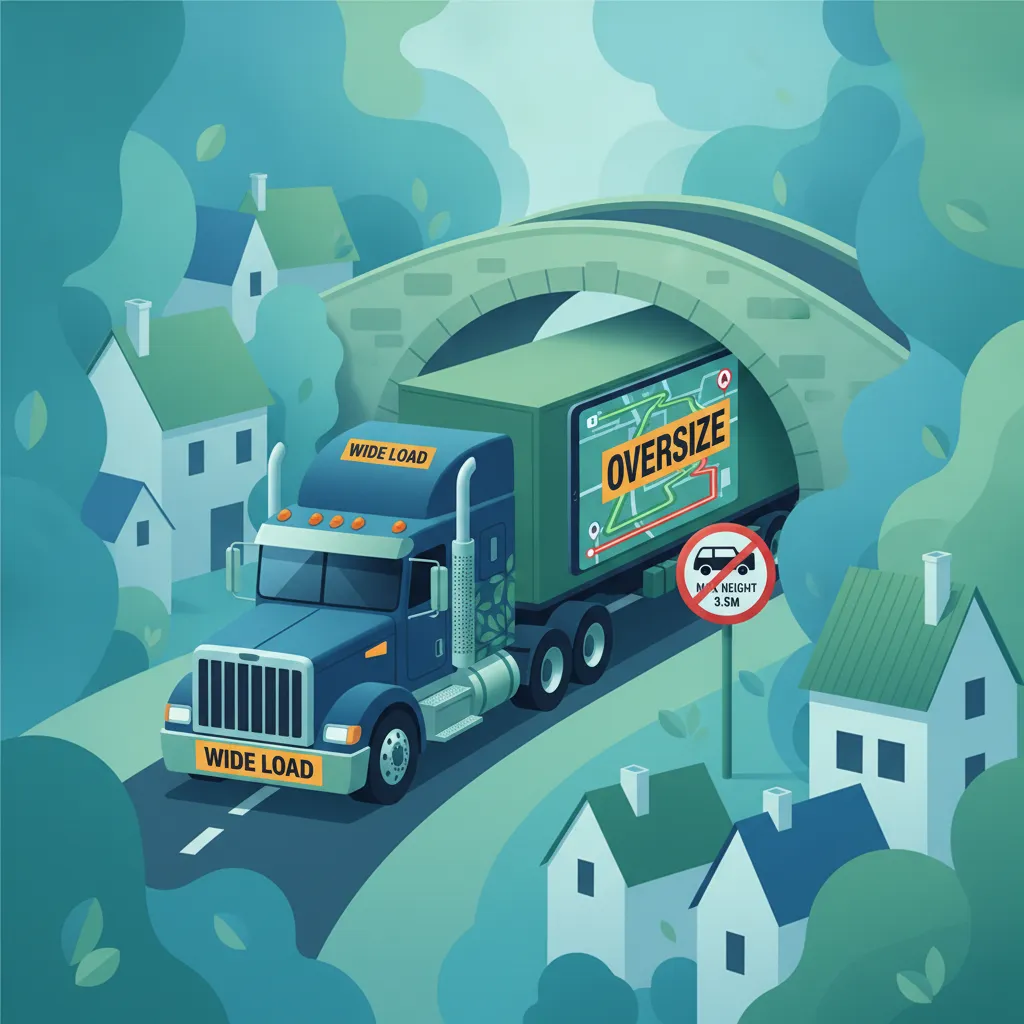
This lesson provides strategies for planning routes that accommodate oversized goods vehicles while complying with French road restrictions. Learners will learn how to identify prohibited routes, evaluate bridge and tunnel limitations, and obtain necessary access permits. The content also addresses the use of specialised GPS systems for heavy vehicle routing and the importance of contingency planning for detours, ensuring safe and efficient transport operations.
In this lesson, drivers will learn the specific speed limits that apply to goods vehicles across different road types in France, including urban areas, rural roads, and motorways. The content covers the differences between speed limit signs for heavy vehicles and standard passenger cars, the legal basis for these limits, and the importance of speed adaptation based on vehicle category and load. Learners will also be introduced to speed enforcement methods used in France, such as radar and speed cameras.

French motorways (autoroutes) are fast, controlled-access roads with unique laws regulating lane discipline and emergencies. This lesson teaches standard lane-use: cruising in the right lane and reserving the middle or left lanes exclusively for passing. You will study emergency procedures, the use of orange emergency call boxes, safety barrier rules, and navigating toll booths (peages) safely.
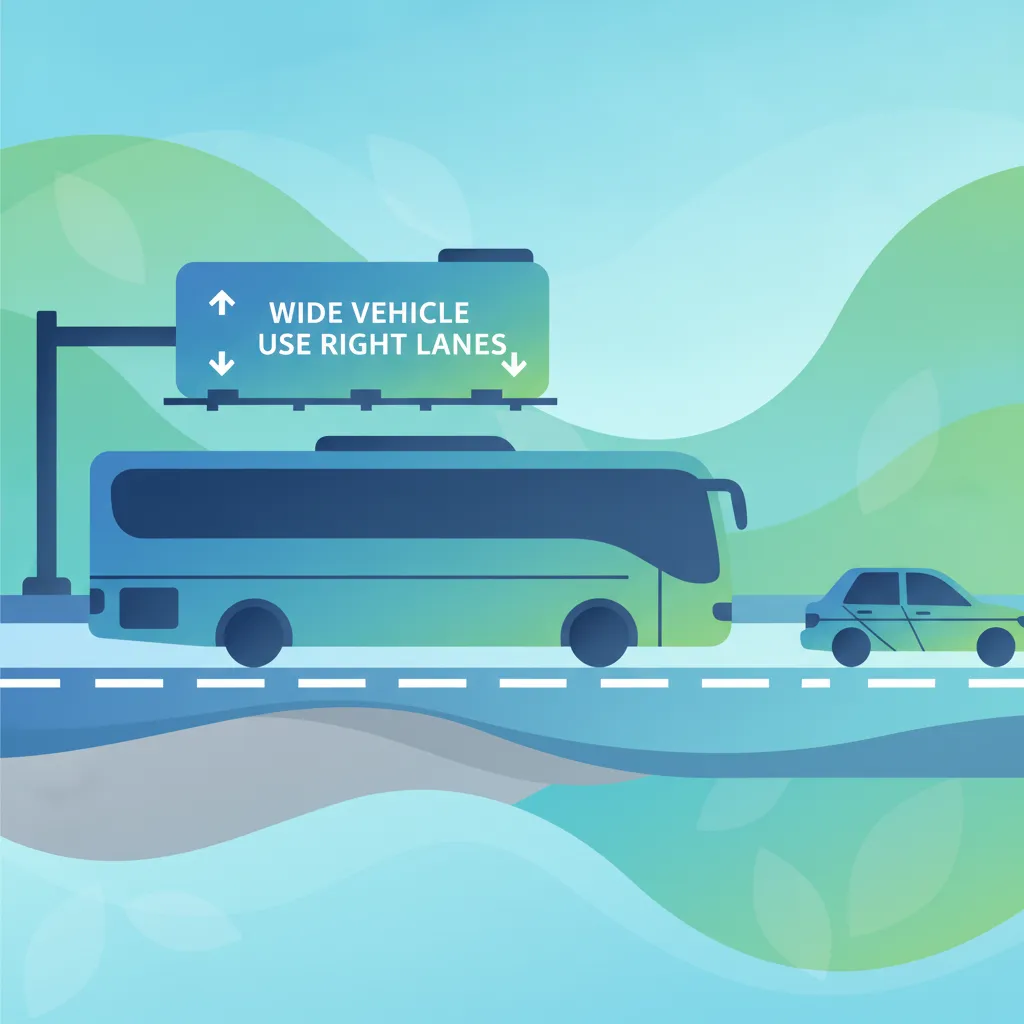
This lesson details the rules of lane discipline for operating wider and longer passenger transport vehicles on highway and city networks. Learners will explore proper lane positioning to prevent encroachment on adjacent lanes or sidewalks. It also covers the step-by-step visual and signaling sequence required to perform safe lane changes, avoiding sudden movements that could startle other drivers.
Understand the responsibilities of passenger vehicle drivers when encountering pedestrians, cyclists, and school areas. This theory module explores hazard perception, blind spot management, and the legal protocols for maintaining safety around vulnerable road users in both urban and rural environments.

Certain groups of road users require heightened defensive attention from drivers due to physical limitations or unpredictable behaviors. This lesson covers how to recognize signs of visual impairment (white canes), mobility challenges, and the unpredictability of young children. You will learn to reduce your speed, extend yielding patience, and proactively secure extra space to protect these vulnerable users.

This lesson provides global defensive driving strategies to minimize collision risks for all non-motorized and vulnerable road users. Drivers will learn to systematically lower vehicle speed in dense pedestrian zones, even when no active hazards are visible. By cultivating an anticipatory mindset and maintaining generous safety margins, professional drivers establish a protective safety envelope around their vehicle.
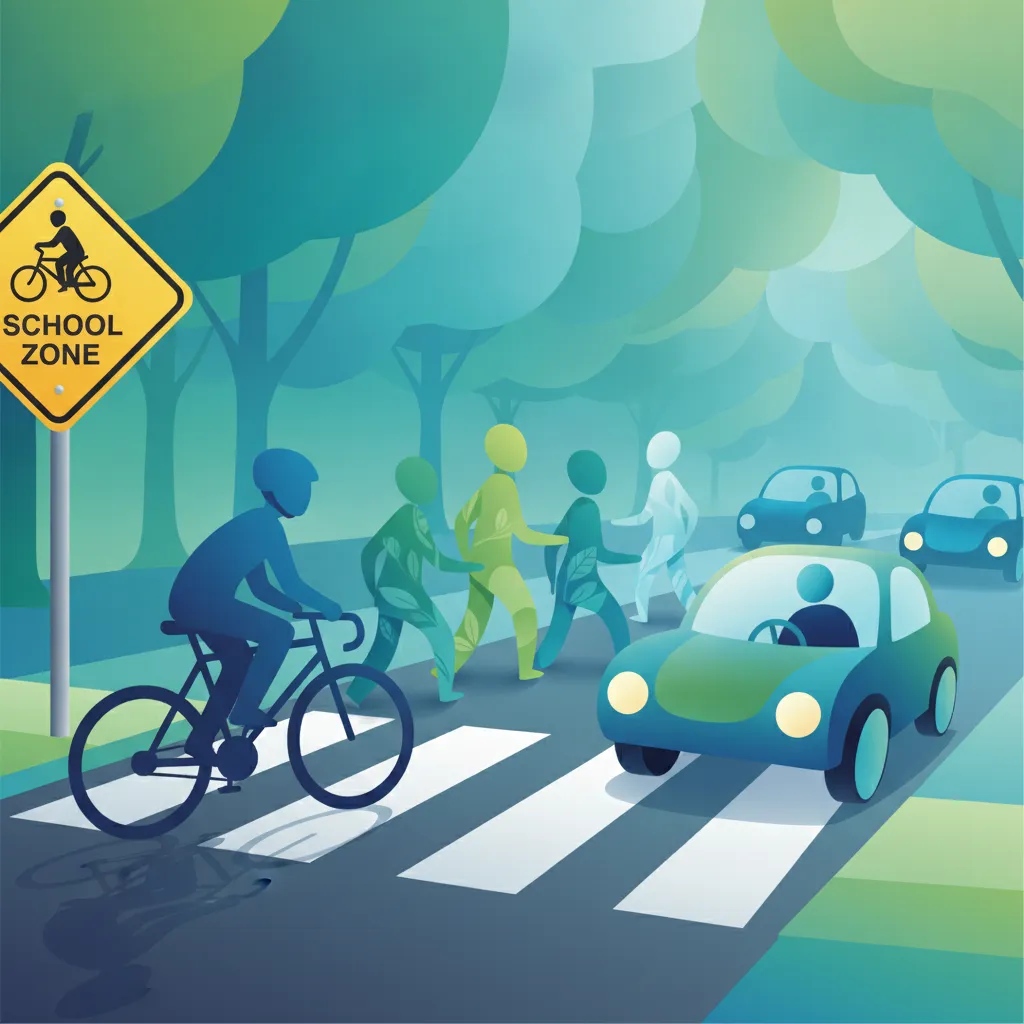
This lesson focuses on the legal requirement to yield to pedestrians on or about to step onto zebra crossings, a major focus of French road safety. You will learn how to approach school zones and pedestrian islands with heightened vigilance and reduced speed. Additionally, the lesson explores shared urban spaces, explaining how to maintain safe lateral distances when overtaking cyclists or personal electric scooters.
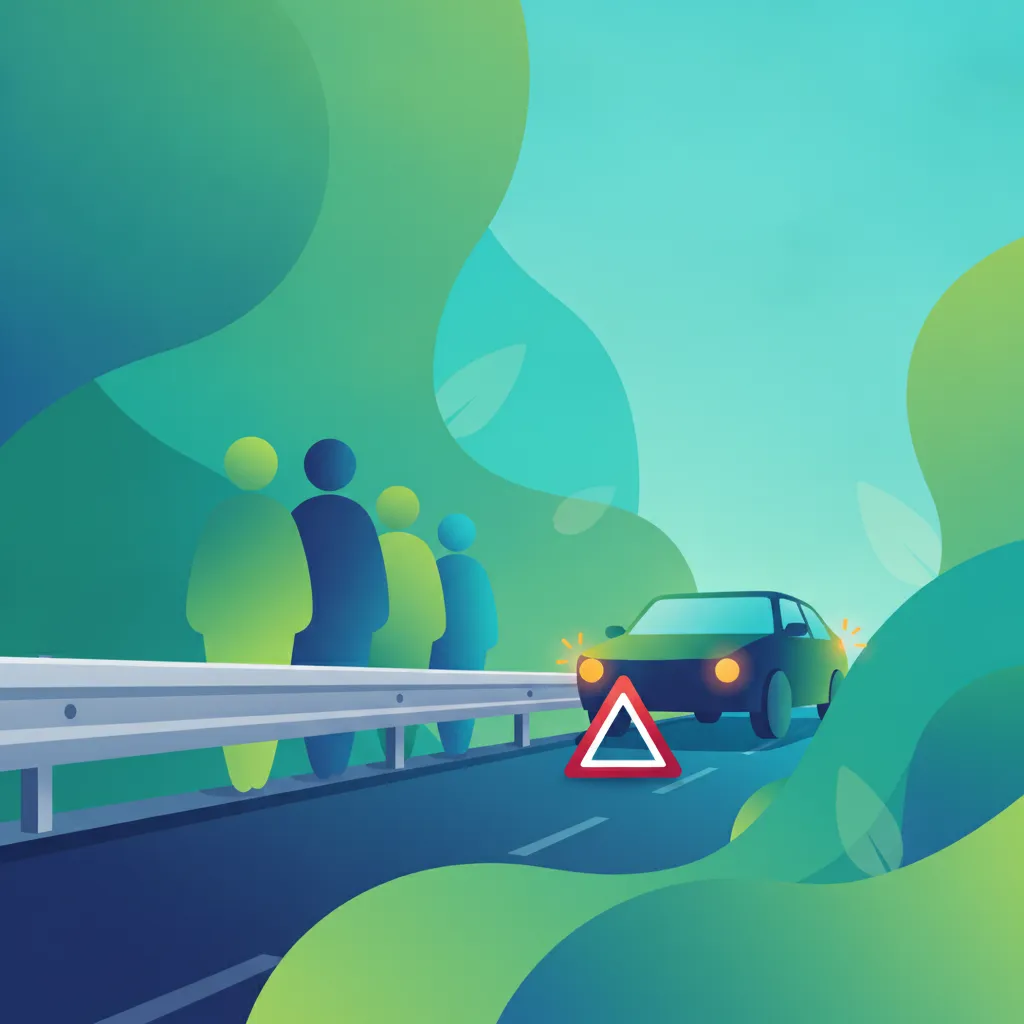
This lesson details the emergency protocols for handling mechanical breakdowns or tire blowouts on public highways and motorways. Drivers will learn how to park the vehicle in the safest possible location, activate hazard warning lights, and deploy the reflective warning triangle. It teaches precise commands and steps for evacuating passengers quickly through safety exits, positioning them behind protective guardrails.
This lesson emphasizes the critical importance of maintaining a safe following distance when carrying dozens of passengers. Learners will study how vehicle weight and passenger load dynamically extend braking and total stopping distances compared to standard passenger cars. The lesson provides concrete spacing rules, such as adjusted safety gaps for highway driving and increased distances on slippery roads.
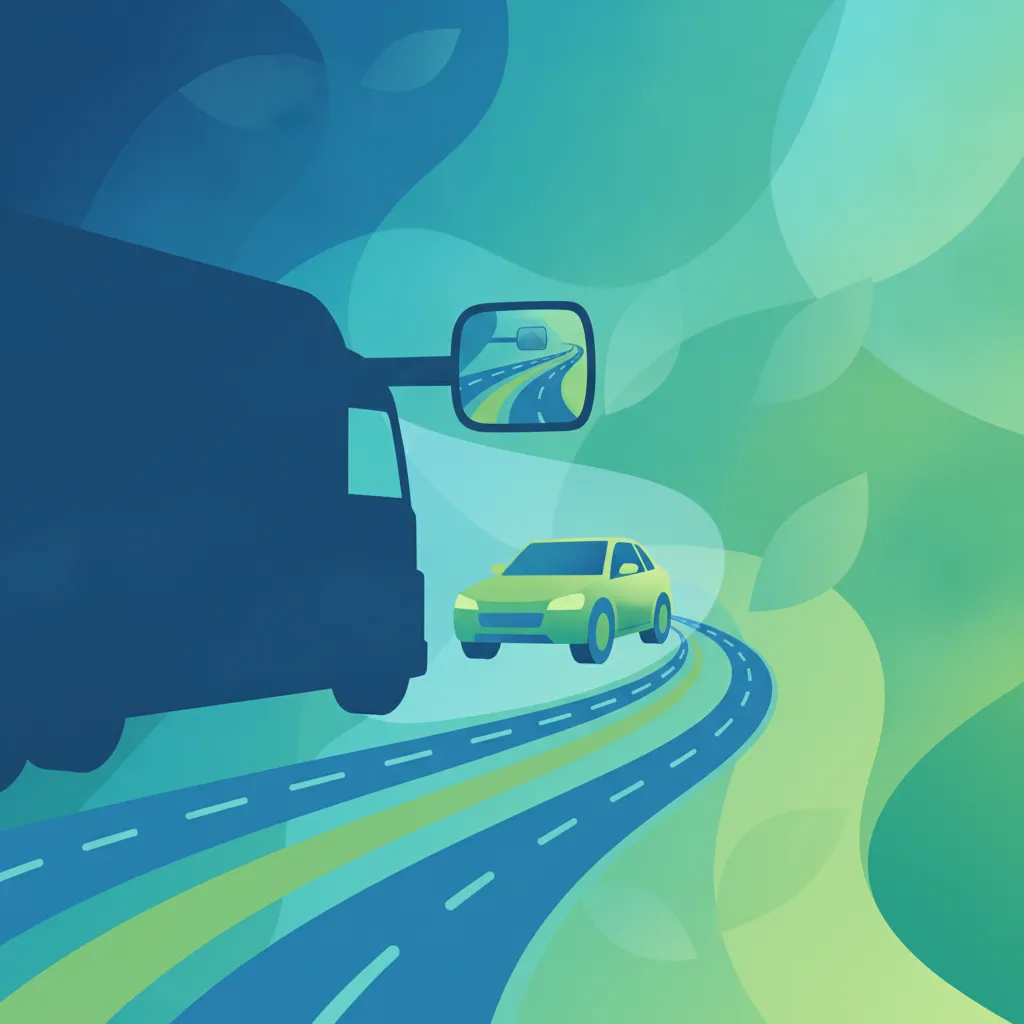
This lesson addresses the challenges of positioning near larger vehicles such as cars, vans, buses, and lorries on French roads. Learners will learn to identify blind spots (angles morts), maintain a safe distance, and position themselves to maximize visibility and predictability. Understanding these dynamics is crucial for AM riders to avoid dangerous situations and ensure safe overtaking and lane sharing.

In this lesson, drivers will learn how to calculate safe following distances based on vehicle speed, load, road conditions, and traffic density. The content explains the components of total stopping distance, including reaction time and braking distance, and how these are affected by factors such as wet road surfaces and heavy loads. Learners will also be introduced to French road safety guidelines for maintaining appropriate gaps to ensure sufficient time to react.
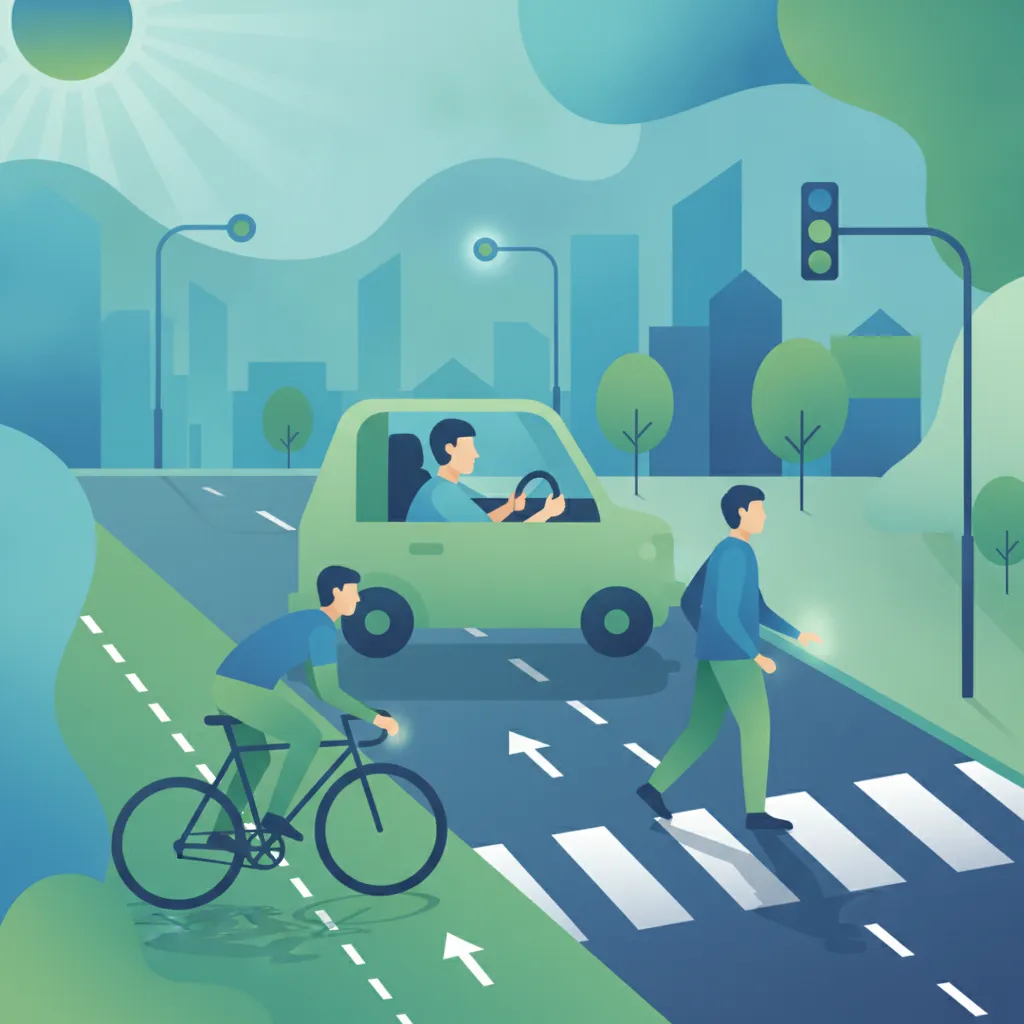
This lesson examines the specific challenges and responsibilities goods vehicle drivers face when interacting with pedestrians and cyclists in urban environments. Learners will understand right-of-way rules, the importance of yielding at pedestrian crossings, and safe turning practices that protect cyclists. The content emphasizes heightened driver vigilance, especially when navigating bike lanes and crowded sidewalks.
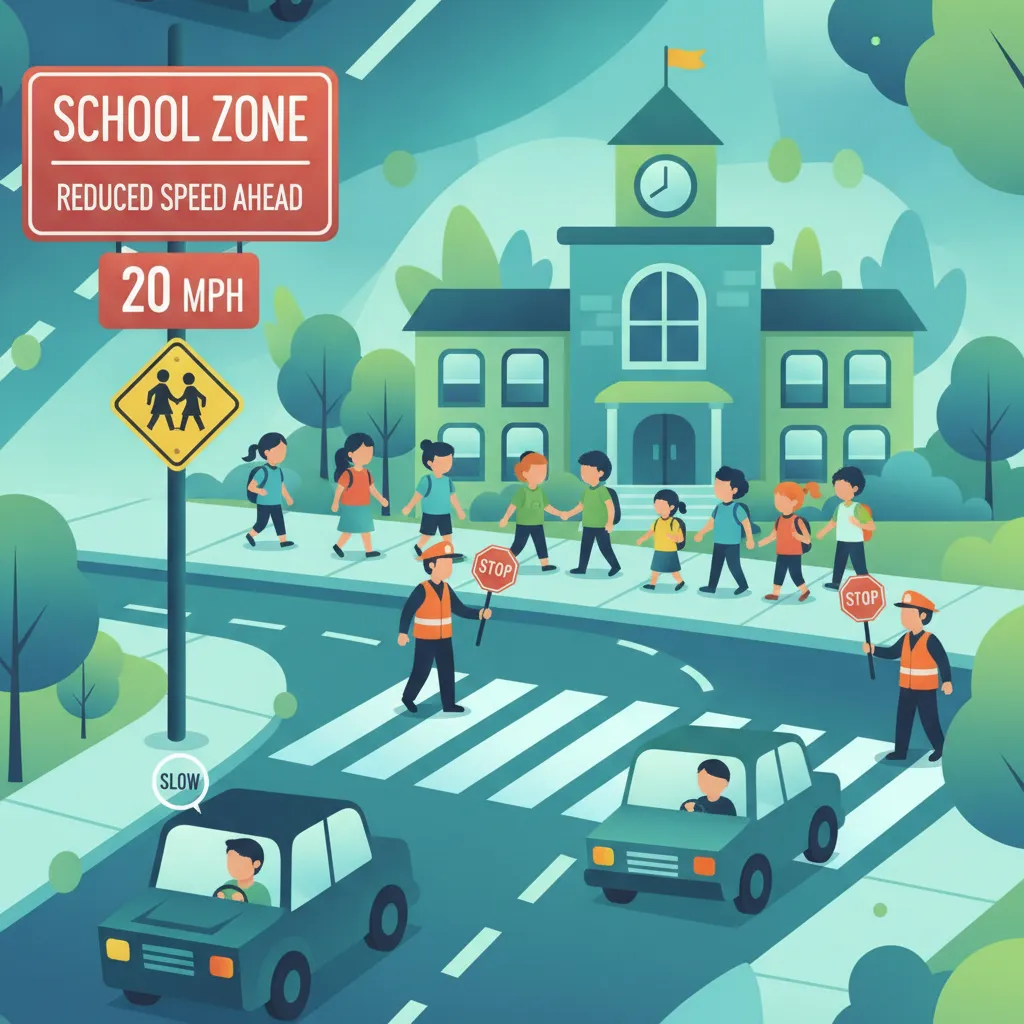
This lesson focuses on the legal rules and safety procedures required within school zones and during school transport (transport scolaire) services in France. Drivers will study strict speed limits, school bus warning sign applications, and mandatory stopping rules when children are boarding. It also details how to respond to official crossing guard signals and ensure students are safely clear before moving.
This lesson focuses on the specific considerations for operating goods vehicles on French motorways, including lane selection, speed management, and proper merging techniques. Learners will understand the importance of maintaining lane discipline, using appropriate overtaking practices, and respecting motorway-specific speed limits for heavy vehicles. The content also covers the use of emergency lanes and the handling of traffic flow.
Find clear answers to common questions learners have about Driving in Adverse Weather Conditions. Learn how the lesson is structured, which driving theory objectives it supports, and how it fits into the overall learning path of units and curriculum progression in France. These explanations help you understand key concepts, lesson flow, and exam focused study goals.
The Loi Montagne mandates that vehicles must be equipped with winter tires or have snow chains on board when traveling in designated mountainous regions during the winter period. For heavy vehicles, failure to comply can lead to fines and, more importantly, poses a significant safety risk to passengers.
A fully loaded coach has different momentum compared to an empty one. You must start braking earlier and more progressively to prevent passenger discomfort and wheel lock-up, as the increased weight can significantly lengthen your stopping distance on wet or slippery surfaces.
If you feel the steering become light or disconnected, do not brake sharply or make sudden steering inputs. Instead, ease off the accelerator, maintain your steering direction, and wait for the tires to regain contact with the road surface once you have slowed down sufficiently.
Yes, in thick fog, you must use your front fog lights and rear fog lamps if visibility is severely reduced. You must also adjust your speed significantly to match the distance you can clearly see, ensuring you can stop within that distance.
Ready to focus your study? Use the practice search to find exactly the French driving theory questions you need for the Code de la route and permis de conduire ETG. Refine your knowledge on specific topics or challenging rules to boost your confidence and exam readiness.