
This lesson details the technical requirements for positioning heavy passenger vehicles at bus stops. You will learn to manage the gap between your vehicle and the curb to ensure safe boarding for all passengers, including those with limited mobility. This is a critical skill for both your theory exam and professional conduct on French roads.

Lesson content overview
Navigating a large passenger vehicle through complex urban road networks requires excellent vehicle control and sharp situational awareness. For professional drivers preparing for the French Passenger Vehicle License Theory Course (Categories D, D1, DE, and D1E), mastering the approach and positioning at a bus stop (le point d'arrêt) is a core safety competency.
When operating a heavy passenger vehicle, your responsibility begins before passengers even step on board. Proper positioning at a bus stop directly affects passenger safety, vehicle accessibility, and overall traffic flow. This lesson covers the technical, legal, and safety procedures required to align a bus or coach parallel to the boarding curb, minimizing gaps and eliminating hazards for waiting passengers.
Perfect alignment at a bus stop requires managing three physical dimensions simultaneously: lateral alignment, longitudinal positioning, and the angular approach. Incorrect management of any of these dimensions can result in passenger injuries, slow boarding times, or damage to the vehicle.
Lateral alignment refers to the side-to-side distance between the passenger doors of the bus and the edge of the sidewalk or bus platform (quai bus).
The precise side-to-side positioning of a passenger vehicle relative to the boarding curb, designed to minimize the physical gap passengers must cross.
Longitudinal positioning is the front-to-back placement of the bus relative to the designated stop line (ligne d'effet) or the bus shelter (aubette).
The front-to-back placement of the bus in relation to the designated stopping mark, ensuring doors align with the pedestrian waiting area.
The trajectory you choose when entering the bus stop bay determines how easily you can straighten the vehicle and achieve a parallel stop.
Executing a flawless stop at a bus station or roadside stop requires a systematic approach. Professional drivers use a structured sequence to ensure safety.
Preparation and Mirror Alignment: Approximately 50 to 100 metres before the stop, scan your interior and exterior mirrors. Ensure your right-side wide-angle mirror is properly adjusted to show the lower edge of the bus body and the curb line.
Signaling and Deceleration: Activate your right indicator early to signal your intent to trailing traffic and waiting pedestrians. Gradually release the accelerator and use the retarder (e.g., Telma or Voith systems) to slow the vehicle smoothly, minimizing passenger instability.
The Angular Entry: Steer gently into the bus bay or toward the curb at an angle between 70° and 90°. This angle keeps the front-right corner of the bus visible to pedestrians and prevents your front overhang (porte-à-faux avant) from sweeping over the sidewalk.
Parallel Realignment: As the front-right wheel nears the curb (approximately 30 cm away), counter-steer smoothly to bring the entire length of the bus parallel to the curb. Monitor your right-side mirrors constantly to check the distance of the rear wheels.
The Final Stop: Bring the vehicle to a complete stop parallel to the curb, aiming for a 10–15 cm gap. Secure the vehicle immediately by applying the parking brake (frein de stationnement) or the station brake (frein d'arrêt), and shift the gearbox to neutral before opening the doors.
One of the greatest hazards during the bus stop approach is the presence of blind spots (angles morts). A large passenger vehicle has significant blind spots along its right side, directly in front of the windshield, and immediately behind the rear bumper.
Before and during the approach to a bus stop, you must consult multiple mirrors to maintain visual control over the "boarding zone" (the area of the sidewalk where passengers gather).
The Danger of the Overhang Swing (Le Porte-à-faux): When you steer away from the curb to pull back into traffic, or when turning into a tight stop, the rear overhang of the bus swings in the opposite direction. If you steer left sharply, the rear-right corner of the bus will swing right over the sidewalk. Always check your right mirror before moving to ensure this swing does not strike waiting pedestrians or street signs.
The French traffic code (Code de la Route) and public transport accessibility standards establish clear legal requirements for passenger vehicle positioning.
The driver must position the vehicle as close as safely possible to the curb, keeping the lateral gap minimized. Under accessibility guidelines (such as those stemming from the Loi Handicap de 2005), public transport must be accessible to all. Leaving an excessive gap (greater than 30 cm) without a safety justification can lead to operator liability in the event of a passenger injury.
Where a stop line is painted on the pavement at a bus stop, it indicates the exact legal limit for the front of the bus.
When positioning the bus, you must maintain at least 1.0 metre of clearance from any stationary obstacles on the sidewalk, such as:
This clearance ensures that when passengers step off the bus, they do not immediately collide with an obstacle, and it prevents the passenger doors or the vehicle's mirrors from striking curbside infrastructure.
A professional driver must adapt their positioning technique based on weather, passenger needs, and road design.
When boarding a passenger in a wheelchair, a parent with a stroller, or an individual using a mobility aid, precise positioning is critical.
The official French designation for Passengers with Reduced Mobility, including wheelchair users, the elderly, and anyone with temporary or permanent physical challenges.
Weather conditions greatly affect vehicle traction and passenger stability.
In tight medieval or historic French city centers, achieving a perfect parallel alignment can be challenging.
Understanding the physics and consequences of your positioning decisions helps you build safe driving habits.
| Cause (Driver Action) | Immediate Effect | Ultimate Safety Outcome |
|---|---|---|
| Achieving a 10–15 cm lateral gap | Passengers step directly onto the flat sidewalk platform. | Minimal risk of trips/slips; rapid boarding times. |
| Stopping >30 cm away from the curb | Passengers must step down into the gutter and climb up. | Increased passenger falls; risk of injury or lawsuit. |
| Approaching at a shallow angle (<70°) | "Nose-in, tail-out" alignment; rear door remains far from curb. | Rear passengers cannot board safely; traffic is blocked. |
| Steering away sharply from the curb | Rear overhang (porte-à-faux) swings over the sidewalk. | Risk of striking pedestrians or street furniture. |
| Stopping exactly at the stop line | Predictable positioning for other drivers and pedestrians. | Smooth traffic flow; safe pedestrian crossing. |
To ensure you are fully prepared for the Category D theory exam, review these critical operational rules:
Explore all units and lessons included in this driving theory course.
Lesson content overview
Explore all units and lessons included in this driving theory course.
Explore search topics learners often look for when studying Proper Positioning at Bus Stops for Safe Boarding. These topics reflect common questions about road rules, driving situations, safety guidance, and lesson level theory preparation for learners in France.
Browse additional driving theory lessons that cover connected traffic rules, road signs, and common driving situations related to this topic. Improve your understanding of how different rules interact across everyday traffic scenarios.
Learn the legal obligations and technical procedures for boarding passengers with reduced mobility. This overview details the requirements for ramp deployment and safe vehicle positioning according to French passenger transport regulations to ensure full accessibility and compliance during transit.

This lesson provides step-by-step instructions for utilizing vehicle accessibility systems, including wheelchair ramps, lifts, and specialized tie-down restraints. Drivers will study French regulatory frameworks mandating equal access to public transport services for all individuals. Crucially, the lesson covers respectful, safe, and efficient communication methods for guiding passengers with sensory, physical, or cognitive impairments.
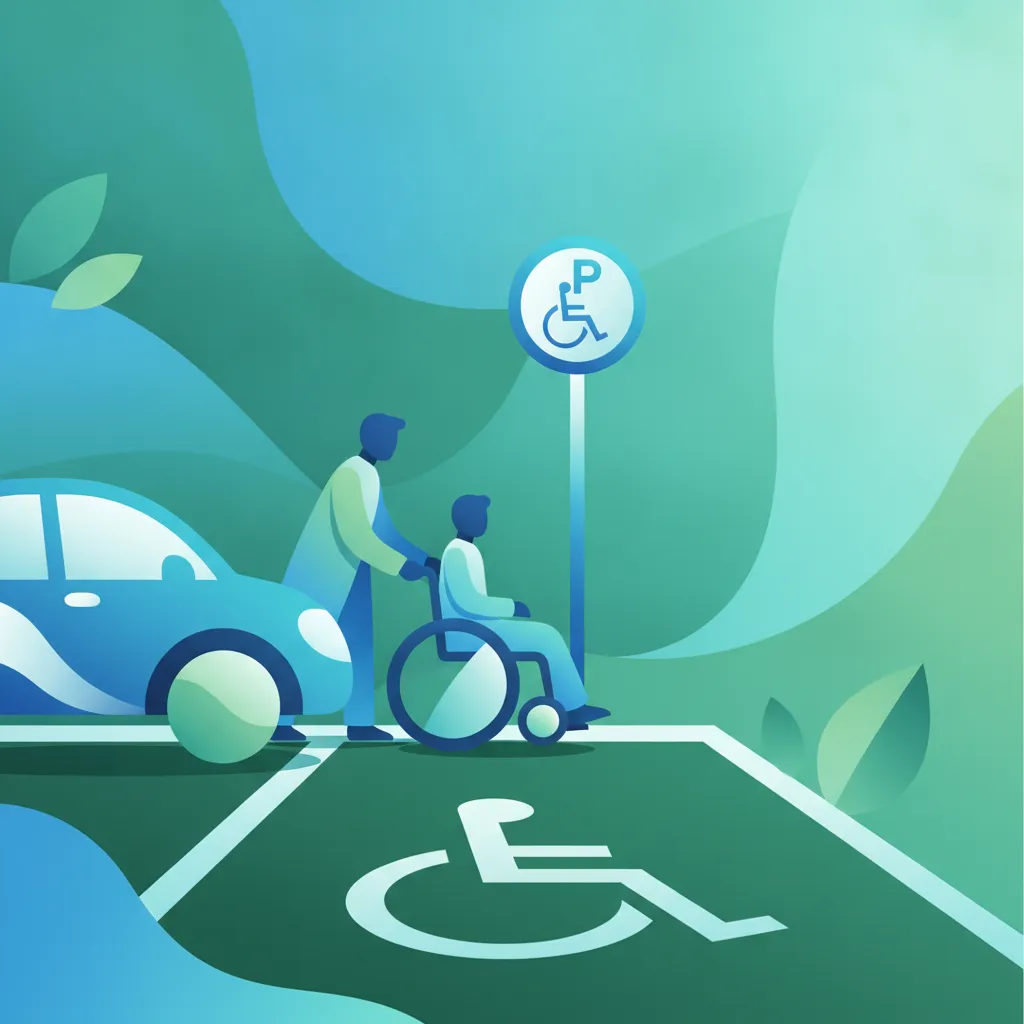
This lesson introduces the standard interior signage required in passenger vehicles to communicate critical safety and accessibility information clearly. Learners will learn to verify the visibility of handicap symbols, emergency exit markers, and priority seating notifications. Proper maintenance of these visual and auditory warning systems ensures that all passenger groups can navigate the vehicle confidently and safely under any conditions.

This lesson examines the flow of passengers entering and exiting the vehicle and how to organize this movement to reduce stop delays safely. Drivers will study the operation of door safety interlocks, sensitive edges, and onboard monitoring cameras to prevent boarding accidents. It also covers coordinating priority boarding for elderly, pregnant, or injured passengers in a polite and structured manner.
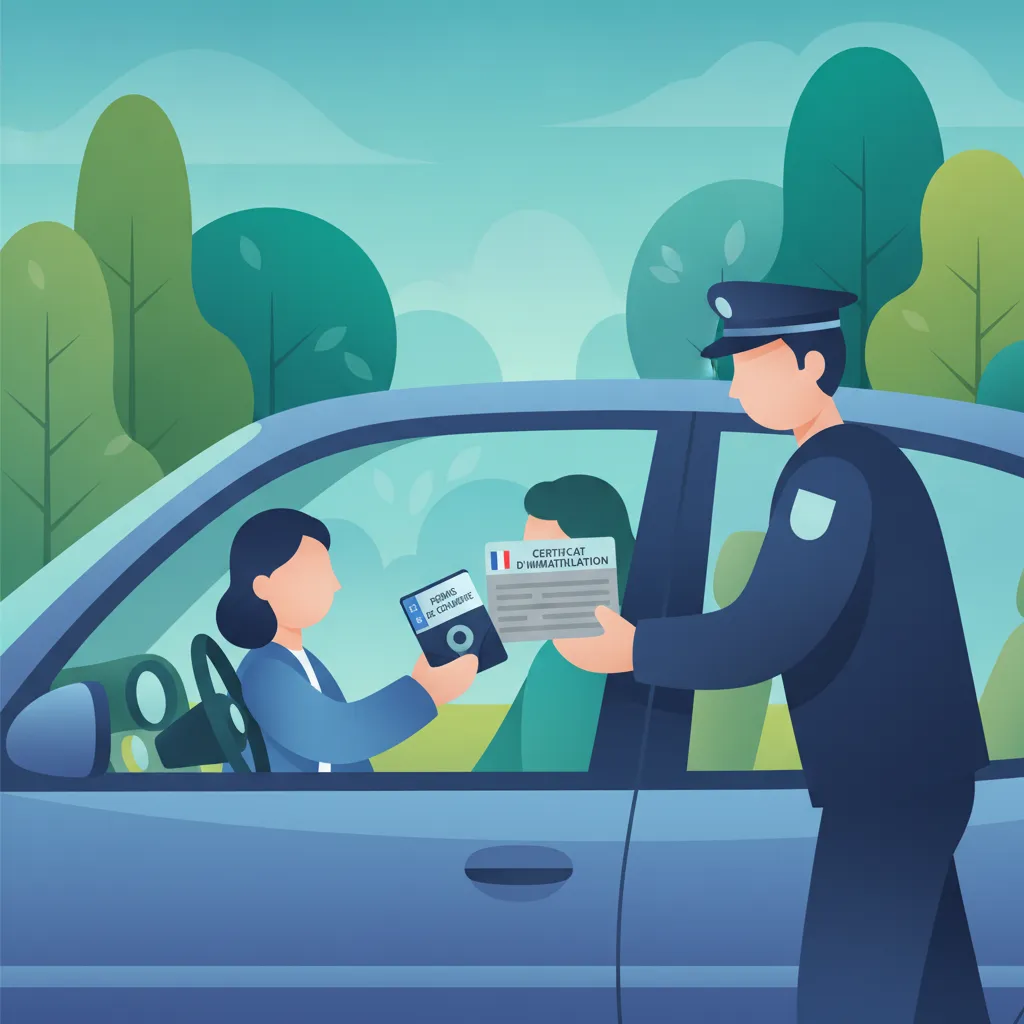
This lesson explains the critical documentation required to be kept onboard every passenger vehicle under French and European transport regulations. Learners will explore requirements for passenger manifests, insurance policies, valid transport permits, and official logbooks like the chronotachygraphe. Crucially, the lesson covers proper procedures for presenting these documents during routine roadside inspections by French law enforcement agencies.

This lesson highlights the critical ethical framework governing public and private passenger transport services within the French Republic. Drivers are trained to provide equitable, non-discriminatory assistance to all travelers while fully respecting passenger privacy and dignity. Understanding these moral obligations helps prevent conflicts, enhances service accessibility, and reinforces the high standard of social responsibility expected of professional coach operators.

This lesson covers the rules of driving passenger vehicles on high-speed French motorways (autoroutes). Learners will study entry-ramp merging protocols, lane restrictions for vehicles over 3.5 tonnes, and motorway-specific speed limits. The lesson also highlights the correct use of toll booths (péages), emergency hard-shoulder safety procedures, and accessing dedicated coach rest areas.

This lesson examines the rigorous legal duties imposed on passenger vehicle operators by the French Code de la route and professional transport guidelines. Drivers must balance tight scheduling demands with the absolute priority of passenger safety and general public security. By studying real-world legal scenarios, candidates will learn how to maintain professional conduct, resolve on-board issues, and protect public trust during transit.

This lesson examines the regulatory limits and environmental controls applied to large passenger vehicles operating in dense French urban centers. Drivers will study the Crit'Air clean air sticker system and low-emission zones (ZFE) that restrict access for older, high-polluting vehicles. It also addresses navigating physical constraints, such as narrow streets, tight turning radii, and strict municipal weight limits.
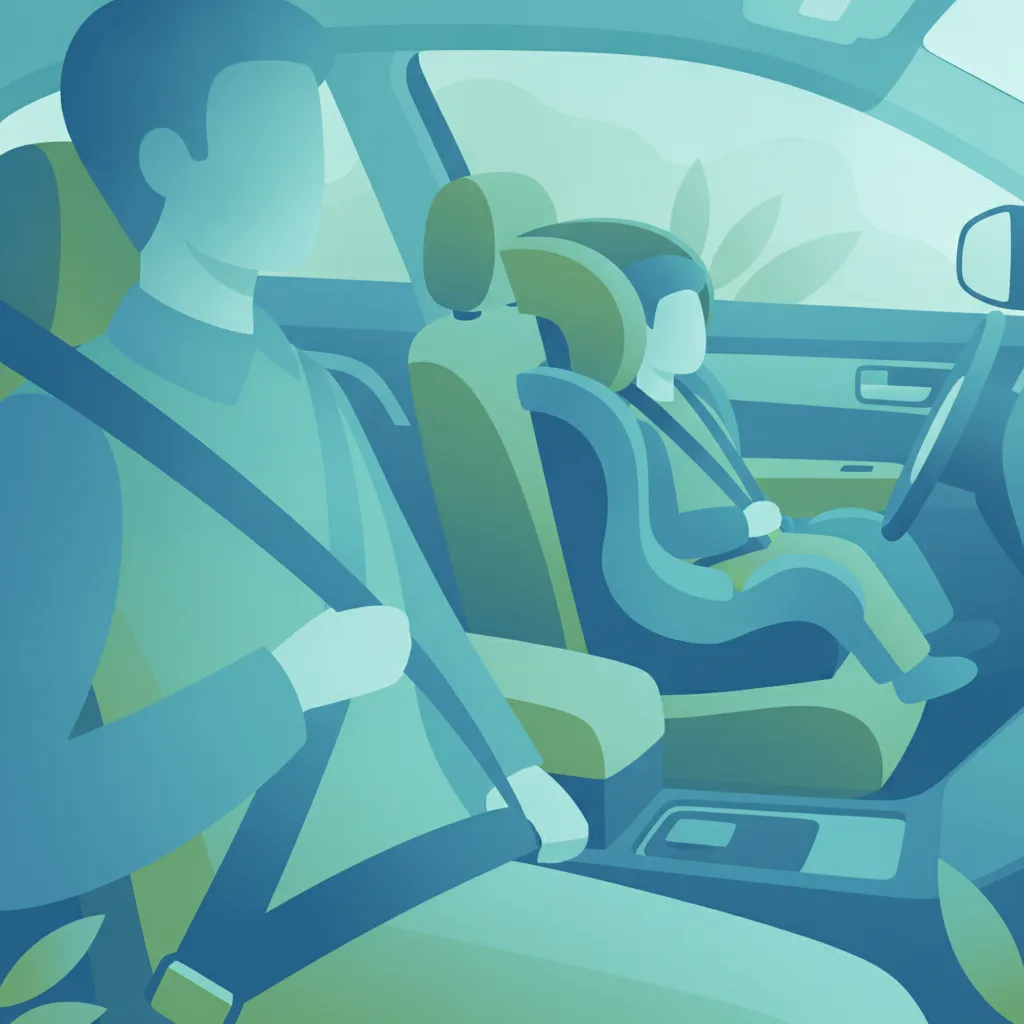
The driver of a vehicle is legally responsible for ensuring that all passengers, particularly minors, are safely restrained. This lesson explains seatbelt enforcement laws and the mandatory child safety seat requirements based on height, weight, and age. You will learn to use the standardized ISOFIX system and understand when and how to safely deactivate passenger airbags for rear-facing infant seats.
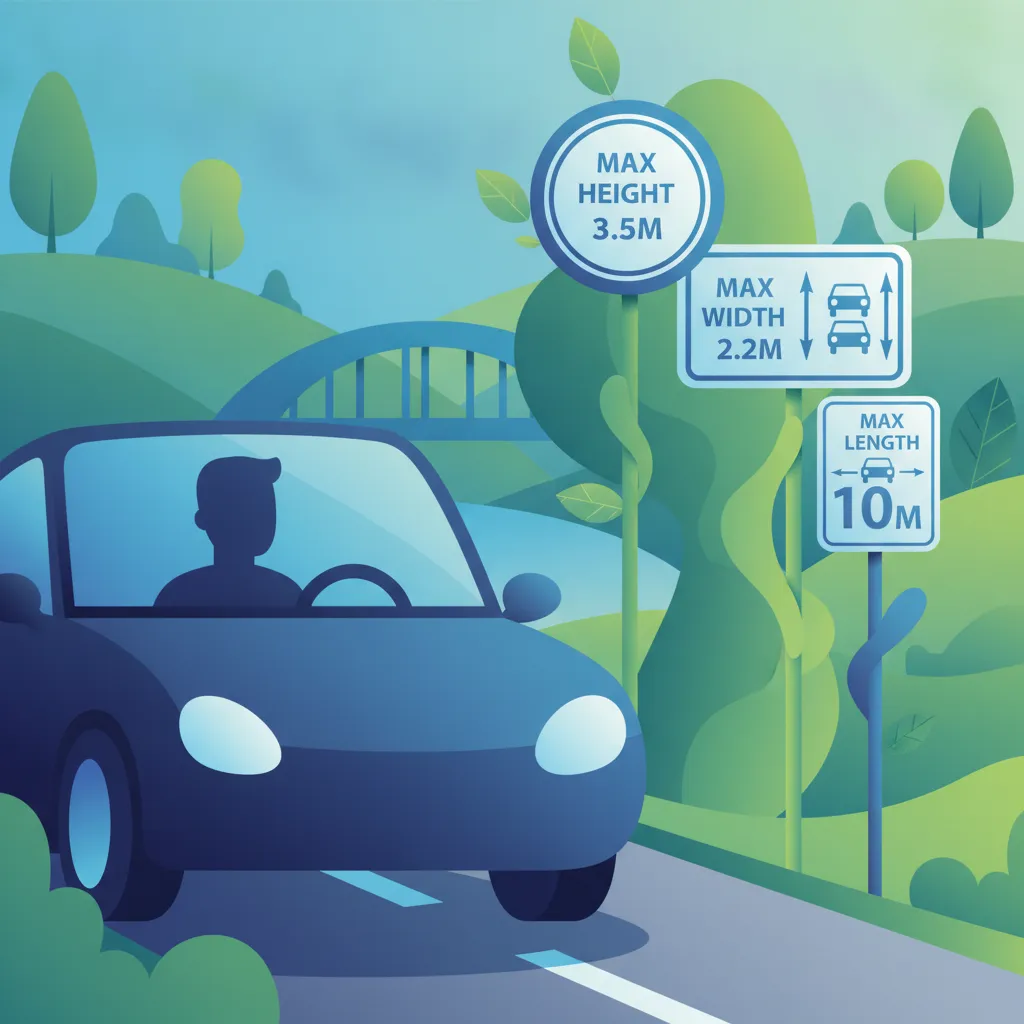
This lesson provides an in-depth analysis of how goods vehicles are classified according to their overall dimensions, such as length, width, height, and wheelbase. Learners will understand the legal limits imposed by French regulations for each vehicle class, and how these dimensions affect the vehicle’s classification and permissible routes. The material also explains the impact of cab size versus cargo space on maneuverability and route planning, highlighting the importance of accurate dimension assessment.
Understand the technical challenges of navigating narrow urban roads and complex traffic environments with heavy vehicles. This lesson explains clearance requirements, obstacle management, and strategies for maintaining safe passage in high-density areas while strictly following professional driving standards in France.

This lesson focuses on maneuvering in extremely crowded areas, passenger terminals, or narrow streets blocked by parked vehicles and obstacles. Drivers will learn to assess clearance distances precisely before committing to narrow pathways. The content teaches steering techniques that maintain stability, optimize space usage, and prioritize public safety during slow-speed, high-difficulty maneuvers.

This lesson analyzes the various traffic challenges unique to operating large passenger vehicles in historic and modern French urban areas. Drivers will learn to manage narrow street layouts, double-parked delivery trucks, and high-density multi-lane roundabouts safely. The lesson emphasizes defensive driving strategies, route adjustments, and maintaining mental focus under severe schedule and time pressures.
Find clear answers to common questions learners have about Proper Positioning at Bus Stops for Safe Boarding. Learn how the lesson is structured, which driving theory objectives it supports, and how it fits into the overall learning path of units and curriculum progression in France. These explanations help you understand key concepts, lesson flow, and exam focused study goals.
A large gap poses a significant tripping hazard for passengers, especially those with reduced mobility or physical disabilities. In the exam, correctly identifying the need for minimal curb distance demonstrates your commitment to passenger safety.
You must continuously monitor your left and right side-view mirrors, as well as any proximity mirrors (curb mirrors), to ensure you are not encroaching on cyclists or pedestrians while maneuvering into the stop.
Yes, French road markings for bus stops are strictly regulated. You must aim to position your vehicle within the designated markings while ensuring all doors are properly aligned with the platform for safe and accessible boarding.
Ready to focus your study? Use the practice search to find exactly the French driving theory questions you need for the Code de la route and permis de conduire ETG. Refine your knowledge on specific topics or challenging rules to boost your confidence and exam readiness.