
This sign, officially 'Taxenstand - Anfang - Aufstellung links', marks the beginning of a taxi stand where taxis are positioned on the left side of the road. As a regulatory sign under German StVO, it's a binding instruction. You must be aware of its presence and adapt your driving before reaching the area, checking for any specific road markings or supplementary plates that might modify its application.
This German regulatory sign 229-21 marks the beginning of a taxi stand, positioned on the left side of the road. Mastering its meaning is crucial for your driving theory test revision and for correctly interpreting traffic situations in Germany.
German road sign 229-21, officially designated "Taxenstand - Anfang - Aufstellung links", belongs to the regulatory signs group. It gives a binding rule under the German StVO and must be followed rather than treated as advisory information. You may see it in junctions, restricted streets, cycle and pedestrian facilities, parking areas, low-emission zones, and roads with binding lane or speed rules, depending on how the road authority has arranged the location. This left-side version is used where the sign is placed on the left side of the carriageway or where a mirrored symbol fits the approach direction. A start version normally marks the beginning of the controlled section. Any left reference should be read as part of the direction, road side, lane arrangement, or placement shown by the sign. The practical meaning is not just the symbol itself, but the driving decision it triggers: adjust speed, position, priority, route choice, stopping behaviour, or attention before the situation becomes urgent. For learners, the key skill is knowing whether the sign commands, forbids, limits, or cancels a rule. Always combine the sign with road markings, traffic lights, police instructions, and any supplementary plates at the same location.
German road sign 229-21 means "Taxi stand - Start - installed on the left" and is officially listed as "Taxenstand - Anfang - Aufstellung links". In practice, it tells drivers to recognise the situation early, adapt before reaching the controlled area, and check whether markings or supplementary plates change how the rule applies.
Get clear, practical answers to the most common questions about the 229-21 - Taxi stand - Start - installed on the left road sign. Learn how the sign works, what rules it represents, and how it affects real driving situations. This FAQ strengthens your understanding and supports accurate decision making for the German driving theory exam in Germany.
Sign 229-21 indicates the beginning of a designated taxi stand. The 'installed on the left' part specifies that the taxis are parked or waiting on the left side of the carriageway from your perspective, or the sign is positioned on the left side of the road to indicate this.
You need to be aware that this is the start of a taxi stand. While the sign itself doesn't prohibit you from driving past, you should be prepared for taxis potentially entering the road or for reduced space. It's crucial to check for supplementary plates that might specify times or vehicle types, and be mindful of road markings.
Sign 229-21 primarily designates a taxi stand and doesn't inherently prohibit other parking. However, you must ensure your vehicle does not obstruct the taxi stand or violate any other parking regulations. Always check for supplementary signs or road markings that might restrict parking in this specific area.
A common trap is assuming the sign prohibits all other traffic or parking. Remember, it marks the *start* of a taxi stand. Another trap is ignoring supplementary plates, which can significantly alter the rule's application by specifying times, vehicle types, or distances.
'Aufstellung links' translates to 'placement on the left'. This indicates that the taxis are positioned on the left side of the road relative to the direction of traffic, or that the sign itself is placed on the left side of the carriageway to inform approaching drivers.
A clear reference image of the 229-21 - Taxi stand - Start - installed on the left road sign used in Germany.
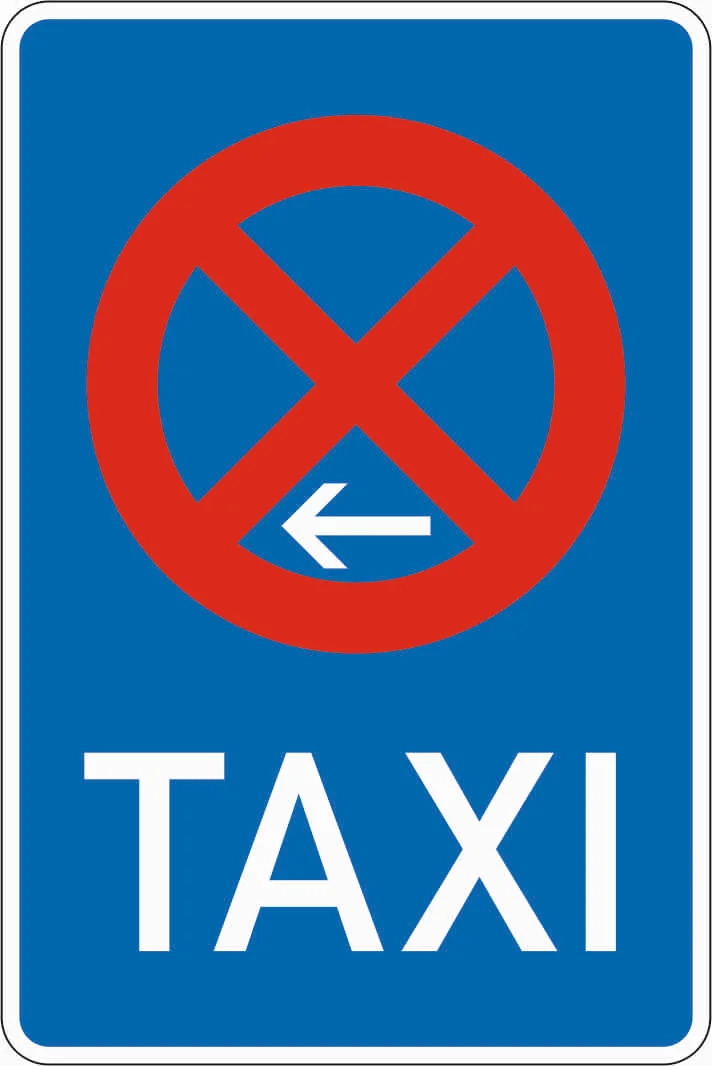
The 229-21 - Taxi stand - Start - installed on the left road sign may also be known by these alternative names or terms.
The 229-21 - Taxi stand - Start - installed on the left road sign is part of the German Regulatory Signs category, which groups together signs with similar rules and functions.
Comparing similar road signs like 'Taxi stand - Start - installed on the left' with others helps cement your knowledge for the German theory test. Practice traffic sign comparison to improve your recognition accuracy and avoid common mistakes during your driving licence exam preparation.
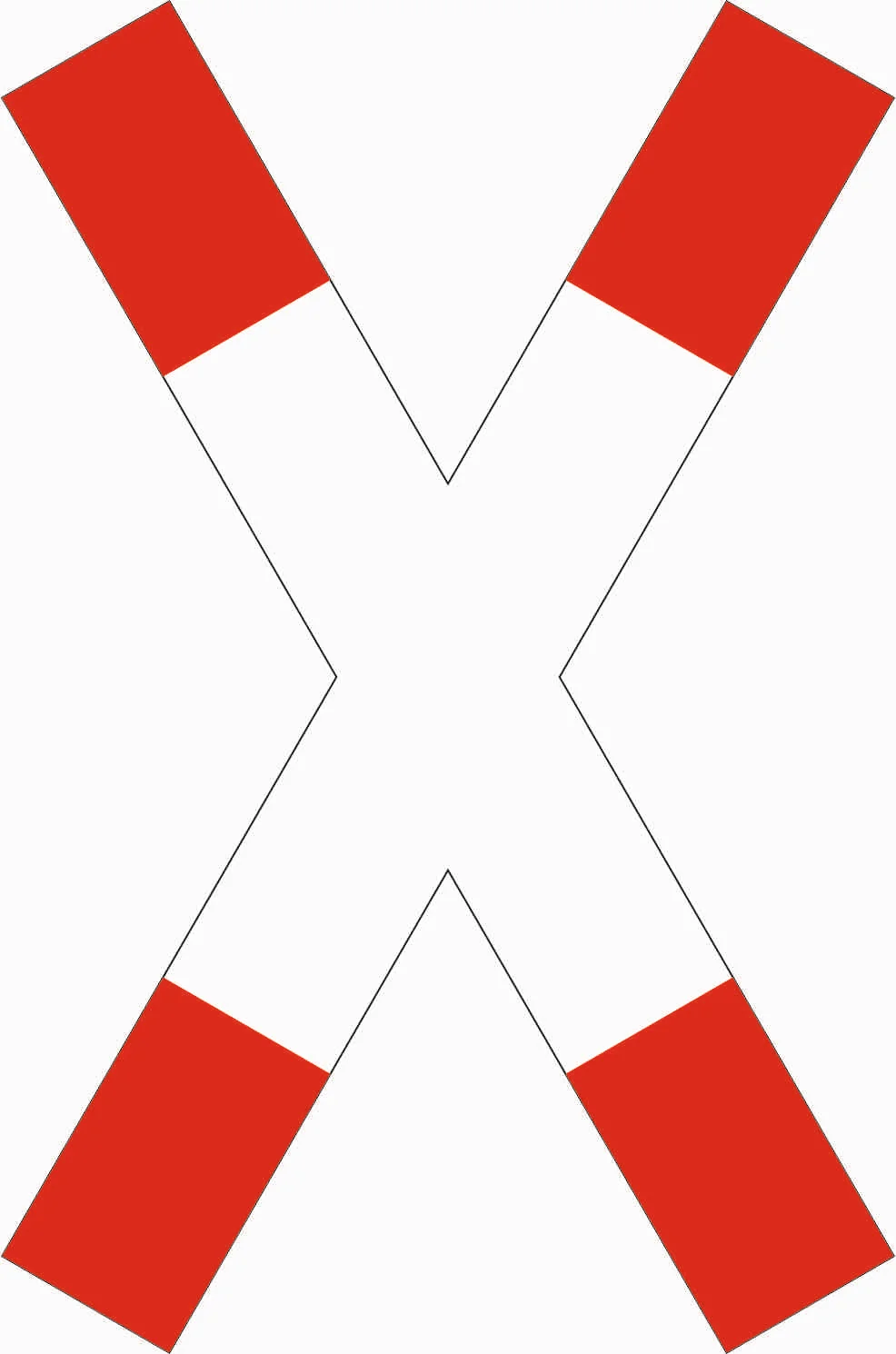
Master the Standing Railway Crossbuck (Andreaskreuz - stehend) Sign
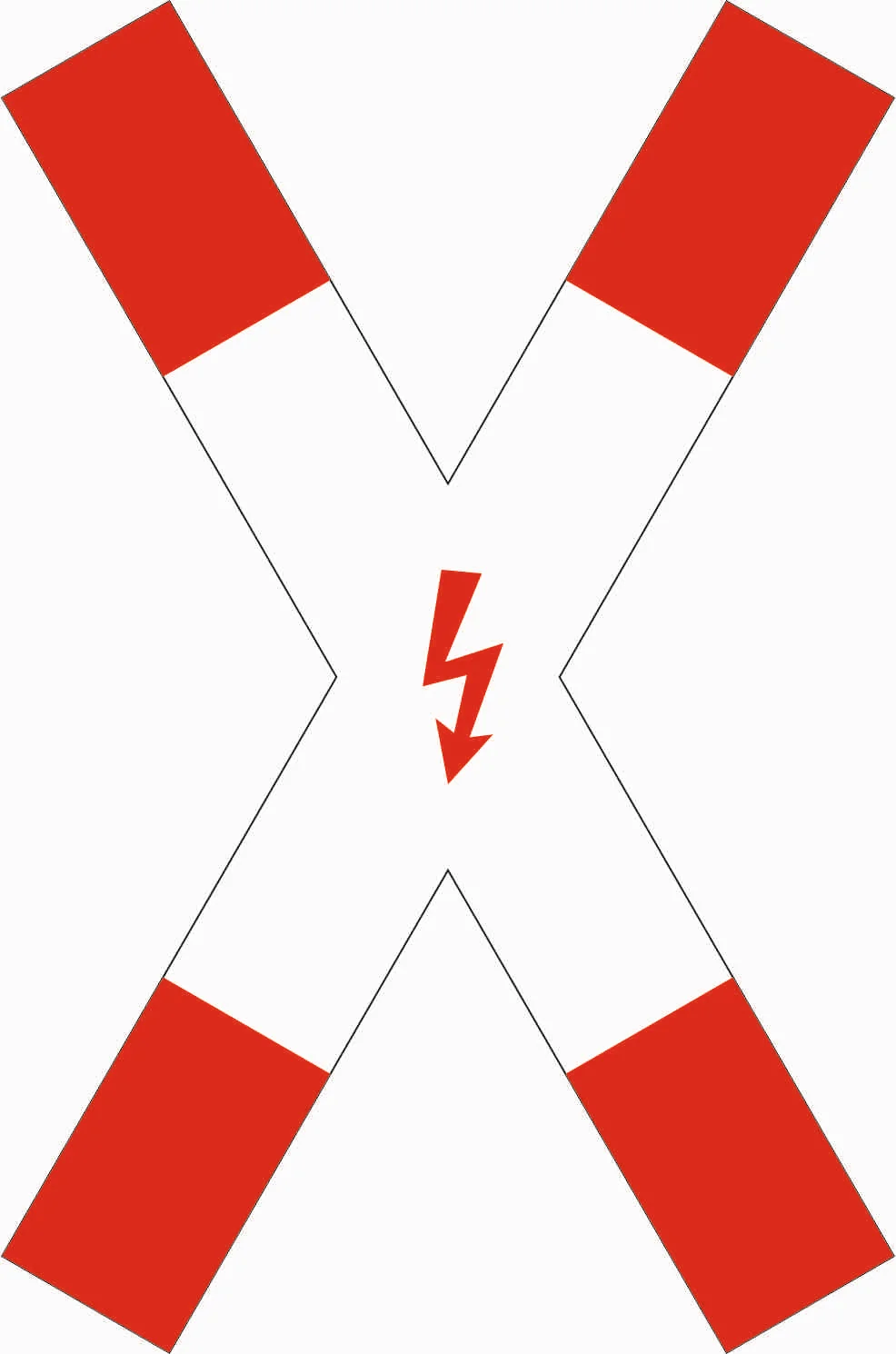
Understand the Railway Crossbuck with Blitzpfeil (Sign 201-51) in Germany
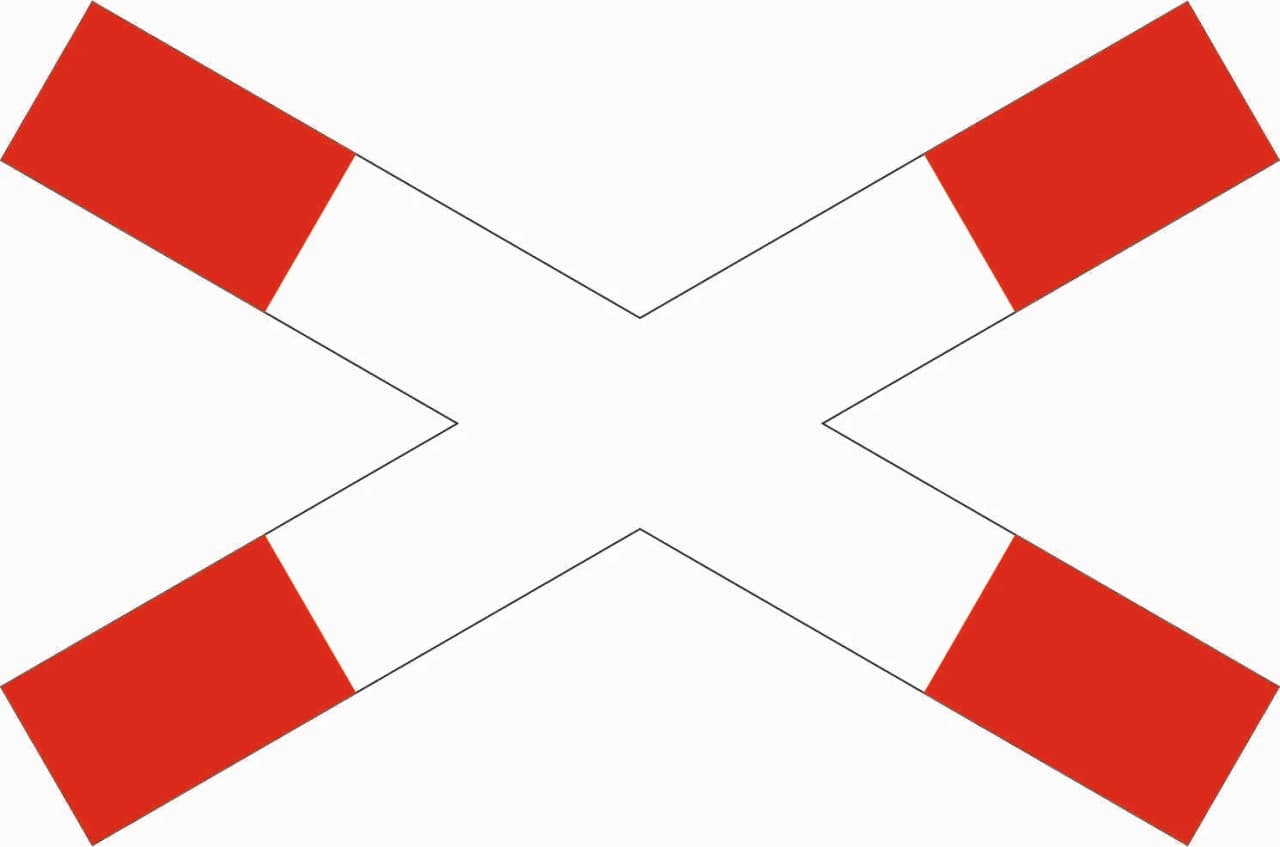
German road sign 201-52: The Railway Crossbuck 'Andreaskreuz - liegend'
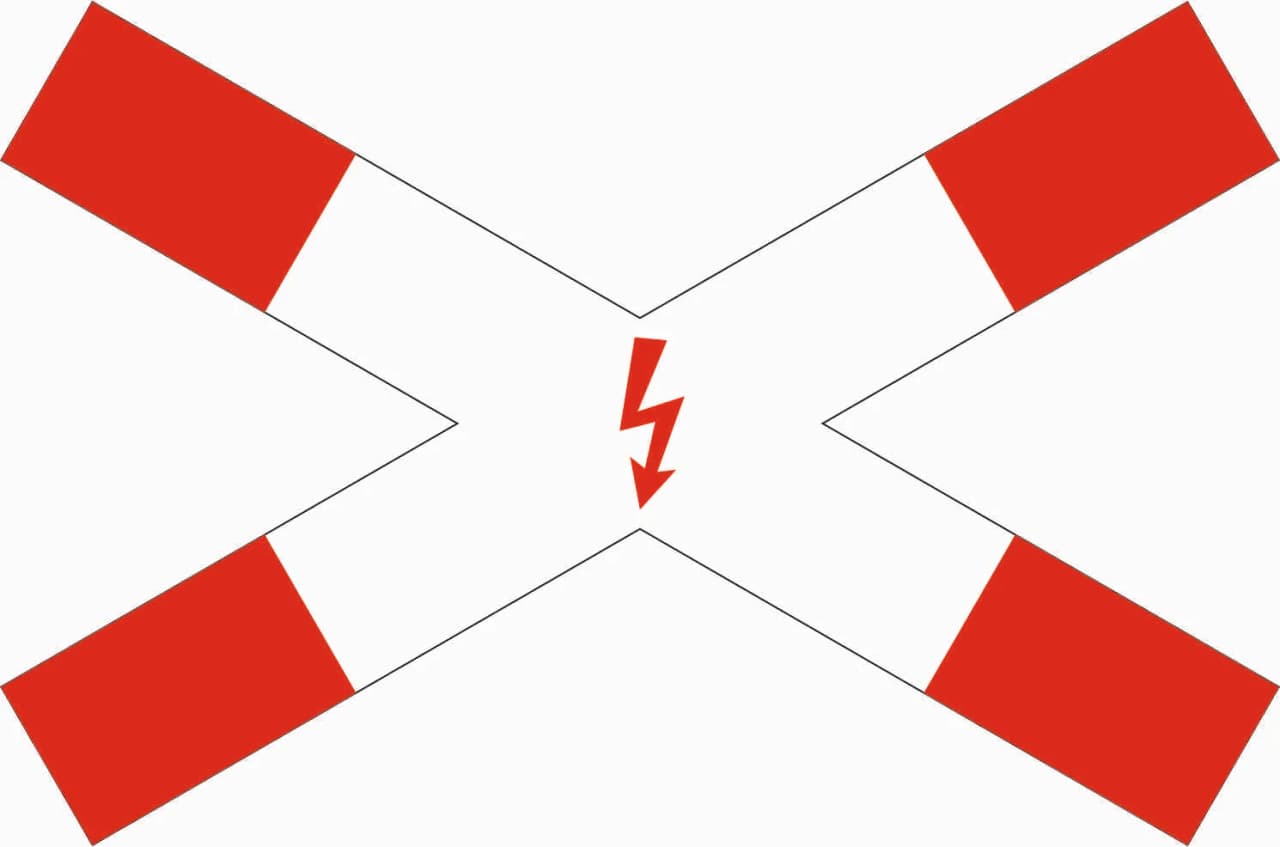
Germany's Railway Crossbuck Sign 201-53 with Blitzpfeil: What You Need to Know
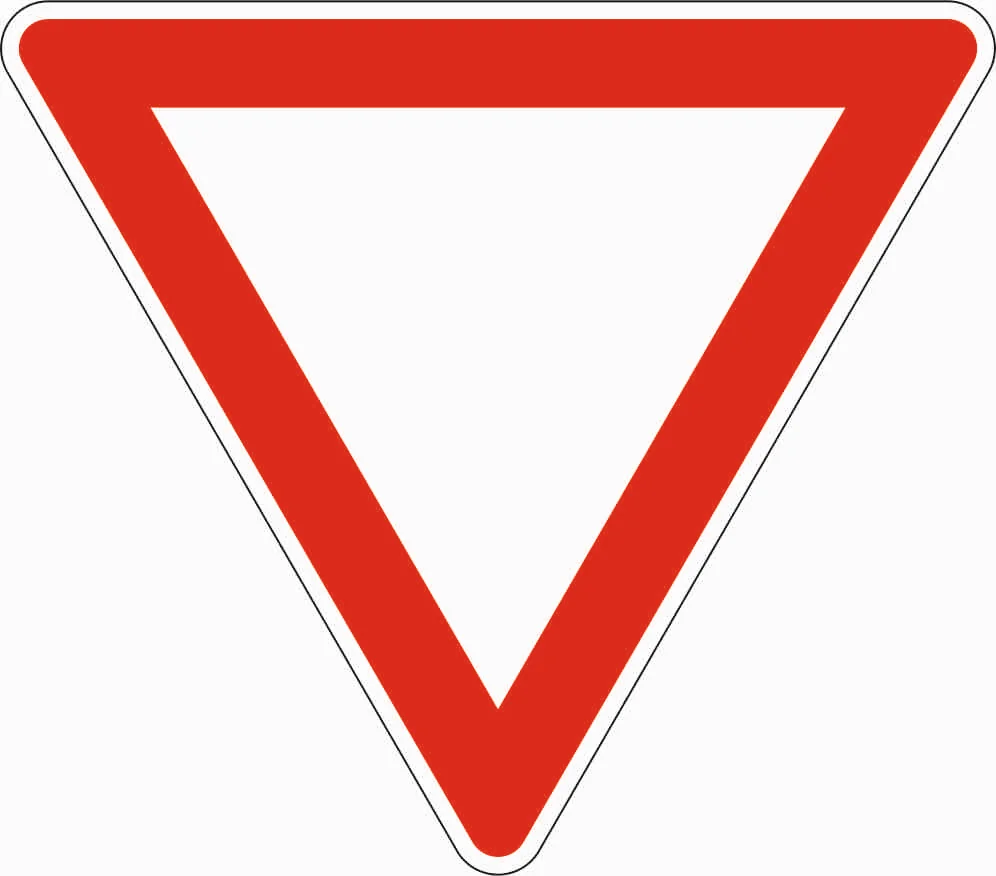
Understand the German "Yield" Sign (Sign 205 - Vorfahrt gewähren)

Sign 206: Stop and Yield – You must stop and give way
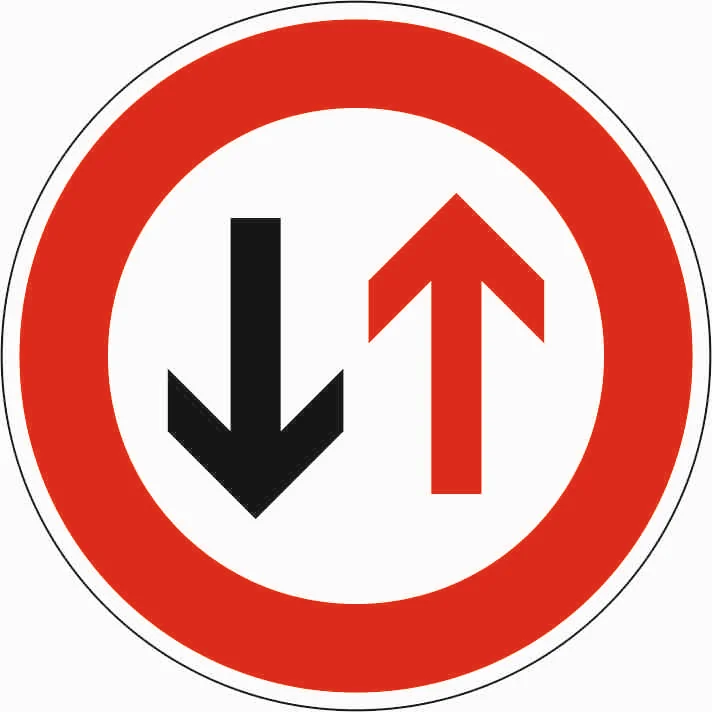
Sign 208: You Must Yield to Oncoming Traffic on This Road
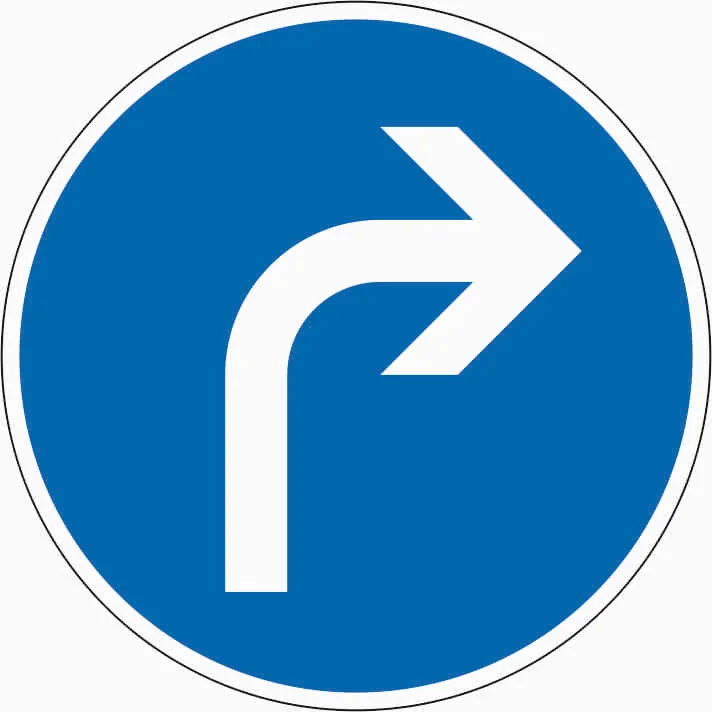
Mandatory Direction - Right: Sign 209 Explained
Deepen your understanding of specific road sign categories or test your knowledge with practice questions. Explore our themed sign groups for targeted study or jump into quizzes to reinforce your recognition skills for the official German theory exam.
All German Road Signs List