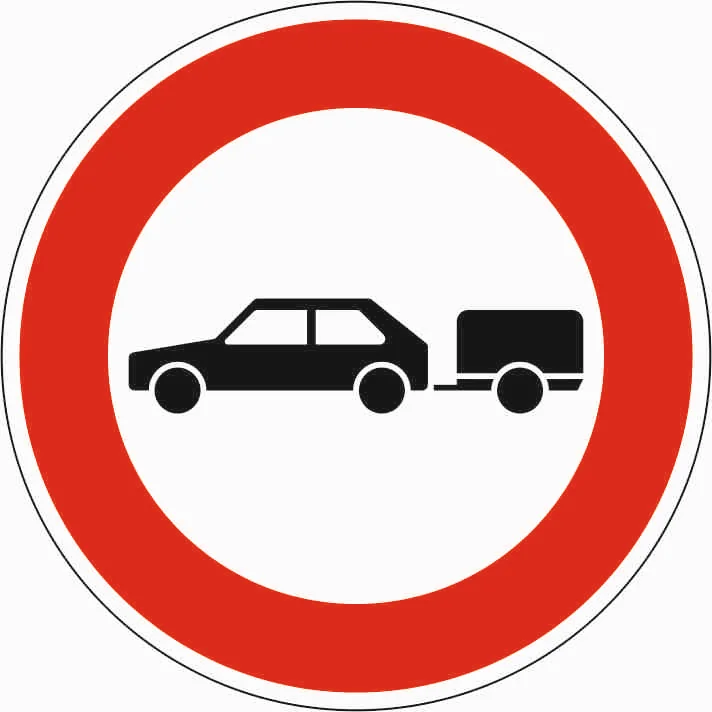
This regulatory traffic sign, 257-56, specifically forbids passenger cars towing a trailer from proceeding. You'll often find it marking the start of a restricted area, such as a narrow road, a specific lane, or a zone where trailer use is impractical or unsafe. It's crucial to recognise this sign early and adjust your driving plan before you reach the restricted section, as it's a binding rule under German traffic law (StVO).
This essential German road sign "Verbot für Personenkraftwagen mit Anhänger" specifically prohibits passenger cars towing a trailer, crucial for your driving theory test revision. Mastering its meaning ensures you correctly interpret traffic rules and avoid penalties when preparing for your German driving licence.
German road sign 257-56, officially designated "Verbot für Personenkraftwagen mit Anhänger", belongs to the regulatory signs group. It gives a binding rule under the German StVO and must be followed rather than treated as advisory information. You may see it in junctions, restricted streets, cycle and pedestrian facilities, parking areas, low-emission zones, and roads with binding lane or speed rules, depending on how the road authority has arranged the location. The practical meaning is not just the symbol itself, but the driving decision it triggers: adjust speed, position, priority, route choice, stopping behaviour, or attention before the situation becomes urgent. For learners, the key skill is knowing whether the sign commands, forbids, limits, or cancels a rule. Always combine the sign with road markings, traffic lights, police instructions, and any supplementary plates at the same location.
German road sign 257-56 means "Verbot for passenger cars with Anhänger" and is officially listed as "Verbot für Personenkraftwagen mit Anhänger". In practice, it tells drivers to recognise the situation early, adapt before reaching the controlled area, and check whether markings or supplementary plates change how the rule applies.
Get clear, practical answers to the most common questions about the 257-56 - Verbot for passenger cars with Anhänger road sign. Learn how the sign works, what rules it represents, and how it affects real driving situations. This FAQ strengthens your understanding and supports accurate decision making for the German driving theory exam in Germany.
Sign 257-56 in Germany means 'Verbot für Personenkraftwagen mit Anhänger', which translates to a prohibition for passenger cars with trailers. If you are driving a car and towing a trailer, you must not enter the area or road indicated by this sign.
If you see sign 257-56, you must stop or turn away before the indicated area. Do not proceed with your car and trailer into the restricted zone. You should look for an alternative route or a legal place to stop and unhitch your trailer if necessary.
Generally, no. Sign 257-56 is a strict prohibition for passenger cars with trailers. However, always check for supplementary plates below the sign, as these can sometimes specify times, specific types of trailers, or other conditions that might alter the rule's application. In the absence of such plates, the prohibition is absolute for passenger cars with trailers.
A common mistake is not understanding that this sign applies specifically to passenger cars pulling trailers, not to all vehicles or even to cars without trailers. Learners might also forget to check for supplementary plates, which can add crucial details about the restriction. The key is to always react to the sign's specific instruction for your vehicle type.
You are likely to see sign 257-56 in areas where trailers could cause difficulties, such as narrow urban streets, roads with sharp bends, steep gradients, areas with limited manoeuvring space, or where noise or environmental concerns are paramount. It's a regulatory sign designed to manage traffic flow and safety.
A clear reference image of the 257-56 - Verbot for passenger cars with Anhänger road sign used in Germany.
The 257-56 - Verbot for passenger cars with Anhänger road sign may also be known by these alternative names or terms.
The 257-56 - Verbot for passenger cars with Anhänger road sign is part of the German Regulatory Signs category, which groups together signs with similar rules and functions.
Comparing signs like 'Verbot for passenger cars with Anhänger' with related regulatory signs sharpens your ability to distinguish and recall them correctly. This focused approach to traffic sign comparison is crucial for improving sign recognition and preparing effectively for your theory test revision.
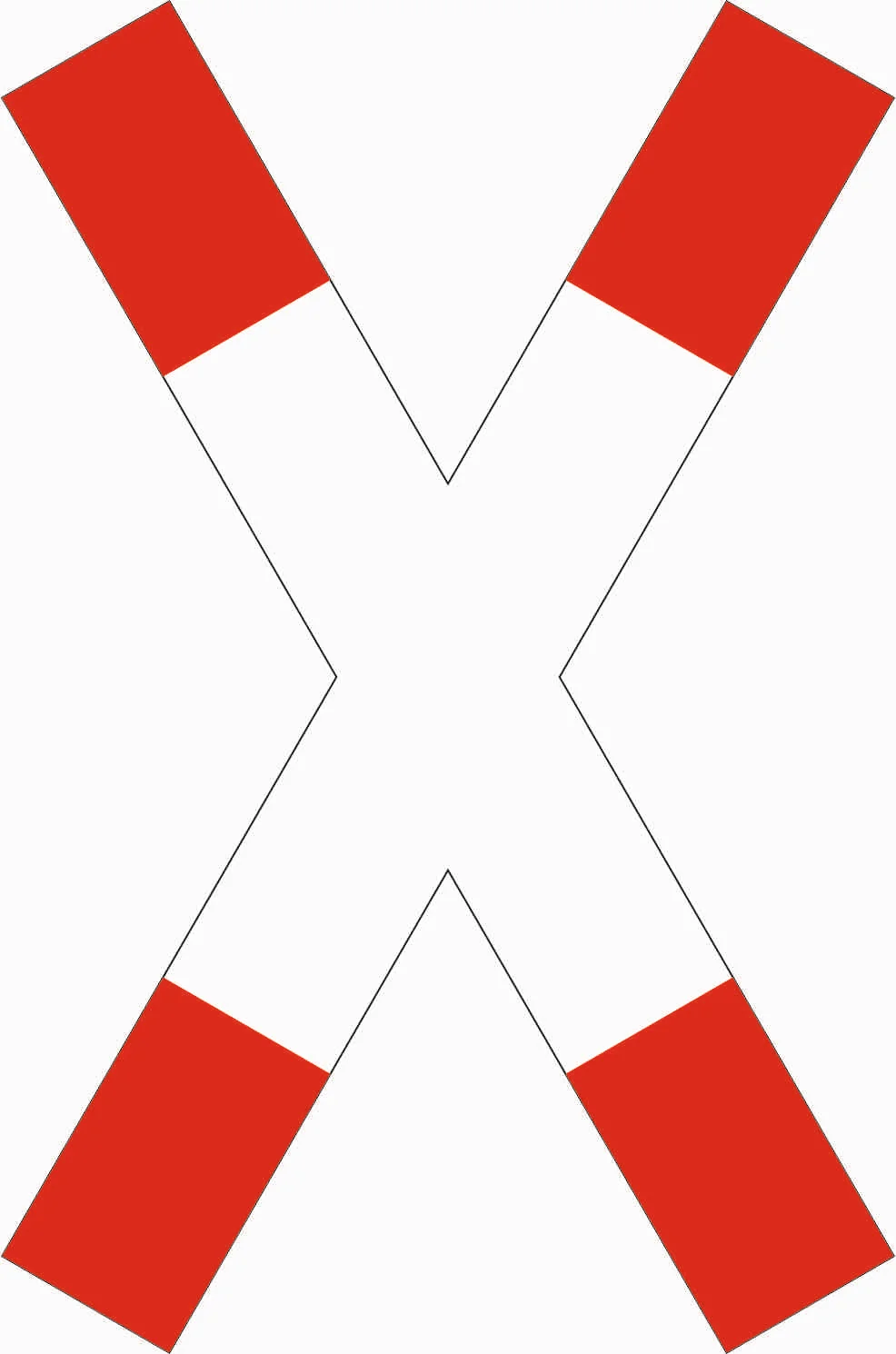
Master the Standing Railway Crossbuck (Andreaskreuz - stehend) Sign
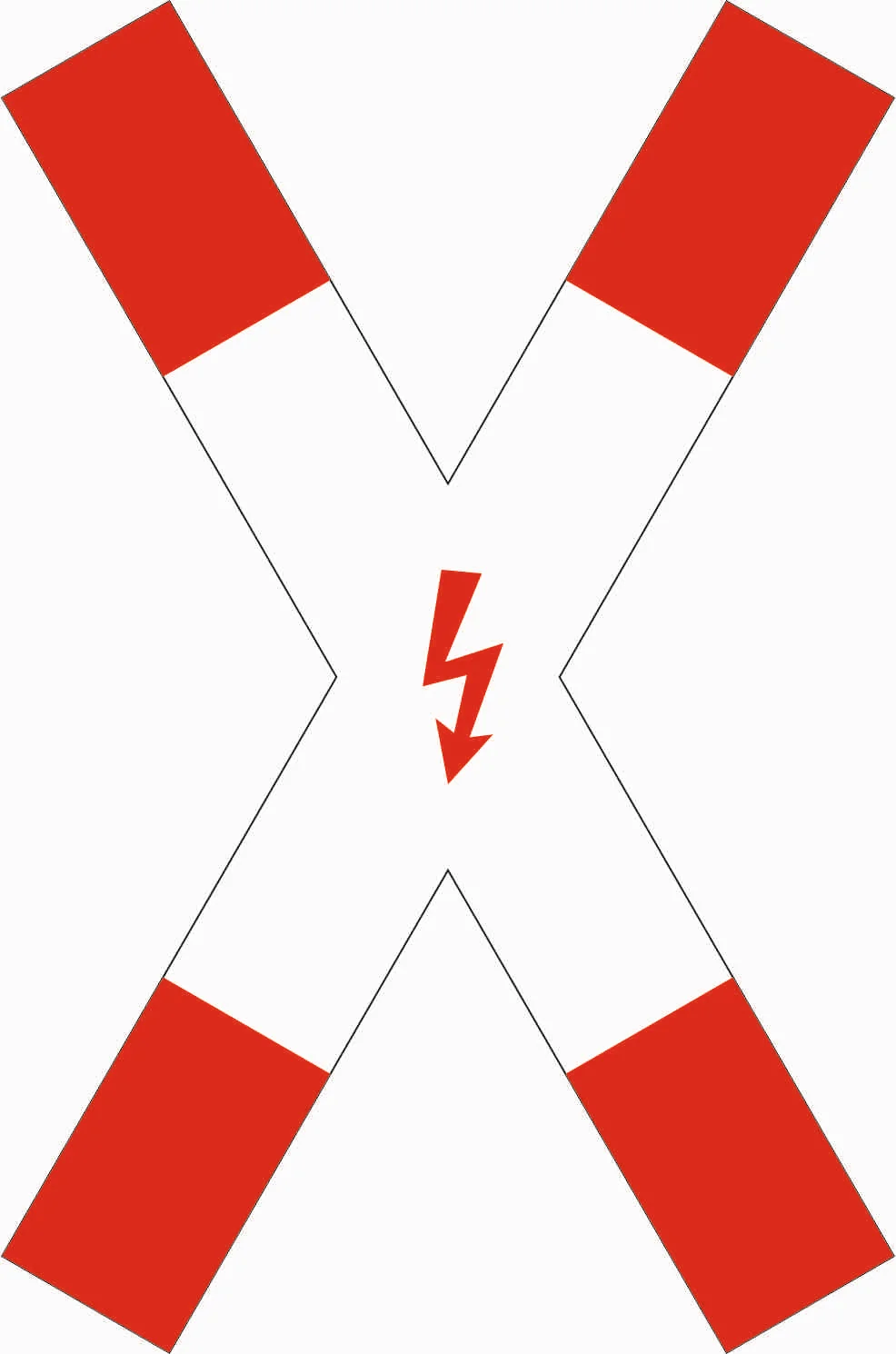
Understand the Railway Crossbuck with Blitzpfeil (Sign 201-51) in Germany
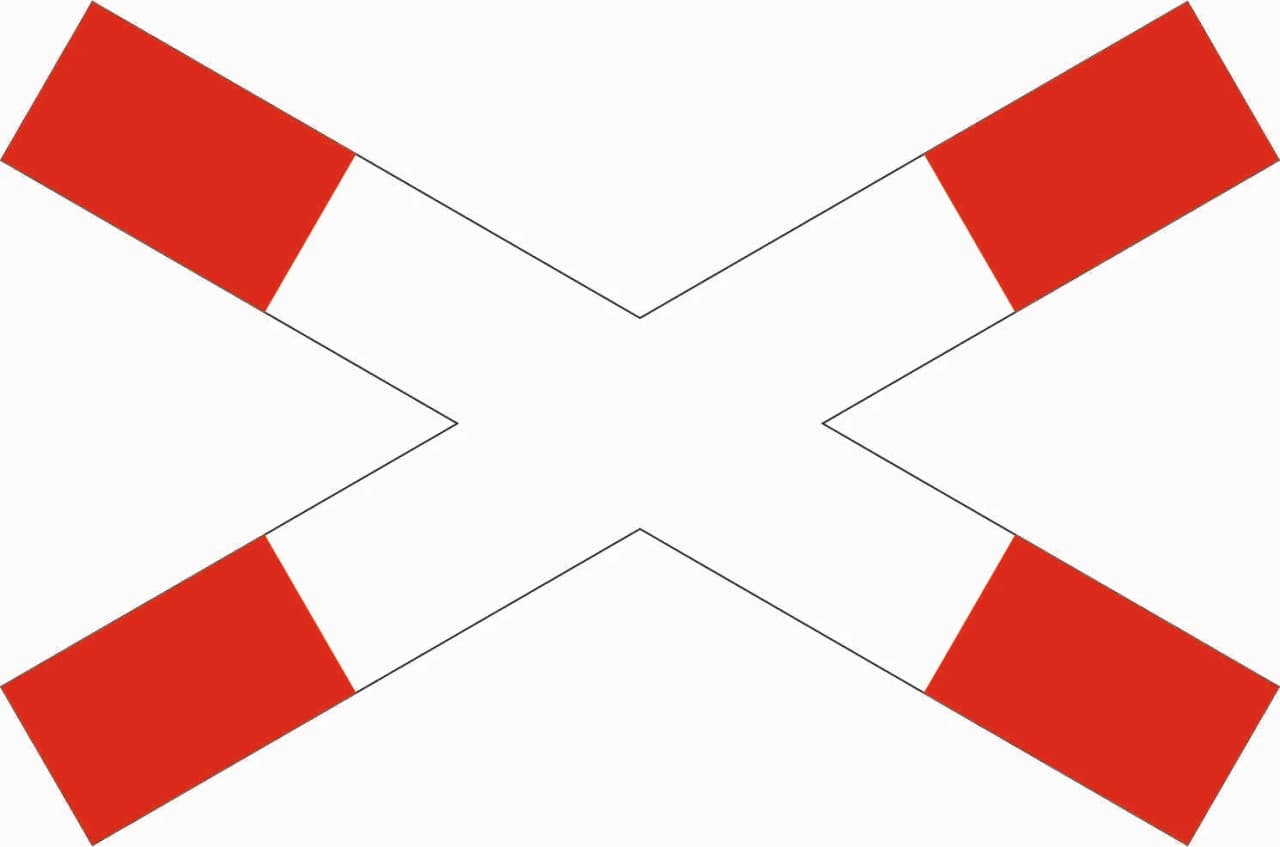
German road sign 201-52: The Railway Crossbuck 'Andreaskreuz - liegend'
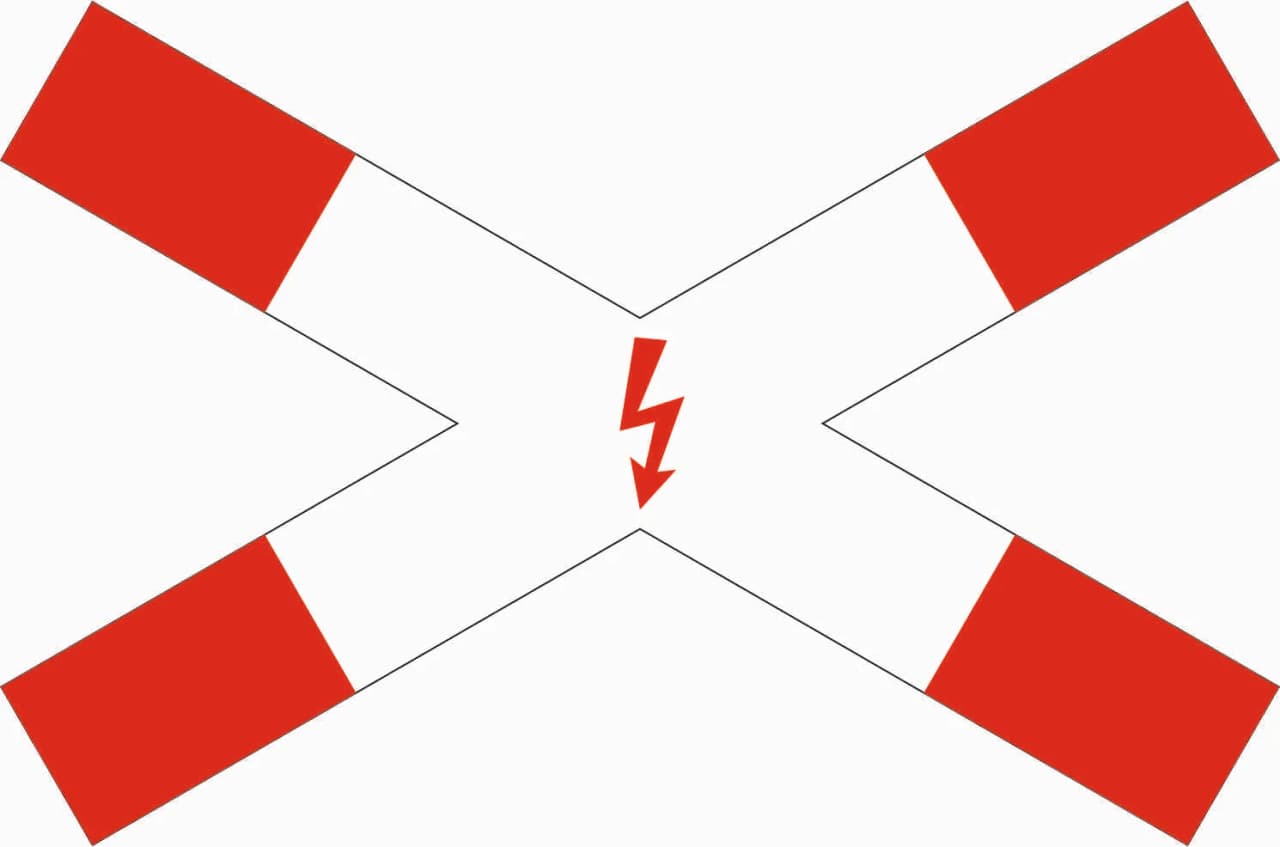
Germany's Railway Crossbuck Sign 201-53 with Blitzpfeil: What You Need to Know
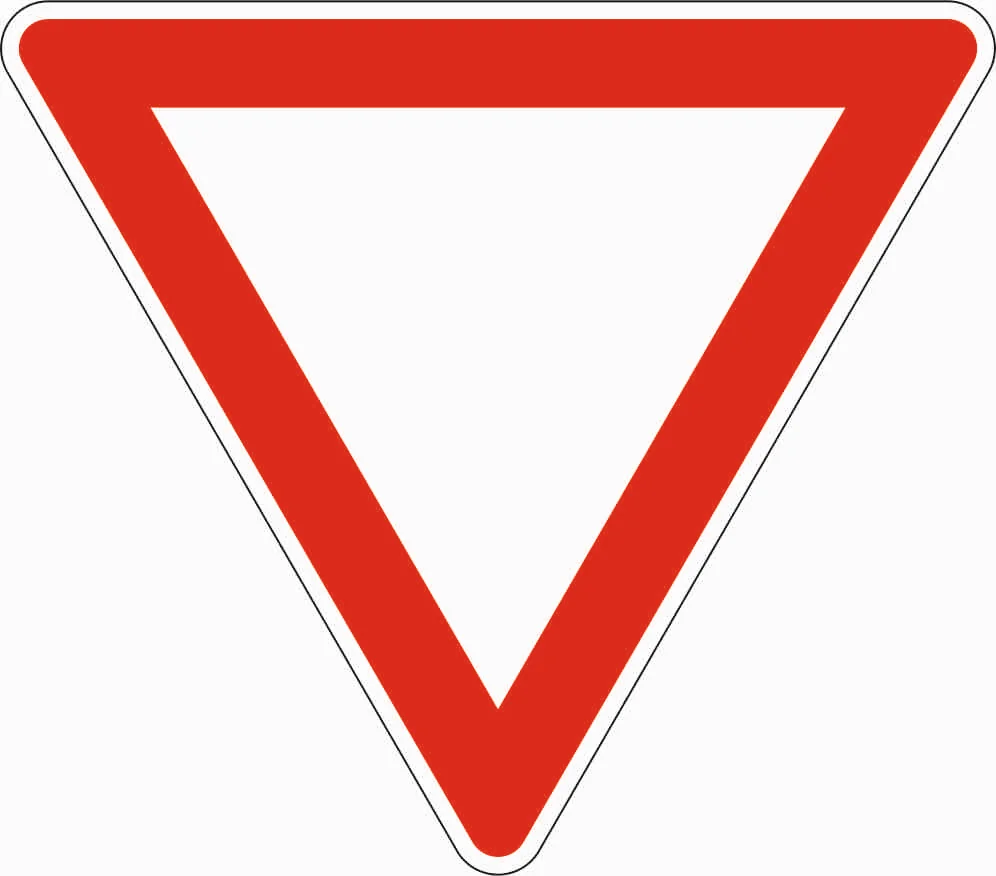
Understand the German "Yield" Sign (Sign 205 - Vorfahrt gewähren)

Sign 206: Stop and Yield – You must stop and give way
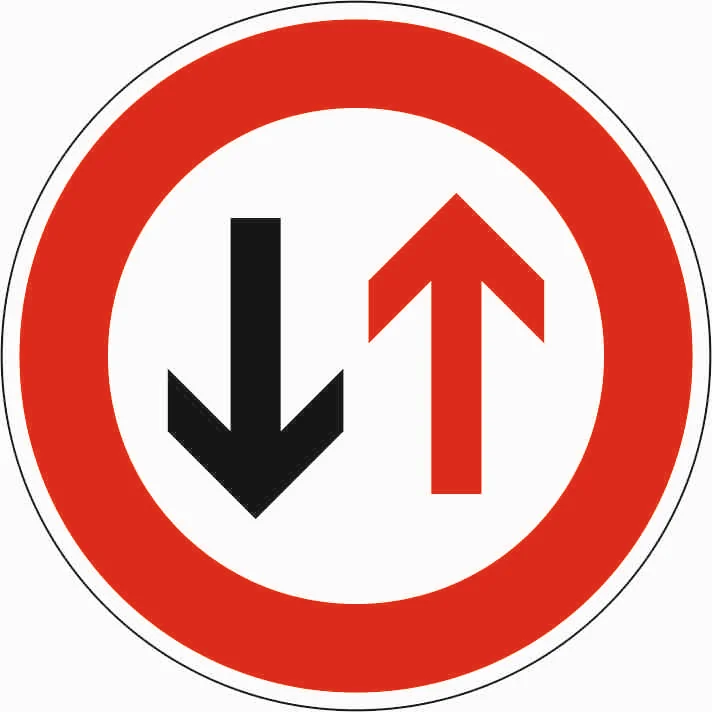
Sign 208: You Must Yield to Oncoming Traffic on This Road
Mandatory Direction - Right: Sign 209 Explained
Deepen your understanding of specific road sign categories or test your knowledge with practice questions. Explore our themed sign groups for targeted study or jump into quizzes to reinforce your recognition skills for the official German theory exam.
All German Road Signs List