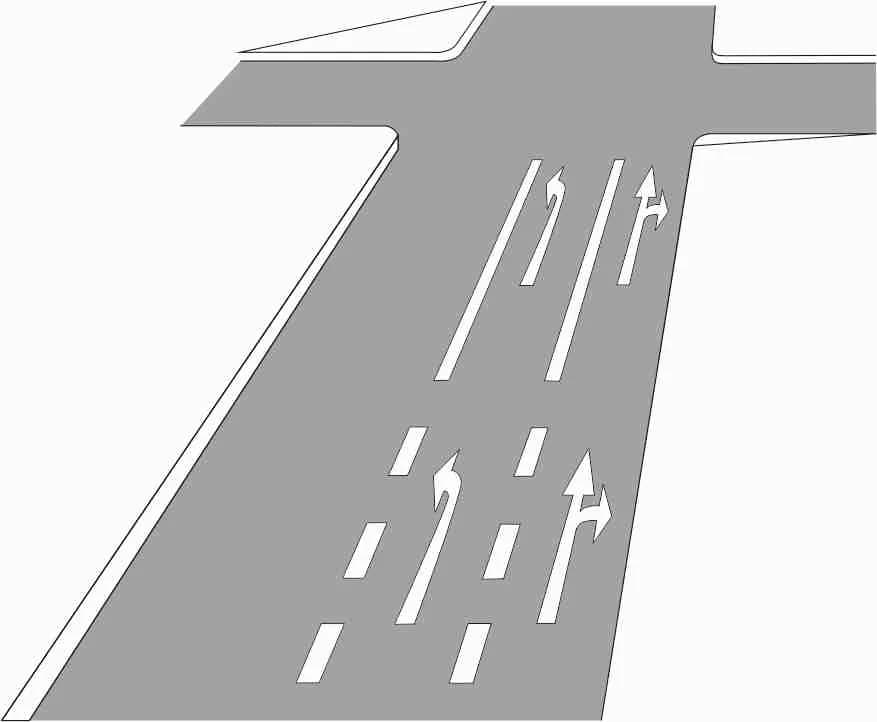
Sign 297, officially 'Pfeilmarkierungen' or Lane Markings, is a regulatory traffic sign in Germany that provides binding instructions for lane usage. This sign often works in conjunction with road markings to guide you, especially at junctions or on roads with specific lane rules. It's crucial to recognise these markings early and adjust your speed, lane choice, or intended maneuver before reaching the controlled area to ensure safe passage and compliance with German traffic law (StVO).
This section provides a practical interpretation of German road sign 297, "Pfeilmarkierungen," helping you understand its binding implications for traffic rules and directional choices. Master this essential road sign meaning to prepare effectively for your German theory test and navigate junctions confidently.
German road sign 297, officially designated "Pfeilmarkierungen", belongs to the regulatory signs group. It gives a binding rule under the German StVO and must be followed rather than treated as advisory information. You may see it in junctions, restricted streets, cycle and pedestrian facilities, parking areas, low-emission zones, and roads with binding lane or speed rules, depending on how the road authority has arranged the location. The practical meaning is not just the symbol itself, but the driving decision it triggers: adjust speed, position, priority, route choice, stopping behaviour, or attention before the situation becomes urgent. For learners, the key skill is knowing whether the sign commands, forbids, limits, or cancels a rule. Always combine the sign with road markings, traffic lights, police instructions, and any supplementary plates at the same location.
German road sign 297 means "Pfeilmarkierungen" and is officially listed as "Pfeilmarkierungen". In practice, it tells drivers to recognise the situation early, adapt before reaching the controlled area, and check whether markings or supplementary plates change how the rule applies.
Get clear, practical answers to the most common questions about the 297 - Pfeilmarkierungen road sign. Learn how the sign works, what rules it represents, and how it affects real driving situations. This FAQ strengthens your understanding and supports accurate decision making for the German driving theory exam in Germany.
Sign 297, Pfeilmarkierungen, means 'Lane Markings'. It's a regulatory sign that indicates a binding rule, usually related to lane usage, direction, or required actions, often shown alongside road markings. You must follow its instruction as indicated by the arrows or other symbols displayed.
When you encounter sign 297, you must adapt your driving behaviour according to the specific markings shown. This might involve changing lanes, continuing straight, turning, or stopping. Always check for any supplementary plates or accompanying traffic lights that might modify the instruction. Be prepared to adjust your speed and position before you reach the relevant section of the road.
Yes, sign 297 (Pfeilmarkierungen) is often used in combination with other traffic control devices. You might see it alongside road markings that visually reinforce the arrow's direction, traffic lights that dictate when you can proceed, or supplementary plates that specify conditions, times, or vehicle types. Always consider all signals together for the correct interpretation.
A common trap is not noticing the sign or associated road markings in time, leading to a late or incorrect lane change, especially in busy junctions. Learners might also overlook supplementary plates that restrict the sign's applicability. Remember, this is a binding regulatory sign, not just advice, so incorrect compliance can lead to points in your theory exam or a fine in practice.
Sign 297 itself primarily relates to lane direction and required maneuvers. While you may need to adapt your speed to comply with the indicated lane usage or to safely execute a maneuver, the sign doesn't directly set a speed limit. Look for separate speed limit signs or road markings for speed regulations.
A clear reference image of the 297 - Pfeilmarkierungen road sign used in Germany.
The 297 - Pfeilmarkierungen road sign may also be known by these alternative names or terms.
The 297 - Pfeilmarkierungen road sign is part of the German Regulatory Signs category, which groups together signs with similar rules and functions.
Comparing signs like Pfeilmarkierungen with others in the same category helps solidify your understanding and prevent common errors during the German driving theory test. Practice your traffic sign recognition by reviewing these closely related symbols to ensure you master all critical driving rules.
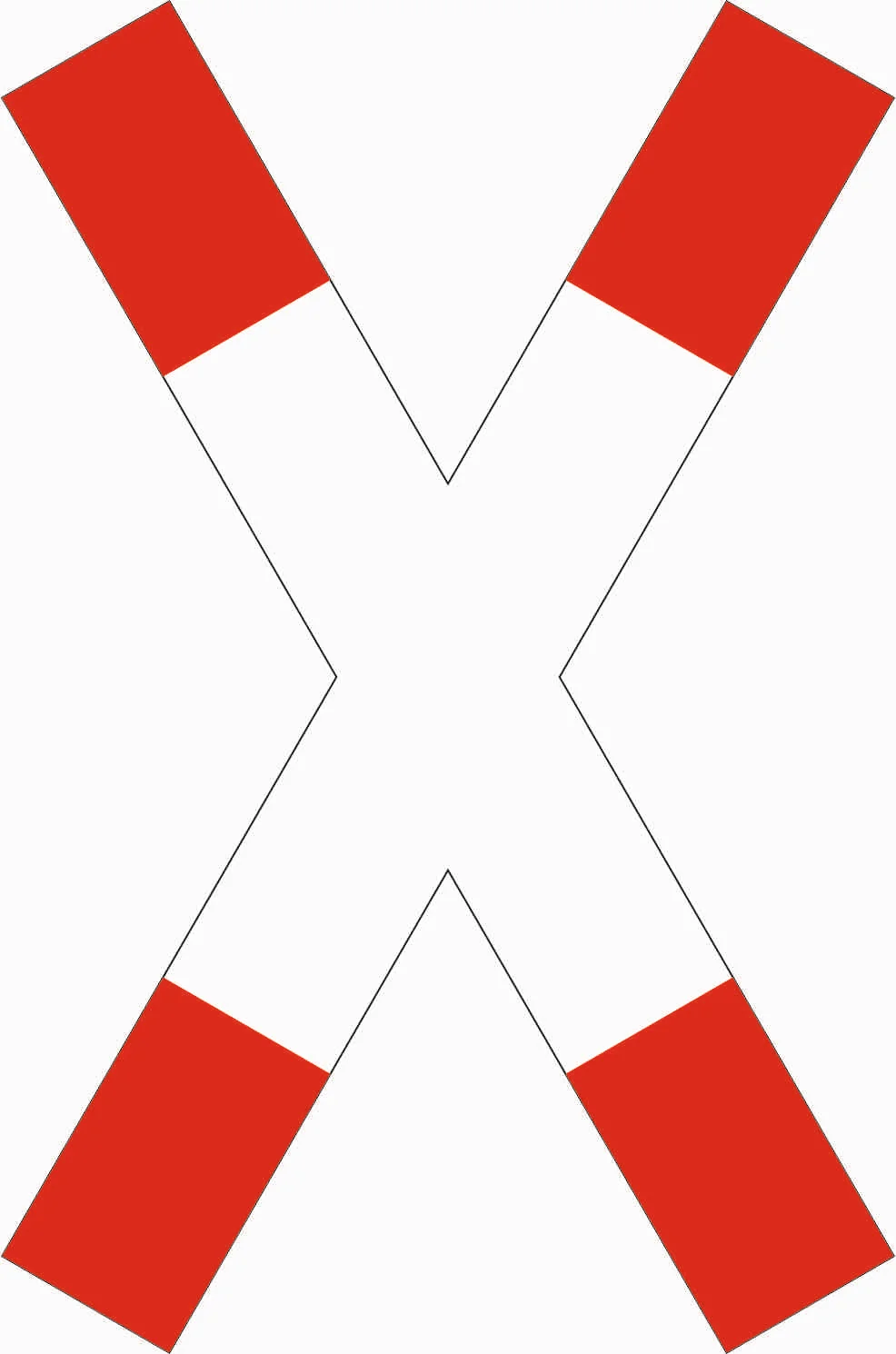
Master the Standing Railway Crossbuck (Andreaskreuz - stehend) Sign
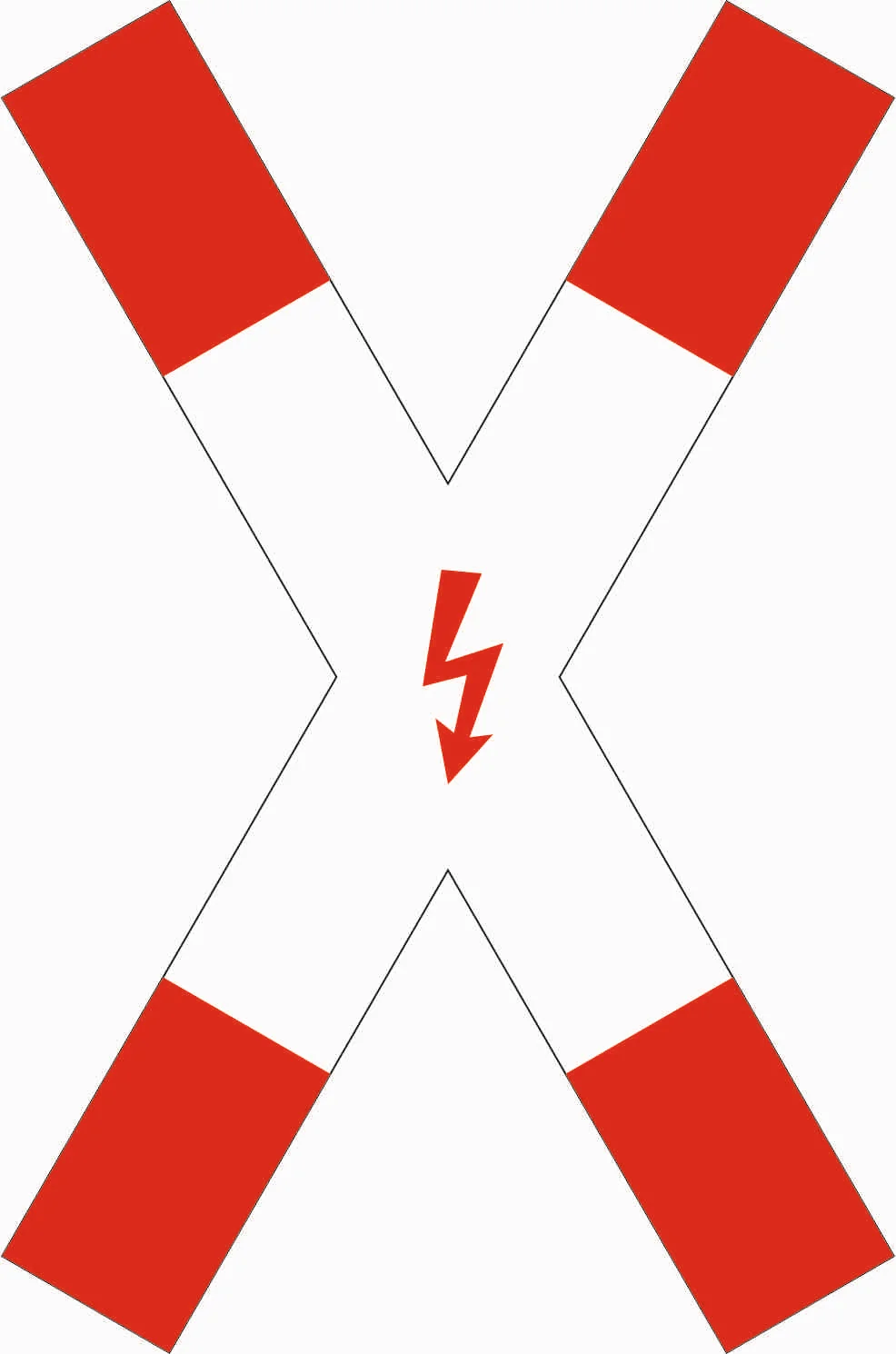
Understand the Railway Crossbuck with Blitzpfeil (Sign 201-51) in Germany
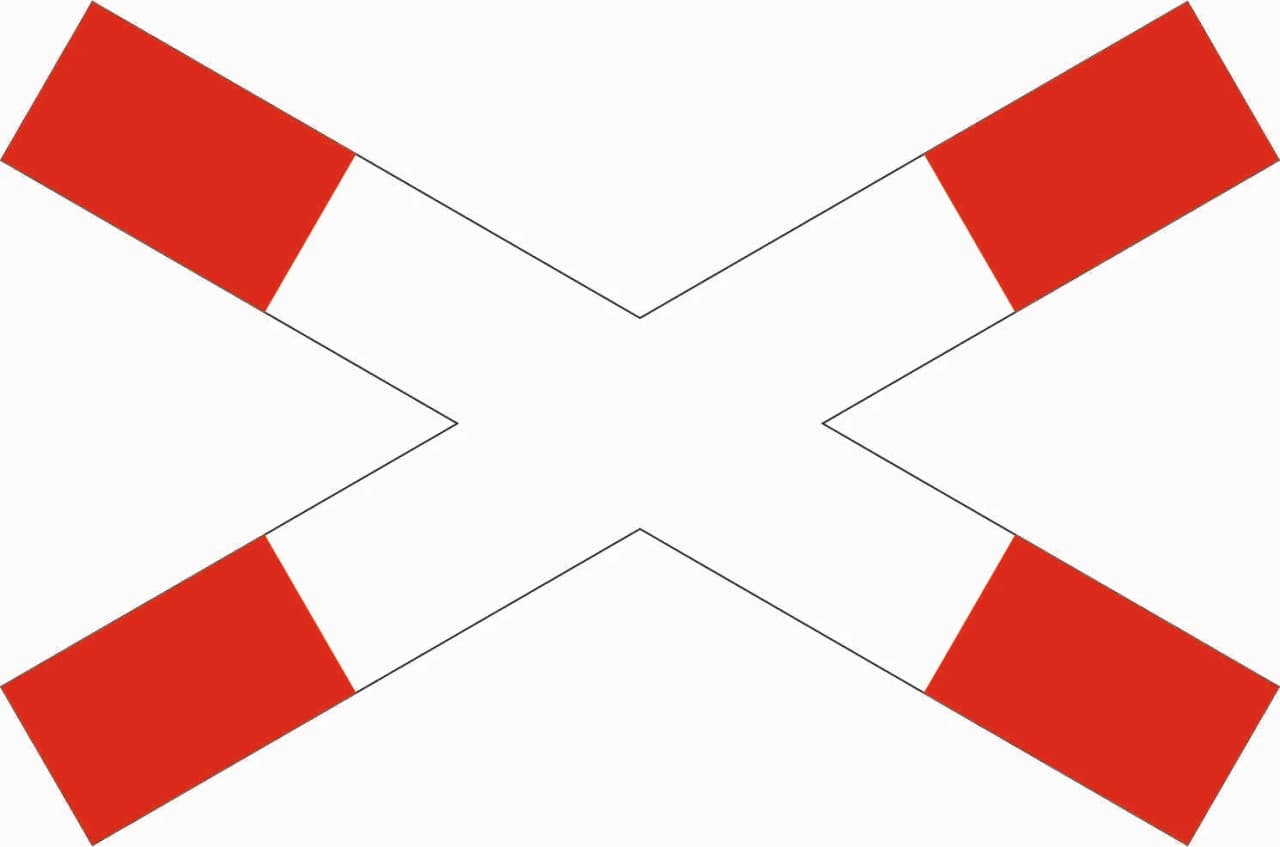
German road sign 201-52: The Railway Crossbuck 'Andreaskreuz - liegend'
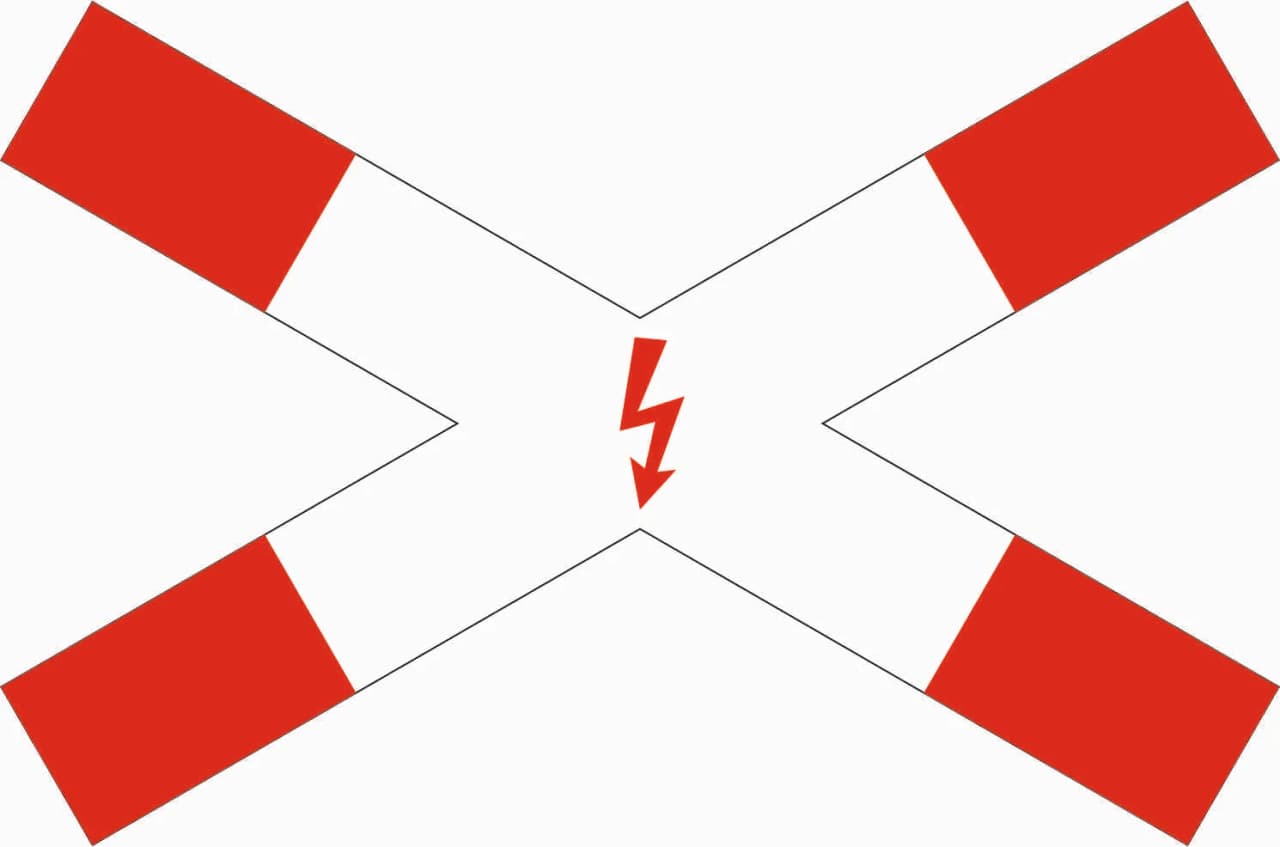
Germany's Railway Crossbuck Sign 201-53 with Blitzpfeil: What You Need to Know
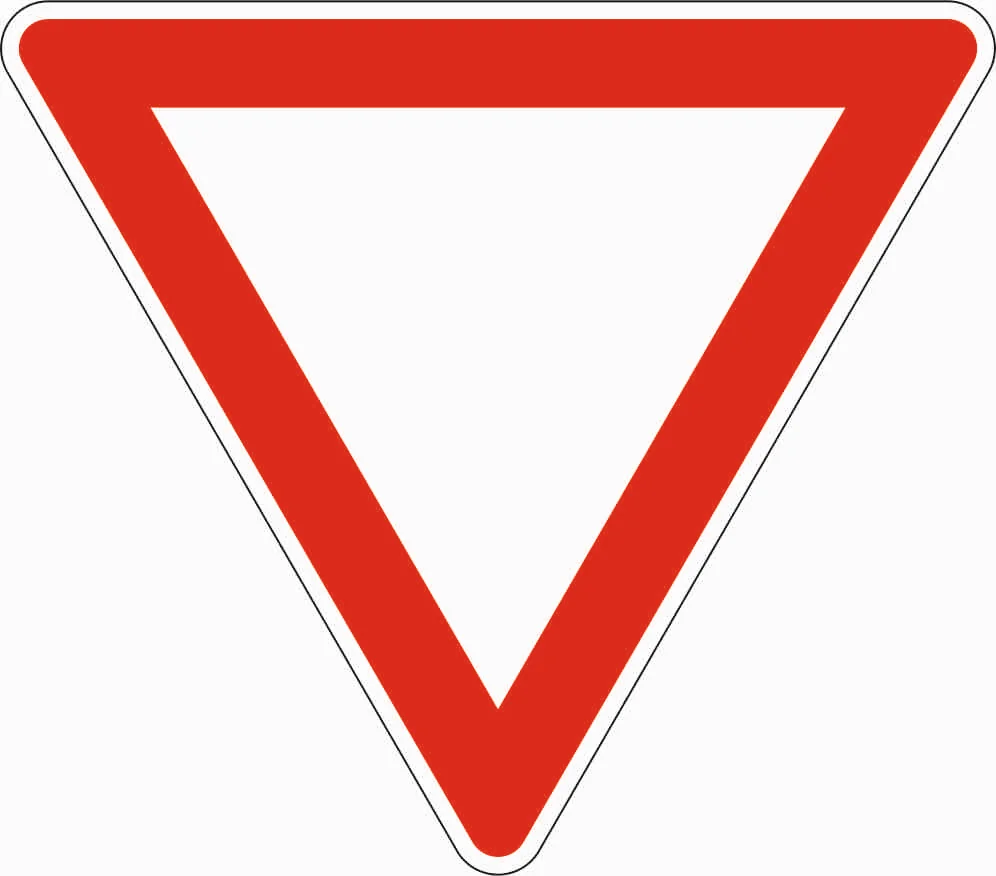
Understand the German "Yield" Sign (Sign 205 - Vorfahrt gewähren)

Sign 206: Stop and Yield – You must stop and give way
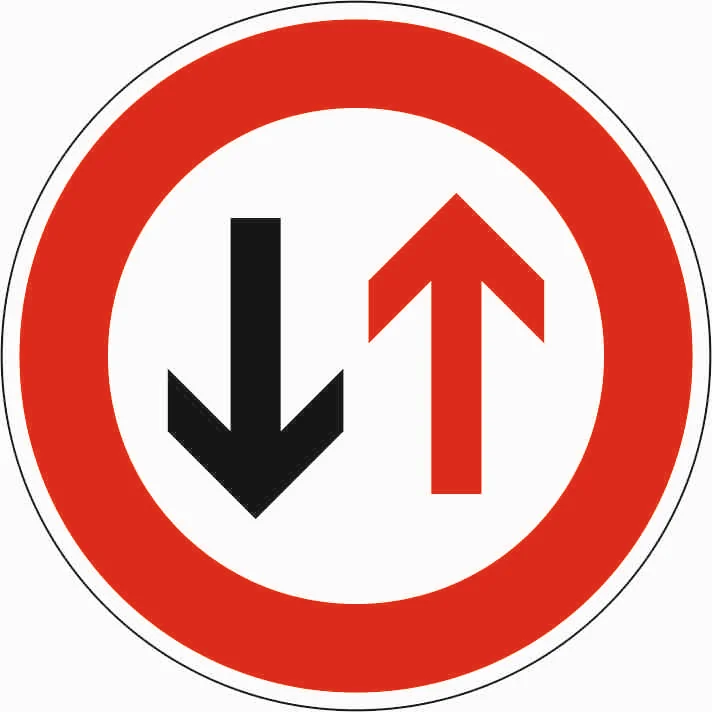
Sign 208: You Must Yield to Oncoming Traffic on This Road
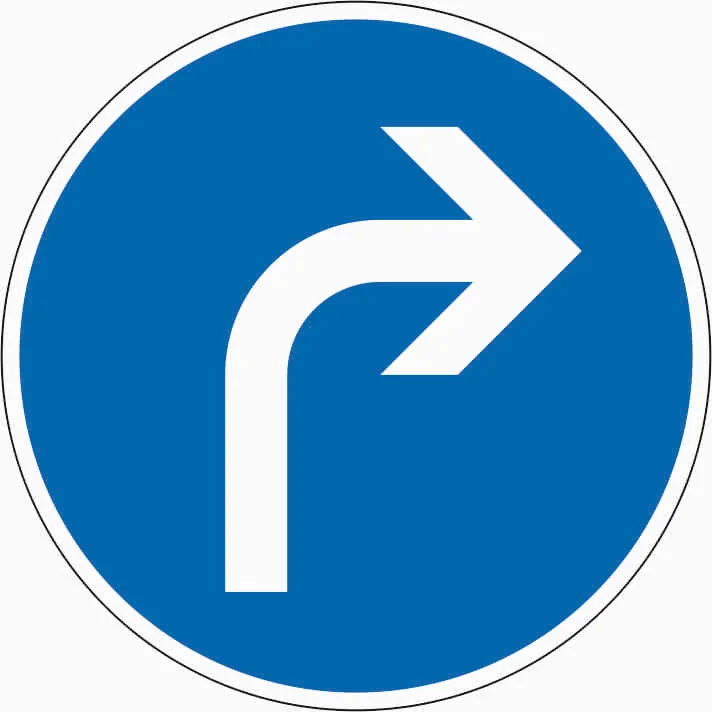
Mandatory Direction - Right: Sign 209 Explained
Deepen your understanding of specific road sign categories or test your knowledge with practice questions. Explore our themed sign groups for targeted study or jump into quizzes to reinforce your recognition skills for the official German theory exam.
All German Road Signs List