Direction and place signs are your essential guides on the road, helping you find your way to destinations, understand route numbers, and know distances. This section covers signs that clarify your path on everything from city streets to high-speed motorways. Understanding these signs is crucial for both passing your theory test and for safe, stress-free navigation in everyday driving.
An explanation of how Direction and Place Signs (E) road signs apply in real traffic situations in Poland. Learn where these signs are typically placed, what drivers are expected to do when they appear, and how correct reactions help you stay safe, avoid fines, and succeed in your Polish driving theory exam.
You'll encounter direction and place signs constantly, from the moment you leave your street to when you're navigating complex motorway interchanges. On urban roads, signs like E-5a might point you towards the city centre, while E-17a indicates you've entered a new town. As you move onto faster roads, advanced direction signs (E-1 and E-1a) will appear well before your exit, showing upcoming junctions, destinations, and the relevant road numbers (E-3, E-15a-d, E-16). Signs directing you to specific facilities like airports (E-6) or train stations (E-6a) are vital for planning your journey. Understanding these signs means you can make timely decisions about which lane to be in and when to prepare for a turn-off or exit, crucial for maintaining smooth traffic flow and avoiding last-minute manoeuvres.
An overview of the key learning outcomes when studying the Direction and Place Signs (E) road sign category. Understand the main concepts, sign meanings, and traffic situations covered here so you can recognise patterns, answer theory questions more confidently, and build a solid foundation for safe driving in Poland.
Direction and place road signs are crucial for navigating Poland's road network, from urban streets to motorways. Studying these traffic signs as a group helps you recognize patterns in their shape and color, ensuring you correctly interpret destination guidance and prepare for turns or exits. This knowledge is vital for your driving theory test revision.
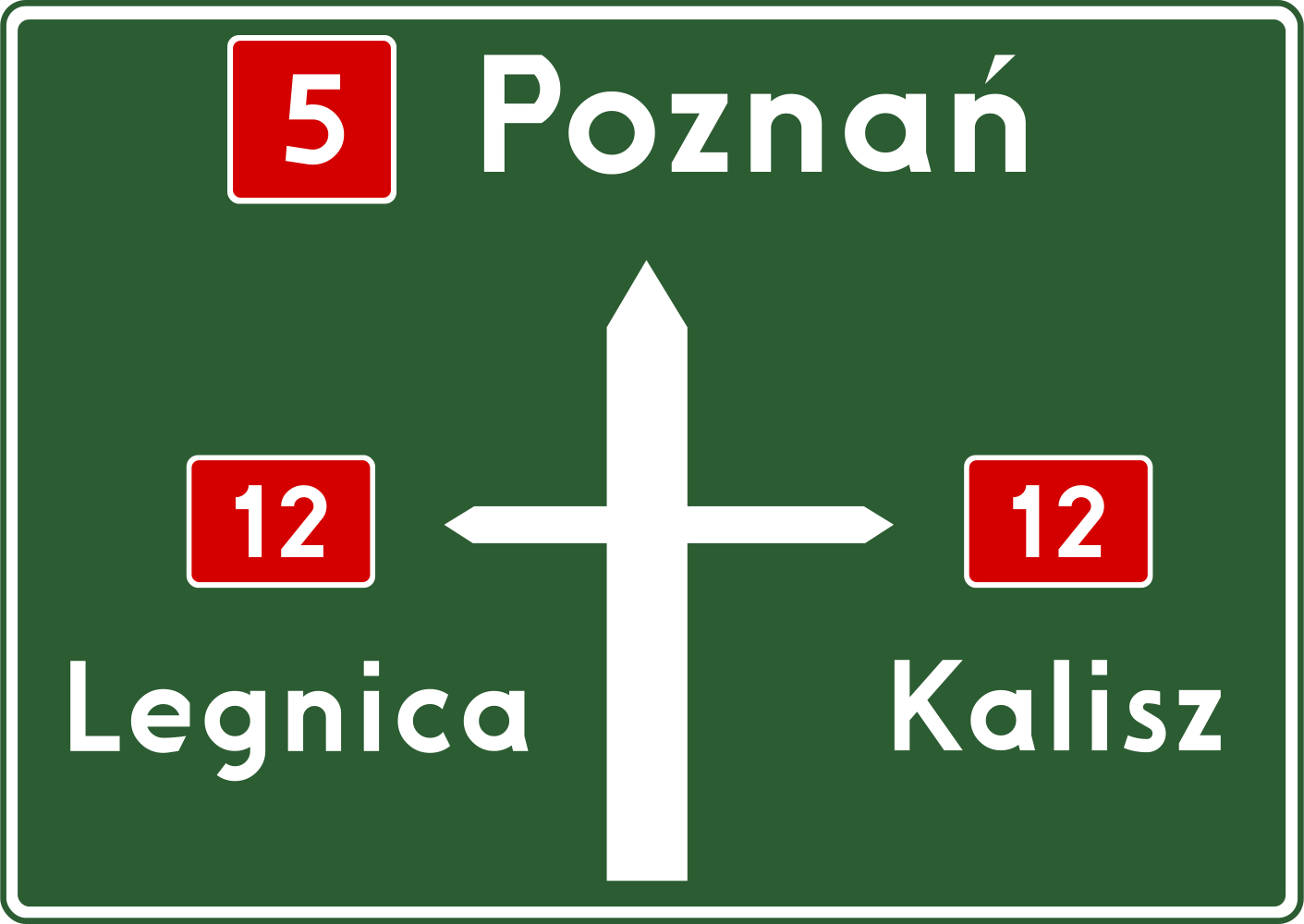
Prepare for Junctions with the E-1 Advanced Direction Sign
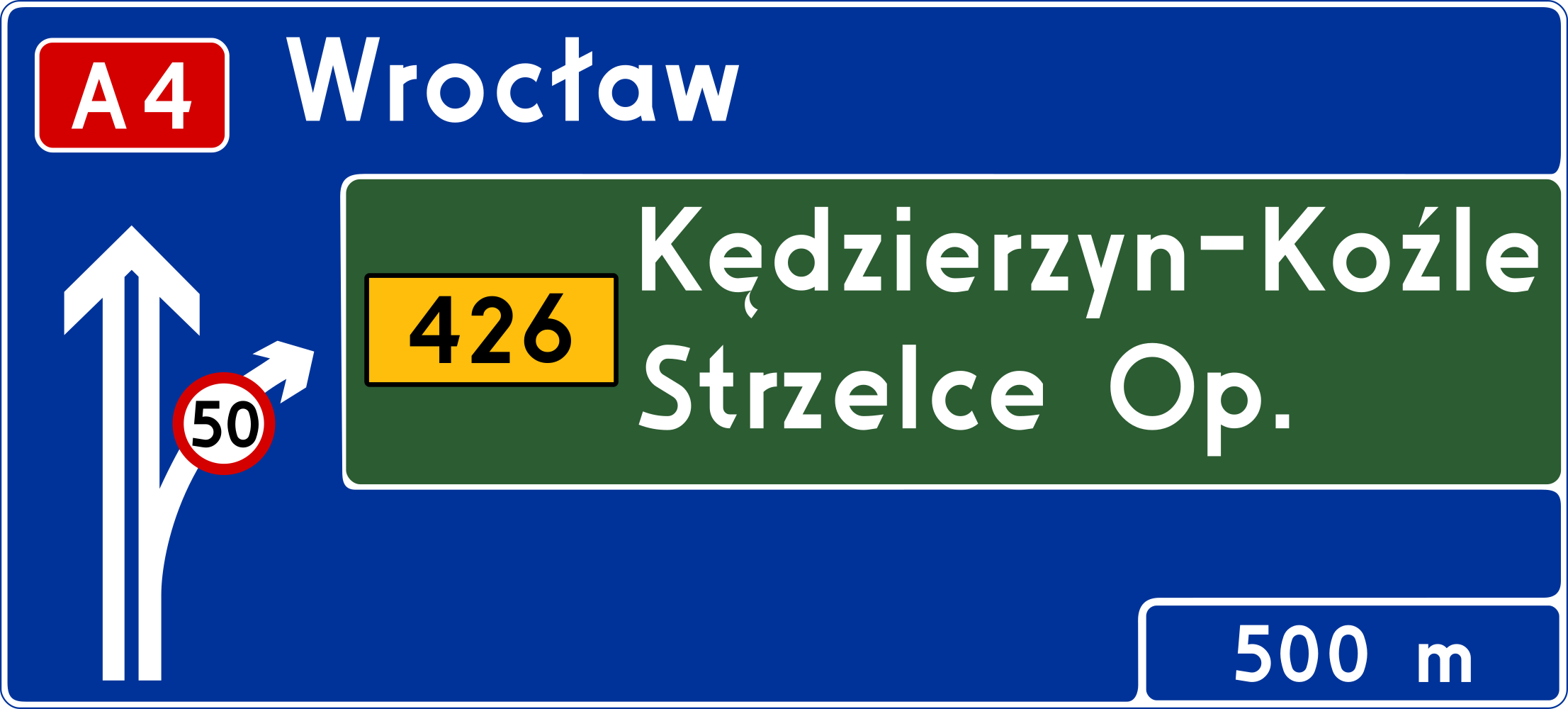
Prepare for Motorway Exits with the E-1a Advanced Direction Sign
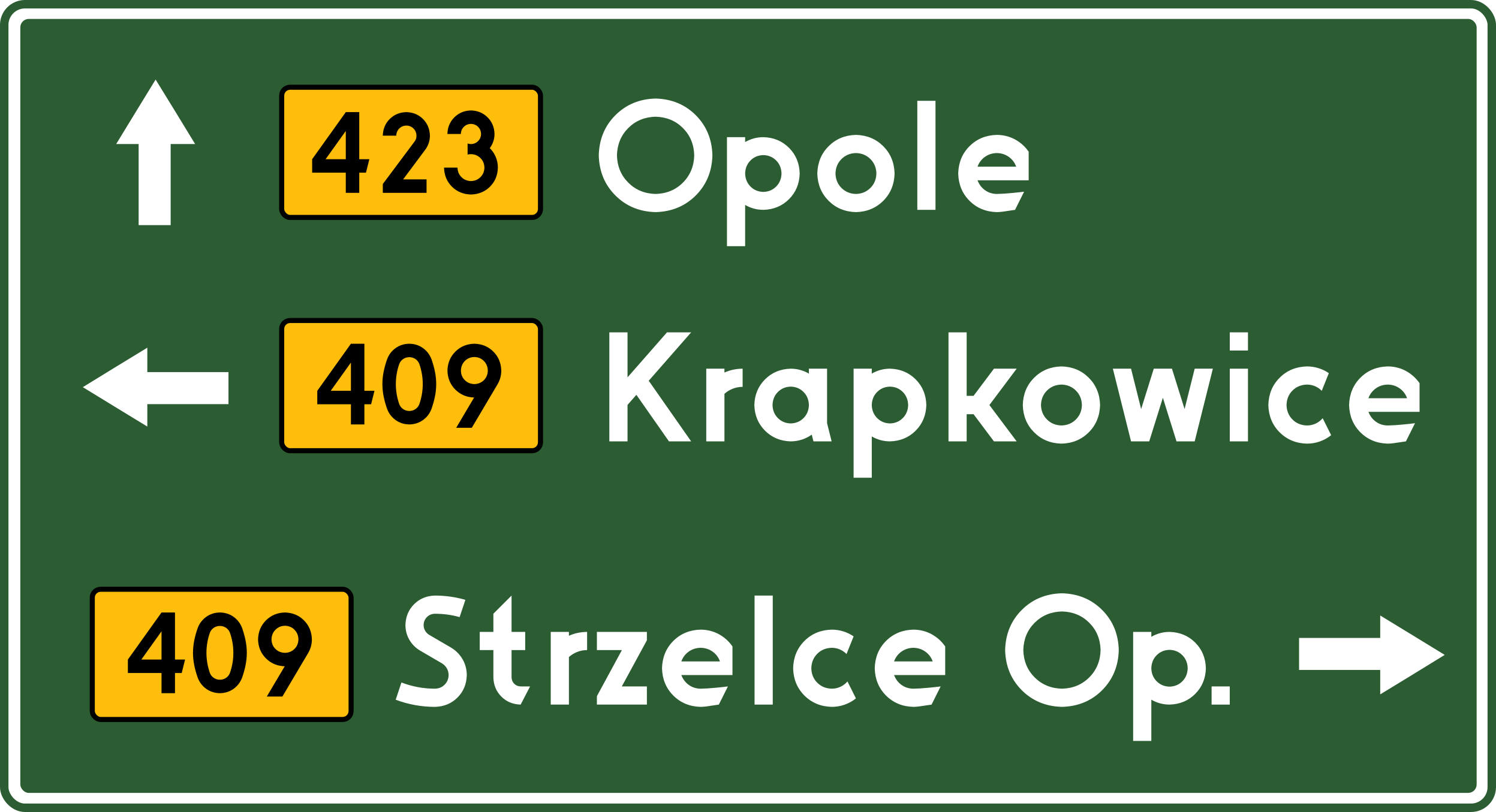
Follow the E-2a Direction Sign for Town and District Navigation.

Understand the E-2b Overhead Direction Sign for Lane-Specific Navigation

Navigate Polish Motorways Safely with the E-2d Overhead Direction Sign
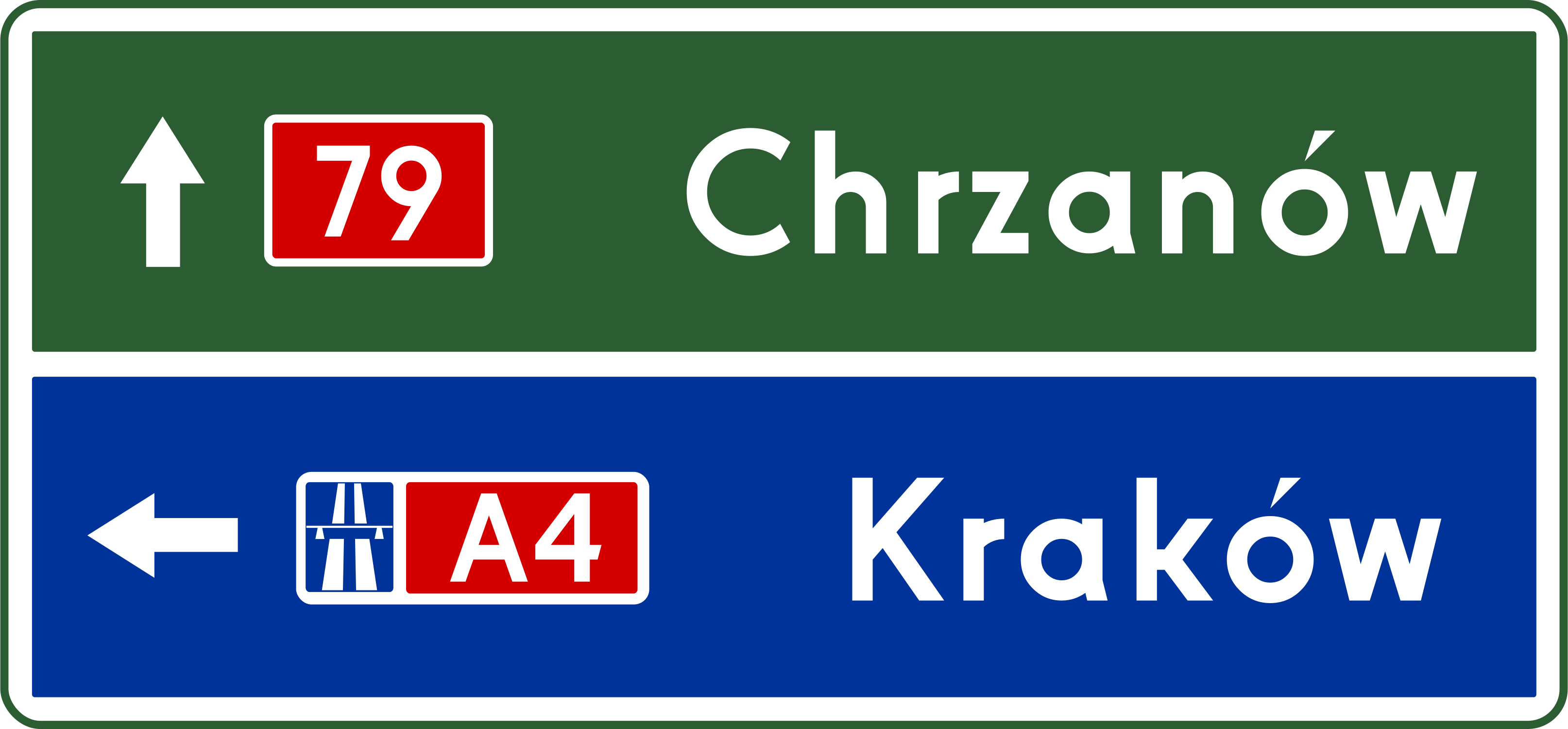
Navigate Motorway Entrances Safely with the E-2e Direction Sign
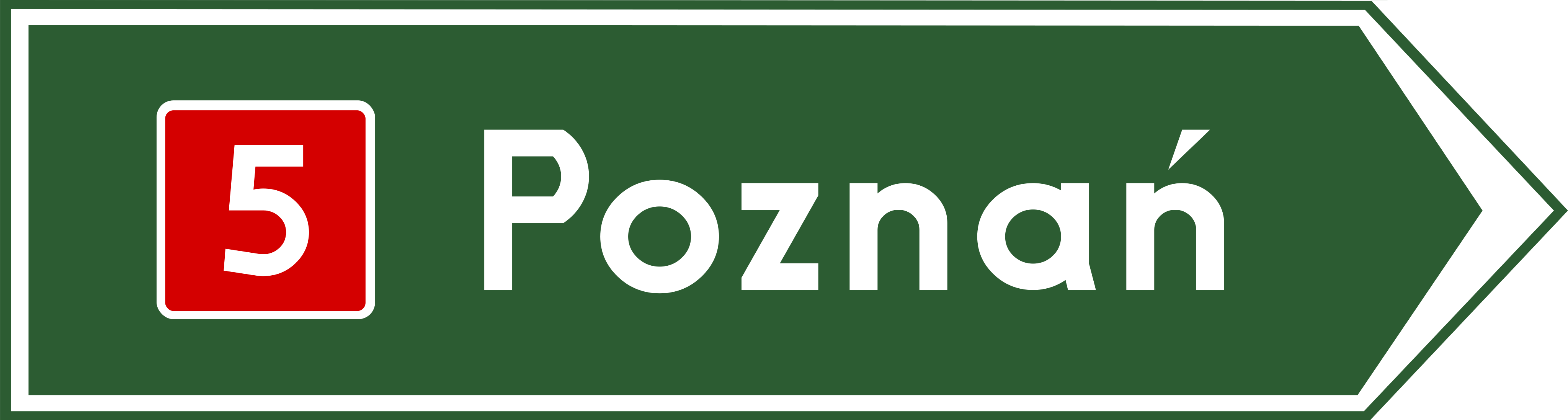
E-3 Arrow Sign: Follow the Road Number to Your Destination

Navigate Smarter with the E-4 Arrow Sign indicating destination distance
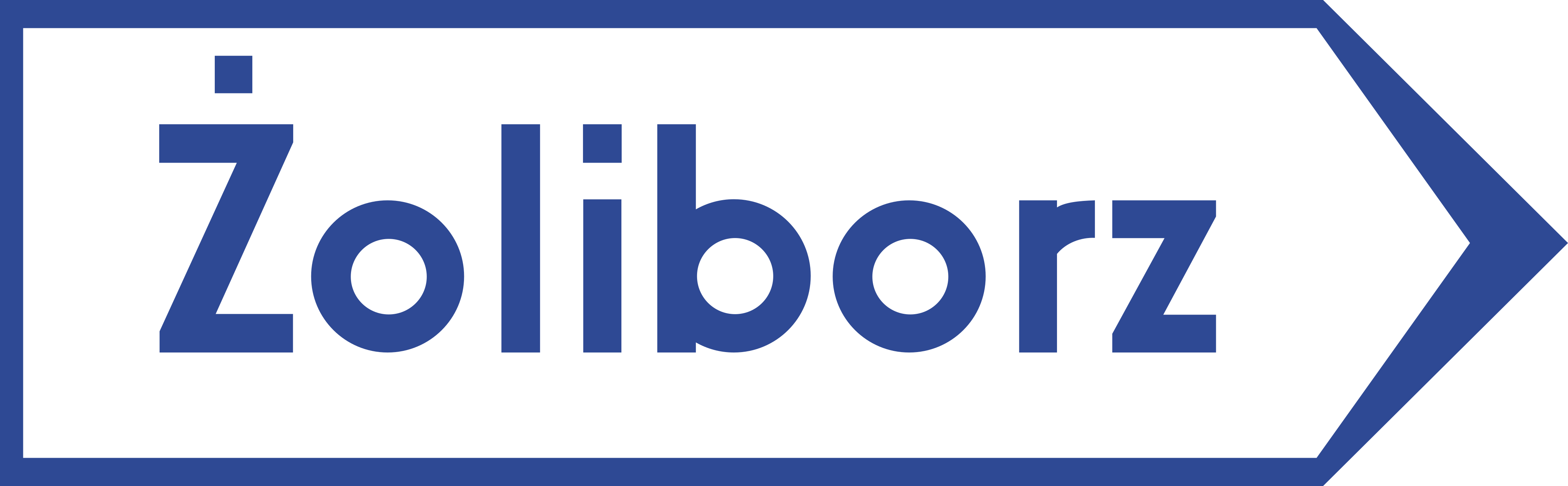
Navigate with the E-5 Direction Sign without Distance for essential guidance.

Follow the E-6 sign to find your way to the airport.
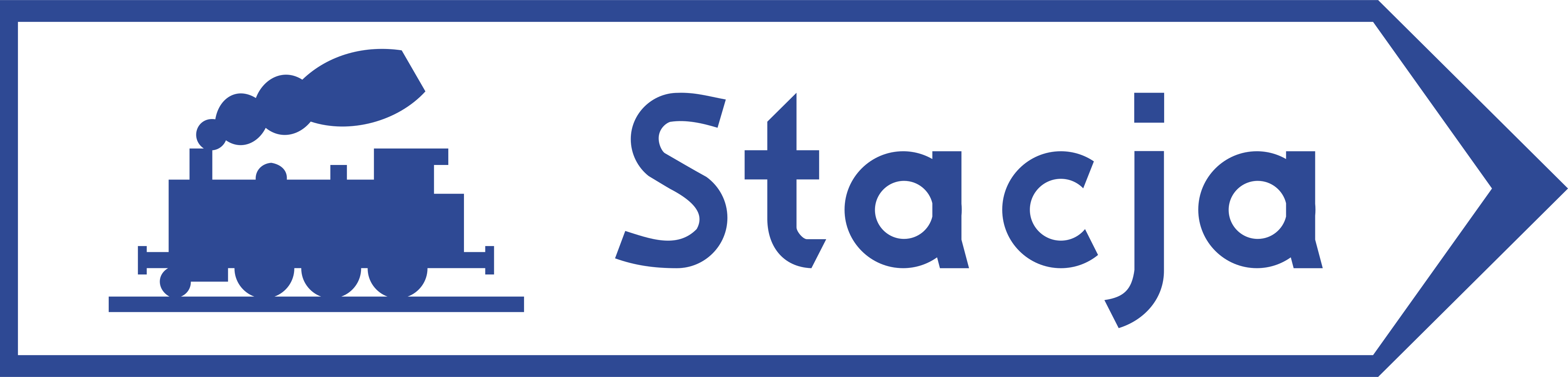
Follow the E-6a sign to find the railway station.

E-6b: Follow this sign to find the main bus station.

Follow the E-6c sign for directions to the ferry terminal.

Follow the E-7 sign to discover marinas and sailing centers.

Follow the E-8 sign to find your way to the nearest beach or swimming area.

Follow the E-9 sign to find museums and cultural sites, including UNESCO heritage locations.
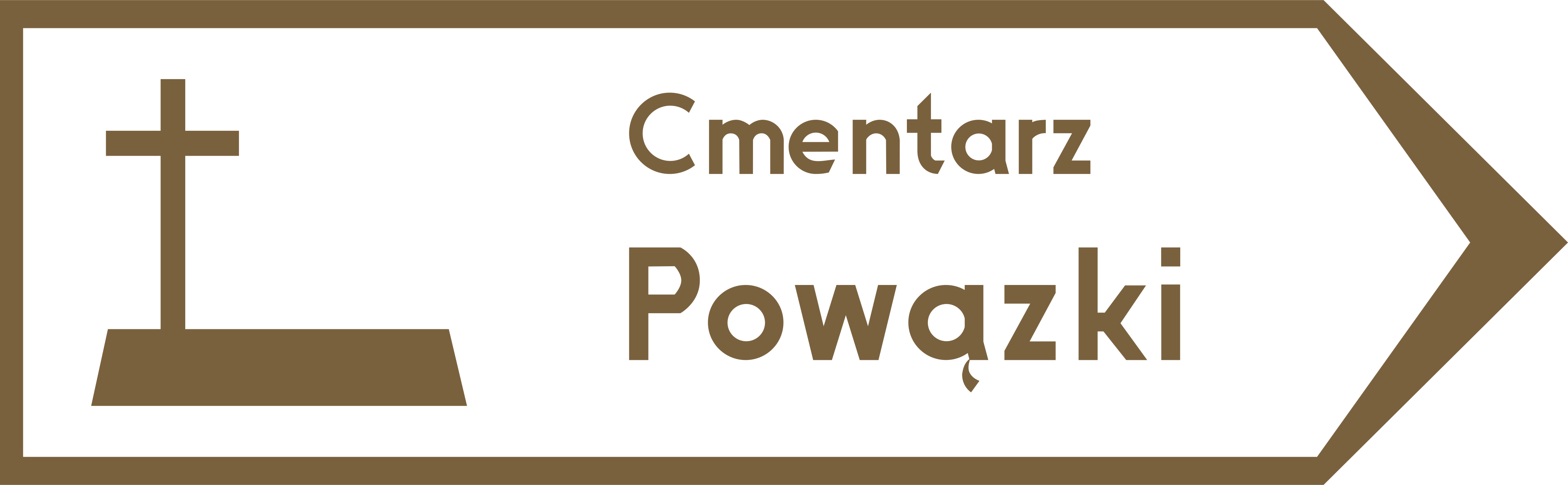
Follow the E-10 sign to discover Poland's cultural treasures.

Follow the E-11 sign to discover Poland's natural wonders.

Understand the E-12 'Direction to Viewpoint' Sign and Find Scenic Spots Safely
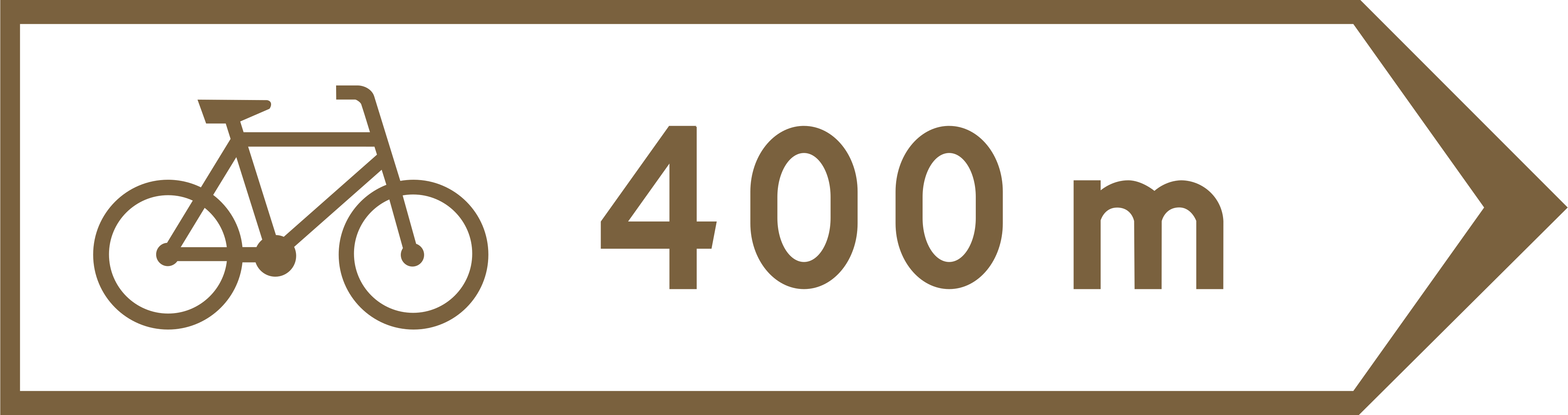
Follow the E-12a sign to find designated cycling routes.
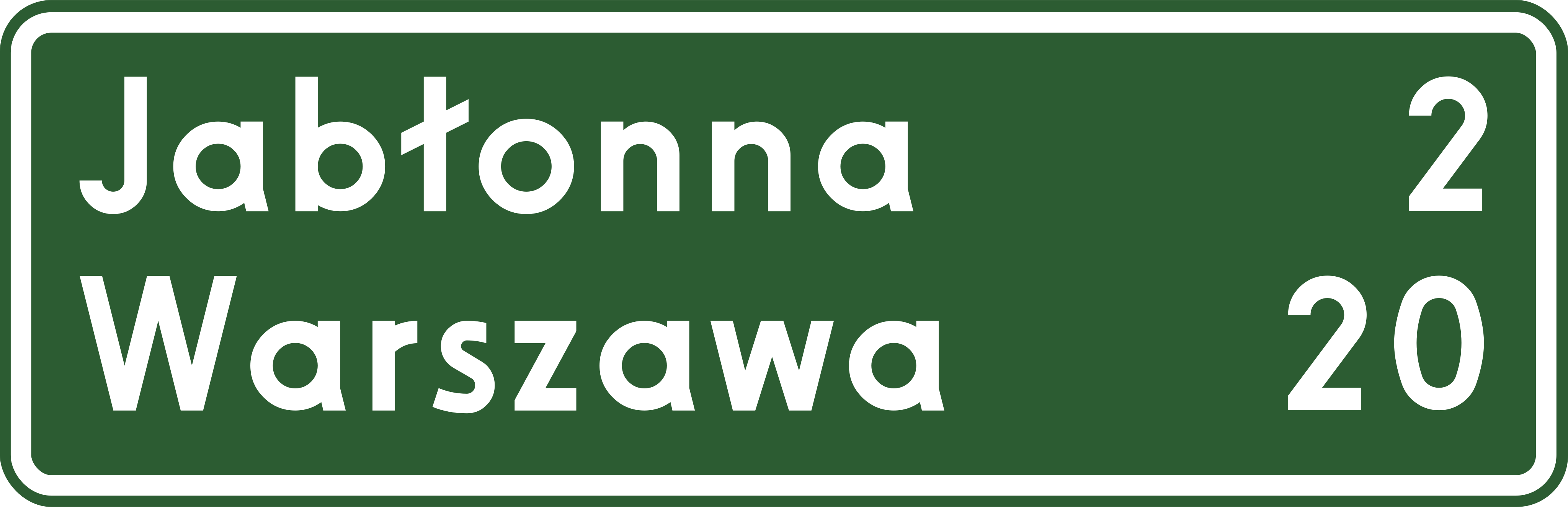
Master the E-13 Direction Board sign for clear route guidance.
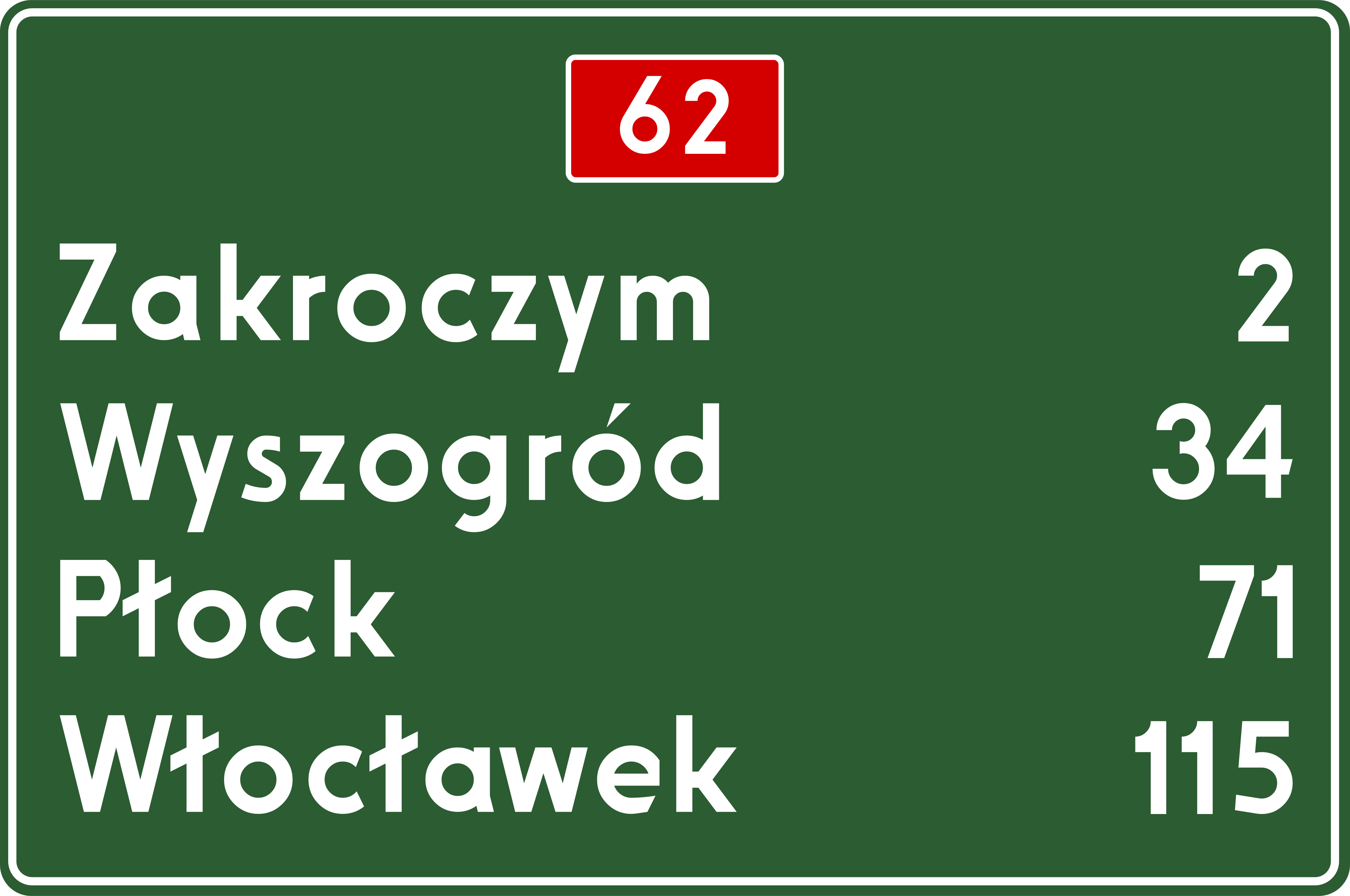
The E-14 Road Route Board confirms you're on the right path with distances to major cities.
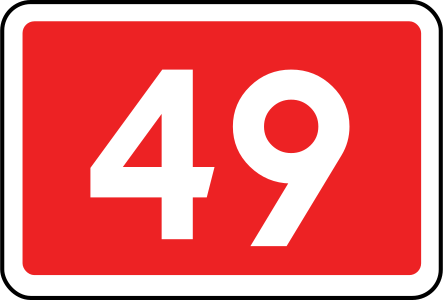
The E-15a Sign Clearly Identifies Poland's National Roads
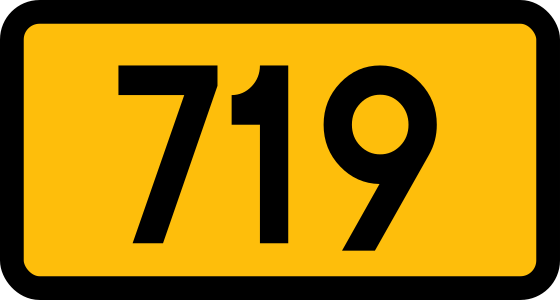
The E-15b Sign: Identifying Voivodeship (Provincial) Roads in Poland
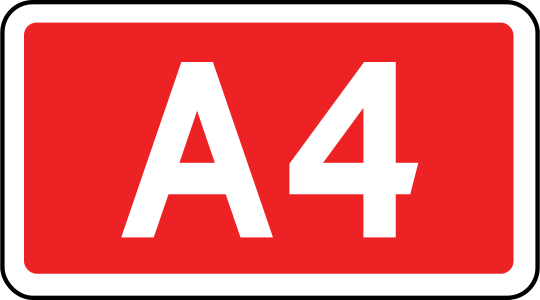
The E-15c Sign: Your Guide to Polish Motorway Numbers
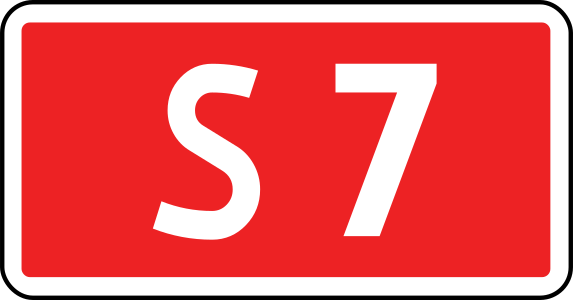
E-15d: Navigate Poland's Expressways with the Expressway Number Sign
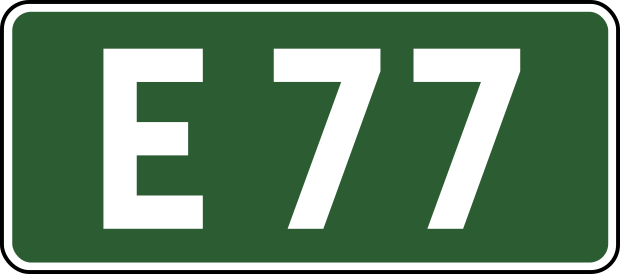
Navigate Europe with the E-16 International Route Number Sign
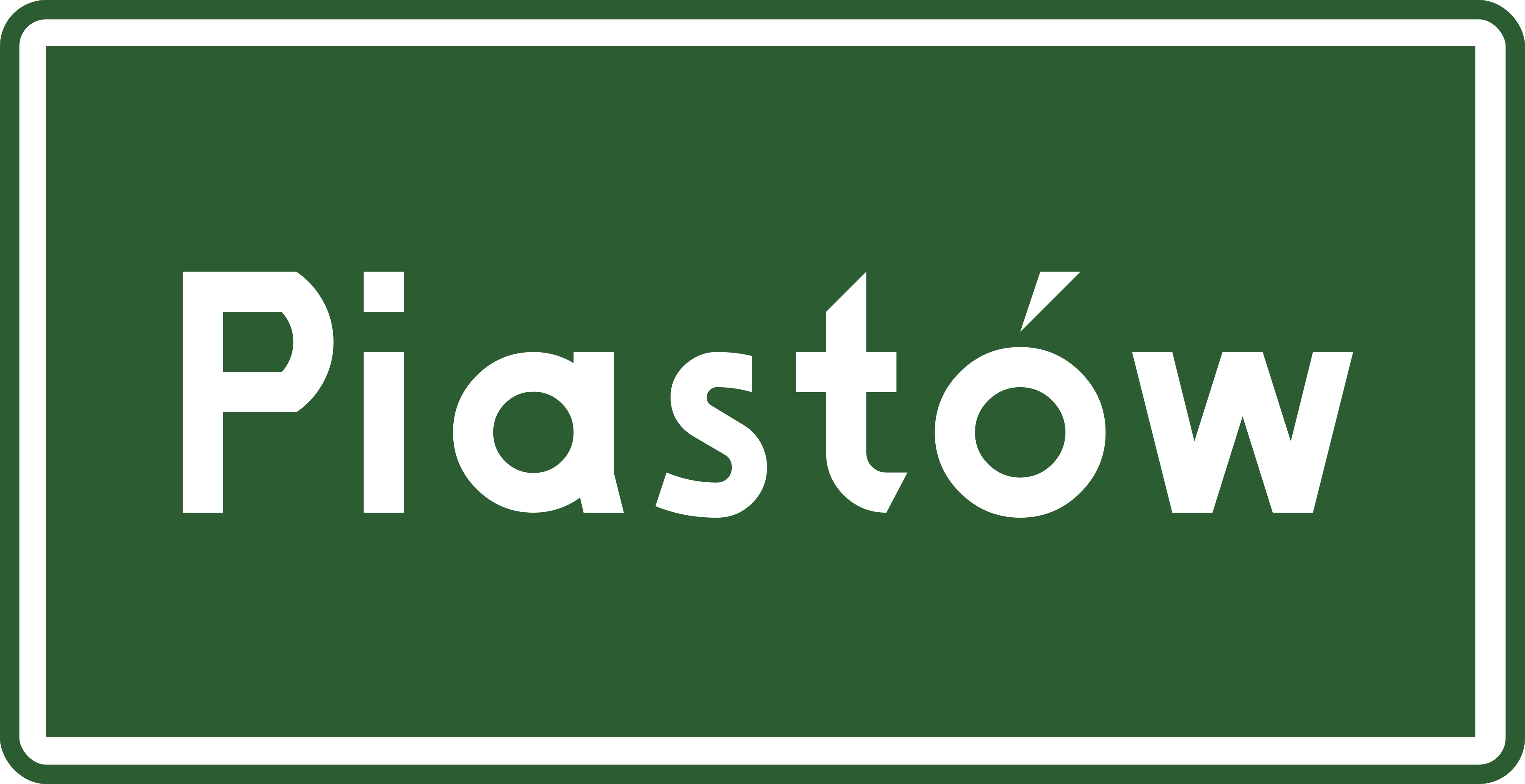
The E-17a Sign: You're Entering a Town or Village!
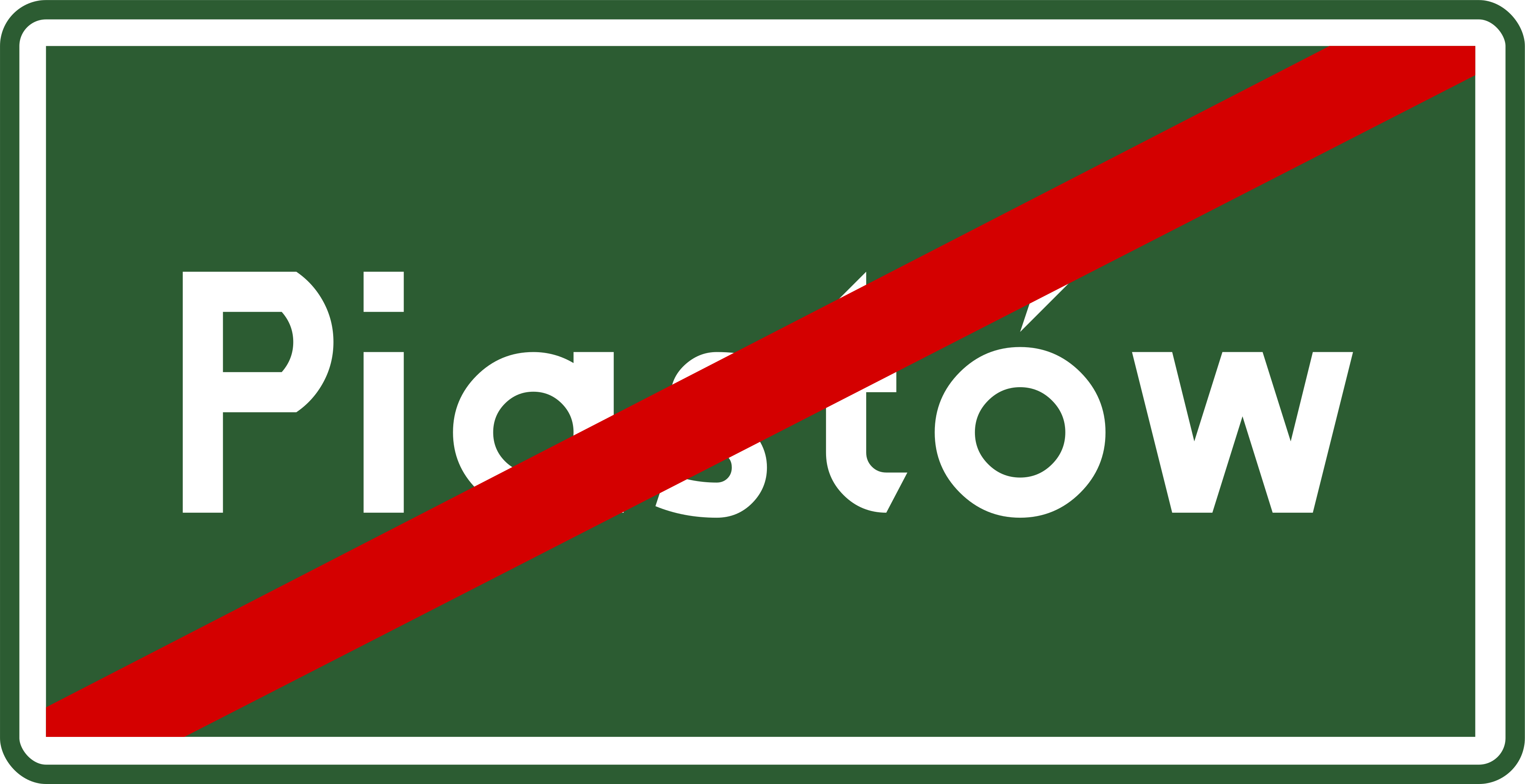
The E-18a sign marks your exit from a named town or village.

The E-19a 'Bypass' sign directs you around city centers.
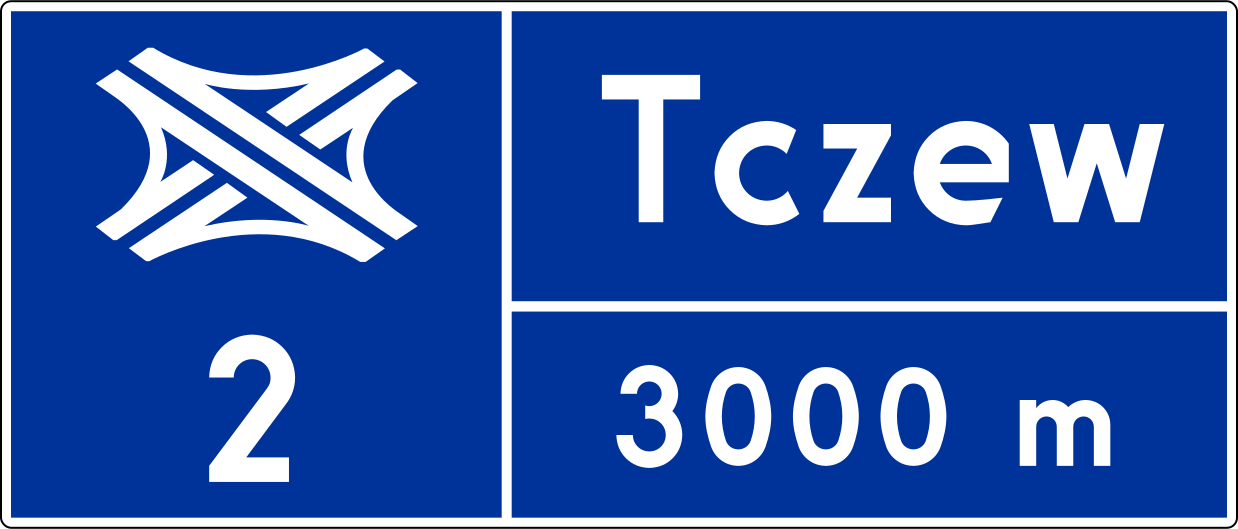
Prepare for your motorway exit with the E-20 Junction Board sign.
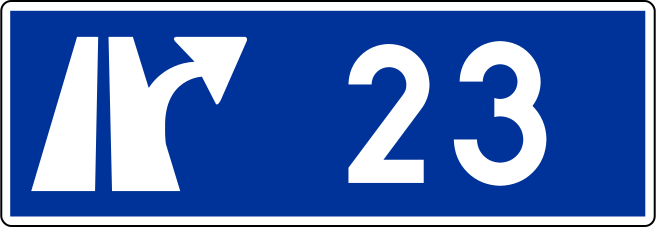
Know Your Exit: The E-20a Junction Number Sign on Polish Motorways

The E-21 sign guides you through city districts and neighborhoods.

The E-22a sign marks the beginning of a scenic tourist driving route.

The E-22b sign guides you to tourist attractions along your route.
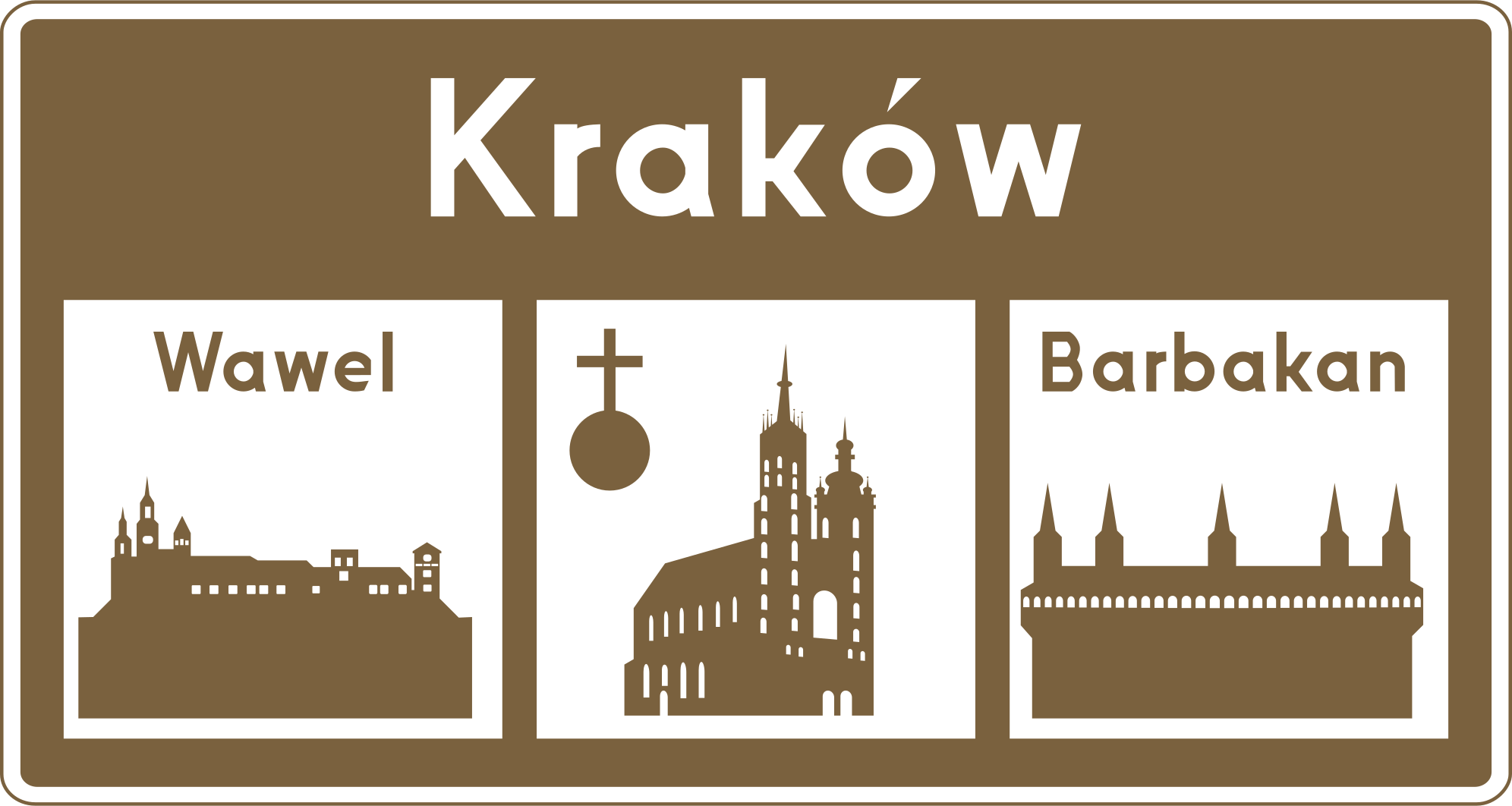
Understand the E-22c Tourist Objects Information sign for planning your local excursions.
Clear answers to common questions about the Direction and Place Signs (E) road sign category. Use this FAQ to review tricky rules, understand how these signs appear in exam scenarios, and remove confusion that often leads to mistakes in the Polish driving theory exam in Poland.
Advanced direction signs (like E-1 and E-1a) appear well in advance of a junction or exit, giving you more time to understand your options and prepare. Regular direction signs (like E-2a and E-5) are often closer to the point of divergence or confirm your current direction. On motorways, advanced signs are particularly important due to the higher speeds involved.
The colour of the sign often indicates the type of road. For example, signs with green backgrounds are typically used for motorways and expressways, guiding you to exits and destinations on these high-speed routes. Blue backgrounds are common for general traffic routes, indicating directions to towns, services, or specific facilities. Yellow or white backgrounds are more common for general traffic information and place names on other roads.
When multiple signs are present, read them from top to bottom or left to right, following the direction indicated by the arrows. Signs for motorways or expressways often appear higher up. Pay close attention to the road numbers (like E-15a-d, E-16) and distances to ensure you're following the correct route. If unsure, it's often safer to take a slightly longer but clearly signed route than to guess.
Yes, absolutely. Route numbers are a key part of navigation. Signs like E-3 and E-15a-d show you the specific national, voivodeship, or motorway numbers. If you're following a particular route, keeping an eye on these numbers ensures you stay on track, especially on complex road networks where destinations might have similar names.
These signs can direct you to a wide variety of places. Beyond towns and cities (E-17a, E-5a), you'll find signs pointing towards crucial facilities such as airports (E-6), railway stations (E-6a), bus stations (E-6b), and ferry terminals (E-6c). They also guide you to tourist attractions like museums (E-9), cultural monuments (E-10), natural landmarks (E-11), viewpoints (E-12), and beaches (E-8), making them indispensable for both daily commutes and leisure travel.
After reviewing road sign categories, dive into individual traffic sign groups. Each group page offers detailed explanations and practice questions to reinforce learning. This will ensure comprehensive preparation for your Polish driving theory exam.
Polish Road Sign Categories