
The E-10 road sign, featuring a castle symbol, directs you to cultural monuments and historic sites, such as castles or ruins. These brown signs are vital for tourism and navigation within Poland. If the monument is a UNESCO World Heritage site, a special symbol will also be displayed. They often lead to areas with historical significance, sometimes requiring careful navigation through older streets.
The E-10 Direction to Cultural Monument sign is vital for drivers seeking to navigate towards significant historical landmarks and cultural heritage sites throughout Poland. Proper road sign meaning and sign interpretation are essential for safe navigation and crucial for your Polish driving licence theory test revision.
The E-10 sign features a symbol of a castle or historic building. It guides visitors to significant architecture or ruins. Like the museum sign, it includes the UNESCO symbol if the monument is on the World Heritage List. These signs are common in historical regions like Kraków or the Lower Silesian castle route.
Points the way to a historic monument, castle, or cultural heritage site.
Get clear, practical answers to the most common questions about the E-10 - Direction to Cultural Monument road sign. Learn how the sign works, what rules it represents, and how it affects real driving situations. This FAQ strengthens your understanding and supports accurate decision making for the Polish driving theory exam in Poland.
The E-10 sign, often called a 'Monument sign' or 'Castle pointer', indicates the direction to a cultural monument or historic site. It helps drivers find places of historical interest like castles, ruins, or heritage locations.
When you see the E-10 sign, you should follow its direction if you wish to visit the indicated cultural monument. Be prepared for potentially narrower roads or different driving conditions typical of historic areas, and look for designated parking for visitors.
Understanding navigation signs like the E-10 is crucial for the theory exam. It tests your ability to interpret various traffic signs that guide you to specific destinations, ensuring you can navigate safely and efficiently, especially in areas with tourist attractions.
Yes, while the E-10 sign guides you, you must still obey all other traffic signs. For instance, never drive into 'Pedestrians Only' zones near the monument or ignore 'No Entry' signs protecting fragile parts of the heritage site. Always drive considerately in these sensitive locations.
If the E-10 sign includes the UNESCO symbol, it signifies that the cultural monument or heritage site is recognised by UNESCO as being of outstanding universal value. This highlights the international importance of the site you are being directed to.
The E-10 sign often leads to areas with a rich history. You might encounter narrow cobblestone streets, older infrastructure, and specific visitor access points. It's advisable to observe the historical context and drive with extra caution, respecting the surroundings.
A clear reference image of the E-10 - Direction to Cultural Monument road sign used in Poland.
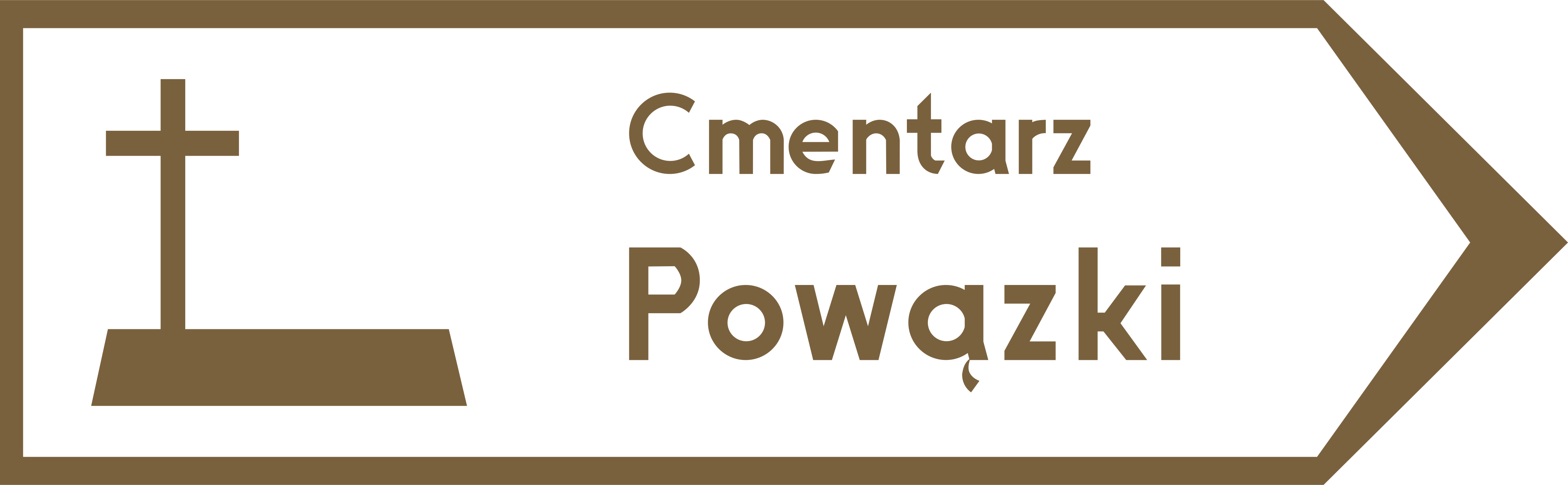
The E-10 - Direction to Cultural Monument road sign may also be known by these alternative names or terms.
The E-10 - Direction to Cultural Monument road sign is part of the Direction and Place Signs (E) category, which groups together signs with similar rules and functions.
Reviewing related road signs like the E-10 Direction to Cultural Monument alongside similar directional signs aids in precise recognition and reduces confusion during your theory test revision. Mastering traffic sign comparison helps solidify your understanding of Poland's road rules and improves overall sign recognition.
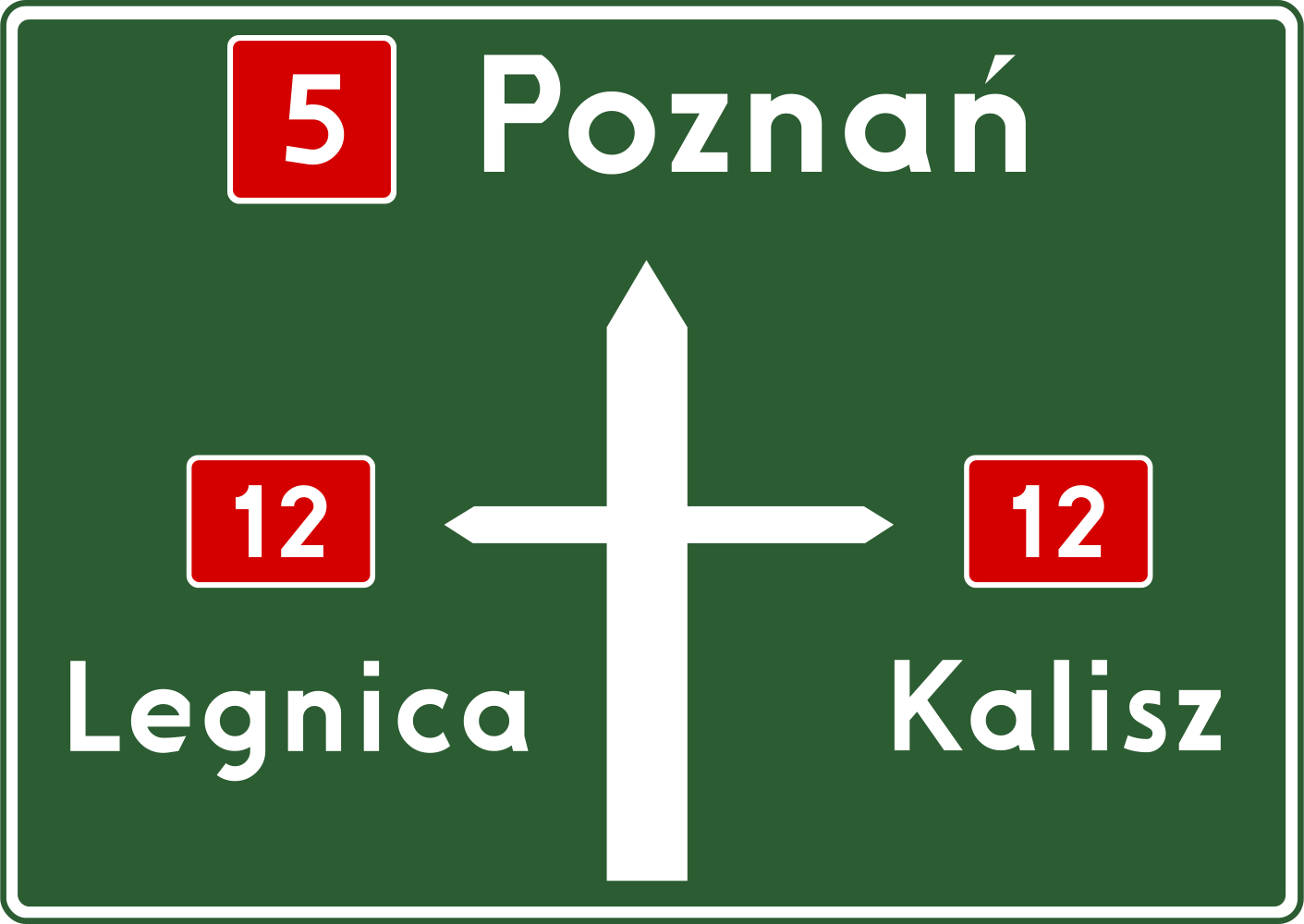
Prepare for Junctions with the E-1 Advanced Direction Sign

Follow the E-11 sign to discover Poland's natural wonders.
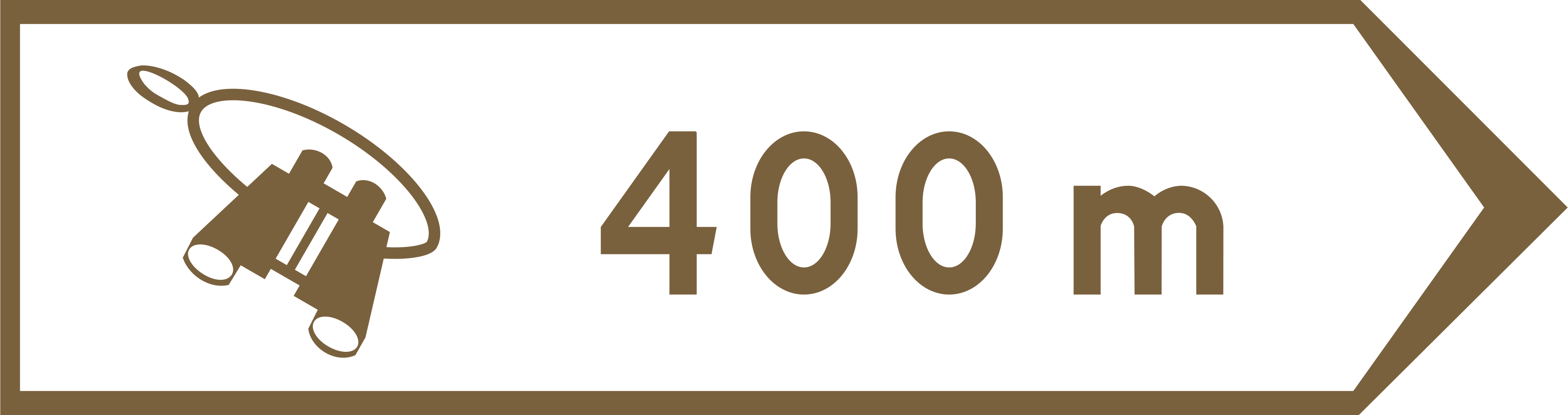
Understand the E-12 'Direction to Viewpoint' Sign and Find Scenic Spots Safely
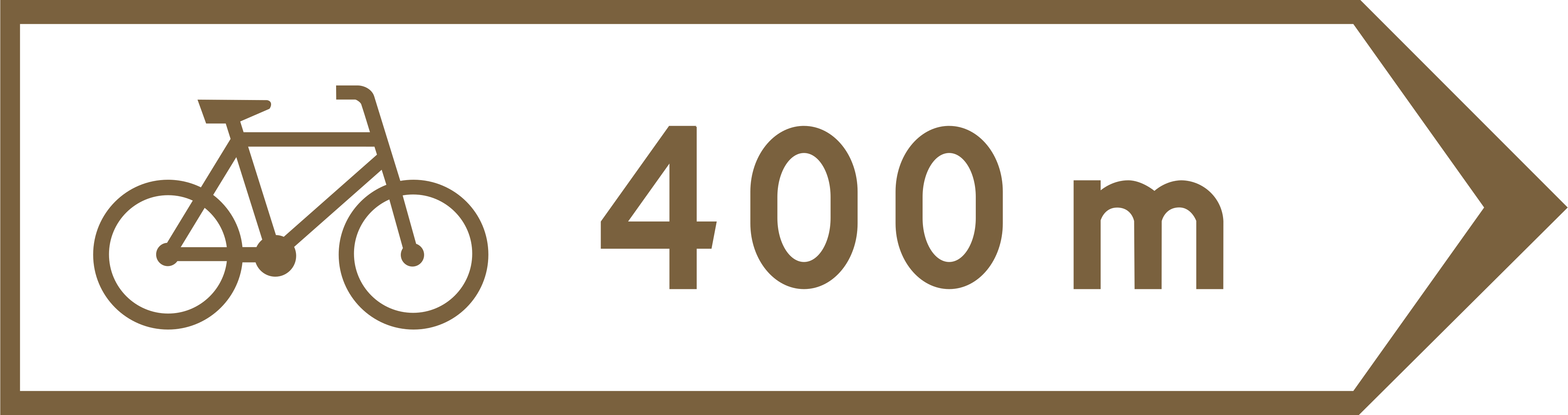
Follow the E-12a sign to find designated cycling routes.
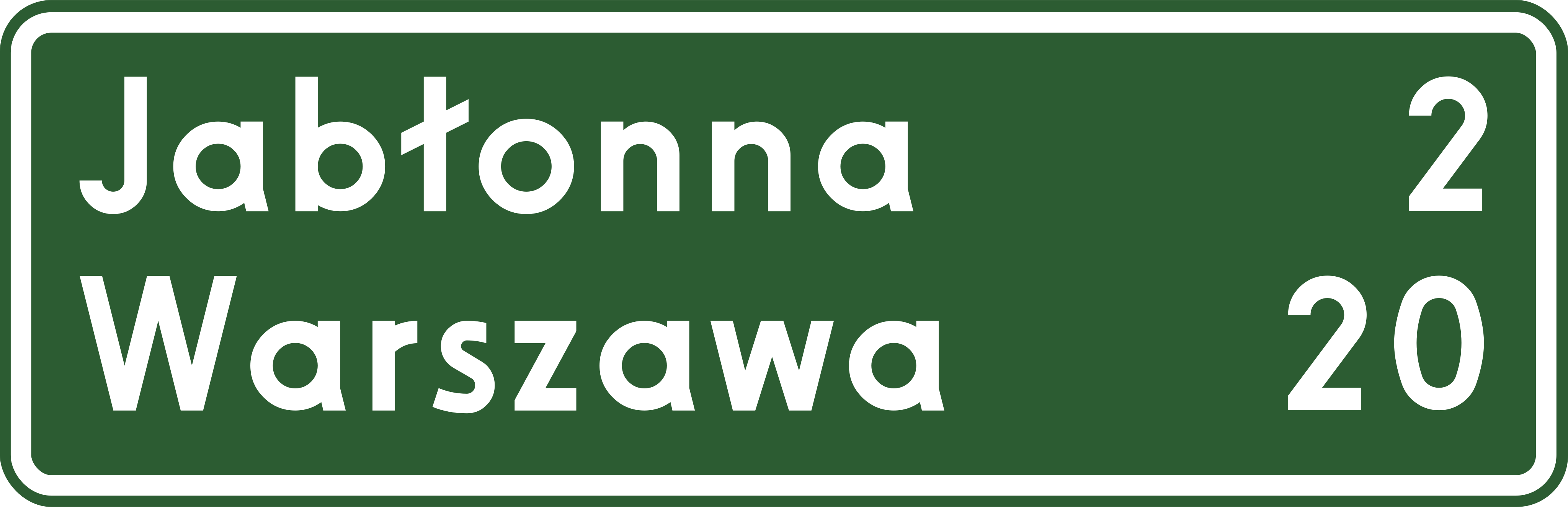
Master the E-13 Direction Board sign for clear route guidance.
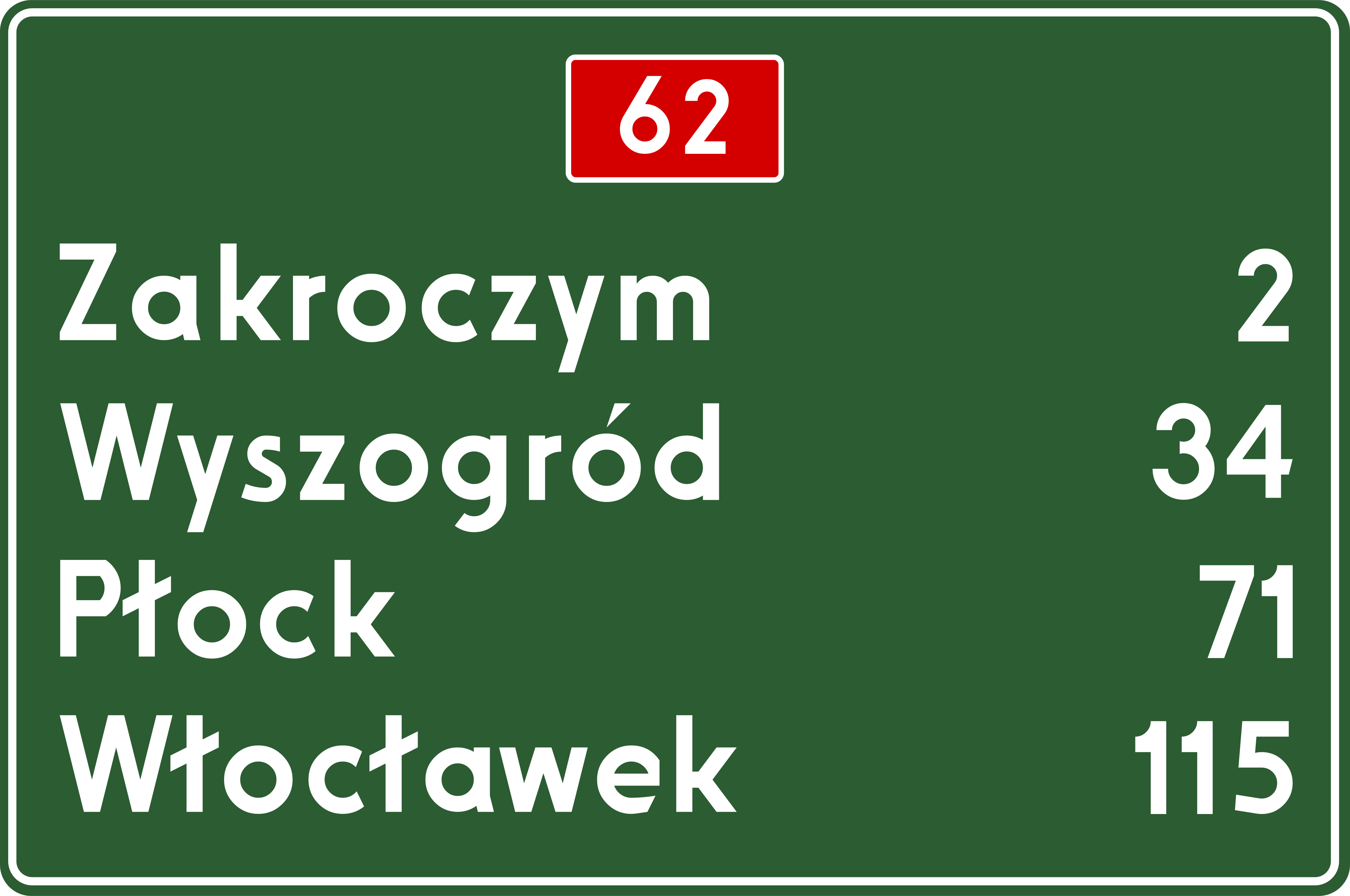
The E-14 Road Route Board confirms you're on the right path with distances to major cities.
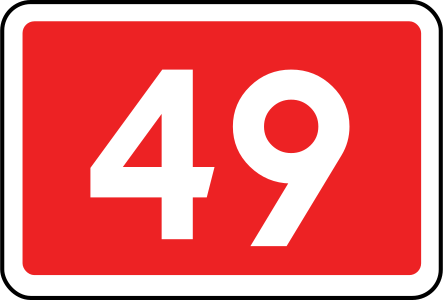
The E-15a Sign Clearly Identifies Poland's National Roads
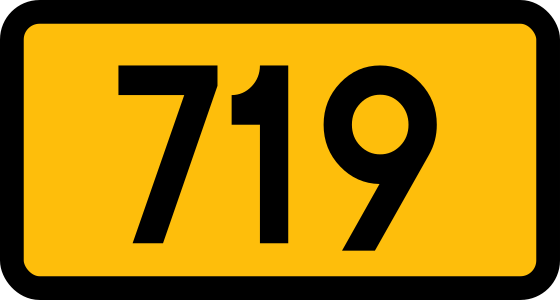
The E-15b Sign: Identifying Voivodeship (Provincial) Roads in Poland
Deepen your understanding of specific road signs by reviewing official Polish traffic rules and associated real-world driving scenarios. These expert-led resources help you bridge the gap between visual recognition and practical exam application.
Learn the precise regulations for towing trailers in Poland with a Category B driving license. This guide breaks down the differences between the standard B license, the enhanced Code 96, and the full B+E category, focusing on weight limits and when each is necessary. This knowledge is vital for safe driving and for correctly answering exam questions on vehicle combinations.
Learn why driving in Poland with a foreign license is illegal if your Polish driving privileges have been revoked. This article explains the fundamental principle that driving entitlements are personal and singular under Polish law, as reinforced by court rulings, helping you understand the strict requirements for legal driving.
Master the Critical First Steps After a Road Accident
Master Roadworks: Prioritize Temporary Markings for a Safer Drive and Exam Pass.
The E-9 sign features a building with columns (resembling a classical temple). It is used to help tourists find cultural institutions. If the museum is part of a UNESCO World Heritage site, the UNESCO logo is added to the right of the museum symbol. This helps distinguish major historical landmarks from smaller local galleries.
The E-15c sign features white letters and numbers on a blue background. In Poland, motorways are the highest class of road, featuring at least two lanes in each direction, a hard shoulder, and no flat intersections. These are often toll roads. The blue color is the primary indicator that you are on or approaching an 'Autostrada'.
After reviewing the full list of Polish road signs, explore specific sign categories for in-depth understanding. Challenge your knowledge with practice questions focused on sign recognition and interpretation to solidify your preparation for the driving theory exam.
Browse All Polish Road Signs