
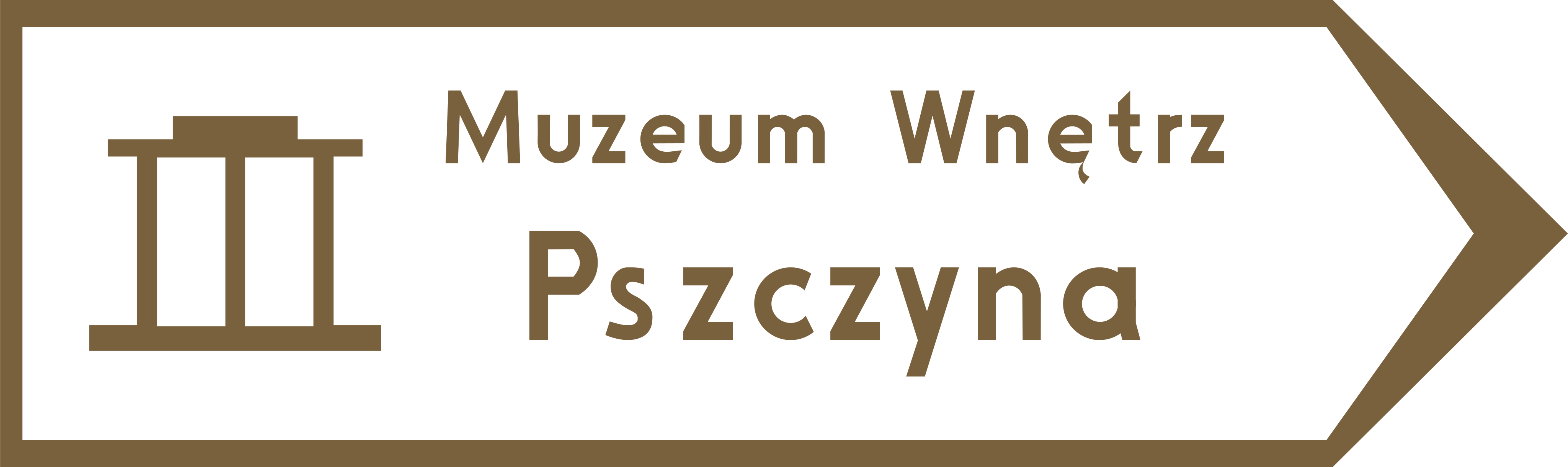
The E-9 road sign, featuring a classic building with columns, is an informational sign designed to direct you towards museums or significant cultural exhibition spaces. If the indicated institution is a UNESCO World Heritage site, a UNESCO logo will be displayed alongside the symbol, highlighting its global importance. Drivers should follow the direction indicated to reach the museum's main entrance, remembering to check opening times and parking availability beforehand.
Understanding the E-9 "Direction to Museum" road sign meaning is crucial for navigating to important cultural sites and UNESCO heritage locations across Poland. Correct traffic sign explanation ensures you can efficiently locate tourist attractions and confidently apply this knowledge during your driving theory test revision.
The E-9 sign features a building with columns (resembling a classical temple). It is used to help tourists find cultural institutions. If the museum is part of a UNESCO World Heritage site, the UNESCO logo is added to the right of the museum symbol. This helps distinguish major historical landmarks from smaller local galleries.
Points toward a museum or cultural exhibition space.
Get clear, practical answers to the most common questions about the E-9 - Direction to Museum road sign. Learn how the sign works, what rules it represents, and how it affects real driving situations. This FAQ strengthens your understanding and supports accurate decision making for the Polish driving theory exam in Poland.
The E-9 sign points drivers towards museums or cultural exhibition spaces. It uses a symbol of a building with columns to represent these institutions. If the site is of global significance, it may also feature the UNESCO logo.
The UNESCO logo signifies that the museum or cultural site is recognized as a World Heritage site. These locations are of exceptional importance globally, and drivers should be aware that they might have specific traffic regulations or be in sensitive historical areas.
When you see the E-9 sign, you should follow the direction indicated if you wish to visit the museum or cultural site. It's advisable to check the opening hours and accessibility of the location before committing to the route, especially if you are driving during off-peak seasons or holidays.
Yes, while the sign directs you, remember that museums, particularly those in historic city centers, may not have ample parking directly outside. You might need to park in a designated garage and walk. Also, never drive into courtyards or museum gardens unless explicitly permitted by signage.
Yes, understanding informational signs like the E-9 is crucial for the theory exam. You need to know what various symbols mean and how they guide you. Misinterpreting or ignoring directional signs can lead to disorientation and, in the context of the exam, demonstrate a lack of awareness of road signage.
A clear reference image of the E-9 - Direction to Museum road sign used in Poland.
The E-9 - Direction to Museum road sign may also be known by these alternative names or terms.
The E-9 - Direction to Museum road sign is part of the Direction and Place Signs (E) category, which groups together signs with similar rules and functions.
Master Polish road signs by studying similar ones together; this targeted comparison aids in distinguishing subtle differences and is crucial for accurate theory test revision and confident sign recognition.
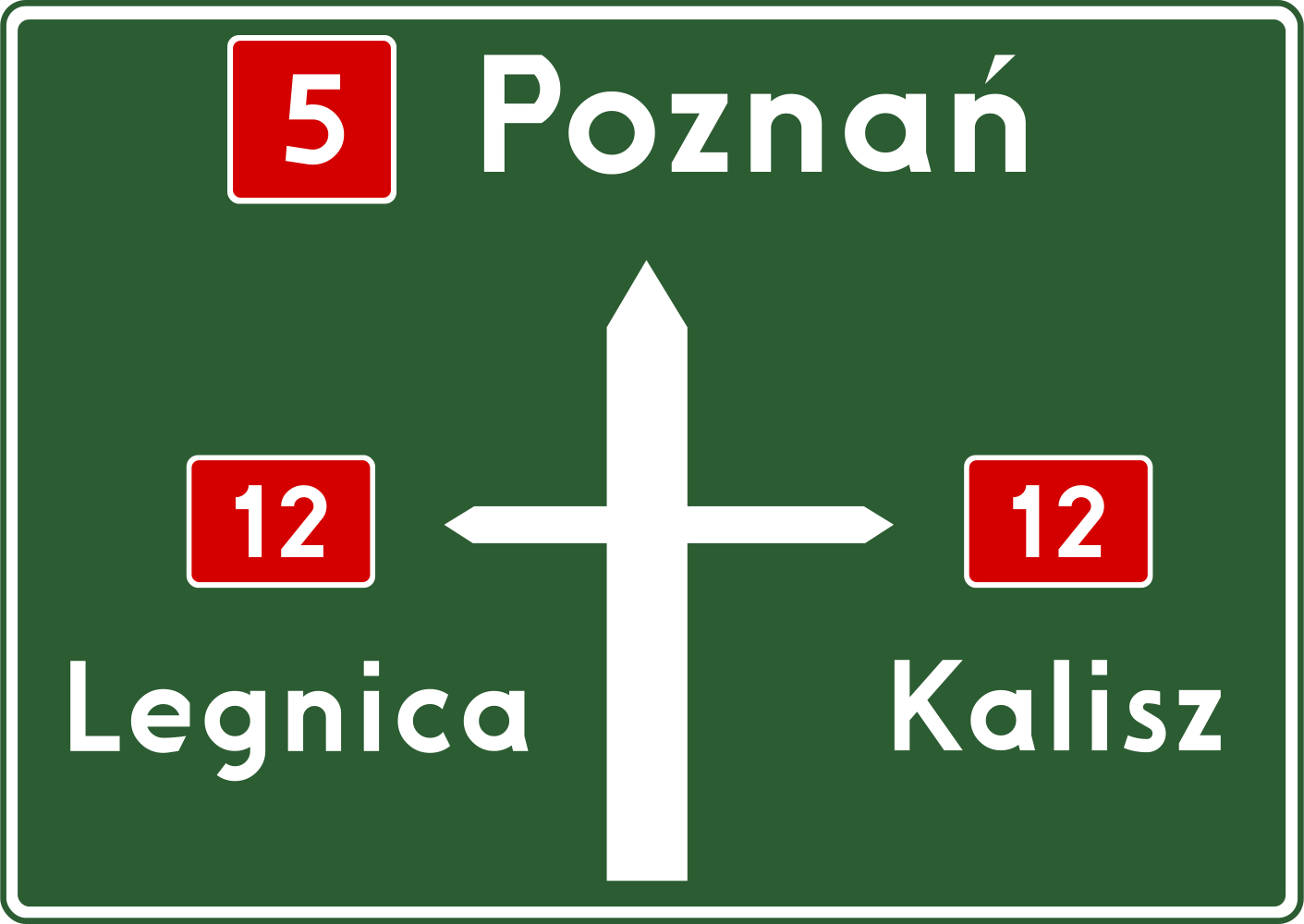
Prepare for Junctions with the E-1 Advanced Direction Sign
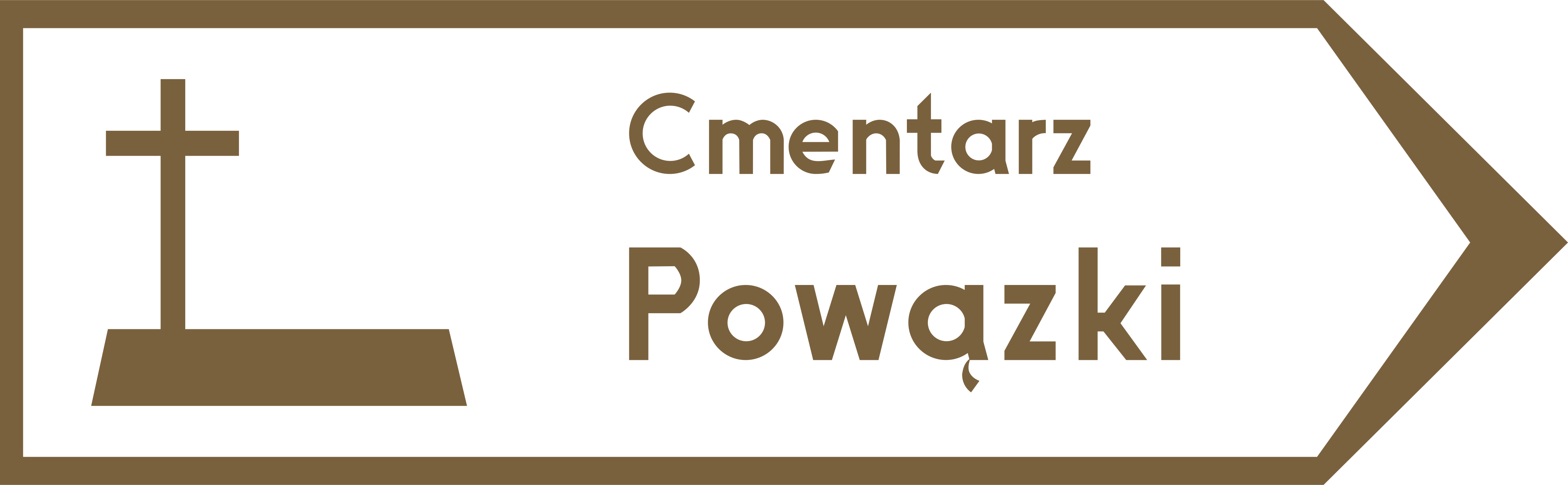
Follow the E-10 sign to discover Poland's cultural treasures.

Follow the E-11 sign to discover Poland's natural wonders.
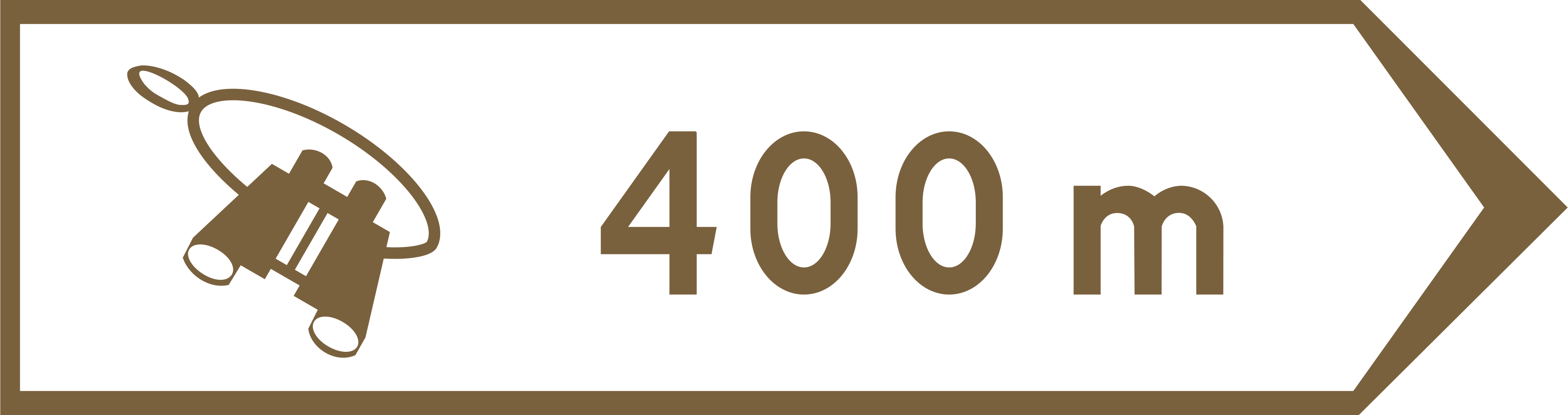
Understand the E-12 'Direction to Viewpoint' Sign and Find Scenic Spots Safely
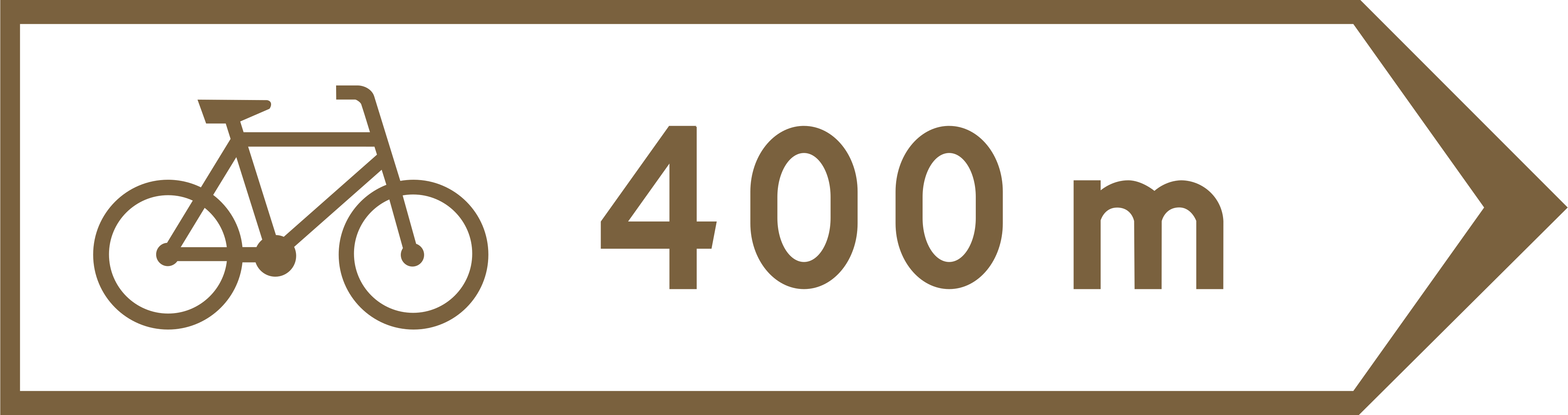
Follow the E-12a sign to find designated cycling routes.
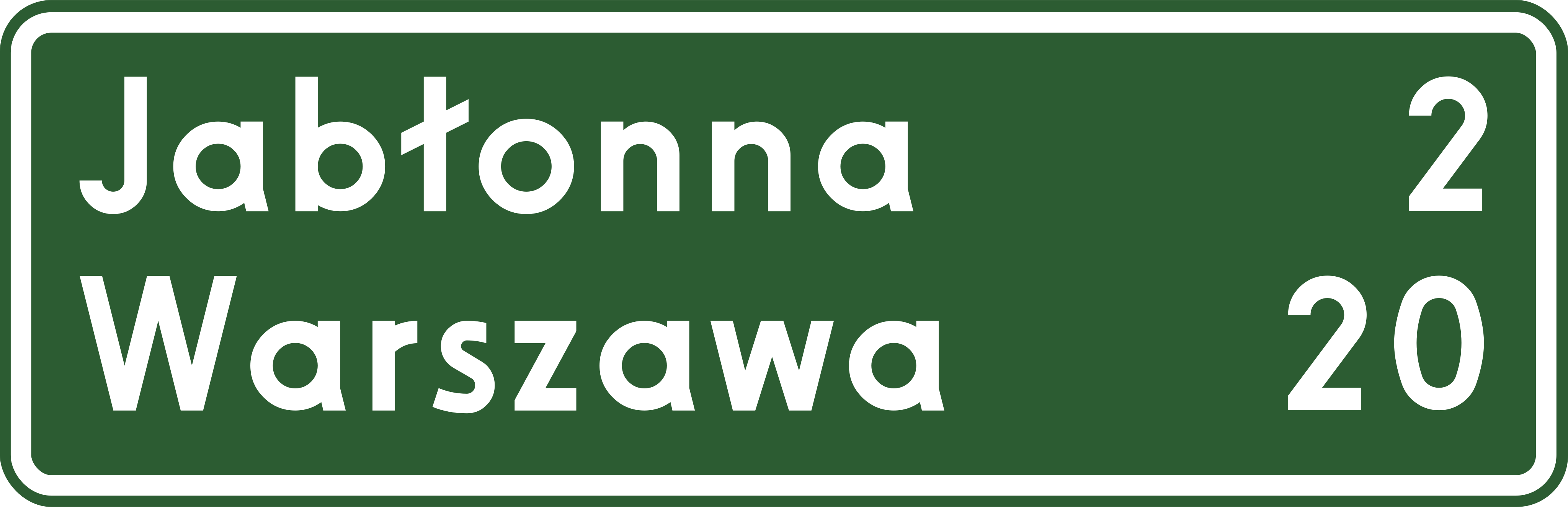
Master the E-13 Direction Board sign for clear route guidance.
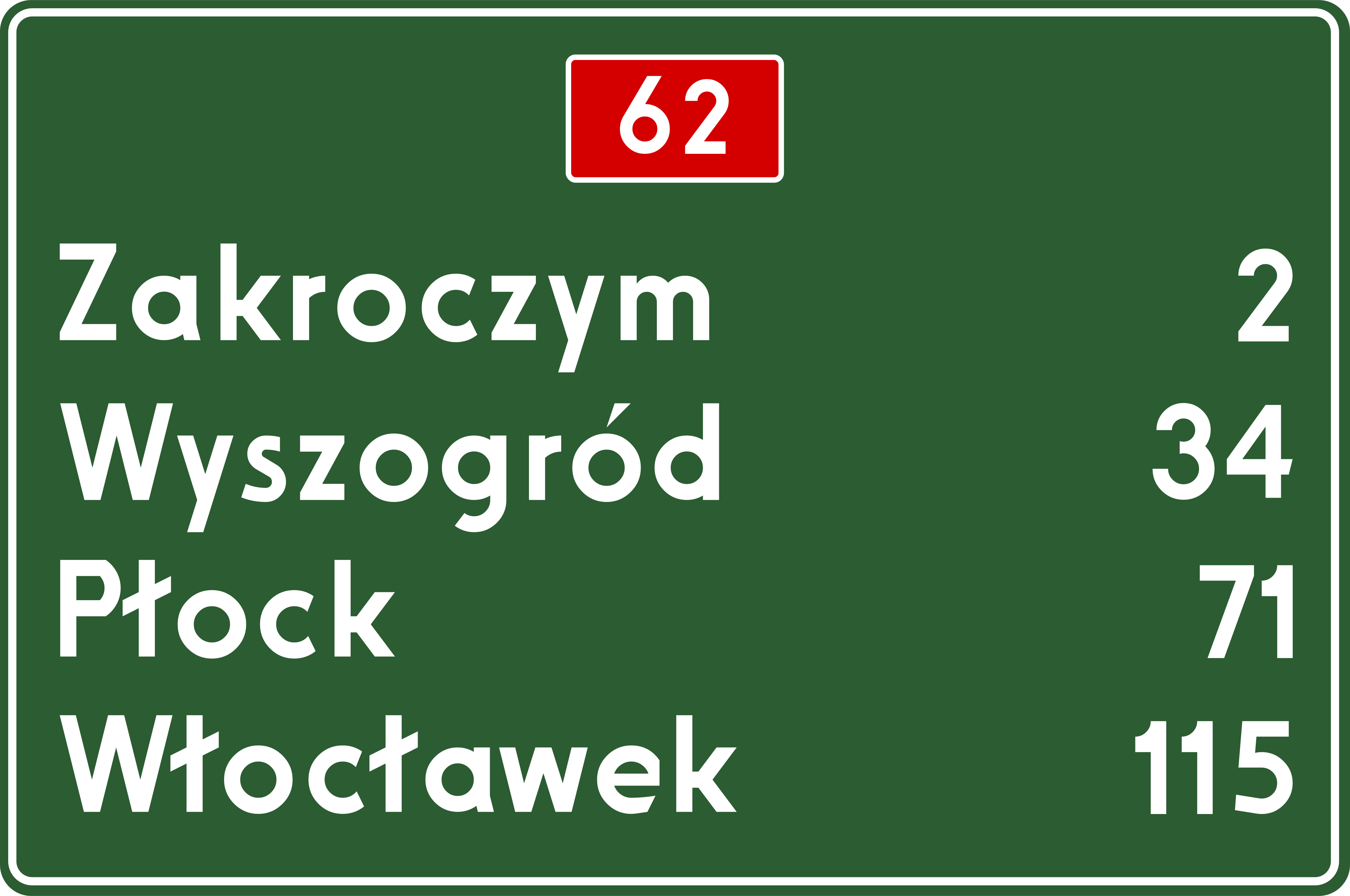
The E-14 Road Route Board confirms you're on the right path with distances to major cities.
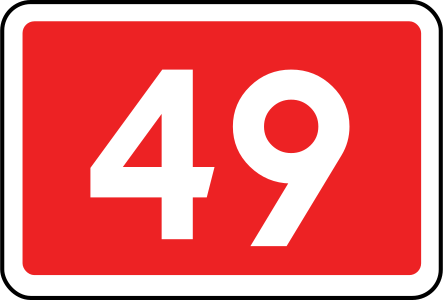
The E-15a Sign Clearly Identifies Poland's National Roads
Deepen your understanding of specific road signs by reviewing official Polish traffic rules and associated real-world driving scenarios. These expert-led resources help you bridge the gap between visual recognition and practical exam application.
Learn the precise regulations for towing trailers in Poland with a Category B driving license. This guide breaks down the differences between the standard B license, the enhanced Code 96, and the full B+E category, focusing on weight limits and when each is necessary. This knowledge is vital for safe driving and for correctly answering exam questions on vehicle combinations.
Identifying the nature of fluid leaks under your car is a core competency for any responsible driver and a key topic in the Polish driving theory curriculum. This guide teaches you how to use simple physical markers—such as color, smell, and location—to assess potential vehicle malfunctions. Mastering these basic maintenance checks helps you prevent engine failure and ensures you are better prepared for the technical questions on your driving exam.
Navigate Modern Traffic: Master E-Scooter and Vulnerable User Rules for Your Polish Exam.
Master the Critical First Steps After a Road Accident
The E-10 sign features a symbol of a castle or historic building. It guides visitors to significant architecture or ruins. Like the museum sign, it includes the UNESCO symbol if the monument is on the World Heritage List. These signs are common in historical regions like Kraków or the Lower Silesian castle route.
The E-12a sign features a bicycle symbol on a brown background. It is meant to guide cyclists and drivers who are transporting bikes to the start of a trail. It helps integrate cycling into the broader transport network by making trails easy to find from major roads.
After reviewing the full list of Polish road signs, explore specific sign categories for in-depth understanding. Challenge your knowledge with practice questions focused on sign recognition and interpretation to solidify your preparation for the driving theory exam.
Browse All Polish Road Signs