
The E-6b road sign, featuring a bus symbol, is an important information sign that points you towards the central bus terminal, often known as 'Dworzec PKS' in Poland. This sign is crucial for directing you to intercity and regional bus hubs, helping you locate passenger boarding areas or visitor parking. As you approach the terminal, pay extra attention to buses entering or exiting traffic, and ensure you're following signs for intercity coaches rather than local city buses if that's your destination.
The E-6b 'Direction to Bus Station' sign is crucial for drivers navigating to public transport hubs in Poland, clearly indicating the route to central bus terminals. Mastering this specific road sign meaning is essential for passing your Polish driving theory test and safely finding major bus stations.
The E-6b sign features a bus symbol. It guides drivers to the central station where intercity and regional buses operate. This is particularly useful for finding bus depots or passenger waiting areas. Like the train station sign, it is designed to keep bus-related traffic on appropriate streets.
Points toward the central bus terminal (Dworzec PKS) or a major bus hub.
Get clear, practical answers to the most common questions about the E-6b - Direction to Bus Station road sign. Learn how the sign works, what rules it represents, and how it affects real driving situations. This FAQ strengthens your understanding and supports accurate decision making for the Polish driving theory exam in Poland.
The E-6b sign indicates the direction to the main bus station (Dworzec PKS). It guides drivers towards the hub for intercity and regional bus services, helping you find passenger areas or associated facilities.
When you see the E-6b sign, you should follow the direction it indicates to reach the bus station. Be prepared for increased bus traffic, as buses may be entering or leaving side roads near the terminal.
Yes, while following the E-6b sign, you must avoid entering bus-only maneuvering areas at the station, as these are typically reserved for professional drivers. Also, avoid stopping in designated 'Bus Stop' zones on the street, as this is different from the main terminal.
The E-6b sign directs you to the main bus terminal where intercity and regional buses operate. A regular 'Bus Stop' sign (often a blue square with a white bus) indicates a location where buses pick up and drop off passengers along their route, but it's not the main station itself.
Absolutely. As you get closer to the bus terminal, you should be extra vigilant for buses that may be pulling out of side streets or maneuvering within the station area. Drivers looking for the bus station might also be less focused on surrounding traffic, so maintaining a safe speed and distance is key.
A clear reference image of the E-6b - Direction to Bus Station road sign used in Poland.

The E-6b - Direction to Bus Station road sign may also be known by these alternative names or terms.
The E-6b - Direction to Bus Station road sign is part of the Direction and Place Signs (E) category, which groups together signs with similar rules and functions.
Master Polish traffic signs by reviewing related examples. Comparing similar road signs helps cement recognition and reduces common errors, crucial for your theory test revision.
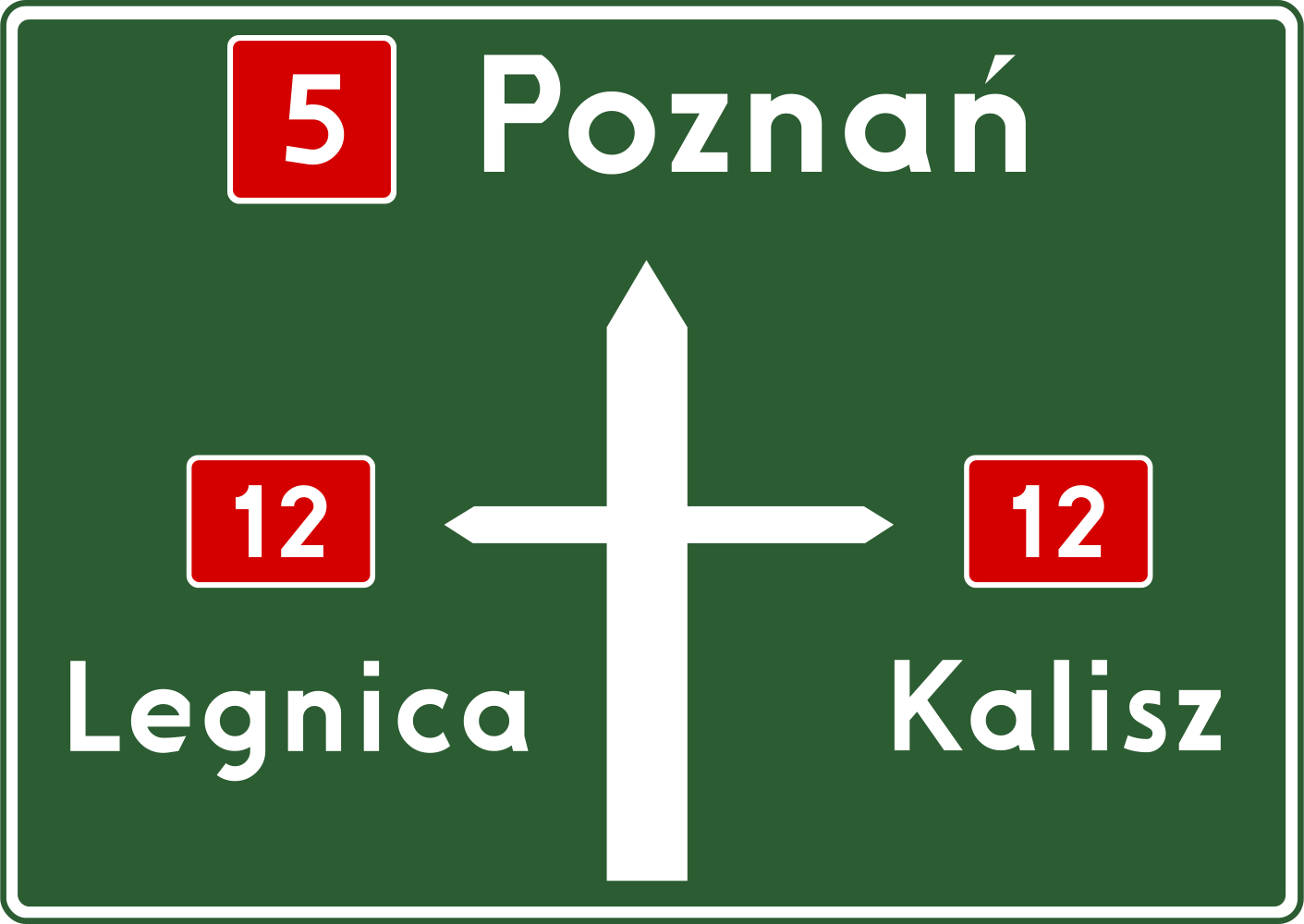
Prepare for Junctions with the E-1 Advanced Direction Sign
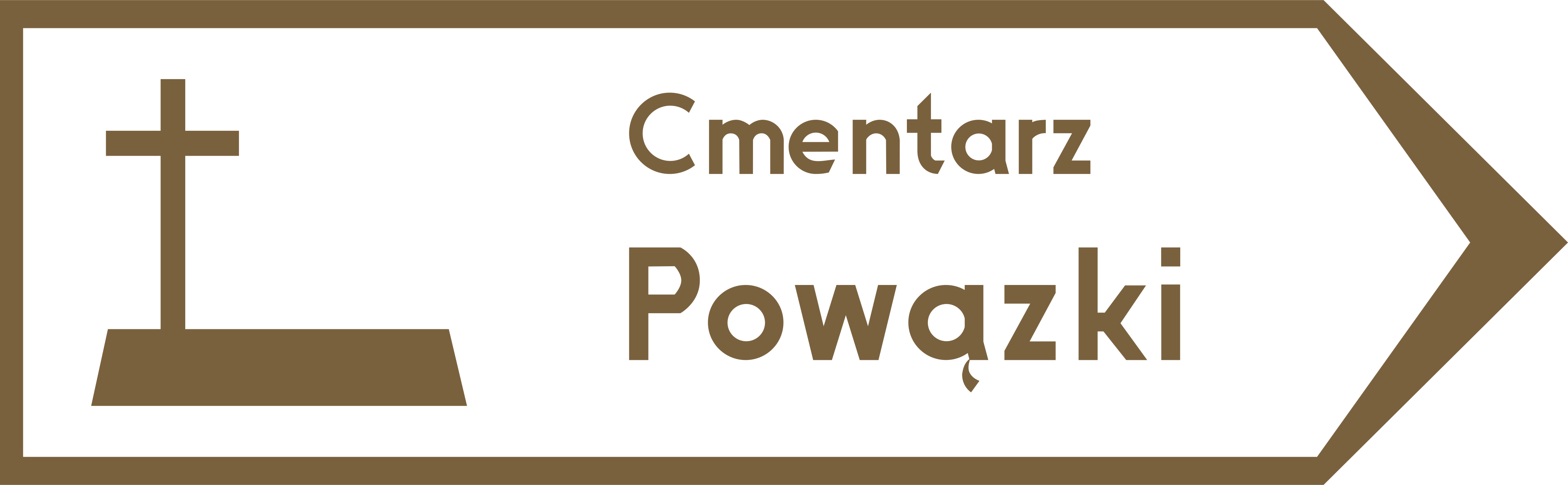
Follow the E-10 sign to discover Poland's cultural treasures.

Follow the E-11 sign to discover Poland's natural wonders.
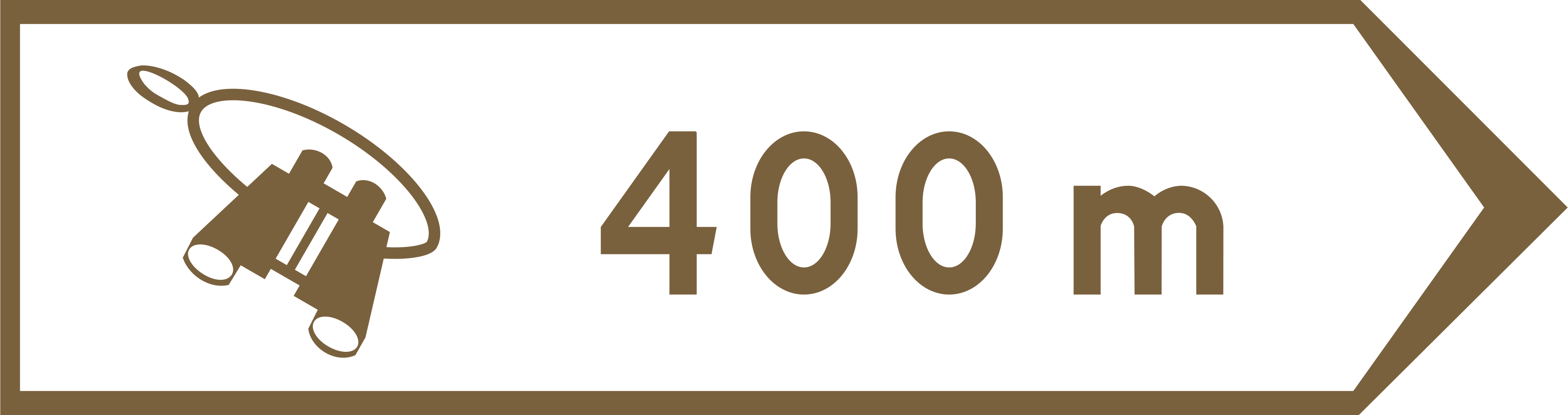
Understand the E-12 'Direction to Viewpoint' Sign and Find Scenic Spots Safely
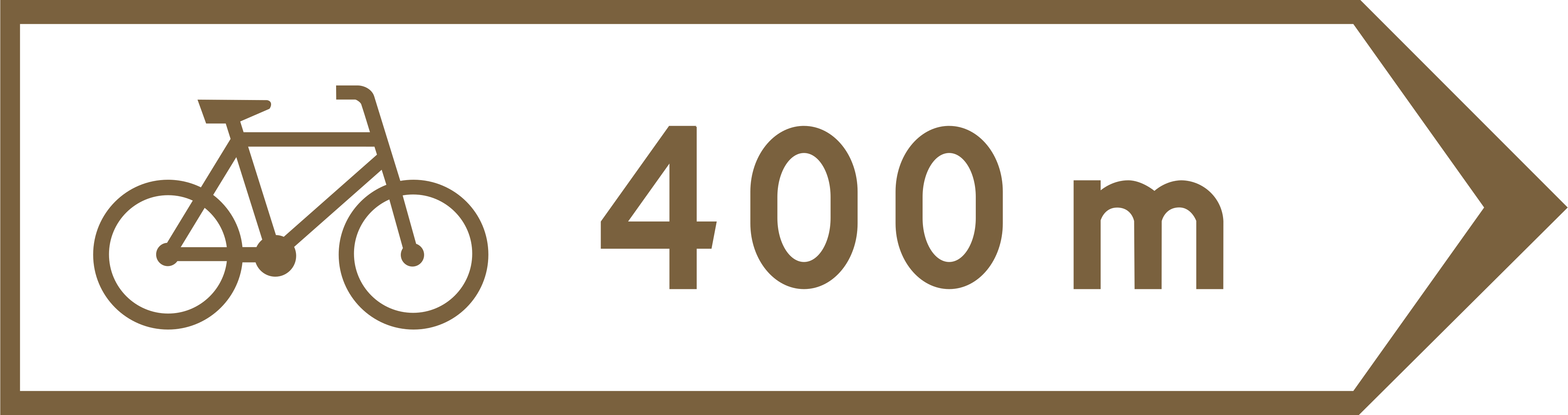
Follow the E-12a sign to find designated cycling routes.
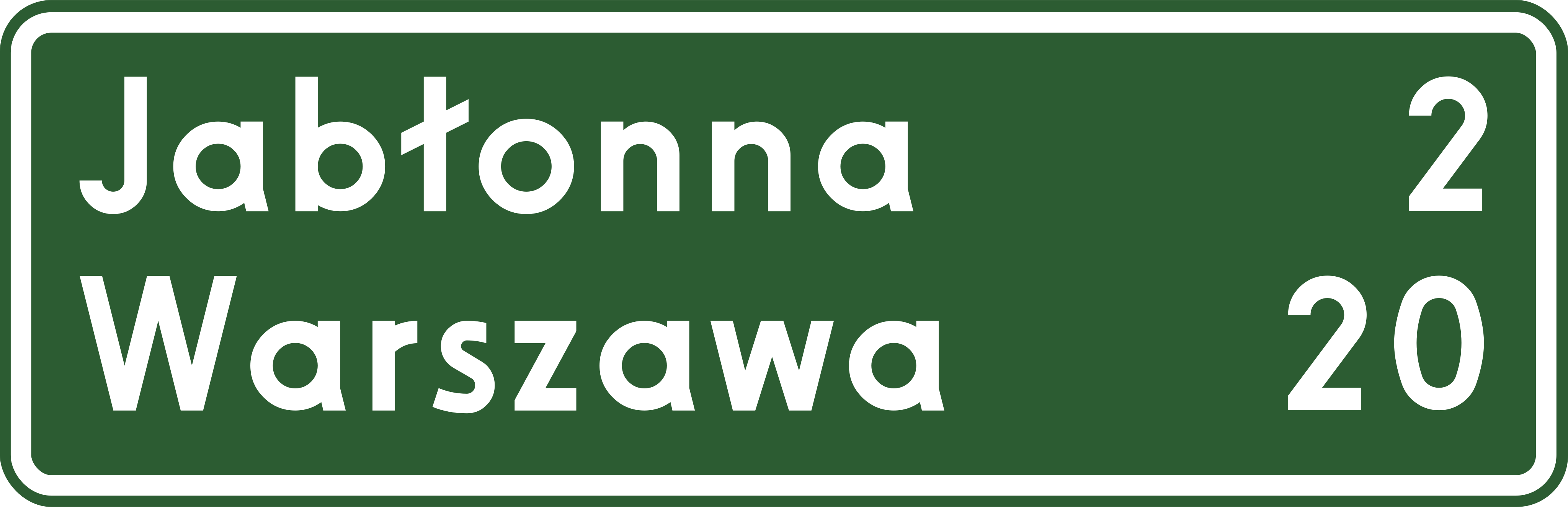
Master the E-13 Direction Board sign for clear route guidance.
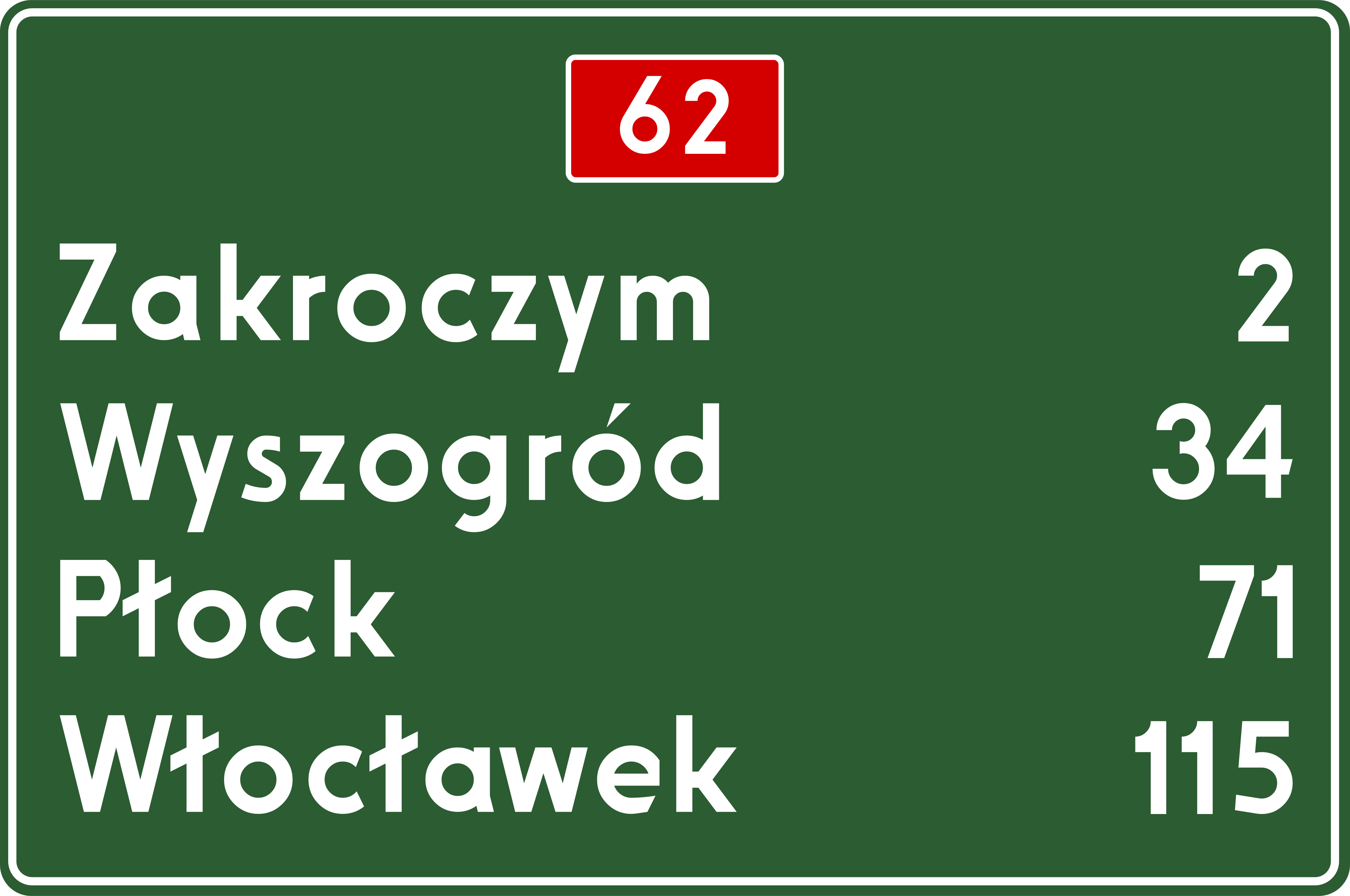
The E-14 Road Route Board confirms you're on the right path with distances to major cities.
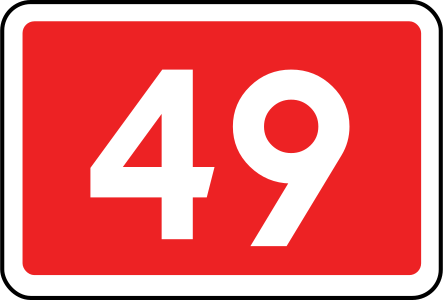
The E-15a Sign Clearly Identifies Poland's National Roads
Deepen your understanding of specific road signs by reviewing official Polish traffic rules and associated real-world driving scenarios. These expert-led resources help you bridge the gap between visual recognition and practical exam application.
When driving in Polish cities, understanding how to interact with trams and buses is paramount. This guide breaks down the priority rules for trams and the specific regulations surrounding bus lanes, preparing you for complex urban scenarios encountered in the theory exam. Learn how to yield correctly and avoid hazardous situations, ensuring you drive safely and confidently in busy city environments.
Navigate Bus Stops Safely: Essential Rules for the Polish Driving Exam.
Prepare thoroughly for the Polish bus driver theory exam by understanding your legal obligations and the documentation required to operate a bus in Poland. This guide covers key areas such as vehicle registration, driver licensing, and adherence to passenger limits, ensuring you are well-equipped for both the exam and professional driving.
Master Polish Shared Lane Rules to Drive Safely and Pass Your Exam.
The D-11 sign is used to designate a specific lane for public transport vehicles. Its purpose is to allow buses and trolleybuses to bypass traffic congestion in busy urban areas. The sign is blue with a white bus silhouette and an arrow pointing to the lane it applies to. In many cities, additional text like 'TAXI' or 'MOP' may be included on the sign to allow other specific vehicles to use the lane as well.
The F-19 sign designates a lane for exclusive use by certain vehicles, most commonly buses (BUS), taxis, or emergency services. It is used to prioritize public transport and improve its efficiency in congested urban areas. Regular motorists are usually prohibited from driving in these lanes, though they may be allowed to enter briefly to perform a right turn at an intersection if markings allow.
After reviewing the full list of Polish road signs, explore specific sign categories for in-depth understanding. Challenge your knowledge with practice questions focused on sign recognition and interpretation to solidify your preparation for the driving theory exam.
Browse All Polish Road Signs