
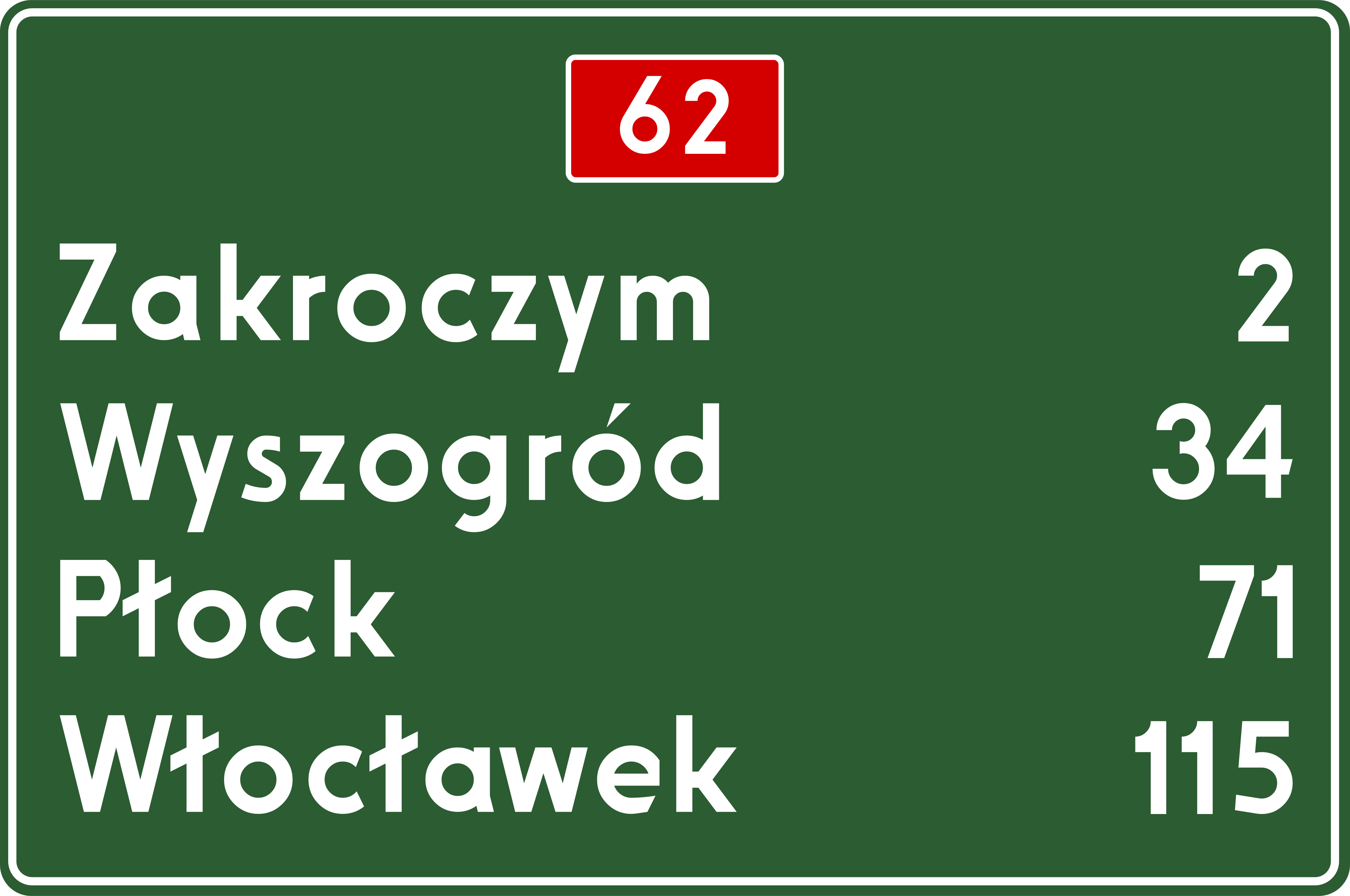
The E-2d is a crucial overhead gantry road sign used on Polish motorways and expressways, guiding drivers at high speeds. It clearly indicates which lanes to use for continuing straight ahead or for taking an exit, often paired with junction numbers. As this is an information sign for high-speed roads, pay close attention to its arrows and distances to plan your route and lane changes well in advance to ensure safety and avoid exam pitfalls.
The E-2d overhead sign is critical for safe navigation on Polish motorways and expressways, directing drivers at high speeds to their correct exits or onward routes. Mastering its interpretation is essential for passing your Polish driving theory test and ensuring smooth, stress-free travel, preventing dangerous last-minute lane changes.
The E-2d is the high-speed version of the overhead board. It is placed at motorway interchanges (węzły) and is almost always paired with the E-20a 'junction number' sign. It uses large fonts and clear arrows to guide drivers traveling at 120-140 km/h. Usually, the sign shows the distance to the next major cities in the straight-ahead direction and the immediate destinations for the exit ramp.
An overhead gantry sign on a motorway indicating the lanes for continuing straight or exiting.
Get clear, practical answers to the most common questions about the E-2d - Direction Sign Over Motorway or Expressway road sign. Learn how the sign works, what rules it represents, and how it affects real driving situations. This FAQ strengthens your understanding and supports accurate decision making for the Polish driving theory exam in Poland.
The E-2d sign is an overhead gantry sign on motorways and expressways that directs you. It uses arrows to show which lanes are for continuing on the main road and which are for exiting the motorway. It's designed for high speeds, so quick comprehension is key.
When you see the E-2d sign, immediately check which lane you need to be in based on your intended route. If you plan to exit, move to the indicated exit lane as soon as it is safe. If you are continuing straight, ensure you are in the correct lane for that direction. Avoid sudden braking or lane changes.
The E-2d sign is specifically for high-speed roads like motorways and expressways, where it's placed overhead. Regular direction signs might be at the side of the road and are used in various traffic situations, including lower-speed roads. The E-2d's design uses larger fonts and clearer arrows suitable for speeds of 120-140 km/h.
A common mistake is performing last-second lane changes, which is very dangerous on motorways and can lead to collisions. Learners might also fail to anticipate their exit or route, leading to confusion or incorrect lane positioning. Always plan ahead and use the junction number (E-20a) for confirmation.
The main prohibited actions are abrupt lane changes and braking in the main traffic lanes. You should also not ignore the associated junction number sign (E-20a) as it is vital for navigation, especially if you are unfamiliar with the area or city names displayed.
You are allowed to stay in the lanes indicated by the downward-pointing arrows to continue on the motorway. You are also allowed to follow the 'exit' arrow to take the ramp towards the destinations shown. Using the junction name to confirm your planned route is also permitted and encouraged.
A clear reference image of the E-2d - Direction Sign Over Motorway or Expressway road sign used in Poland.

The E-2d - Direction Sign Over Motorway or Expressway road sign may also be known by these alternative names or terms.
The E-2d - Direction Sign Over Motorway or Expressway road sign is part of the Direction and Place Signs (E) category, which groups together signs with similar rules and functions.
Comparing the E-2d overhead direction sign with similar traffic signs aids in immediate recognition and retention, crucial for accurate theory test revision. Effective traffic sign comparison sharpens your understanding of navigation conventions on Polish motorways.
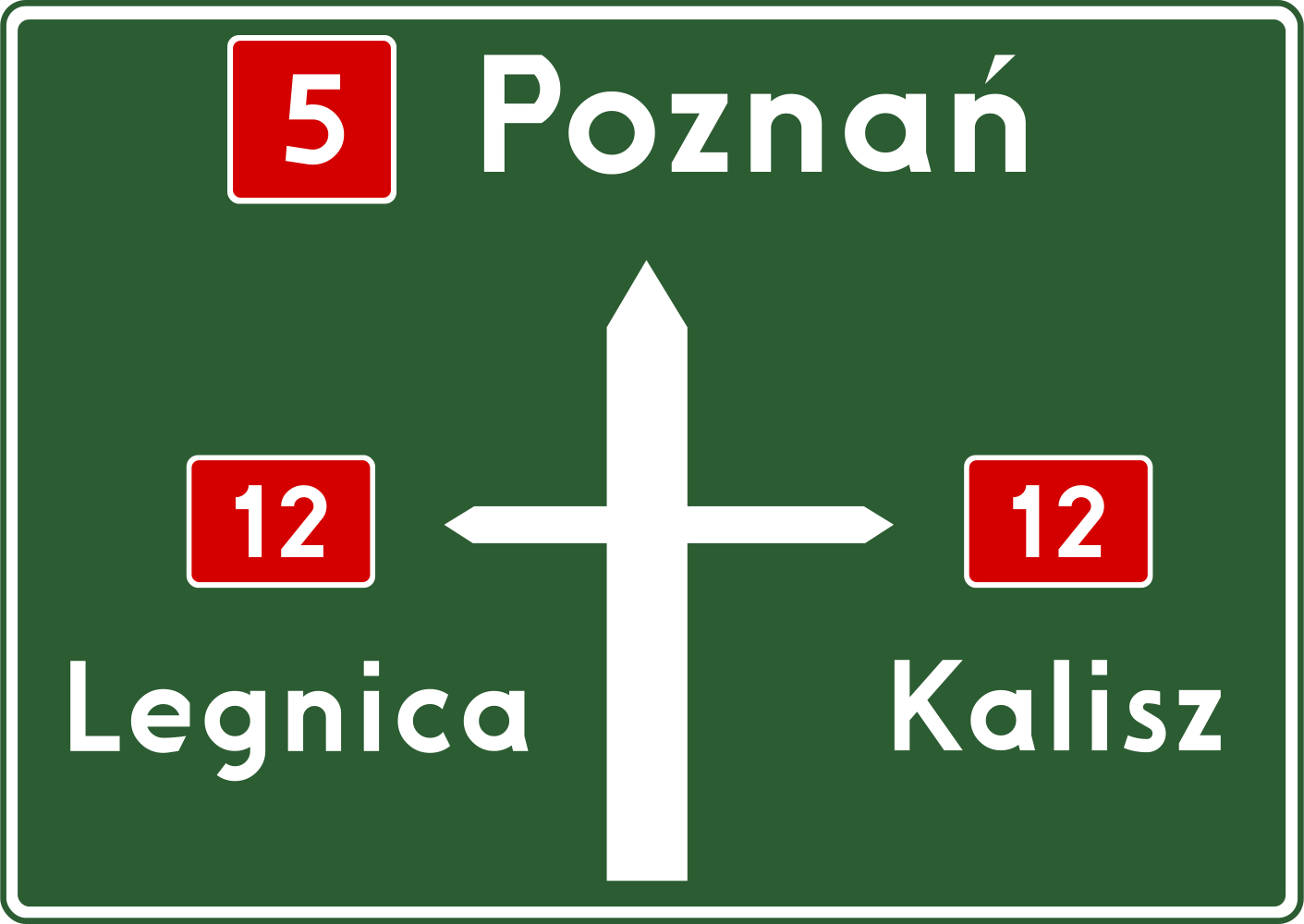
Prepare for Junctions with the E-1 Advanced Direction Sign
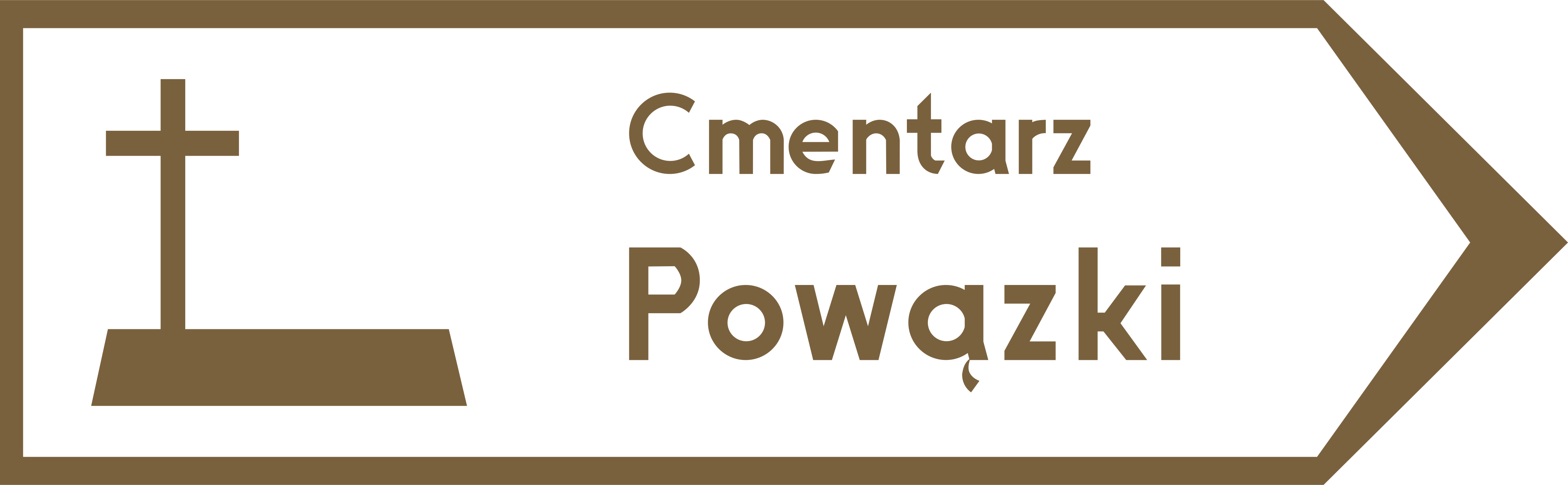
Follow the E-10 sign to discover Poland's cultural treasures.

Follow the E-11 sign to discover Poland's natural wonders.

Understand the E-12 'Direction to Viewpoint' Sign and Find Scenic Spots Safely
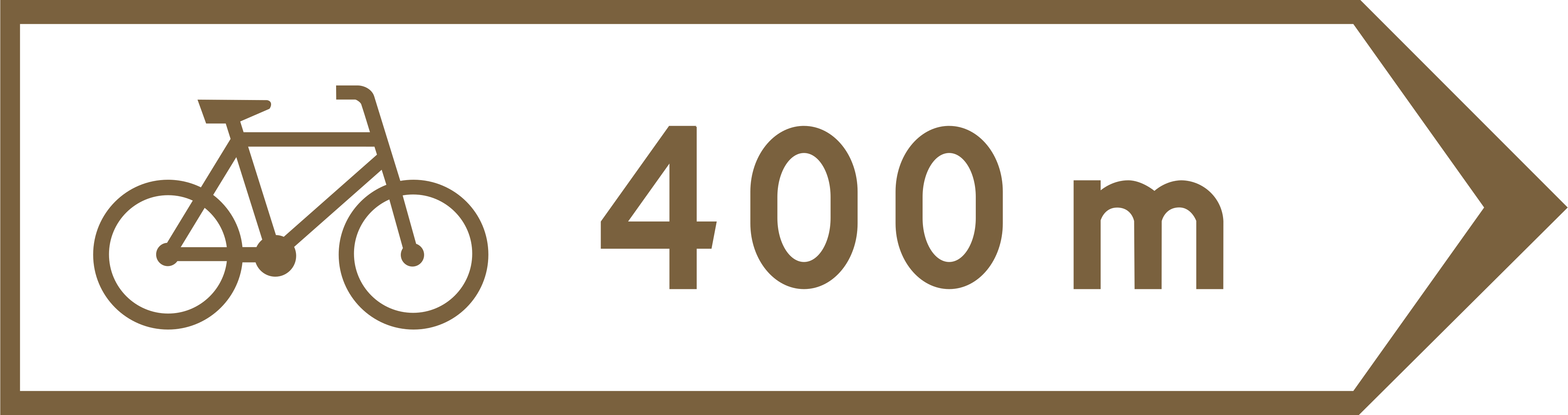
Follow the E-12a sign to find designated cycling routes.
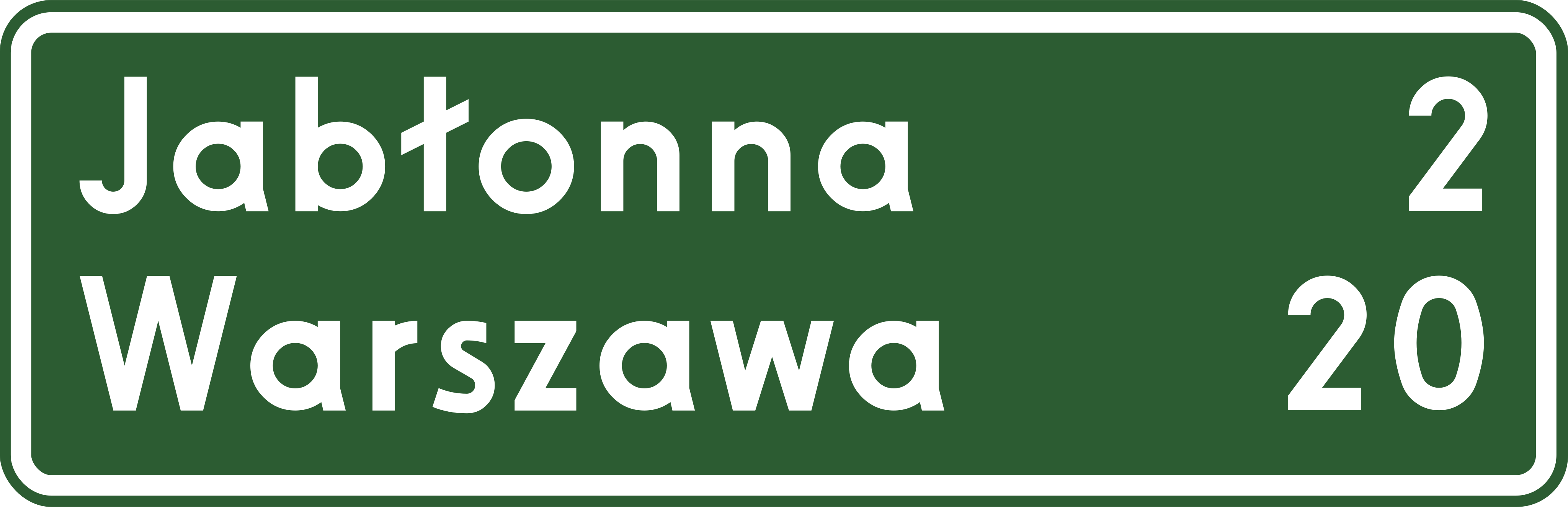
Master the E-13 Direction Board sign for clear route guidance.
The E-14 Road Route Board confirms you're on the right path with distances to major cities.
The E-15a Sign Clearly Identifies Poland's National Roads
Deepen your understanding of specific road signs by reviewing official Polish traffic rules and associated real-world driving scenarios. These expert-led resources help you bridge the gap between visual recognition and practical exam application.
Mastering Lane Discipline and Priority at Polish Intersections with Arrow Signals
Master Polish Crossing Markings for a Safer Drive and Exam Success.
This article provides a detailed explanation of how Polish traffic signs A-7 ('Ustąp Pierwszeństwa' - Yield), B-20 ('STOP'), and D-1 ('Droga z Pierwszeństwem' - Priority Road) dictate right-of-way at intersections. Understanding the nuances of these signs is a fundamental aspect of the Polish driving theory exam, and mastering them will significantly improve your preparedness for real-world driving scenarios.
Navigate Polish roads with confidence by understanding critical cyclist priority rules at junctions and crossings. This guide explains your legal obligations as a driver to yield to cyclists, a common area of confusion and potential exam pitfalls. Learn the nuances of right-of-way at intersections and designated cyclist passages to drive safely and pass your theory test.
The P-8a arrow is painted on the lane surface to regulate movement at an intersection. If you are in a lane with this arrow, you are legally forbidden from turning left or right. It is used to streamline traffic and prevent collisions that occur when drivers try to turn from a middle lane. Often, these arrows are combined (e.g., straight and right), meaning both directions are allowed from that specific lane.
The A-30 'Exclamation Mark' sign is a general warning. It is almost always accompanied by a descriptive plate (T-series) that explains the specific nature of the danger, such as 'Blind exit,' 'Narrow bridge,' or 'Accident blackspot.' Historically, this sign used a vertical bar instead of an exclamation mark. It tells the driver that something unusual and potentially dangerous is ahead.
After reviewing the full list of Polish road signs, explore specific sign categories for in-depth understanding. Challenge your knowledge with practice questions focused on sign recognition and interpretation to solidify your preparation for the driving theory exam.
Browse All Polish Road Signs