
The E-12 road sign, depicting binoculars or a landscape view, indicates the direction to a scenic overlook or a point with a significant panoramic view. You'll typically find this sign along scenic routes, especially in mountainous or coastal areas, guiding you to safe pull-off areas designed for enjoying the scenery. Following this sign helps you find designated spots to rest and appreciate the landscape without causing a hazard.
Grasping the E-12 road sign meaning is crucial for safe driving and navigating Poland's scenic routes, helping you locate official viewpoints. This comprehensive traffic sign explanation prepares you for the theory test, ensuring you can identify places to safely stop and enjoy picturesque landscapes.
The E-12 sign shows a symbol of a binocular or a person looking at a landscape. It is used on scenic routes, particularly in the mountains or along the coast, to help travelers find safe places to pull over and enjoy the scenery. These viewpoints are usually equipped with a small parking area or a designated lay-by.
Points toward a scenic overlook or a point with a significant panoramic view.
Get clear, practical answers to the most common questions about the E-12 - Direction to Viewpoint road sign. Learn how the sign works, what rules it represents, and how it affects real driving situations. This FAQ strengthens your understanding and supports accurate decision making for the Polish driving theory exam in Poland.
The E-12 sign points towards a scenic overlook or a place offering a panoramic view. It's designed to guide drivers to safe locations where they can stop to enjoy the scenery, often featuring a small parking area or lay-by.
When you see the E-12 sign, follow its direction to find the designated viewpoint. Look for a safe place to pull over, usually a marked turnout or parking area. Avoid stopping suddenly on the main road; wait until you reach the designated spot.
No, the E-12 sign directs you to a specific, safe location for stopping. You should not stop suddenly on the main travel lanes. Wait for the actual turnout or parking area indicated by the sign to ensure safety for yourself and other road users.
A common trap is assuming you can stop immediately upon seeing the sign. Remember, the E-12 sign guides you to a specific location, and you must wait for that safe pull-off area. Another trap could be related to environmental responsibility, such as not littering at the viewpoint.
The binocular symbol, or a landscape graphic, visually represents the purpose of the location: to observe the scenery. It serves as a clear visual cue that a place to stop and enjoy a good view is ahead.
A clear reference image of the E-12 - Direction to Viewpoint road sign used in Poland.
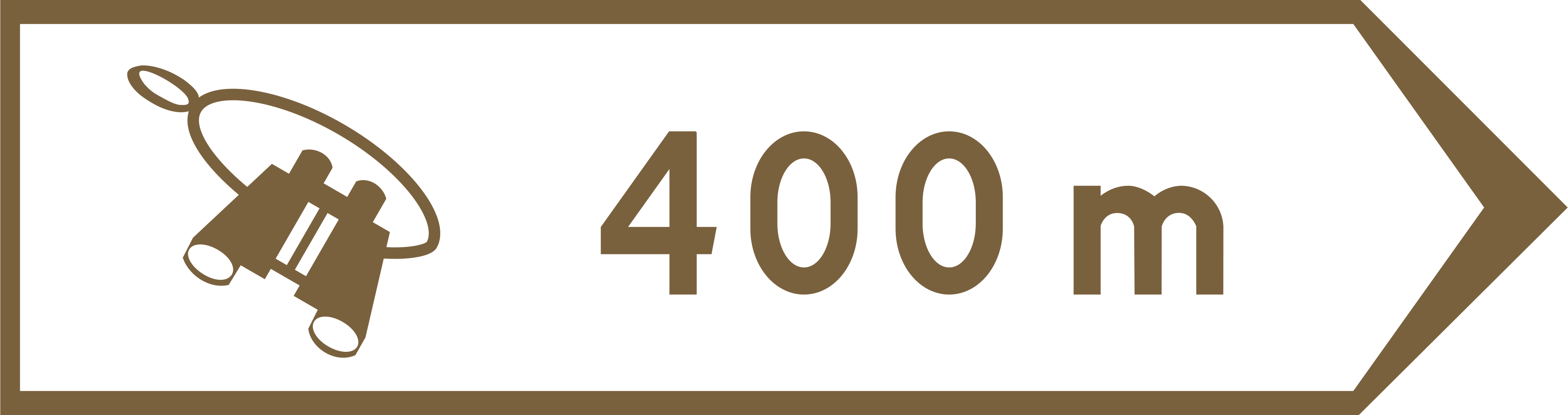
The E-12 - Direction to Viewpoint road sign may also be known by these alternative names or terms.
The E-12 - Direction to Viewpoint road sign is part of the Direction and Place Signs (E) category, which groups together signs with similar rules and functions.
Understanding the distinctions between similar road signs, like the E-12 'Direction to Viewpoint' and other directional signs, is key for effective theory test revision. Comparing these traffic signs aids sign recognition and reduces errors, helping you master Polish road rules.
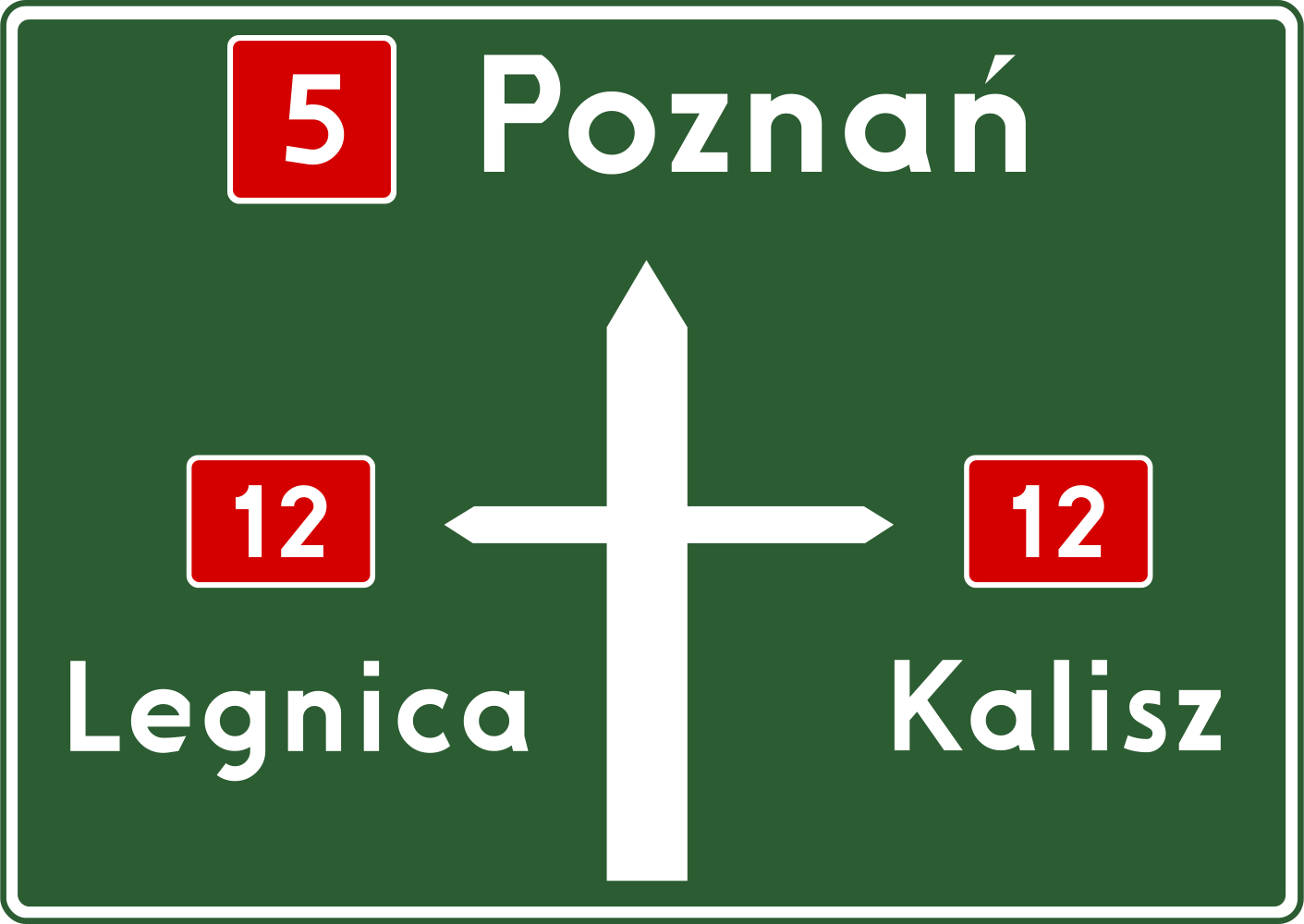
Prepare for Junctions with the E-1 Advanced Direction Sign
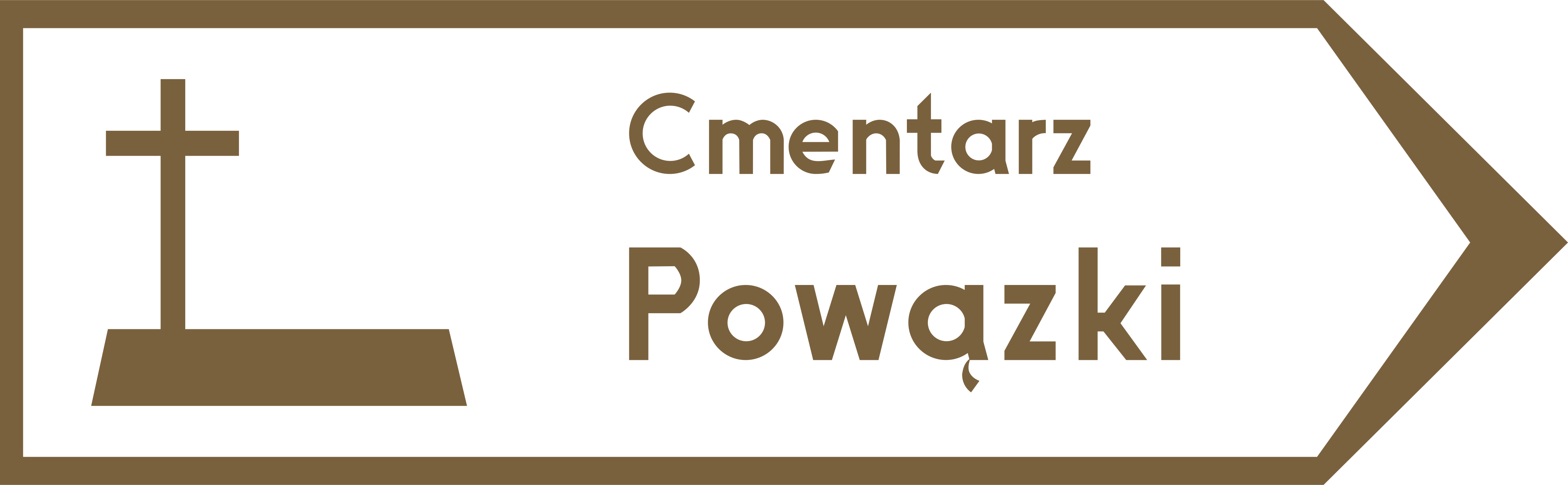
Follow the E-10 sign to discover Poland's cultural treasures.

Follow the E-11 sign to discover Poland's natural wonders.
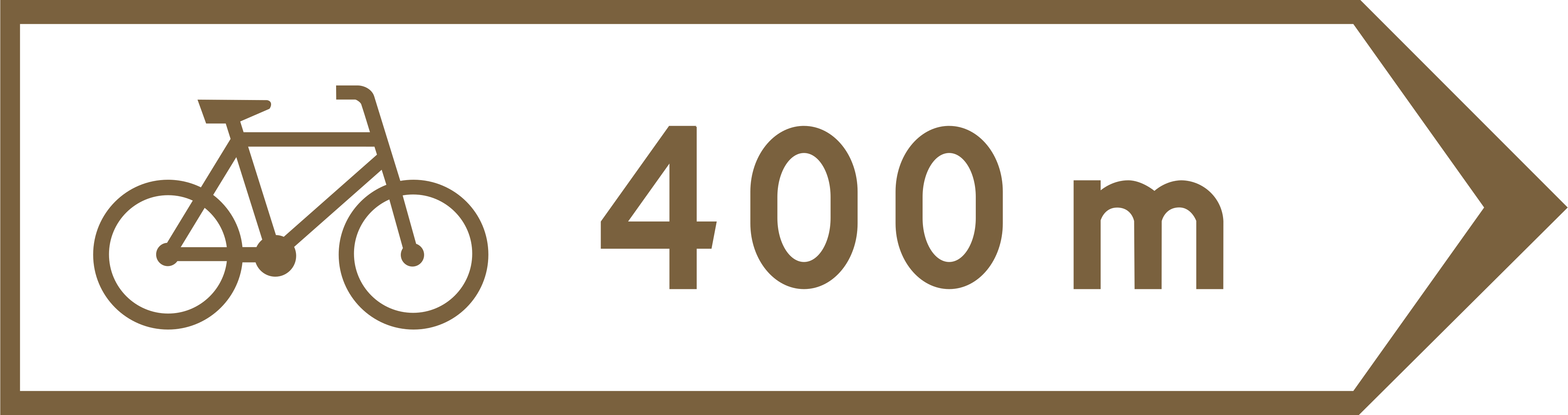
Follow the E-12a sign to find designated cycling routes.
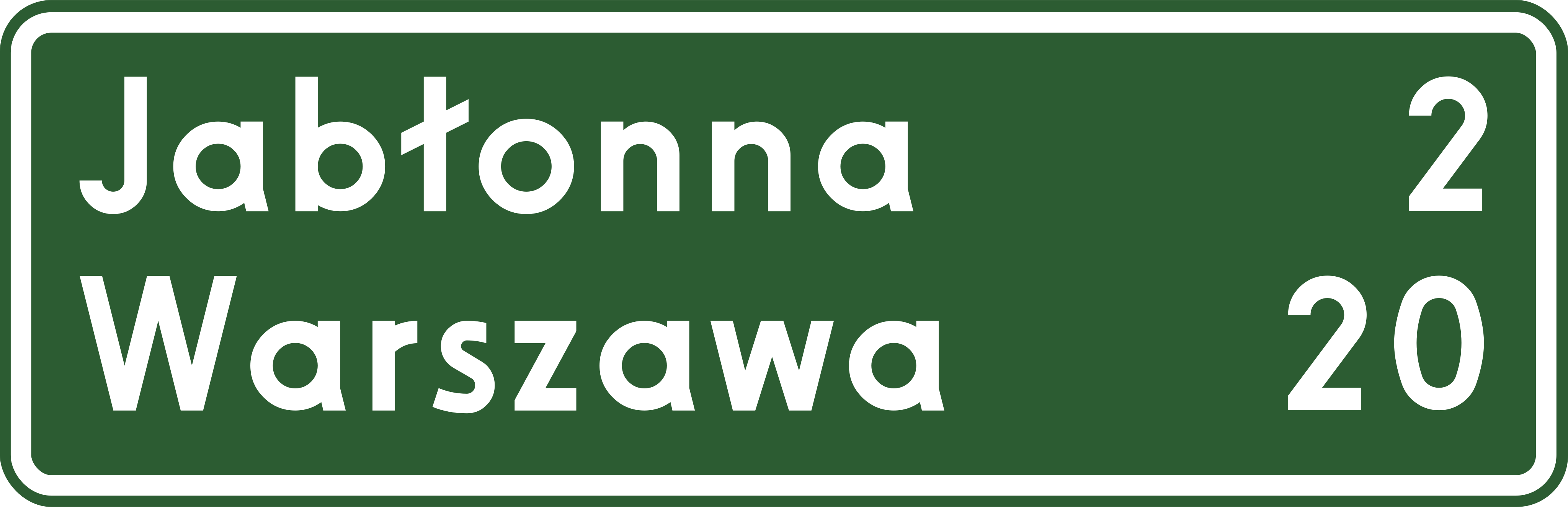
Master the E-13 Direction Board sign for clear route guidance.
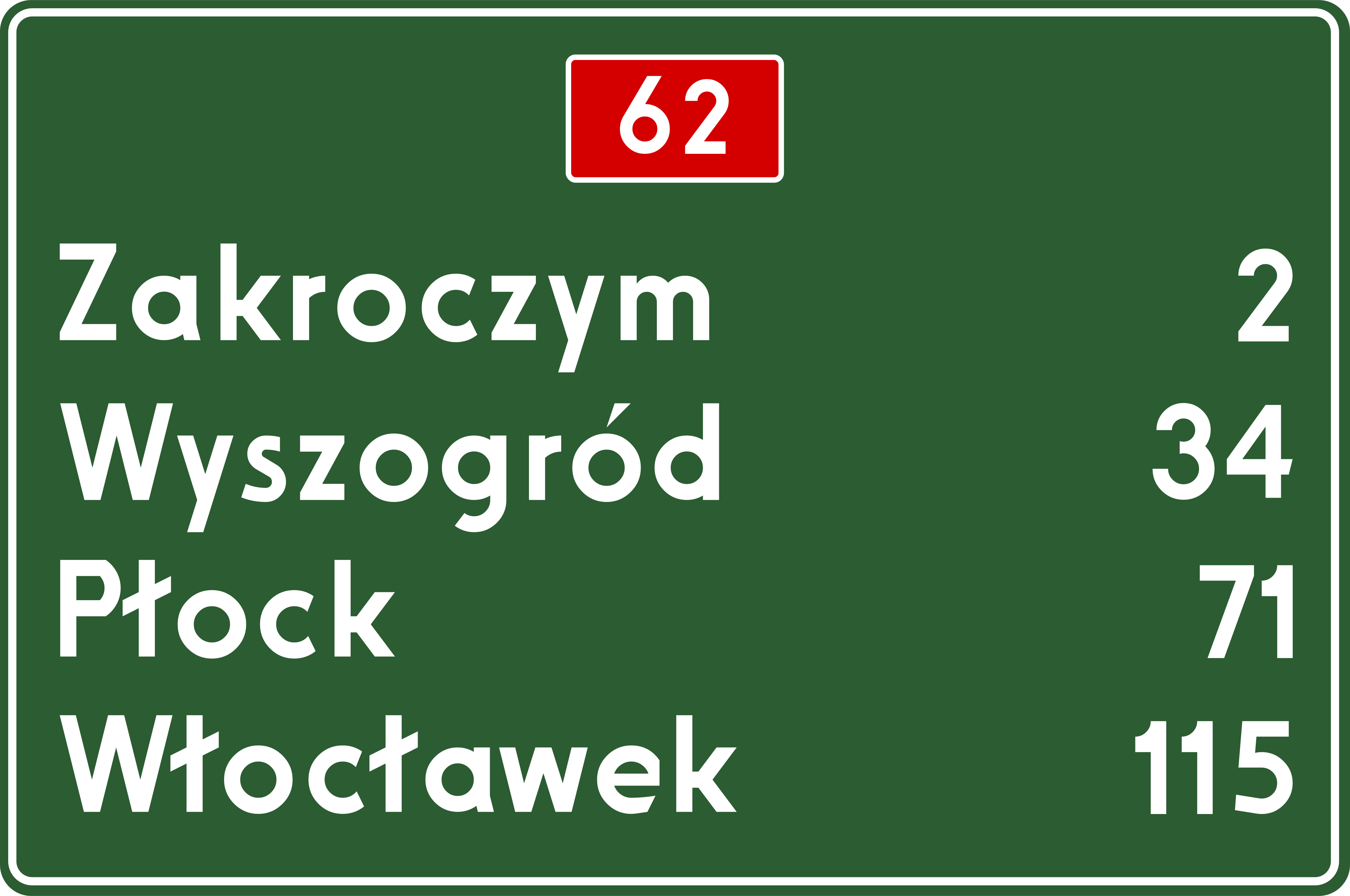
The E-14 Road Route Board confirms you're on the right path with distances to major cities.
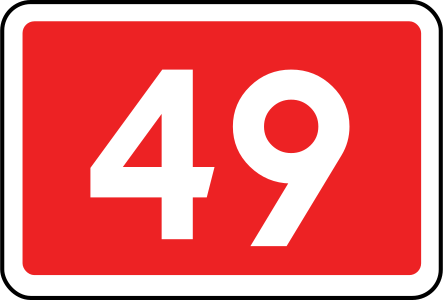
The E-15a Sign Clearly Identifies Poland's National Roads
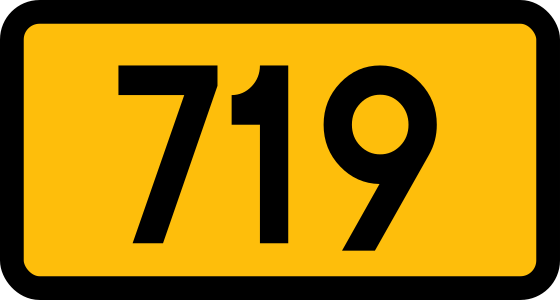
The E-15b Sign: Identifying Voivodeship (Provincial) Roads in Poland
Deepen your understanding of specific road signs by reviewing official Polish traffic rules and associated real-world driving scenarios. These expert-led resources help you bridge the gap between visual recognition and practical exam application.
Navigate Polish roads with confidence by understanding critical cyclist priority rules at junctions and crossings. This guide explains your legal obligations as a driver to yield to cyclists, a common area of confusion and potential exam pitfalls. Learn the nuances of right-of-way at intersections and designated cyclist passages to drive safely and pass your theory test.
Navigate Poland's roads safely by understanding your obligations towards vulnerable road users. This article explains the nuances of 'ustąpić pierwszeństwa' for pedestrians and cyclists, especially when they are not at designated crossings, a key area tested in the Polish driving theory exam. Learn how to anticipate their actions and ensure everyone's safety.
Master Polish Crossing Markings for a Safer Drive and Exam Success.
Master Polish Priority Signs and Navigate Intersections with Confidence
F-13 is the companion to F-12. While F-12 warns you before the turn, F-13 is often placed at the intersection or along the route to confirm that you are on the correct path for transit. It ensures that drivers of trucks or other specified vehicles stay on the bypass or designated heavy-load road until they have cleared the city or restricted area. It keeps urban traffic safer and reduces infrastructure wear on local streets.
A Traffic Zone (Strefa Ruchu) is an area encompassing at least one internal road, where entry and exit are designated by specific road signs D-52 and D-53, and where full traffic regulations apply.
After reviewing the full list of Polish road signs, explore specific sign categories for in-depth understanding. Challenge your knowledge with practice questions focused on sign recognition and interpretation to solidify your preparation for the driving theory exam.
Browse All Polish Road Signs