This lesson teaches you the critical skill of optimal lane positioning, a fundamental aspect of the Turkish motorcycle driving theory curriculum. You will learn how to place your bike correctly to remain visible to other road users and prepare for complex traffic maneuvers. Mastering these techniques is essential for your safety and success in the MTSK e-sınav.

Lesson content overview
An optimal lane position is a rider's most dynamic shield. Unlike car drivers, who are physically constrained to occupy almost the entire width of a lane, motorcycle riders have the freedom—and the responsibility—to choose where they position themselves within a single lane.
Selecting the correct lane position is not a static decision; it is a continuous, active process of adjusting to traffic, road conditions, visibility, and environmental hazards. In Turkey, where urban traffic in major metropolises like Istanbul, Ankara, and İzmir can be fast-paced and unpredictable, mastering optimal lane positioning is a core requirement for passing the Turkish motorcycle driving licence examination (A1, A2, and A categories) and riding defensively.
To understand optimal lane positioning, you must first visualize a single traffic lane divided into three equal longitudinal sections: the left third, the middle third, and the right third.
Each of these portions has distinct advantages and disadvantages depending on the riding environment:
Experienced riders do not stick to a single track. They constantly transition between these thirds to maximize their safety buffer, visibility, and road grip.
There is a common misconception, particularly among novice A1 and A2 licence applicants, that hugging the rightmost edge of the road is the safest way to ride. This practice, known as Edge Riding, is highly dangerous.
The practice of riding in the dominant, visible portion of a lane (usually the left or right wheel track, avoiding the exact oil-slicked center) rather than hugging the physical right or left edge of the roadway.
When you ride too close to the right curb or edge of the road (sağ kenar), you expose yourself to several critical hazards:
By centering yourself within the appropriate wheel track of your lane, you assert lane dominance. This communicates to other road users that you own that lane, forcing them to make a proper, full-lane change when overtaking you. It also keeps your line of sight open, allowing you to scan farther down the road for potential hazards.
Positioning your motorcycle within a curve requires balancing two competing priorities: maximizing your view around the bend and maintaining vehicle stability.
The optimal strategy is the "outside-inside-outside" approach, executed entirely within the boundaries of your own lane.
The Entry (Outside): As you approach a curve, position yourself on the outside part of the bend within your lane. For a right-hand curve, move to the left third of your lane. For a left-hand curve, move to the right third. This deepens your line of sight around the corner.
The Apex (Inside): As you enter the curve and see through to the exit, gradually lean the bike toward the inside third of your lane (the apex of your path). Do not cross the lane markings.
The Exit (Outside): As the road straightens out, let the motorcycle naturally drift back to the outside third of the lane while gently applying throttle to stabilize the suspension.
When cornering, your motorcycle leans. Remember that even if your tires are firmly planted within your lane, your head and upper body can lean over the center line or curb line if you ride too close to the lane boundaries.
On two-way Turkish highways (iki yönlü karayolları), leaning your body over the center line can result in a fatal collision with the mirror or bumper of an oncoming truck or car. Always maintain a lateral safety buffer for your lean angle.
Intersections (kavşaklar) are statistically the most dangerous locations for motorcycle riders. The most common multi-vehicle accident occurs when an oncoming vehicle turns left directly across the path of a motorcycle going straight.
To prevent these collisions, adjust your lane position as you approach an intersection:
Overtaking (sollama) requires precise lane changes to ensure that you are visible to the driver you are passing and that you have a clear escape route.
Preparation: Drop back to increase your following distance. Move to the left third of your lane. This position allows you to peer around the left side of the lead vehicle to check for oncoming traffic without actually crossing into the opposing lane yet.
Signaling and Checking: Check your mirrors and perform a head check (shoulder check) to ensure no one is already overtaking you. Signal your intent to move left.
Execution: Move completely into the overtaking lane (the left lane). Do not attempt to share the lane with the vehicle you are passing. Pass quickly but within the speed limit.
Recovery: Do not cut back in too quickly. Wait until you can see the headlights of the overtaken vehicle in your rearview mirrors. Signal right, perform a shoulder check, and smoothly return to your original lane, settling back into a dominant lane position (usually the left or right wheel track).
Under the Turkish Highway Traffic Law (Karayolları Trafik Kanunu), lane usage is strictly regulated to ensure safety and orderly traffic flow.
This section requires all vehicle operators, including motorcycle riders, to position their vehicles within their designated lanes in a manner that ensures clear visibility and predictability. Continuous lane splitting, riding on lane divider lines, or weaving erratically between lanes without signaling violates this code.
This regulation dictates the parameters for lane usage on multi-lane highways.
Optimal lane positioning is highly situational. External factors will require you to modify your default positions.
During rain or fog, road conditions deteriorate rapidly.
At night, your headlight is your primary tool for seeing and being seen.
When sharing the road with cyclists, pedestrians, or agricultural vehicles (common on Turkish rural highways):
Understanding the immediate consequences of your positioning decisions helps build the split-second decision-making skills needed on the road.
| Action / Position | Immediate Effect | Long-term Consequence |
|---|---|---|
| Riding in the Left Wheel Track | Places you in the driver’s side mirror of the vehicle ahead. | Reduces the risk of the lead vehicle abruptly lane-changing into you. |
| Hugging the Right Curb / Edge | Removes you from the natural scanning path of turning drivers. | Drastically increases the likelihood of an intersection collision. |
| Cornering too close to the center line | Puts your upper body into the oncoming lane during a lean. | High risk of head-on collision with passing oncoming traffic. |
| Staying out of the "Grease Strip" (Center) | Avoids contact with accumulated oil, coolant, and road grime. | Preserves maximum tire traction during braking and cornering. |
When preparing for your Turkish driving theory exam, keep these golden rules of lane positioning memorised:
Explore all units and lessons included in this driving theory course.
Lesson content overview
Explore all units and lessons included in this driving theory course.
Explore search topics learners often look for when studying Optimal Lane Positioning. These topics reflect common questions about road rules, driving situations, safety guidance, and lesson level theory preparation for learners in Turkey.
Browse additional driving theory lessons that cover connected traffic rules, road signs, and common driving situations related to this topic. Improve your understanding of how different rules interact across everyday traffic scenarios.
Learn how to proactively manage risks on the road by anticipating driver behavior and maintaining safety buffers. This guide explores the principles of defensive driving according to Turkish traffic regulations, helping you recognize hazards and make informed decisions to ensure your safety in various traffic environments.

In this lesson, learners will discover the principles of defensive riding, focusing on hazard anticipation, maintaining safe distances, and practicing proactive avoidance techniques. It emphasizes developing a vigilant riding posture, constantly scanning the environment, and preparing to react to potential dangers from other road users, road conditions, or unexpected traffic events.
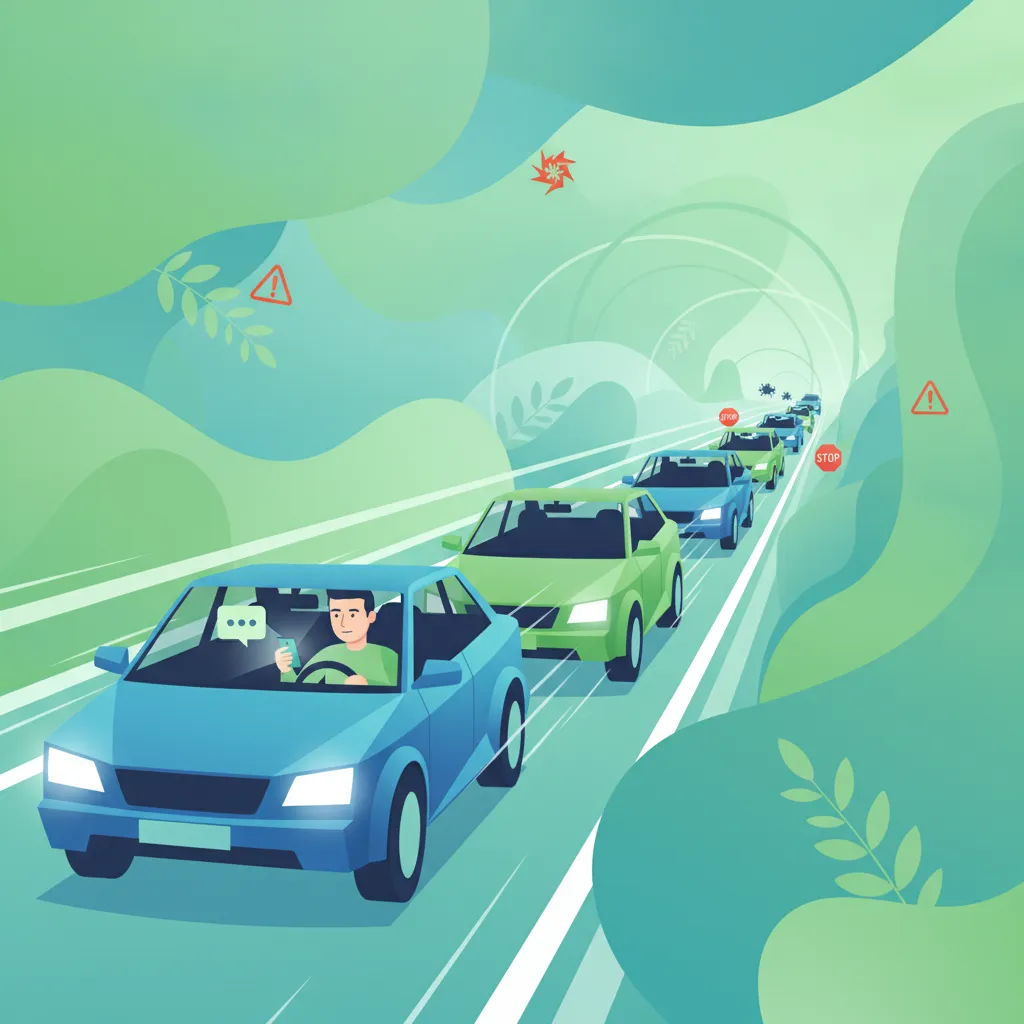
In this lesson, learners will explore the various forms of risk behaviour that can lead to accidents, such as aggressive riding, speeding, riding under the influence of alcohol or drugs, driving while fatigued, and being distracted. The lesson emphasizes the importance of self-awareness, recognizing personal limits, and adopting a safety-first mindset to mitigate these risks and make safe decisions.

Defensive riding is the practice of anticipating potential road conflicts and acting early to prevent accidents before they occur. This lesson teaches you how to systematically scan the road ahead for changing conditions, keep an adequate safety cushion around your moped, and pre-plan exit routes in tight spots. You will learn to assume you are invisible to other drivers and adapt your speed and road position proactively to protect yourself against sudden maneuvers.

In this lesson, learners will explore the core obligations of a motorcyclist, emphasizing the necessity of adhering to traffic laws and maintaining respectful conduct toward all road participants. The discussion will focus on the principles of defensive riding, where anticipation of hazards and courteous behavior are paramount. Ethical decision-making will be highlighted as a key factor in preventing accidents and fostering a positive traffic environment.
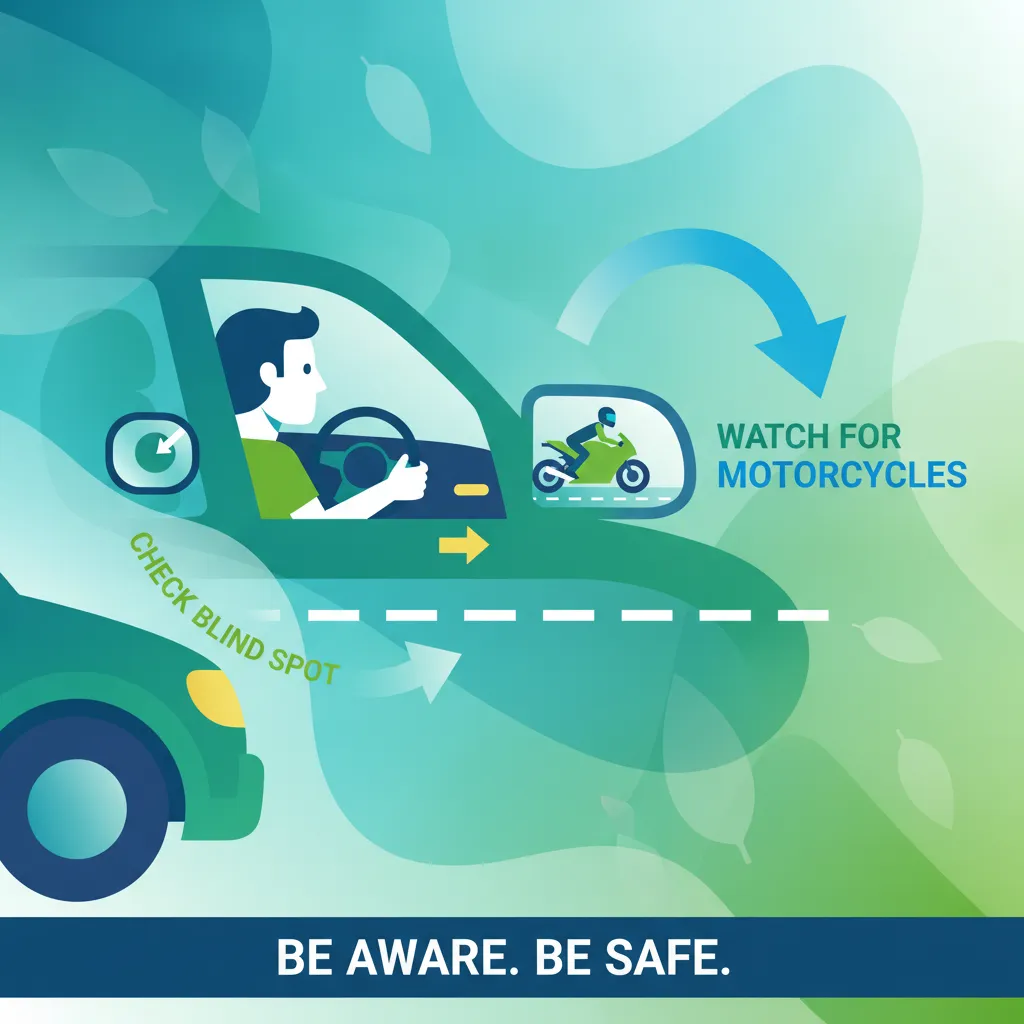
Learners will gain insight into the unique challenges posed by motorcycles and scooters sharing the road with passenger vehicles. The lesson highlights the importance of checking blind spots, maintaining safe following distances, and being aware of the faster acceleration and maneuverability of two-wheeled vehicles. Strategies for anticipating their movements and preventing collisions are discussed.
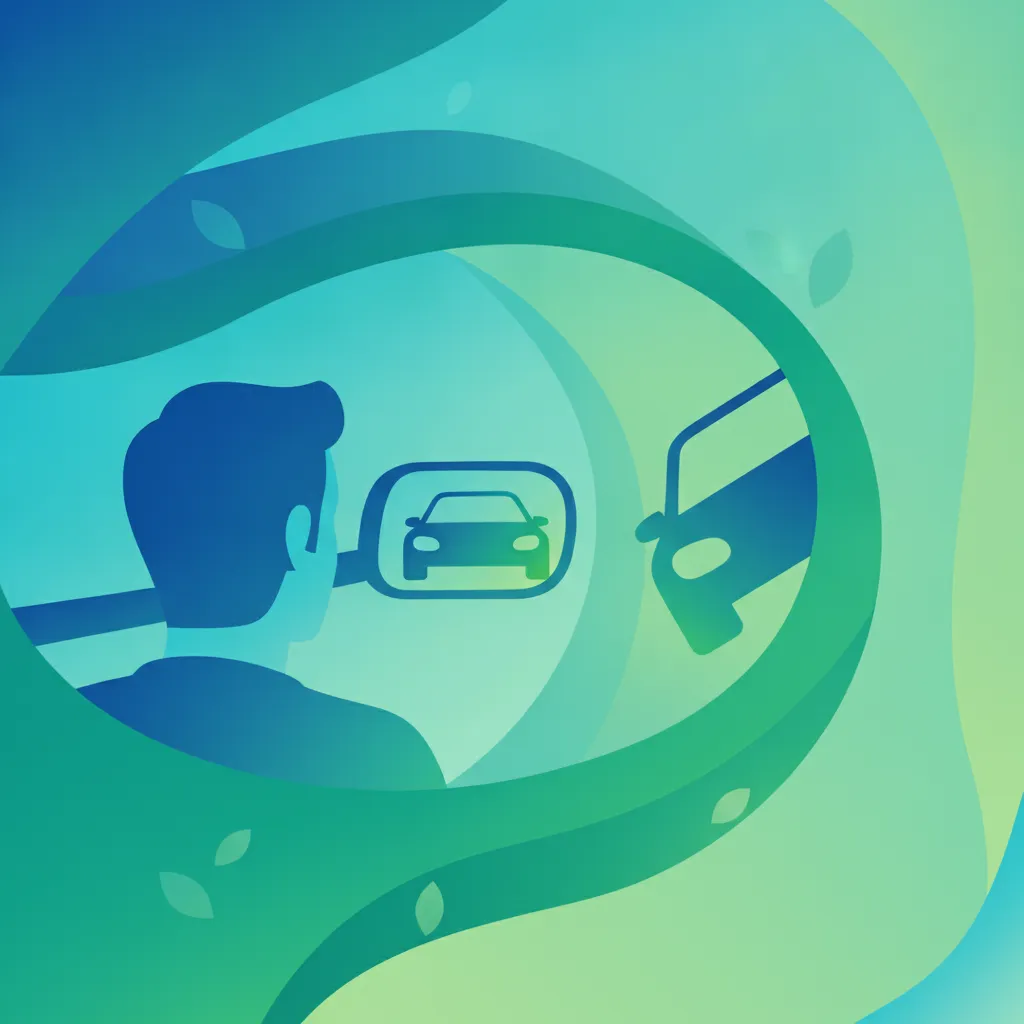
This lesson highlights the critical nature of blind spots for motorcyclists, teaching strategies to recognize and mitigate these hidden areas. Learners will practice techniques for checking blind spots before lane changes and overtaking, ensuring they are fully aware of surrounding traffic. The lesson emphasizes how proper mirroring and head checks can significantly reduce the risk of collisions.
This lesson delves into the heightened risk profile of motorcyclists, explaining why injuries are more severe compared to other vehicles due to exposure and lack of structural protection. The content examines common injury patterns in crashes, the role of helmets and protective gear in mitigating harm, and the importance of rider awareness of these risks. By understanding the dynamics of motorcycle accidents, learners will recognize the critical need for safety practices.

In this lesson, learners will gain comprehensive knowledge of safe overtaking maneuvers during riding, emphasizing the importance of assessing traffic flow, checking blind spots, and signaling intentions. The content covers overtaking strategies on both straight roads and curves, considering visibility and speed differentials. By mastering these techniques, motorcyclists can execute overtaking safely.
Human error and deliberate risk-taking represent the leading causes of traffic collisions among novice moped riders. This lesson analyzes the high dangers of using mobile phones while riding, weaving unsafely between lanes, and tailgating other motorists. It also covers the severe legal limits on alcohol and drug consumption under Turkish law, explaining how even minor impairments can drastically slower your hazard response times and lead to catastrophic accidents.

In this lesson, learners will explore the challenges presented by various weather conditions, such as rain, wind, fog, and temperature extremes, and how they affect motorcycle handling and safety. Topics covered include adjusting riding techniques for reduced traction, maintaining visibility in low-light or foggy conditions, and managing physical wind effects. The lesson emphasizes adjusting speed and braking.
Understand the specific techniques for approaching and crossing intersections safely on a motorcycle. This lesson covers road positioning, signaling, and priority rules as applied in Turkey to help you navigate junctions and roundabouts predictably while maximizing your visibility to other road users.
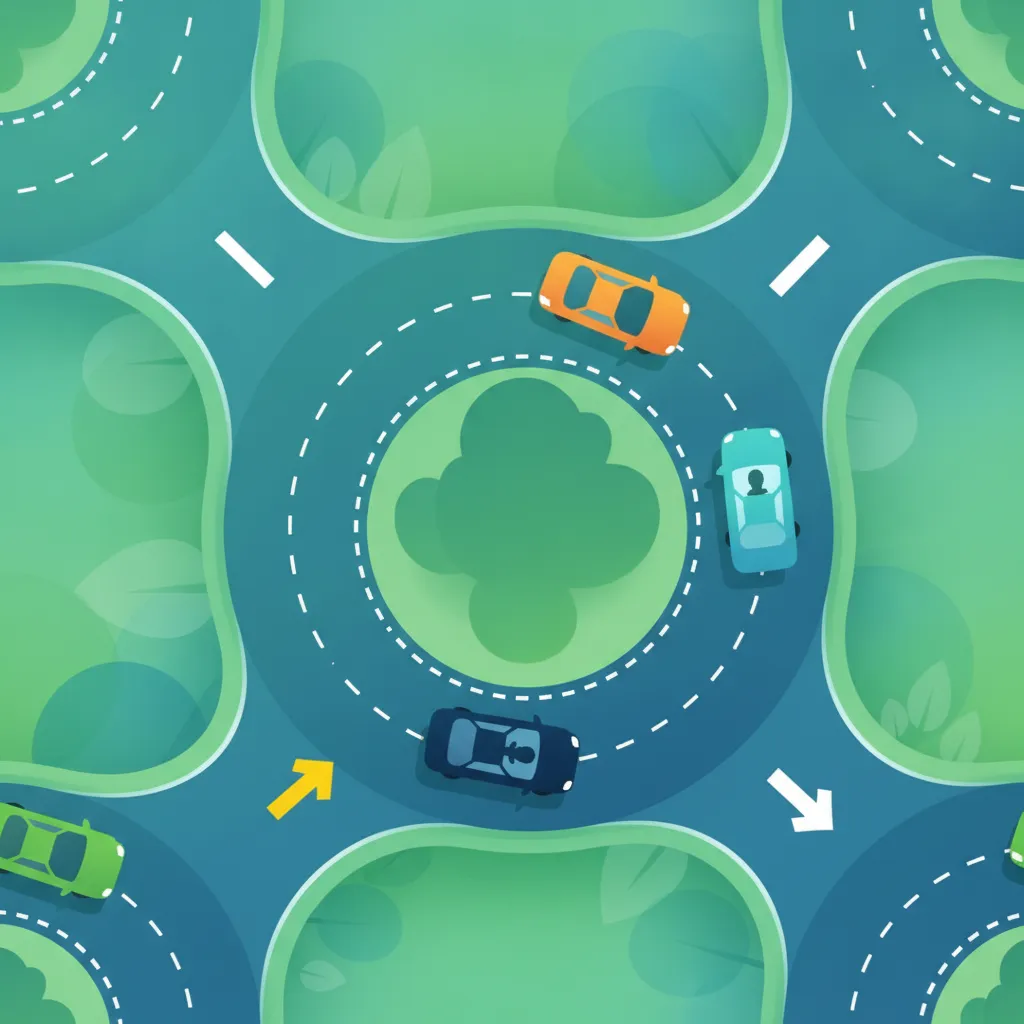
This lesson delves into the specific challenges and procedures associated with navigating roundabouts on a motorcycle. It outlines the importance of approaching at a safe speed, selecting the correct lane, and yielding to vehicles already within the roundabout. The content also covers the proper use of signals when exiting and emphasizes the need for heightened awareness of blind spots, especially when larger vehicles are present.
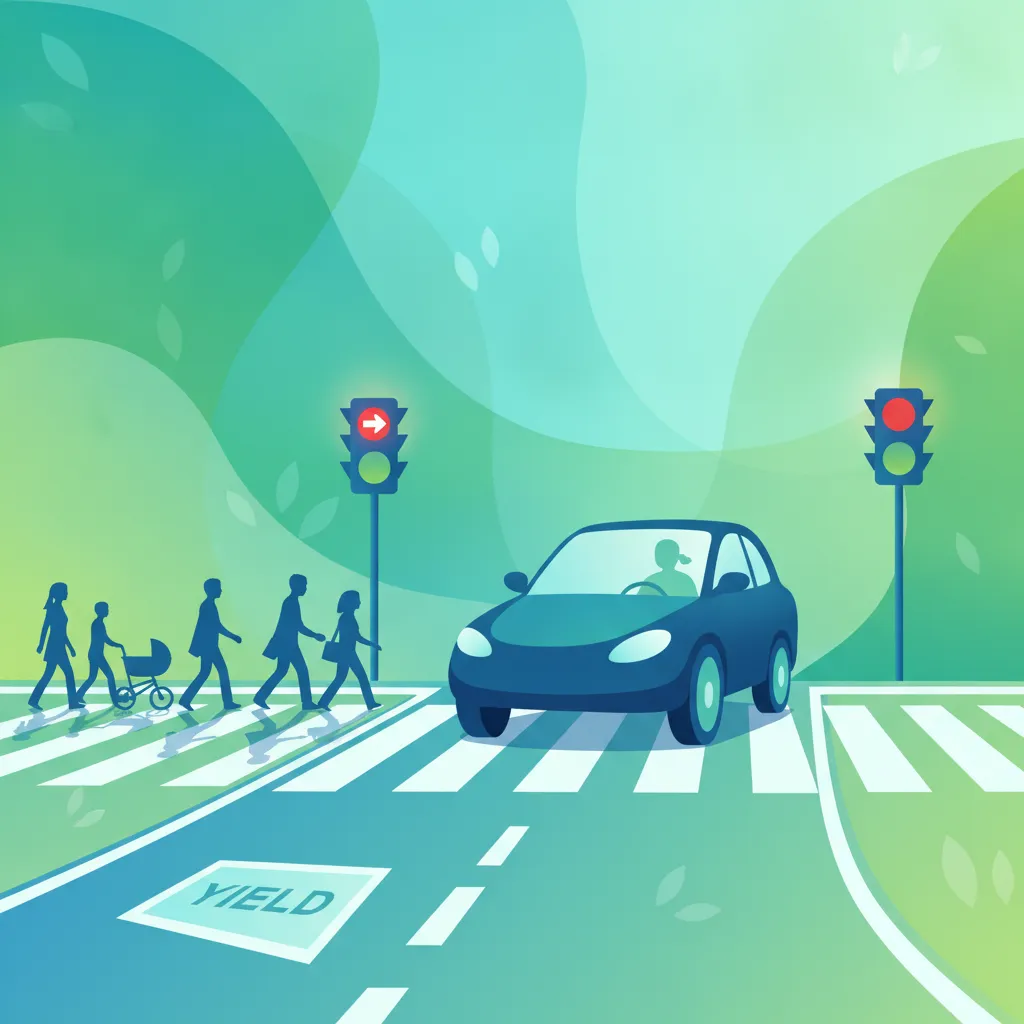
In this lesson, learners will master the skills required to safely navigate various types of intersections encountered in Turkish urban settings. The content covers interpreting traffic signals, understanding right-of-way rules, and executing proper lane positioning. Practical strategies for managing blind spots and ensuring visibility to other road users are emphasized. By the end of this session, participants will be equipped with safe crossing techniques.
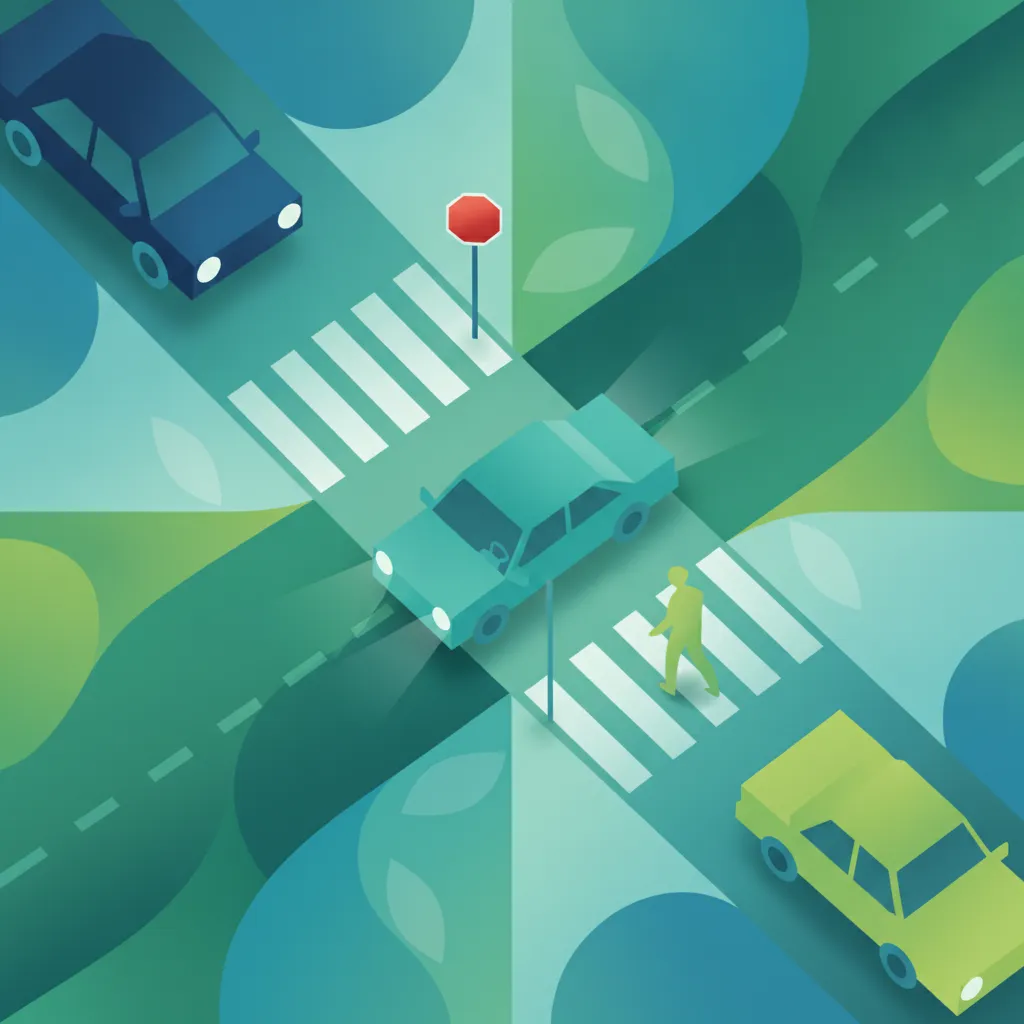
Intersections represent the highest-risk zones for moped riders due to crossing traffic paths and poor visibility. This lesson teaches you the structured approach method: slowing down, selecting the correct lane early, scanning in all directions, and yielding according to priority laws. You will learn safe techniques for executing left and right turns, maintaining stability, and continuously looking out for oncoming vehicles that might fail to yield or turn unexpectedly across your path.
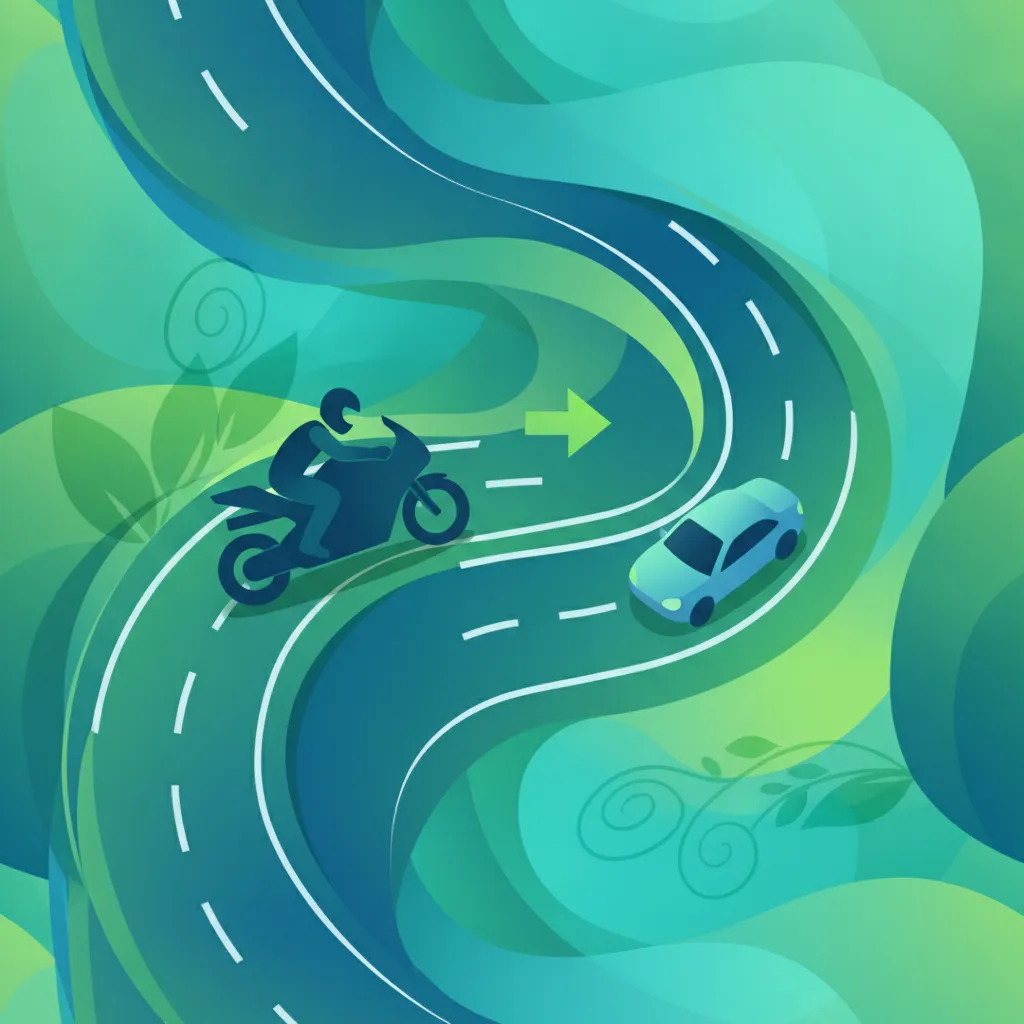
Roundabouts require a clear understanding of yield regulations and precise signaling to avoid conflicts with larger vehicles. This lesson details the legal requirements under Turkish road rules, which demand that entering vehicles yield to traffic already circulating inside the roundabout. You will learn how to select the appropriate lane upon entry, maintain a steady speed, signal your exit intentions clearly with your indicators, and remain alert to drivers who cut across lanes.
Find clear answers to common questions learners have about Optimal Lane Positioning. Learn how the lesson is structured, which driving theory objectives it supports, and how it fits into the overall learning path of units and curriculum progression in Turkey. These explanations help you understand key concepts, lesson flow, and exam focused study goals.
In the Turkish theory exam, you are tested on your ability to predict hazards. Proper lane positioning allows you to see further ahead, remain visible to others, and provide yourself with an escape route, all of which are key components of defensive riding.
Not necessarily. While the center is often good, you must adjust your position within the lane based on the situation, such as moving to the side to see around a vehicle, avoiding road surface debris, or improving your angle for a curve.
By positioning yourself where you are clearly visible in the side mirrors of vehicles ahead, you avoid 'hidden' spots. This prevents other drivers from making sudden lane changes that could lead to a collision.
While the theory exam is written, the scenarios presented assume you follow the 'safety-first' principles. Choosing a lane position that increases risk is considered a failure to understand traffic etiquette and safety requirements under Turkish legislation.
Use our comprehensive practice search to find exactly the Turkish driving theory questions you need to master. Whether reviewing specific road signs, traffic rules, or first aid scenarios, select your perfect practice set and boost your confidence for the official ehliyet sınavı.