
This lesson guides you through the critical skills required to overtake safely while riding a motorcycle in Turkey. As part of our comprehensive motorcycle theory curriculum, you will learn to manage your road position, assess traffic flow, and make decisive, safe manoeuvres. Understanding these practices is essential for your safety and for answering key hazard awareness questions on your motorcycle licence exam.

Lesson content overview
In motorcycle riding, overtaking is a critical maneuver that requires high-level cognitive assessment, precise physical execution, and strict adherence to traffic laws. For riders preparing for their Turkish motorcycle driving licence examination (covering A1, A2, and A categories), mastering safe overtaking (öndeki aracı geçme) is not just a requirement to pass the theory exam; it is a fundamental defensive riding skill.
This lesson covers the principles of safe overtaking under the Turkish Highway Traffic Law (Karayolları Trafik Kanunu). It builds directly upon your knowledge of optimal lane positioning and blind spot management, providing you with a complete framework to plan, execute, and complete overtaking maneuvers safely.
Overtaking is defined as the act of passing another vehicle traveling in the same direction by temporarily moving into an adjacent lane (or the oncoming lane on two-way roads) and returning to the original lane. Because motorcycles are smaller and more agile than cars, riders are often tempted to squeeze through tight gaps or execute hasty passes. However, improper overtaking is one of the leading causes of severe motorcycle accidents in Turkey.
To perform a safe overtake, a rider must understand the physics of relative speed and human perception:
Executing a safe overtake is a systematic process. It can be broken down into three distinct phases: Preparation, Execution, and Completion.
Maintain a safe following distance (at least a two-second gap) behind the lead vehicle to keep your field of vision wide. Assess the traffic flow ahead, checking for oncoming vehicles, road markings, intersections, and physical hazards.
Check your rear-view mirrors to ensure no vehicle behind you has started overtaking you. Perform a mandatory head-turn or shoulder check (omuz üstü bakış) to clear your physical blind spots on the side you intend to pass.
Activate your turn indicator at least 3 to 5 seconds before changing lanes. This communicates your intention clearly to vehicles behind and ahead. Move smoothly into the overtaking lane, positioning yourself to maximize visibility.
Accelerate decisively to achieve an appropriate speed differential. Pass the vehicle while maintaining a minimum lateral (side) clearance of at least 1 meter. Do not linger in the vehicle's blind spots.
Do not cut back into your original lane immediately. Wait until you can see the entire front of the overtaken vehicle in your rear-view mirrors. Signal your return, perform a quick shoulder check to the right, and merge back smoothly. Deactivate your indicator.
The Mirror Rule for Returning: Returning to your lane too early is a common cause of side-swipe accidents. As a rule of thumb, only return to your lane when the vehicle you have passed is fully visible in your rearview mirrors, ensuring you have left a safe longitudinal gap.
Under the Turkish Highway Traffic Law (Karayolları Trafik Kanunu), overtaking is highly regulated. Violating these rules is a primary cause of automatic failure on the practical riding exam and carries heavy traffic fines and penalty points.
Overtaking is strictly prohibited across solid single or solid double longitudinal lines (kesintisiz yol çizgileri). These markings are placed on sections of road where visibility is compromised, or road design makes passing inherently dangerous. You may only cross road markings to overtake if there is a broken (dashed) line on your side of the lane.
Even in the absence of explicit "No Overtaking" signs or solid road markings, Turkish traffic law strictly prohibits overtaking in the following areas:
Passing on the Right: In Turkey, traffic flows on the right side of the road. Overtaking on the right side of a vehicle is strictly prohibited. The only legal exceptions are when the vehicle ahead is explicitly signaling and preparing to make a left turn, or when passing trams operating in the middle of the street.
Safe overtaking requires the rider to adapt their strategy to environmental hazards, road types, and the characteristics of surrounding vehicles.
When riding in rain, fog, snow, or high winds, your overtaking margins must expand significantly:
Passing semi-trucks, lorries, or large buses presents unique physical challenges for motorcyclists:
When overtaking cyclists, pedestrians, or agricultural vehicles (such as tractors, which are highly common on rural Turkish roads):
Understanding what not to do is just as important as knowing the correct procedure. Below are the most common dangerous practices observed on Turkish highways:
Attempting to overtake a vehicle when your speed is only 2 to 3 km/h faster than theirs. This prolongs your exposure to oncoming traffic and adjacent blind spots. If you cannot safely exceed the target vehicle's speed without breaking the legal speed limit, abort the maneuver.
Activating your indicator as you turn the handlebars, or not signaling at least several seconds prior, deprives other drivers of the time needed to react. This can cause the vehicle ahead to turn left into you as you attempt to pass.
Squeezing between two lanes of moving traffic or passing between a vehicle and the guardrail is highly illegal and hazardous. A vehicle moving slightly within its lane can instantly crush a motorcycle.
Attempting to pass a long queue of cars on a two-lane road is an extreme risk. You may find yourself trapped in the oncoming lane with no gap to merge back into if an oncoming vehicle appears suddenly.
To build a defensive mindset, you must link actions directly to physical consequences:
[Proper Signal + Shoulder Check] ──> Driver awareness & clear blind spots ──> Smooth, collision-free pass
[No Signal / No Shoulder Check] ──> Collision with overtaking vehicle behind ──> High-speed side-swipe crash
[Low Speed Differential] ────────> Extended time in oncoming lane ─────────> Head-on collision risk
[Insufficient Lateral Gap] ─────> Aerodynamic turbulence / vehicle sway ───> Loss of control & fall
Safe motorcycle overtaking requires systematic preparation, execution, and completion phases that prioritize visibility and legal compliance. Before passing, riders must assess speed differentials and road geometry while maintaining a two-second following distance, then perform both mirror checks and a physical shoulder check to clear blind spots. Turkish traffic law strictly prohibits overtaking across solid lines and in restricted zones such as intersections, bridges, tunnels, curves, hillcrests, and level crossings, with passing on the right side also forbidden except in specific exceptions. Riders must maintain at least 1 meter lateral clearance from cars and 1.5 meters from larger vehicles, while environmental factors like wet weather demand significantly expanded margins due to reduced traction and extended braking distances. The mirror rule for returning—waiting until the passed vehicle is fully visible in rearview mirrors—is critical to avoid side-swipe accidents.
A short set of high-value points that capture the most important learning from this lesson.
Assess traffic flow, speed differentials, and road geometry before initiating any overtaking maneuver
Execute a complete 360-degree safety check including mirrors and mandatory shoulder check (omuz üstü bakış) before changing lanes
Never overtake across solid double lines or in prohibited zones including intersections, bridges, tunnels, curves, and crossings
Maintain minimum lateral clearance of 1 meter from cars and 1.5 meters from trucks, buses, and cyclists when passing
Adapt safety margins to conditions—double braking distance in wet weather and increase clearance around large vehicles due to aerodynamic turbulence
Explore all units and lessons included in this driving theory course.
Activate turn indicators 3 to 5 seconds before lane change to communicate your intention to other road users
Return to your lane only when the entire front of the overtaken vehicle is visible in your rearview mirrors
In Turkey, overtaking on the right is prohibited except when the vehicle ahead is signaling left or when passing trams
Adverse weather conditions nearly double your braking distance and reduce traction—expand all margins accordingly
Speed differential determines exposure time: if you cannot exceed the target vehicle's speed legally, abort the maneuver
Attempting overtakes with insufficient speed differential (only 2–3 km/h difference), which prolongs exposure to oncoming traffic
Activating indicators too late or not at all, depriving other drivers of reaction time
Squeezing between lanes or passing between vehicles and guardrails—highly illegal and extremely hazardous
Overtaking multiple vehicles at once on two-lane roads, risking entrapment in the oncoming lane
Returning to the original lane prematurely before the passed vehicle is fully visible in mirrors, causing side-swipe collisions
Lesson content overview
A short set of high-value points that capture the most important learning from this lesson.
Assess traffic flow, speed differentials, and road geometry before initiating any overtaking maneuver
Execute a complete 360-degree safety check including mirrors and mandatory shoulder check (omuz üstü bakış) before changing lanes
Never overtake across solid double lines or in prohibited zones including intersections, bridges, tunnels, curves, and crossings
Maintain minimum lateral clearance of 1 meter from cars and 1.5 meters from trucks, buses, and cyclists when passing
Adapt safety margins to conditions—double braking distance in wet weather and increase clearance around large vehicles due to aerodynamic turbulence
Explore all units and lessons included in this driving theory course.
Activate turn indicators 3 to 5 seconds before lane change to communicate your intention to other road users
Return to your lane only when the entire front of the overtaken vehicle is visible in your rearview mirrors
In Turkey, overtaking on the right is prohibited except when the vehicle ahead is signaling left or when passing trams
Adverse weather conditions nearly double your braking distance and reduce traction—expand all margins accordingly
Speed differential determines exposure time: if you cannot exceed the target vehicle's speed legally, abort the maneuver
Attempting overtakes with insufficient speed differential (only 2–3 km/h difference), which prolongs exposure to oncoming traffic
Activating indicators too late or not at all, depriving other drivers of reaction time
Squeezing between lanes or passing between vehicles and guardrails—highly illegal and extremely hazardous
Overtaking multiple vehicles at once on two-lane roads, risking entrapment in the oncoming lane
Returning to the original lane prematurely before the passed vehicle is fully visible in mirrors, causing side-swipe collisions
Explore search topics learners often look for when studying Safe Overtaking Practices. These topics reflect common questions about road rules, driving situations, safety guidance, and lesson level theory preparation for learners in Turkey.
Browse additional driving theory lessons that cover connected traffic rules, road signs, and common driving situations related to this topic. Improve your understanding of how different rules interact across everyday traffic scenarios.
Understand how to identify traffic hazards and implement defensive riding techniques to minimize risk on Turkish roads. This lesson explores the core principles of proactive riding, covering situational awareness, hazard perception, and how to stay safe in complex urban traffic environments while adhering to national traffic regulations.
In this lesson, learners will discover the principles of defensive riding, focusing on hazard anticipation, maintaining safe distances, and practicing proactive avoidance techniques. It emphasizes developing a vigilant riding posture, constantly scanning the environment, and preparing to react to potential dangers from other road users, road conditions, or unexpected traffic events.

Defensive riding is the practice of anticipating potential road conflicts and acting early to prevent accidents before they occur. This lesson teaches you how to systematically scan the road ahead for changing conditions, keep an adequate safety cushion around your moped, and pre-plan exit routes in tight spots. You will learn to assume you are invisible to other drivers and adapt your speed and road position proactively to protect yourself against sudden maneuvers.
In this lesson, learners will explore the various forms of risk behaviour that can lead to accidents, such as aggressive riding, speeding, riding under the influence of alcohol or drugs, driving while fatigued, and being distracted. The lesson emphasizes the importance of self-awareness, recognizing personal limits, and adopting a safety-first mindset to mitigate these risks and make safe decisions.
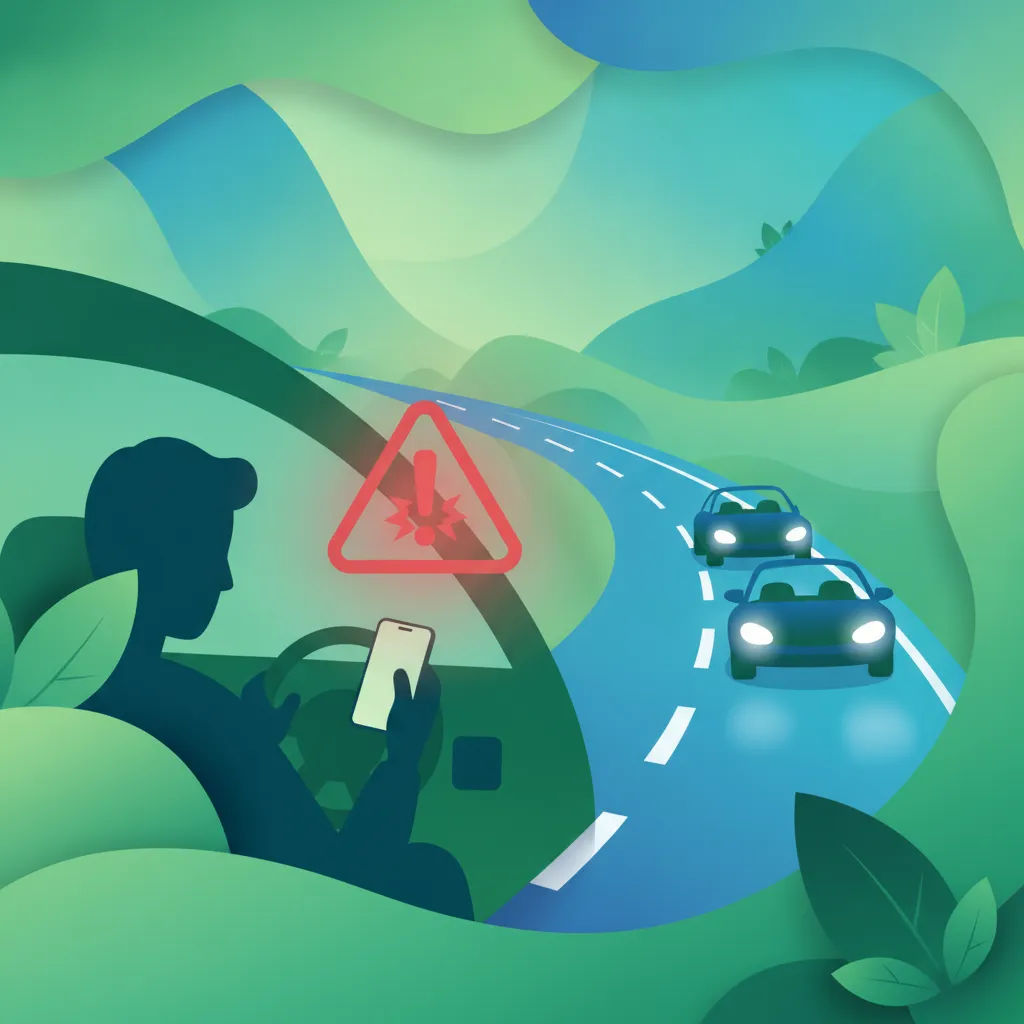
Human error and deliberate risk-taking represent the leading causes of traffic collisions among novice moped riders. This lesson analyzes the high dangers of using mobile phones while riding, weaving unsafely between lanes, and tailgating other motorists. It also covers the severe legal limits on alcohol and drug consumption under Turkish law, explaining how even minor impairments can drastically slower your hazard response times and lead to catastrophic accidents.
In this lesson, learners explore the unique challenges and safety considerations related to motorcyclists and scooter riders. Topics include the importance of visibility, the use of protective gear, and the need for drivers to be aware of blind spots. The lesson also covers lane discipline for two-wheeled vehicles and safe overtaking practices.
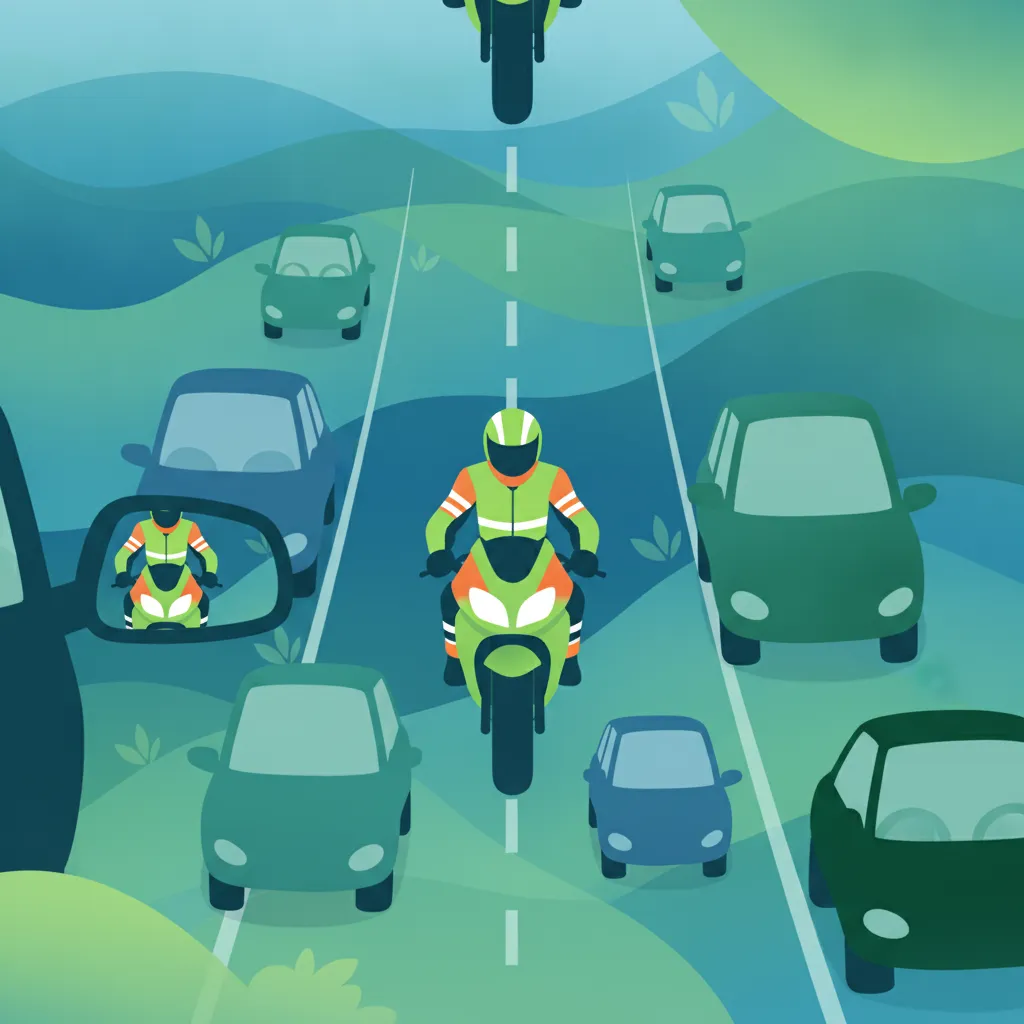
This lesson emphasizes the importance of rider visibility, illustrating how high-visibility clothing and reflective accessories can significantly reduce the risk of collisions. Learners will discover effective strategies for being noticed by other road users, such as using bright colors, reflective strips, and appropriate lighting, especially during adverse weather or nighttime riding. The content also outlines best practices for maintenance.
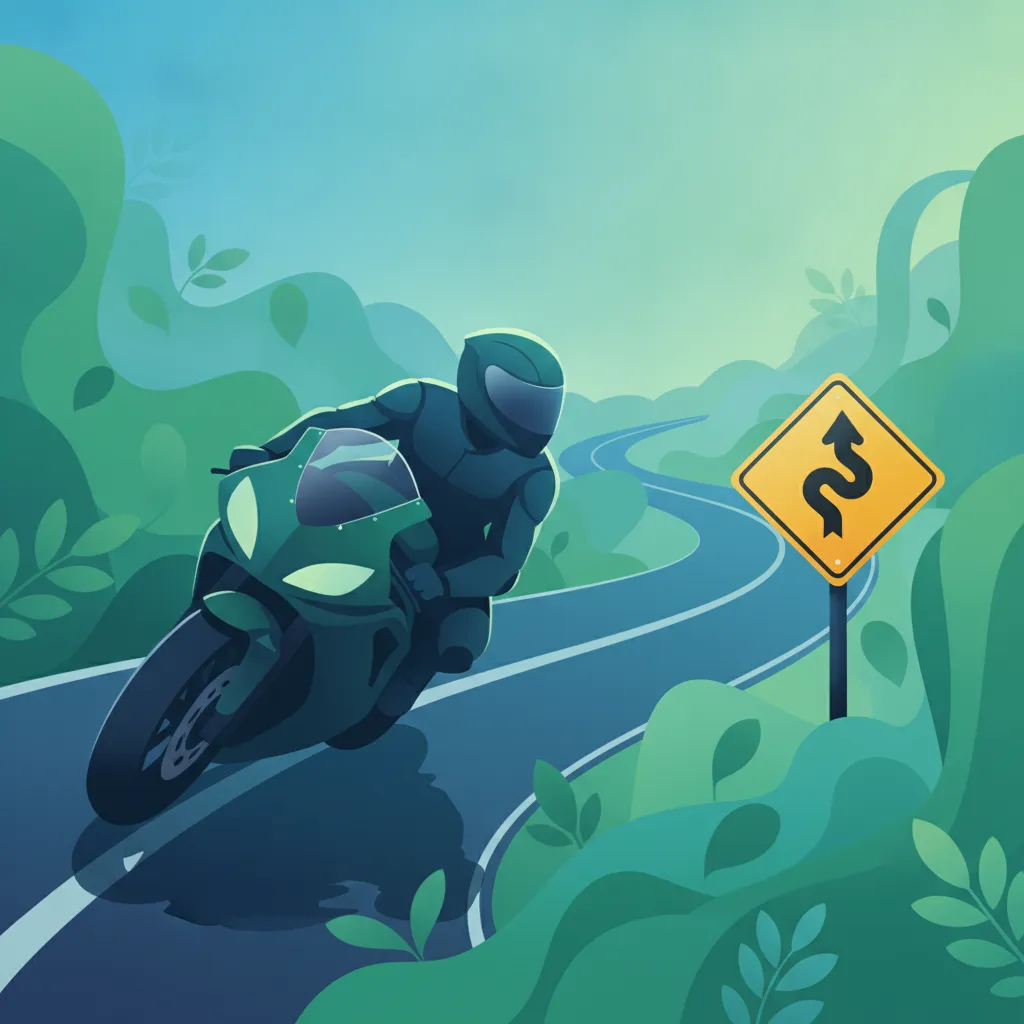
Warning signs alert road users to impending physical conditions, dangers, or layout alterations that require immediate driver attention and speed adjustment. This lesson focuses on indicators of sharp bends, narrowing paths, slippery road surfaces, upcoming pedestrian crosswalks, and school warning zones. You will study how to interpret these yellow-and-red triangular signs to safely modify your approach speed and gear your attention toward potential hazards unique to lightweight mopeds.
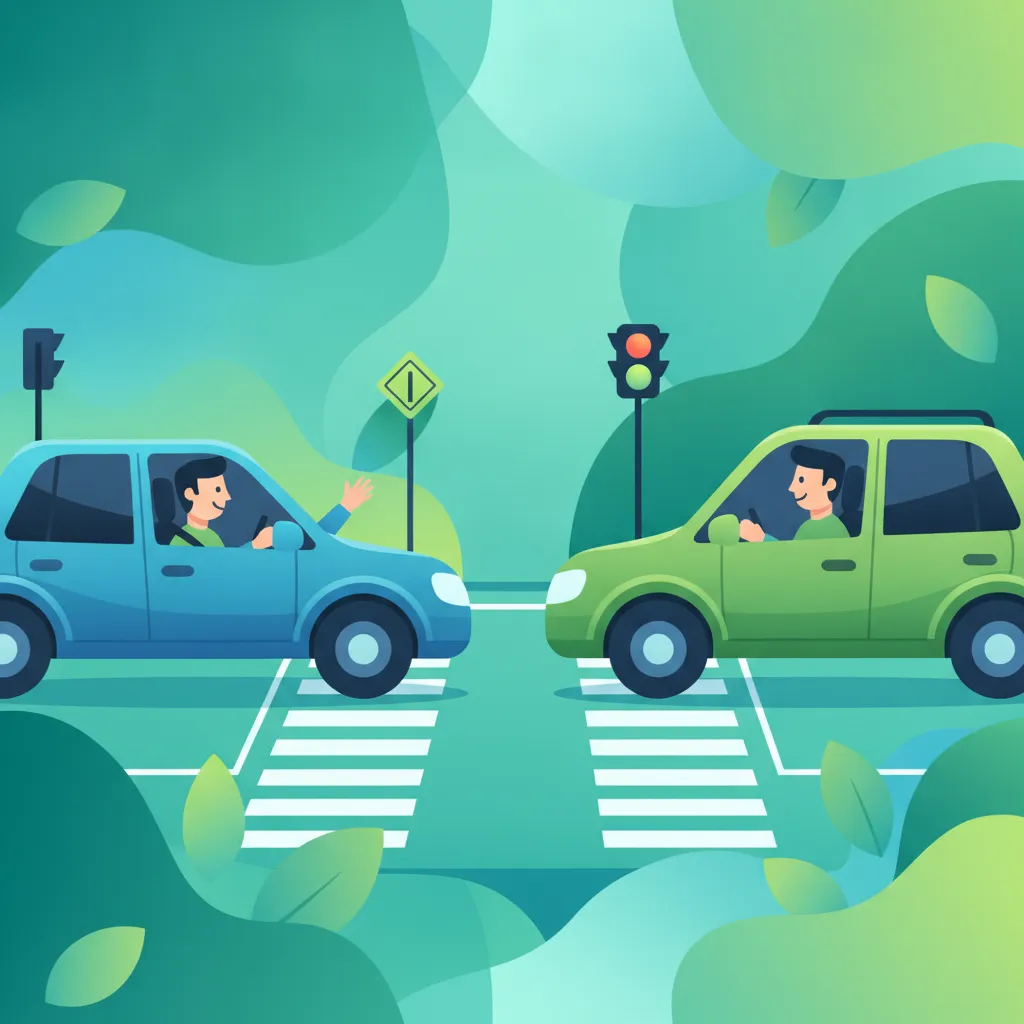
Riding an exposed lightweight vehicle in busy Turkish cities requires exceptional personal conduct, patience, and absolute control over your emotional reactions. This lesson discusses the psychological aspects of riding, teaching you how to avoid aggressive behaviors and stay calm under stressful traffic situations. It covers proper non-verbal communication, polite road sharing practices, and maintaining safe buffers from other motorists to establish a safe, predictable presence on any public street.

This lesson addresses the specific challenges of riding a motorcycle after dark, focusing on the importance of proper headlamp usage, reflective clothing, and heightened situational awareness. It provides guidance on how to remain visible to other road users, how to read road markings and signs under low-light conditions, and techniques for managing glare and fatigue during extended night rides.
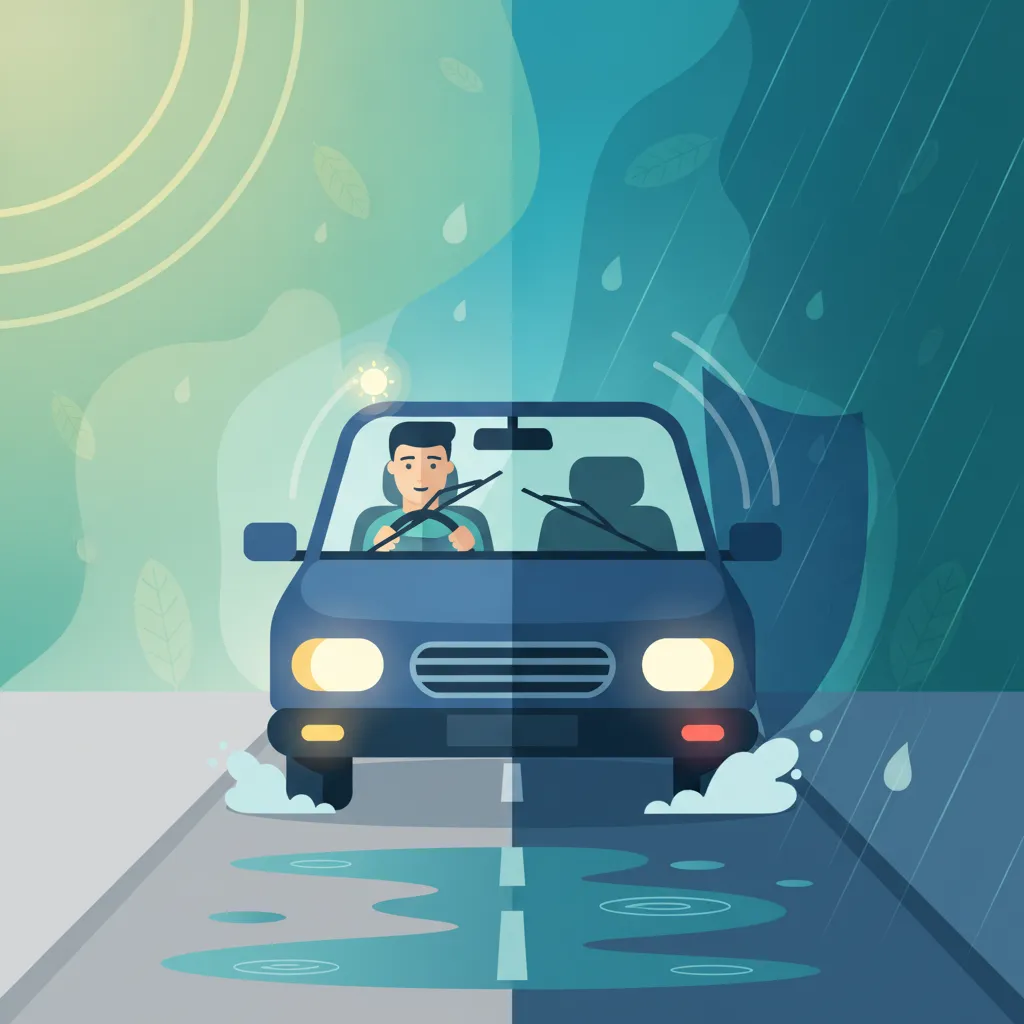
In this lesson, learners will explore the challenges presented by various weather conditions, such as rain, wind, fog, and temperature extremes, and how they affect motorcycle handling and safety. Topics covered include adjusting riding techniques for reduced traction, maintaining visibility in low-light or foggy conditions, and managing physical wind effects. The lesson emphasizes adjusting speed and braking.
Learn the theory behind maintaining optimal lane positioning to maximize visibility and create a safety buffer around your motorcycle. This guide covers the relationship between lane placement, blind spot management, and creating adequate space from other vehicles during routine riding and high-speed maneuvers on Turkish highways.

In this lesson, learners will discover the principles of optimal lane positioning that enhance both rider visibility and predictability to other road users. The content focuses on selecting the correct lane within various traffic scenarios, such as approaching intersections, navigating curves, and during overtaking. By maintaining appropriate lane placement, riders can minimize blind spots and improve reaction times.

Proper road positioning is your primary shield against being squeezed, sideswiped, or overlooked by larger motor vehicles in daily traffic. This lesson explains how to ride in the center or slightly off-center of your lane to prevent unsafe overtaking within the same lane. You will study how to identify the massive blind spots of buses and trucks, maintain appropriate following distances, and execute overtaking maneuvers with maximum safety margin and clear signal warning.
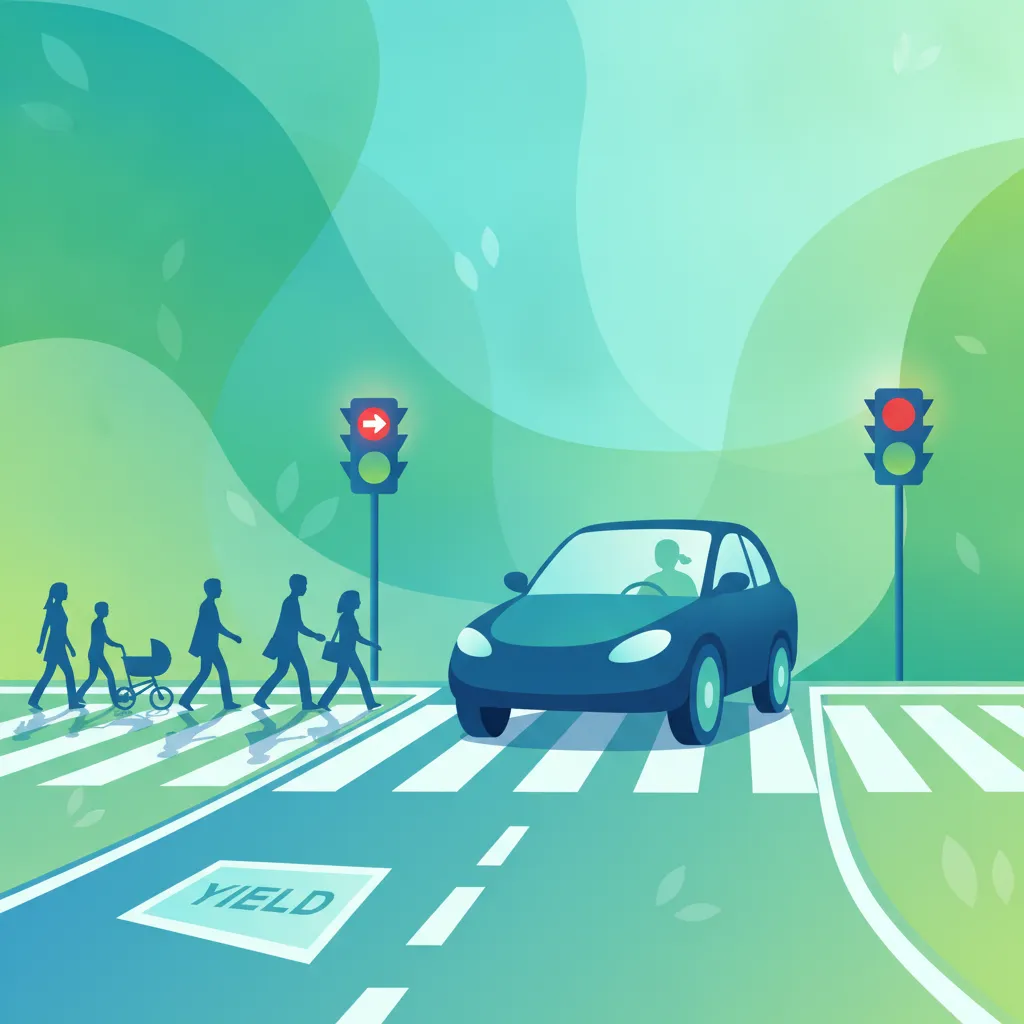
In this lesson, learners will master the skills required to safely navigate various types of intersections encountered in Turkish urban settings. The content covers interpreting traffic signals, understanding right-of-way rules, and executing proper lane positioning. Practical strategies for managing blind spots and ensuring visibility to other road users are emphasized. By the end of this session, participants will be equipped with safe crossing techniques.
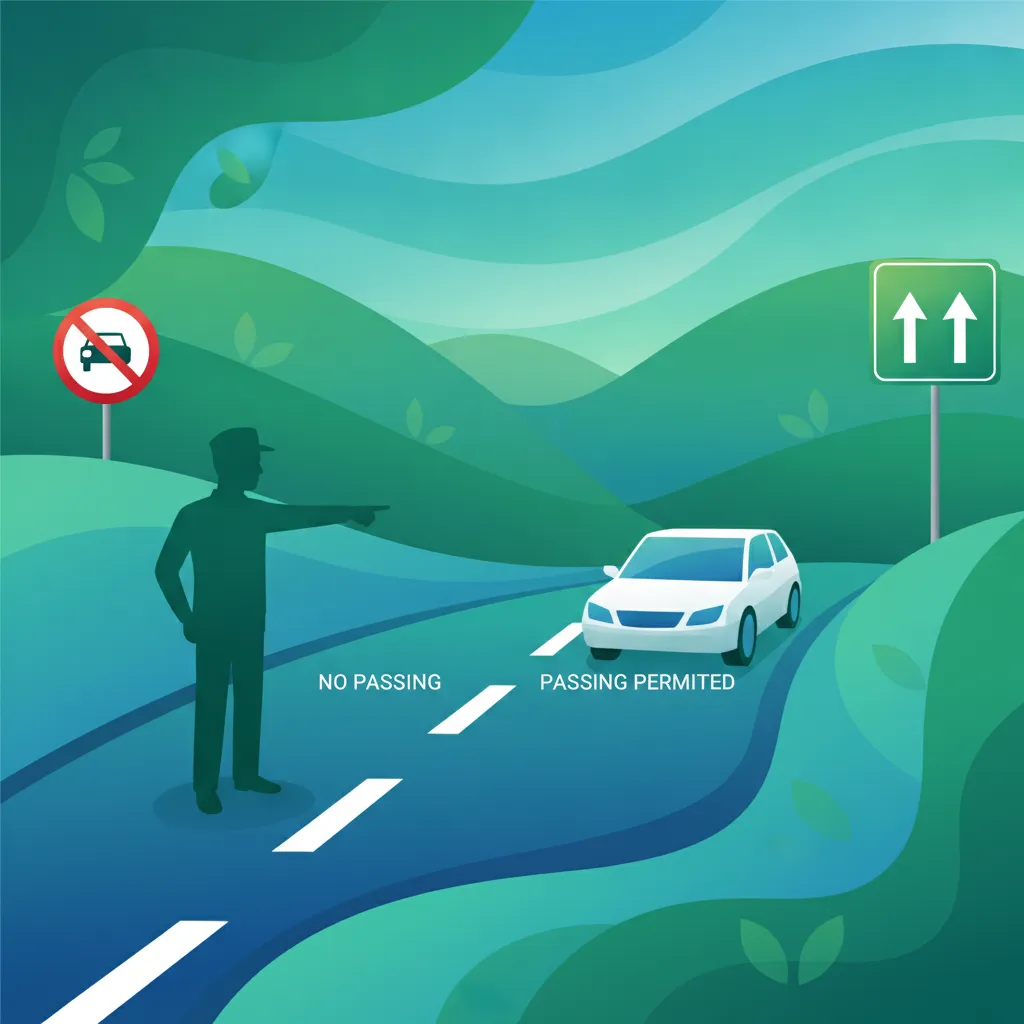
This lesson covers the various road surface markings that motorcyclists must be aware of, such as lane lines, turn arrows, and dedicated bike lanes. It explains how to interpret solid and broken lines, the meaning of specific arrows for turning or lane changes, and the significance of pedestrian crossing markings. Understanding these visual cues is essential for maintaining lane discipline and performing safe road maneuvers.
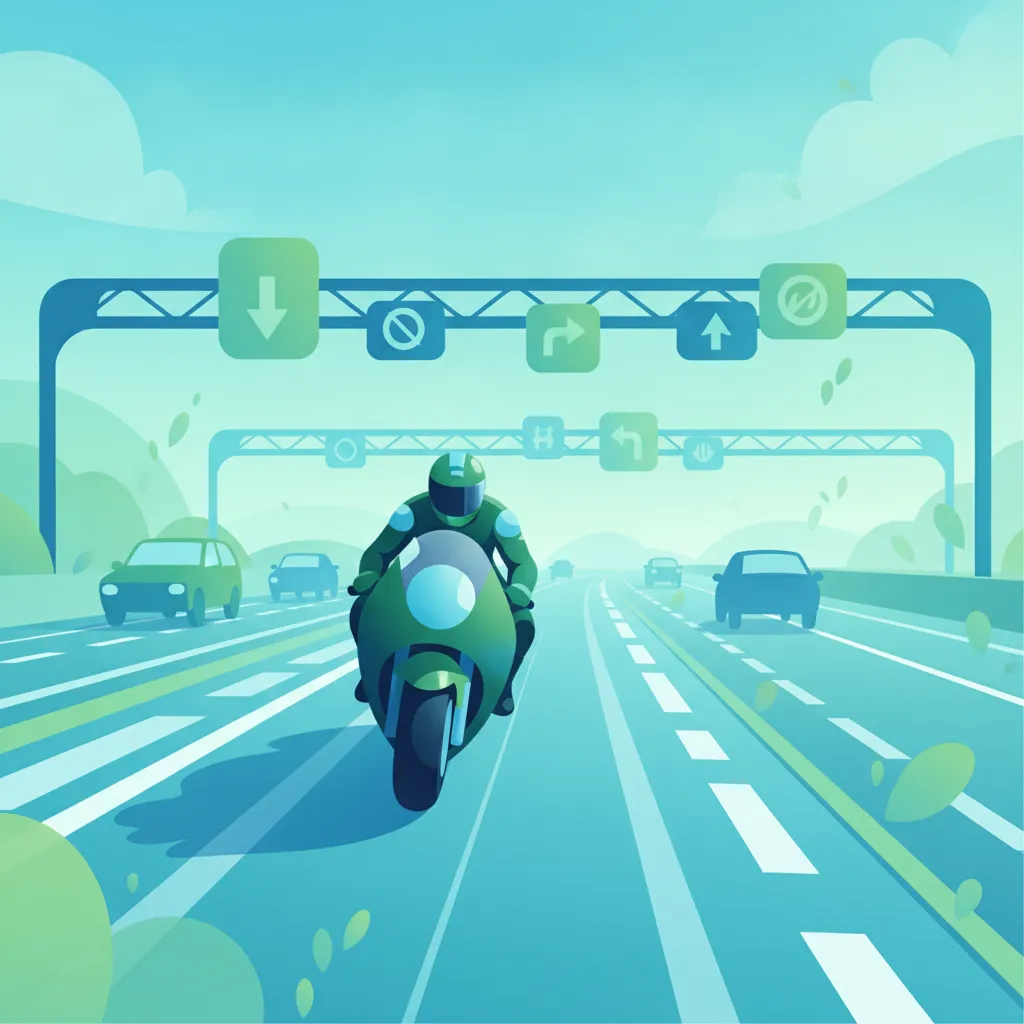
In this lesson, learners will focus on the specific considerations and safety practices required when riding motorcycles on high-speed roads and motorways. Topics covered include maintaining appropriate lane discipline, safe overtaking at high speeds, dealing with increased wind resistance, and the importance of accurate speed control and appropriate following distances on faster roadways.
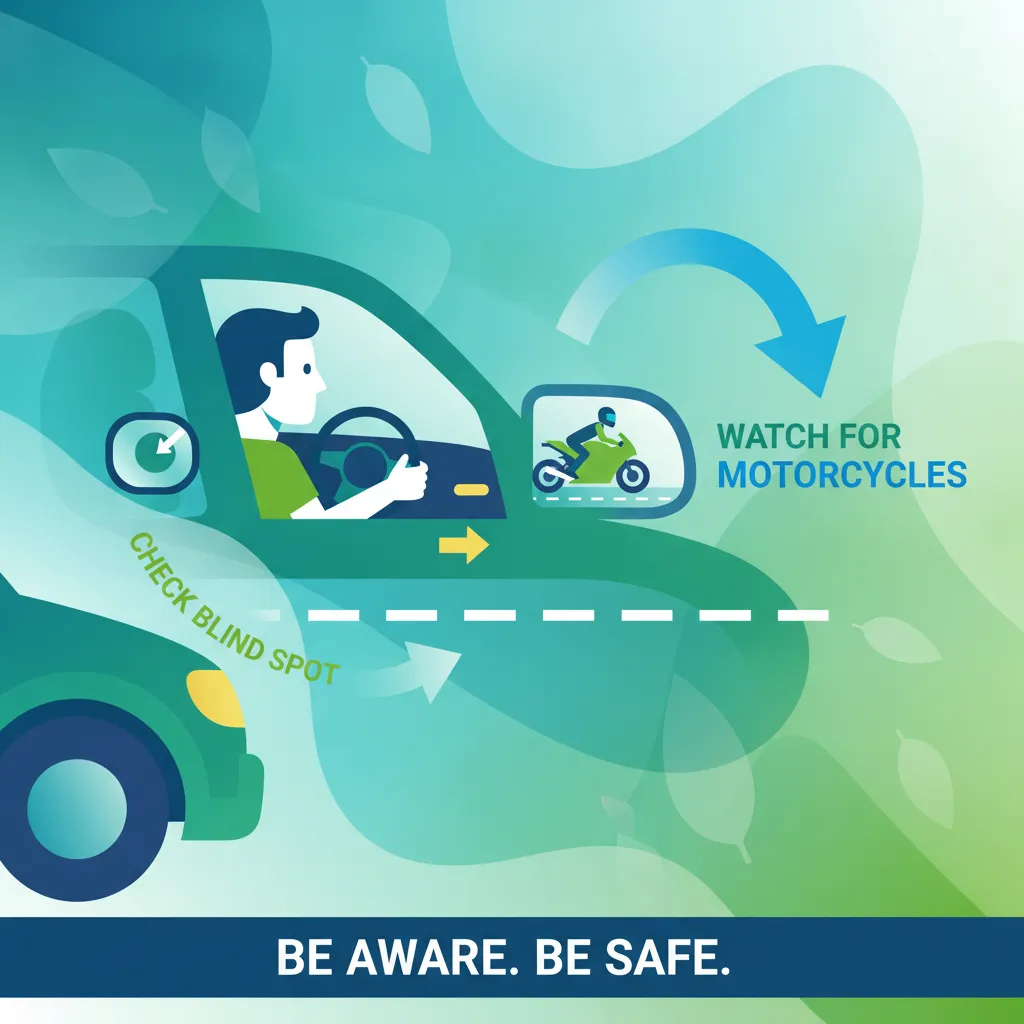
Learners will gain insight into the unique challenges posed by motorcycles and scooters sharing the road with passenger vehicles. The lesson highlights the importance of checking blind spots, maintaining safe following distances, and being aware of the faster acceleration and maneuverability of two-wheeled vehicles. Strategies for anticipating their movements and preventing collisions are discussed.
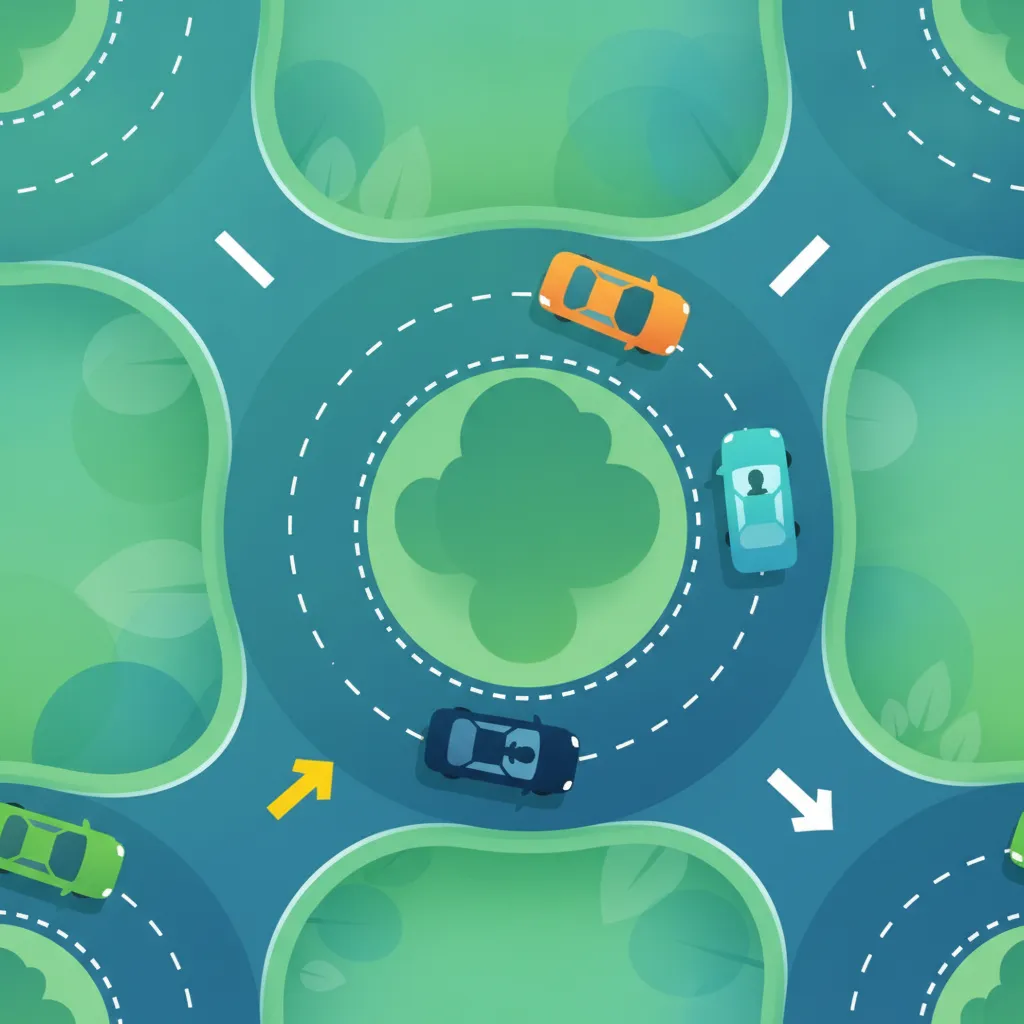
This lesson delves into the specific challenges and procedures associated with navigating roundabouts on a motorcycle. It outlines the importance of approaching at a safe speed, selecting the correct lane, and yielding to vehicles already within the roundabout. The content also covers the proper use of signals when exiting and emphasizes the need for heightened awareness of blind spots, especially when larger vehicles are present.
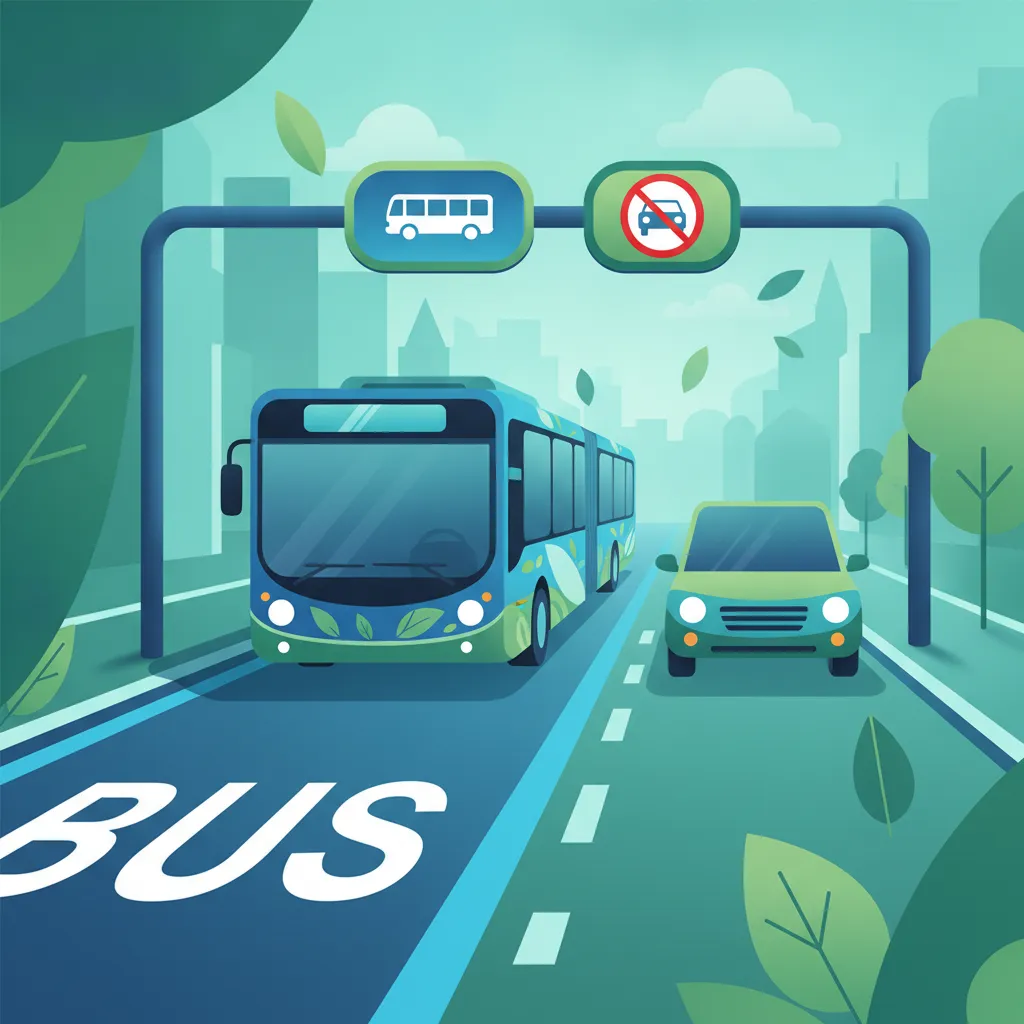
This lesson explores the concept of reserved lanes and special zones designated for specific vehicle types or purposes. Learners will study bus lanes, bicycle lanes, high-occupancy vehicle (HOV) lanes, and emergency vehicle lanes, understanding the rules governing their usage. Real-world examples illustrate how these lanes improve traffic efficiency, promote sustainable transport, and prioritize emergency response.
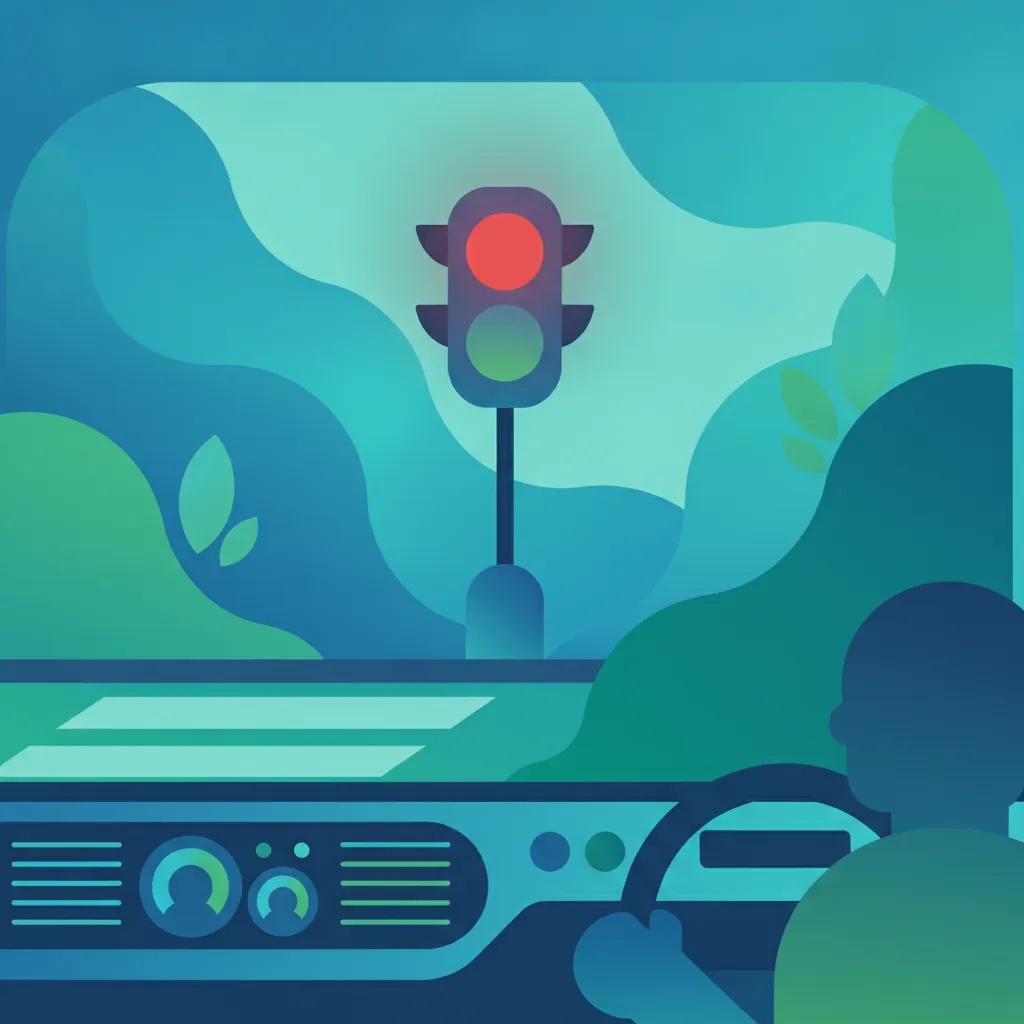
In this lesson, learners will explore the functioning of traffic lights and their impact on motorcycle riding. It delves into the meanings of red, amber, and green lights, as well as dedicated turn arrows and pedestrian signals. The lesson highlights specific considerations for motorcyclists at intersections, such as the appropriate response to amber lights, the use of turn arrows for safe lane changes, and legal crossing obligations.
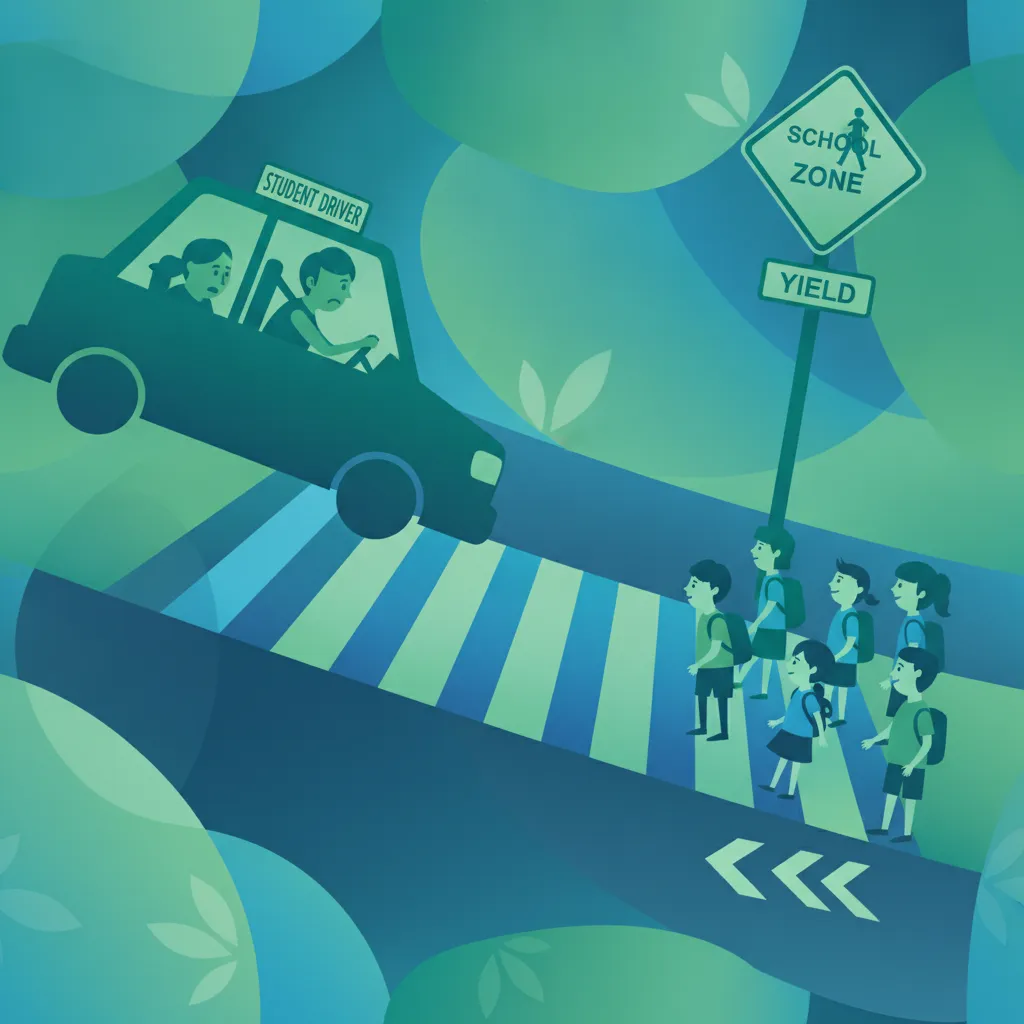
Focusing on pedestrian safety, this lesson addresses the unique considerations motorcyclists must take when approaching zebra crossings, traffic signal-controlled pedestrian crossings, and designated school zones. Learners will understand the legal obligations to yield to pedestrians, especially children, and the importance of reducing speed in these high-risk areas. The lesson also provides practical tips for ensuring visibility.
Find clear answers to common questions learners have about Safe Overtaking Practices. Learn how the lesson is structured, which driving theory objectives it supports, and how it fits into the overall learning path of units and curriculum progression in Turkey. These explanations help you understand key concepts, lesson flow, and exam focused study goals.
Generally, no. Overtaking on curves is dangerous because visibility is restricted. You must wait for a straight section of road where you have a clear view of oncoming traffic before attempting to pass.
Failing to check blind spots is the most common error. Always perform a shoulder check to ensure no vehicle is currently attempting to overtake you before you pull out into the lane.
Yes, regulatory signs like the 'no overtaking' sign indicate clear prohibitions. Ignoring these in the theory exam or in real traffic will result in immediate penalties.
Proper lane positioning gives you a wider field of view, helping you identify oncoming traffic earlier. Being positioned correctly also makes you more visible to the driver you intend to overtake.
Use our comprehensive practice search to find exactly the Turkish driving theory questions you need to master. Whether reviewing specific road signs, traffic rules, or first aid scenarios, select your perfect practice set and boost your confidence for the official ehliyet sınavı.