
This lesson guides you through the complexities of lane division and proper lane usage on Turkish multi-lane roads and highways. You will learn to interpret road markings to maintain optimal lane discipline, select the correct lane for your vehicle type, and perform safe lane changes. Mastering these skills is essential for your Category B theory exam and for driving safely in diverse traffic environments.

Lesson content overview
Understanding lane division and maintaining strict lane discipline (şerit disiplini) is a fundamental requirement for safe driving and a core focus of the Turkish Driving License Category B Theory Course. Whether you are navigating busy urban centers like Istanbul or driving on high-speed motorways (otoyol), road markings are designed to organize traffic, maximize road capacity, and minimize lateral conflict points.
This guide covers the legal framework, physical meanings, and safety implications of lane markings under the Turkish Highway Traffic Regulation (Karayolları Trafik Kanunu - KTK).
Lane discipline refers to the strict adherence of a driver to a single, designated lane unless performing a legal and safe maneuver, such as overtaking or turning. The primary purpose of dividing a roadway into lanes is to segregate traffic streams, reducing the likelihood of side-swipe and head-on collisions.
When drivers fail to maintain their lanes, they create unpredictability. Unpredictability forces other drivers to react suddenly, reducing overall reaction times and increasing the risk of multi-vehicle collisions.
Under Turkish traffic law, failing to stay within your designated lane or shifting lanes without a clear, legal purpose is a punishable traffic violation. Continuous driving across lane markings is strictly prohibited.
The lines painted on the road surface communicate critical safety rules. In Turkey, these markings generally follow European standards, using white and yellow paints to indicate specific restrictions.
A solid, uninterrupted white line painted between lanes moving in the same direction indicates that lane changes are strictly prohibited.
A series of broken white lines indicates that lane changes are permitted, provided it is safe to do so.
Two parallel continuous white lines emphasize a strict prohibition on lane changing for vehicles on both sides.
Yellow markings are frequently used in Turkey for specific traffic conditions, particularly in temporary work zones or to separate opposing traffic on two-way, single-carriageway roads.
Similar to its white counterpart, a broken yellow line allows crossing under safe conditions.
Commonly used on two-way roads with high speed limits or blind spots.
Modern road infrastructure includes specialized lanes designed to optimize traffic flow for specific vehicle categories or maneuvers.
Road edge markings are solid white lines painted along the outer borders of the roadway.
In metropolitan areas and on major highways, specific lanes are reserved for buses (otobüs yolu / tercihli şerit) or heavy vehicles like trucks.
At major intersections, lanes split into dedicated turning paths marked with directional arrows.
Executing a lane change safely requires a systematic approach. Many highway accidents in Turkey are caused by abrupt lane changes without signaling, also known colloquially as weaving (makas atmak).
To change lanes legally and safely under KTK guidelines, follow this systematic procedure:
Assess the Need: Determine if the lane change is necessary (e.g., preparing for a turn, overtaking a slower vehicle). Do not change lanes unnecessarily.
Check Your Mirrors: Consult your interior rearview mirror and your exterior side mirrors to assess the speed and distance of vehicles behind you.
Perform a Shoulder Check (Blind Spot Check): Quickly turn your head to check your vehicle's blind spots—the areas not visible in your mirrors.
Signal Your Intentions: Activate your turn signal well in advance of the maneuver. This warns other road users of your planned movement.
Re-Evaluate and Adjust Speed: Ensure there is a safe gap in the target lane. Adjust your speed to match the flow of traffic in that lane.
Smoothly Initiate the Maneuver: Steer gently into the new lane. Do not make sudden or sharp steering inputs.
Cancel Your Signal: Once fully established in the new lane, deactivate your turn signal.
Overtaking (öndeki aracı geçme) is highly regulated. You are legally prohibited from changing lanes to overtake in the following zones, even if the road markings are broken:
Violations of lane discipline are heavily regulated under the Turkish Highway Traffic Law (KTK) to reduce high-speed highway accidents.
Safe lane usage requires adapting to road conditions, weather, and the physical state of your vehicle.
During heavy Turkish winter rains, snow, or dense fog (common in areas like the Bolu Pass), road markings can become obscured by water accumulation or snow cover.
At night, your depth perception is reduced.
Explore all units and lessons included in this driving theory course.
Lesson content overview
Explore all units and lessons included in this driving theory course.
Explore search topics learners often look for when studying Lane Division and Usage. These topics reflect common questions about road rules, driving situations, safety guidance, and lesson level theory preparation for learners in Turkey.
Browse additional driving theory lessons that cover connected traffic rules, road signs, and common driving situations related to this topic. Improve your understanding of how different rules interact across everyday traffic scenarios.
Learn the specific regulations for highway driving including overtaking procedures, merging safely into traffic, and legal lane selection. This guide explains how to maintain safety while navigating multi-lane motorways and the importance of adhering to lane discipline in accordance with Turkish traffic legislation.
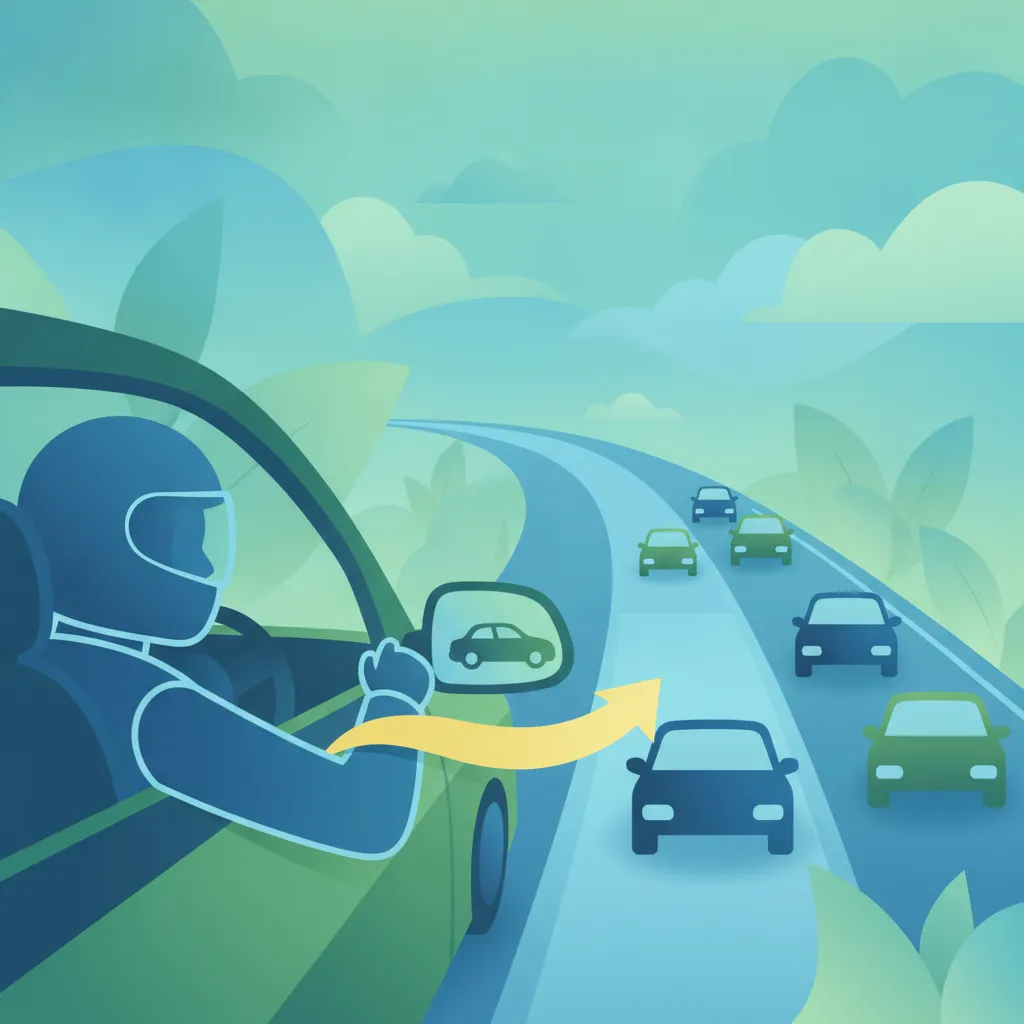
This lesson details the techniques for merging onto busy expressways and executing safe lane changes in urban traffic conditions. It explains how to match the speed of highway traffic in the acceleration lane and select safe gaps for merging. Drivers will learn how to eliminate blind spots and signal early to maintain smooth traffic flow.
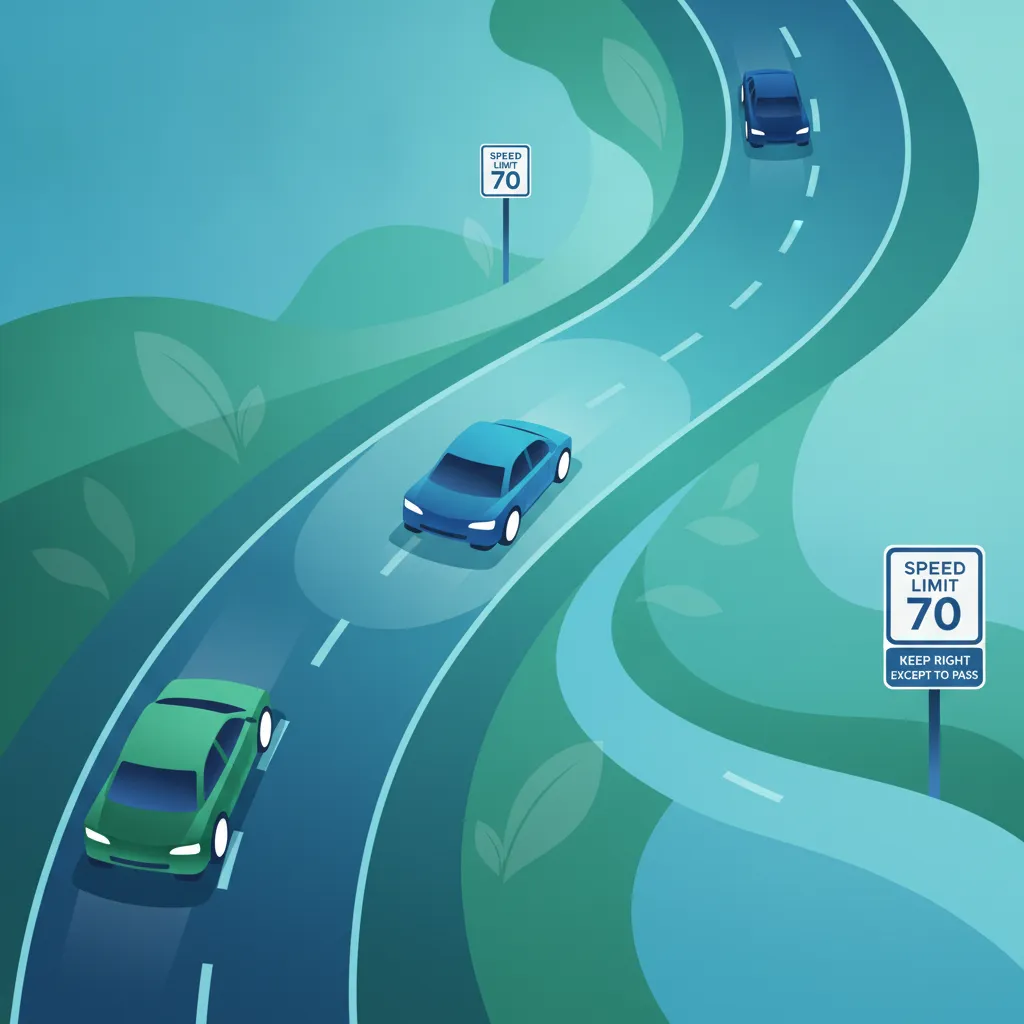
This lesson explains the specific rules, driving etiquette, and safety protocols for operating a vehicle on high-speed Turkish motorways. It covers correct lane usage, overtaking procedures, emergency lane restrictions, and how to maintain consistent high speeds safely. Drivers will learn to avoid dangerous tailgating and sudden lane changes.
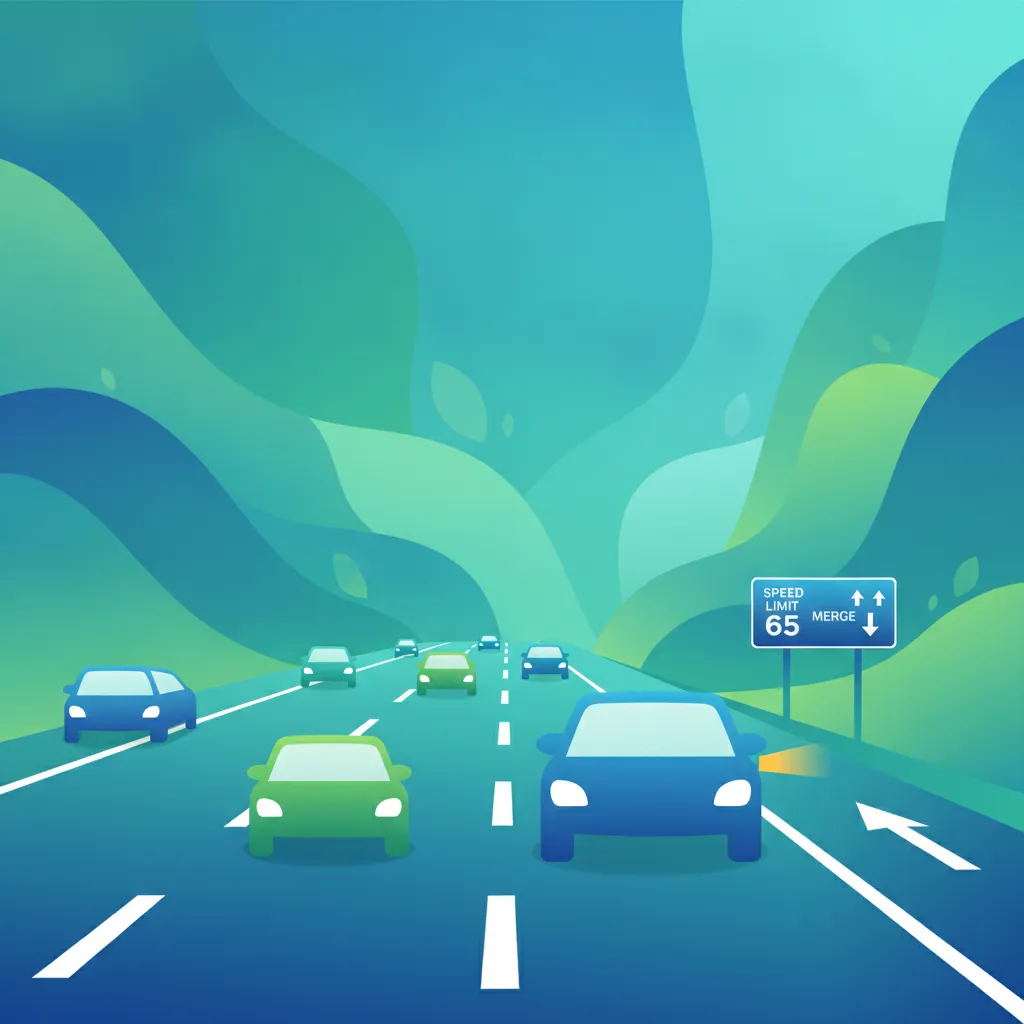
This lesson focuses on the unique requirements and best practices for operating passenger vehicles on highways and expressways. Topics include maintaining appropriate speed, adhering to lane discipline, executing safe overtaking maneuvers, and managing merges and exits. Emphasis is placed on ensuring a smooth ride for passengers while integrating safely with faster-moving traffic.
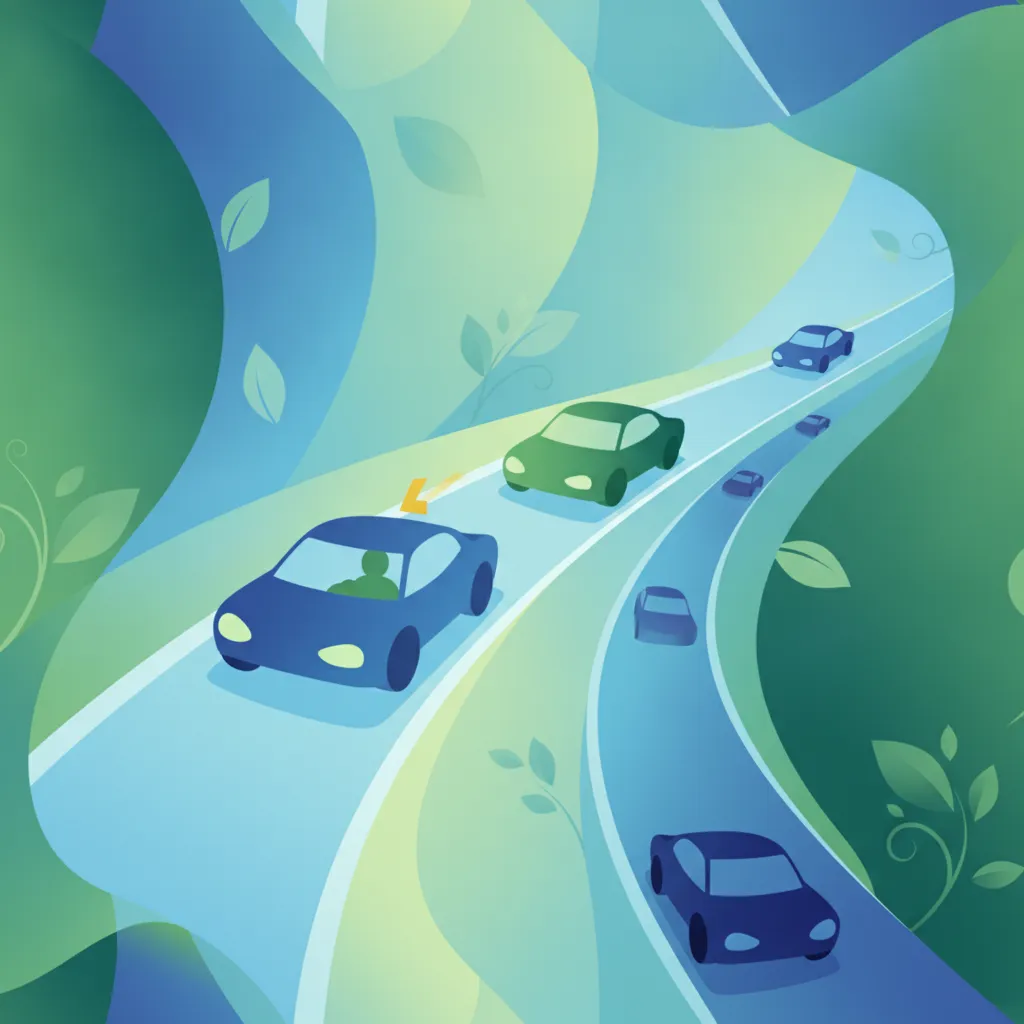
This lesson outlines the precise legal and safety procedures for overtaking slower vehicles on two-lane and multi-lane roads. It details when overtaking is strictly prohibited by signs or solid road lines, and how to calculate passing distances. Drivers will learn how to communicate their intentions using indicators and pass other vehicles safely.
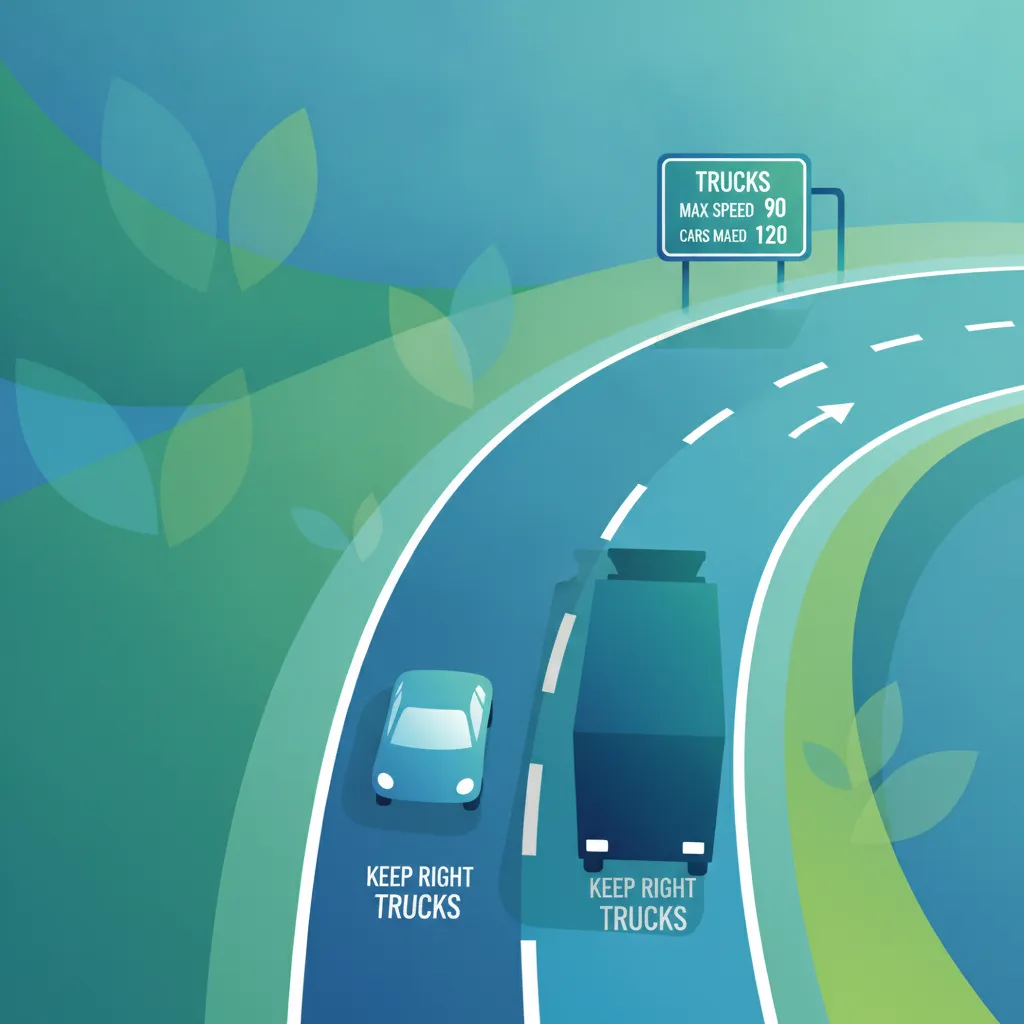
This lesson addresses the specific considerations for goods vehicle operation on highways and expressways, covering speed limits, lane discipline, safe merging, and overtaking. Learners will learn how to adapt to traffic flow, manage heavy vehicle dynamics at higher speeds, and ensure safe operation. The lesson emphasizes the importance of vigilance and proper lane usage to prevent accidents.
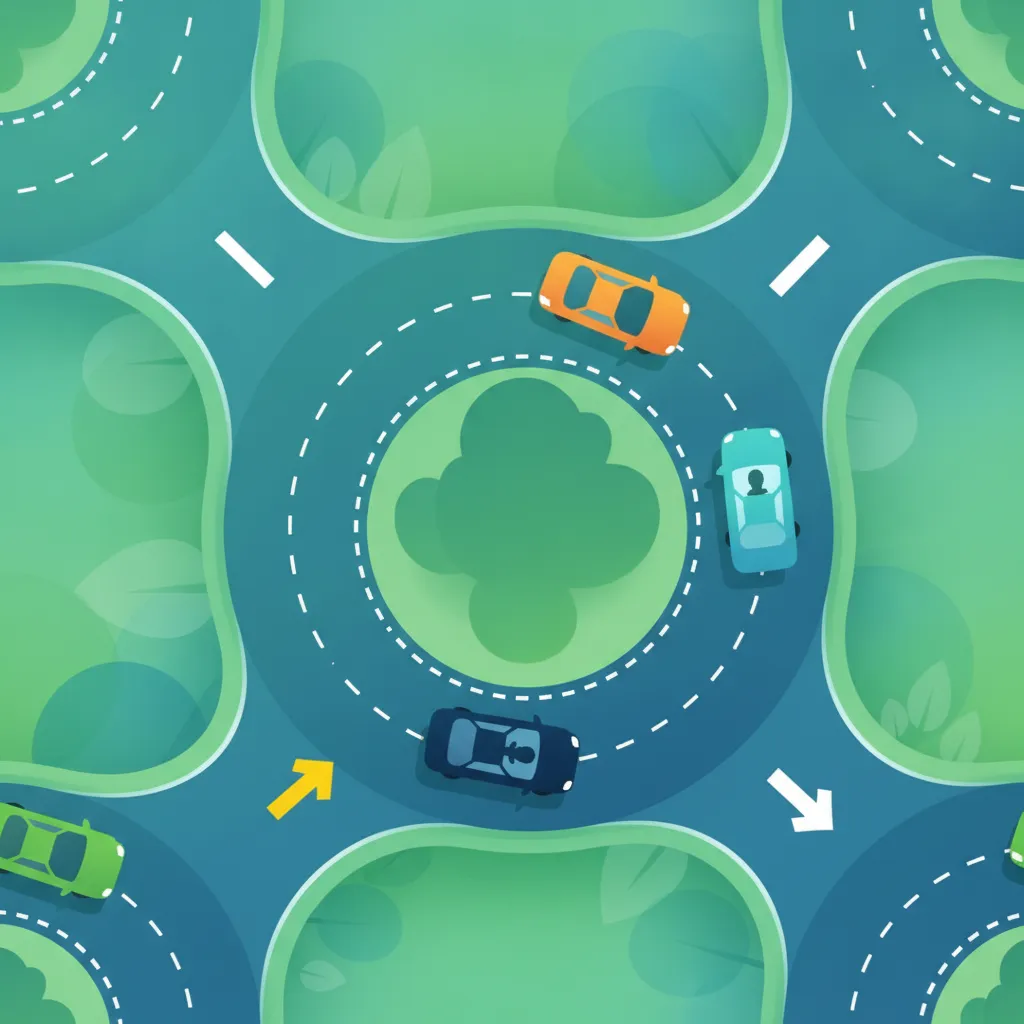
This lesson delves into the specific challenges and procedures associated with navigating roundabouts on a motorcycle. It outlines the importance of approaching at a safe speed, selecting the correct lane, and yielding to vehicles already within the roundabout. The content also covers the proper use of signals when exiting and emphasizes the need for heightened awareness of blind spots, especially when larger vehicles are present.
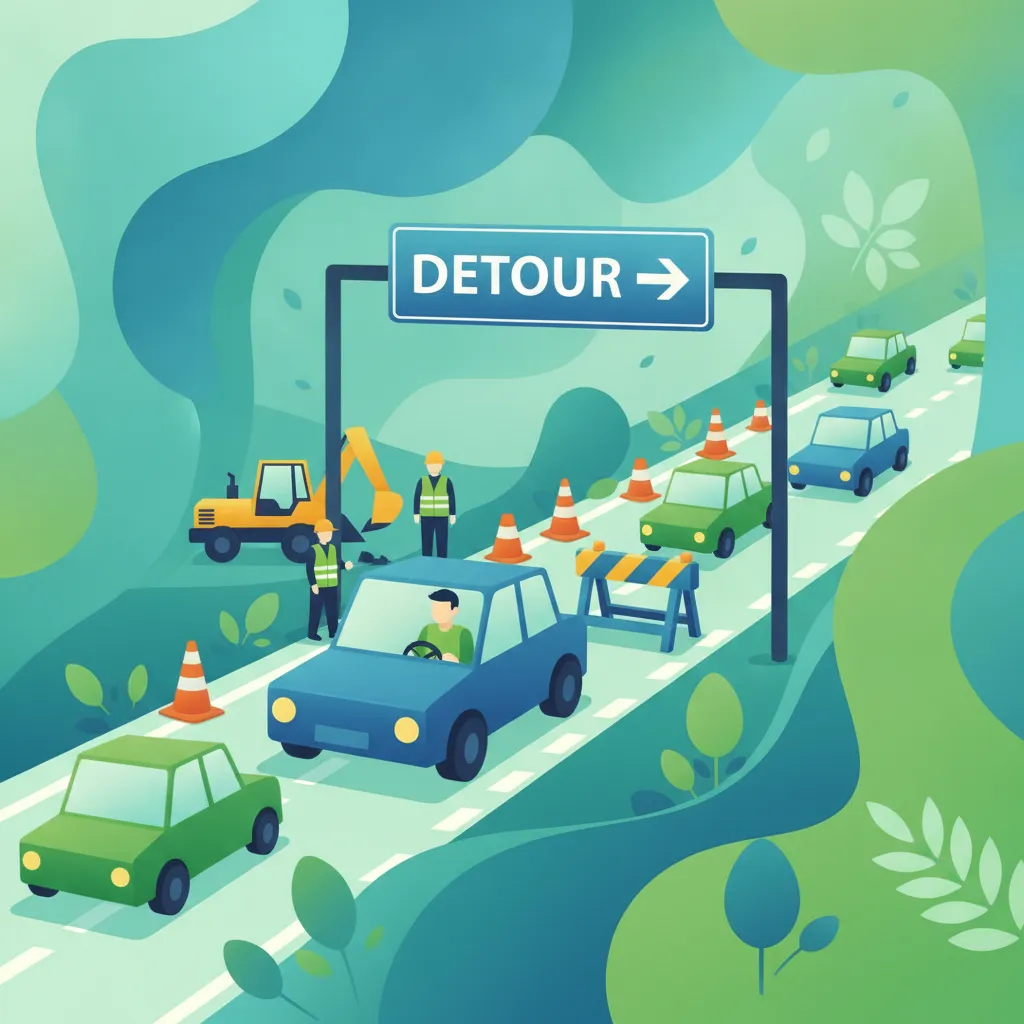
This lesson guides motorists on how to safely navigate active roadwork zones, detours, and temporary lane configurations. It details the meaning of construction signs, temporary speed reductions, and the legal requirement to protect highway workers. Drivers will learn to expect sudden stops and maintain slow, steady speeds through work areas.
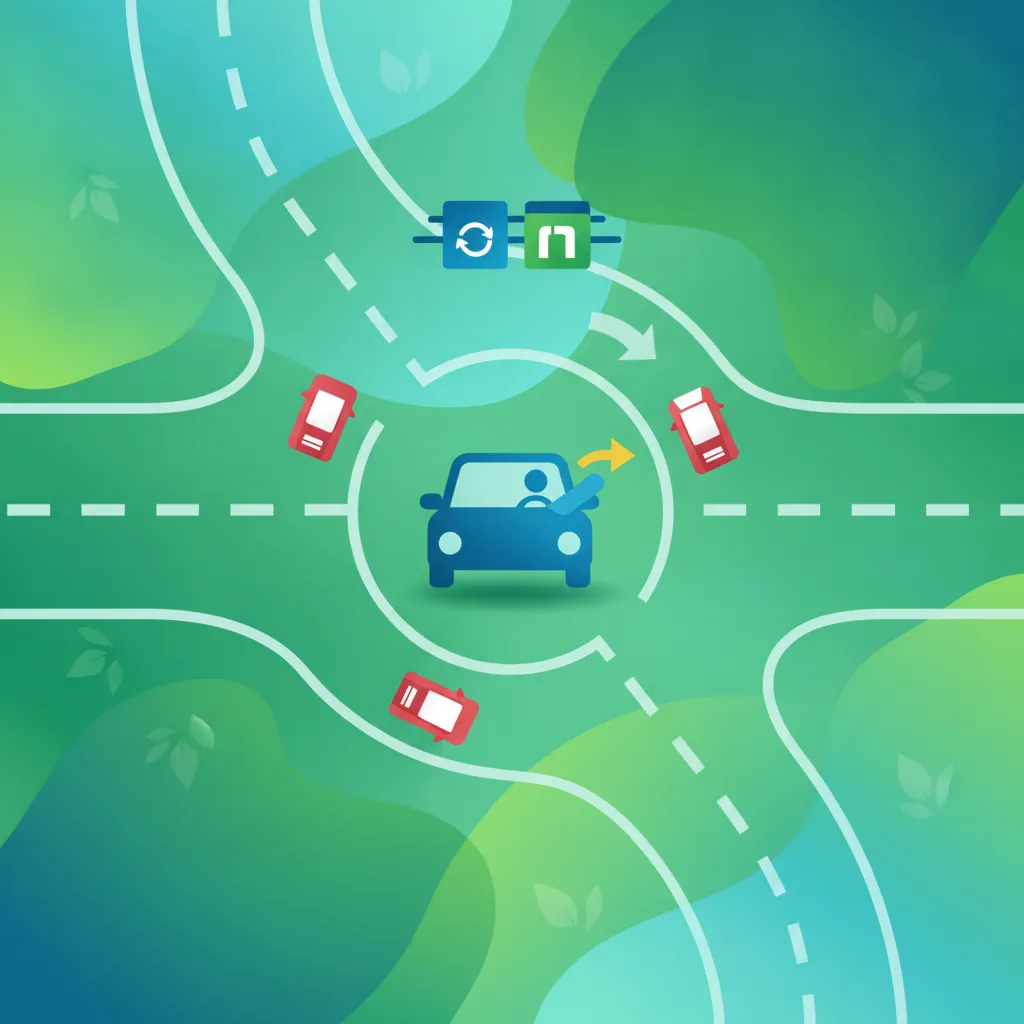
In this lesson, learners explore the specific priority rules and navigation techniques for roundabouts. Topics include yielding to traffic already in the roundabout, proper lane selection upon entry, and safe exit strategies. The lesson also addresses interactions with pedestrians and cyclists near roundabouts and the importance of maintaining appropriate speed.
Roundabouts require a clear understanding of yield regulations and precise signaling to avoid conflicts with larger vehicles. This lesson details the legal requirements under Turkish road rules, which demand that entering vehicles yield to traffic already circulating inside the roundabout. You will learn how to select the appropriate lane upon entry, maintain a steady speed, signal your exit intentions clearly with your indicators, and remain alert to drivers who cut across lanes.
Proper road positioning is your primary shield against being squeezed, sideswiped, or overlooked by larger motor vehicles in daily traffic. This lesson explains how to ride in the center or slightly off-center of your lane to prevent unsafe overtaking within the same lane. You will study how to identify the massive blind spots of buses and trucks, maintain appropriate following distances, and execute overtaking maneuvers with maximum safety margin and clear signal warning.
Explore the meaning of various horizontal road markings such as solid, broken, and double lines. This overview clarifies how these indicators guide traffic flow and regulate driving behavior in urban and rural environments to ensure compliance with Turkish traffic laws.
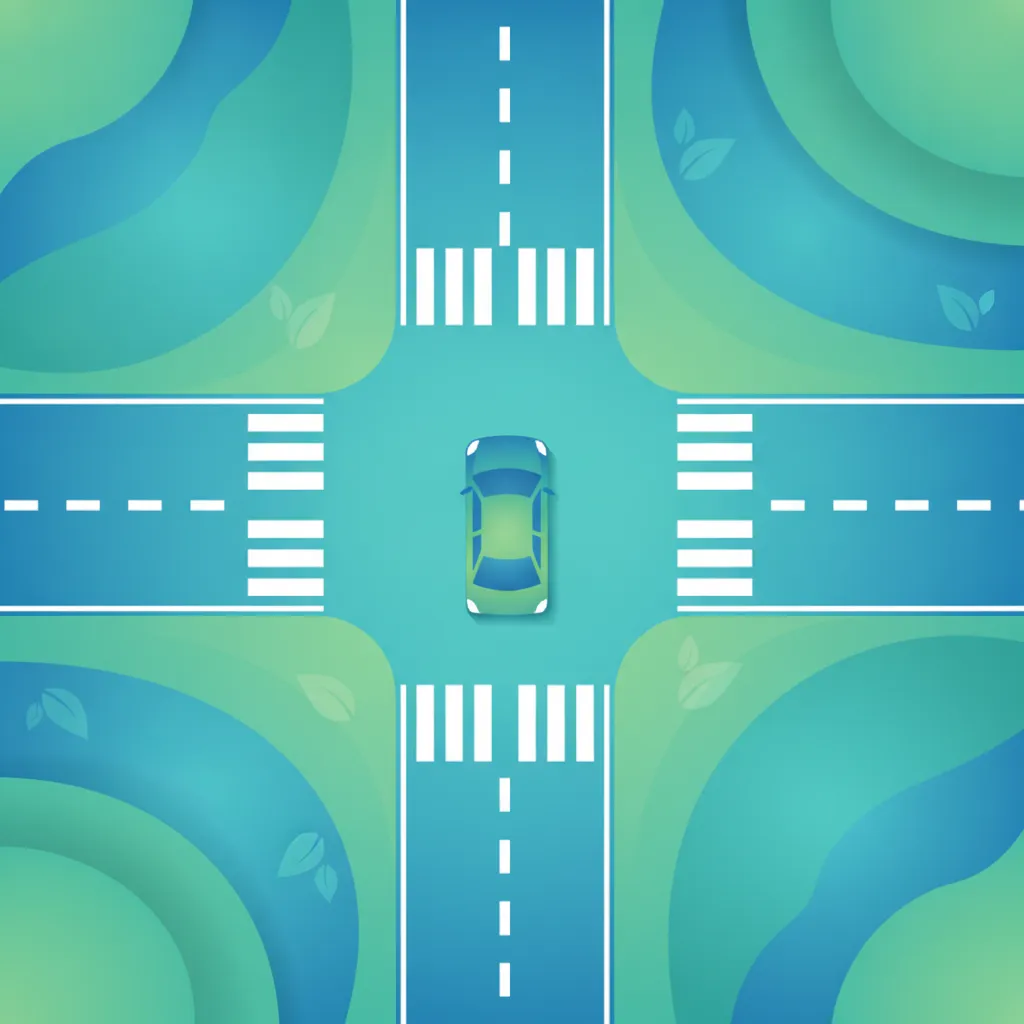
This lesson delves into horizontal road markings, focusing on solid, broken, and double lines that define lane boundaries and overtaking rules. Learners will explore the significance of each type of line in indicating permissible lane changes, passing zones, and stopping points at intersections. The lesson also covers crosswalk markings and their role in pedestrian safety.
In this lesson, learners explore vertical road markings, primarily focusing on signs mounted on poles or overhead structures. Topics include direction indicators, speed limit signs, warning signs, and regulatory signs. The lesson emphasizes the importance of sign placement, illumination, and visibility in ensuring driver compliance. Real-world scenarios demonstrate how drivers should interpret and react to vertical markings.
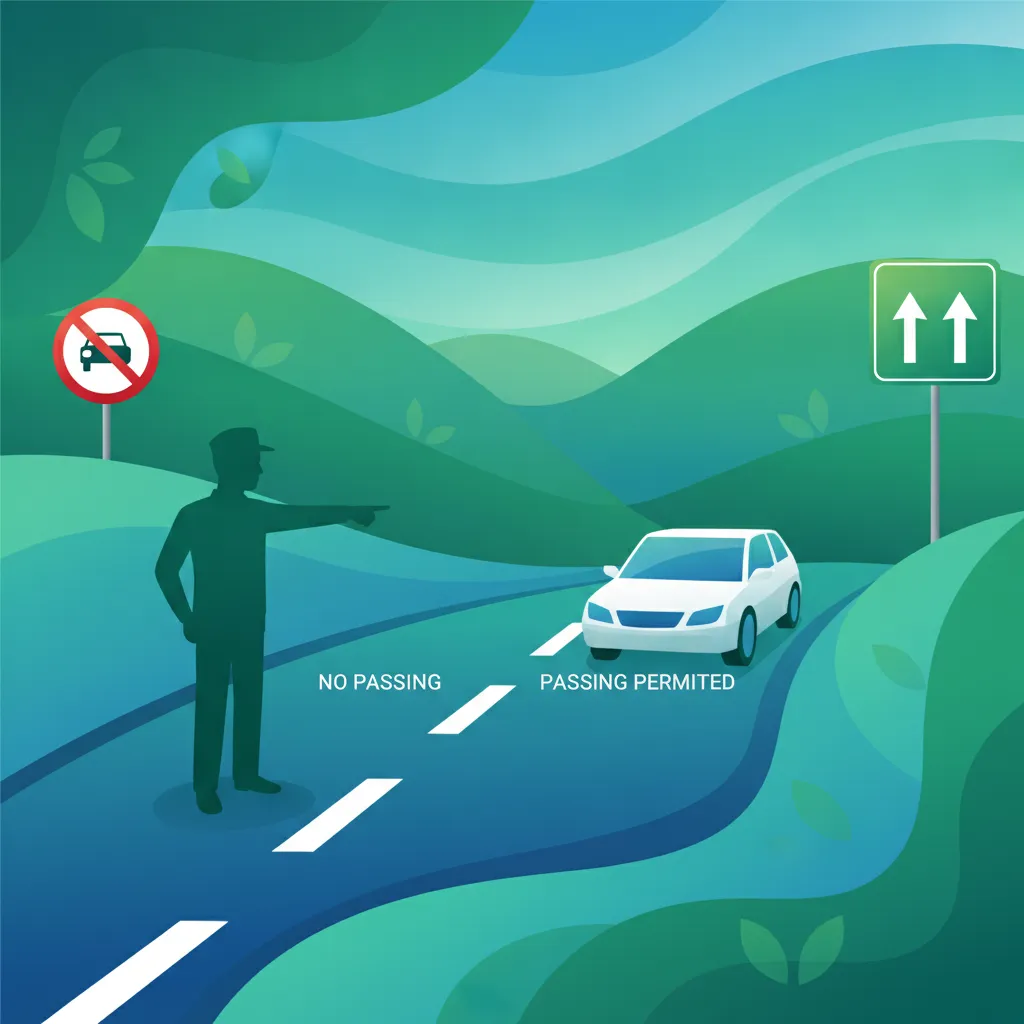
This lesson covers the various road surface markings that motorcyclists must be aware of, such as lane lines, turn arrows, and dedicated bike lanes. It explains how to interpret solid and broken lines, the meaning of specific arrows for turning or lane changes, and the significance of pedestrian crossing markings. Understanding these visual cues is essential for maintaining lane discipline and performing safe road maneuvers.

Road markings painted directly onto the asphalt provide continuous guidance and carry the same legal weight as vertical traffic signs. This lesson explains the differences between solid and broken longitudinal lines, channelizing arrows, and restricted zones like dedicated bus or bicycle paths. You will discover how to properly align your moped within your lane, execute lawful line changes, and respect painted buffer zones to prevent dangerous side-swipe accidents in dense traffic.
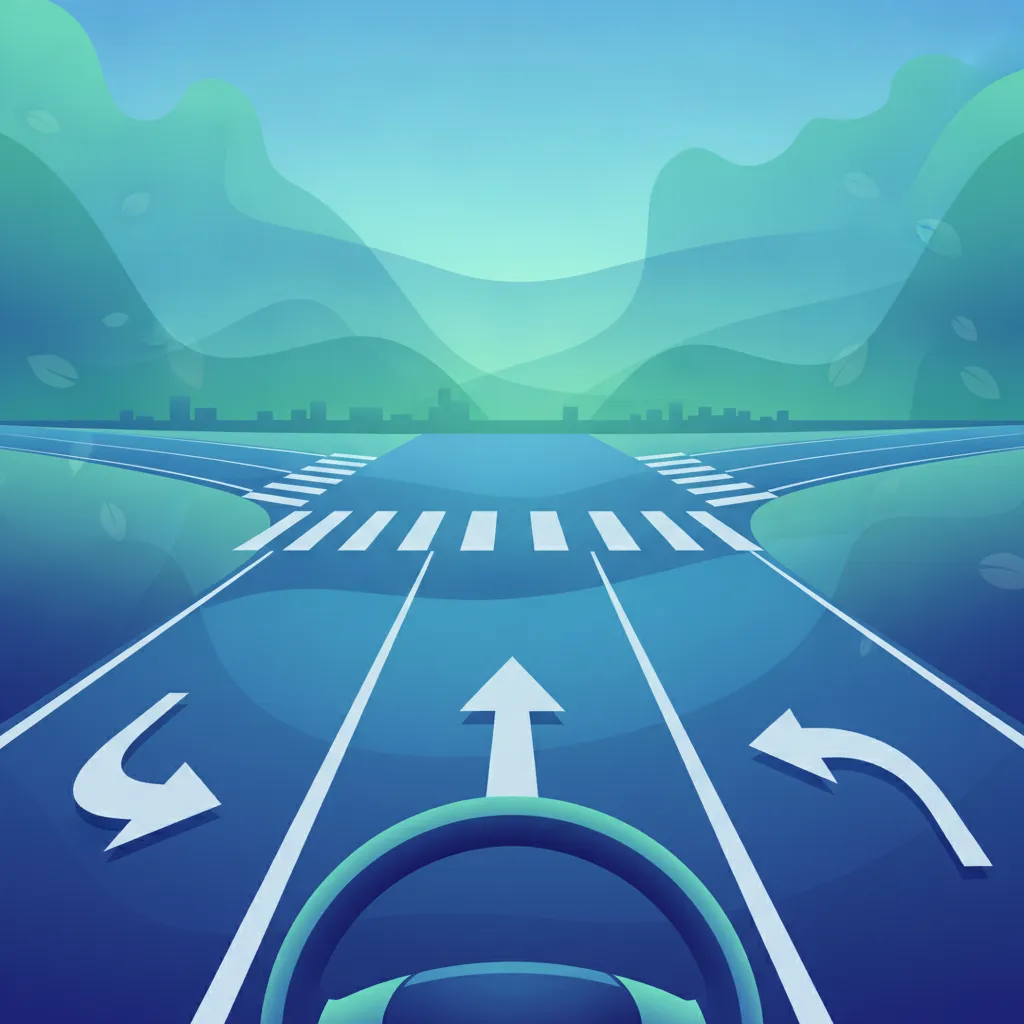
This lesson focuses on the role of directional arrows and guidance markings in indicating lane assignments and intended vehicle movements. Learners will learn to interpret turn arrows, lane-specific directions, and lane assignment at intersections and roadways. Real-world examples demonstrate how these markings aid drivers in navigating complex road networks, especially at junctions and roundabouts.
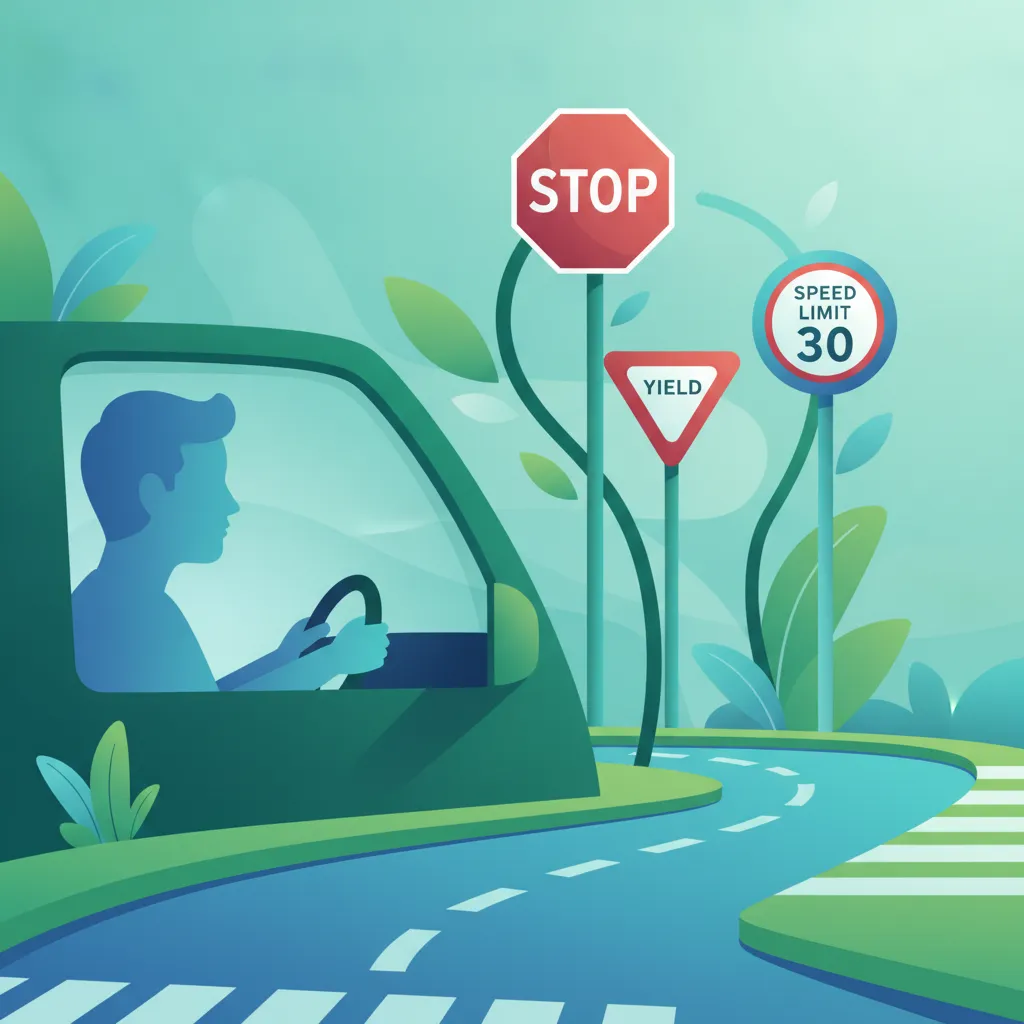
This lesson delves into the regulatory traffic signs that dictate mandatory and prohibited actions for drivers. Learners will study signs indicating speed limits, stop and yield requirements, no-entry zones, and lane usage directives. The lesson also covers temporary regulatory signs used in construction or special events, emphasizing the importance of adhering to these signs to avoid penalties.

In this lesson, learners explore warning traffic signs designed to alert drivers to potential hazards ahead. Topics include signs indicating curves, steep descents, slippery surfaces, pedestrian crossings, and school zones. The lesson emphasizes the importance of interpreting these signs correctly to adjust speed and driving behaviour, thereby preventing accidents.
In this lesson, learners will master the meanings of various traffic signs as defined by Turkish traffic legislation. The focus will be on understanding regulatory, warning, and informational signs, with particular attention to those that directly affect motorcyclists, such as speed limits and lane usage. By the end of this session, participants will be able to quickly recognize sign categories and apply the required actions safely.
This lesson focuses on informational traffic signs that provide guidance and essential information to drivers. Learners will examine signs indicating directions, distances to cities, service areas, fuel stations, hospitals, police stations, and tourist attractions. The lesson highlights the role of these signs in facilitating navigation and ensuring drivers can locate essential services safely.
This lesson guides motorists on how to safely navigate active roadwork zones, detours, and temporary lane configurations. It details the meaning of construction signs, temporary speed reductions, and the legal requirement to protect highway workers. Drivers will learn to expect sudden stops and maintain slow, steady speeds through work areas.
Find clear answers to common questions learners have about Lane Division and Usage. Learn how the lesson is structured, which driving theory objectives it supports, and how it fits into the overall learning path of units and curriculum progression in Turkey. These explanations help you understand key concepts, lesson flow, and exam focused study goals.
You must use the right-hand lane for normal driving. The middle and left-hand lanes are intended for overtaking slower traffic. Always return to the right-most lane when you have completed your overtaking manoeuvre.
Broken white lines indicate that you are permitted to change lanes or overtake, provided it is safe to do so. You must always check your mirrors and blind spots before crossing these lines.
Generally, you should overtake on the left. Overtaking on the right is restricted and only permitted in specific situations defined by traffic laws, such as when the vehicle ahead is clearly turning left or you are in a traffic queue on a multi-lane road.
Directional arrows inform you of the required lane for specific movements at upcoming intersections, such as turning left, turning right, or continuing straight. You must position your vehicle according to these arrows well in advance of the junction.
Use our comprehensive practice search to find exactly the Turkish driving theory questions you need to master. Whether reviewing specific road signs, traffic rules, or first aid scenarios, select your perfect practice set and boost your confidence for the official ehliyet sınavı.