
This lesson details the legal requirements and safe operation of your vehicle's lighting systems, a critical component of your Category B theory preparation. You will learn the correct usage of low beams, high beams, and fog lights during various conditions like tunnels, rain, and nighttime driving. Mastering these rules ensures you can effectively communicate your presence and intent to other road users.

Lesson content overview
Mastering your vehicle's lighting systems is not just a requirement for passing the Turkish Driving License Category B Theory Exam (MTSK e-sınav); it is a core pillar of defensive driving and active road safety. Your vehicle's lights serve a dual purpose: they allow you to see the road ahead clearly and, equally importantly, they make your vehicle visible to other road users.
Improper use of lighting—such as blinding oncoming drivers with high beams or failing to activate headlights in heavy rain—is a leading cause of preventable nighttime collisions. This comprehensive guide covers the technical functions, legal requirements, and safe operational practices for all primary and auxiliary lighting systems on a modern Category B passenger vehicle in Turkey.
Dipped beam headlights, commonly referred to as "low beams" (kısa farlar), are designed to illuminate the road directly in front of your vehicle. The light beam is angled downward and biased slightly to the right (in right-hand traffic systems) to prevent light from shining directly into the eyes of oncoming drivers.
Under Turkish traffic regulations (Karayolları Trafik Yönetmeliği), dipped beam headlights must be designed to illuminate the road surface for a distance of at least 25 metres ahead.
You must activate your dipped beams in the following situations:
A frequent error among novice drivers is relying solely on Daytime Running Lights (DRLs) when twilight falls or during a rainstorm. DRLs do not activate your rear tail lights, leaving your vehicle virtually invisible from behind. Always manually switch to dipped beams when natural light fades.
The standard headlight setting designed to illuminate the road up to 25 metres ahead with a downward-angled beam, preventing glare for oncoming drivers.
High beam headlights, or "full beams" (uzun farlar), project a powerful, long-range, and high-intensity beam of light parallel to the road surface. They are designed to maximize your line of sight on dark, unlit roads.
According to Turkish traffic laws, high beam headlights must be capable of illuminating the road surface for at least 100 metres ahead.
High beams should only be used on poorly lit or unlit intercity highways, rural roads, and mountain passes where there is no traffic ahead of you.
The Dimming Rules (Switching to Dipped Beams): By law, you must immediately dim your high beams to dipped beams in the following scenarios:
When a driver is exposed to high beams, their pupils contract rapidly, causing temporary blindness. At 90 km/h, a vehicle travels 25 metres per second. If a driver is blinded for just three seconds, they will travel 75 metres completely blind, drastically increasing the risk of a catastrophic head-on collision.
Fog lights are auxiliary lights positioned low on the vehicle's front bumper, closer to the road surface than standard headlights. They are designed to emit a wide, flat bar of light with a sharp upper cut-off, minimizing the light reflected back from water droplets in the air.
Standard headlights shine directly into fog, where the water droplets act as tiny mirrors, reflecting the light back into the driver's eyes (known as backscatter). Because fog typically hovers about 30 to 60 centimeters above the asphalt, low-slung fog lights illuminate the road underneath the fog bank.
Modern vehicles are equipped with distinct low-intensity lights designed for stationary or daytime visibility.
DRLs are automatic, forward-facing lights that turn on when the engine starts.
Position lights are low-wattage bulbs located at the front corners (white/amber) and rear (red) of the vehicle.
Low-intensity indicator lights used to mark the outline and presence of a stationary vehicle on dark shoulders or roadsides. They must never be used as headlights while the vehicle is in motion.
Hazard warning lights, colloquially known as "four-way flashers" (dörtlü flaşör), flash all amber turn signal indicators simultaneously. They serve as a critical communication tool to warn other drivers of an immediate danger, obstacle, or emergency.
Activate Hazards: Instantly switch on your hazard warning lights to signal an emergency.
Position the Vehicle: If possible, steer your vehicle completely off the active driving lanes onto the emergency shoulder (emniyet şeridi).
Deploy the Warning Triangle: Place your reflective warning triangle (reflektör) behind your vehicle. On urban streets, place it 30 metres behind. On high-speed intercity highways, place it at least 150 metres behind the vehicle to give drivers ample reaction time.
In Turkey, many drivers incorrectly activate hazard warning lights while double-parking illegally on active city lanes, or when driving in heavy rain or fog.
The efficiency of your lighting system depends heavily on physical maintenance and optical alignment. Even the most advanced LED or Xenon headlight is useless—and dangerous—if misaligned.
The direction and angle of your headlights must be calibrated precisely. Over time, road vibrations, suspension wear, or front-end impacts can knock your headlights out of alignment.
When you carry heavy luggage in the boot (bagaj) or have passengers in the rear seats, the rear of the car sags, which tilts the front of the vehicle upward. This lifts your headlight beams, turning safe low beams into blinding hazards for oncoming traffic.
Most modern cars feature a manual headlight leveling dial on the dashboard (usually numbered 0 to 3).
[Dipped Beam Icon]  ---> Standard green symbol pointing downwards with parallel lines.
[High Beam Icon]    ---> Standard blue symbol pointing straight ahead with horizontal lines.
[Front Fog Icon]    ---> Green symbol with a wavy vertical line crossing diagonal light rays.
[Rear Fog Icon]     ---> Amber/orange symbol pointing in the opposite direction with a wavy vertical line.
To help you prepare for the MTSK e-sınav and ensure daily road safety, memorize these critical legal distances and thresholds:
| Lighting System / Scenario | Legal Minimum Illumination Distance | Actionable Rule / Threshold |
|---|---|---|
| Dipped Beams (Kısa Farlar) | 25 metres | Mandatory at night, in tunnels, in rain/snow, and when oncoming traffic is present. |
| High Beams (Uzun Farlar) | 100 metres | Only for unlit rural highways with no traffic ahead. |
| Dimming for Oncoming Traffic | N/A | Must switch from high to low beams within 250 metres. |
| Dimming when Following | N/A | Must switch from high to low beams within 150 metres. |
| Fog Lights (Sis Farları) | N/A | Strictly limited to weather where visibility is under 100 metres. |
| Warning Triangle Placement | N/A | 30 metres in urban areas; 150 metres on intercity highways. |
Understanding the behavioral and physical limits of night driving will make you a far safer driver on Turkish roads.
The human eye requires time to adjust when transitioning from bright light to darkness. If an oncoming vehicle refuses to dim their high beams, do not "retaliate" by turning on your own high beams, as this results in two blinded drivers hurtling toward each other.
Driving with a burnt-out headlight bulb is extremely dangerous. At a distance, oncoming traffic cannot easily distinguish a car with one functional headlight from a motorcycle. This can lead to fatal miscalculations during overtaking maneuvers. Check your lights before every long trip.
Explore all units and lessons included in this driving theory course.
Lesson content overview
Explore all units and lessons included in this driving theory course.
Explore search topics learners often look for when studying Lighting Systems and Usage. These topics reflect common questions about road rules, driving situations, safety guidance, and lesson level theory preparation for learners in Turkey.
Browse additional driving theory lessons that cover connected traffic rules, road signs, and common driving situations related to this topic. Improve your understanding of how different rules interact across everyday traffic scenarios.
Learn the essential theory for operating a vehicle safely after sunset in Turkey. This guide covers managing headlight glare from oncoming vehicles, adjusting to low-light conditions on rural roads, and understanding the physical and psychological factors that impact driver reaction times during night journeys.
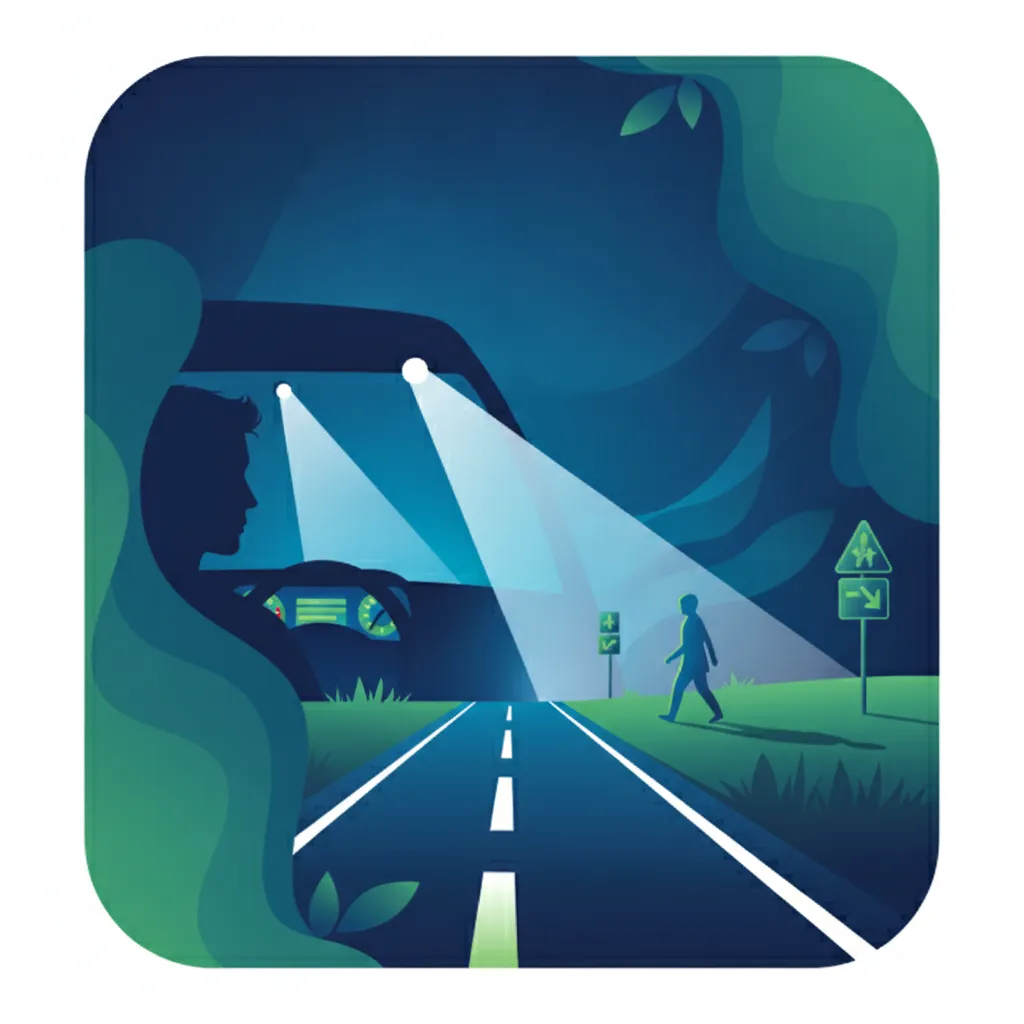
This lesson covers the unique challenges of nighttime driving, focusing on reduced visual perception, headlight glare, and driver fatigue. It explains how to adjust speed to remain within the headlight beam range and react to poorly illuminated road hazards. Motorists will learn techniques to maintain maximum focus and safety after sunset.
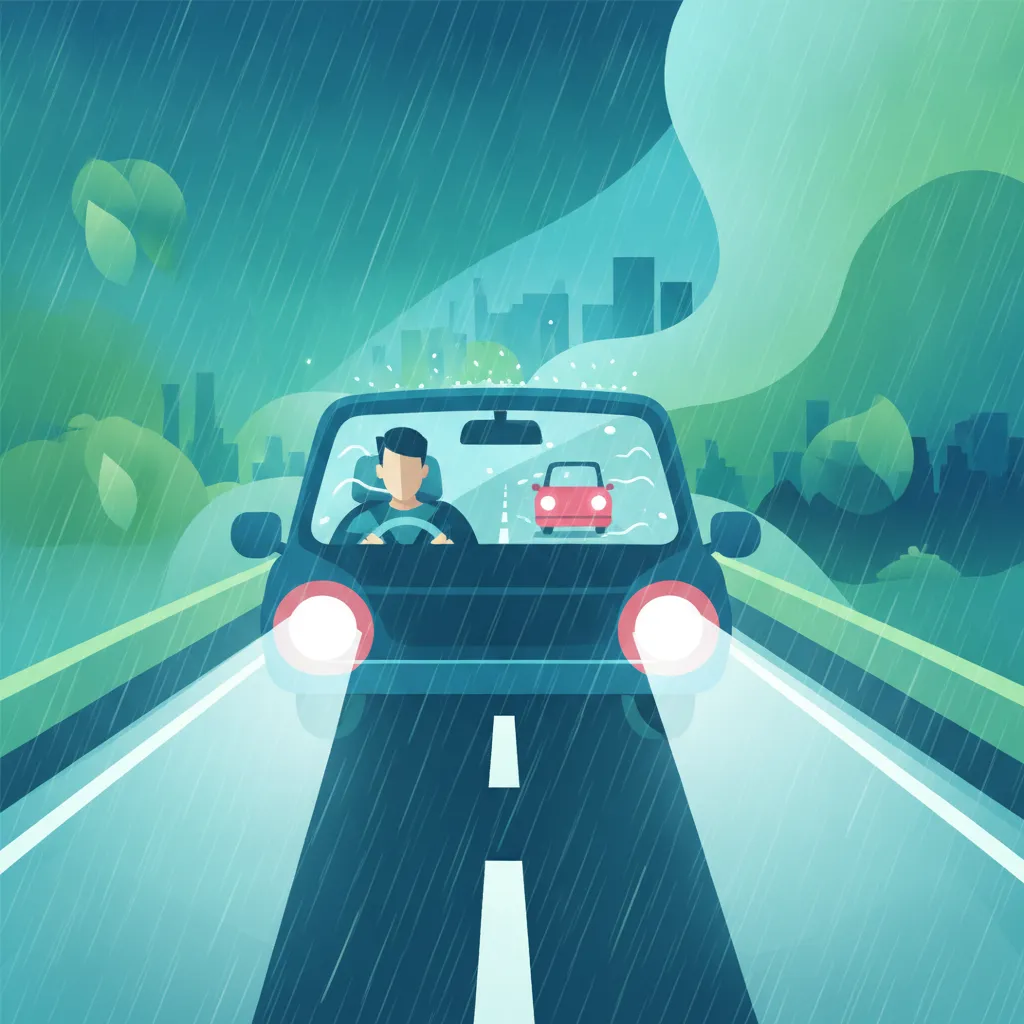
Learners will explore the specific challenges presented by adverse weather conditions, such as rain, fog, and nighttime driving. The lesson emphasizes the importance of adjusting speed, increasing following distances, and using appropriate lighting to maintain safety. Strategies for handling reduced road surface grip and visibility issues are discussed, ensuring drivers can adapt to changing weather while protecting passengers and other road users.

This lesson addresses the specific challenges of riding a motorcycle after dark, focusing on the importance of proper headlamp usage, reflective clothing, and heightened situational awareness. It provides guidance on how to remain visible to other road users, how to read road markings and signs under low-light conditions, and techniques for managing glare and fatigue during extended night rides.

Learners will explore techniques for adjusting driving styles based on different road surface conditions, such as gravel, potholes, and wet pavement. The lesson emphasizes the importance of adapting speed, braking, and steering inputs to maintain vehicle control and passenger comfort. Strategies for detecting and responding to road hazards are discussed to ensure safety across diverse driving environments.
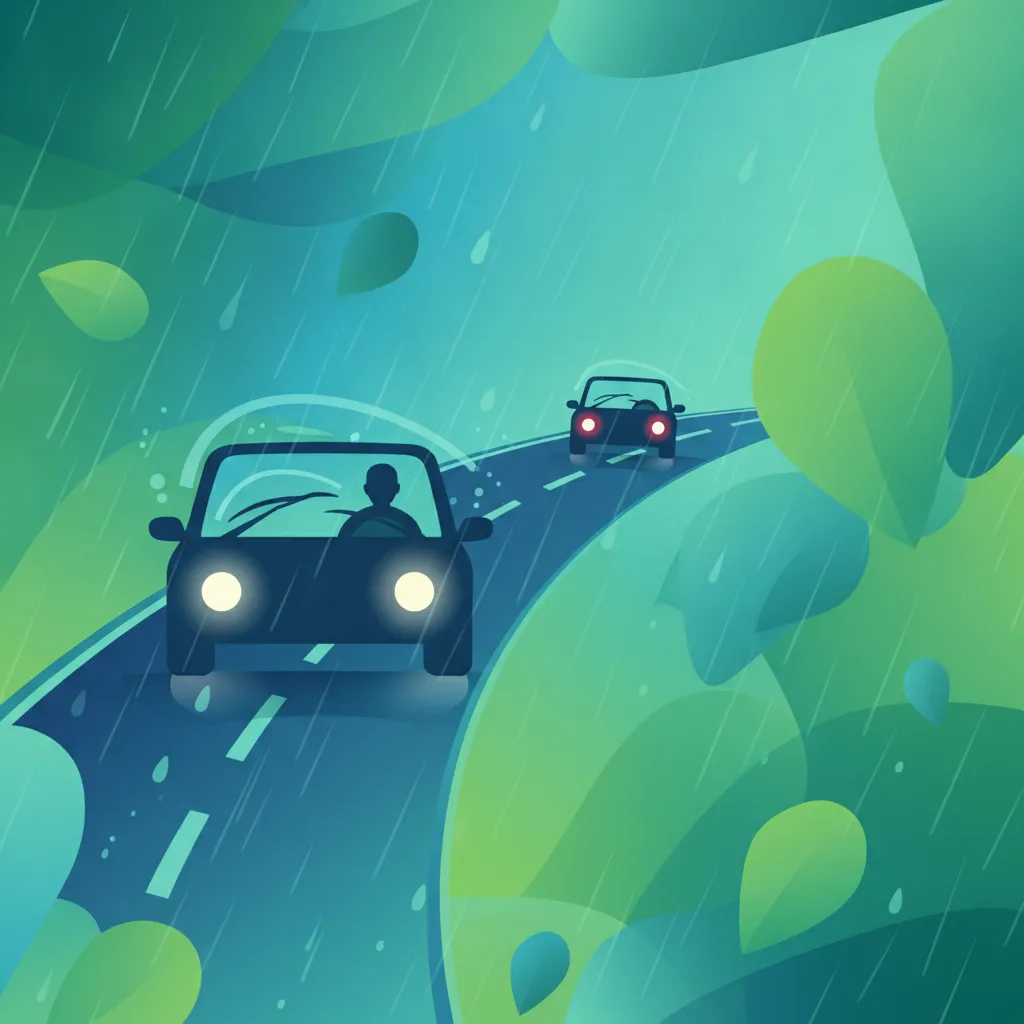
This lesson details defensive driving techniques for adverse weather conditions such as rain, snow, black ice, dense fog, and strong winds. It explains the physics of aquaplaning and how to regain vehicle control when losing traction on slippery surfaces. Drivers will learn how to adjust speed and increase safety gaps to prevent weather crashes.
Explore the technical requirements for vehicle roadworthiness as dictated by Turkish traffic law. This lesson details the importance of proper headlight alignment, regular inspection of lighting components, and how to prepare your vehicle for mandatory safety checks at TÜVTÜRK to remain compliant with traffic regulations.
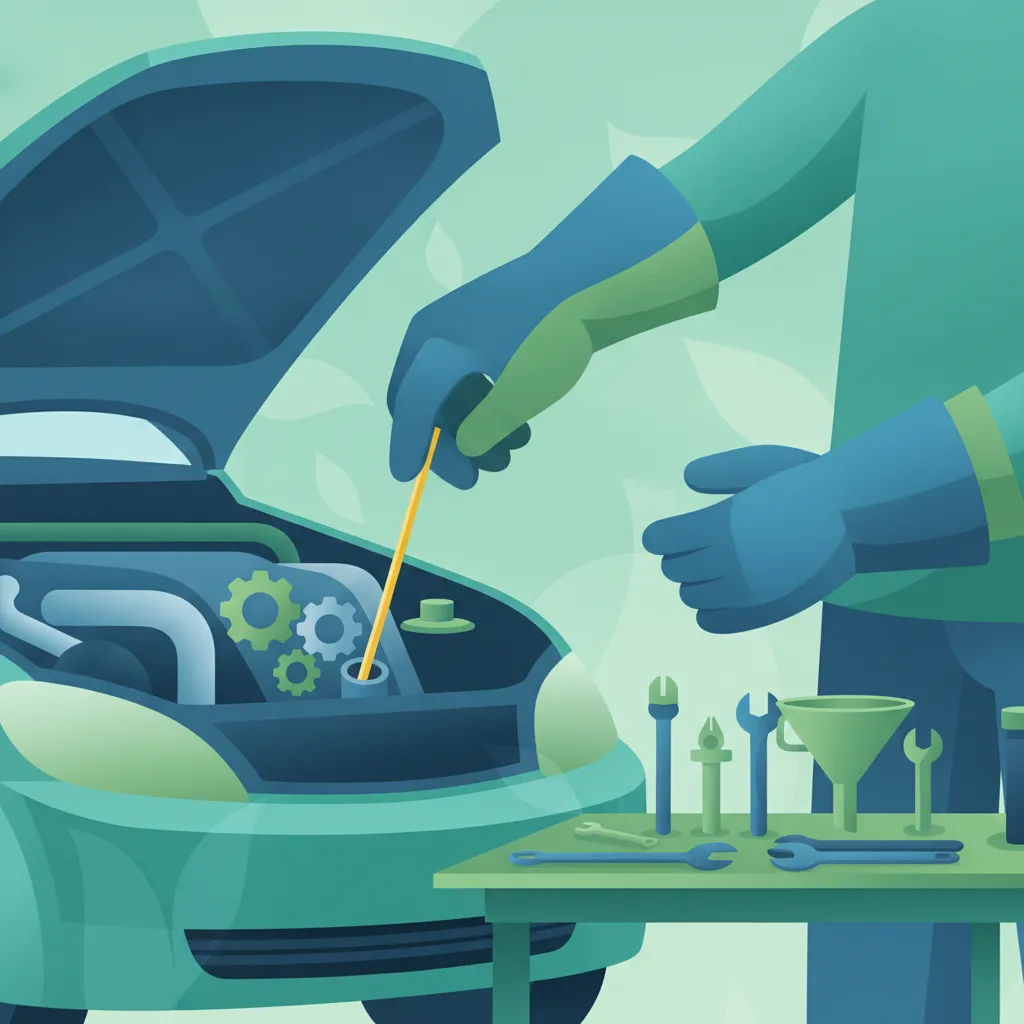
This lesson focuses on routine vehicle inspections, fluid level checks, and basic preventive maintenance tasks every driver should perform. It details the indicators on the dashboard instrument panel and how to react to critical engine warning lights. Motorists will learn to recognize mechanical faults before they lead to dangerous road breakdowns.
This lesson focuses on the critical safety checks for tyres, brakes, lights, and mirrors on goods vehicles. Learners will learn how to assess tyre pressure, tread depth, and overall condition, ensuring optimal road grip and handling. The lesson also covers brake inspection techniques to identify wear or malfunction, ensuring effective stopping power and proper functionality of signalling systems.
This lesson provides an exhaustive breakdown of the mandatory vehicle and driver documents that must be carried inside the vehicle at all times. It explains the exact validity terms of a Turkish driving licence, standard renewal steps, and compulsory insurance procedures. Drivers will understand how to verify document accuracy to pass police roadside checks.
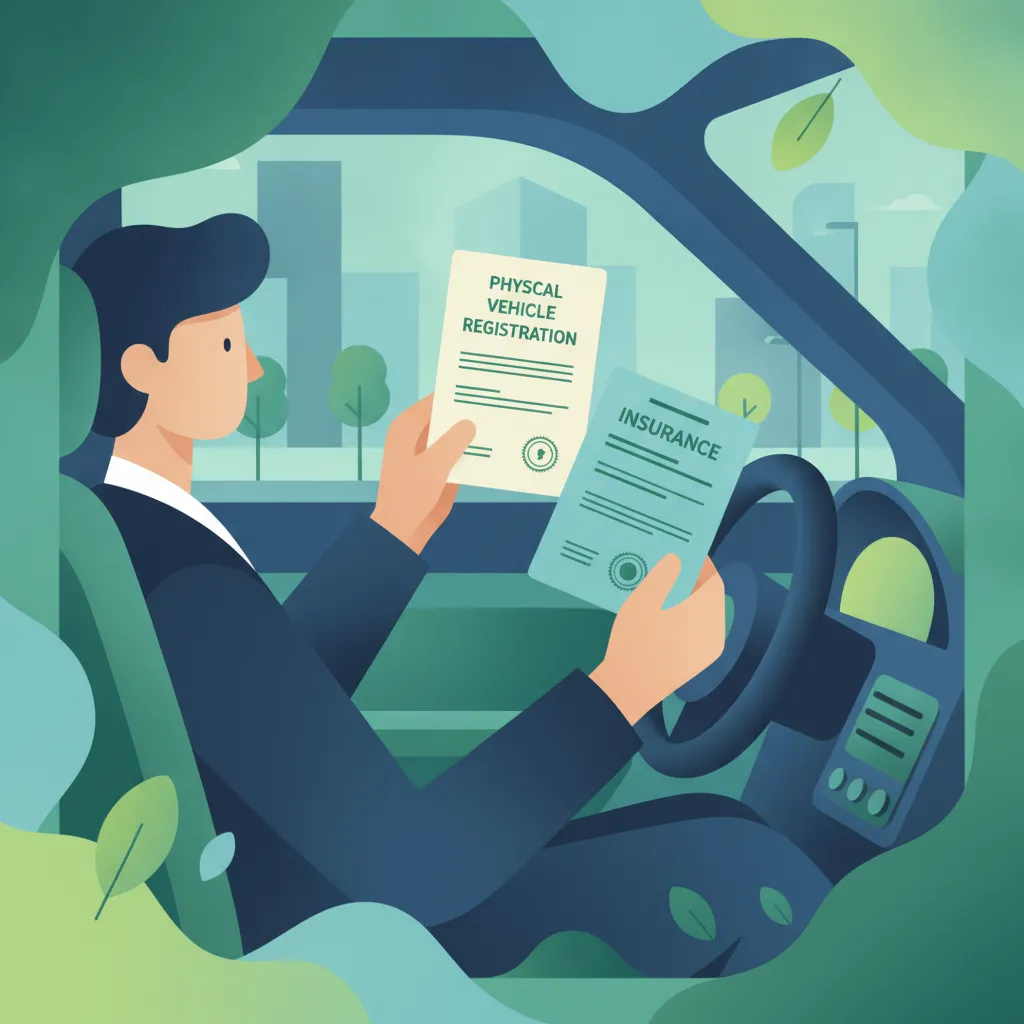
Learners will gain insight into the essential documentation and registration processes for passenger vehicles, covering the requirements for legal operation and fleet management. The lesson details the necessary paperwork, periodic inspections, and permits required to maintain compliance with Turkish transport regulations. Mastery of these administrative aspects ensures that drivers are prepared to meet all legal obligations for vehicle operation.
This lesson details the statutory duties imposed on motor vehicle drivers by Turkish traffic legislation to maintain order on public roads. It emphasizes mandatory seat belt usage, mobile phone bans, vehicle inspection rules, and general compliance with police directions. Understanding these duties ensures drivers avoid heavy penalties and maintain road safety.

This lesson emphasizes the critical importance of maintaining accurate and up-to-date documentation for professional goods vehicle operation. It covers essential documents such as driver's licences, vehicle registration, logbooks, cargo permits, and inspection certificates. Learners will understand the legal requirements for record keeping and the role of tachographs in monitoring driver activity.
This lesson outlines the essential components of a comprehensive pre-trip vehicle inspection for goods vehicles. It covers the visual and functional checks required for tyres, brakes, lights, mirrors, coupling mechanisms, fluid levels, and vital documentation. The lesson emphasizes the importance of conducting thorough inspections before each trip to identify safety hazards and prevent accidents.
This lesson focuses on traffic signs and road markings that are specifically relevant to goods vehicles in Turkey. Learners will become familiar with signs indicating prohibited routes, weight limits, height restrictions, hazardous material transport, and lane usage regulations. The lesson emphasizes the importance of accurately interpreting these signs to ensure compliance with traffic laws.
This lesson details tire safety, covering tread depth limits, correct air pressure, and the critical importance of seasonal tire swaps. It explains how improper inflation causes tire blowouts, increased fuel consumption, and severe aquaplaning risks on wet roads. Drivers will learn how to inspect tires and change a flat tire safely in an emergency.

This lesson explains the legal guidelines and safety physics for carrying passengers and securing cargo inside or on top of a vehicle. It details how excess weight or poorly distributed cargo negatively affects vehicle handling, braking, and fuel efficiency. Drivers will learn the legal payload limits specified under Turkish Category B regulations.
Find clear answers to common questions learners have about Lighting Systems and Usage. Learn how the lesson is structured, which driving theory objectives it supports, and how it fits into the overall learning path of units and curriculum progression in Turkey. These explanations help you understand key concepts, lesson flow, and exam focused study goals.
Low-beam headlights must be used during nighttime, in tunnels, and whenever visibility is reduced due to weather conditions like heavy rain, fog, or snow.
No. Using high beams in well-lit urban areas or when following or approaching other vehicles is prohibited as it can blind other drivers and lead to accidents.
No, fog lights should only be used in specific conditions of significantly reduced visibility, such as heavy fog or intense rain, to avoid glare and inconvenience to other drivers.
Even if the tunnel is illuminated, you are legally required to switch on your low-beam headlights to ensure your vehicle is clearly visible to oncoming traffic.
Use our comprehensive practice search to find exactly the Turkish driving theory questions you need to master. Whether reviewing specific road signs, traffic rules, or first aid scenarios, select your perfect practice set and boost your confidence for the official ehliyet sınavı.