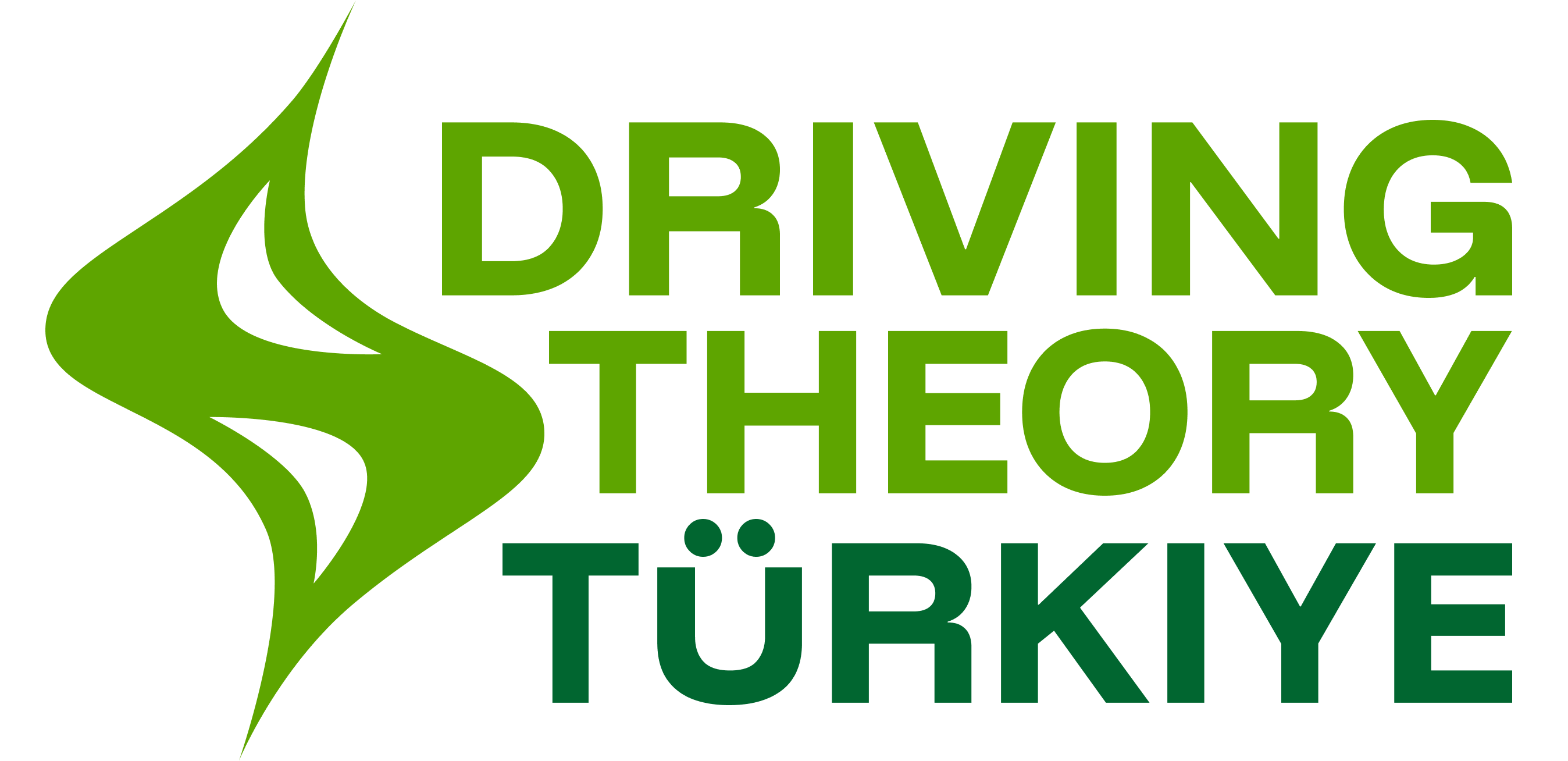
This lesson explores the critical safety regulations regarding seat belt usage and the legal requirements for child restraints in vehicles. As part of our vehicle safety unit, you will learn why these systems are vital for occupant protection and how they are tested in the official Turkish MTSK e-sınav.
Lesson content overview
When operating a motor vehicle, your primary defense against injury and fatality is the vehicle's occupant restraint system. As a candidate preparing for the Turkish Driving License Category B Theory Course, mastering the rules governing seat belts (emniyet kemeri) and child restraint systems (çocuk bağlama sistemleri) is not just essential for passing the official MTSK e-sınav—it is a critical life-saving responsibility you assume the moment you turn the ignition.
This lesson details the mechanical, physical, and legal aspects of seat belts and child seats. It explains how these safety features interact with the physics of a crash, outlines your legal responsibilities as a driver under the Turkish Highway Code (Karayolları Trafik Kanunu), and provides step-by-step guidance on securing passengers of all ages.
To understand the absolute necessity of seat belts, one must understand basic Newtonian physics. According to the law of inertia, an object in motion remains in motion at a constant velocity unless acted upon by an external force.
When a car travels at 50 km/h, the occupants inside are also traveling at 50 km/h. If the vehicle collides with a concrete barrier and stops abruptly, any unrestrained occupant will continue moving forward at 50 km/h until they strike an external object.
In any automotive crash, there are actually three distinct collisions:
The kinetic energy () of a moving vehicle scales quadratically with speed, calculated as:
Where is mass and is velocity. This means that doubling your speed from 30 km/h to 60 km/h does not double the impact force—it quadruples it.
Striking a solid object at 50 km/h without a seat belt is physically equivalent to falling from the third floor of a building (approximately 10 metres high). At this speed, the physical force required to hold yourself back with your arms is several tons, making it physically impossible to prevent injury through muscular strength alone. Seat belts are engineered to absorb this kinetic energy by distributing it across the strongest skeletal structures of your body: the pelvis and the ribcage.
In Turkey, the use of seat belts is legally mandatory for all front and rear-seat occupants in all passenger vehicles while on public roads. Failing to wear a seat belt is one of the most common traffic violations, carrying substantial fines and driver's license penalty points.
The Rear-Seat Myth: Many passengers mistakenly believe that rear seats are safe enough to forgo seat belts. In a head-on collision, an unrestrained rear-seat passenger becomes a heavy projectile, flying forward with thousands of kilograms of force. They will not only suffer fatal injuries themselves but are highly likely to strike and kill the belted driver or front-passenger.
Simply buckling the seat belt is not enough; it must be positioned correctly to function as intended. Incorrect positioning can cause severe internal injuries or neck trauma during a crash.
Adjust the Seat and Head Restraint: Sit fully upright with your back and hips flat against the backrest. Adjust your head restraint so the top is level with the top of your ears.
Position the Lap Belt: Pull the lower portion of the belt snug across your pelvis and upper thighs. It must never rest across your soft abdomen, as a crash could compress your internal organs.
Position the Shoulder (Diagonal) Belt: Draw the shoulder belt across the center of your chest and over the midpoint of your collarbone (clavicle). It must never lie across your neck, under your arm, or behind your back.
Remove Slack: Pull up on the shoulder strap to ensure the entire belt system is snug against your body. A loose seat belt allows too much forward movement before locking, reducing its protective capabilities.
Submarining occurs during a frontal collision when an occupant slides downward and forward underneath the lap belt. This usually happens if the seat back is reclined too far or if the lap belt is worn too high on the abdomen. Submarining causes the belt to severely crush abdominal organs and can result in critical spinal injuries.
Pregnant drivers and passengers must always wear a seat belt. The correct configuration is crucial to protect both the mother and the unborn child:
Modern vehicle seat belts are not simple fabric straps; they are sophisticated safety systems that work in tandem with the vehicle's airbag modules. Two key components enhance their efficiency during a collision:
[Crash Sensor Detects Impact]
       │
       ▼
[Pretensioners Fire] ────► Retracts belt instantly, pulling occupant back
       │
       ▼
[Airbag Deploys]     ────► Occupant moves forward into airbag
       │
       ▼
[Load Limiters Yield] ───► Releases belt slack slightly, reducing chest force
In the initial milliseconds of an impact, sensors detect rapid deceleration and trigger an explosive micro-charge or electric motor within the seat belt retractor. This mechanism instantly winds up any slack in the belt, pulling the occupant tightly back into their seat. By eliminating slack, the pretensioner ensures the occupant slows down along with the vehicle, minimizing the distance they travel forward.
Directly after the pretensioner tightens the belt, the occupant's body surges forward against the strap. To prevent the seat belt itself from causing rib fractures or internal chest injuries, load limiters allow the belt to release a small, controlled amount of slack once a specific force threshold is reached. This safely decelerates the chest in coordination with the deploying airbag.
Children are not miniature adults. Their skeletal structures are fragile, their heads are proportionally heavier compared to their body weight, and their pelvises are not yet fully developed to handle the forces of an adult seat belt. For these reasons, standard vehicle seat belts can cause severe injury or fail to restrain a child altogether. Specialized Child Restraint Systems (CRS), commonly known as child car seats (çocuk koltuğu), are legally required and safety-critical.
Under international safety standards (such as ECE R44/04 and ECE R129 / i-Size) adopted by Turkey, child restraints are categorized based on the child's height, weight, and developmental stage.
| Restraint Group | Type of Seat | Typical Weight / Height Limits | Proper Orientation and Placement |
|---|---|---|---|
| Group 0 / 0+ | Rear-Facing Infant Seat | Birth up to 13 kg (approx. 15 months) | Must be installed rear-facing in the rear seats. |
| Group 1 | Forward-Facing with 5-Point Harness | 9 kg to 18 kg (approx. 9 months to 4 years) | Installed forward-facing in the rear seats; uses built-in harness straps. |
| Group 2 / 3 | Booster Seat (High-Back or Backless) | 15 kg to 36 kg (up to 135/150 cm height) | Raises the child so the adult three-point seat belt fits across the hips and shoulder. |
For infants, a rear-facing seat is non-negotiable. In a frontal collision, a rear-facing seat cradles the child’s head, neck, and spine, distributing the impact forces across the entire back of the seat shell. If an infant is placed forward-facing, their weak neck muscles cannot support their heavy head, leading to fatal cervical spine distraction (often referred to as "internal decapitation").
Airbag Hazard: Never place a rear-facing child seat in the front passenger seat unless the passenger airbag has been manually deactivated. If the airbag deploys, it will strike the back of the child seat with explosive force, causing catastrophic head and neck injuries.
Once a child outgrows the height or weight limit of their rear-facing seat, they transition to a forward-facing seat. This seat utilizes a built-in five-point harness that secures the child at both shoulders, both hips, and between the legs, anchoring them firmly to the seat structure.
Booster seats do not have built-in harnesses. Instead, they position the child so that the vehicle’s standard adult seat belt lies safely across their skeletal frame. Without a booster seat, the adult belt would sit dangerously high across the child's soft stomach and neck, risking severe injury.
Historically, securing a child seat using the vehicle’s adult seat belts was complex and prone to installation errors. To address this, the automotive industry introduced a standardized mounting system.
Both systems feature a third anchor point—either a Top Tether strap (which hooks to an anchor behind the headrest or in the trunk) or a Support Leg (which extends to the vehicle floor) to prevent the child seat from tipping forward in a crash. Always prioritize using ISOFIX/LATCH installations over standard seat belt routing, as it significantly reduces the risk of incorrect installation.
Under the Turkish Highway Traffic Regulation (Karayolları Trafik Yönetmeliği), the driver bears full responsibility for the safety of all occupants. Before setting the vehicle in motion, the driver must verify that every passenger is properly restrained.
If a traffic officer stops a vehicle and finds passengers unbuckled or children unrestrained, the driver faces immediate traffic fines and penalty points on their license. Furthermore, in the event of an accident, a driver who failed to secure their passengers can be held civilly and criminally liable for "causing injury or death by negligence" (taksirle yaralama veya ölüme sebebiyet verme).
Understanding what not to do is just as important as knowing the rules. Avoid these common hazardous habits:
To ensure compliance with Turkish traffic laws and protect your passengers, always integrate these steps into your driving routine:
By committing these passenger safety rules to memory, you will protect those in your vehicle and prepare yourself thoroughly for any related scenarios on the Turkish driver's license e-sınav.
Explore all units and lessons included in this driving theory course.
Lesson content overview
Explore all units and lessons included in this driving theory course.
Explore search topics learners often look for when studying Seat Belts and Child Restraints. These topics reflect common questions about road rules, driving situations, safety guidance, and lesson level theory preparation for learners in Turkey.
Browse additional driving theory lessons that cover connected traffic rules, road signs, and common driving situations related to this topic. Improve your understanding of how different rules interact across everyday traffic scenarios.
Learn about the mechanical and electronic safety components built into modern vehicles. This guide explains how technologies like airbag modules, anti-lock braking systems, and electronic stability control integrate with seat belts to provide comprehensive passenger protection and reduce the risk of injury during a collision on Turkish roads.
This lesson presents effective braking strategies designed to safeguard passengers and prevent wheel lock-up or skidding. Learners will become familiar with progressive braking, the use of ABS, and techniques for maintaining vehicle stability during sudden stops. Proper braking ensures passenger comfort and reduces accident risk, especially in adverse road conditions.
Understand your mandatory duties as a vehicle operator according to the Turkish Highway Traffic Code. This lesson covers the driver's legal liability for passenger safety, vehicle documentation requirements, and the consequences of violating traffic regulations, helping you maintain compliance and contribute to a responsible driving culture on the road.
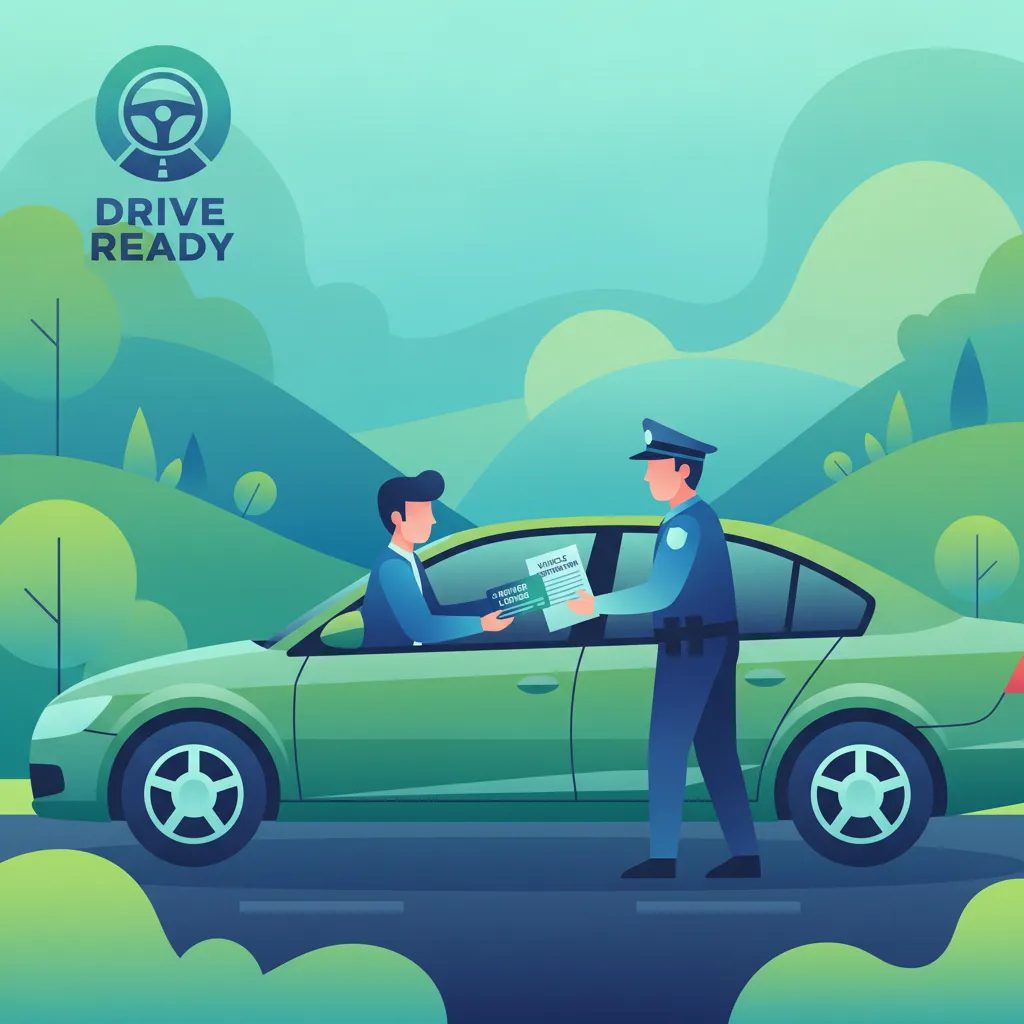
This lesson details the statutory duties imposed on motor vehicle drivers by Turkish traffic legislation to maintain order on public roads. It emphasizes mandatory seat belt usage, mobile phone bans, vehicle inspection rules, and general compliance with police directions. Understanding these duties ensures drivers avoid heavy penalties and maintain road safety.
Learners will explore the core safety priorities for passenger transport, including the correct use of seat belts, securing luggage, and maintaining passenger stability during vehicle motion. The lesson highlights the importance of clear safety briefings, the location and operation of emergency exits, and conducting risk assessments before departure. By mastering these practices, drivers can significantly reduce the likelihood of accidents and injuries.
In this lesson, participants will learn about the specific offences and penalties that apply to passenger vehicle drivers, focusing on violations that directly jeopardize passenger safety and public security. The content outlines the legal repercussions of non-compliance, including fines, licence suspensions, and other enforcement actions. Understanding these penalties reinforces the critical nature of adhering to traffic laws and safety protocols in professional passenger transport.
This lesson examines the integral role of the goods vehicle driver in contributing to overall traffic safety and a positive safety culture. It focuses on proactive driving behaviors, hazard identification, and effective risk management strategies. Communication techniques with other road users, compliance with traffic flow regulations, and competent emergency responses are highlighted as essential skills.
Learners will examine the broader concept of fostering a safety-oriented and professional culture within passenger transport services. The lesson discusses the impact of driver attitudes on passenger trust, the importance of ongoing safety training, and the role of ethical conduct in enhancing service quality. Strategies for promoting a proactive safety mindset among drivers and staff are presented.
Learners will explore best practices for ensuring passenger safety during the boarding and alighting process, focusing on proper vehicle positioning, door operation, and passenger assistance. The lesson covers the use of handrails, steps, and ramps, as well as strategies for managing standing passengers and luggage. Emphasis is placed on clear communication and maintaining situational awareness to prevent accidents.
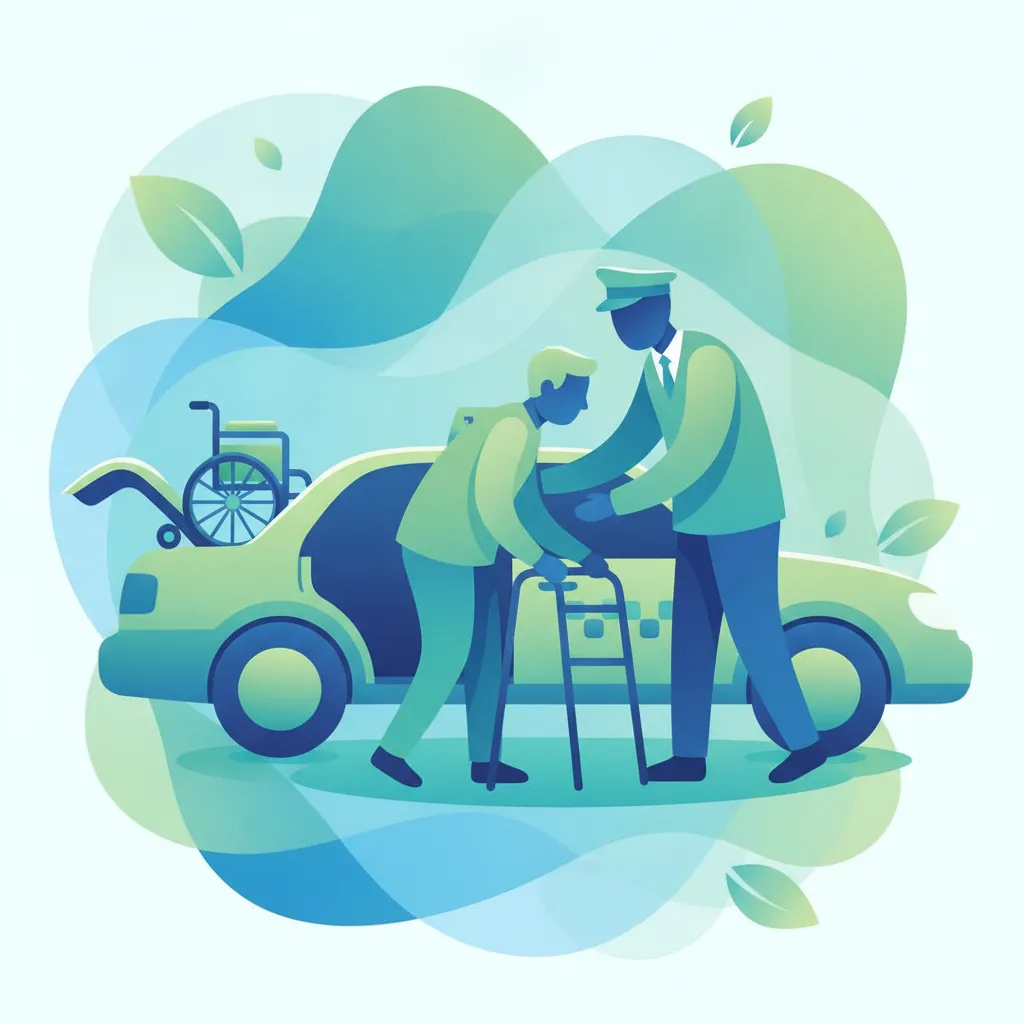
This lesson focuses on the specific considerations required when transporting children, elderly individuals, and passengers with reduced mobility. Topics include the proper installation of child safety seats, techniques for assisting elderly passengers, and procedures for safely boarding and securing wheelchair users. Drivers will learn how to use accessibility features and special equipment to ensure a safe and dignified travel experience for these vulnerable groups.
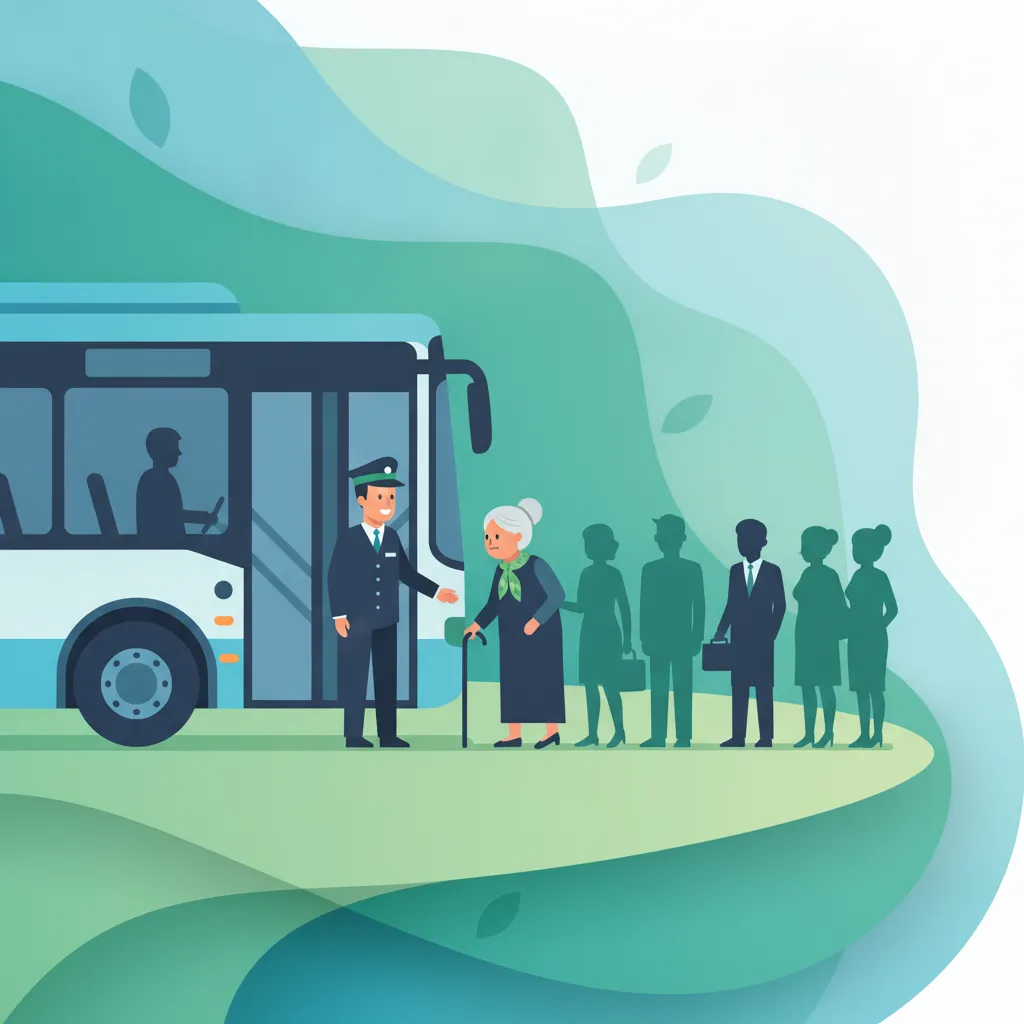
This lesson explores the standards of conduct expected from passenger vehicle drivers, emphasizing ethical decision-making and interactions with passengers and the public. It covers the impact of driver behaviour on public perception, the importance of maintaining a professional image, and the responsibilities inherent in transporting passengers safely and courteously. Learners will develop an understanding of how ethical practices contribute to service excellence and public trust.

Learners will identify the different categories of vulnerable road users and understand the heightened risks they face. The lesson emphasizes the importance of recognizing these users, anticipating their actions, and taking proactive measures to ensure their safety while operating passenger vehicles. Strategies for mitigating danger and fostering a protective driving environment are explored.
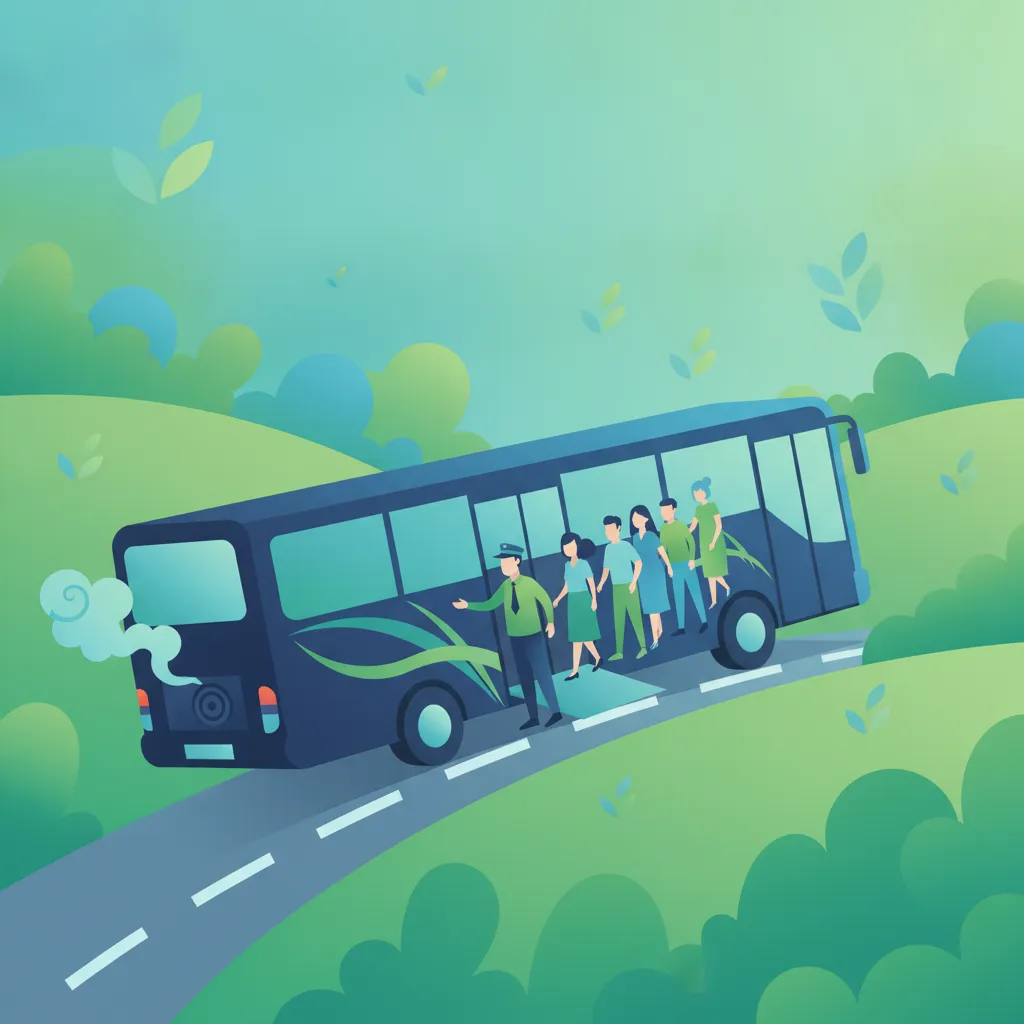
This lesson details the procedures for safely evacuating passengers from a bus in the event of a fire or other critical emergency. Topics include the location and use of emergency exits, fire extinguishers, and lighting, as well as the importance of clear communication and orderly movement of passengers. Practical steps for assisting vulnerable passengers during evacuation are emphasized.
Find clear answers to common questions learners have about Seat Belts and Child Restraints. Learn how the lesson is structured, which driving theory objectives it supports, and how it fits into the overall learning path of units and curriculum progression in Turkey. These explanations help you understand key concepts, lesson flow, and exam focused study goals.
Yes, according to Turkish traffic legislation, all passengers in vehicles equipped with seat belts must use them, regardless of whether they are sitting in the front or rear seats.
Children generally must use an appropriate child restraint system (car seat) until they reach a certain height or age specified by Turkish law, typically focusing on securing them in systems approved for their size and weight.
Generally, it is safer for children to be in the rear. You must follow specific manufacturer and legal guidelines regarding airbag deactivation if placing a rear-facing seat in the front, though the rear is highly recommended for safety.
Yes, the driver is legally responsible for ensuring that all passengers are buckled. Failure to comply can result in administrative fines and, depending on the severity and recurrence, penalty points applied to your license.
Use our comprehensive practice search to find exactly the Turkish driving theory questions you need to master. Whether reviewing specific road signs, traffic rules, or first aid scenarios, select your perfect practice set and boost your confidence for the official ehliyet sınavı.