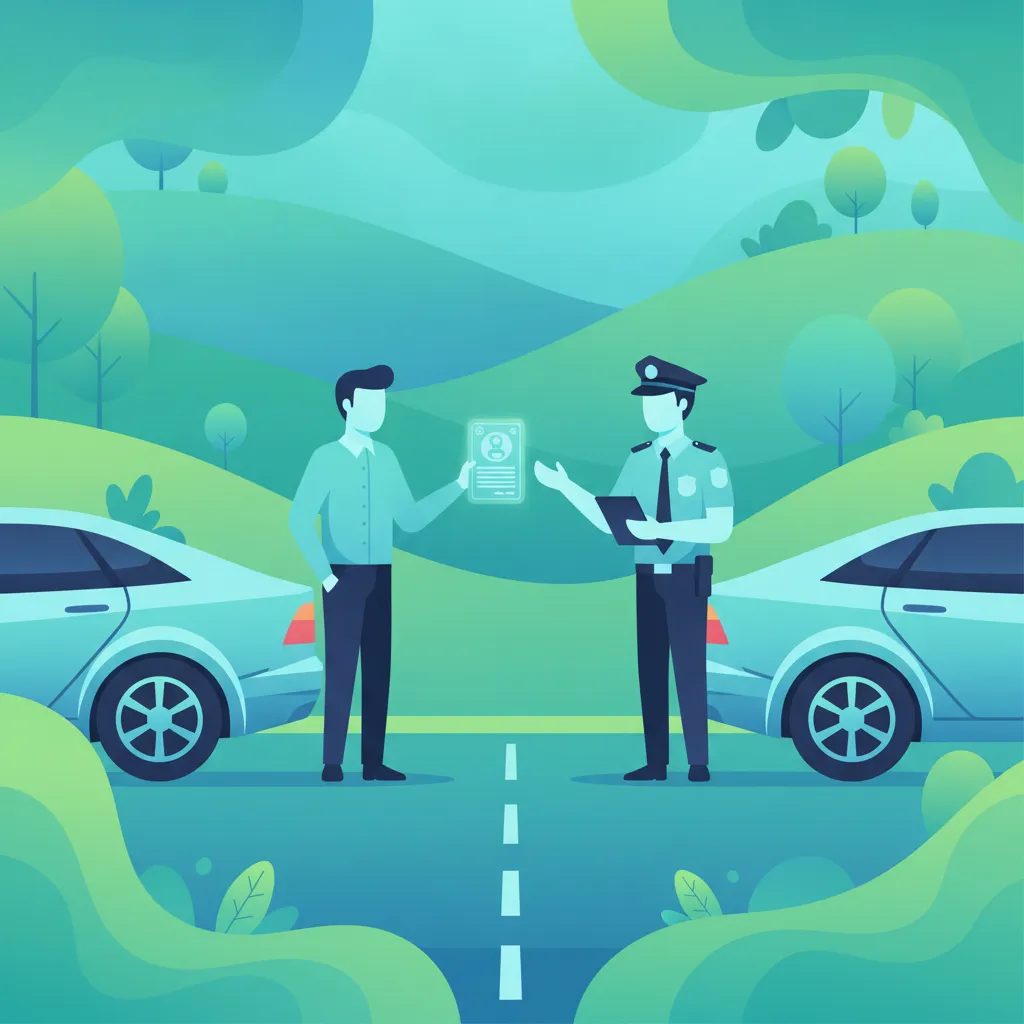
This lesson explores the standards of professional behavior expected of C1, C, C1E, and CE drivers in Turkey. You will learn how to maintain professional integrity during interactions with law enforcement and the public, ensuring you uphold the industry's reputation while meeting legal expectations.
Lesson content overview
Operating a commercial vehicle under Turkish transport laws requires more than technical driving competence. For drivers pursuing C1, C, C1E, or CE licenses, maintaining a high standard of professional conduct is a legal and ethical necessity. Under the Turkish Highway Traffic Regulation (Karayolları Trafik Yönetmeliği), heavy goods vehicle (HGV) drivers represent not only their transport companies but the entire logistics sector.
Every interaction on the road—whether with a traffic officer (trafik polisi), a gendarmerie officer (jandarma trafik), or a vulnerable pedestrian—directly impacts safety, industry reputation, and your legal standing. This lesson details the standards, communication techniques, and legal regulations governing professional conduct for commercial drivers in Turkey.
Commercial drivers frequently interact with traffic authorities at roadside inspection points (yol kontrol noktaları), weigh stations, and border crossings. Under Article 47 of the Turkish Highway Traffic Law No. 2918 (Karayolları Trafik Kanunu), all drivers must comply immediately with the signals and directives of authorized traffic officers.
Failing to stop when signaled by a traffic authority, refusing to present documents, or displaying non-compliant behavior can result in immediate administrative fines, penalty points, and potential suspension of your professional driver credentials (such as the SRC certificate).
When a traffic officer or gendarme signals you to pull over using a stop paddle (dur ihtarı), a flashlight at night, or vehicle sirens, you must remain calm and execute a safe stopping maneuver. Professional heavy vehicles require longer deceleration distances, so sudden braking must be avoided to prevent rear-end collisions or cargo shifts.
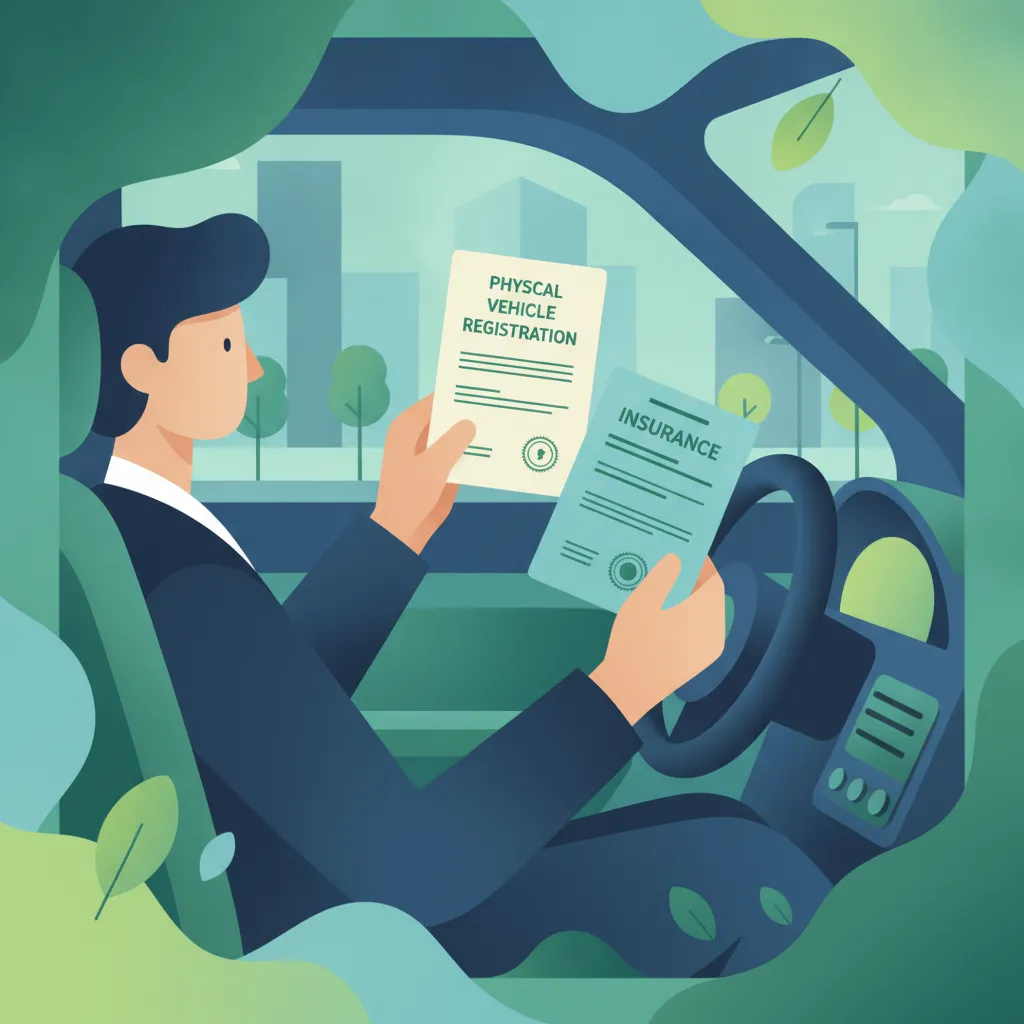
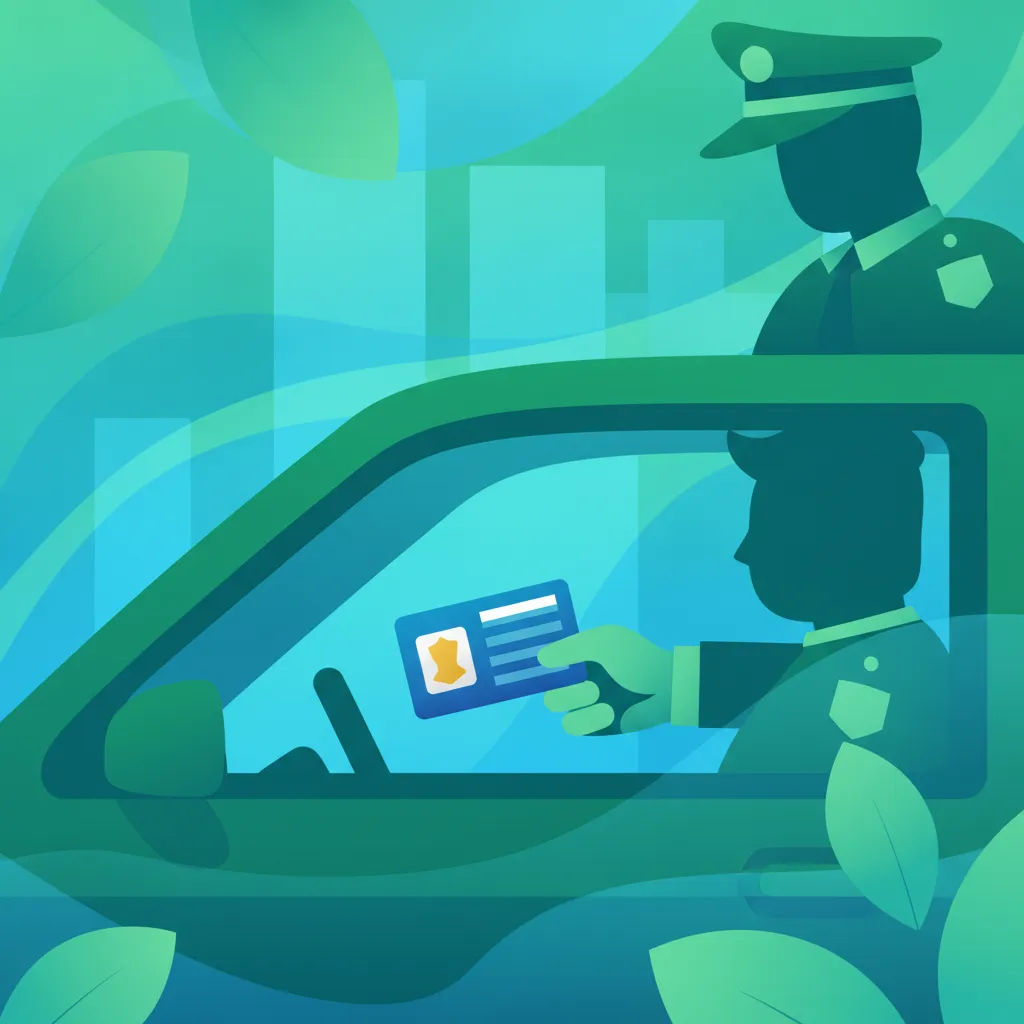
Once stopped, a professional driver is legally required to present a complete set of vehicle and driver documents. In Turkey, transport inspections are highly rigorous, and you must maintain these documents in an organized, clean, and easily accessible folder.
Safely Position the Vehicle: Signal and steer your heavy vehicle to the designated shoulder or inspection pocket, ensuring you do not block active traffic lanes. Set the parking brake and switch on your hazard warning lights if instructed or if visibility is low.
Maintain a Calm Demeanor: Roll down the window fully, place both hands on the steering wheel, and wait for the officer to approach. Keep the cabin interior illuminated if the inspection occurs at night.
Greet and Listen: Greet the officer politely. Avoid defensive or aggressive remarks. Allow the officer to state the reason for the stop without interruption.
Provide Documents Safely: State clearly that you are reaching for your documents. Hand over the requested paperwork in a polite, professional manner.
Await Instructions: Remain in the driver’s cab unless explicitly instructed by the officer to step down, use a mobile inspection device, or assist with a physical load check.
The required documentation generally includes:
Professional drivers share limited road space with a variety of road users. Because of the sheer mass and size of vehicles requiring C or CE licenses, the public often views trucks with a degree of anxiety. Displaying courtesy and predictability helps lower general road stress and prevents dangerous situations.
Vulnerable road users, including pedestrians, cyclists, children, and the elderly, possess no protective shielding. Commercial drivers must prioritize their safety above all else. Under Turkish law, drivers must yield the right-of-way to pedestrians crossing at designated marked crosswalks or intersections, even if no traffic signal is present.
In Turkey, the vehicle horn (korna) is legally reserved for imminent safety warnings. Using the horn to express frustration, signal impatience at traffic lights, or demand that a slower vehicle move out of your way is a violation of the Highway Traffic Regulation.
Stress is an inherent component of long-haul and urban freight transport. Delays, detours, tight delivery windows, and traffic congestion can cause frustration. How a professional driver manages this stress during face-to-face interactions determines whether a situation resolves safely or escalates into a legal or physical conflict.
If a conflict arises with another road user—such as after a near-miss or a minor collision—the professional driver must immediately employ active de-escalation techniques.
A systematic approach using verbal communication, neutral body language, and active listening to reduce emotional intensity and establish a safe, cooperative environment during a dispute.
Different environments require specific behavioral adaptions:
A professional driver represents the backbone of the domestic and international supply chain. Unprofessional driving habits, aggressive behavior, or a sloppy presentation degrade public trust in the transport sector and lead to stricter regulatory crackdowns.
As a professional, your behavior acts as a direct reflection of your employer and the logistics industry. Driving with patience, obeying speed limits, maintaining clean vehicles, and extending road courtesy creates a positive image that fosters public respect.
A driver’s mental state heavily influences their capacity for professional conduct. High levels of physical fatigue directly impair emotional self-regulation, making a driver more prone to outbursts, impatience, and aggressive maneuvers.
The choices you make during interactions have direct, measurable consequences. Understanding these causal chains helps emphasize why professional conduct is a core component of defensive driving.
[Aggressive Behavior / Arguing with Police]
       │
       ▼
[Escalation of Roadside Dispute]
       │
       ├─────────────────────────────────┐
       ▼                                 ▼
[Fines, Penalty Points, Court Action]   [Elevated Stress & Distraction]
                                         │
                                         ▼
                                [Increased Risk of Traffic Accident]
Conversely, choosing a professional approach yields positive outcomes:
[Calm, Respectful Communication]
       │
       ▼
[Efficient Roadside Inspection]
       │
       ├─────────────────────────────────┐
       ▼                                 ▼
[Minimal Delivery Delays]               [Positive Interaction & Respect]
Explore all units and lessons included in this driving theory course.
Lesson content overview
Explore all units and lessons included in this driving theory course.
Explore search topics learners often look for when studying Professional Conduct in Interactions with Authorities and the Public. These topics reflect common questions about road rules, driving situations, safety guidance, and lesson level theory preparation for learners in Turkey.
Browse additional driving theory lessons that cover connected traffic rules, road signs, and common driving situations related to this topic. Improve your understanding of how different rules interact across everyday traffic scenarios.
Learn about the mandatory documentation, vehicle registration papers, and professional certification standards required for commercial goods vehicle drivers. This guide clarifies the legal responsibilities of C-category license holders regarding roadworthiness inspections, tachograph records, and transport-specific documentation as defined in the Turkish Highway Traffic Law.

This lesson emphasizes the critical importance of maintaining accurate and up-to-date documentation for professional goods vehicle operation. It covers essential documents such as driver's licences, vehicle registration, logbooks, cargo permits, and inspection certificates. Learners will understand the legal requirements for record keeping and the role of tachographs in monitoring driver activity.
Learners will gain insight into the essential documentation and registration processes for passenger vehicles, covering the requirements for legal operation and fleet management. The lesson details the necessary paperwork, periodic inspections, and permits required to maintain compliance with Turkish transport regulations. Mastery of these administrative aspects ensures that drivers are prepared to meet all legal obligations for vehicle operation.

This lesson emphasizes the critical importance of maintaining accurate documentation and records for goods vehicle operation. Learners will explore the legal requirements for logbooks, permits, and other essential paperwork, and understand how proper documentation supports compliance and safety. The lesson also highlights the potential consequences of inaccurate or missing records on the road.
This lesson provides an exhaustive breakdown of the mandatory vehicle and driver documents that must be carried inside the vehicle at all times. It explains the exact validity terms of a Turkish driving licence, standard renewal steps, and compulsory insurance procedures. Drivers will understand how to verify document accuracy to pass police roadside checks.
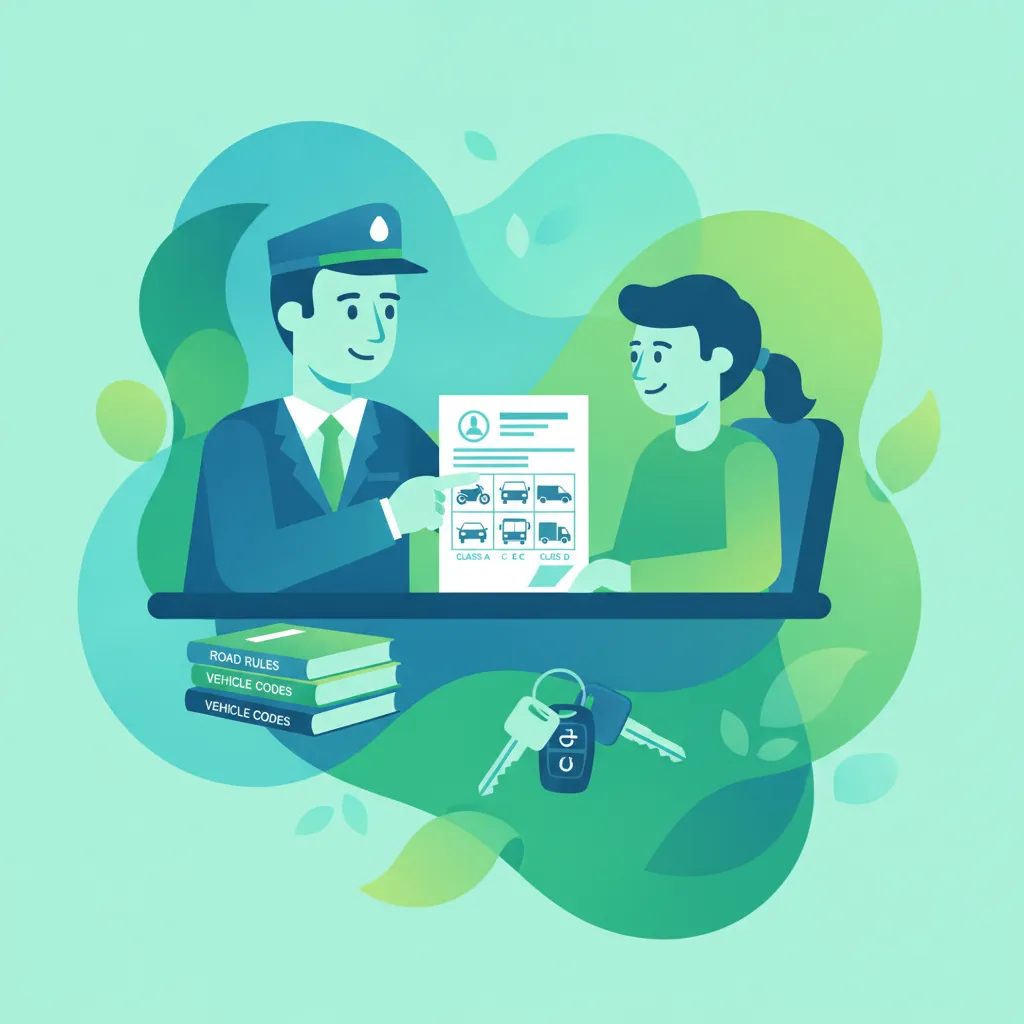
This lesson provides an in-depth overview of the Turkish legal framework that governs professional goods vehicle operation. It explains the specific licence categories detailing the eligibility requirements, vehicle classifications, and procedural steps for obtaining each licence. Learners will become familiar with the fundamental statutes, including the Karayollari Trafik Kanunu, that form the basis of all regulatory activities.
This lesson examines the integral role of the goods vehicle driver in contributing to overall traffic safety and a positive safety culture. It focuses on proactive driving behaviors, hazard identification, and effective risk management strategies. Communication techniques with other road users, compliance with traffic flow regulations, and competent emergency responses are highlighted as essential skills.
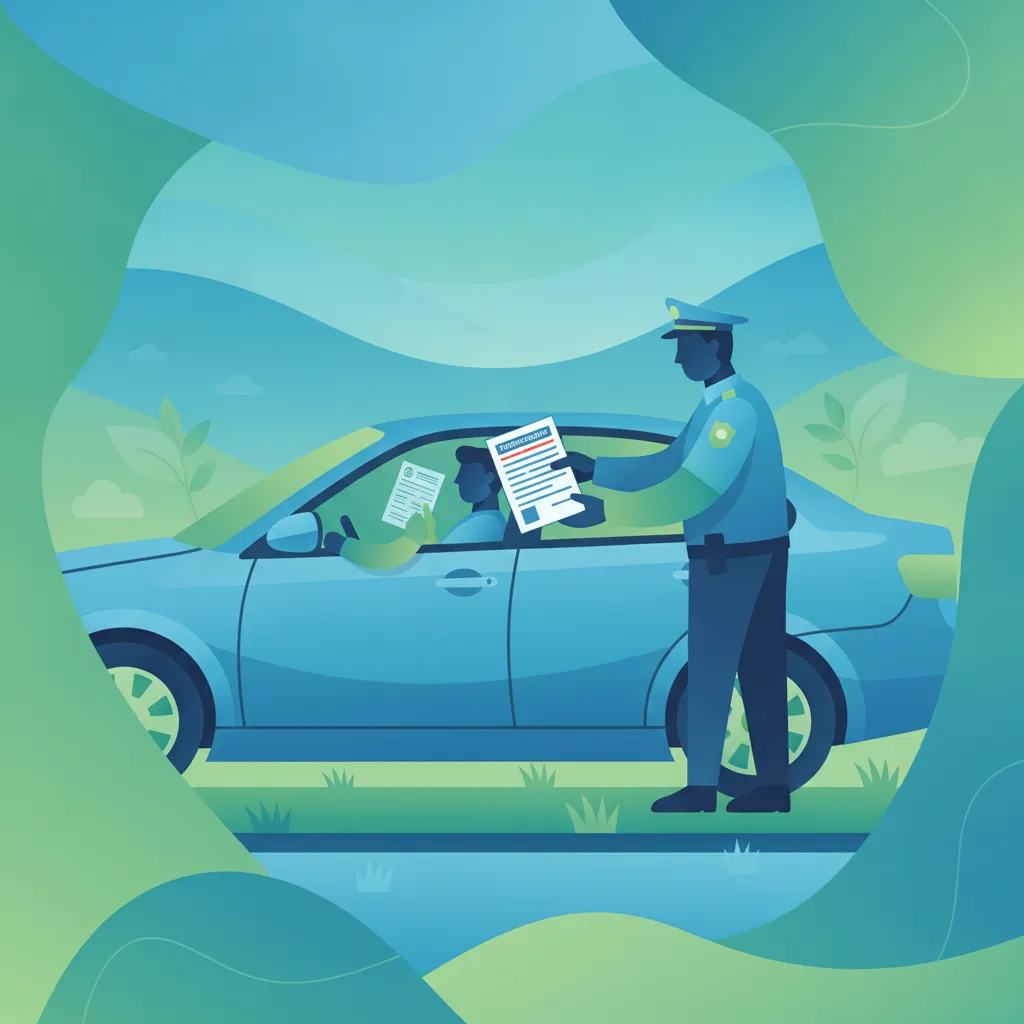
This lesson outlines the spectrum of penalties and legal consequences that goods vehicle drivers may face for violating traffic regulations. It details the types of infractions, ranging from minor violations to serious offenses, and explains the corresponding fines, points, and license suspensions. Learners will gain an understanding of the enforcement mechanisms and how repeat offenses can exacerbate penalties.

This lesson focuses on the health and fitness criteria required for passenger vehicle drivers, outlining the medical examinations and certifications needed to maintain a valid licence. Additionally, it emphasizes the importance of continuing education and professional development to keep drivers updated on new regulations, technologies, and best practices. By prioritizing driver health and lifelong learning, the overall safety and quality of passenger transport are enhanced.
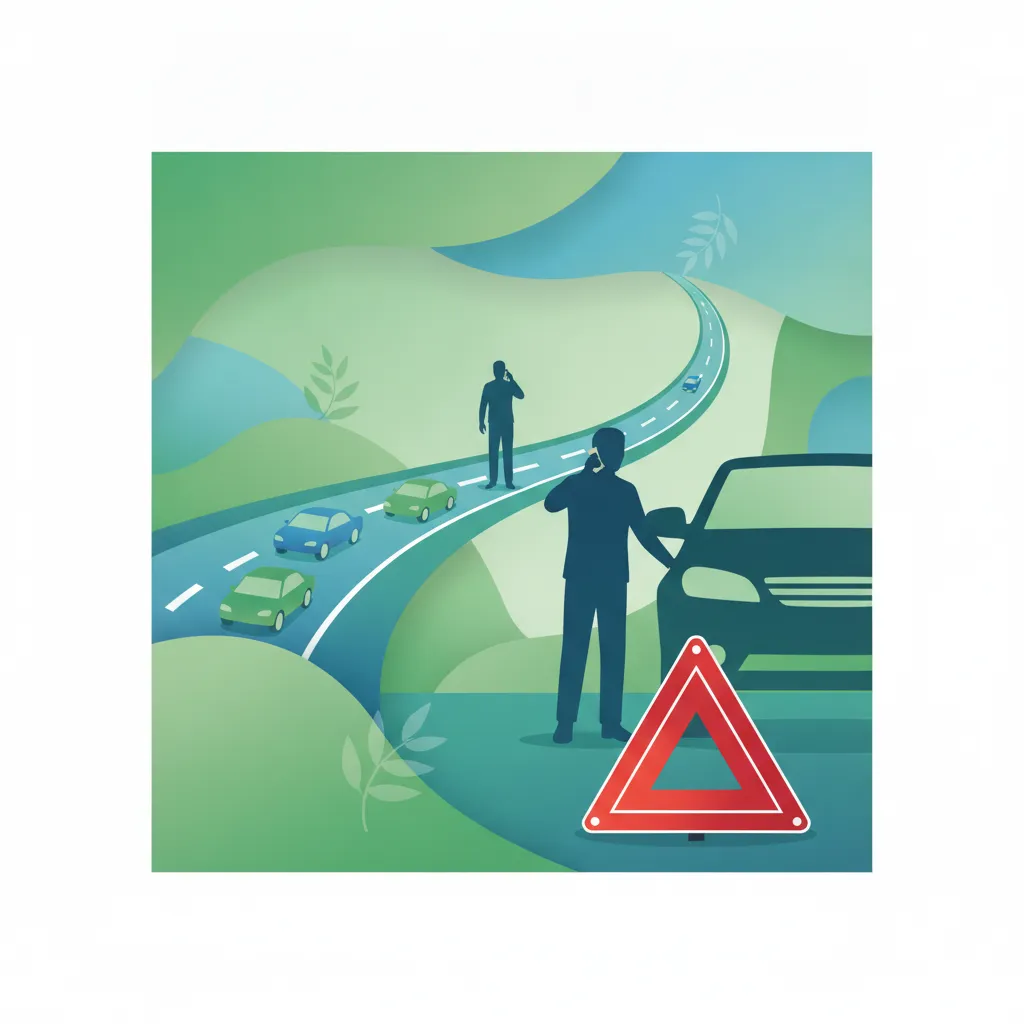
This lesson provides guidance on appropriate actions to take in the event of an accident or emergency while operating a goods vehicle. Learners will understand how to secure the scene, call Turkish emergency services (112), provide basic first aid, and complete necessary documentation. Emphasis is placed on ensuring personal safety, preventing further incidents, and facilitating rescue teams.
This lesson delves into the ethical responsibilities and professional standards expected of goods vehicle drivers, emphasizing their pivotal role in ensuring traffic safety. It explores the duty of care owed to other road users and the broader societal expectations placed upon professional drivers. Learners will examine how their conduct directly influences public trust and overall traffic flow in urban environments.
Explore effective techniques for managing heavy vehicle operations in dense urban traffic. This lesson explains how to identify blind spots, interact safely with vulnerable road users, and navigate delivery challenges while maintaining professional standards and reducing stress during complex traffic scenarios in Turkish city centers.
This lesson delves into specific manoeuvring strategies required when navigating both tight urban environments and open rural roads with large passenger vehicles. Learners will explore techniques for handling narrow streets, tight turns, and intersections, while maintaining safety and efficiency. The content emphasizes planning and execution of manoeuvres based on road conditions and vehicle dimensions.
This lesson explores the unique challenges faced during urban deliveries, such as navigating restricted loading zones, traffic congestion, and narrow streets. Learners will learn strategies for safe maneuvering, efficient loading and unloading, and maintaining situational awareness in high-pedestrian traffic areas. Emphasis is placed on complying with local regulations and optimizing time management.
This lesson focuses on the challenges and techniques required when maneuvering goods vehicles in confined spaces such as loading docks, narrow streets, and urban environments. It addresses the importance of spatial awareness, precision driving, and understanding vehicle dimensions to avoid collisions. Learners will explore strategies for effective parking, reversing, and handling blind spots safely.
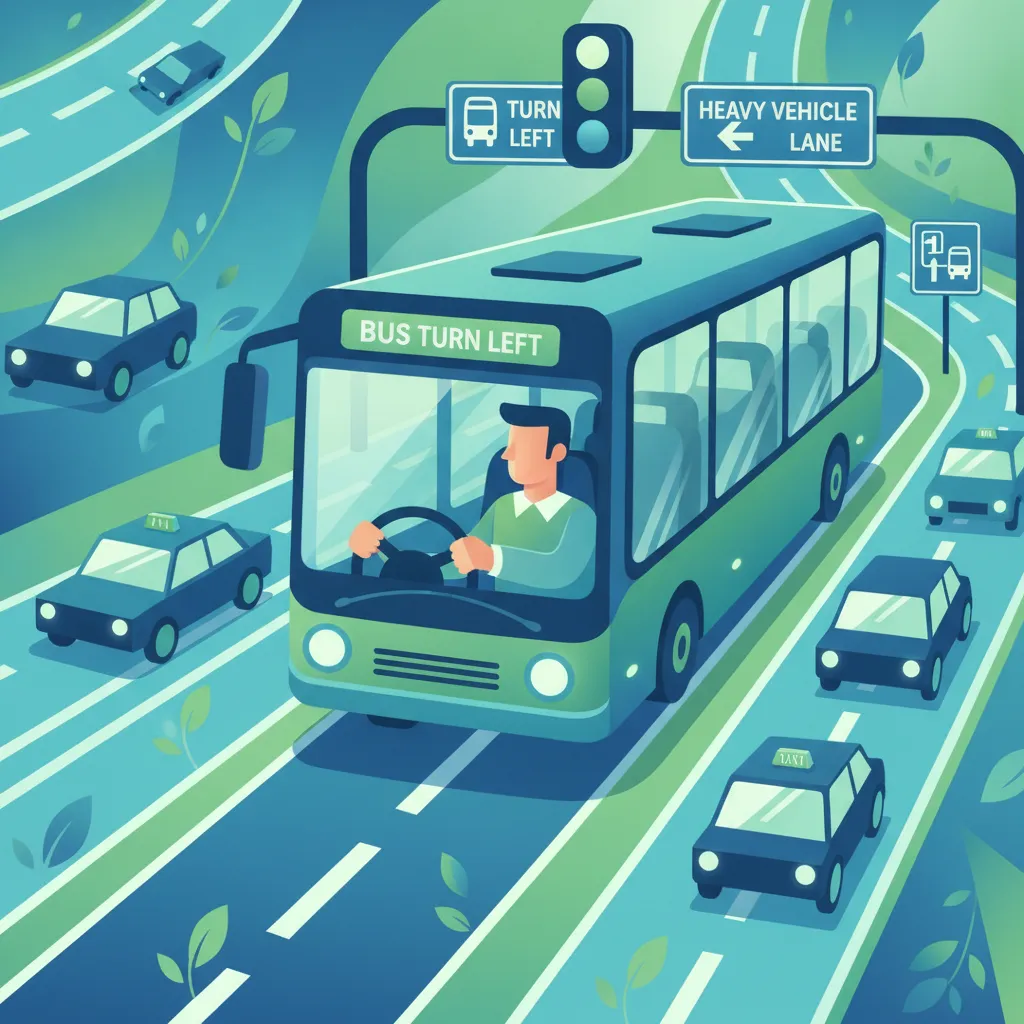
Learners will explore strategies for navigating congested urban traffic environments while operating large passenger vehicles. The lesson covers lane selection, adherence to traffic signals, and the use of bus lanes where applicable. Understanding how to maintain smooth traffic flow while ensuring passenger safety is crucial for efficient urban transportation.

This lesson focuses on protecting vulnerable road users, such as pedestrians, cyclists, and motorcyclists, in mixed traffic environments. Learners will examine specific strategies for increased vigilance, anticipatory driving, and properly yielding to these users. The lesson also covers high-risk zones, such as school areas and public transport stops, emphasizing the need for heightened safety.
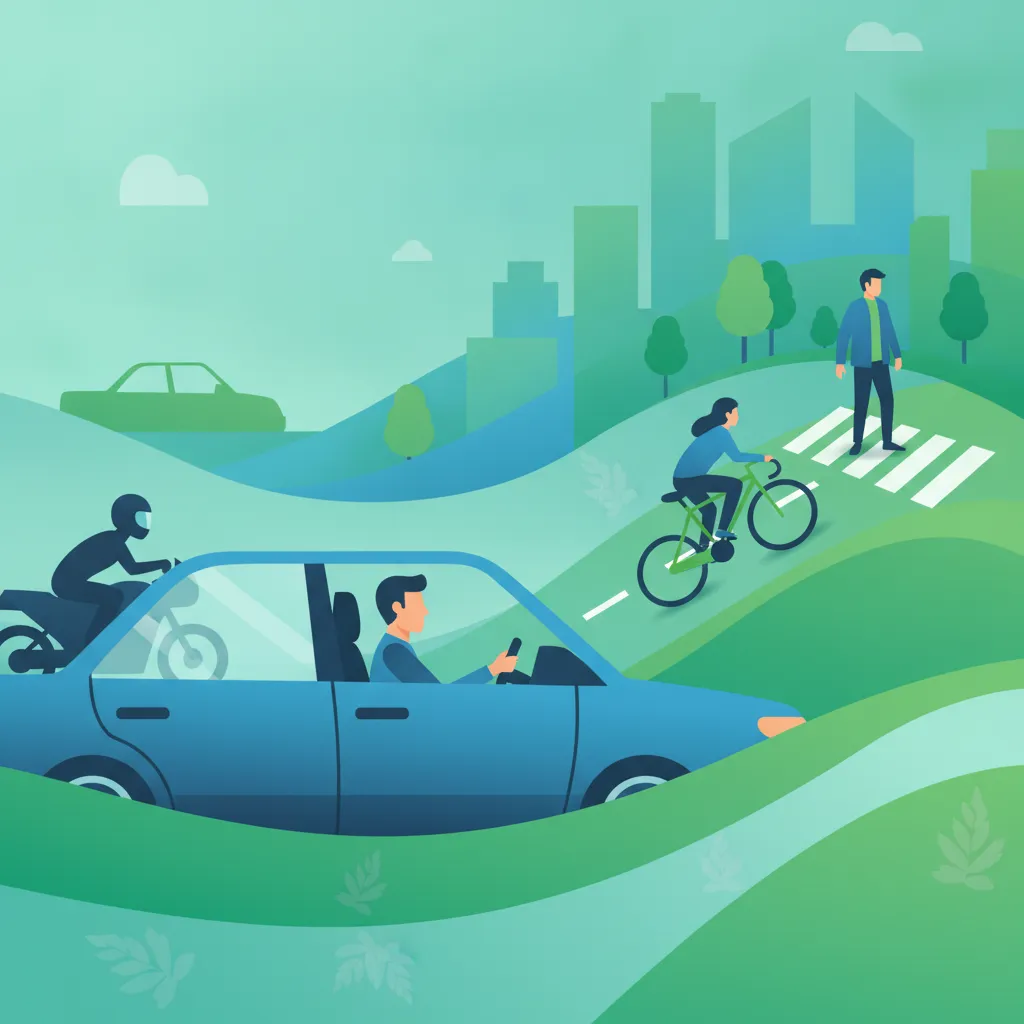
Learners will examine the complexities of operating in environments where various road users, including pedestrians, cyclists, and motorcyclists, coexist. The lesson emphasizes the need for heightened situational awareness, defensive driving techniques, and proactive hazard anticipation. Strategies for navigating mixed traffic safely, especially in congested urban areas, are highlighted.

This lesson examines the critical interactions between goods vehicles and vulnerable road users such as pedestrians, cyclists, and motorcyclists, particularly in urban environments. Learners will explore right-of-way rules, maintaining safe distances, and strategies for anticipating the actions of these road users. The lesson emphasizes the importance of clear communication and protective driving.
Find clear answers to common questions learners have about Professional Conduct in Interactions with Authorities and the Public. Learn how the lesson is structured, which driving theory objectives it supports, and how it fits into the overall learning path of units and curriculum progression in Turkey. These explanations help you understand key concepts, lesson flow, and exam focused study goals.
Professional conduct is a key component of the curriculum because goods vehicle drivers represent the transport industry. Managing interactions with authorities correctly ensures legal compliance, avoids unnecessary delays, and maintains public safety.
You should always remain respectful and professional. Even if you disagree with a procedure or a fine, follow the officer's instructions and use the official legal channels to challenge the decision later rather than engaging in a confrontational argument on the road.
Professional conduct is linked to your driver record and administrative standing. Consistent failure to adhere to professional standards or displaying aggressive behavior can lead to administrative penalties, affecting your professional qualification and driving status.
Use our comprehensive practice search to find exactly the Turkish driving theory questions you need to master. Whether reviewing specific road signs, traffic rules, or first aid scenarios, select your perfect practice set and boost your confidence for the official ehliyet sınavı.