
This lesson provides an essential foundation for your professional driving career by detailing the specific legal requirements for C1, C, C1E, and CE licence categories in Turkey. You will learn about the regulatory framework under the Karayollari Trafik Kanunu, which governs professional goods vehicle operations and sets the standards for your upcoming theory examination.

Lesson content overview
Operating heavy goods vehicles (HGVs) and professional transport vehicles requires more than just vehicle handling skills; it demands a deep understanding of the regulatory landscape. In Turkey, professional road transport is governed by strict national legislation designed to maximize public safety, preserve road infrastructure, and standardize the qualifications of commercial drivers.
This lesson forms the baseline of the Turkey Professional Goods Vehicle Theory Course. It unpacks the essential legal statutes, defines the technical boundaries of each commercial driving licence category, and establishes the strict prerequisite path you must navigate to operate heavy goods vehicles legally on Turkish public roads.
Every rule of the road, vehicle dimension limit, licensing procedure, and traffic penalty in Turkey is rooted in the primary traffic statute: the Karayolları Trafik Kanunu (Highway Traffic Law, Law No. 2918).
                          [ Karayolları Trafik Kanunu ]
                                 (Law No. 2918)
                                       │
                ┌──────────────────────┴──────────────────────┐
                ▼                                             ▼
   [ Traffic Safety & Order ]                    [ Standardization of Drivers ]
   - Speed & weight enforcement                  - Licensing frameworks (C1, C, CE)
   - Route and access limits                     - Medical & background requirements
This comprehensive framework serves several critical functions:
As a professional driver, compliance with the Highway Traffic Law is not optional. Every operational decision—from checking your axle weights before departing to carrying your official documentation—is directly mandated by this legal code.
In Turkey, driving licences are strictly classified to ensure that a driver’s authorized scope of operation matches their training, physical capability, and assessed skills. Operating a heavy commercial vehicle with an incorrect licence category is a severe violation, treated by authorities as driving without a licence altogether.
The maximum permissible weight of a vehicle when fully loaded, including the chassis, body, fuel, cargo, driver, and any passengers, as specified by the vehicle manufacturer.
The C1 Licence is the introductory tier for professional goods vehicle operation. It is specifically designed for drivers operating intermediate logistics and distribution vehicles.
Many drivers mistakenly believe that a C1 licence allows them to tow heavy commercial trailers as long as their total vehicle weight is low. This is a dangerous legal misconception. If your trailer exceeds 750 kg, you must hold a C1E or CE licence, regardless of the truck's weight.
The C Licence is the standard qualification for heavy truck drivers. It permits the operation of rigid heavy goods vehicles without a weight ceiling.
The C1E Licence is an extension of the C1 class, specifically enabling drivers to tow heavier trailers using light-medium trucks.
The CE Licence is the highest qualification for professional goods vehicle operators. It permits the operation of the largest cargo haulers on the road.
To ensure that only qualified, safe, and physically capable individuals operate heavy goods vehicles, the Turkish Highway Traffic Regulation sets high barriers to entry.
Obtaining a professional licence is a progressive process in Turkey. You cannot leap directly from a basic passenger car licence to operating a multi-tonne articulated truck.
| Licence Category | Minimum Age Requirement | Driving Experience Prerequisite |
|---|---|---|
| Category C1 | 18 Years | Must hold a valid Category B (Car) licence for at least two years. |
| Category C | 21 Years | Must hold a valid Category C1 licence for at least two years. |
| Category C1E | 21 Years | Must hold a valid Category C1 licence for at least two years. |
| Category CE | 21 Years | Must hold a valid Category C1 licence for at least two years. |
This structured pathway ensures that drivers gain fundamental road awareness, defensive driving habits, and spatial judgment in smaller vehicles before moving to complex, high-tonnage machinery.
Operating heavy vehicles demands high levels of physical endurance, rapid reaction times, and excellent sensory capabilities. Under Turkish law, all applicants for professional licence categories must undergo rigorous medical screening.
If you meet the age, experience, and medical criteria, you must follow a highly structured administrative and educational pathway to obtain your professional licence.
Obtain Initial Clearances: Secure your official criminal record clearance certificate showing no disqualifying offenses and procure two biometric photographs.
Complete Medical Examinations: Attend a certified medical clinic to obtain your professional driving category Health Report (Sağlık Raporu).
Enroll in an Authorized Driving Course: Register with a driving school licensed by the Ministry of National Education (MEB) that is certified to offer training for your target category (C1, C, C1E, or CE).
Pass the Theoretical Examination: Complete and pass the official theory test covering heavy vehicle traffic rules, mechanics, defensive driving, and first aid.
Complete Practical Training and Examination: Undergo behind-the-wheel instruction covering vehicle inspection, basic maneuvering (including reversing and trailer coupling, where applicable), and open-road driving. Pass the final practical driving test.
Submit Documentation and Collect Licence: Present your training certificate, health report, criminal record clearance, and ID to the local Civil Registry Office (Nüfus Müdürlüğü) to have the new category added to your physical driving card.
As a professional driver, you are held to a much higher standard than non-commercial drivers. Understanding the edge cases and violations commonly targeted by law enforcement can protect both your livelihood and public safety.
This violation occurs when a driver operates a vehicle heavier than their licence permits. For example, a C1 licence holder operating a rigid truck with a GVW of 9,000 kg. If caught, this results in severe administrative fines for both the driver and the vehicle owner, along with the immediate grounding of the vehicle.
Many professional drivers underestimate the legal difference between towing a small trailer and a commercial one.
A professional licence is legally invalid if your five-year medical clearance has expired. Driving under these conditions is prosecuted as driving without a valid licence.
While some jurisdictions or non-professional categories may have minor legal tolerances for blood alcohol concentration (BAC), professional goods drivers in Turkey are subject to a strict zero-tolerance policy while operating commercial vehicles. Any measurable alcohol in the bloodstream leads to immediate licence suspension, heavy fines, and the termination of professional driving privileges.
The strict legal categories of the Karayolları Trafik Kanunu are not arbitrary; they are deeply rooted in physical laws and vehicle dynamics.
Low-Weight Rigid Vehicle (C1)  --> Low kinetic energy, standard braking profile
Heavy Combined Vehicle (CE)    --> High kinetic energy, extended braking, prone to off-tracking
To ensure you fully grasp the legal limits of your operating authority, review the following real-world applications:
Now that you have mastered the legal framework and licence categories governing professional driving in Turkey, you are prepared to explore how these vehicles interact physically with the road network. In the upcoming lessons, we will build directly on these concepts by discussing physical vehicle dimensions, road space requirements, and load security rules.
This lesson establishes the legal foundation for professional goods vehicle operation in Turkey, detailing the four C-category licence classifications and their specific weight boundaries. The Karayolları Trafik Kanunu (Law No. 2918) provides the regulatory framework that all professional drivers must follow. The licence hierarchy progresses from C1 (light-medium rigid vehicles, 3,500-7,500 kg GVW) through C (heavy rigid vehicles over 3,500 kg) to C1E (C1 vehicles with heavier trailers, combined limit 12,000 kg) and CE (articulated combinations with no upper weight limit). Critical requirements include a two-year B licence prerequisite, minimum ages of 18 or 21 depending on category, and mandatory five-year medical renewals. Understanding these distinctions prevents common violations that can result in fines, vehicle impoundment, and loss of professional driving privileges.
A short set of high-value points that capture the most important learning from this lesson.
Turkey's professional goods vehicle licences are classified into four categories (C1, C, C1E, CE) based on vehicle GVW and trailer weight limits
C1 licence covers rigid goods vehicles between 3,500 kg and 7,500 kg GVW with trailers up to 750 kg only
C1E licence extends C1 towing authority to trailers exceeding 750 kg, with a combined GVW cap of 12,000 kg
CE licence is the highest qualification allowing Category C vehicles to tow trailers over 750 kg with no upper GVW limit
All professional drivers must hold a valid B licence for at least two years before qualifying for any C-category licence
Explore all units and lessons included in this driving theory course.
C1 licence holders cannot tow trailers exceeding 750 kg, regardless of total combined weight
The combined weight limit for C1E is 12,000 kg, not just the trailer weight exceeding 750 kg
Health reports (Sağlık Raporu) must be renewed every five years to maintain professional driving validity
Age progression requires 18 years for C1 and 21 years for C, C1E, and CE categories
The Karayolları Trafik Kanunu (Law No. 2918) is the primary legal statute governing all professional road transport in Turkey
Assuming a C1 licence permits heavy commercial trailers because the total combined weight appears manageable
Confusing the C1E combined GVW limit of 12,000 kg with the trailer weight limit, leading to illegal configurations
Driving professionally with an expired health report, which is prosecuted as driving without a valid licence
Attempting to obtain a C or CE licence without first holding C1 for the required two-year period
Believing that a Category C licence alone permits heavy trailer coupling, when CE is required for trailers over 750 kg
Lesson content overview
A short set of high-value points that capture the most important learning from this lesson.
Turkey's professional goods vehicle licences are classified into four categories (C1, C, C1E, CE) based on vehicle GVW and trailer weight limits
C1 licence covers rigid goods vehicles between 3,500 kg and 7,500 kg GVW with trailers up to 750 kg only
C1E licence extends C1 towing authority to trailers exceeding 750 kg, with a combined GVW cap of 12,000 kg
CE licence is the highest qualification allowing Category C vehicles to tow trailers over 750 kg with no upper GVW limit
All professional drivers must hold a valid B licence for at least two years before qualifying for any C-category licence
Explore all units and lessons included in this driving theory course.
C1 licence holders cannot tow trailers exceeding 750 kg, regardless of total combined weight
The combined weight limit for C1E is 12,000 kg, not just the trailer weight exceeding 750 kg
Health reports (Sağlık Raporu) must be renewed every five years to maintain professional driving validity
Age progression requires 18 years for C1 and 21 years for C, C1E, and CE categories
The Karayolları Trafik Kanunu (Law No. 2918) is the primary legal statute governing all professional road transport in Turkey
Assuming a C1 licence permits heavy commercial trailers because the total combined weight appears manageable
Confusing the C1E combined GVW limit of 12,000 kg with the trailer weight limit, leading to illegal configurations
Driving professionally with an expired health report, which is prosecuted as driving without a valid licence
Attempting to obtain a C or CE licence without first holding C1 for the required two-year period
Believing that a Category C licence alone permits heavy trailer coupling, when CE is required for trailers over 750 kg
Explore search topics learners often look for when studying Legal Framework and Licence Categories. These topics reflect common questions about road rules, driving situations, safety guidance, and lesson level theory preparation for learners in Turkey.
Browse additional driving theory lessons that cover connected traffic rules, road signs, and common driving situations related to this topic. Improve your understanding of how different rules interact across everyday traffic scenarios.
Understand the physical relationship between vehicle center of gravity and cargo distribution. This lesson explains the legal requirements for securing loads on heavy goods vehicles to ensure safe maneuvering and vehicle stability on Turkish motorways, as mandated by the Highway Traffic Law.
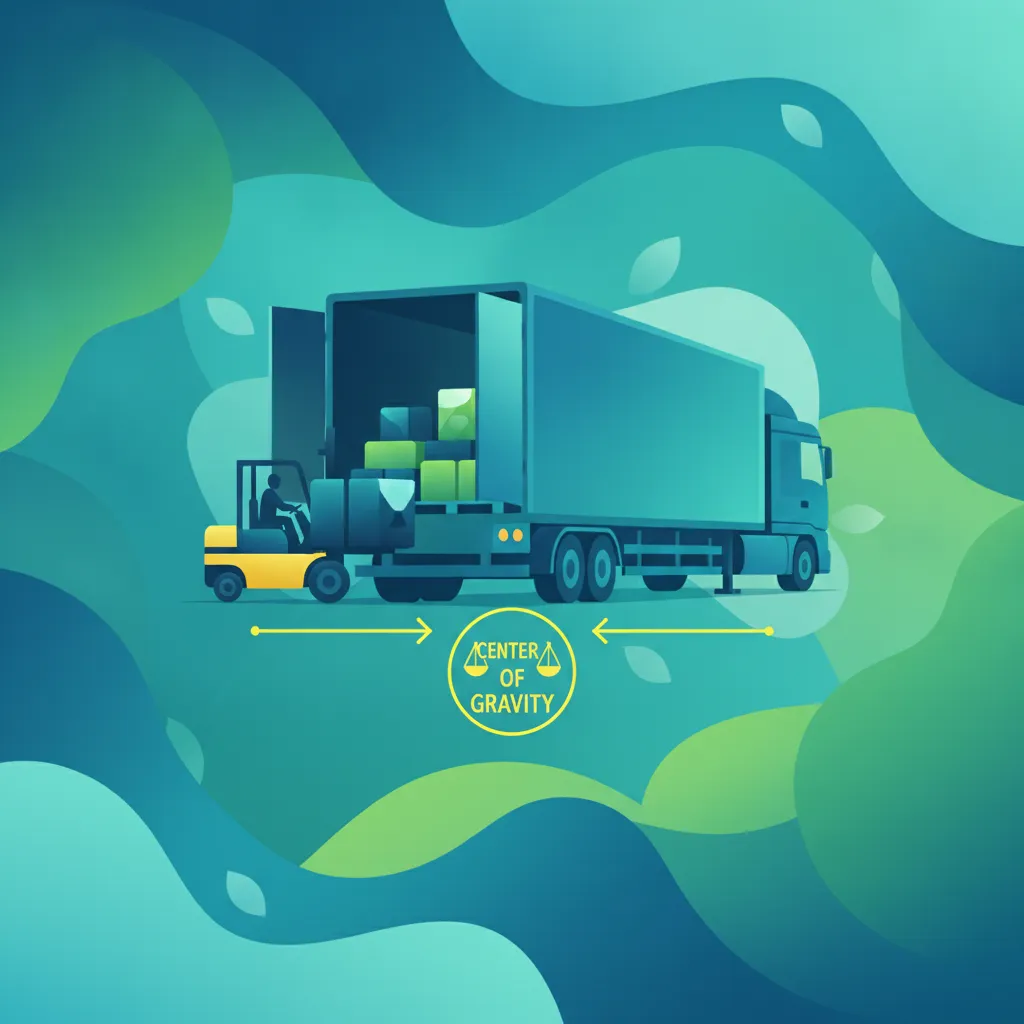
This lesson focuses on the essential principles of load planning and weight distribution for goods vehicles. Learners will understand how to assess cargo weight, determine optimal placement, and maintain a low centre of gravity to ensure vehicle stability. The lesson emphasizes legal load limits, the dangers of overloading, and the impact of uneven load distribution on handling and braking.

This lesson provides a detailed overview of cargo securing techniques and the legal requirements for securing loads on goods vehicles. It covers the proper use of straps, chains, tarpaulins, and other securing methods to prevent cargo shift during transit. Learners will learn how to assess the need for additional restraints based on cargo type, weight, and dynamic transport conditions.
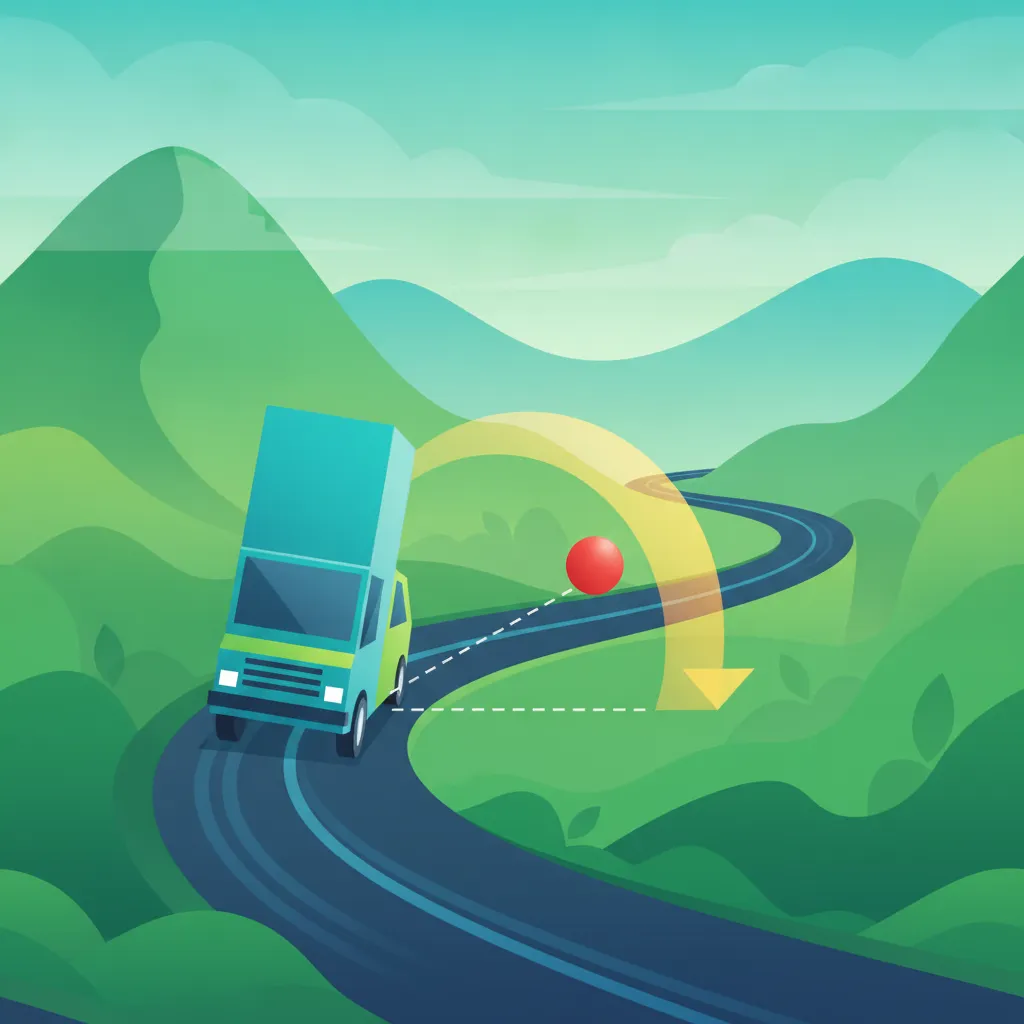
This lesson delves into the concept of centre of gravity and its critical impact on the stability of goods vehicles. Learners will explore how load height and distribution affect side and dynamic stability, particularly during braking, cornering, and evasive maneuvers. The lesson explains the increased rollover risk associated with a high centre of gravity and provides strategies for managing weight.

This lesson delves into the principles of weight distribution and load limits for goods vehicles, emphasizing the impact on vehicle stability and safety. It examines the concept of Gross Vehicle Weight (GVW) and the legal limits imposed on individual axles to prevent overloading. Learners will explore how improper weight distribution affects the centre of gravity, braking performance, and handling characteristics.

This lesson examines the effects of load dynamics on vehicle stability during acceleration and deceleration. Learners will learn how cargo can shift and affect handling, particularly during sudden speed changes or emergency braking situations. The lesson emphasizes proper load securing, gradual acceleration, and controlled braking to maintain stability and prevent serious accidents.
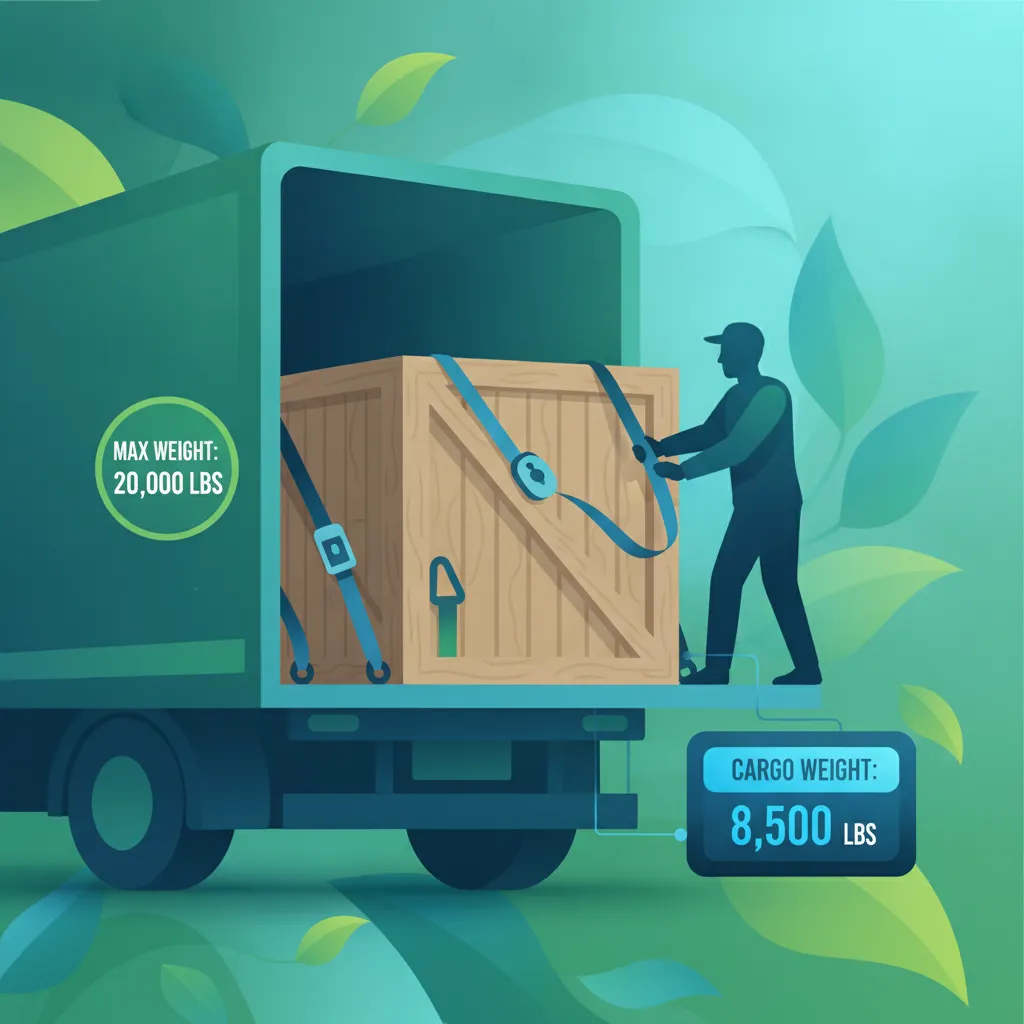
This lesson explains the legal guidelines and safety physics for carrying passengers and securing cargo inside or on top of a vehicle. It details how excess weight or poorly distributed cargo negatively affects vehicle handling, braking, and fuel efficiency. Drivers will learn the legal payload limits specified under Turkish Category B regulations.

This lesson focuses on the importance of maintaining safe following distances for goods vehicles, taking into account longer braking distances and increased load. Learners will learn how to calculate appropriate gaps based on speed, road conditions, and vehicle dynamics. The lesson emphasizes safe following practices to prevent rear-end collisions and improve overall traffic safety in Turkey.
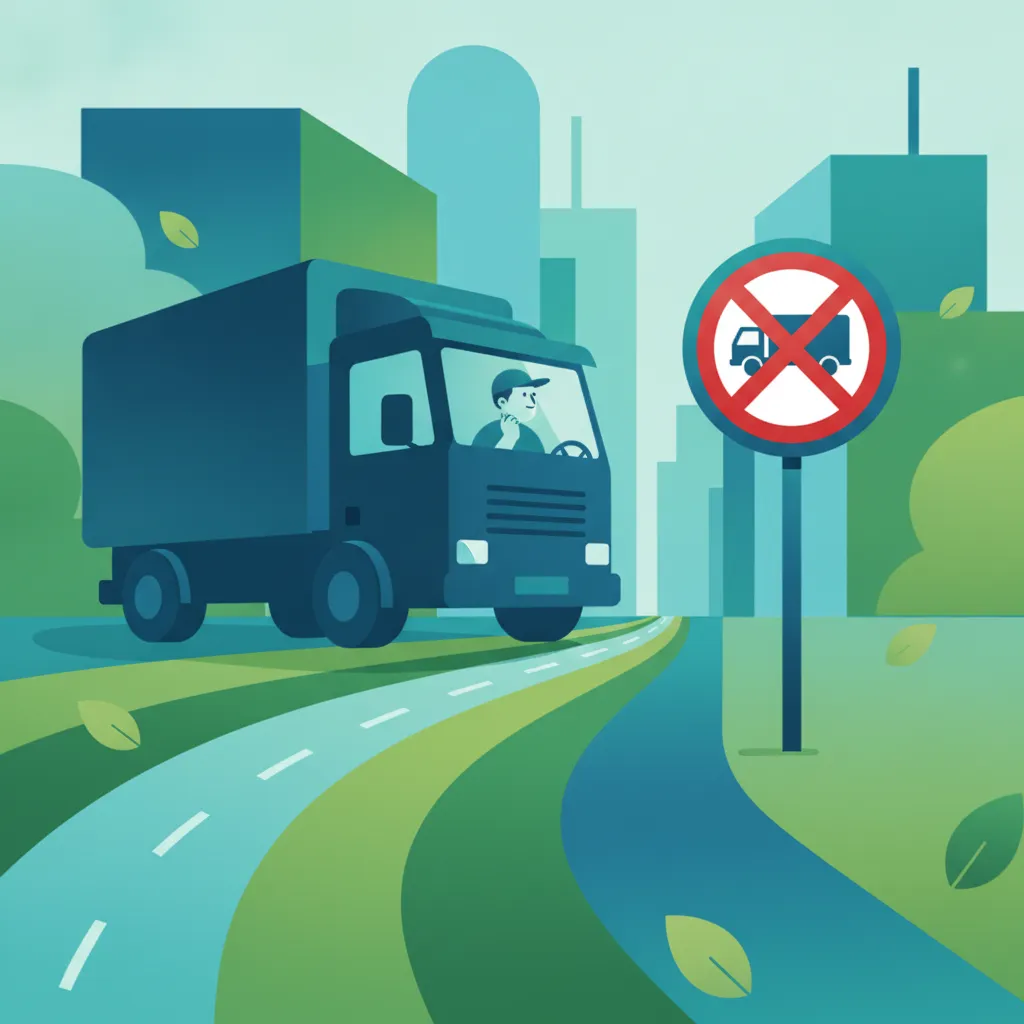
This lesson focuses on the various access restrictions imposed on heavy goods vehicles within Turkish road networks. Learners will understand the reasons for restrictions such as low bridge clearances, tunnel usage, construction zones, and urban delivery area limitations. The lesson also covers how to recognize and comply with legal notices and signage indicating restricted commercial zones.
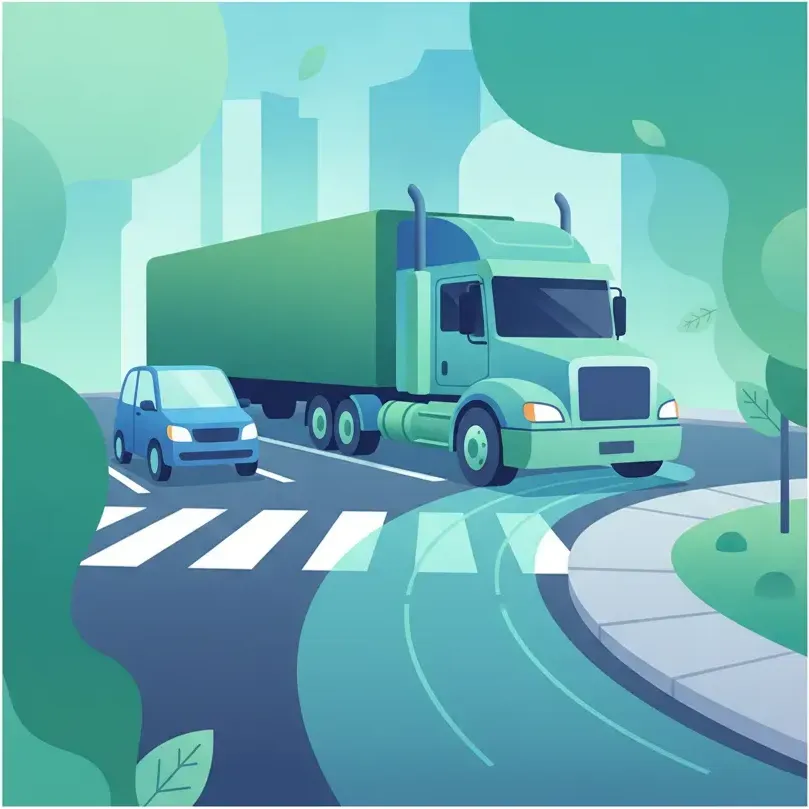
This lesson examines the specific road space requirements necessary for large goods vehicles to operate safely and efficiently. Topics include the need for adequate lane width, lateral clearance, and turning lanes to accommodate wider and longer vehicles. Learners will explore the proper use of shoulders, overtaking procedures, and the impact of large vehicles on overall road capacity in traffic.
Learn the specific traffic rules and speed adaptations required for heavy goods vehicles when driving on Turkish highways and rural road networks. This lesson covers lane discipline, overtaking restrictions, and managing vehicle dynamics in various road environments to maintain traffic safety.
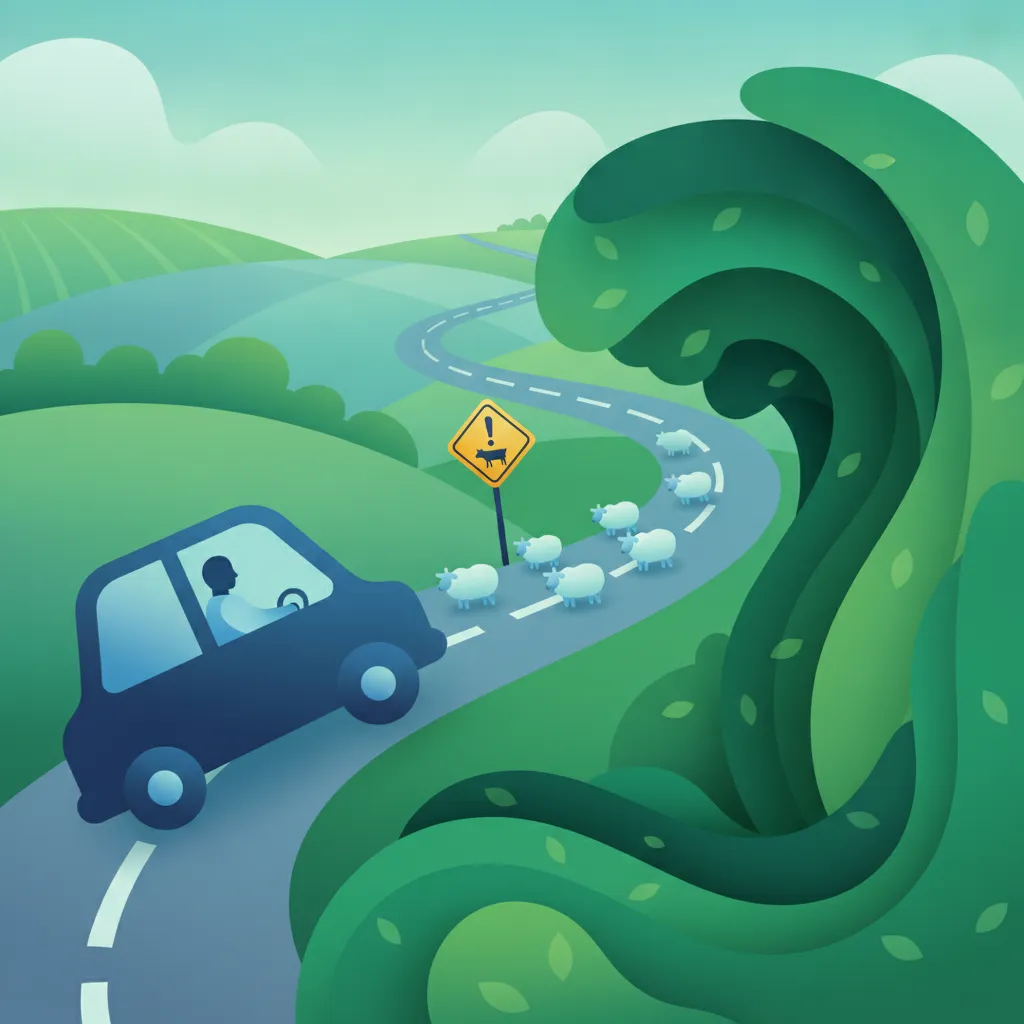
This lesson explores the unique challenges encountered when driving goods vehicles on rural roads, including narrow widths, sharp curves, animal crossings, and varying road surface conditions. Learners will understand the importance of adjusting speed, maintaining vigilance, and respecting road markings. Emphasis is placed on safe navigation practices to mitigate risks associated with rural areas.
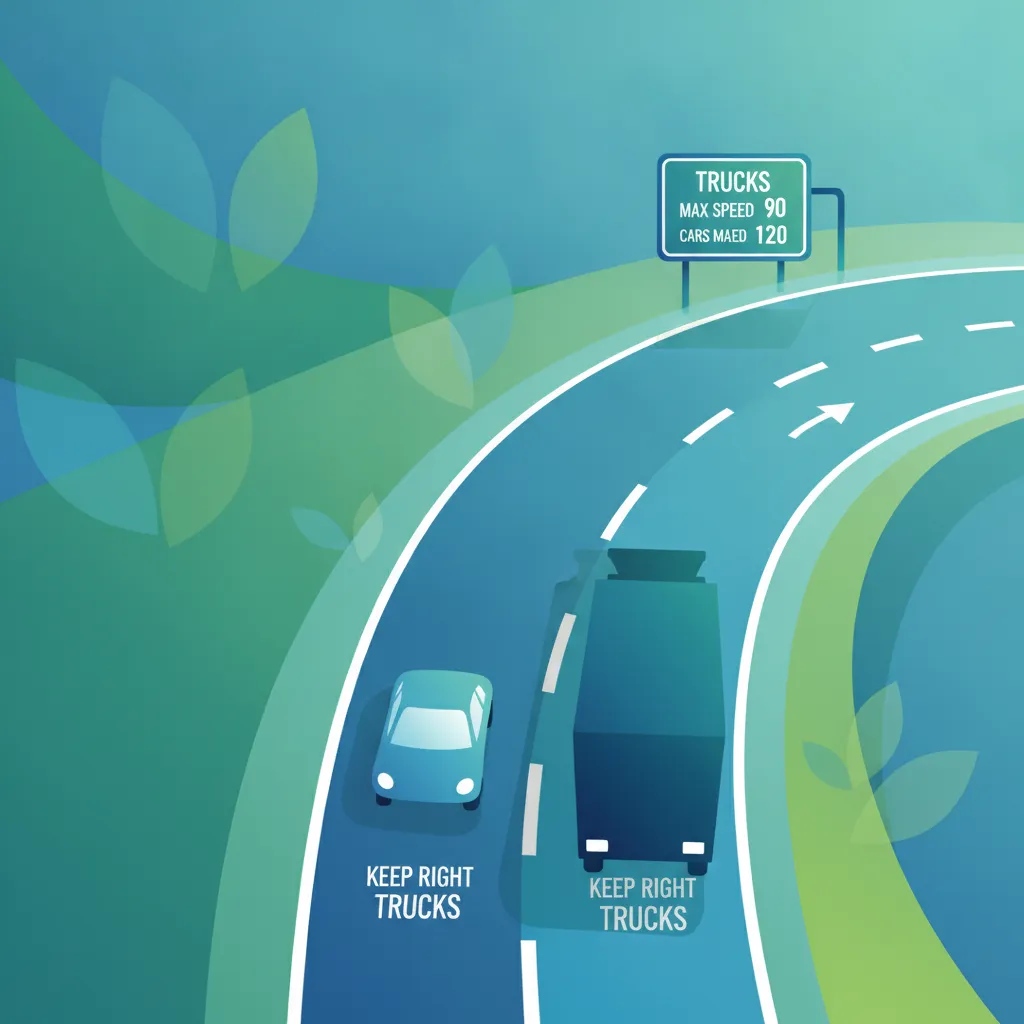
This lesson addresses the specific considerations for goods vehicle operation on highways and expressways, covering speed limits, lane discipline, safe merging, and overtaking. Learners will learn how to adapt to traffic flow, manage heavy vehicle dynamics at higher speeds, and ensure safe operation. The lesson emphasizes the importance of vigilance and proper lane usage to prevent accidents.
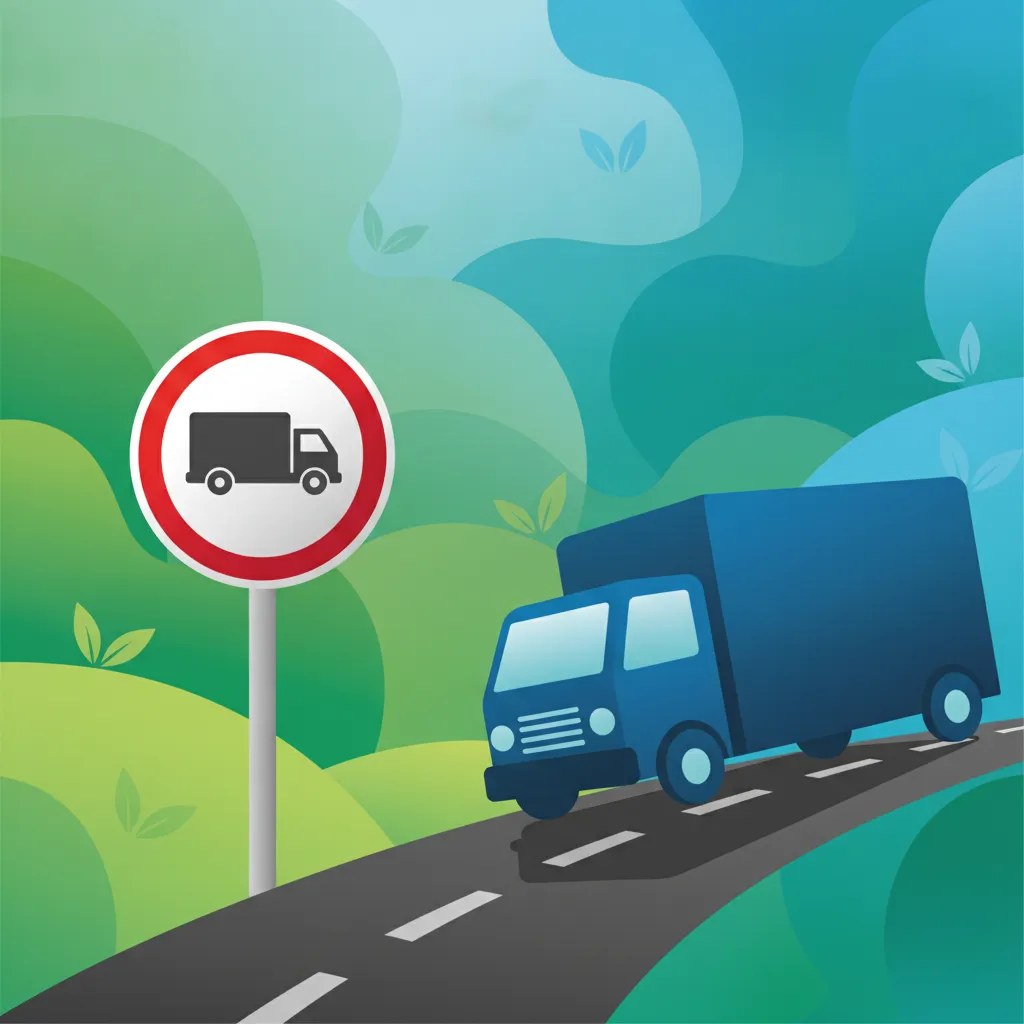
This lesson focuses on traffic signs and road markings that are specifically relevant to goods vehicles in Turkey. Learners will become familiar with signs indicating prohibited routes, weight limits, height restrictions, hazardous material transport, and lane usage regulations. The lesson emphasizes the importance of accurately interpreting these signs to ensure compliance with traffic laws.
This lesson focuses on the various access restrictions imposed on heavy goods vehicles within Turkish road networks. Learners will understand the reasons for restrictions such as low bridge clearances, tunnel usage, construction zones, and urban delivery area limitations. The lesson also covers how to recognize and comply with legal notices and signage indicating restricted commercial zones.
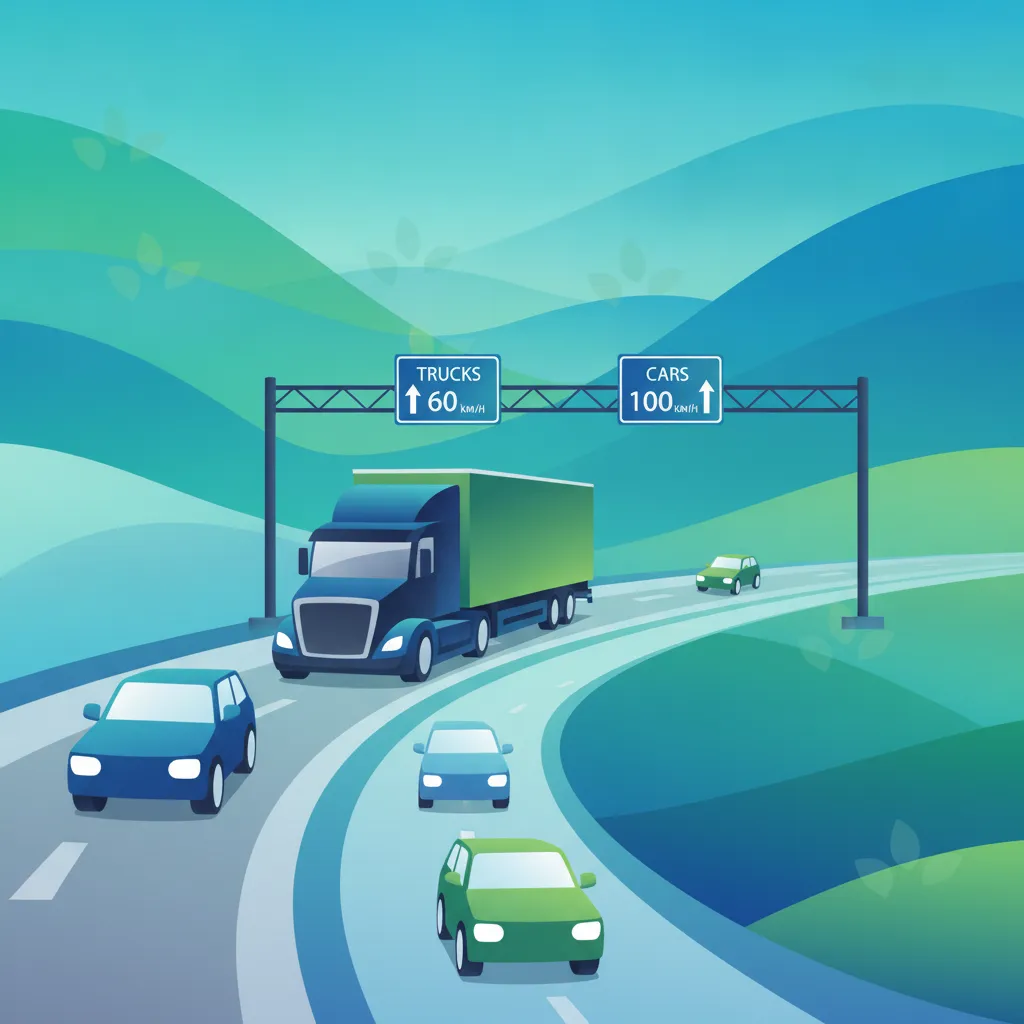
This lesson focuses on speed regulation for goods vehicles, highlighting how vehicle weight, load, and road conditions influence safe operating speeds. Learners will understand legal speed limits for various road types and the necessity of adapting speed to traffic flow and environmental conditions. The lesson also emphasizes the importance of maintaining appropriate speed to ensure vehicle control.
This lesson focuses on the importance of maintaining safe following distances for goods vehicles, taking into account longer braking distances and increased load. Learners will learn how to calculate appropriate gaps based on speed, road conditions, and vehicle dynamics. The lesson emphasizes safe following practices to prevent rear-end collisions and improve overall traffic safety in Turkey.
This lesson focuses on the critical importance of lane discipline and proper lane usage for large goods vehicles. Learners will understand the challenges posed by wider vehicle dimensions, the necessity of maintaining adequate lane occupancy, and the need for precise lane keeping. Emphasis is placed on selecting appropriate lanes, adhering to traffic flow, and ensuring general highway safety.

This lesson focuses on the unique requirements and best practices for operating passenger vehicles on highways and expressways. Topics include maintaining appropriate speed, adhering to lane discipline, executing safe overtaking maneuvers, and managing merges and exits. Emphasis is placed on ensuring a smooth ride for passengers while integrating safely with faster-moving traffic.

This lesson focuses on the challenges of driving goods vehicles in adverse weather conditions, such as rain, fog, snow, and strong wind. Learners will explore safe speed management, increased following distances, proper use of headlights and windshield wipers, and techniques to maintain traction. The lesson emphasizes the importance of adapting driving behavior to the specific weather conditions.

This lesson provides a detailed overview of the classification system for goods vehicles in Turkey, focusing on the specific dimensional limits for each category. Learners will become familiar with the maximum allowable length, width, and height for these vehicles, as defined by Turkish law. Understanding these limits is crucial for ensuring compliance with road regulations and avoiding serious violations.
Find clear answers to common questions learners have about Legal Framework and Licence Categories. Learn how the lesson is structured, which driving theory objectives it supports, and how it fits into the overall learning path of units and curriculum progression in Turkey. These explanations help you understand key concepts, lesson flow, and exam focused study goals.
A C1 licence is generally for smaller goods vehicles up to 7,500 kg, while a C licence covers heavier goods vehicles above this threshold. Each has specific age and prior experience requirements defined by Turkish regulations.
Yes, the 'E' suffix indicates an articulated vehicle or vehicle-trailer combination. You must ensure your licence category explicitly includes the 'E' designation to legally operate vehicles with heavy trailers.
The Karayollari Trafik Kanunu (Highway Traffic Law) is the primary legal code in Turkey. It dictates the rules of the road, driver responsibilities, and licensing criteria that every professional driver must follow.
Yes, the MTSK e-sınav often includes questions about specific vehicle weight classes and dimensions. Knowing these thresholds is vital for both your exam success and daily professional operations.
Use our comprehensive practice search to find exactly the Turkish driving theory questions you need to master. Whether reviewing specific road signs, traffic rules, or first aid scenarios, select your perfect practice set and boost your confidence for the official ehliyet sınavı.