This lesson provides a comprehensive breakdown of the registration and documentation requirements for Class D passenger vehicles in Turkey. By mastering these administrative legal obligations, you will be well-prepared to maintain professional compliance as required in your theory exam.
Lesson content overview
To operate a passenger transport vehicle legally and safely on Turkish public roads, drivers and fleet managers must master more than just steering, braking, and lane discipline. A Class D driving licence candidate must possess a deep understanding of the regulatory landscape. Turkish transport laws—governed primarily by the Highway Traffic Law (Karayolları Trafik Kanunu No. 2918)—mandate a strict suite of registration files, technical certificates, operational permits, and insurance policies.
This guide provides an exhaustive analysis of the mandatory paperwork, periodic technical audits, load restrictions, and administrative procedures required to maintain legal compliance. It outlines the foundational administrative pillars for operating large passenger transport vehicles like buses and midibuses in Turkey.
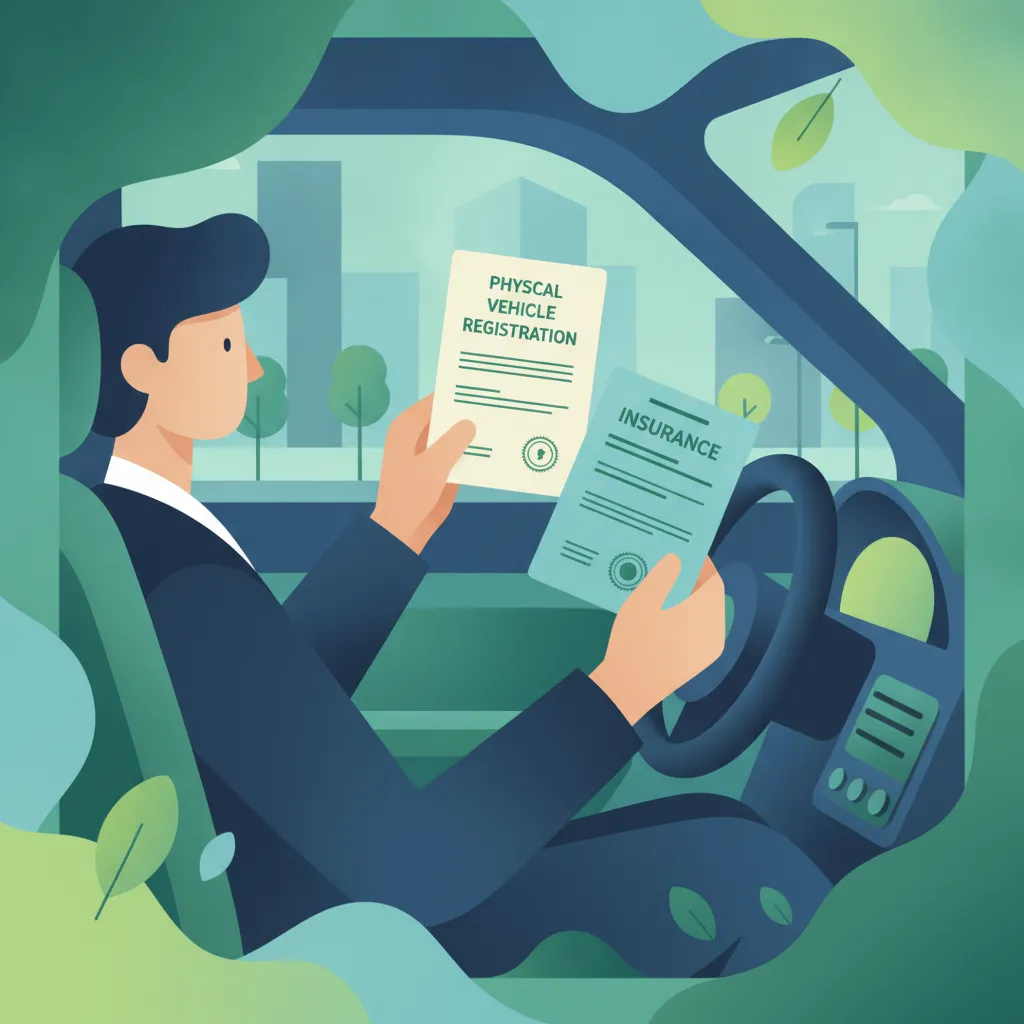
In Turkey, the primary legal identity of any motor vehicle is its Vehicle Registration Certificate, universally known as the Ruhsat (officially Araç Tescil Belgesi). Issued by the Directorate General of Population and Citizenship Registration (Nüfus ve Vatandaşlık İşleri Genel Müdürlüğü), this document serves as the legal proof of ownership, mechanical specifications, and roadworthiness.
The Ruhsat consists of two primary parts bound in a single protective sleeve:
Operating a commercial passenger vehicle without the original registration certificate on board is a direct violation of Article 23 of the Karayolları Trafik Kanunu. This violation carries immediate fines, and the vehicle may be impounded if ownership cannot be immediately verified.
Under Turkish law, the physical integrity and environmental compliance of all vehicles are verified through scheduled safety inspections. These audits are managed exclusively by TÜVTÜRK, the sole state-authorized inspection body.
Commercial passenger vehicles—such as buses (otobüs) and midibuses (midibüs)—face more rigorous inspection schedules than private passenger cars due to the high responsibility of carrying public passengers.
While private vehicles undergo testing once every two years, commercial passenger transport vehicles must undergo a Periodic Technical Inspection (Periyodik Araç Muayenesi) every calendar year (annually). This strict rule ensures that safety critical components, including air brake systems, passenger emergency exits, steering gear, and speed limiters, are tested regularly.
Check Outstanding Debts: Verify and clear any outstanding traffic fines, motorway toll debts (HGS/OGS), or motor vehicle taxes (MTV) online, as unpaid balances block inspection appointments.
Verify Safety Equipment: Ensure the vehicle is equipped with mandatory safety kits, including a tachograph (takograf), calibrated fire extinguishers (minimum size depends on passenger capacity), emergency hammer tools, and a comprehensive first aid kit.
Conduct Pre-Inspection Mechanical Checks: Test all external lighting, brake performance, tyre tread depth (minimum 1.6 mm, but recommended higher for commercial passenger vehicles), and seatbelt mechanisms.
Schedule and Attend Appointment: Book a slot at a TÜVTÜRK station, presenting the original Ruhsat, valid compulsory traffic insurance, and the previous inspection report.
Upon a successful technical evaluation, TÜVTÜRK issues an official physical and digital Technical Inspection Report (Muayene Raporu). A holograph sticker is affixed to the vehicle license plate or registration card, indicating the exact month and year the next inspection is due.
Operating with an expired inspection report is an immediate threat to public safety and is classified as a severe traffic violation. The vehicle will be restricted from passenger service, and the operator will face steep fines.
Commercial transport operations carry an environmental responsibility. Every Class D passenger vehicle must meet the strict exhaust emissions regulations defined by the Turkish Ministry of Environment, Urbanisation and Climate Change.
Before undergoing the general safety inspection at TÜVTÜRK, passenger vehicles must pass a separate Exhaust Gas Emission Test.
A valid Ruhsat and technical inspection allow a passenger vehicle to drive on the road, but they do not authorize the vehicle to transport passengers for commercial purposes. To run commercial passenger transport services in Turkey, operators must acquire a dedicated Transport Permit (commonly known as a Yetki Belgesi or Ulaştırma Belgesi) from the Ministry of Transport and Infrastructure (Ulaştırma ve Altyapı Bakanlığı).
These permits are categorized based on the geographic scope and type of passenger service provided:
| Permit Type | Scope of Passenger Transport Service | Typical Applications |
|---|---|---|
| D1 Permit | Scheduled intercity commercial passenger transport. | Intercity bus lines running on fixed schedules. |
| D2 Permit | Non-scheduled (charter/tourist) domestic and international transport. | Tourism excursions, private group charters, corporate transfers. |
| D3 Permit | Non-commercial transport for an organization’s own personnel. | School buses operated directly by a school, or private factory staff buses. |
| D4 Permit | Short-distance domestic transport (within a province or up to 100km interprovincial). | Inter-district minibuses, regional commuter shuttle lines. |
Safe passenger transport requires strict adherence to physical design limits. Under-inflated tyres, damaged suspension systems, and altered braking distances are often the direct result of overloading.
The registration document (Ruhsat) defines two critical physical measurements for every passenger vehicle:
Drivers must keep the vehicle’s operating weight within these limits. The permissible capacity is calculated based on an average weight per passenger plus allocated luggage allowances (regulated under the Road Transport Regulation - Karayolu Taşıma Yönetmeliği).
Traffic inspection stations across Turkey’s major highways feature roadside weigh stations (Kantar). If a passenger coach or minibus is found to exceed its certified axle load limits or its overall gross weight allowance:
In Turkey, operating any motor vehicle requires valid insurance, but commercial passenger vehicles face a two-layer insurance mandate to ensure both third parties and passengers are fully protected in the event of an accident.
This is the baseline legal requirement for all vehicles registered in Turkey.
This insurance policy is specific to commercial passenger operators holding Ministry of Transport permits (such as D1 or D2).
An immaculate vehicle with correct permits still cannot operate legally without a properly certified driver. The driver's credentials must match the exact specifications of the passenger vehicle and the type of transport service.
To operate a heavy passenger vehicle (bus/coach with more than 17 seats), a driver must hold a Class D Driving Licence under the harmonized Turkish licensing framework. Operating a heavy bus with a Class B (passenger car) or Class C (heavy truck) licence is a serious offense that will result in the immediate impoundment of the vehicle and penalties for both the driver and the fleet owner.
For commercial transport, a standard driving licence is not enough. Drivers must also hold an SRC Professional Competency Certificate (Mesleki Yeterlilik Belgesi):
To ensure long-term driver fitness, drivers of commercial passenger vehicles must undergo a Psychotechnical Evaluation every 5 years. This computerized test evaluates reflexes, depth perception, coordination, and stress tolerance. A valid digital Psikoteknik certificate must be linked to the driver's profile in the national database.
[Operational Plan]
       │
       ▼
[Check Documents] ──► (Missing/Expired?) ──► [STOP] Issue Fine & Impound
       │
       ├─► Valid Ruhsat, Inspection, Permits & Insurance
       │
       ▼
[Check Environmental & Physical Limits]
       │
       ├─► Weight: Under Max Gross Limit (No Overloading)
       ├─► Weather: Adjust speed/tyres, inspect lights & wipers
       │
       ▼
[SAFE LEGAL DEPARTURE]
During sub-zero winter temperatures, a D2-chartered coach is stopped at a regional checkpoint in Erzurum.
In addition to inspecting the standard Ruhsat and D2 transport permit, the traffic gendarmerie checks compliance with the mandatory winter tyre law (active annually between December 1 and April 1). The officers inspect the winter tyre tread depths and check that the vehicle carries a valid TÜVTÜRK inspection sticker.
If any document is expired, or if the safety equipment (such as tyre chains) is missing, the vehicle will be grounded to protect passenger safety in hazardous driving conditions.
A regional municipality minibuses operating on a local route in Istanbul is stopped by municipal transport inspectors (Zabıta).
The vehicle's capacity plate inside the bus indicates a maximum limit of 14 seated and 10 standing passengers. If the inspector finds 35 passengers on board, the driver faces immediate penalties for overloading. Overloading exceeds the technical capacity specified in the Ruhsat, which strains the braking systems and compromises safe vehicle control.
Maintaining compliance with passenger vehicle documentation is not just an administrative duty—it is a key component of public safety and professional fleet management.
Explore all units and lessons included in this driving theory course.
Lesson content overview
Explore all units and lessons included in this driving theory course.
Explore search topics learners often look for when studying Understanding Passenger Vehicle Registration and Documentation. These topics reflect common questions about road rules, driving situations, safety guidance, and lesson level theory preparation for learners in Turkey.
Browse additional driving theory lessons that cover connected traffic rules, road signs, and common driving situations related to this topic. Improve your understanding of how different rules interact across everyday traffic scenarios.
Learn the legal and ethical requirements for professional passenger vehicle drivers in Turkey. This lesson covers driver fitness, medical obligations, and the professional conduct standards required for Class D licence holders to maintain safe and reliable public transport service according to Turkish traffic legislation.
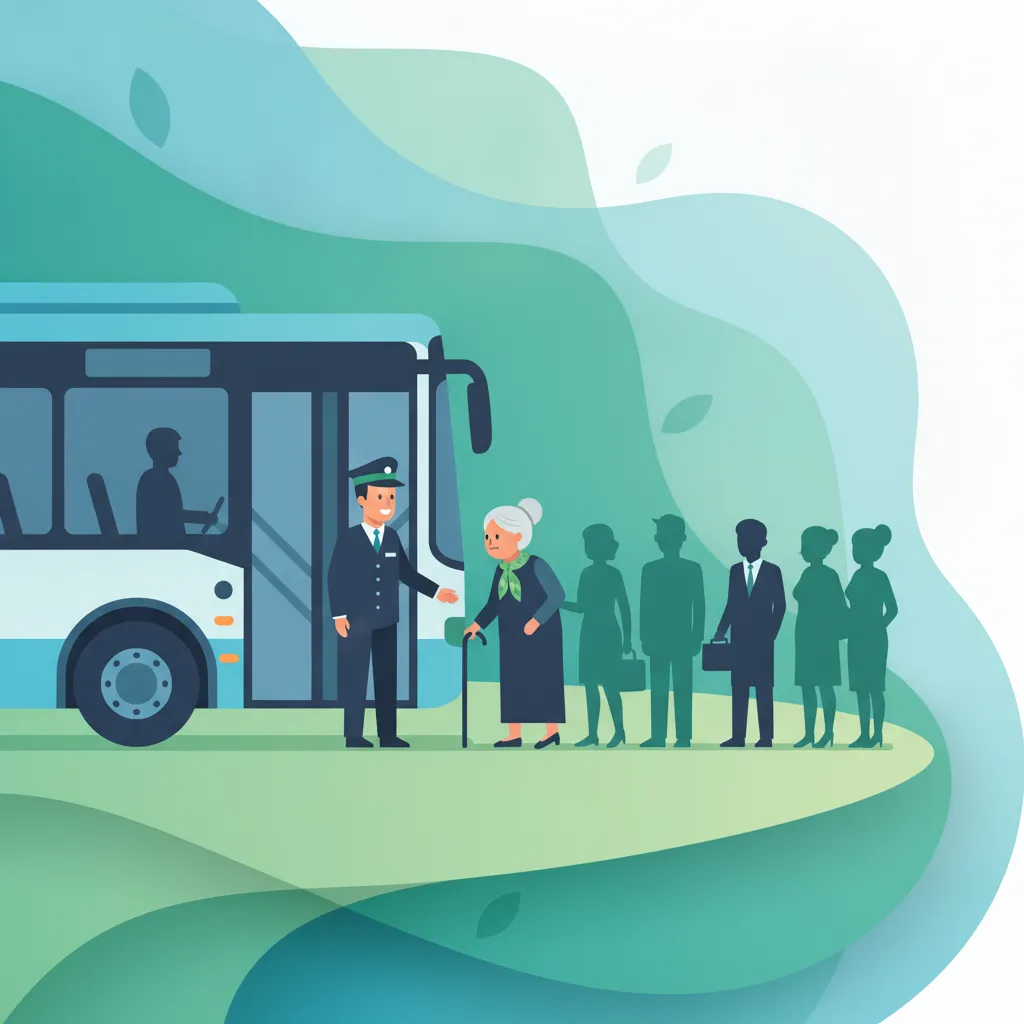
This lesson explores the standards of conduct expected from passenger vehicle drivers, emphasizing ethical decision-making and interactions with passengers and the public. It covers the impact of driver behaviour on public perception, the importance of maintaining a professional image, and the responsibilities inherent in transporting passengers safely and courteously. Learners will develop an understanding of how ethical practices contribute to service excellence and public trust.
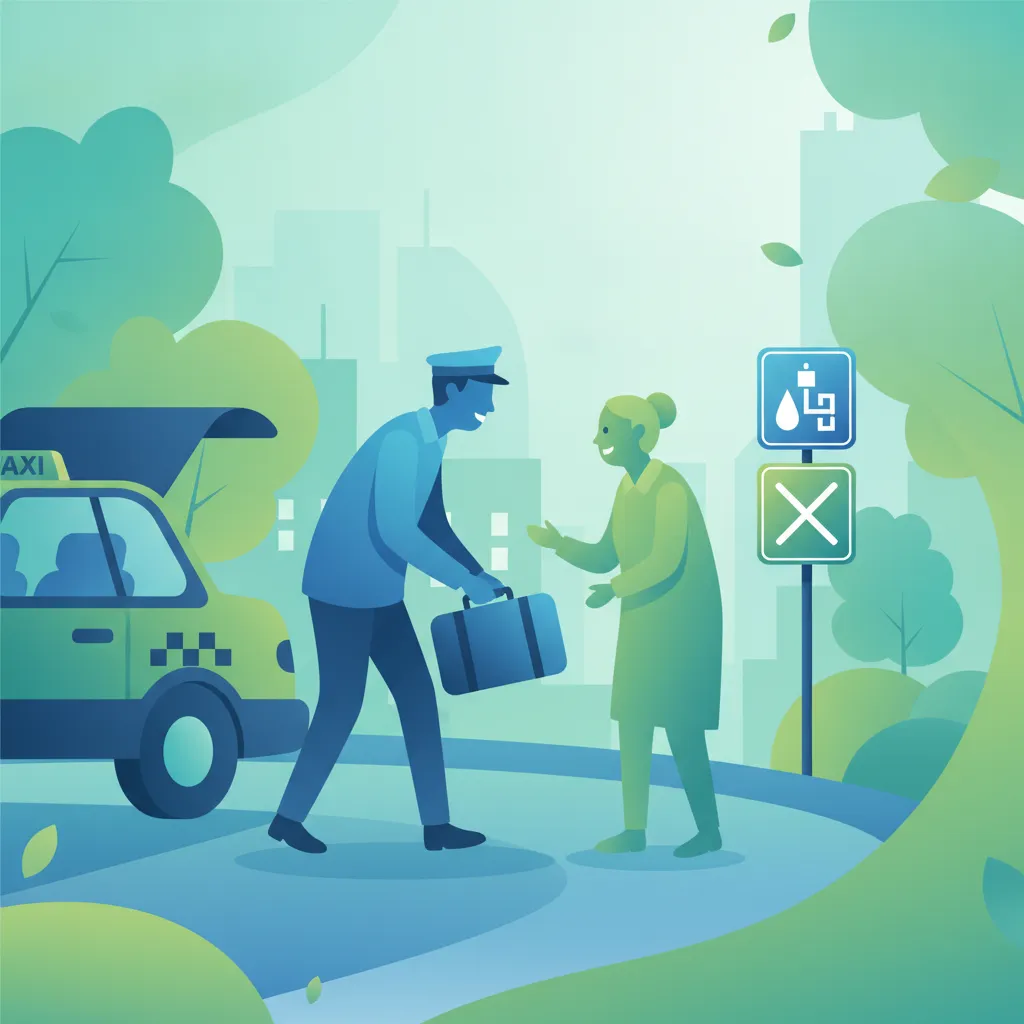
This lesson delves into the ethical responsibilities and professional standards expected of goods vehicle drivers, emphasizing their pivotal role in ensuring traffic safety. It explores the duty of care owed to other road users and the broader societal expectations placed upon professional drivers. Learners will examine how their conduct directly influences public trust and overall traffic flow in urban environments.
Learners will examine the broader concept of fostering a safety-oriented and professional culture within passenger transport services. The lesson discusses the impact of driver attitudes on passenger trust, the importance of ongoing safety training, and the role of ethical conduct in enhancing service quality. Strategies for promoting a proactive safety mindset among drivers and staff are presented.
This lesson focuses on the importance of maintaining professional conduct when interacting with traffic authorities, law enforcement, and the general public. Learners will explore communication techniques that convey respect and courtesy, even in stressful situations. Emphasis is placed on upholding a positive image of the transportation industry and resolving conflicts amicably on the road.
In this lesson, participants will learn about the specific offences and penalties that apply to passenger vehicle drivers, focusing on violations that directly jeopardize passenger safety and public security. The content outlines the legal repercussions of non-compliance, including fines, licence suspensions, and other enforcement actions. Understanding these penalties reinforces the critical nature of adhering to traffic laws and safety protocols in professional passenger transport.

Learners will explore the core safety priorities for passenger transport, including the correct use of seat belts, securing luggage, and maintaining passenger stability during vehicle motion. The lesson highlights the importance of clear safety briefings, the location and operation of emergency exits, and conducting risk assessments before departure. By mastering these practices, drivers can significantly reduce the likelihood of accidents and injuries.

This lesson focuses on the health and fitness criteria required for passenger vehicle drivers, outlining the medical examinations and certifications needed to maintain a valid licence. Additionally, it emphasizes the importance of continuing education and professional development to keep drivers updated on new regulations, technologies, and best practices. By prioritizing driver health and lifelong learning, the overall safety and quality of passenger transport are enhanced.

This lesson equips drivers with techniques to manage passenger behavior and foster effective in-vehicle communication. Topics include handling disruptive passengers, making clear announcements, and using non-verbal signals to maintain order. By promoting respectful conduct and clear communication, drivers can ensure a smoother, safer journey for everyone on board.
This lesson examines the integral role of the goods vehicle driver in contributing to overall traffic safety and a positive safety culture. It focuses on proactive driving behaviors, hazard identification, and effective risk management strategies. Communication techniques with other road users, compliance with traffic flow regulations, and competent emergency responses are highlighted as essential skills.

Learners will explore best practices for ensuring passenger safety during the boarding and alighting process, focusing on proper vehicle positioning, door operation, and passenger assistance. The lesson covers the use of handrails, steps, and ramps, as well as strategies for managing standing passengers and luggage. Emphasis is placed on clear communication and maintaining situational awareness to prevent accidents.
Explore the different classifications of commercial transport permits known as Yetki Belgeleri. This guide explains the administrative differences between D1, D2, D3, and D4 permits and the regulatory compliance necessary for operating passenger transport services on Turkish roads.

Learners will examine the specific licence categories applicable to passenger vehicles, detailing the legal definitions and core obligations tied to each class. The lesson clarifies the prerequisites for obtaining each licence, the regulatory environment governing passenger transport, and the responsibilities drivers assume upon certification. By understanding these legal foundations, participants will be prepared to navigate the regulatory landscape effectively in their professional roles.
In this lesson, participants will learn about the specific offences and penalties that apply to passenger vehicle drivers, focusing on violations that directly jeopardize passenger safety and public security. The content outlines the legal repercussions of non-compliance, including fines, licence suspensions, and other enforcement actions. Understanding these penalties reinforces the critical nature of adhering to traffic laws and safety protocols in professional passenger transport.
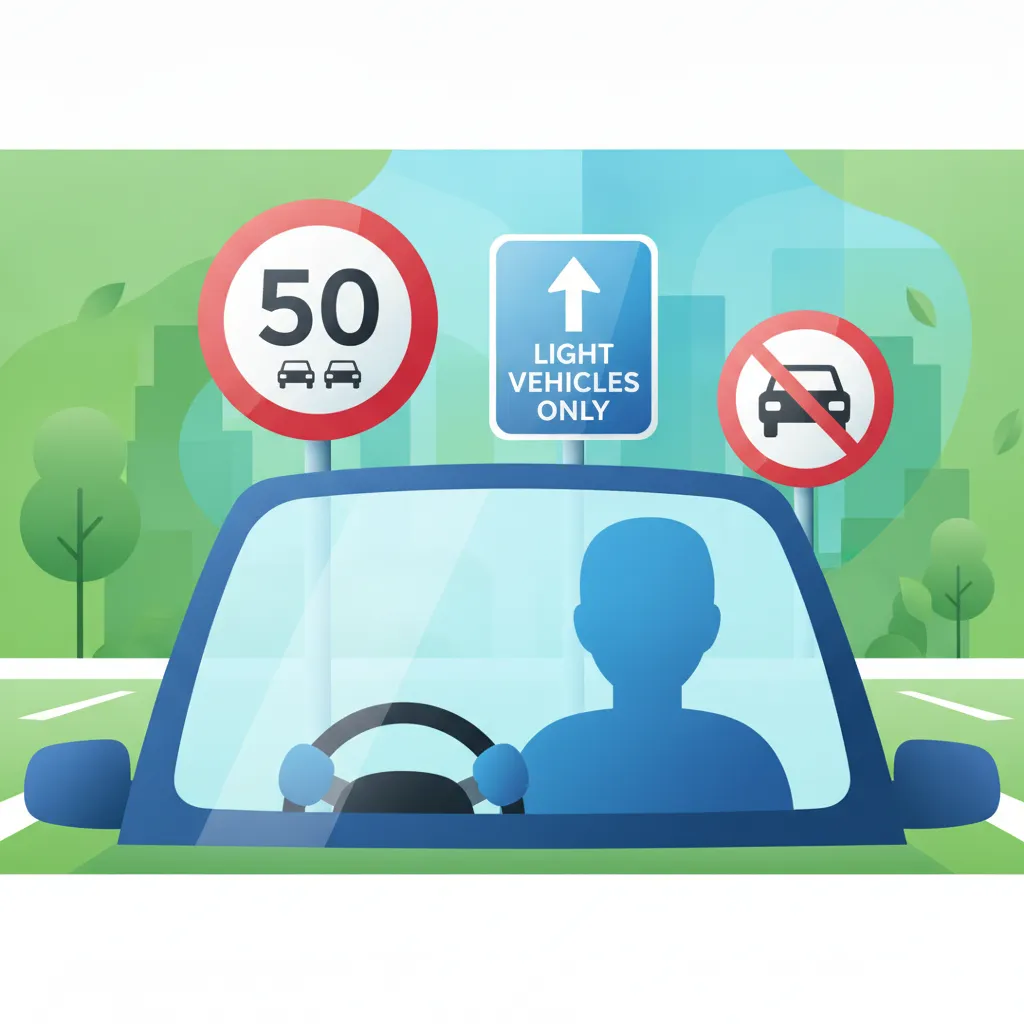
This lesson focuses on the identification and interpretation of traffic signs and road markings that are particularly relevant to passenger vehicle drivers, such as bus lane indications, priority road signs, and specific speed limits. Learners will explore how these signs affect route planning, compliance, and the overall flow of traffic. Mastery of sign interpretation ensures safe and lawful operation in various traffic conditions.
This lesson outlines the legal framework governing passenger vehicle operation, highlighting the penalties for various offences, such as speeding, failure to adhere to stop procedures, or neglecting passenger safety protocols. Learners will understand the importance of compliance to avoid fines, licence suspension, or other legal actions, and the role of regulatory bodies in enforcement.

This lesson provides a detailed overview of the classification system for goods vehicles in Turkey, focusing on the specific dimensional limits for each category. Learners will become familiar with the maximum allowable length, width, and height for these vehicles, as defined by Turkish law. Understanding these limits is crucial for ensuring compliance with road regulations and avoiding serious violations.

This lesson provides an in-depth overview of the Turkish legal framework that governs professional goods vehicle operation. It explains the specific licence categories detailing the eligibility requirements, vehicle classifications, and procedural steps for obtaining each licence. Learners will become familiar with the fundamental statutes, including the Karayollari Trafik Kanunu, that form the basis of all regulatory activities.
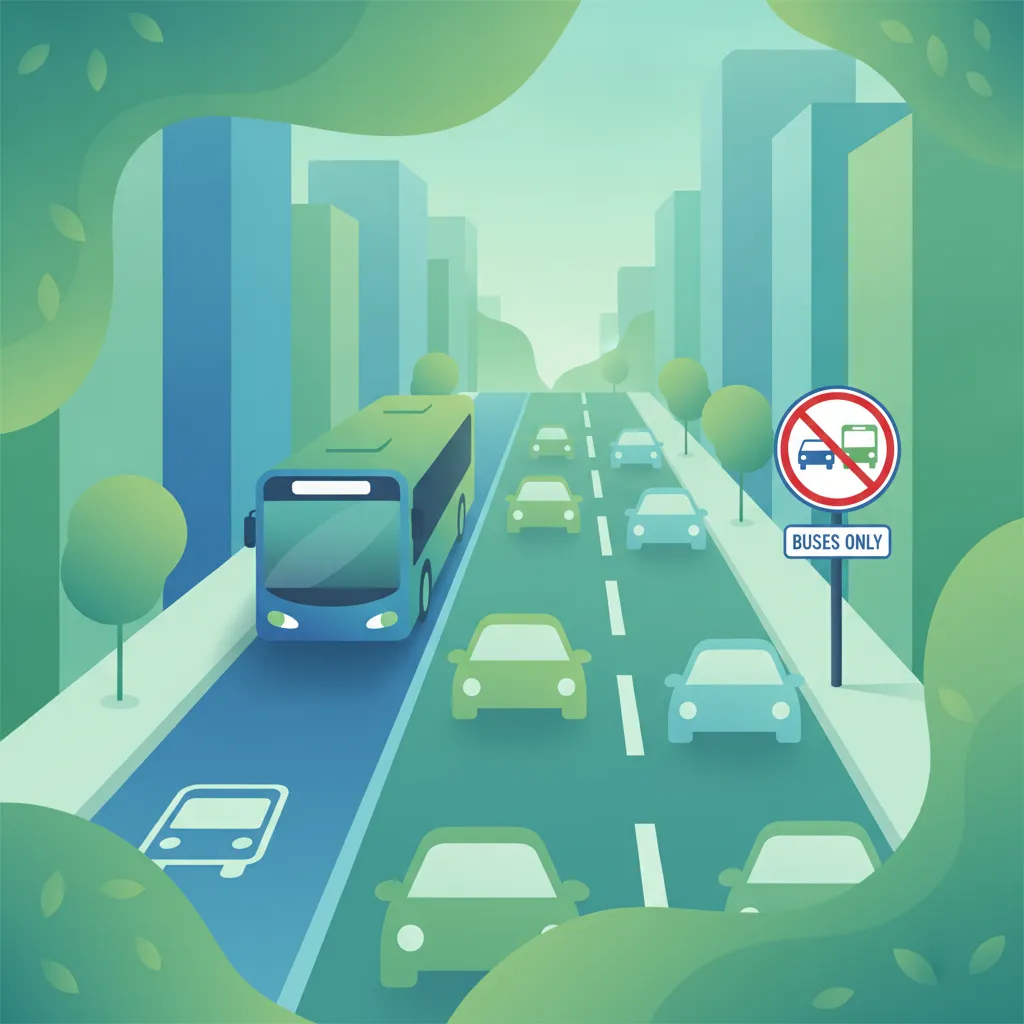
Learners will explore the specific regulations governing bus lanes, priority routes, and other legal restrictions applicable to passenger vehicles. The lesson covers the conditions under which buses may use dedicated lanes, how to navigate priority roadways, and the penalties associated with misuse. Understanding these rules is essential for efficient operation and avoiding violations in high-traffic areas.
This lesson outlines the spectrum of penalties and legal consequences that goods vehicle drivers may face for violating traffic regulations. It details the types of infractions, ranging from minor violations to serious offenses, and explains the corresponding fines, points, and license suspensions. Learners will gain an understanding of the enforcement mechanisms and how repeat offenses can exacerbate penalties.
This lesson focuses on traffic signs and road markings that are specifically relevant to goods vehicles in Turkey. Learners will become familiar with signs indicating prohibited routes, weight limits, height restrictions, hazardous material transport, and lane usage regulations. The lesson emphasizes the importance of accurately interpreting these signs to ensure compliance with traffic laws.

This lesson emphasizes the critical importance of maintaining accurate and up-to-date documentation for professional goods vehicle operation. It covers essential documents such as driver's licences, vehicle registration, logbooks, cargo permits, and inspection certificates. Learners will understand the legal requirements for record keeping and the role of tachographs in monitoring driver activity.
Find clear answers to common questions learners have about Understanding Passenger Vehicle Registration and Documentation. Learn how the lesson is structured, which driving theory objectives it supports, and how it fits into the overall learning path of units and curriculum progression in Turkey. These explanations help you understand key concepts, lesson flow, and exam focused study goals.
Every driver must always have their valid Class D driving licence, the vehicle registration certificate (Araç Tescil Belgesi/Ruhsat), and valid traffic insurance documents at all times while operating the vehicle.
Commercial passenger transport vehicles in Turkey are generally subject to mandatory periodic technical inspections (TÜVTÜRK) annually. It is vital for professional drivers to ensure these are up to date to remain legally compliant.
Driving without mandatory documentation can lead to heavy administrative fines, penalty points on your licence, and in some cases, the vehicle may be prohibited from continuing its journey until the proper paperwork is produced.
Yes, aside from standard vehicle registration, passenger transport vehicles often require route permits, professional competence certificates (SRC), and specific municipal authorization depending on the service area.
Use our comprehensive practice search to find exactly the Turkish driving theory questions you need to master. Whether reviewing specific road signs, traffic rules, or first aid scenarios, select your perfect practice set and boost your confidence for the official ehliyet sınavı.