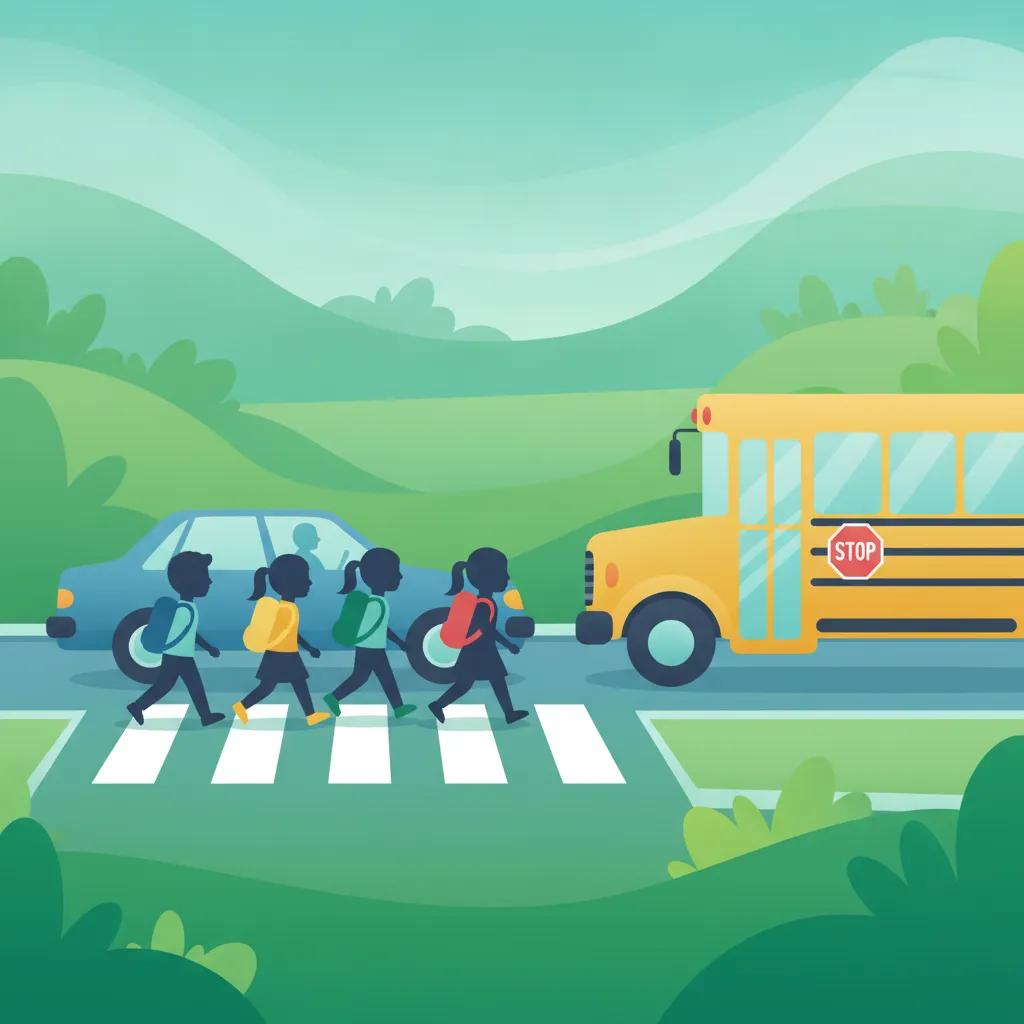
This lesson details the critical safety measures required when approaching areas with high pedestrian activity, especially school zones and public transport stops. As part of your Class D passenger vehicle training, you will learn how to anticipate hazards, manage your speed, and ensure the safety of vulnerable road users to pass your Turkish theory exam.
Lesson content overview
Operating a heavy passenger vehicle, such as a bus or midi-bus under a Class D licence in Turkey, carries an elevated level of legal and moral responsibility. Among all driving environments, designated bus stops, school terminals, and pedestrian zones present the highest density of vulnerable road users (özel olarak korunan yol kullanıcıları).
This lesson provides comprehensive, professional-grade guidance on how to safely interact with pedestrians and schoolchildren around stopping areas, in strict accordance with the Turkish Highway Traffic Regulation (Karayolları Trafik Yönetmeliği).
In Turkey, the law dictates a clear hierarchy of safety on public roads, placing the heaviest burden of care on the operators of large commercial vehicles. Class D passenger transport vehicles have massive physical footprints, significant blind spots, and extended braking distances. Consequently, any collision with a pedestrian or a child near a bus stop often results in severe or fatal consequences.
Under Article 74 of the Turkish Highway Traffic Law (Karayolları Trafik Kanunu), drivers must reduce speed and yield the right-of-way to pedestrians crossing or about to cross at marked pedestrian crossings (yaya geçitleri) and school crossings (okul geçitleri). When approaching bus stops, this duty of care is amplified because transit stops naturally attract pedestrians who may be rushed, distracted, or visually obscured.
Approaching a passenger stop requires a proactive, systematic reduction in speed. A common mistake made by inexperienced commercial drivers is maintaining normal traffic speeds until they are close to the stop, then braking firmly. This practice is dangerous for waiting pedestrians and uncomfortable—or even hazardous—for passengers already on board.
A fully loaded passenger bus can weigh between 10 to 18 tonnes. The stopping distance of such a vehicle is exponentially greater than that of a standard passenger car.
When approaching a bus stop or school zone, drivers should reduce their speed to no more than 10 to 20 km/h well in advance. This low speed ensures that if a child suddenly darts into the roadway from behind a shelter or parked vehicle, the bus can stop safely within a few metres.
How you position your vehicle at a designated stop directly influences passenger safety during boarding (biniş) and alighting (iniş). Failing to align properly with the curb creates physical gaps that invite accidents.
Scan and Signal: Activate your right turn signal at least 50 to 100 metres before the stop to warn vehicles behind you. Scan the roadside for pedestrians, especially children running towards the stop.
Align the Approach: Gradually steer the bus toward the curb, matching your deceleration with your steering angle.
Establish the 30-50 cm Margin: Bring the vehicle parallel to the curb, maintaining a lateral distance of 30 to 50 cm.
Stop Behind the Line: Bring the front of the bus to a complete stop just behind the designated stop line (durak çizgisi). Do not overshoot the platform or allow the front overhang to encroach on the sidewalk where waiting passengers stand.
Maintaining a precise 30 to 50 cm distance from the curb is critical for several reasons:
Critical Hazard: Never open the vehicle doors until the bus is at a complete, absolute standstill. Opening the doors while rolling—even at 2 km/h—is a major violation of Turkish passenger transport regulations and can lead to immediate licence suspension and criminal liability if an accident occurs.
Children do not perceive traffic hazards the same way adults do. Professional drivers must understand the developmental limitations of younger pedestrians to anticipate and mitigate risks.
When driving a Class D vehicle near schools or school stops, you must always drive preemptively. Assume that any child standing near the road will make an unsafe move.
Class D vehicles have vast blind spots (kör noktalar) due to their height, length, and structural pillars. Understanding where these zones are—and how to clear them—is a core competency for passing the Turkish Class D theory exam and operating safely.
To clear these blind spots, drivers must practice active mirror scanning and physical movement. Do not rely on a single glance. Before moving away from a stop, perform a "double look" (left-right-left) and physically lean forward in your seat to change your viewing angle through the side mirrors and front windshield.
Ensuring that passengers—especially children—board and alight safely is a structured process that requires active management by the driver.
Secure the Doors: Wait until the last passenger has completely cleared the steps and stepped onto the safety of the sidewalk. Close the doors fully.
Check Interior Cabin: Ensure all passengers (especially children) are either seated or holding onto handrails securely.
Perform the Mirror Sweep: Check your left, interior, and right mirrors. Pay special attention to the front-right blind spot near the front door where children sometimes linger.
Signal and Merge: Activate your left turn signal. Yield to oncoming traffic in the active lane, and gently merge back into the flow of traffic when a safe gap is established.
Under Turkish traffic rules, vehicles in the traffic flow should cooperate and yield to public transit buses signaling to pull out from a designated stop. However, as a professional Class D driver, you must never force your way into traffic; you must verify that other drivers have yielded before merging.
Clear, non-verbal communication is vital when interacting with pedestrians and children around stops. However, communication must be precise and calm.
Under the Turkish Highway Traffic Regulation, the vehicle's horn (korna) must only be used to warn other road users of imminent danger.
Weather and ambient light significantly compound the risks associated with pedestrian interactions near stops. Professional drivers must adjust their strategies based on these environmental variables.
In Turkey, traffic fines are updated annually. Drivers who violate passenger transport safety rules face both monetary fines and penalty points (ceza puanı) on their professional driving licence. Accumulating 100 penalty points within a single year results in a temporary suspension of driving privileges, which can jeopardize a professional driver's career.
To help solidify your hazard perception and decision-making skills, consider the following real-world driving scenarios.
You are driving a transit bus down a busy urban street in Istanbul. A municipal bus is stopped at the curb ahead of you. As you prepare to pass the stopped bus on its left, you must anticipate that passengers who just stepped off that bus might try to cross the street by walking directly in front of it. Because the stopped bus blocks your line of sight, you cannot see them.
It is a rainy morning, and you are approaching a designated school stop. A crowd of children is waiting under a small shelter. As you pull in, you notice several children pushing and playing near the edge of the curb.
Safe passenger transport requires an unwavering commitment to the safety of those outside your vehicle. By mastering speed regulation, executing precise curb alignment, managing blind spots actively, and understanding the unpredictable nature of children, you ensure compliance with Turkish traffic laws and protect human life.
Explore all units and lessons included in this driving theory course.
Lesson content overview
Explore all units and lessons included in this driving theory course.
Explore search topics learners often look for when studying Interaction with Pedestrians and School Children Near Stops. These topics reflect common questions about road rules, driving situations, safety guidance, and lesson level theory preparation for learners in Turkey.
Browse additional driving theory lessons that cover connected traffic rules, road signs, and common driving situations related to this topic. Improve your understanding of how different rules interact across everyday traffic scenarios.
Learn how to proactively identify and mitigate risks involving pedestrians, cyclists, and school children. This lesson explores the defensive driving techniques required to navigate urban traffic safely while adhering to official Turkish traffic regulations and professional driving responsibilities.

Learners will identify the different categories of vulnerable road users and understand the heightened risks they face. The lesson emphasizes the importance of recognizing these users, anticipating their actions, and taking proactive measures to ensure their safety while operating passenger vehicles. Strategies for mitigating danger and fostering a protective driving environment are explored.
This lesson focuses on protecting vulnerable road users, such as pedestrians, cyclists, and motorcyclists, in mixed traffic environments. Learners will examine specific strategies for increased vigilance, anticipatory driving, and properly yielding to these users. The lesson also covers high-risk zones, such as school areas and public transport stops, emphasizing the need for heightened safety.
Learners will examine the complexities of operating in environments where various road users, including pedestrians, cyclists, and motorcyclists, coexist. The lesson emphasizes the need for heightened situational awareness, defensive driving techniques, and proactive hazard anticipation. Strategies for navigating mixed traffic safely, especially in congested urban areas, are highlighted.

This lesson examines the critical interactions between goods vehicles and vulnerable road users such as pedestrians, cyclists, and motorcyclists, particularly in urban environments. Learners will explore right-of-way rules, maintaining safe distances, and strategies for anticipating the actions of these road users. The lesson emphasizes the importance of clear communication and protective driving.

In this lesson, learners will discover the principles of defensive riding, focusing on hazard anticipation, maintaining safe distances, and practicing proactive avoidance techniques. It emphasizes developing a vigilant riding posture, constantly scanning the environment, and preparing to react to potential dangers from other road users, road conditions, or unexpected traffic events.
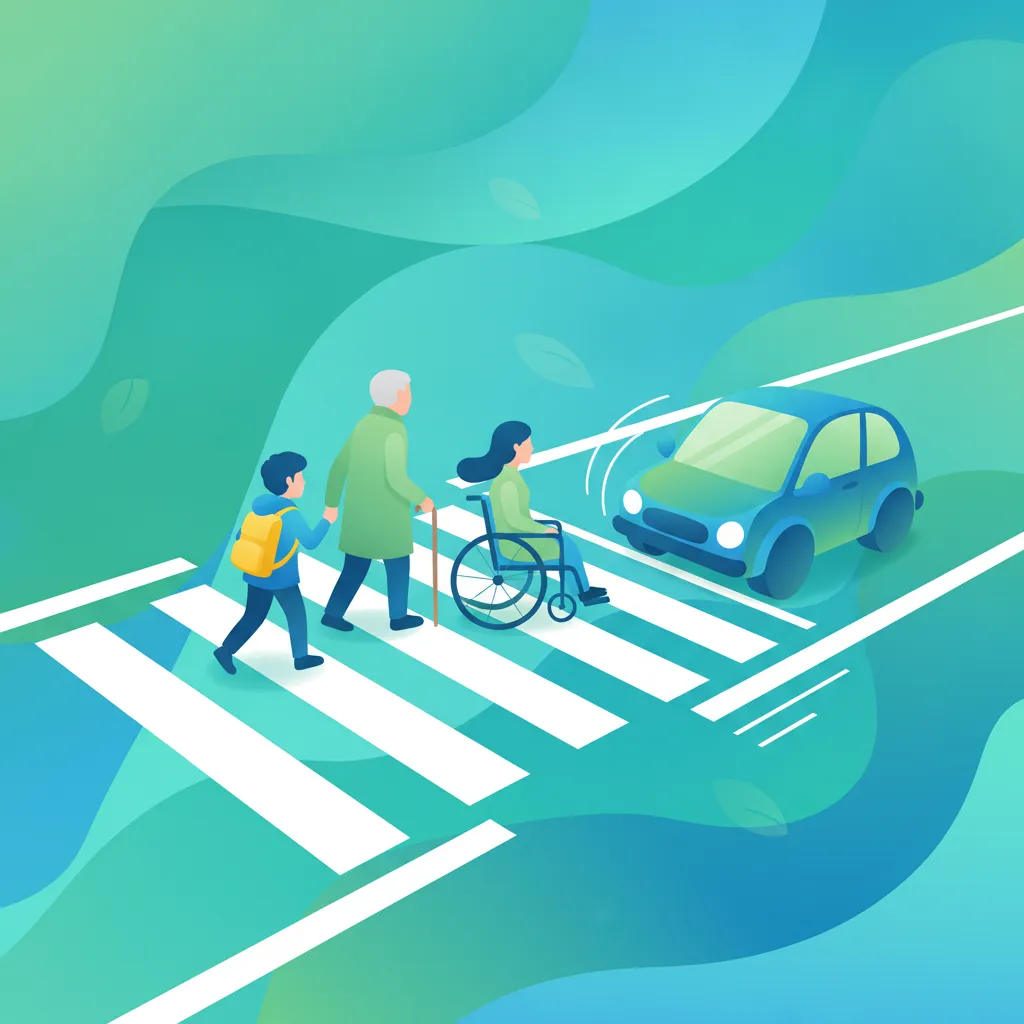
This lesson focuses on the specific needs and challenges faced by children, elderly, and disabled pedestrians. Topics include recognizing vulnerable road users, understanding their behavior, and providing additional safety measures. The lesson also discusses school zones, pedestrian crossing assistance, and strategies to mitigate risks. Real-world examples demonstrate how drivers can anticipate dangers.

Defensive riding is the practice of anticipating potential road conflicts and acting early to prevent accidents before they occur. This lesson teaches you how to systematically scan the road ahead for changing conditions, keep an adequate safety cushion around your moped, and pre-plan exit routes in tight spots. You will learn to assume you are invisible to other drivers and adapt your speed and road position proactively to protect yourself against sudden maneuvers.
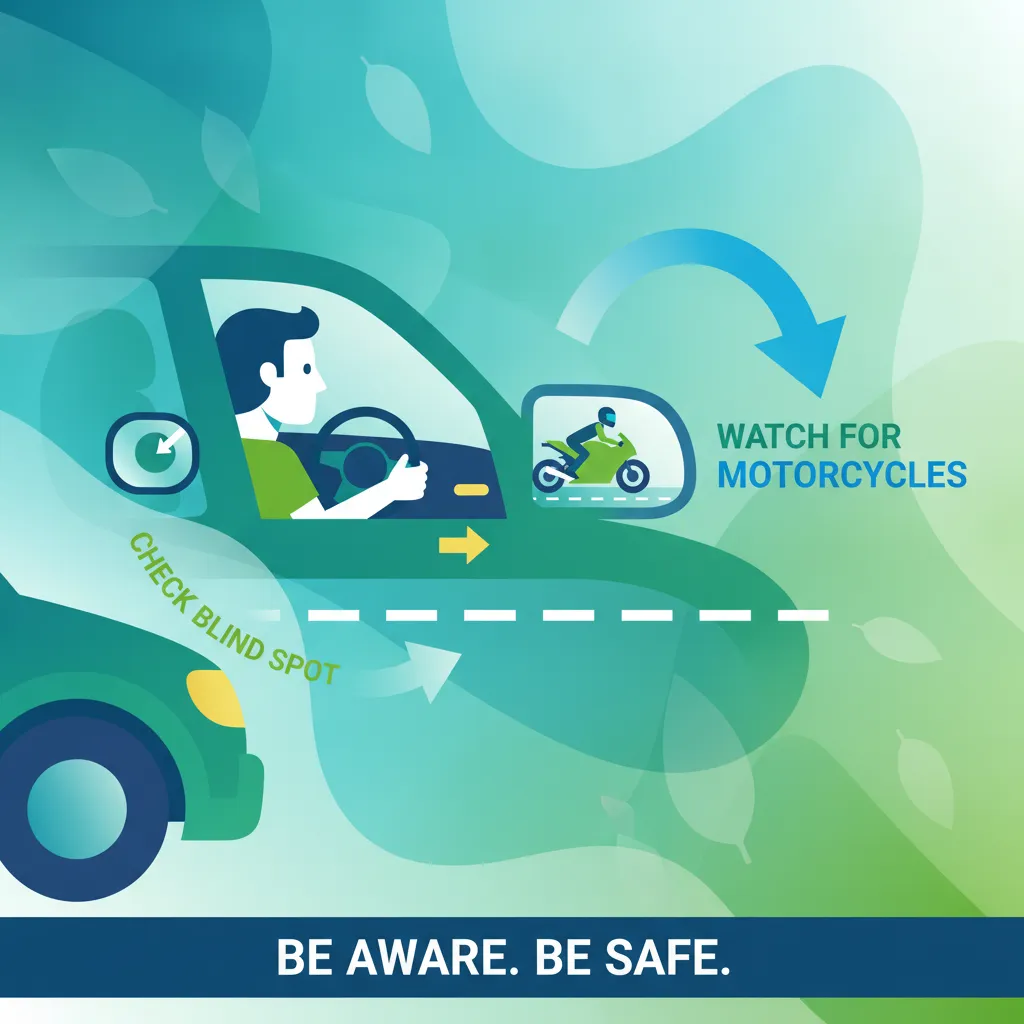
Learners will gain insight into the unique challenges posed by motorcycles and scooters sharing the road with passenger vehicles. The lesson highlights the importance of checking blind spots, maintaining safe following distances, and being aware of the faster acceleration and maneuverability of two-wheeled vehicles. Strategies for anticipating their movements and preventing collisions are discussed.
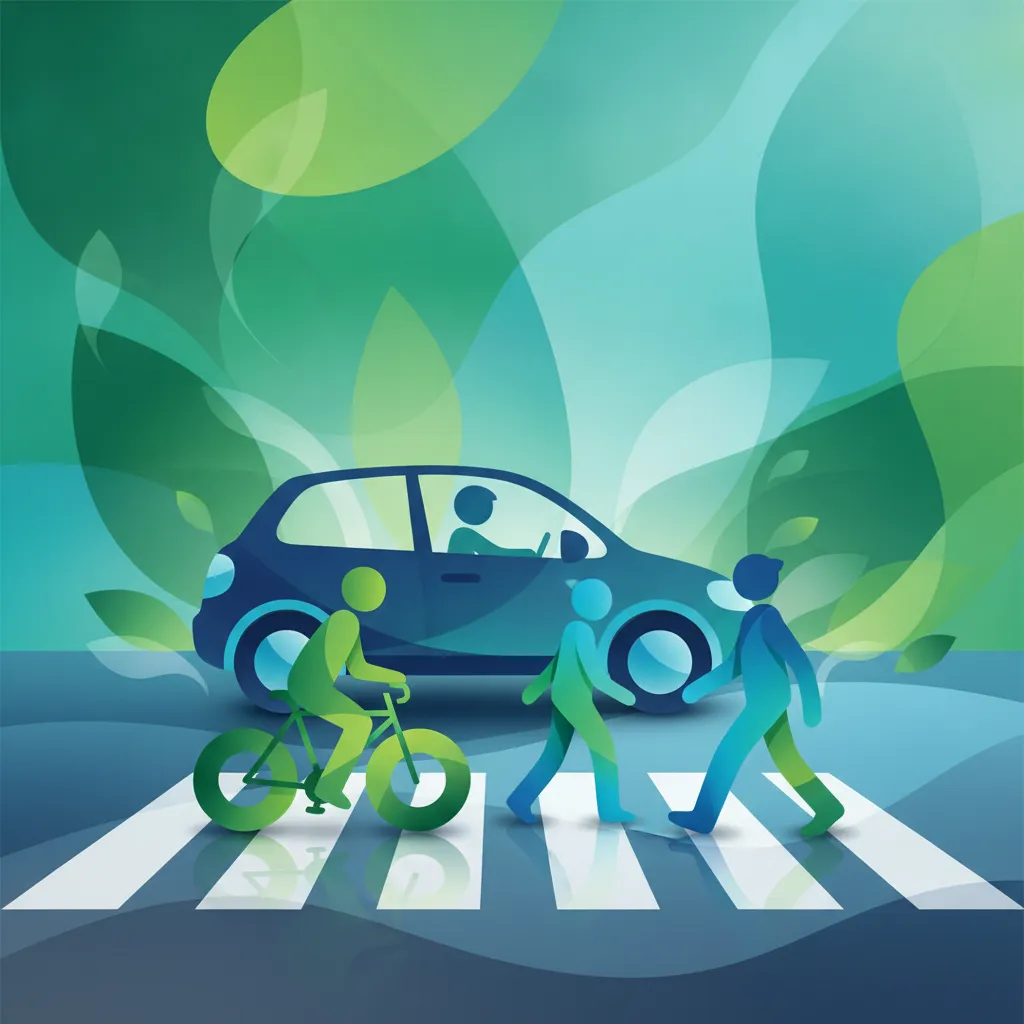
This lesson emphasizes the importance of yielding to pedestrians and cyclists at intersections, crosswalks, and designated lanes. Learners will understand the legal obligations to provide safe passage to vulnerable road users and the correct procedures for stopping and allowing them to cross. Real-world examples illustrate scenarios where failing to yield can lead to accidents.
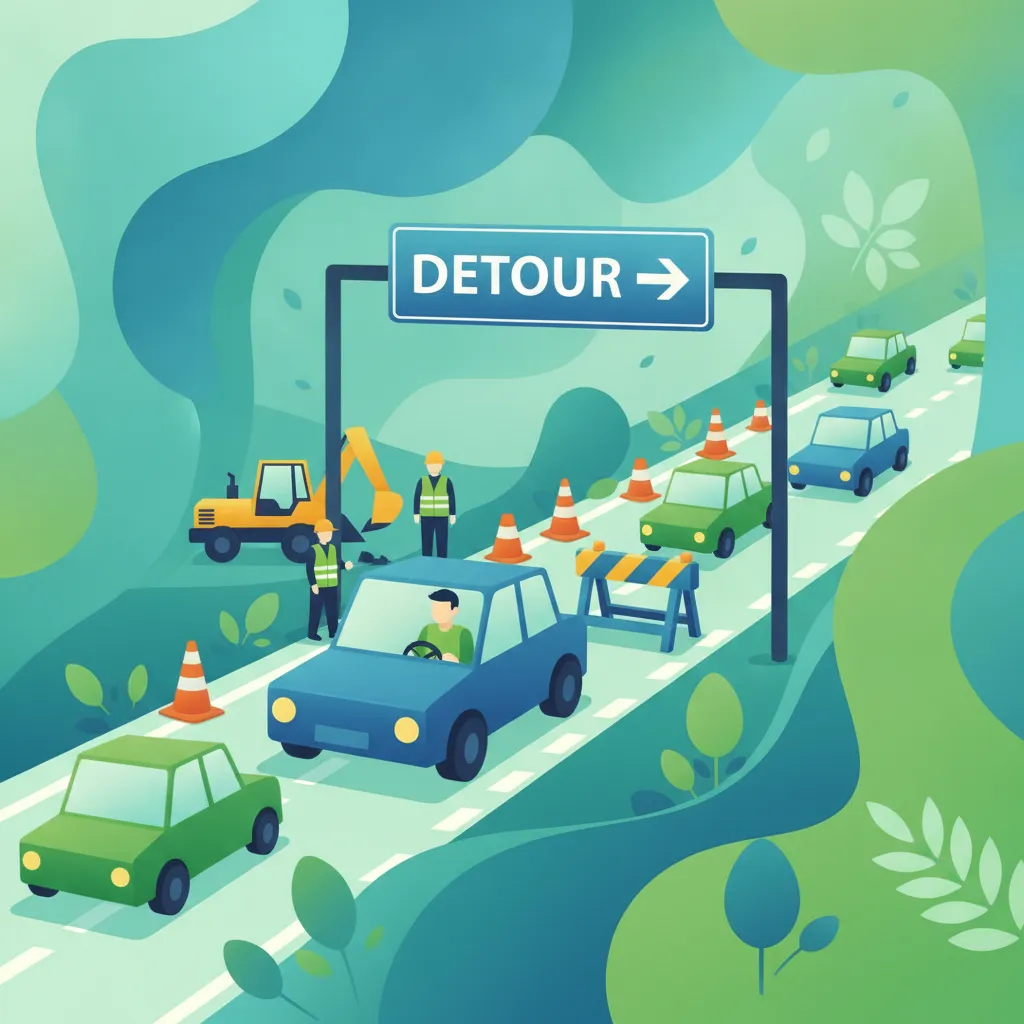
This lesson guides motorists on how to safely navigate active roadwork zones, detours, and temporary lane configurations. It details the meaning of construction signs, temporary speed reductions, and the legal requirement to protect highway workers. Drivers will learn to expect sudden stops and maintain slow, steady speeds through work areas.
Understand the legal and safety requirements for managing passenger boarding and alighting at designated stops. This guide details how to align vehicles with curbs, manage door operations, and maintain a safe environment for passengers to prevent accidents in compliance with Class D licensing standards.
Learners will explore best practices for ensuring passenger safety during the boarding and alighting process, focusing on proper vehicle positioning, door operation, and passenger assistance. The lesson covers the use of handrails, steps, and ramps, as well as strategies for managing standing passengers and luggage. Emphasis is placed on clear communication and maintaining situational awareness to prevent accidents.
This lesson addresses the particular challenges posed by standing passengers and the handling of luggage within passenger vehicles. Learners will explore best practices for securing items, guiding passenger movement, and maintaining vehicle stability. Understanding these aspects helps prevent accidents caused by shifting loads or passenger instability, especially during sudden stops or turns.
This lesson details the procedures for safely evacuating passengers from a bus in the event of a fire or other critical emergency. Topics include the location and use of emergency exits, fire extinguishers, and lighting, as well as the importance of clear communication and orderly movement of passengers. Practical steps for assisting vulnerable passengers during evacuation are emphasized.

This lesson focuses on the specific considerations required when transporting children, elderly individuals, and passengers with reduced mobility. Topics include the proper installation of child safety seats, techniques for assisting elderly passengers, and procedures for safely boarding and securing wheelchair users. Drivers will learn how to use accessibility features and special equipment to ensure a safe and dignified travel experience for these vulnerable groups.

Learners will explore the core safety priorities for passenger transport, including the correct use of seat belts, securing luggage, and maintaining passenger stability during vehicle motion. The lesson highlights the importance of clear safety briefings, the location and operation of emergency exits, and conducting risk assessments before departure. By mastering these practices, drivers can significantly reduce the likelihood of accidents and injuries.

This lesson covers the proper handling of bus stops and designated passenger boarding zones, emphasizing safety, efficiency, and compliance with regulations. Topics include the correct positioning of the vehicle, safe boarding and alighting procedures, and managing passenger flow during stops. Effective management of these zones reduces the risk of accidents and ensures a smooth passenger experience.
This lesson details the processes involved in terminal operations and the planning of rest stops for passenger vehicles. Learners will learn about safe and efficient procedures for passenger boarding and alighting at terminals, coordinating schedules, and performing safety checks. The importance of selecting appropriate rest areas and managing breaks for both drivers and passengers is emphasized.

Learners will examine common vehicle emergencies that may occur while transporting passengers, such as fires, tire blowouts, or brake failures. The lesson emphasizes quick recognition of warning signs and outlines step-by-step emergency protocols to ensure the safety of passengers and other road users. Strategies for effective incident response and communication are also covered.
This lesson focuses on creating a comfortable and accessible environment for all passengers, addressing climate control, lighting, and ergonomic seating arrangements. It also discusses provisions for wheelchair users, the use of boarding ramps, and the importance of priority seating for those with special needs. Drivers will learn how to assist passengers effectively while maintaining comfort standards throughout the journey.
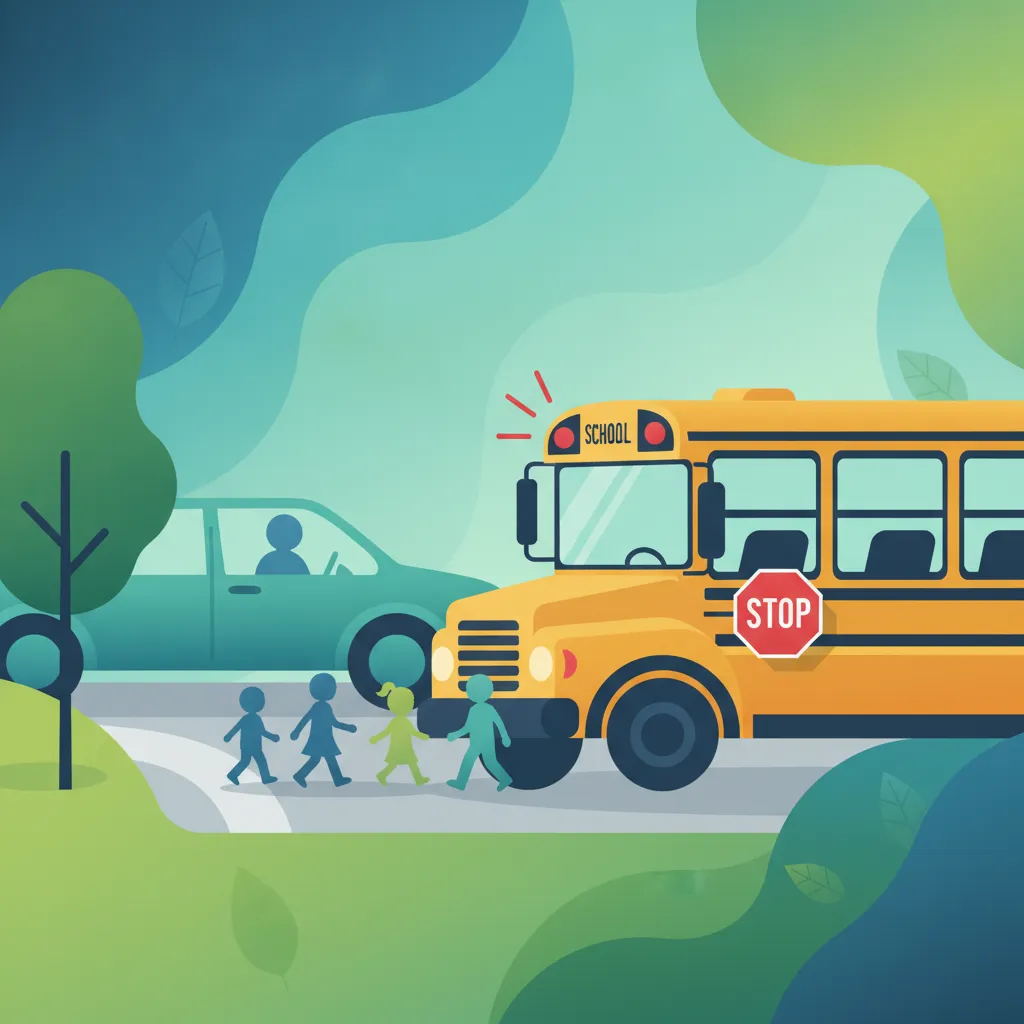
This lesson explores the specific responsibilities and precautions required when operating passenger vehicles on routes that serve schools. Topics include adhering to reduced speed limits, coordinating with crossing guards, ensuring safe loading and unloading of students, and managing interactions with parents and school staff. Emphasis is placed on creating a secure and predictable environment for children.
Find clear answers to common questions learners have about Interaction with Pedestrians and School Children Near Stops. Learn how the lesson is structured, which driving theory objectives it supports, and how it fits into the overall learning path of units and curriculum progression in Turkey. These explanations help you understand key concepts, lesson flow, and exam focused study goals.
In Turkey, drivers must slow down and stop to allow pedestrians to cross safely at all pedestrian crossings, regardless of whether they have started crossing. Failure to yield is a significant offense in the theory exam and road traffic.
Drivers must strictly adhere to posted speed limits, remain alert for sudden movements by children, and be prepared to stop instantly. Extra caution is required as children may not always be aware of oncoming vehicles.
Yes, bus drivers are expected to manage boarding and alighting areas with extreme care, ensuring that students have clear and safe access to the sidewalk before moving the vehicle, preventing accidents in the blind spot.
Yes, you must recognize signs indicating school zones, pedestrian crossings, and designated bus stops. These are frequently tested in the visual identification section of the Turkish e-sınav.
Use our comprehensive practice search to find exactly the Turkish driving theory questions you need to master. Whether reviewing specific road signs, traffic rules, or first aid scenarios, select your perfect practice set and boost your confidence for the official ehliyet sınavı.