
This lesson details the critical safety requirements and legal responsibilities for drivers operating school transport vehicles in Turkey. You will learn how to navigate school zones, coordinate with traffic personnel, and implement protocols that ensure the safety of students during boarding and transit. This knowledge is vital for your Class D theory exam and your professional conduct on the road.
Lesson content overview
Operating a large passenger vehicle under a Turkish Class D driving licence (D Sınıfı Ehliyet) carries a profound social and legal responsibility. When your route involves school zones (okul geçitleri) or dedicated student transport, your defensive driving skills, patience, and situational awareness must rise to their absolute peak.
Children are among the most vulnerable and unpredictable road users. Due to their physical size, limited cognitive development regarding traffic speed, and spontaneous behavior, they depend entirely on the professional driver's expertise to stay safe. This lesson details the critical safety protocols, legal regulations under Turkish Traffic Law, and defensive driving strategies required when operating heavy passenger vehicles on school transport routes.
In Turkey, school transport is strictly regulated to ensure student safety. While the Okul Servis Araçları Yönetmeliği (School Service Vehicles Regulation) sets specific standards for vehicles exclusively carrying students, all Class D drivers—including public transit and municipal bus drivers—must adhere to stringent rules when navigating routes that pass through school districts or interact with school transport vehicles.
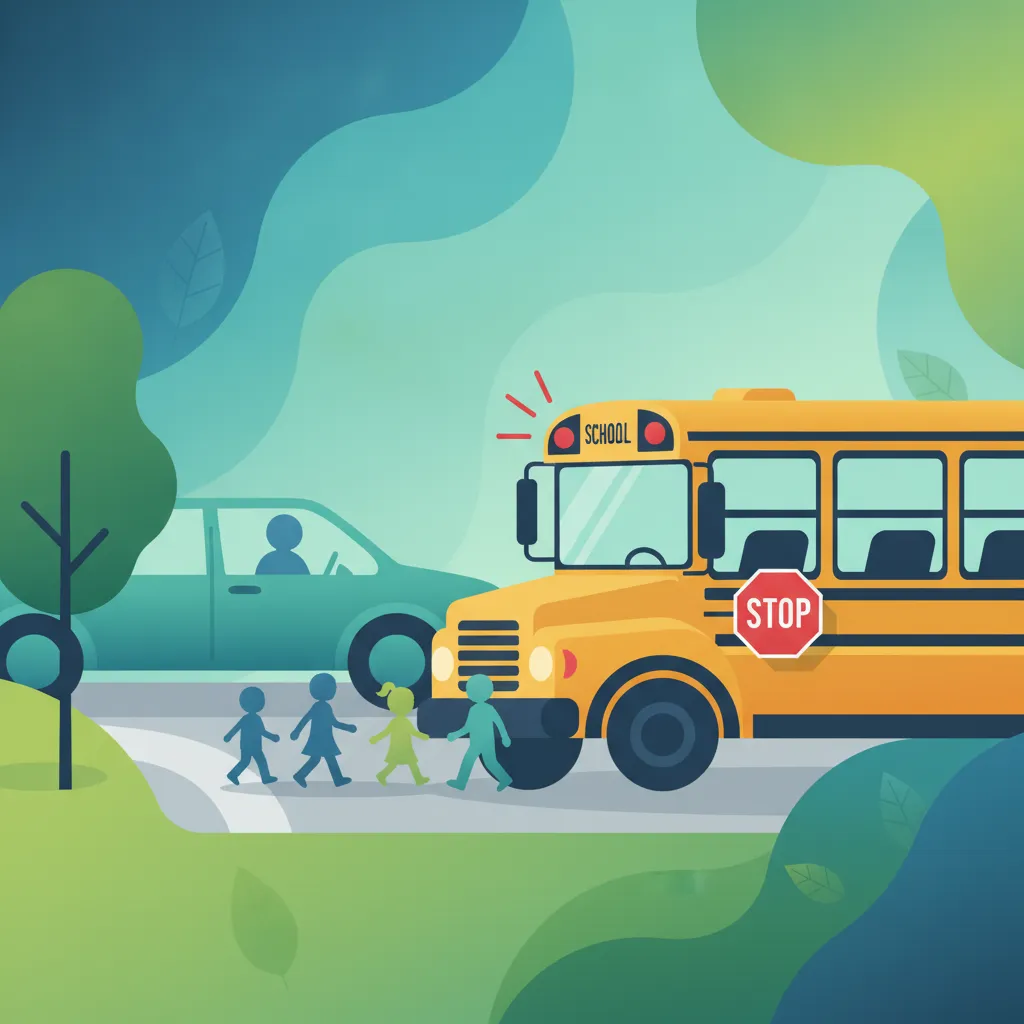
A central element of Turkish school transport safety is the "OKUL TAŞITI" (School Vehicle) signage and the associated red "DUR" (Stop) sign mounted on the rear of designated school buses.
Crucial Traffic Rule: Under Turkish traffic law, when a school transport vehicle stops to load or unload students and activates its rear red "DUR" (Stop) light, all trailing and passing traffic in both directions (on undivided roads) must come to a complete stop. Overtaking or passing a school bus with an active "DUR" signal is a severe traffic violation.
Driving a heavy passenger vehicle, such as a city bus or coach, requires understanding how vehicle physics change in school zones. Because of a bus's massive weight, its stopping distance is significantly longer than that of a standard passenger car.
The stopping distance of a vehicle consists of reaction distance (the distance traveled while the driver perceives a hazard and applies the brakes) and braking distance (the physical distance the vehicle travels after the brakes are applied).
When entering a school zone, drivers must transition to "active scanning." This involves:
In Turkey, school crossings are often managed by designated school crossing guards (Okul Geçit Görevlileri), traffic police, or municipal municipal officers. Under Article 74 of the Turkish Highway Traffic Law (Karayolları Trafik Kanunu), drivers are legally mandated to yield to pedestrians at marked crossings, and this is strictly enforced by crossing guards.
A person authorized by local authorities or school administrations to regulate traffic near school zones, using hand signals, stop signs, or paddles to ensure the safe crossing of students.
The moments when passengers enter or exit a Class D vehicle are the highest-risk phases of the route. For school-aged children, the danger is amplified by distraction, heavy backpacks, and peer interactions.
Approach the Stop with Care: Signal your intention early. Approach the designated school bus stop or loading zone slowly, keeping a wide margin from the curb to avoid hitting waiting children with your side mirrors.
Secure the Vehicle: Once aligned parallel to the curb, bring the bus to a complete stop. Apply the parking brake (el freni) and place the transmission in neutral before opening any doors. This prevents accidental vehicle roll.
Perform Mirror Checks: Before opening the doors, check your right-hand side mirrors (passenger-side mirrors) for overtaking cyclists, e-scooters, or impatient motorists attempting to pass on the right.
Supervise the Discharge/Boarding: Open the doors cautiously. Ensure students move in an orderly, single-file line. Instruct children never to cross the street immediately in front of or behind the bus, where they remain invisible within the bus's massive front and rear blind spots (kör noktalar).
Final Clearance Check: Before releasing the parking brake and moving, check your interior passenger mirror, your doors' safety sensors, and your wide-angle exterior mirrors to ensure no child's clothing or backpack is caught in the doors.
In busy school environments, traffic congestion is common due to parents dropping off children in private cars, delivery vans, and school shuttle services. As a Class D licence holder, you must model exemplary professional behavior and manage these interactions defensively.
Operating a passenger transport route is not just about looking outside; it also requires managing the environment inside the bus. High noise levels, disputes among students, or unexpected medical situations can severely distract a driver.
During winter months or road construction periods, school routes can present sudden hazards such as icy patches near school entrances or unmarked utility trenches.
Understanding the direct safety outcomes of your driving choices is essential for defensive driving.
| Condition (If) | Action (Then) | Outcome |
|---|---|---|
| Active school hours occur | Driver reduces speed to 30 km/h and maintains high foot-to-brake readiness. | Stopping distance is halved, preventing accidents from sudden mid-block crossings. |
| A school crossing guard raises a stop signal | Driver stops the Class D vehicle 5 metres back from the crossing. | Children cross safely with a wide visual safety margin, and trailing traffic can see the crossing guard. |
| A school bus has its rear red "DUR" lamp lit | Driver comes to a complete stop and waits until the lamp is turned off. | Students are protected from "passing-side" collisions while boarding or alighting. |
| Rain or ice reduces tyre traction | Driver doubles the following distance and reduces speed below the school zone limit. | The heavy bus avoids skidding or sliding into pedestrian areas during emergency braking. |
| Internal noise levels rise sharply | Driver relies on the onboard guide (rehber personel) or pulls over safely to address behavior. | The driver avoids cognitive distraction and maintains full situational awareness of the road. |
This lesson covers the critical safety and legal requirements for Class D drivers operating on school transport routes in Turkey. Key regulations include mandatory stops for school buses with active DUR signals, speed reductions to 30 km/h in school zones, and yielding to school crossing guards whose signals override traffic lights. The lesson details proper passenger boarding and alighting procedures emphasizing mirror checks, parking brake use, and blind spot awareness. Defensive driving principles are applied specifically to heavy vehicles with long stopping distances, and coordination protocols with crossing guards, rehber personel, and other road users are explained. Understanding these Turkey-specific rules is essential for passing the MTSK e-sınav and ensuring child passenger safety.
A short set of high-value points that capture the most important learning from this lesson.
Turkish law mandates all traffic stop when a school transport vehicle activates its rear red DUR lamp to load or unload students.
Reducing speed from 50 km/h to 30 km/h in school zones more than halves your total stopping distance, which is critical for heavy Class D vehicles.
School crossing guards (Okul Geçit Görevlileri) have legal authority over traffic lights and road markings when actively directing pedestrians.
Children are high-risk road users due to unpredictable behavior and limited traffic awareness; always assume they may step into the road unexpectedly.
The onboard guide (Rehber Personel) is legally required on dedicated school service vehicles and handles internal management so drivers maintain full road focus.
Explore all units and lessons included in this driving theory course.
At 50 km/h, a Class D bus travels approximately 14 metres before brakes are even applied—make speed reductions early.
Stop your vehicle at least 5 metres back from zebra crossings when yielding to crossing guards to maintain visibility and safety margins.
Overtaking a school bus with active DUR signal or passing in school zones carries severe penalties under Turkish traffic law.
Always perform wide-angle mirror checks before opening doors to detect cyclists, e-scooters, or vehicles passing on the right.
On wet or icy roads, a loaded Class D vehicle requires up to ten times the normal stopping distance—reduce speed well below posted limits.
Assuming children will stay on the sidewalk—children often dart between parked cars or run near curbs unpredictably.
Stopping too close to zebra crossings when a crossing guard is active, which blocks their view and may intimidate children.
Attempting to address student misbehavior inside the bus while driving instead of pulling over safely first.
Forgetting to engage the parking brake (el freni) before opening doors at stops, risking unintended vehicle roll.
Relying on traffic lights alone at school crossings—always watch for crossing guard hand signals which take legal precedence.
Lesson content overview
A short set of high-value points that capture the most important learning from this lesson.
Turkish law mandates all traffic stop when a school transport vehicle activates its rear red DUR lamp to load or unload students.
Reducing speed from 50 km/h to 30 km/h in school zones more than halves your total stopping distance, which is critical for heavy Class D vehicles.
School crossing guards (Okul Geçit Görevlileri) have legal authority over traffic lights and road markings when actively directing pedestrians.
Children are high-risk road users due to unpredictable behavior and limited traffic awareness; always assume they may step into the road unexpectedly.
The onboard guide (Rehber Personel) is legally required on dedicated school service vehicles and handles internal management so drivers maintain full road focus.
Explore all units and lessons included in this driving theory course.
At 50 km/h, a Class D bus travels approximately 14 metres before brakes are even applied—make speed reductions early.
Stop your vehicle at least 5 metres back from zebra crossings when yielding to crossing guards to maintain visibility and safety margins.
Overtaking a school bus with active DUR signal or passing in school zones carries severe penalties under Turkish traffic law.
Always perform wide-angle mirror checks before opening doors to detect cyclists, e-scooters, or vehicles passing on the right.
On wet or icy roads, a loaded Class D vehicle requires up to ten times the normal stopping distance—reduce speed well below posted limits.
Assuming children will stay on the sidewalk—children often dart between parked cars or run near curbs unpredictably.
Stopping too close to zebra crossings when a crossing guard is active, which blocks their view and may intimidate children.
Attempting to address student misbehavior inside the bus while driving instead of pulling over safely first.
Forgetting to engage the parking brake (el freni) before opening doors at stops, risking unintended vehicle roll.
Relying on traffic lights alone at school crossings—always watch for crossing guard hand signals which take legal precedence.
Explore search topics learners often look for when studying Special Considerations for School Transport Routes. These topics reflect common questions about road rules, driving situations, safety guidance, and lesson level theory preparation for learners in Turkey.
Browse additional driving theory lessons that cover connected traffic rules, road signs, and common driving situations related to this topic. Improve your understanding of how different rules interact across everyday traffic scenarios.
Learn the professional standards for managing passenger safety, accessibility, and communication within public transport. This guide covers mandatory driver conduct, handling special needs, and maintaining a secure environment for all passengers during urban and intercity transit in accordance with Turkish traffic legislation and professional transport ethics.
This lesson examines the integral role of the goods vehicle driver in contributing to overall traffic safety and a positive safety culture. It focuses on proactive driving behaviors, hazard identification, and effective risk management strategies. Communication techniques with other road users, compliance with traffic flow regulations, and competent emergency responses are highlighted as essential skills.
This lesson delves into the ethical responsibilities and professional standards expected of goods vehicle drivers, emphasizing their pivotal role in ensuring traffic safety. It explores the duty of care owed to other road users and the broader societal expectations placed upon professional drivers. Learners will examine how their conduct directly influences public trust and overall traffic flow in urban environments.
This lesson focuses on the unique requirements and best practices for operating passenger vehicles on highways and expressways. Topics include maintaining appropriate speed, adhering to lane discipline, executing safe overtaking maneuvers, and managing merges and exits. Emphasis is placed on ensuring a smooth ride for passengers while integrating safely with faster-moving traffic.
This lesson focuses on protecting vulnerable road users, such as pedestrians, cyclists, and motorcyclists, in mixed traffic environments. Learners will examine specific strategies for increased vigilance, anticipatory driving, and properly yielding to these users. The lesson also covers high-risk zones, such as school areas and public transport stops, emphasizing the need for heightened safety.
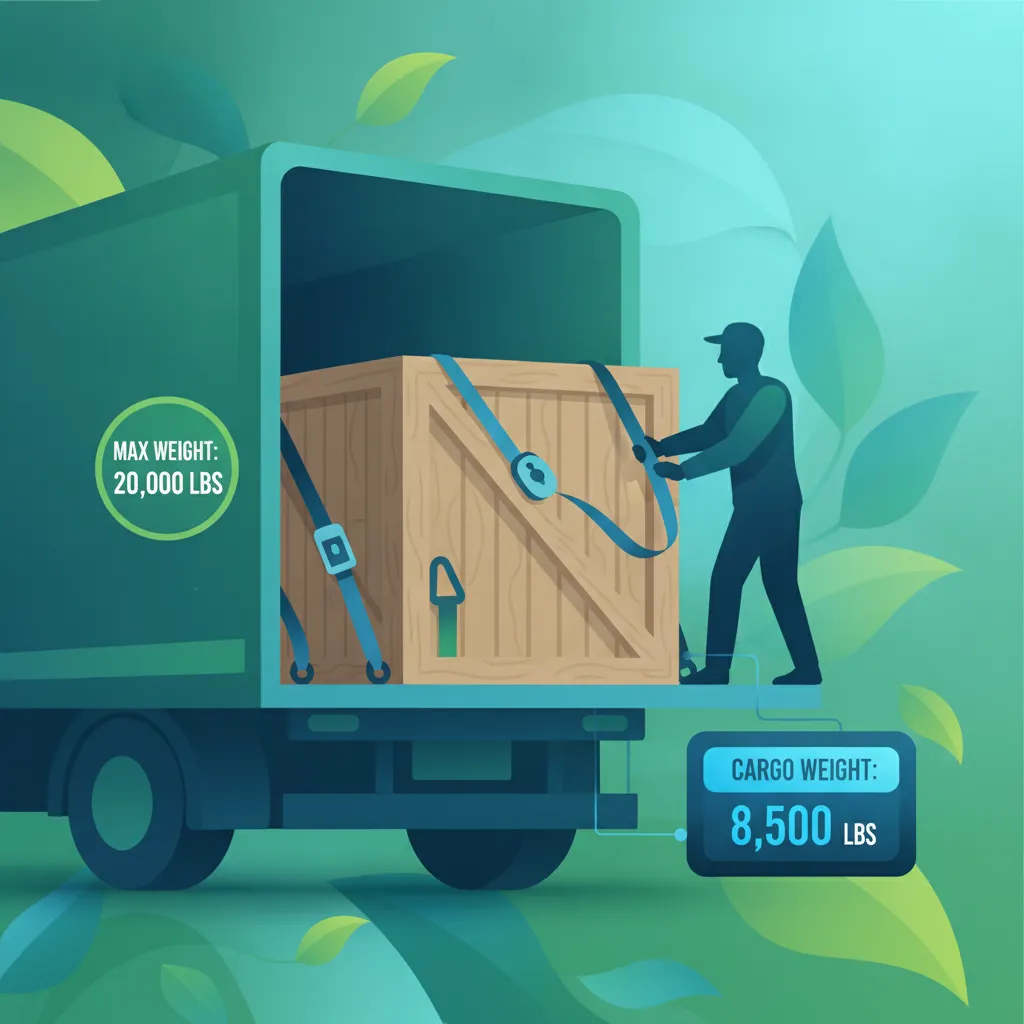
This lesson explains the legal guidelines and safety physics for carrying passengers and securing cargo inside or on top of a vehicle. It details how excess weight or poorly distributed cargo negatively affects vehicle handling, braking, and fuel efficiency. Drivers will learn the legal payload limits specified under Turkish Category B regulations.
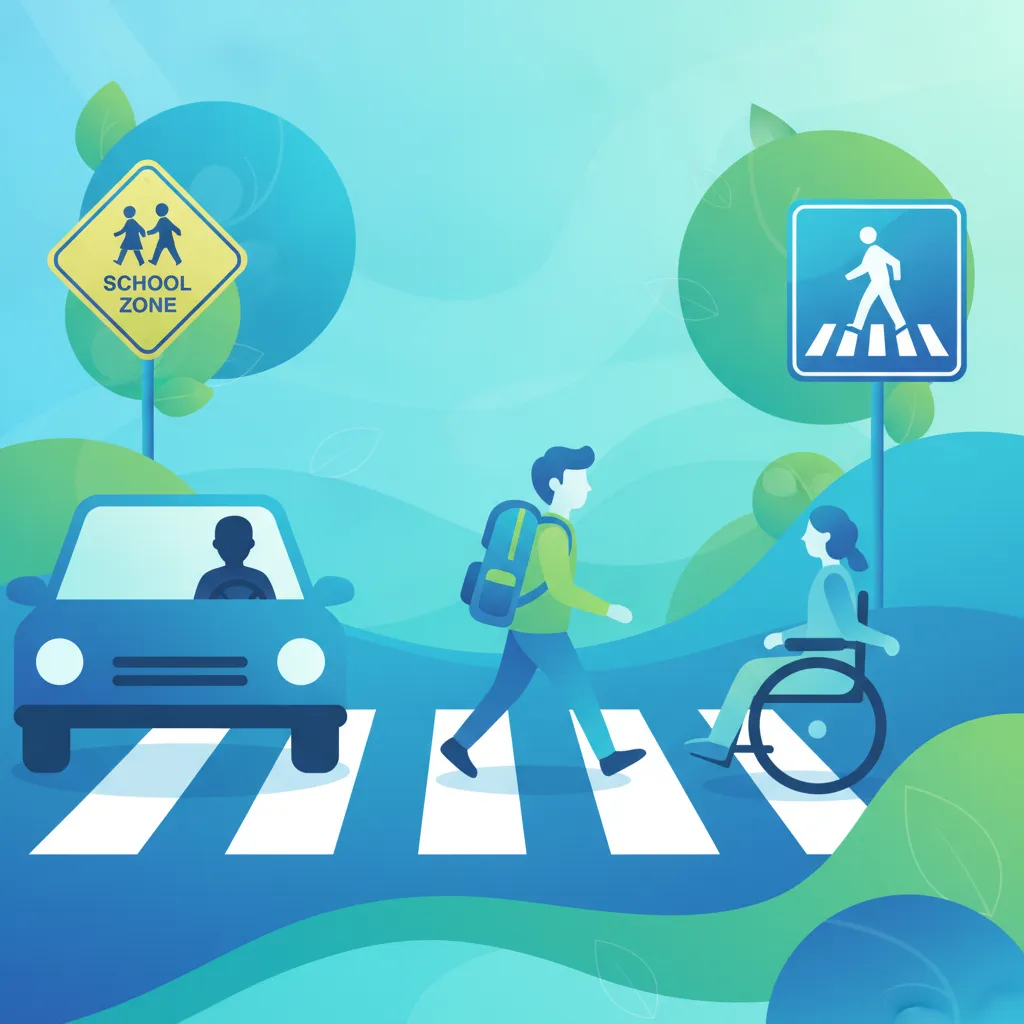
Learners will identify the different categories of vulnerable road users and understand the heightened risks they face. The lesson emphasizes the importance of recognizing these users, anticipating their actions, and taking proactive measures to ensure their safety while operating passenger vehicles. Strategies for mitigating danger and fostering a protective driving environment are explored.
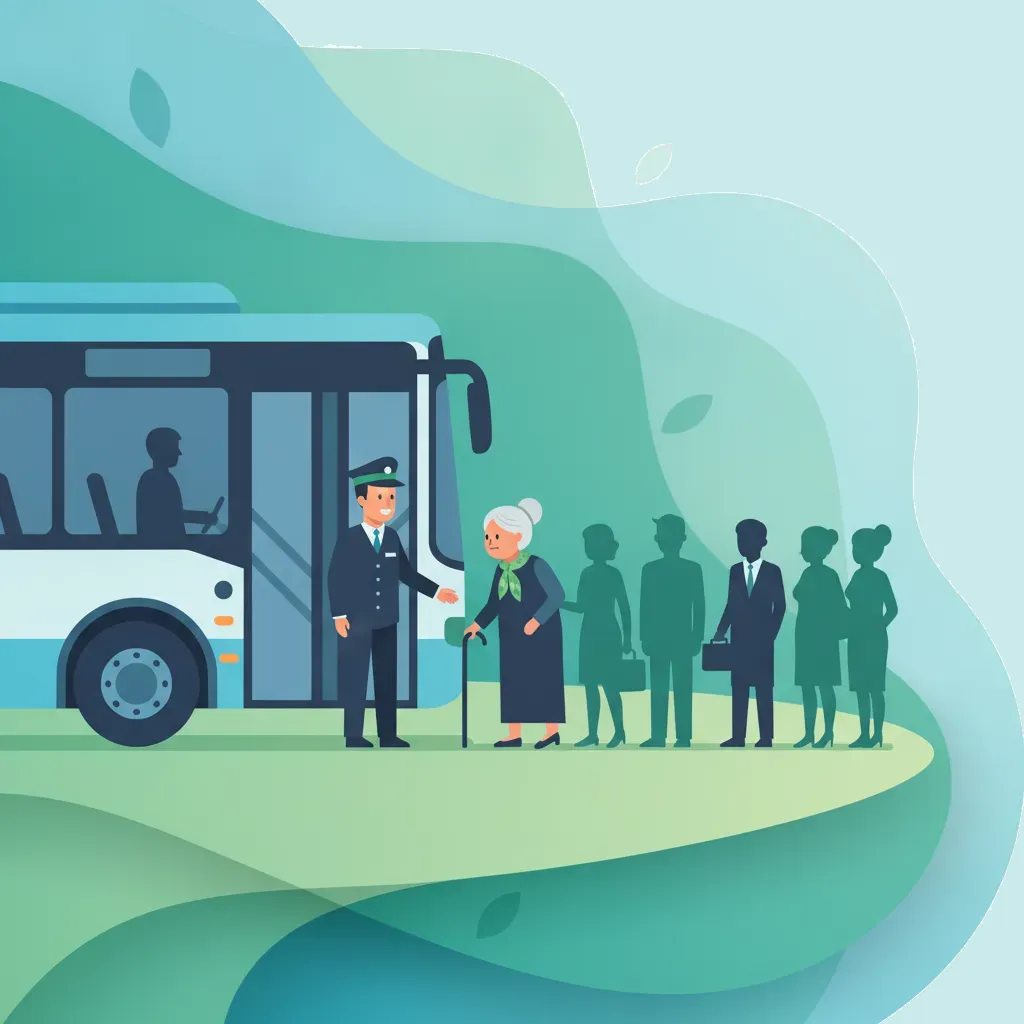
This lesson explores the standards of conduct expected from passenger vehicle drivers, emphasizing ethical decision-making and interactions with passengers and the public. It covers the impact of driver behaviour on public perception, the importance of maintaining a professional image, and the responsibilities inherent in transporting passengers safely and courteously. Learners will develop an understanding of how ethical practices contribute to service excellence and public trust.
This lesson focuses on the importance of maintaining safe following distances for goods vehicles, taking into account longer braking distances and increased load. Learners will learn how to calculate appropriate gaps based on speed, road conditions, and vehicle dynamics. The lesson emphasizes safe following practices to prevent rear-end collisions and improve overall traffic safety in Turkey.

Learners will explore the core safety priorities for passenger transport, including the correct use of seat belts, securing luggage, and maintaining passenger stability during vehicle motion. The lesson highlights the importance of clear safety briefings, the location and operation of emergency exits, and conducting risk assessments before departure. By mastering these practices, drivers can significantly reduce the likelihood of accidents and injuries.
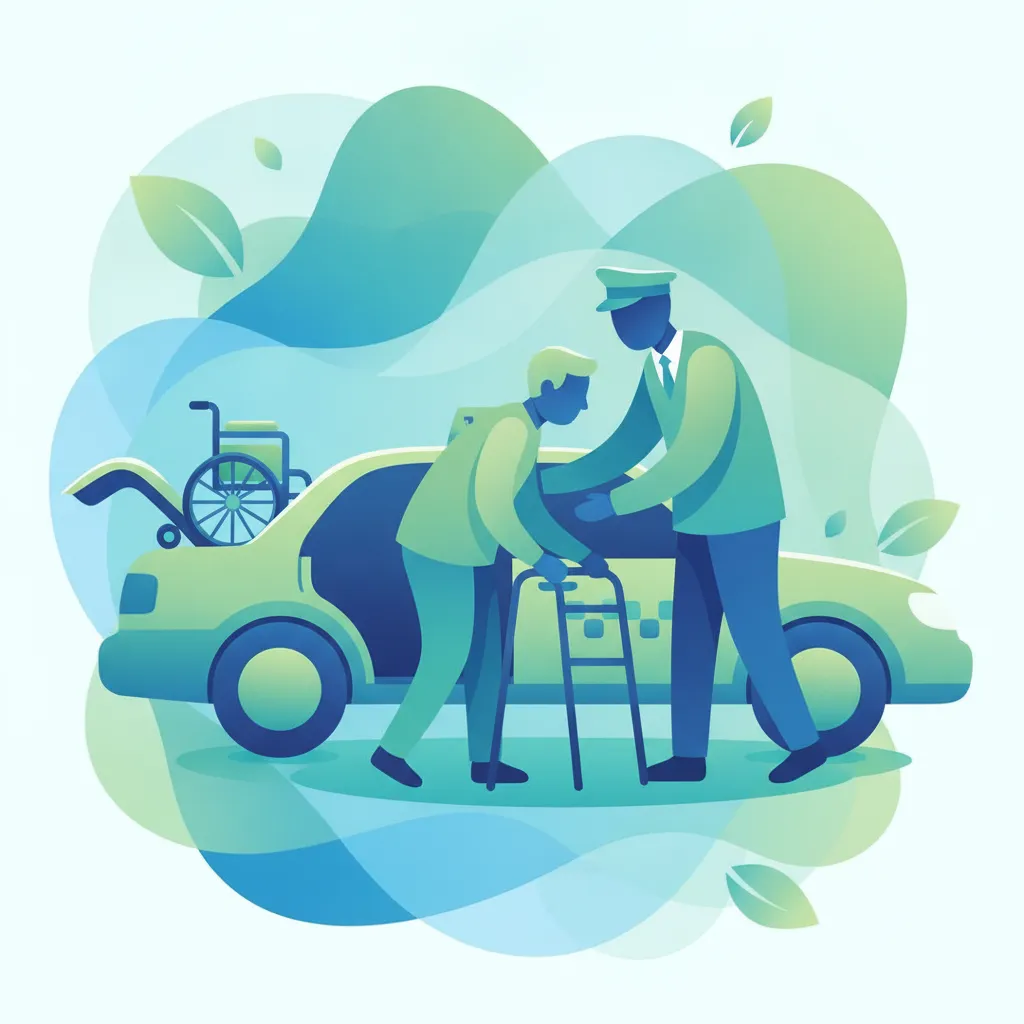
This lesson focuses on the specific considerations required when transporting children, elderly individuals, and passengers with reduced mobility. Topics include the proper installation of child safety seats, techniques for assisting elderly passengers, and procedures for safely boarding and securing wheelchair users. Drivers will learn how to use accessibility features and special equipment to ensure a safe and dignified travel experience for these vulnerable groups.
Understand the regulations and defensive driving techniques for navigating heavy passenger vehicles in busy city environments. This lesson explains safe boarding and alighting procedures, managing bus stops, coordinating with pedestrians, and navigating complex urban infrastructure while adhering to Turkish Highway Traffic Law standards for professional bus operation.
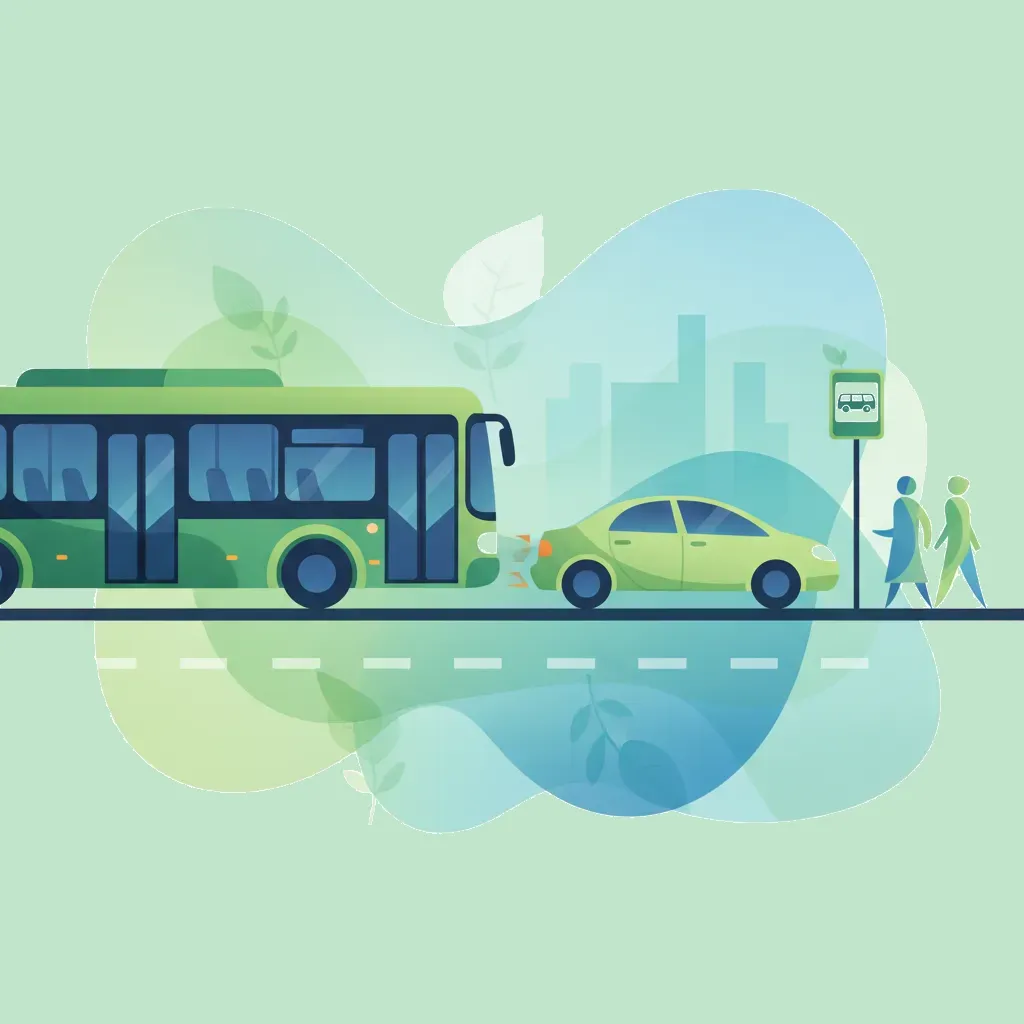
This lesson focuses on the proper approach to bus stops and terminals within city traffic, emphasizing safe positioning, adherence to traffic signals, and maintaining smooth traffic flow. Learners will understand the importance of signaling intentions, checking blind spots, and ensuring the safety of boarding and alighting passengers. Effective stop management reduces the risk of accidents and traffic disruption.
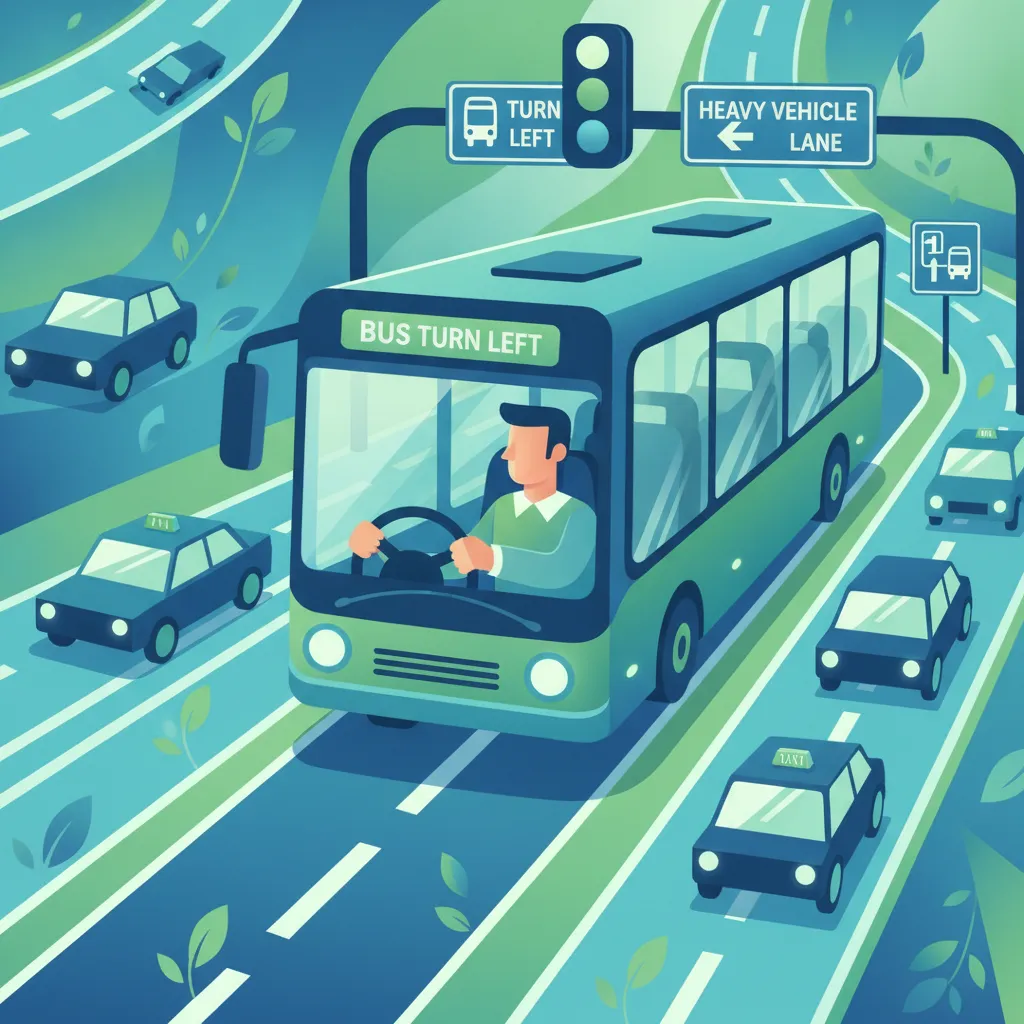
Learners will explore strategies for navigating congested urban traffic environments while operating large passenger vehicles. The lesson covers lane selection, adherence to traffic signals, and the use of bus lanes where applicable. Understanding how to maintain smooth traffic flow while ensuring passenger safety is crucial for efficient urban transportation.

This lesson covers the proper handling of bus stops and designated passenger boarding zones, emphasizing safety, efficiency, and compliance with regulations. Topics include the correct positioning of the vehicle, safe boarding and alighting procedures, and managing passenger flow during stops. Effective management of these zones reduces the risk of accidents and ensures a smooth passenger experience.

This lesson focuses on the safe interaction with other traffic participants at bus stops and traffic intersections. Learners will explore right-of-way rules, signal compliance, and techniques for maintaining safe distances while stopping and departing. Understanding these interactions is vital for preventing accidents in complex traffic environments.
This lesson focuses on protecting vulnerable road users, such as pedestrians, cyclists, and motorcyclists, in mixed traffic environments. Learners will examine specific strategies for increased vigilance, anticipatory driving, and properly yielding to these users. The lesson also covers high-risk zones, such as school areas and public transport stops, emphasizing the need for heightened safety.
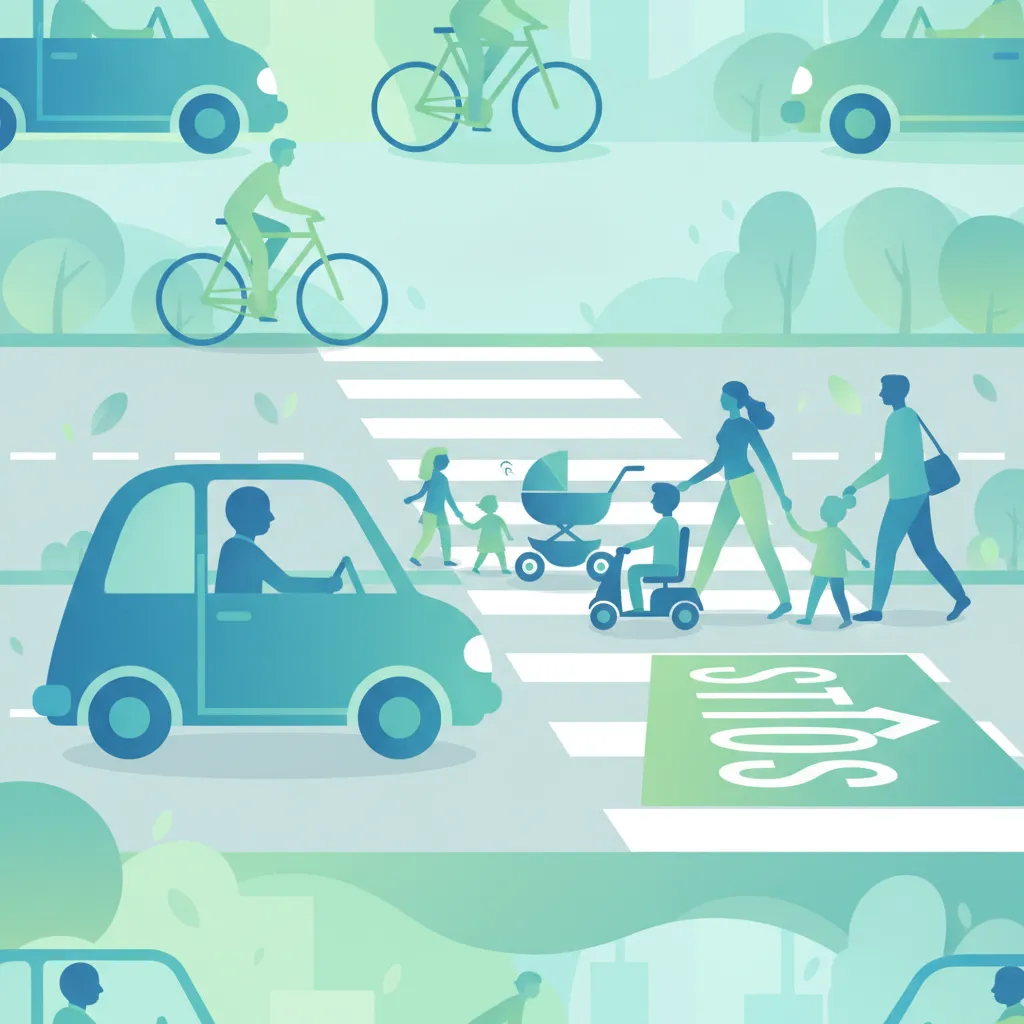
Learners will examine effective strategies for safely coordinating with pedestrians and other road users when approaching and departing bus stops. The lesson highlights right-of-way rules, the importance of yielding at crosswalks, and clear communication with both passengers and other drivers. These practices are vital for preventing accidents and ensuring a harmonious flow of traffic in busy urban areas.
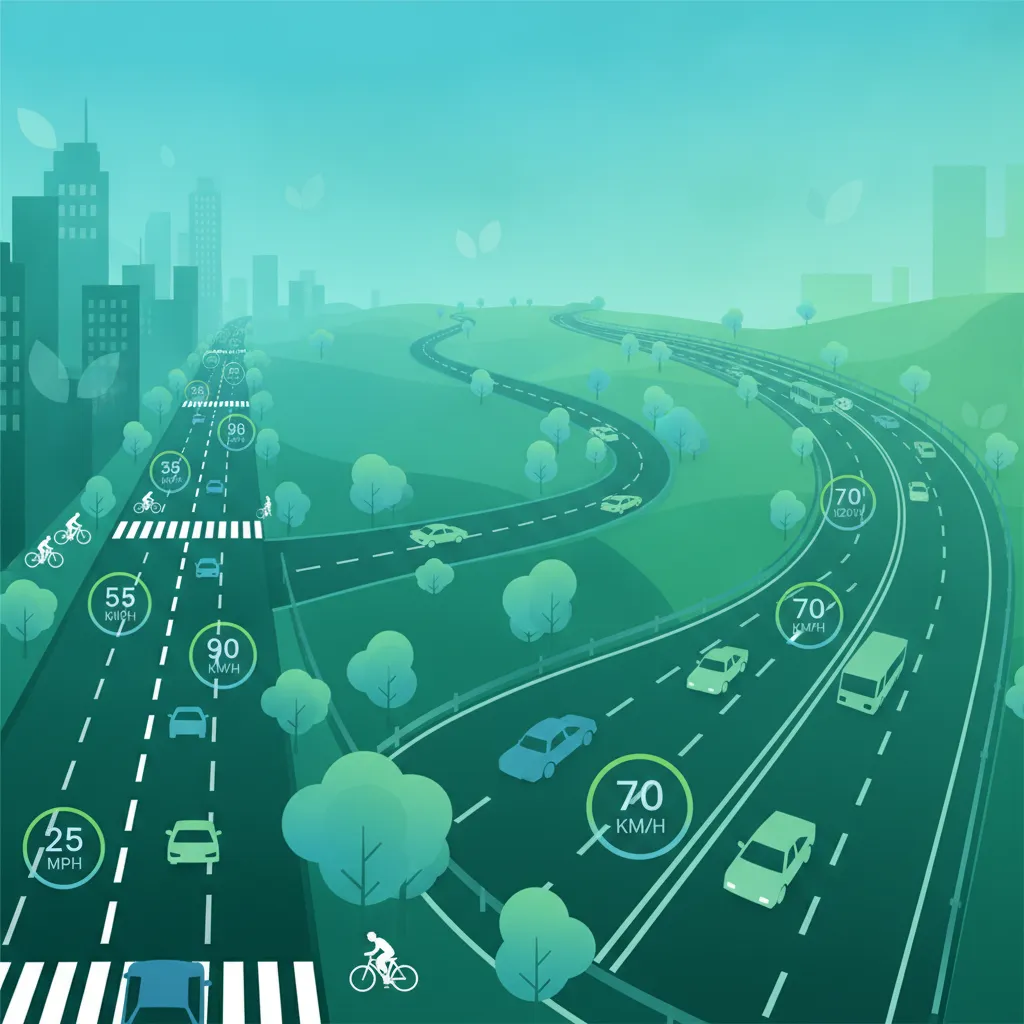
This lesson focuses on managing vehicle speed according to different road environments—urban, rural, and highways—while complying with legal speed limits and traffic flow. Learners will understand how to adjust speed for varying road conditions, traffic density, and safety considerations, ensuring a balance between efficiency and risk mitigation.
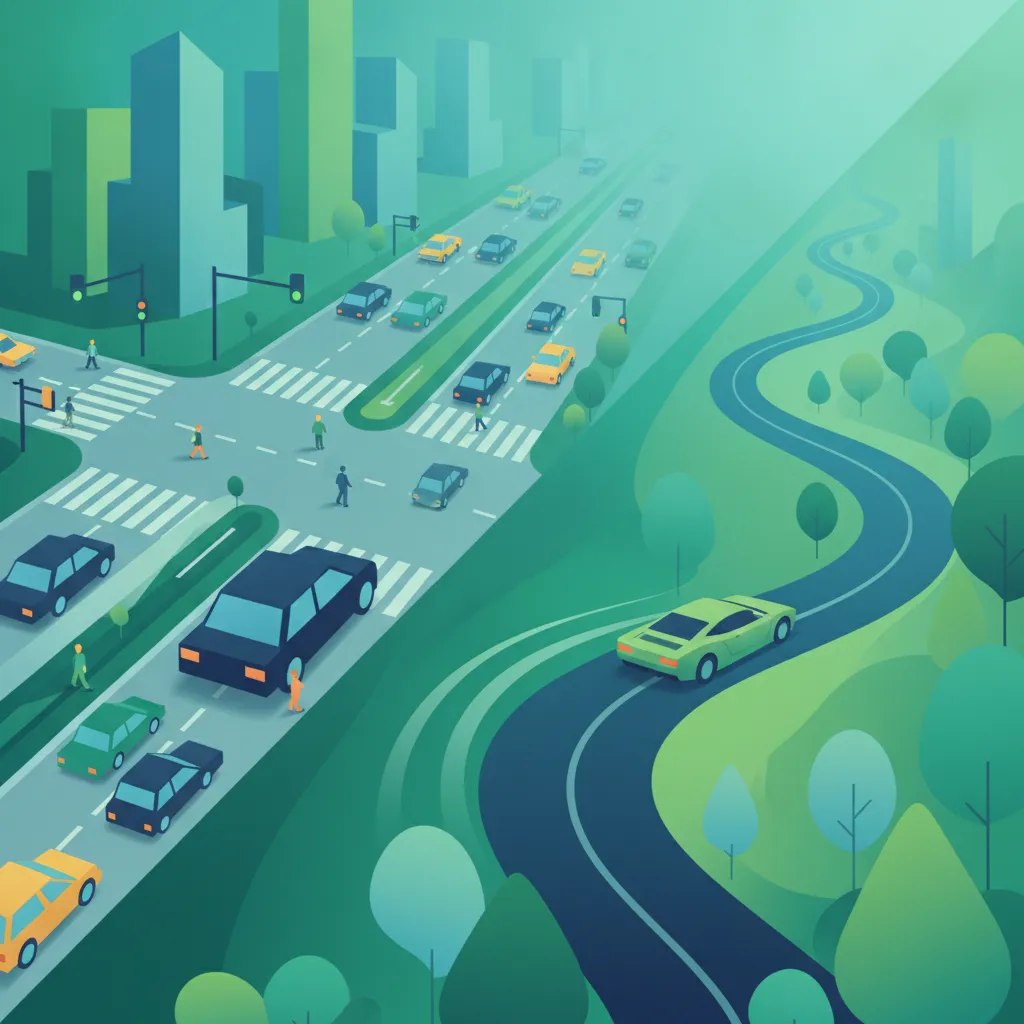
This lesson delves into specific manoeuvring strategies required when navigating both tight urban environments and open rural roads with large passenger vehicles. Learners will explore techniques for handling narrow streets, tight turns, and intersections, while maintaining safety and efficiency. The content emphasizes planning and execution of manoeuvres based on road conditions and vehicle dimensions.
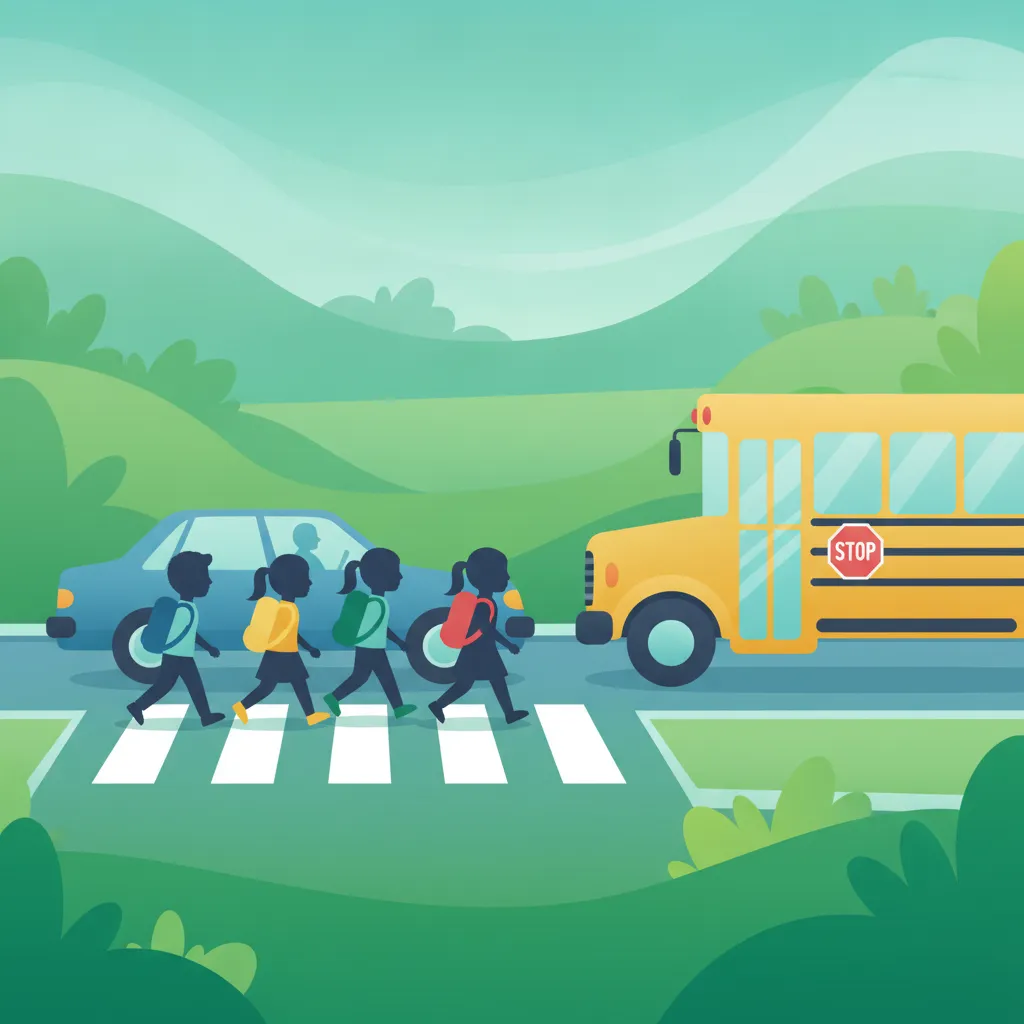
This lesson focuses on the specific considerations for ensuring the safety of pedestrians and schoolchildren around bus stops and terminals. Learners will explore strategies for slowing down, stopping at appropriate distances, and maintaining heightened vigilance. The lesson also covers effective communication with children and the importance of secure boarding and alighting processes to prevent accidents.
Learners will examine the complexities of operating in environments where various road users, including pedestrians, cyclists, and motorcyclists, coexist. The lesson emphasizes the need for heightened situational awareness, defensive driving techniques, and proactive hazard anticipation. Strategies for navigating mixed traffic safely, especially in congested urban areas, are highlighted.
Find clear answers to common questions learners have about Special Considerations for School Transport Routes. Learn how the lesson is structured, which driving theory objectives it supports, and how it fits into the overall learning path of units and curriculum progression in Turkey. These explanations help you understand key concepts, lesson flow, and exam focused study goals.
Drivers must strictly adhere to the posted speed limits in school zones and exercise extreme caution. When a school bus is loading or unloading children, you must be prepared to stop and yield to students crossing the road, regardless of right-of-way priority.
In Turkey, if you see a school bus with its warning lights active and the 'OKUL TAŞITI' sign visible, you must exercise increased vigilance and be ready to stop if children are entering or leaving the vehicle, as dictated by standard safety protocols for professional drivers.
The MTSK e-sınav frequently includes scenario-based questions about protecting vulnerable road users. Understanding school transport rules is a core part of the Class D curriculum because it demonstrates your ability to manage higher-risk passenger environments safely.
As a professional driver, your responsibility is to anticipate unpredictable behavior. Always maintain a low speed in school areas, keep your eyes scanning for movement, and be prepared to brake early to avoid an accident, even if you technically have the right of way.
Use our comprehensive practice search to find exactly the Turkish driving theory questions you need to master. Whether reviewing specific road signs, traffic rules, or first aid scenarios, select your perfect practice set and boost your confidence for the official ehliyet sınavı.