Belgian additional panels are crucial signs that work alongside main traffic signs to provide specific context. They often modify how a primary sign applies, offering vital details about exceptions, distances, durations, and specific road user groups like cyclists and mopeds. Understanding these panels is essential for navigating complex traffic situations correctly and passing your theory exam with confidence.
An explanation of how Belgian Additional Panels road signs apply in real traffic situations in Belgium. Learn where these signs are typically placed, what drivers are expected to do when they appear, and how correct reactions help you stay safe, avoid fines, and succeed in your Belgian driving theory exam.
Belgian additional panels are frequently encountered in various traffic scenarios, particularly in urban areas where nuanced regulations are common. You'll often see them beneath primary signs regulating parking (e.g., parking meters, no-parking zones), where they specify times, durations (like 'during the following 50m'), or exemptions. They are also vital for clarifying rules for specific vehicle types, especially bicycles and mopeds. For instance, a 'no entry' sign might have an additional panel stating 'except for bicycles', fundamentally changing who is permitted to pass. Similarly, a parking sign might be accompanied by a panel indicating 'reserved for the disabled'. Pay close attention to these supplementary signs as they often contain the critical information needed to comply with local regulations and avoid fines or dangerous situations.
An overview of the key learning outcomes when studying the Belgian Additional Panels road sign category. Understand the main concepts, sign meanings, and traffic situations covered here so you can recognise patterns, answer theory questions more confidently, and build a solid foundation for safe driving in Belgium.
Study these Belgian additional panels to understand how they modify primary road signs, affecting rules for vehicles, speed limits, and parking. Mastering their meanings is crucial for correct interpretation during your theory test revision.
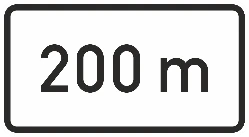
The M1 sign means this traffic rule applies ONLY to cyclists.
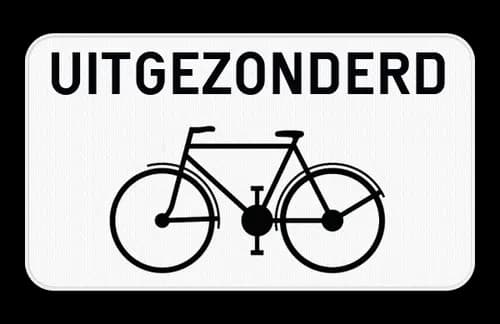
M2 'Except Bicyclists' Panel: Modifies the Main Sign's Rule
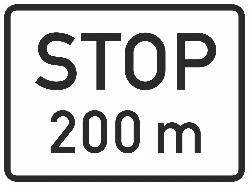
M3: 'Except Bicyclists and Mopeds Class A' - Understand Belgian Additional Panels
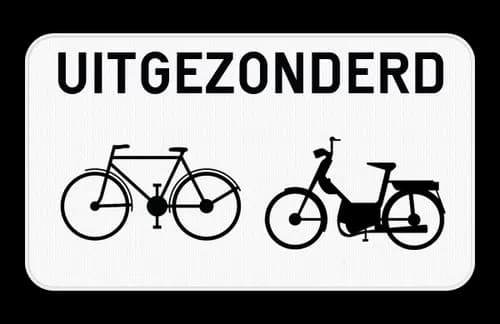
Understand the M3bis Panel: 'Except bicyclists and mopeds' in Belgium
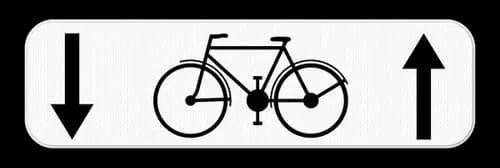
Understand the M4 'Except Bicyclists' Belgian Supplementary Panel
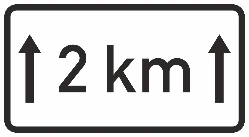
Belgian M5 Sign: Exempting Bicyclists and Mopeds Class A from a Rule
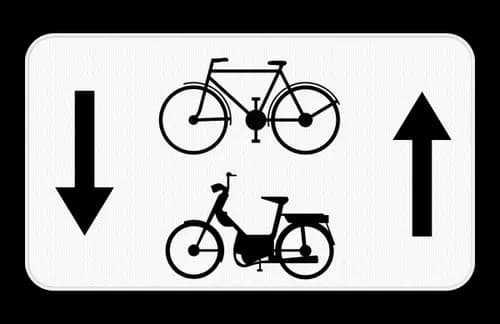
M5bis: Belgian Additional Panel for Exempting Bicyclists and Mopeds
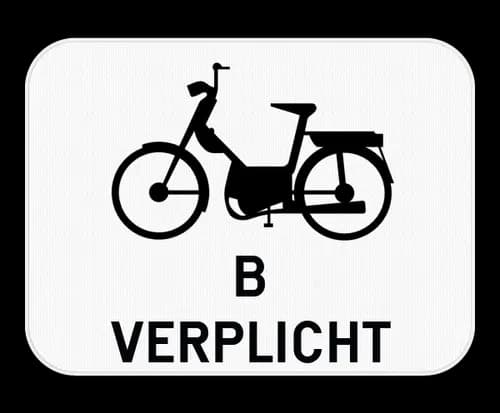
M6 Sign: Compulsory for Mopeds Class B in Belgium
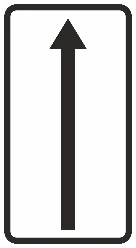
Decode the M7 Sign: Understanding 'Forbidden for Mopeds Class B' Restrictions
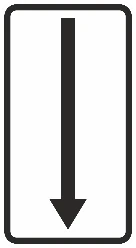
Belgian Sign M8: This Panel Means 'Only for Bicyclists and Mopeds'
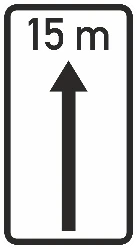
M9 Sign: Be Aware of Bicyclists Approaching from Both Sides
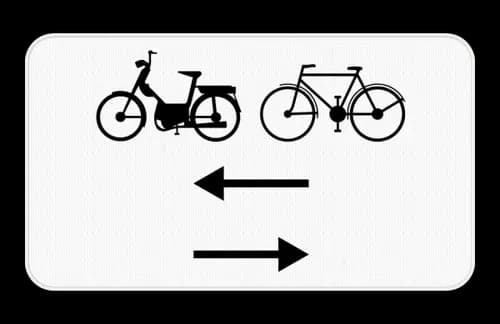
What M10 Sign Means: Bicyclists and Mopeds Approaching from Sides
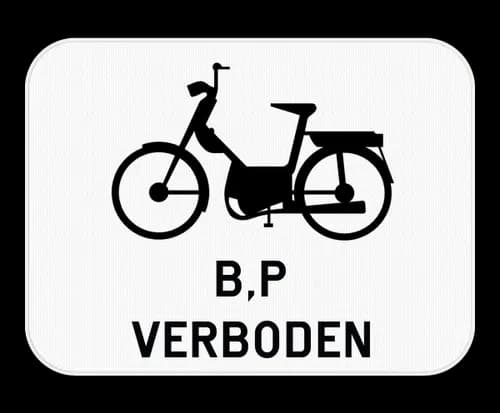
M16 Belgian Additional Panel: 'Forbidden for Mopeds Class B and Speed Pedelecs'
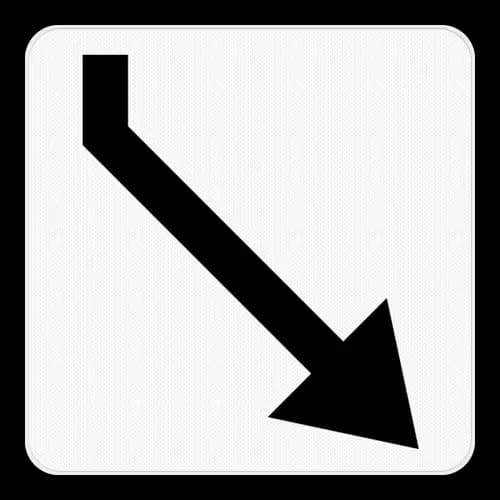
The GXI sign clarifies that the sign above only applies to a specific exit.
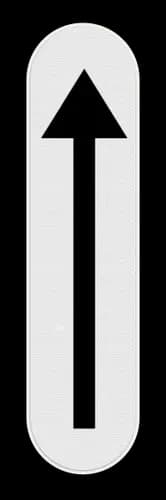
Belgian GXa sign marks the start of a new parking regulation.
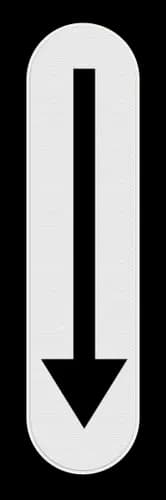
Belgian Sign GXb: Understand When Parking Regulations End
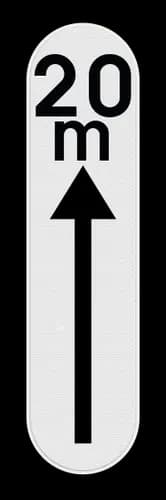
GXc: Understanding Parking Regulations with Supplementary Panels
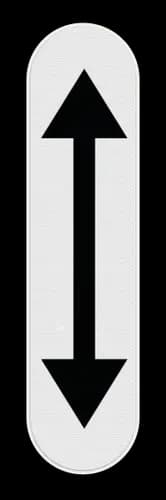
GXd: Repeating a Parking Regulation Sign
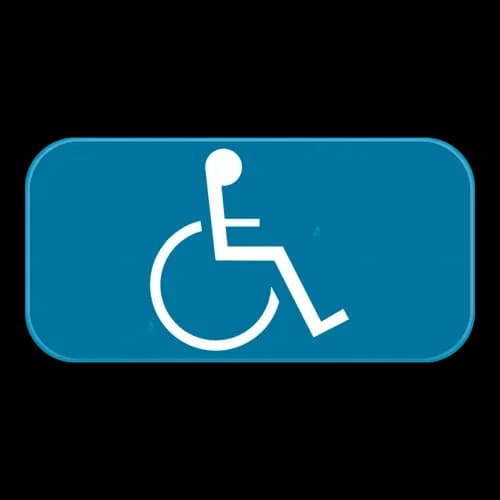
Understand the GVIId 'Parking Reserved for Disabled' supplementary panel in Belgium.
Clear answers to common questions about the Belgian Additional Panels road sign category. Use this FAQ to review tricky rules, understand how these signs appear in exam scenarios, and remove confusion that often leads to mistakes in the Belgian driving theory exam in Belgium.
The main function of these panels is to modify or clarify the meaning of the primary road sign they are attached to. They provide specific details that limit, extend, explain, or exempt the application of the main sign, ensuring drivers have precise information for decision-making.
You need to read both the primary sign and the additional panel together. The panel will often specify user groups (like 'bicyclists', 'mopeds', 'disabled persons') or conditions (like time limits, distances, or specific directions). If you belong to the specified group or the condition applies to your situation, then the panel's information is relevant to you.
Yes, additional panels are commonly seen with parking signs (indicating restrictions, times, or reserved spaces), prohibition signs (like 'no entry' or 'no parking'), and mandatory direction signs. They also frequently appear with signs related to speed limits or areas where certain vehicles are restricted.
If multiple panels are present, you must read them all from top to bottom to understand the complete regulation. Each panel adds another layer of information. For example, one panel might specify a time restriction, and another below it might clarify an exception for a specific vehicle type during that time.
The theory exam tests your ability to interpret traffic signs accurately, including their modifications. Understanding additional panels is vital because they often introduce exceptions or specific conditions that could be featured in exam questions. Misinterpreting them can lead to incorrect answers and a failed test.
Navigate each road sign category to deepen your understanding of Belgian traffic rules. Focus on warning, regulatory, or informational signs. This structured pathway helps solidify your knowledge for the driving theory exam. Explore specific sign groups now to boost preparation.
Explore Road Sign Categories