
Prepare for the Belgian driving theory exam by practicing your knowledge of official traffic police hand signals. This comprehensive set covers key signals for stopping, going, and slowing, and reinforces the critical rule that police directives always take precedence over traffic lights and road signs. Boost your understanding of Belgian traffic law.
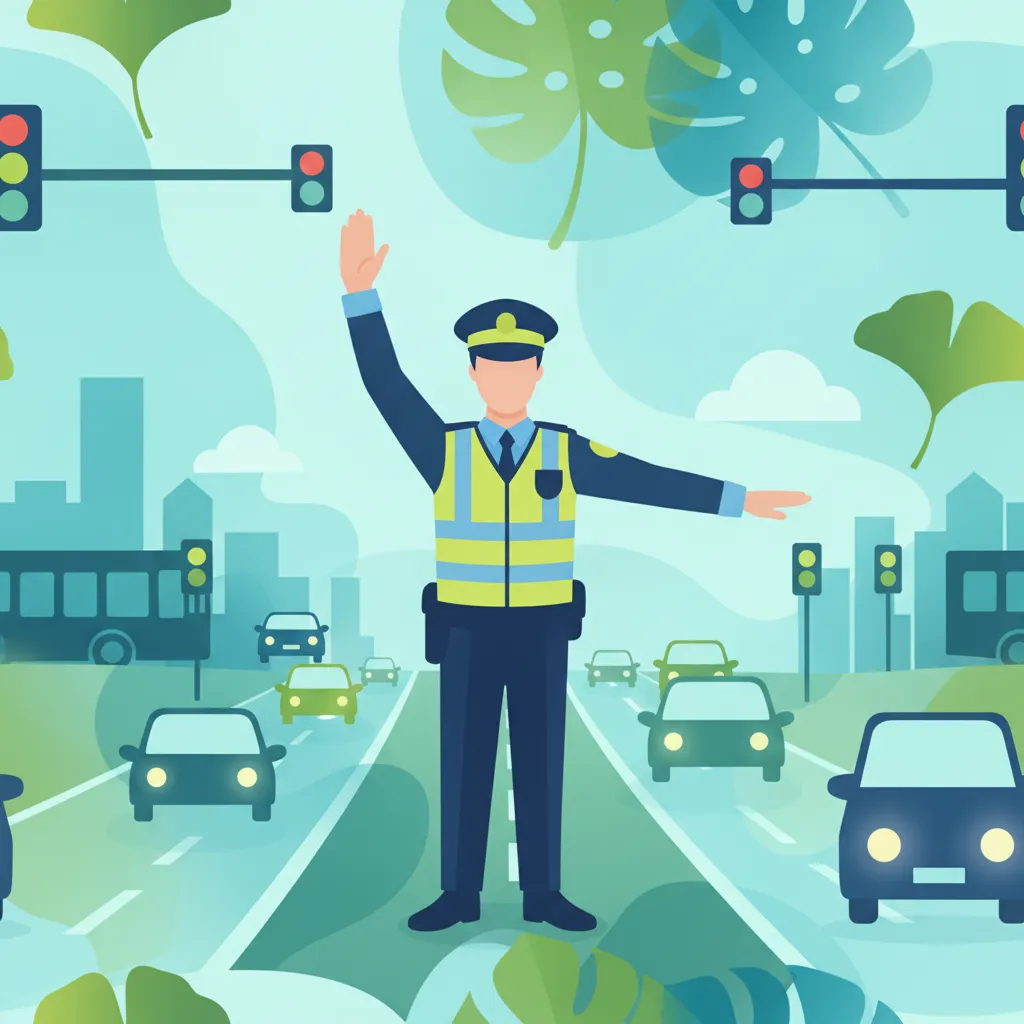
Prepare for your Belgian driving theory test by mastering official traffic police hand signals. This practice set covers critical commands for stopping, proceeding, and slowing, emphasizing how these signals override traffic lights and signs. Ace your driving theory exam with this focused revision session.
Navigate complex traffic situations confidently by learning the official hand signals of Belgian traffic police. This set focuses on signals for stopping, proceeding, and slowing down, and critically, how they override all other traffic controls like lights and signs. Essential knowledge for your driving theory exam.
Preview sample questions from the Police Hand Signals practice set to see how they help you prepare for the driving theory exam in Belgium.
Learners choose Police Hand Signals to improve accuracy and understanding of key exam themes in Belgium. It offers realistic driving theory questions and targeted revision for effective preparation.
Find answers to the most common queries learners have when practising Police Hand Signals, including how questions match the official theory exam in Belgium, how scoring works, and how this practice improves exam readiness.
The most important rule is that all road users must immediately obey the hand signals given by a traffic police officer or authorized official. These signals always take precedence over traffic lights, road signs, and general traffic rules in Belgium, as stated in Article 6.1 of the Belgian Road Traffic Code.
In Belgium, a police officer with an arm raised vertically means 'stop' for all road users approaching them, regardless of their direction. The only exception is for vehicles already in the intersection, which must clear it as quickly and safely as possible.
If a police officer extends one or both arms horizontally, traffic approaching from the front or back of the officer (i.e., those facing the officer's chest or back) must stop. Traffic approaching from the officer's sides (profile view) may proceed.
You must always obey the police officer's signal, even if it contradicts a traffic light showing green for your direction. Police signals override all other traffic control devices and rules in Belgium. Your safety and compliance depend on following the officer's instructions.
Yes, police officers can also use hand gestures to instruct traffic to slow down, speed up, or to beckon vehicles forward. These signals, while less formal than stop/go, must also be obeyed promptly and carefully.
By completing Police Hand Signals, you will gain stronger rule knowledge, faster recognition of signs and situations, better decision making in traffic scenarios, and increased accuracy on exam style questions used in Belgium. These outcomes directly support higher scoring exam performance.
Explore similar practice sets to reinforce your understanding of Belgian traffic police hand signals. Comparing these related questions helps solidify your knowledge for comprehensive exam preparation.
Master Belgian Traffic Lights: Understand Every Signal and Drive Safely
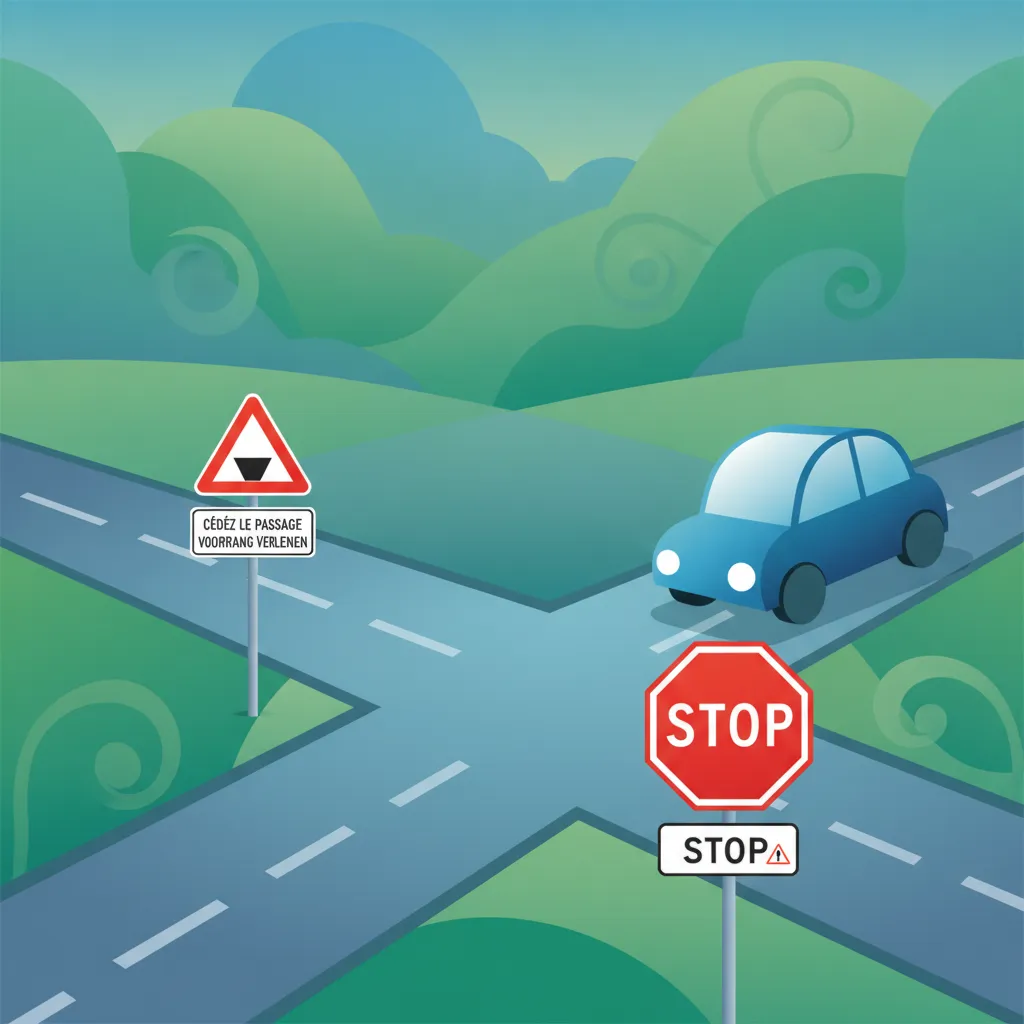
Navigate complex Belgian intersections with confidence and precision.
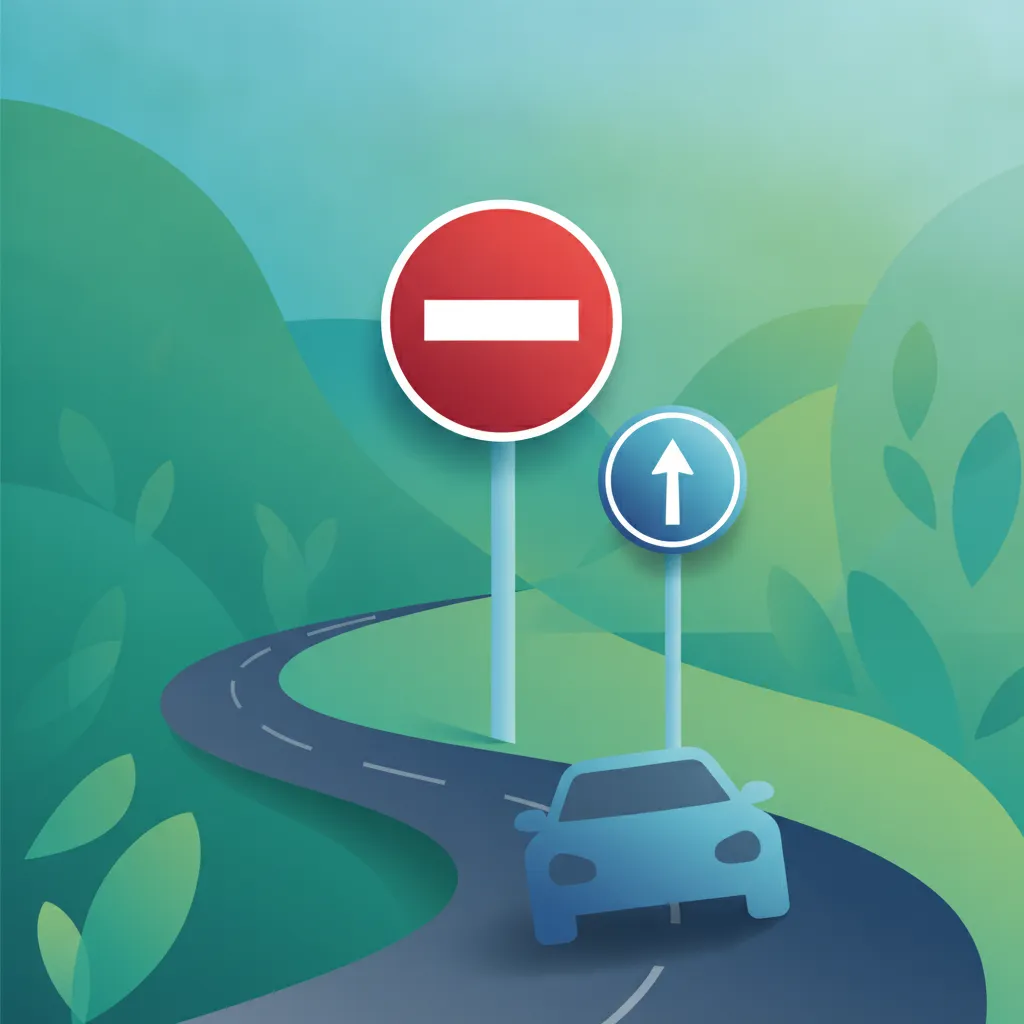
Understand Belgian Traffic Signs: What You MUST Do and What You CANNOT Do.

Master Belgian Hazard Light Regulations for Your Theory Exam
Master Belgian Signaling Rules: Use Your Horn and Lights Correctly to Stay Safe and Legal!
A Green Light Isn't Always a Green Free Pass: Master Belgian Intersection Rules
Questions in Police Hand Signals
Exam focused questionss
Police Hand Signals offers quick, focused exam style practice to boost your Belgian knowledge for the driving theory exam in Belgium.
Police Hand Signals helps learners in Belgium with clear explanations and targeted Belgian practice to improve essential driving theory topics.
This practice set is ideal for beginners and intermediate learners preparing for the Belgian driving theory exam. Many struggle with the hierarchy of traffic controls, particularly when police signals contradict other signs or lights. This set clarifies these rules, ensuring you can make correct decisions under police direction and avoid common exam mistakes.
Explore more topics for the Belgian driving theory exam in Belgium.
Strengthen your Belgian driving theory knowledge by diving into targeted practice. Select any category from this overview to begin exercises immediately. Focus on areas where you need improvement, such as specific road signs, priority rules, or hazard perception, to build confidence for your official Belgian driving licence exam.
Explore Practice Categories