
Navigate Belgian roads with confidence by mastering the rules for yellow and white road markings. This set covers their distinct meanings, particularly concerning parking and stopping regulations. Learn how temporary yellow lines take precedence during roadworks and avoid common mistakes on your Belgian driving license theory exam. Understand key concepts to ensure safe and legal road behaviour.
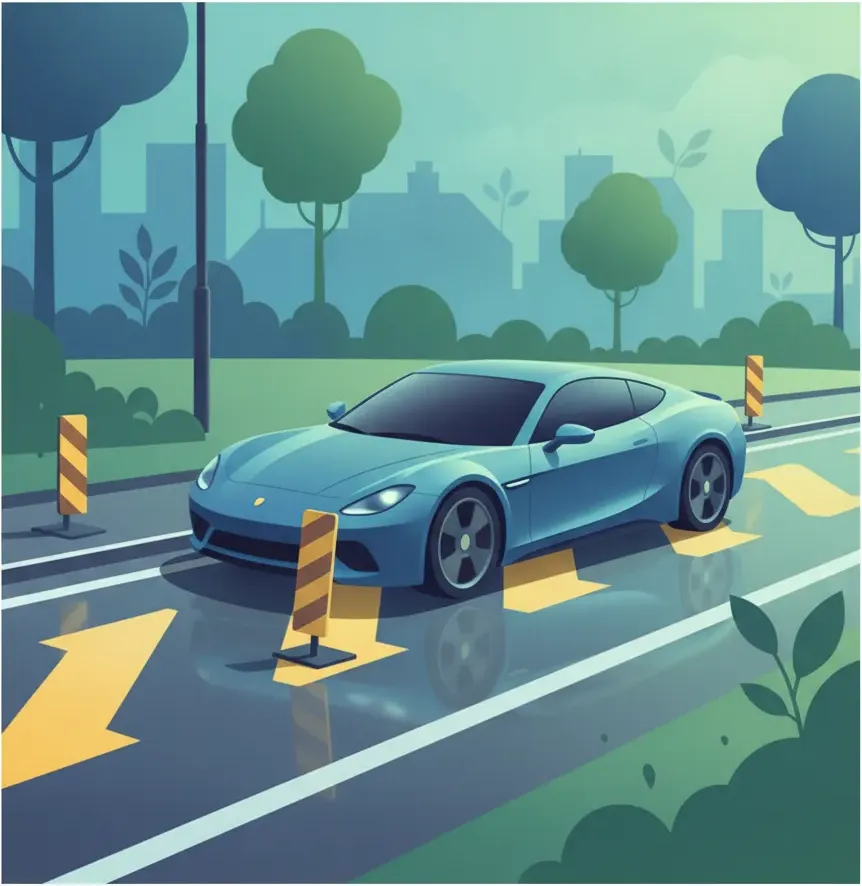
This set focuses on the critical differences between permanent white and temporary yellow road markings in Belgium. You'll learn the rules for parking, stopping, and understand the significance of yellow zigzag lines. Prepare for exam questions on temporary markings overriding white ones during roadworks to boost your confidence.
This set helps you distinguish between permanent white and temporary yellow road markings in Belgian traffic. We cover essential rules for parking and stopping, the significance of yellow zigzag lines, and how temporary yellow markings override permanent white ones during roadworks. Prepare for scenarios that often trip up learners on the official driving theory exam.
Preview sample questions from the Yellow & White Markings practice set to see how they help you prepare for the driving theory exam in Belgium.
Learners choose Yellow & White Markings to improve accuracy and understanding of key exam themes in Belgium. It offers realistic driving theory questions and targeted revision for effective preparation.
Find answers to the most common queries learners have when practising Yellow & White Markings, including how questions match the official theory exam in Belgium, how scoring works, and how this practice improves exam readiness.
In Belgium, white road markings are generally permanent, indicating lanes, parking spaces, or road edges. Yellow (or orange-yellow) markings are always temporary, used during roadworks or special events, and they always override any permanent white markings present.
No, a continuous yellow line on the edge of the carriageway or curb in Belgium signifies that both parking and stopping are strictly forbidden.
A yellow broken line indicates that parking is forbidden, but stopping is allowed for a brief period, such as to pick up or drop off passengers, provided you do not hinder traffic.
When temporary yellow (orange-yellow) markings are present due to roadworks, they take precedence over any permanent white markings in that area. You must follow the instructions given by the yellow markings.
Yes, both white permanent road markings and temporary orange-yellow road markings in Belgium are designed to be retro-reflective for better visibility, especially at night.
By completing Yellow & White Markings, you will gain stronger rule knowledge, faster recognition of signs and situations, better decision making in traffic scenarios, and increased accuracy on exam style questions used in Belgium. These outcomes directly support higher scoring exam performance.
Continue your exam preparation by exploring related practice questions on Belgian road markings. This focused revision helps solidify your understanding of temporary yellow and permanent white lines, crucial for your theory test success.
Don't misinterpret the lines: Ace Belgian road marking rules for your exam.
Avoid Fines and Master Belgian Stopping and Parking Rules for Your Exam!
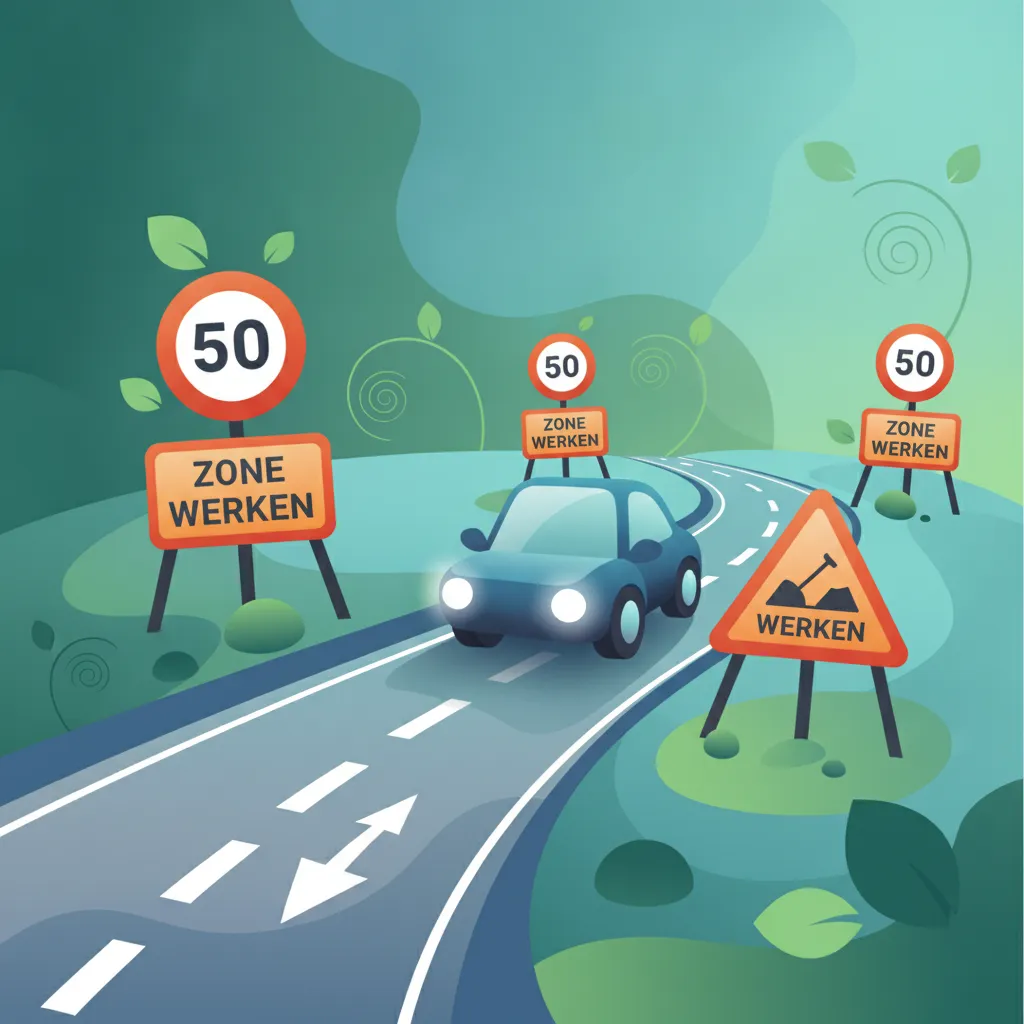
Master the specific rules of Belgian roadworks and avoid costly mistakes.
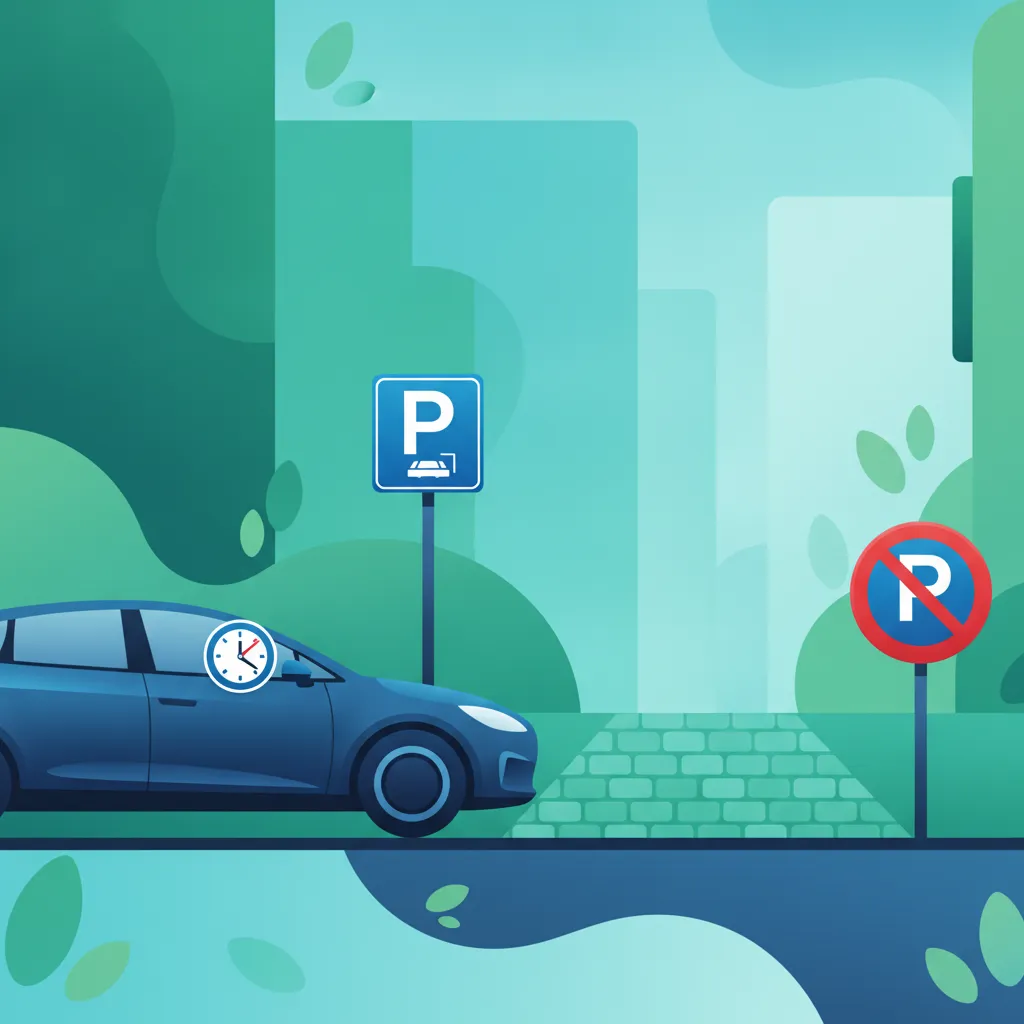
Master Belgian parking regulations to avoid fines and pass your exam.
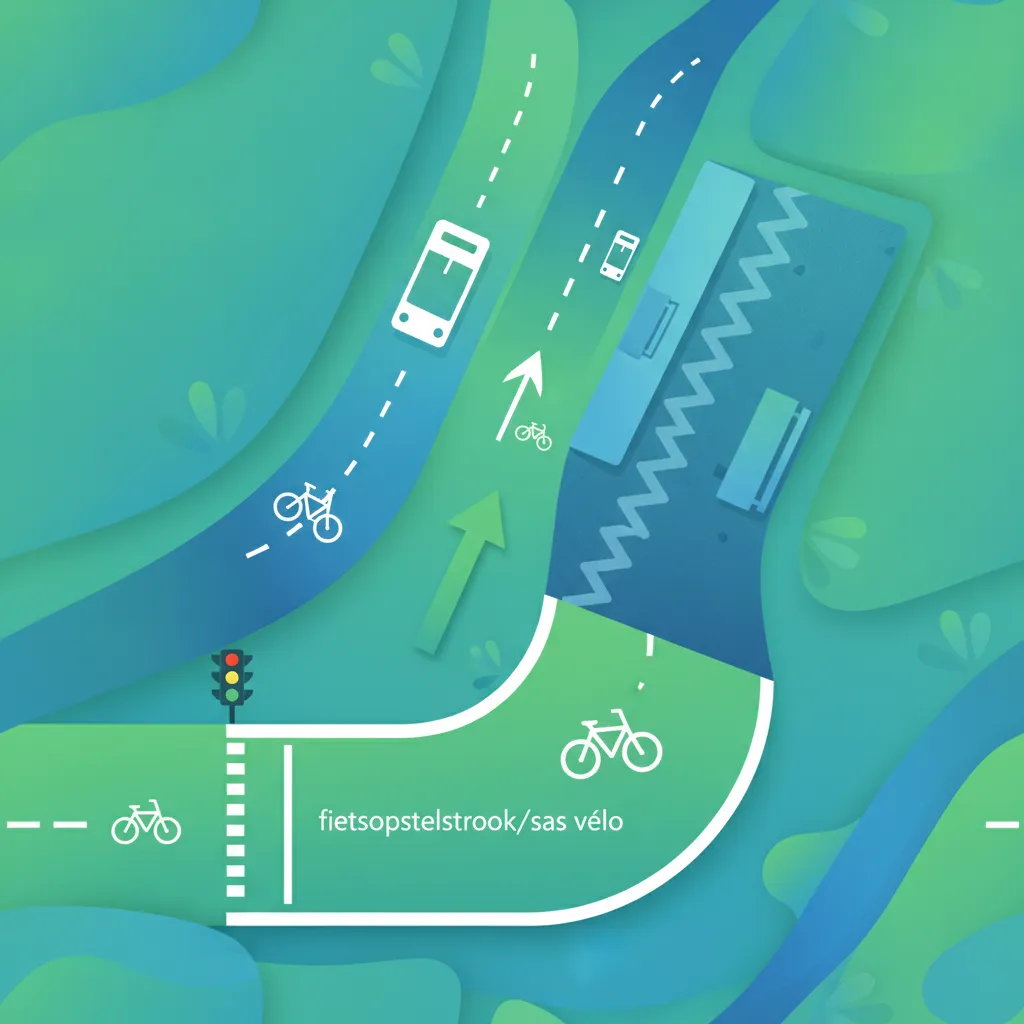
Master Belgian Road Markings for Cyclists and Buses: Crucial for Safe Urban Driving
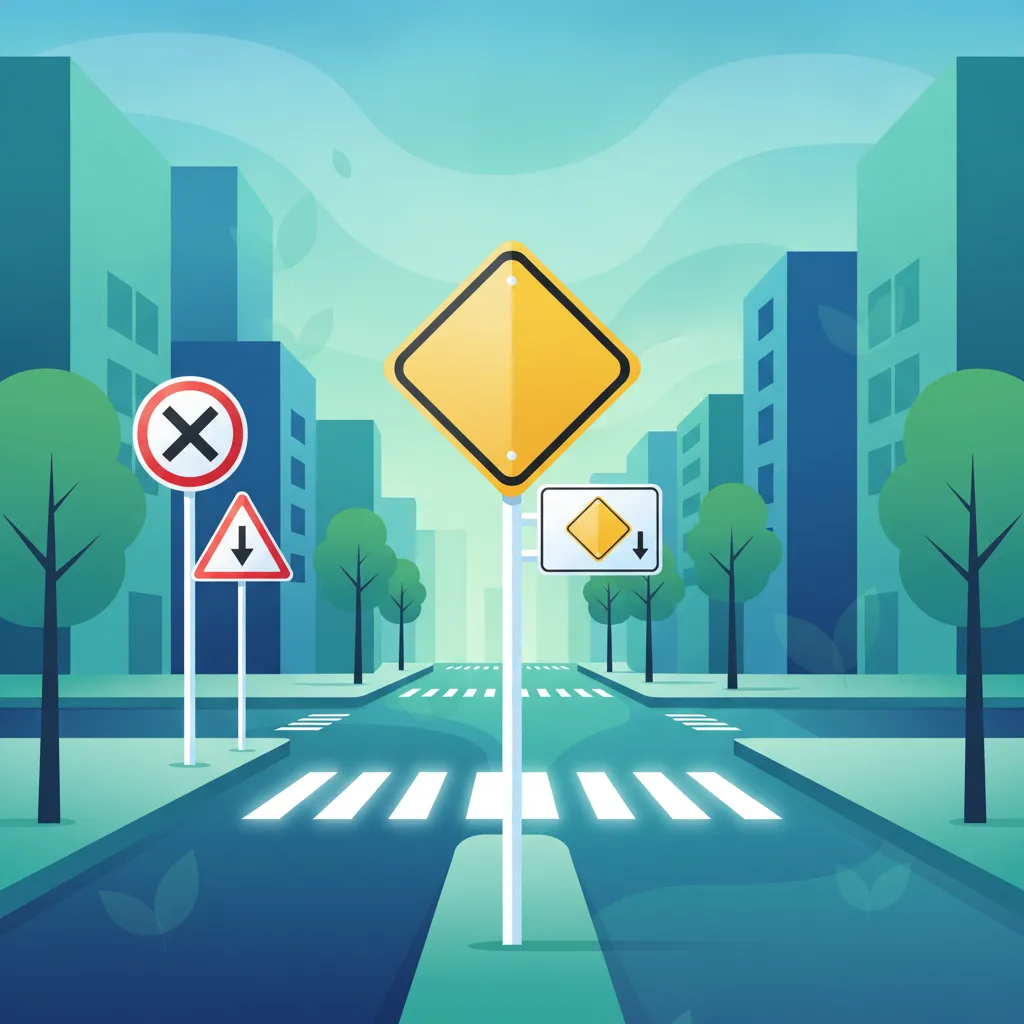
Master Belgian Priority Road Rules: Your Key to Confident Driving
Questions in Yellow & White Markings
Exam focused questionss
Yellow & White Markings offers quick, focused exam style practice to boost your Belgian knowledge for the driving theory exam in Belgium.
Yellow & White Markings helps learners in Belgium with clear explanations and targeted Belgian practice to improve essential driving theory topics.
This practice set is ideal for intermediate learners preparing for their Belgian driving license theory exam who often confuse different road markings. If you struggle with knowing when you can park or stop, especially near roadworks or special zones, this set will clarify the official Belgian rules and help you confidently tackle relevant exam questions.
Explore more topics for the Belgian driving theory exam in Belgium.
Strengthen your Belgian driving theory knowledge by diving into targeted practice. Select any category from this overview to begin exercises immediately. Focus on areas where you need improvement, such as specific road signs, priority rules, or hazard perception, to build confidence for your official Belgian driving licence exam.
Explore Practice Categories