
This practice set in Belgian Driving License Theory helps you thoroughly understand the no-entry sign (C1) and its specific exceptions. You'll learn when vehicles are prohibited, interpret supplementary plates allowing access for cyclists or residents, and know how to react if you mistakenly enter a restricted area. This knowledge is crucial for passing your official Belgian driving theory exam.
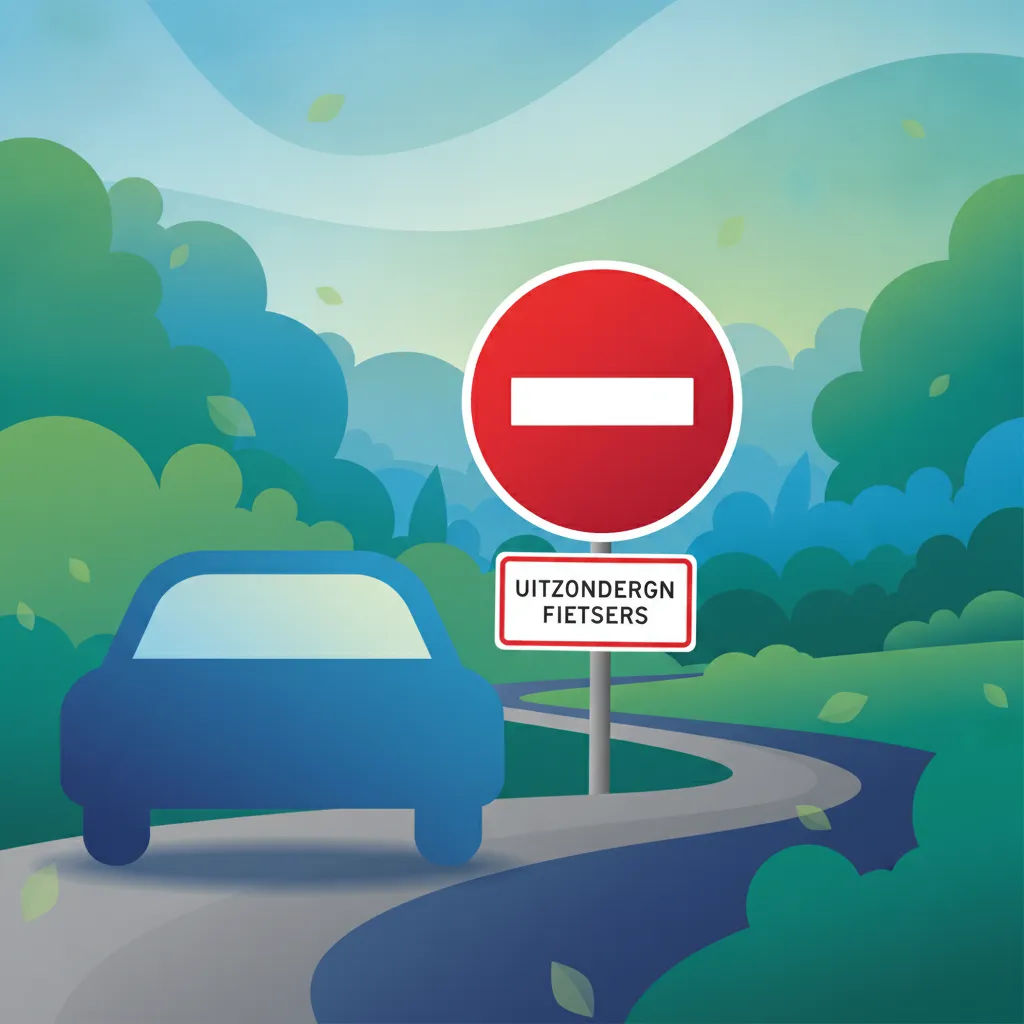
Master the nuances of the Belgian 'No Entry' sign with this focused practice set. Understand its meaning, differentiate it from one-way signs, and learn specific exceptions for cyclists and residents. This targeted theory test revision is essential for passing your Belgian driving licence exam and ensuring road safety.
Navigate tricky no-entry situations with confidence. This set covers the fundamental meaning of the round, red sign with a white bar, clarifies its differences from one-way signs, and details specific exceptions like those for cyclists or residents. Prepare to ace your Belgian driving theory exam by understanding these vital road rules.
Preview sample questions from the No-Entry Sign C1 practice set to see how they help you prepare for the driving theory exam in Belgium.
Learners choose No-Entry Sign C1 to improve accuracy and understanding of key exam themes in Belgium. It offers realistic driving theory questions and targeted revision for effective preparation.
Find answers to the most common queries learners have when practising No-Entry Sign C1, including how questions match the official theory exam in Belgium, how scoring works, and how this practice improves exam readiness.
The Belgian no-entry sign (a round, red sign with a horizontal white bar) means that entry is forbidden for all vehicles from the direction of the sign. It applies to all types of road users unless explicitly stated otherwise by a supplementary plate.
Yes, exceptions can be indicated by supplementary plates placed below the no-entry sign. These plates might specify that the prohibition does not apply to certain road users, such as cyclists, local residents, or taxis, allowing them to enter.
A no-entry sign (C1) explicitly forbids entry from that direction only; it does not automatically make the road a one-way street. A one-way street sign (F19 or F21) indicates that traffic flows in only one direction for all vehicles, typically allowing entry from one side and prohibiting it from the other.
If you accidentally pass a no-entry sign, you should stop immediately, assess your surroundings for safety, and reverse carefully to exit the restricted area. Do not continue driving into the forbidden section, as this is illegal and potentially dangerous.
Cyclists can sometimes be an exception to the no-entry sign in one-way streets if a supplementary plate with the text 'fietsers uitgezonderd' (cyclists excepted) or 'excepté cyclistes' is displayed below the sign. This allows cyclists to enter against the general direction of traffic.
By completing No-Entry Sign C1, you will gain stronger rule knowledge, faster recognition of signs and situations, better decision making in traffic scenarios, and increased accuracy on exam style questions used in Belgium. These outcomes directly support higher scoring exam performance.
Continue your theory test preparation by exploring similar practice questions on Belgian traffic rules and road signs. Deepen your understanding of critical concepts for comprehensive exam preparation.
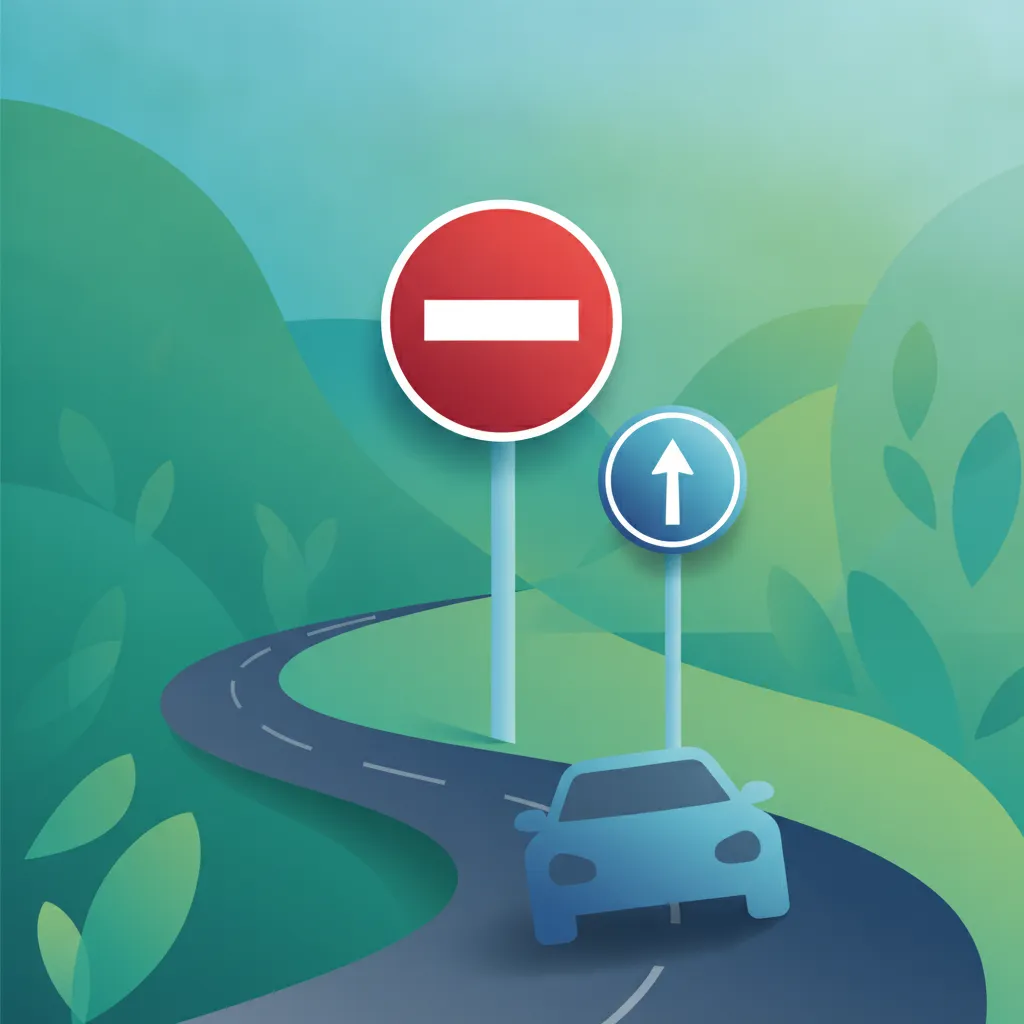
Understand Belgian Traffic Signs: What You MUST Do and What You CANNOT Do.

Master Belgian one-way street rules, including special cyclist provisions, for your driving theory exam.
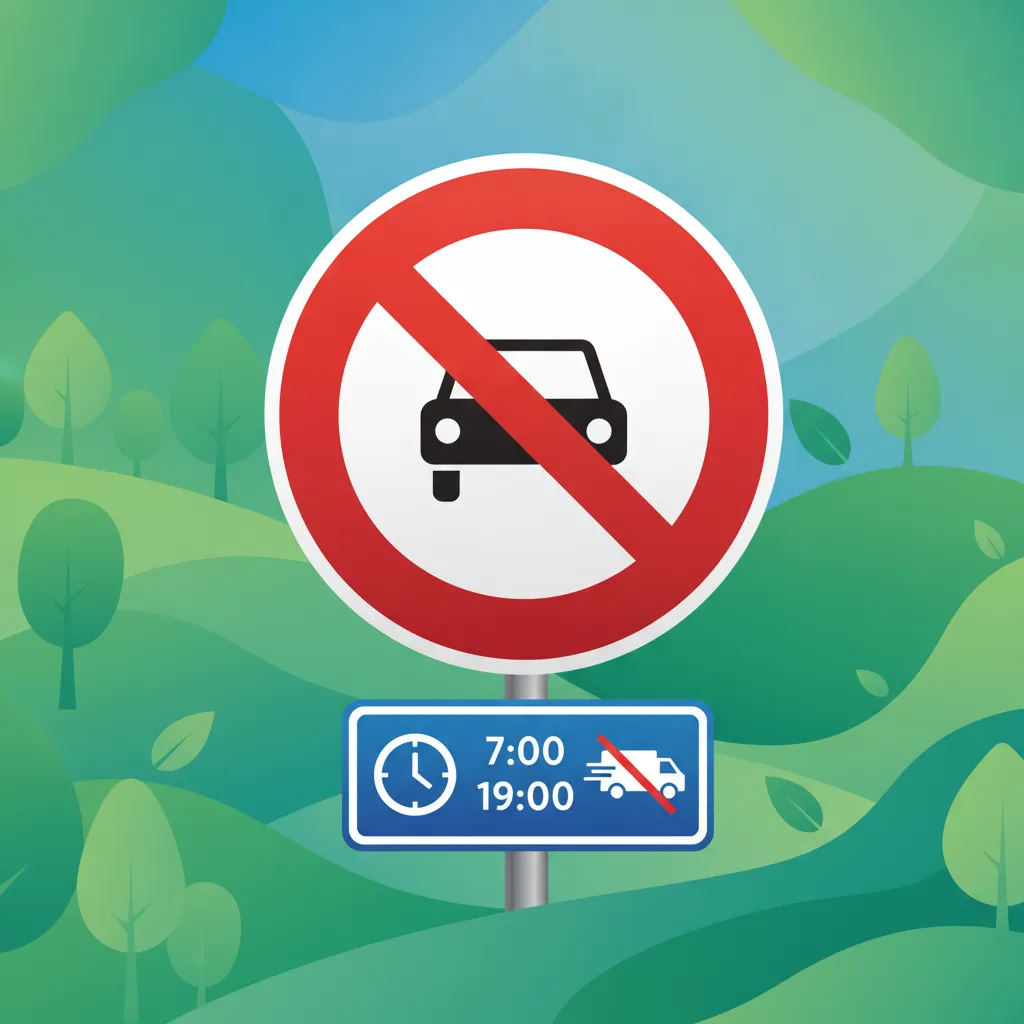
Don't get caught out! Supplementary plates dictate the true meaning of Belgian traffic signs.

Master Belgian Mandatory Direction Signs and Drive Confidently!
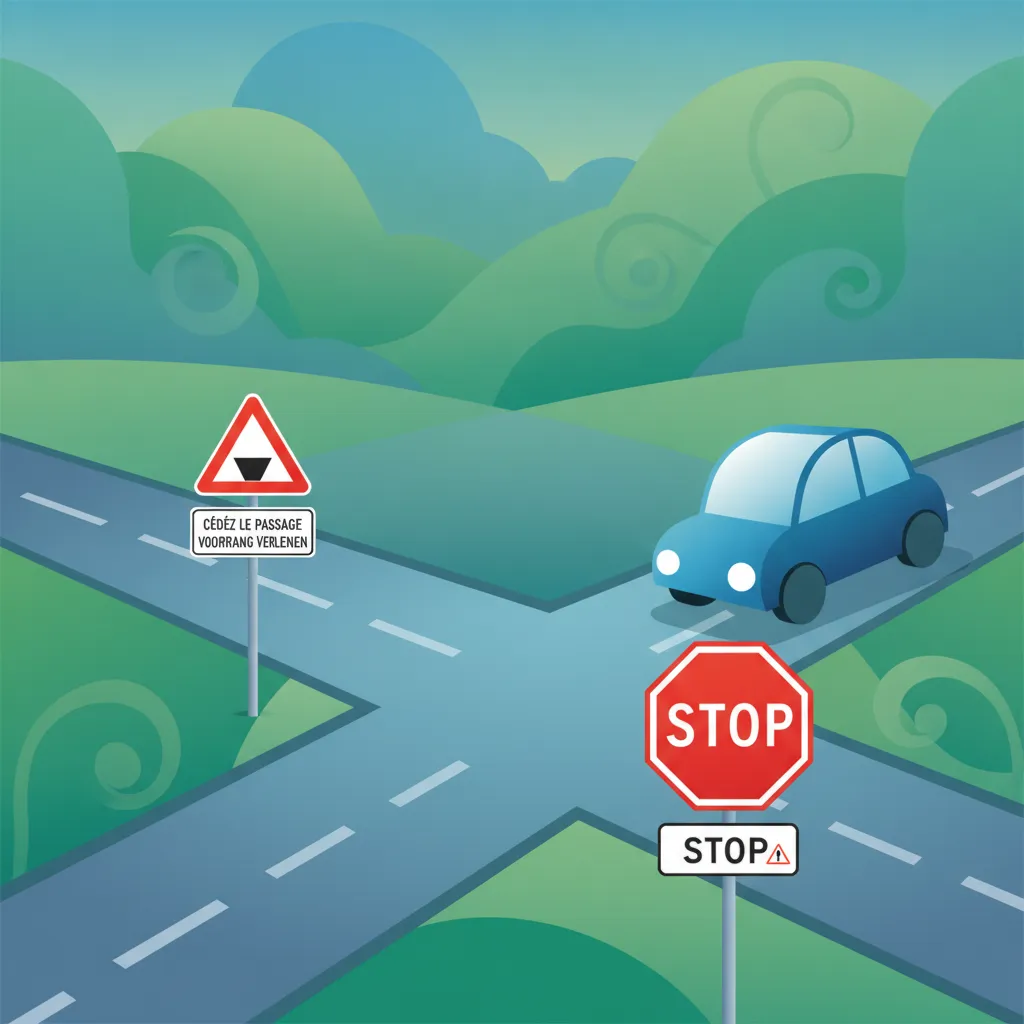
Navigate complex Belgian intersections with confidence and precision.

Recognise Road Hazards, Drive Safely, and Ace Your Belgian Theory Test.
Questions in No-Entry Sign C1
Exam focused questionss
No-Entry Sign C1 offers quick, focused exam style practice to boost your Belgian knowledge for the driving theory exam in Belgium.
No-Entry Sign C1 helps learners in Belgium with clear explanations and targeted Belgian practice to improve essential driving theory topics.
This practice set is ideal for beginners and intermediate learners preparing for the Belgian driving theory exam. Many struggle with the nuances of restricted access and special exceptions for cyclists. This set will clarify these rules, helping you avoid common pitfalls and confidently apply Belgian traffic law.
Explore more topics for the Belgian driving theory exam in Belgium.
Strengthen your Belgian driving theory knowledge by diving into targeted practice. Select any category from this overview to begin exercises immediately. Focus on areas where you need improvement, such as specific road signs, priority rules, or hazard perception, to build confidence for your official Belgian driving licence exam.
Explore Practice Categories