
This lesson explores the unique challenges of riding on Austria's spectacular mountain passes. By understanding road characteristics and potential hazards, you will be prepared to handle steep gradients and variable weather safely during your motorcycle tours.

Lesson content overview
Riding through the majestic Austrian Alps offers an exhilarating experience, yet these routes present a unique set of challenges and hazards that demand specific knowledge and refined riding techniques. This lesson is designed to prepare riders for the distinct conditions of Austria's mountain passes, highlighting potential dangers and providing strategies for safe and enjoyable alpine touring. Understanding these characteristics is crucial for reducing accident risk on high-altitude routes, where terrain, weather, and road conditions can change rapidly. Mastery of these concepts is vital for both the theoretical test for categories A, A1, & A2 licences and for practical riding competence.
Alpine roads are physically and environmentally demanding. They feature steep gradients, often coupled with extremely tight hairpin bends, and road surfaces that can vary dramatically within short distances. The unpredictable alpine weather introduces additional complexities, from sudden fog and heavy rain to unexpected snow or strong winds. Furthermore, natural hazards like rockfall and debris are common in exposed sections. Each of these factors, individually and in combination, increases the probability of loss of control or collisions, requiring heightened situational awareness, precise speed control, and proactive hazard management from the rider.
The core principle of safe alpine riding revolves around anticipating risks and adapting your technique. Reduced friction on mixed surfaces, gravitational forces on steep gradients, and limited visibility due to terrain or weather all contribute to a challenging environment. Riders must not only understand the physics of stable motorcycle handling under these conditions but also develop the mental framework for continuous risk assessment.
To safely navigate the Austrian Alps, motorcyclists must internalize several key principles. These principles form the foundation for managing the specific hazards encountered in these demanding environments.
Managing speed and gear selection when encountering uphill or downhill sections is paramount for maintaining control. On descents, effective gradient management prevents loss of traction due to excessive speed and reduces the risk of brake fade caused by continuous or heavy braking. For climbs, it ensures sufficient power to ascend smoothly without stalling.
Using the natural resistance of the engine, achieved by selecting a lower gear, to slow the vehicle without relying solely on the friction brakes. This technique reduces wear and prevents overheating of the braking system, especially on long descents.
Before a descent, anticipate the grade and downshift early to an appropriate low gear. This allows the engine to assist in slowing the motorcycle. On climbs, maintain momentum and select a gear that provides adequate power without over-revving. Smooth throttle control is essential in both scenarios to prevent sudden weight shifts or loss of traction. Relying solely on the friction brakes on long descents is a common mistake that can lead to brake fade, where the brakes lose effectiveness due to overheating.
Alpine roads are famous for their hairpin bends – extremely tight, typically 180-degree curves with a very small turning radius. Navigating these safely requires specific cornering techniques. The goal is to adjust entry speed, line selection, and lean angle to minimize the need for abrupt steering corrections and control outgoing curve speed.
A very sharp, usually 180-degree turn found on steep inclines or declines of mountain roads, designed to gain or lose altitude rapidly.
Decelerate significantly before entering a hairpin. Your entry speed should be considerably lower than for a typical bend, allowing you to establish a stable lean angle. Target an inside apex to maximize your turning radius, then gradually apply throttle as you exit the curve and the road straightens. This technique helps maintain stability and reduces the risk of running wide. Overtaking is strictly prohibited in hairpin bends due to limited visibility and space, as outlined in the Austrian Straßenverkehrsordnung (StVO) § 12.
Alpine roads are notorious for their mixed surfaces, where the material can change abruptly from smooth asphalt to loose gravel, wet patches, or even icy sections within a short distance. Recognizing and responding to these changes is critical, as different surfaces provide vastly different friction coefficients, directly affecting braking distance and cornering stability.
A road condition where the pavement material or state changes frequently, such as alternating between dry asphalt, wet asphalt, gravel, sand, or patches of ice/snow.
Asphalt typically offers high grip, but gravel drastically reduces friction, making sudden braking or steering highly dangerous. Icy or wet patches dramatically increase stopping distances and reduce cornering grip. Always adjust your braking force and throttle input accordingly. Be gentle with controls, and avoid sudden movements when transitioning between surfaces. The Austrian StVO § 3 Abs. 2 mandates adapting speed to road surface conditions.
Applying the same braking force on loose gravel as on dry asphalt can lead to immediate wheel lockup and a loss of control, potentially causing a high-side crash. Always reduce speed and use gentle, progressive braking on uncertain surfaces.
Weather in alpine environments can shift dramatically and quickly, often without much warning. Riders must be prepared for sudden changes such as fog, heavy rain, snow, or strong wind gusts. Immediate environmental shifts can severely obscure visibility and drastically reduce traction.
Proactive weather awareness involves checking forecasts before your ride and being vigilant for changing cloud patterns, temperature drops, or changes in light. If conditions deteriorate, immediately adjust your speed, switch on appropriate lighting (e.g., low beam headlights in fog as per StVO § 26 Abs. 2), and increase your following distance. Reduced visibility makes it harder to spot hazards and judge distances.
Exposed sections of alpine roads are often prone to rockfall or loose debris accumulating on the road surface. These falling objects pose a direct collision threat, and debris on the road can cause loss of traction. Riders must identify zones prone to such hazards and plan avoidance strategies.
Look for warning signs indicating rockfall zones. Many such sections are protected by rockfall nets or barriers. While these nets offer protection, stopping directly underneath them to admire the scenery is extremely hazardous and prohibited unless forced by an emergency (StVO § 45). Reduce speed in known hazard zones, and if possible, ride on the side of the lane furthest from the cliff face. Listen for sounds of falling debris, especially after heavy rain or during thaws.
Strong lateral wind forces, particularly in exposed passes, valleys, or open sections, can significantly affect motorcycle stability. These crosswinds can push the motorcycle laterally, increasing the risk of lane departure or being forced into oncoming traffic or roadside obstacles.
When encountering strong winds, maintain a firm grip on the handlebars and be prepared to counteract the force. This often involves leaning slightly into the wind or making wider, more deliberate steering inputs. Reducing speed is crucial as it lowers the lateral force exerted by the wind and improves overall stability. Be especially cautious when exiting sheltered areas into open stretches, as sudden gusts can be unexpected.
Adhering to specific Austrian traffic regulations is essential for safe and legal riding in the Alps. These rules are designed to mitigate the unique risks of mountain environments.
On alpine roads, speed limits can vary significantly, generally ranging from 30 km/h in very tight, hazardous sections to 80 km/h on straighter, less challenging stretches. It is imperative to always observe posted speed limits. Beyond the signs, the Austrian StVO § 1 Abs. 2 mandates that riders must adapt their speed to the prevailing road, weather, and traffic conditions. This means that even if a limit is 80 km/h, a lower speed may be necessary in heavy rain, fog, or on gravel.
Visibility can rapidly decrease in alpine regions due to fog, heavy rain, or approaching dusk. In conditions of reduced visibility, such as fog, heavy rain, or darkness, low beam headlights must be used (StVO § 26 Abs. 2). This not only helps you see the road but, more importantly, ensures that other road users can see you, significantly reducing the risk of collisions. Hazard warning lights are for stationary vehicles in danger zones, not for riding in reduced visibility.
Overtaking is a high-risk maneuver that becomes even more perilous on winding alpine roads. The StVO § 12 prohibits overtaking on curves with limited sight distance, in hairpin bends, and wherever explicitly forbidden by signage. The unpredictable nature of mountain roads, combined with limited visibility, makes attempting to overtake in such areas extremely dangerous. Always ensure a clear view of the road ahead and sufficient space before considering an overtaking maneuver.
During snow or ice conditions, especially on higher mountain passes, specific winter equipment obligations come into effect. Appropriate tyres, such as winter tires, are mandatory during designated periods, and snow chains may be required or even compulsory in certain alpine zones (StVO § 99). Always check local regulations and road conditions before embarking on an alpine ride in colder months.
Before setting out on an alpine motorcycle trip, especially outside of peak summer, always check the weather forecast for high-altitude areas and road status reports (e.g., pass closures, winter equipment requirements).
Motorcyclists must strictly obey any temporary traffic signs indicating rockfall zones or other geological hazards. Stopping in these zones is prohibited unless absolutely necessary due to an emergency (StVO § 45). These regulations are in place to protect riders from unpredictable natural dangers.
Awareness of common errors can significantly enhance your safety on alpine roads. Riders often fall victim to these pitfalls due to a lack of experience or overconfidence.
Safe alpine motorcycle riding is not a static skill but a dynamic process of continuous adaptation. The rider must constantly adjust their technique based on changing conditions.
Alpine roads are often shared with pedestrians, cyclists, and sometimes even livestock. Motorcyclists must yield to these vulnerable users, give them a wide berth, and reduce speed accordingly, especially on narrow sections or blind curves.
Night riding in the Alps presents additional challenges. Use of headlights is mandatory, but even with good lights, reaction times need to be increased due to reduced visibility of road edges, debris, and potential wildlife. Be extra cautious and reduce speed.
Every action you take (or fail to take) on an alpine road has a direct consequence. Understanding these cause-and-effect relationships is fundamental to preventing accidents.
This lesson builds upon several foundational riding skills acquired in previous units of your Austrian Motorcycle Theory course. A solid understanding of:
This knowledge, in turn, will prepare you for future lessons such as:
Understanding theory is one thing; applying it in real-world situations is another. Here are some scenarios illustrating correct and incorrect behavior on Austrian alpine roads.
Safe and confident riding on Austrian alpine roads stems from a deep understanding of several key insights:
These concepts constitute the comprehensive knowledge base a rider must internalize to navigate Austrian alpine roads safely and legally. By mastering these principles, you will be well-prepared for both your theoretical examination and the thrilling, yet challenging, experience of real-world mountain riding.
This lesson covers the unique challenges of riding Austrian alpine roads, including tight hairpin bends, steep gradients, variable road surfaces, and rapidly changing weather. It emphasizes engine braking for descent control, apex-focused cornering techniques for hairpins, and adaptive speed management based on surface conditions. Austrian traffic law references (StVO) reinforce mandatory behaviours such as low beam headlights in reduced visibility, overtaking restrictions in curves, and winter equipment requirements. Practical scenarios illustrate correct versus dangerous riding behaviours, while common mistake analysis helps learners avoid preventable accidents on mountain passes.
A short set of high-value points that capture the most important learning from this lesson.
Engine braking combined with proper gear selection is essential for safe descent control on steep alpine gradients.
Hairpin bends require significant speed reduction before entry and targeting the inside apex to maximize the turning radius.
Mixed surfaces drastically alter traction coefficients, demanding gentle, progressive control inputs instead of abrupt braking or steering.
Rapid alpine weather changes require immediate adaptation of speed, lighting, and following distance to maintain safety margins.
Rockfall zones demand reduced speed and positioning away from cliff faces, never stopping underneath protective nets.
Explore all units and lessons included in this driving theory course.
StVO § 1 Abs. 2 requires adapting speed to prevailing road, weather, and traffic conditions regardless of posted limits.
Low beam headlights are mandatory in fog, heavy rain, or darkness under StVO § 26 Abs. 2 for visibility.
Overtaking is prohibited in hairpin bends and curves with limited sight distance under StVO § 12.
Winter tyres and snow chains may be mandatory on high-altitude passes during winter conditions under StVO § 99.
Stopping underneath rockfall nets is prohibited unless forced by emergency under StVO § 45.
Entering hairpin bends at excessive speed due to underestimating the reduced turning radius and traction demands.
Applying asphalt braking techniques on loose gravel, causing wheel lockup and loss of steering control.
Failing to activate low beam headlights in fog, severely reducing visibility to other road users.
Relying solely on friction brakes during long descents instead of using engine braking, leading to brake fade.
Stopping directly underneath rockfall nets to adjust equipment, exposing the rider to falling debris and violating safety regulations.
Lesson content overview
A short set of high-value points that capture the most important learning from this lesson.
Engine braking combined with proper gear selection is essential for safe descent control on steep alpine gradients.
Hairpin bends require significant speed reduction before entry and targeting the inside apex to maximize the turning radius.
Mixed surfaces drastically alter traction coefficients, demanding gentle, progressive control inputs instead of abrupt braking or steering.
Rapid alpine weather changes require immediate adaptation of speed, lighting, and following distance to maintain safety margins.
Rockfall zones demand reduced speed and positioning away from cliff faces, never stopping underneath protective nets.
Explore all units and lessons included in this driving theory course.
StVO § 1 Abs. 2 requires adapting speed to prevailing road, weather, and traffic conditions regardless of posted limits.
Low beam headlights are mandatory in fog, heavy rain, or darkness under StVO § 26 Abs. 2 for visibility.
Overtaking is prohibited in hairpin bends and curves with limited sight distance under StVO § 12.
Winter tyres and snow chains may be mandatory on high-altitude passes during winter conditions under StVO § 99.
Stopping underneath rockfall nets is prohibited unless forced by emergency under StVO § 45.
Entering hairpin bends at excessive speed due to underestimating the reduced turning radius and traction demands.
Applying asphalt braking techniques on loose gravel, causing wheel lockup and loss of steering control.
Failing to activate low beam headlights in fog, severely reducing visibility to other road users.
Relying solely on friction brakes during long descents instead of using engine braking, leading to brake fade.
Stopping directly underneath rockfall nets to adjust equipment, exposing the rider to falling debris and violating safety regulations.
Explore search topics learners often look for when studying Alpine Road Characteristics and Hazards. These topics reflect common questions about road rules, driving situations, safety guidance, and lesson level theory preparation for learners in Austria.
Browse additional driving theory lessons that cover connected traffic rules, road signs, and common driving situations related to this topic. Improve your understanding of how different rules interact across everyday traffic scenarios.
Learn about the specific hazards of Austrian alpine roads including steep gradients, variable visibility due to weather, and how to manage them safely. Essential theory for A, A1, A2 license holders navigating mountain passes.

This lesson addresses the challenge of navigating terrain with changing elevation. It covers techniques for maintaining momentum and control on uphill climbs, including proper gear selection and throttle use. For descents, it emphasizes the use of engine braking to control speed and prevent brake overuse, a vital skill for long alpine descents.
This lesson provides advice for navigating popular scenic routes, which often feature heavy traffic, cyclists, and distracted drivers. It emphasizes maintaining focus on the road despite beautiful scenery and anticipating unpredictable actions from other tourists who may stop suddenly. Adopting a patient and defensive mindset is key to safely enjoying these remarkable roads.

This lesson focuses on the specialized skills required for navigating alpine roads safely. It covers techniques for managing steep gradients, such as using a lower gear for engine braking on descents, and how to safely negotiate hairpin turns. The content stresses the importance of being prepared for rapid weather changes and understanding the effects of altitude on both the driver and the vehicle's performance.

This lesson covers the foundational principles of making a motorcyclist conspicuous to other road users. It examines the role of brightly colored and reflective clothing, effective helmet colors, and the mandatory use of headlights during the day. Understanding how to create a strong visual presence in traffic is a key component of proactive accident prevention for any rider.

This lesson examines how adverse weather directly affects motorcycle safety. It explains how water on the road reduces tyre grip, increasing braking distances and the risk of aquaplaning. Strategies for riding in fog, dealing with reduced visibility from road spray, and identifying potential ice patches are covered to help riders manage weather-related risks.

This lesson highlights the specific hazards of riding on countryside roads in Austria. It teaches riders to be vigilant for wildlife crossing signs, especially at dawn and dusk, and how to safely approach and overtake slow-moving agricultural machinery. Awareness of potential surface hazards like mud, gravel, or manure from farm access points is also crucial for maintaining traction.

This lesson focuses on strategies for riding safely in conditions of poor visibility, such as rain, fog, and low sun glare. It explains how to use lights effectively, increase following distances, and moderate speed to maintain control. The content also addresses braking techniques on wet surfaces to prevent skidding and hydroplaning.

This lesson focuses on the responsible enjoyment of riding on Austria's iconic mountain passes. It emphasizes finding a smooth, safe rhythm rather than excessive speed, and the importance of managing fatigue on long, demanding rides. Topics include planning for breaks, staying hydrated, and being considerate of other road users on these popular scenic routes.

This lesson provides essential knowledge for using Austria's high-speed road network. It covers the correct procedure for entering via acceleration lanes, maintaining strict lane discipline (keeping right, passing left), and understanding the digital or physical Vignette (toll sticker) requirement. The formation of the 'Rettungsgasse' (emergency corridor) during traffic jams is also a key topic.
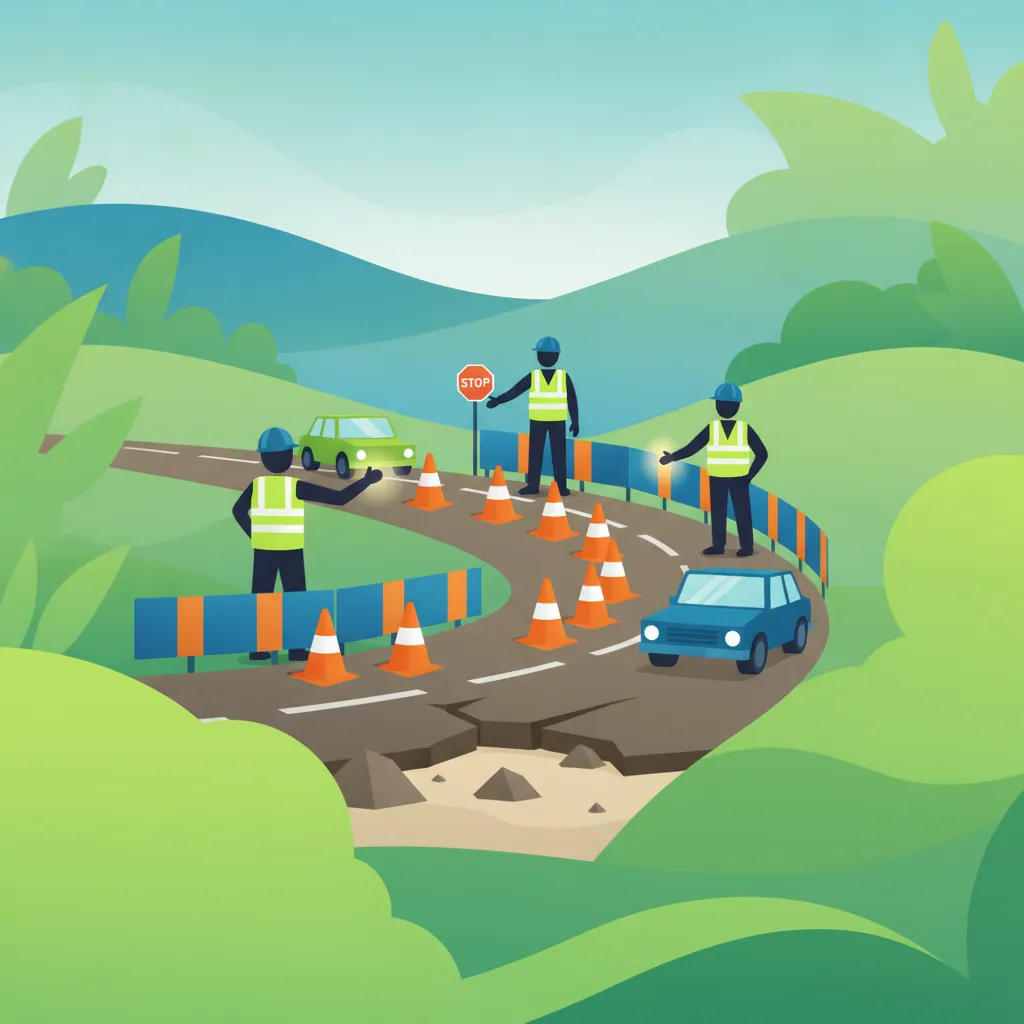
This lesson prepares riders for safely transiting through construction zones ('Baustellen'). It covers the interpretation of temporary signage, adherence to reduced speed limits, and awareness of hazards suchas altered lane markings, abrupt surface changes, and loose gravel. Respecting the safety of road workers and anticipating unpredictable traffic patterns are key themes.
Master the theory of navigating tight hairpin bends, unpredictable road surfaces, and strong crosswinds on Austrian alpine roads. Understand crucial techniques for safe cornering and surface adaptation for motorcyclists.
This lesson addresses the challenge of navigating terrain with changing elevation. It covers techniques for maintaining momentum and control on uphill climbs, including proper gear selection and throttle use. For descents, it emphasizes the use of engine braking to control speed and prevent brake overuse, a vital skill for long alpine descents.

This lesson provides practical strategies for riding in windy conditions, a common occurrence on open roads and mountain passes. It explains how to anticipate wind gusts, use a relaxed but firm grip on the handlebars, and make subtle steering inputs to counteract side forces. Proper body positioning and lane choice can also significantly reduce the effect of wind and turbulence.
This lesson provides advice for navigating popular scenic routes, which often feature heavy traffic, cyclists, and distracted drivers. It emphasizes maintaining focus on the road despite beautiful scenery and anticipating unpredictable actions from other tourists who may stop suddenly. Adopting a patient and defensive mindset is key to safely enjoying these remarkable roads.
This lesson focuses on the responsible enjoyment of riding on Austria's iconic mountain passes. It emphasizes finding a smooth, safe rhythm rather than excessive speed, and the importance of managing fatigue on long, demanding rides. Topics include planning for breaks, staying hydrated, and being considerate of other road users on these popular scenic routes.
This lesson provides essential knowledge for using Austria's high-speed road network. It covers the correct procedure for entering via acceleration lanes, maintaining strict lane discipline (keeping right, passing left), and understanding the digital or physical Vignette (toll sticker) requirement. The formation of the 'Rettungsgasse' (emergency corridor) during traffic jams is also a key topic.
This lesson highlights the specific hazards of riding on countryside roads in Austria. It teaches riders to be vigilant for wildlife crossing signs, especially at dawn and dusk, and how to safely approach and overtake slow-moving agricultural machinery. Awareness of potential surface hazards like mud, gravel, or manure from farm access points is also crucial for maintaining traction.
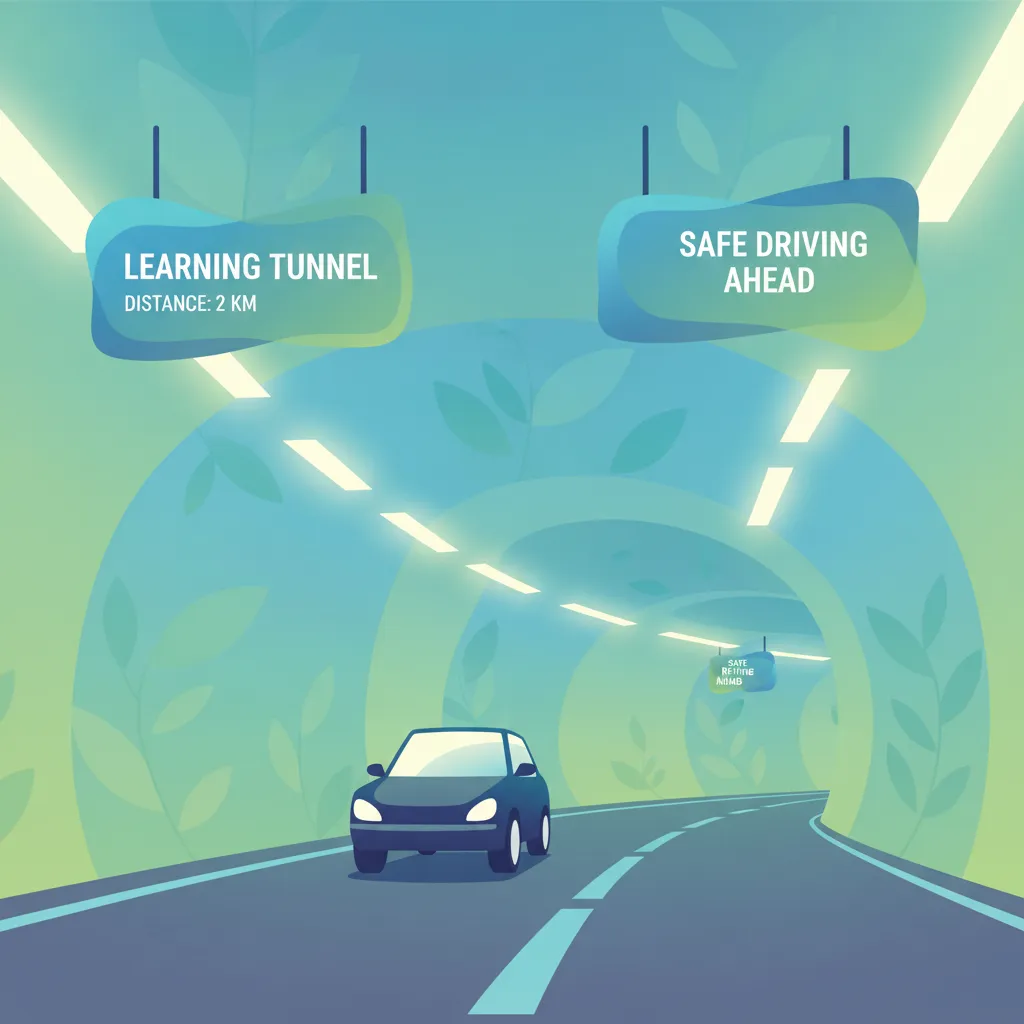
This lesson addresses the unique environment of road tunnels, common in Austria's alpine regions. Key safety practices include removing sunglasses before entry, adhering to specific tunnel speed limits, and maintaining a safe following distance. It also covers emergency procedures, such as locating emergency exits and using designated call boxes in case of a breakdown or accident.

This lesson addresses the complex skill of braking while the motorcycle is leaned over in a corner or on low-traction surfaces. It introduces the concept of trail braking to adjust speed and tighten a cornering line, and provides strategies for gentle brake application on wet or loose surfaces. Mastering these techniques requires a delicate touch and a deep understanding of traction limits.
This lesson focuses on the specialized skills required for navigating alpine roads safely. It covers techniques for managing steep gradients, such as using a lower gear for engine braking on descents, and how to safely negotiate hairpin turns. The content stresses the importance of being prepared for rapid weather changes and understanding the effects of altitude on both the driver and the vehicle's performance.

This lesson provides guidance on tailoring riding practices to the season. For colder months, it emphasizes the importance of layered clothing and awareness of icy patches, especially in shaded areas. For spring, it highlights hazards like leftover road salt and gravel from winter maintenance, as well as slippery wet leaves, requiring heightened caution.
Find clear answers to common questions learners have about Alpine Road Characteristics and Hazards. Learn how the lesson is structured, which driving theory objectives it supports, and how it fits into the overall learning path of units and curriculum progression in Austria. These explanations help you understand key concepts, lesson flow, and exam focused study goals.
Austria has extensive mountain road networks. Examiners test your ability to foresee hazards like sudden changes in road surface grip, blind hairpins, and steep gradients to ensure you can ride safely in all terrain types.
Mountain weather is volatile. Even on a sunny day, temperatures can drop rapidly, and clouds or fog can reduce visibility to almost zero. Be prepared for damp or cold road surfaces, which drastically reduce tyre traction.
Alpine roads are often narrower and subject to harsh environmental factors, leading to potential gravel, loose sand, or rockfall. You must always maintain a defensive line that allows you to steer around such obstacles without crossing the centre line.
Yes, Austria uses specific triangular warning signs to indicate steep ascents and descents. Recognizing these signs early allows you to select the correct gear before the gradient begins, preventing engine lugging or excessive brake wear.
Refine your study plan by searching for specific Austrian driving theory practice sets. Pinpoint questions related to particular road rules, signs, or challenge levels, and begin practicing immediately to reinforce your knowledge and excel in your official exam with confidence. Get started with focused revision today.