
This lesson teaches you how to maximize your visual presence in traffic to stay safe on Austrian roads. By understanding the combination of personal protective equipment, vehicle lighting, and strategic positioning, you will learn to reduce your risk as a motorcyclist. Mastering these fundamentals is crucial for your theoretical exam and your practical riding confidence.
Lesson content overview
Motorcycling offers an unparalleled sense of freedom and connection with the road, but it also comes with unique safety challenges. One of the most critical proactive safety measures a rider can adopt is maximizing their visibility to other road users. This lesson delves into the foundational principles of making a motorcyclist conspicuously visible, covering everything from clothing choices and helmet colors to the mandatory use of headlights. Understanding how to create a strong visual presence in traffic is not merely a recommendation; it is a key component of proactive accident prevention, particularly crucial for those navigating the diverse environments of Austrian roads under A, A1, and A2 licenses.
This comprehensive guide builds upon foundational knowledge acquired in Motorcycle Controls, Safety Checks, and Protective Equipment and lays the groundwork for subsequent topics such as Mirror Use and Blind-Spot Management and Lane Position and Anticipative Riding, where effective visibility becomes an integral part of strategic road positioning and interaction.
Rider visibility, or conspicuity, is the ability of a motorcyclist to be clearly seen and recognized by other road users. It focuses on reducing the likelihood of collisions caused by other drivers failing to detect a motorcycle. Human vision is complex and can be limited by factors such as contrast, luminance, and motion. By making a rider highly visible, we significantly improve the detection distance, enhance reaction time, and support better decision-making for surrounding drivers.
In dynamic traffic environments, where multiple vehicles, pedestrians, and obstacles compete for attention, a motorcycle's smaller profile can make it less noticeable. A proactive approach to visibility mitigates this inherent disadvantage, turning the rider into an undeniable presence on the road.
Effective rider visibility is not achieved by a single action or piece of gear, but by a combination of strategic choices that create redundant visual cues. These principles work together to ensure you are seen under various lighting and weather conditions.
High-contrast clothing refers to garments worn by a rider that feature vivid, easily distinguishable colors. These colors are chosen specifically because they create a sharp visual difference against typical road surfaces, surrounding environments, and other vehicles. The goal is to avoid blending into the background.
Austrian traffic code, particularly § 70 StVO, emphasizes the general requirement for proper visibility in traffic. While it doesn't explicitly mandate a specific color, the interpretation strongly supports the use of bright clothing for motorcyclists as a fundamental component of achieving sufficient conspicuity.
When choosing high-contrast clothing, consider how it will look against common backgrounds you encounter. A color that stands out against a grey road might blend into a green rural landscape, so a combination of colors can be advantageous.
While bright, fluorescent colors excel during daylight, their effectiveness diminishes significantly in low-light conditions or at night. This is where reflective equipment becomes indispensable. Reflective materials are specifically engineered to return incident light (such as from a vehicle's headlights) directly back towards its source, making the rider appear illuminated.
Austrian regulations (§ 69 StVO) mandate the use of external lights and also prescribe reflective devices for motorcyclists, underscoring their importance, especially after dusk or in poor weather. Proper placement is crucial; ensure reflectors are visible from the front, sides, and rear, not just on the back where they might be obscured.
Your helmet is often the highest point of your visible profile and can be seen over other traffic from a greater distance, even when your body is partially obscured. Therefore, the color and reflective properties of your helmet play a significant role in overall rider conspicuity.
While there isn't an explicit legal requirement for helmet color in Austria, choosing a bright or reflective helmet is considered part of the broader high-visibility measures encouraged by § 70 StVO. Avoiding dark-colored helmets without any reflective elements, especially for daytime riding, is a common recommendation to maximize safety.
One of the most effective and universally mandated visibility strategies for motorcyclists in Austria is the continuous use of the headlamp during daylight hours. This is a non-negotiable legal requirement with a clear safety rationale.
The Austrian StVO § 70 specifically obligates motorcyclists to use their headlamp (low beam) during daylight hours. Ignoring this rule not only increases the risk of an accident but can also lead to legal consequences. Assuming side lights are sufficient or turning off the headlamp on a clear day are common and dangerous mistakes. The headlamp must be on at all times when riding, regardless of ambient light conditions.
The most robust approach to rider visibility is to combine all the aforementioned principles into a comprehensive, uniform strategy. This means creating multiple, redundant visual cues that work together to maximize your presence on the road under all conditions.
Relying on a single element for visibility is a common mistake. For instance, assuming a bright helmet alone provides sufficient visibility without considering reflective devices or the mandatory headlamp use is inadequate. A layered, redundant approach fulfills the spirit and letter of Austrian StVO requirements for conspicuity and offers the highest degree of safety.
Adhering to specific legal requirements regarding motorcycle visibility is essential for rider safety and legal compliance in Austria. These regulations ensure a minimum standard of conspicuity for all motorcyclists.
Under Austrian law, motorcycles are required to have their low beam headlamp on at all times while riding, even during daylight hours. This regulation is strictly enforced and is a cornerstone of motorcycle safety in Austria. The constant light source helps other drivers, especially car drivers, to more easily perceive a motorcycle's presence and track its movement against varying backgrounds.
While StVO § 70 generally requires road users to ensure their visibility, the interpretation of this section has led to a strong recommendation, often treated as a de facto requirement, for motorcyclists to wear high-visibility clothing. This aligns with the overall goal of maximizing conspicuity to prevent accidents. Riders are expected to select clothing that significantly contrasts with typical road environments.
Austrian regulations for vehicle equipment, particularly § 69 StVO, mandate the presence of appropriate lighting and reflective devices on vehicles. For motorcyclists, this translates to ensuring that their gear, such as jackets, trousers, gloves, and helmets, incorporates effective reflective materials. These devices are particularly crucial during low-light conditions, twilight, and night-time riding, acting as vital safety elements that reflect light from other vehicles' headlamps.
When riding from dusk until dawn, or in any condition with significantly reduced visibility, it is mandatory to use both the motorcycle's low beam headlamp and its position lights (also known as side lights). The headlamp provides forward illumination and conspicuity, while the side lights enhance the motorcycle's lateral visibility, making it easier for other road users to gauge its width and presence, especially at intersections or when approaching from the side.
While not directly about visibility color, § 56 StVO mandates that helmets must meet specific safety standards and be properly fastened. A safe, well-fitting helmet is the primary piece of protective equipment, and its contribution to visibility, through bright colors or reflective elements, further enhances overall safety.
Even experienced riders can sometimes make mistakes regarding visibility. Awareness of these common pitfalls can significantly improve your safety on Austrian roads.
Effective visibility is not a static concept; it must be adapted to varying environmental and traffic conditions.
If you are carrying luggage or a passenger, ensure that your visibility strategy accounts for potential obstructions. Luggage, especially if bulky, can obscure reflective elements or bright patches on your rear. Place reflective gear where it remains clearly visible, such as on shoulders, helmet, or the front and sides of the motorcycle itself. When riding with a passenger, ensure their gear also contributes to the overall visibility.
Understanding the scientific and psychological reasons behind visibility reinforces its importance as a safety measure.
Rider visibility is a proactive and multi-faceted safety strategy critical for all motorcyclists in Austria. It is achieved through a uniform visibility strategy that intelligently integrates high-contrast clothing (especially fluorescent materials for daytime), reflective equipment (for low-light and night-time), bright or reflective helmets, and the mandatory daytime headlamp use.
Core Austrian regulations, notably StVO § 70, explicitly mandate headlamp usage during daylight and the combined use of headlamp and side lights at night. Additionally, the broader interpretation of traffic laws and StVO § 69 emphasizes the importance of reflective devices and generally high conspicuity.
Effective visibility must be consciously maintained and adapted across varying weather, lighting, and road conditions. This often requires redundancy in visual cues, ensuring that multiple elements contribute to being seen. Ultimately, proper visibility significantly improves detection distance for other road users, reduces their reaction time, and dramatically lowers the likelihood of collisions.
By thoroughly understanding and consistently applying these principles, riders are not only fulfilling their legal obligations but are also actively preparing themselves for safer interactions with other vehicles. This foundational knowledge is essential and directly informs further advanced riding lessons on mirror use, hand signals, and lane positioning, setting the stage for confident and responsible motorcycling within the Austrian traffic system.
Rider visibility is a proactive, multi-layered safety strategy required by Austrian traffic law. The cornerstone legal requirement is StVO § 70's mandatory daytime headlamp use, combined with nighttime use of both headlamp and side lights under StVO § 70. Effective visibility combines bright fluorescent clothing for daytime detection with retroreflective materials for low-light conditions, plus a bright or reflective helmet. This uniform visibility strategy creates redundancy—if one visual cue is obscured, others remain effective. Adapting your visibility approach to weather, lighting, and road conditions (urban streets, Autobahn, rural roads) further enhances detection distance and gives other road users more time to react, significantly reducing collision risk.
A short set of high-value points that capture the most important learning from this lesson.
Austrian law (StVO § 70) requires motorcycles to have their low beam headlamp on at all times while riding, regardless of daylight conditions
Effective rider visibility comes from a layered strategy combining bright clothing, reflective gear, a conspicuous helmet, and proper lighting
Fluorescent colors (neon yellow, orange, lime green) excel during daylight because they fluoresce under ultraviolet light, while retroreflective materials are essential for low-light and nighttime visibility
At night or in poor visibility, Austrian regulations mandate using both low beam headlamp and side lights together
Your helmet, being the highest visible point, should be bright or reflective to enhance detection from greater distances
Explore all units and lessons included in this driving theory course.
StVO § 70 mandates daytime headlamp use for motorcycles in Austria as a non-negotiable legal requirement
Fluorescent clothing loses effectiveness in low-light conditions; reflective materials take over as the primary visibility tool after dusk
Reflective gear must be placed on front, sides, and rear of your equipment—not only on the back—to ensure visibility from all directions
At night and during twilight, you must use both headlamp and side lights; side lights alone are insufficient
A uniform visibility strategy creates redundancy so that if one visual cue is obscured, others continue to protect you
Turning off the headlamp during bright daylight—this is both illegal under StVO § 70 and significantly reduces conspicuity
Riding without reflective gear at dusk or dawn when fluorescent colors lose their effectiveness and reflective equipment becomes critical
Relying on a single visibility measure (like a bright helmet only) instead of combining multiple layers of protection
Using only side lights at night while leaving the headlamp off, which provides minimal forward conspicuity to oncoming traffic
Wearing dark-colored helmets that blend into backgrounds, especially when viewed against trees or urban structures at distance
Lesson content overview
A short set of high-value points that capture the most important learning from this lesson.
Austrian law (StVO § 70) requires motorcycles to have their low beam headlamp on at all times while riding, regardless of daylight conditions
Effective rider visibility comes from a layered strategy combining bright clothing, reflective gear, a conspicuous helmet, and proper lighting
Fluorescent colors (neon yellow, orange, lime green) excel during daylight because they fluoresce under ultraviolet light, while retroreflective materials are essential for low-light and nighttime visibility
At night or in poor visibility, Austrian regulations mandate using both low beam headlamp and side lights together
Your helmet, being the highest visible point, should be bright or reflective to enhance detection from greater distances
Explore all units and lessons included in this driving theory course.
StVO § 70 mandates daytime headlamp use for motorcycles in Austria as a non-negotiable legal requirement
Fluorescent clothing loses effectiveness in low-light conditions; reflective materials take over as the primary visibility tool after dusk
Reflective gear must be placed on front, sides, and rear of your equipment—not only on the back—to ensure visibility from all directions
At night and during twilight, you must use both headlamp and side lights; side lights alone are insufficient
A uniform visibility strategy creates redundancy so that if one visual cue is obscured, others continue to protect you
Turning off the headlamp during bright daylight—this is both illegal under StVO § 70 and significantly reduces conspicuity
Riding without reflective gear at dusk or dawn when fluorescent colors lose their effectiveness and reflective equipment becomes critical
Relying on a single visibility measure (like a bright helmet only) instead of combining multiple layers of protection
Using only side lights at night while leaving the headlamp off, which provides minimal forward conspicuity to oncoming traffic
Wearing dark-colored helmets that blend into backgrounds, especially when viewed against trees or urban structures at distance
Explore search topics learners often look for when studying Rider Visibility Fundamentals. These topics reflect common questions about road rules, driving situations, safety guidance, and lesson level theory preparation for learners in Austria.
Browse additional driving theory lessons that cover connected traffic rules, road signs, and common driving situations related to this topic. Improve your understanding of how different rules interact across everyday traffic scenarios.
Learn how to adapt your visibility strategies for various Austrian road types, weather, and traffic scenarios. This lesson provides context for maximizing your conspicuity in different riding environments, from urban streets to motorways.
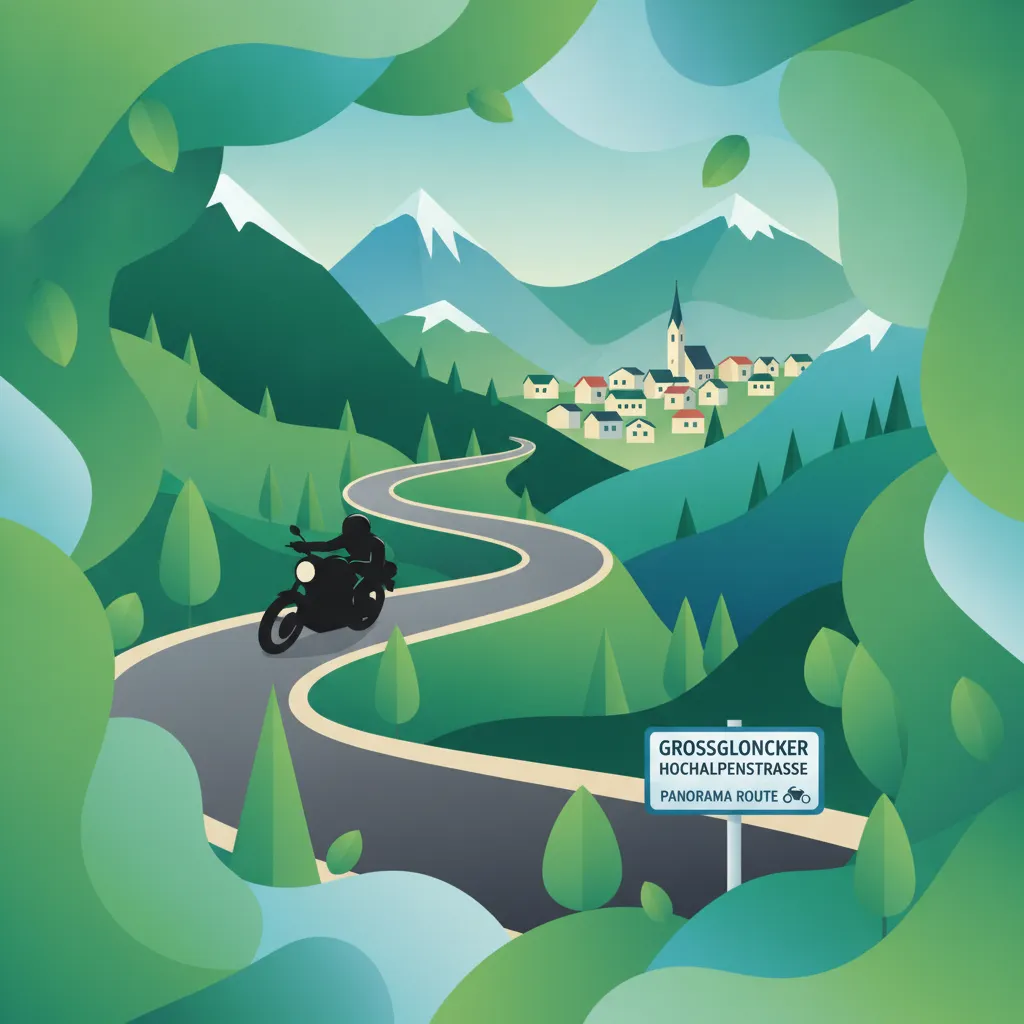
This lesson provides advice for navigating popular scenic routes, which often feature heavy traffic, cyclists, and distracted drivers. It emphasizes maintaining focus on the road despite beautiful scenery and anticipating unpredictable actions from other tourists who may stop suddenly. Adopting a patient and defensive mindset is key to safely enjoying these remarkable roads.

This lesson focuses on strategies for riding safely in conditions of poor visibility, such as rain, fog, and low sun glare. It explains how to use lights effectively, increase following distances, and moderate speed to maintain control. The content also addresses braking techniques on wet surfaces to prevent skidding and hydroplaning.
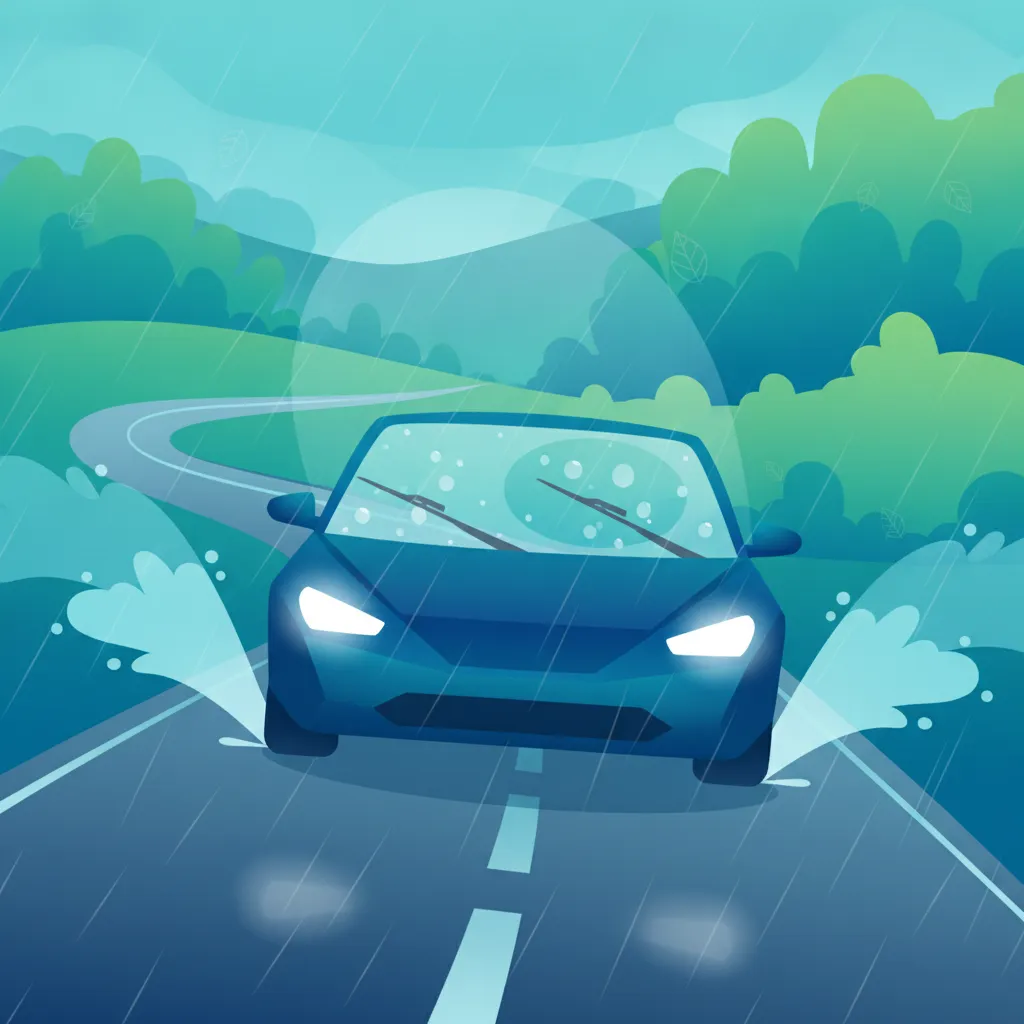
This lesson examines how adverse weather directly affects motorcycle safety. It explains how water on the road reduces tyre grip, increasing braking distances and the risk of aquaplaning. Strategies for riding in fog, dealing with reduced visibility from road spray, and identifying potential ice patches are covered to help riders manage weather-related risks.

This lesson prepares riders for the specific conditions of Austria's mountain passes. It highlights hazards such as tight hairpin turns, potential for sudden weather changes, rockfall, and variable road surfaces. Awareness of these unique challenges allows riders to anticipate risks and adapt their technique for safe and enjoyable alpine touring.

This lesson focuses on the rider's primary responsibility: ensuring they are visible and their actions are predictable to other road users. It explains effective strategies such as using proper lighting, wearing reflective clothing, and adopting a safe road position. The content also emphasizes how clear signaling and anticipating the actions of others can significantly reduce the risk of collisions.
This lesson covers the proper and legal use of a vehicle's entire lighting system to see and be seen. It explains the regulations for using headlights, including daytime running lights, and the specific conditions under which fog lights and high beams are permitted. Correct use of turn signals and brake lights is also emphasized as essential for communicating intentions to other drivers and ensuring safety in all visibility conditions.
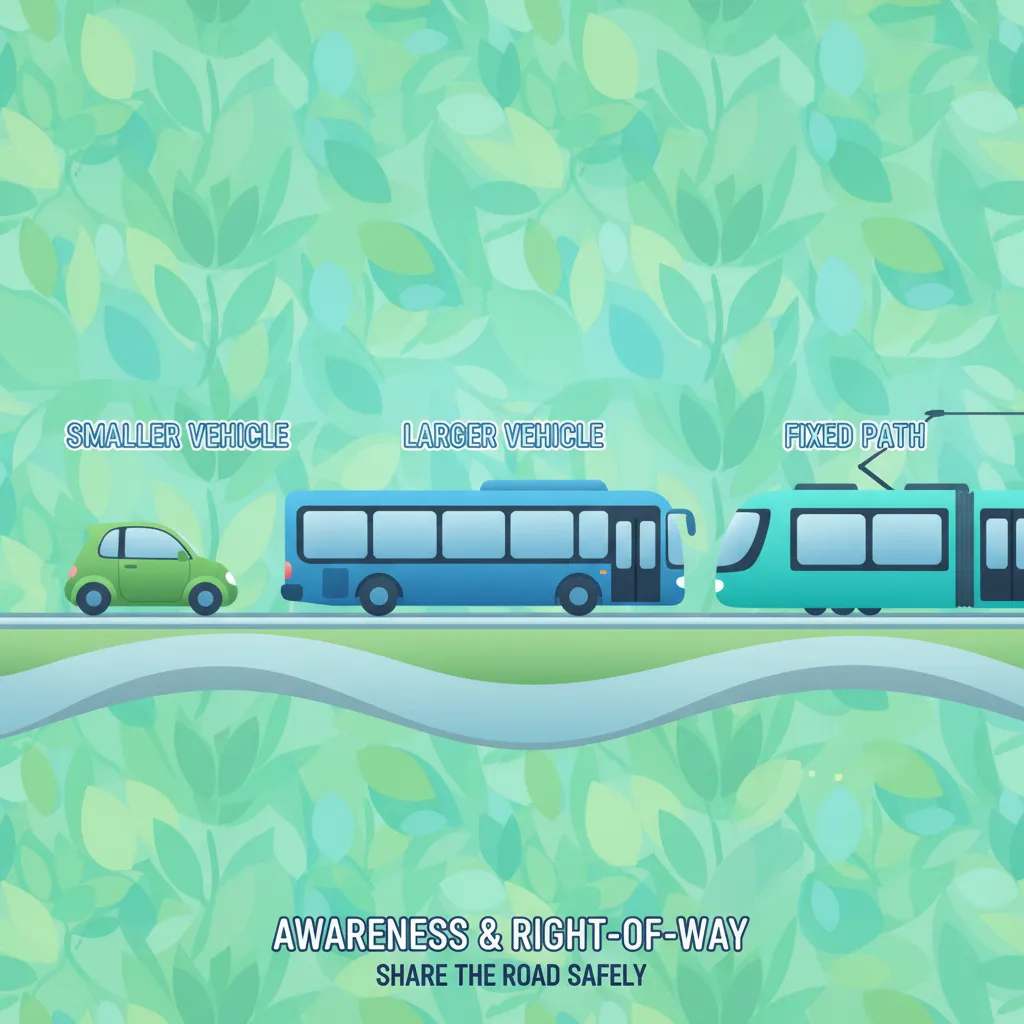
This lesson provides specific guidance for sharing the road with different types of vehicles in Austria. It covers the dangers of large vehicle blind spots, the rules for navigating near buses and dedicated tram tracks, and common conflict points at intersections. Understanding the behavior and limitations of other vehicles is key to safely navigating complex urban environments.

This lesson details the mandatory lighting and reflector requirements for Category AM vehicles in Austria. It explains the functions of different light settings, including daytime running lights, and their importance for being seen. Additionally, it covers the legal standards for protective helmets, a critical component of rider safety.

This lesson provides essential knowledge for using Austria's high-speed road network. It covers the correct procedure for entering via acceleration lanes, maintaining strict lane discipline (keeping right, passing left), and understanding the digital or physical Vignette (toll sticker) requirement. The formation of the 'Rettungsgasse' (emergency corridor) during traffic jams is also a key topic.

This lesson explains the correct techniques for using mirrors to maintain awareness of surrounding traffic and for checking blind spots. It details the proper timing and use of indicators to signal turns and lane changes effectively. The content reinforces that clear, early communication is key to preventing misunderstandings with other drivers.
Understand the specific Austrian legal requirements for motorcycle visibility, including mandatory headlamp use and gear. Learn about common visibility mistakes riders make and how to avoid them to ensure compliance and safety.
This lesson details the mandatory lighting and reflector requirements for Category AM vehicles in Austria. It explains the functions of different light settings, including daytime running lights, and their importance for being seen. Additionally, it covers the legal standards for protective helmets, a critical component of rider safety.
This lesson covers the proper and legal use of a vehicle's entire lighting system to see and be seen. It explains the regulations for using headlights, including daytime running lights, and the specific conditions under which fog lights and high beams are permitted. Correct use of turn signals and brake lights is also emphasized as essential for communicating intentions to other drivers and ensuring safety in all visibility conditions.

This lesson details the mandatory personal and vehicle documentation required for motorcyclists in Austria. It covers the necessity of carrying a valid licence card, vehicle registration papers, and proof of insurance at all times. Understanding these legal requirements ensures full compliance with Austrian traffic law and facilitates smooth interactions with law enforcement.
This lesson focuses on the rider's primary responsibility: ensuring they are visible and their actions are predictable to other road users. It explains effective strategies such as using proper lighting, wearing reflective clothing, and adopting a safe road position. The content also emphasizes how clear signaling and anticipating the actions of others can significantly reduce the risk of collisions.
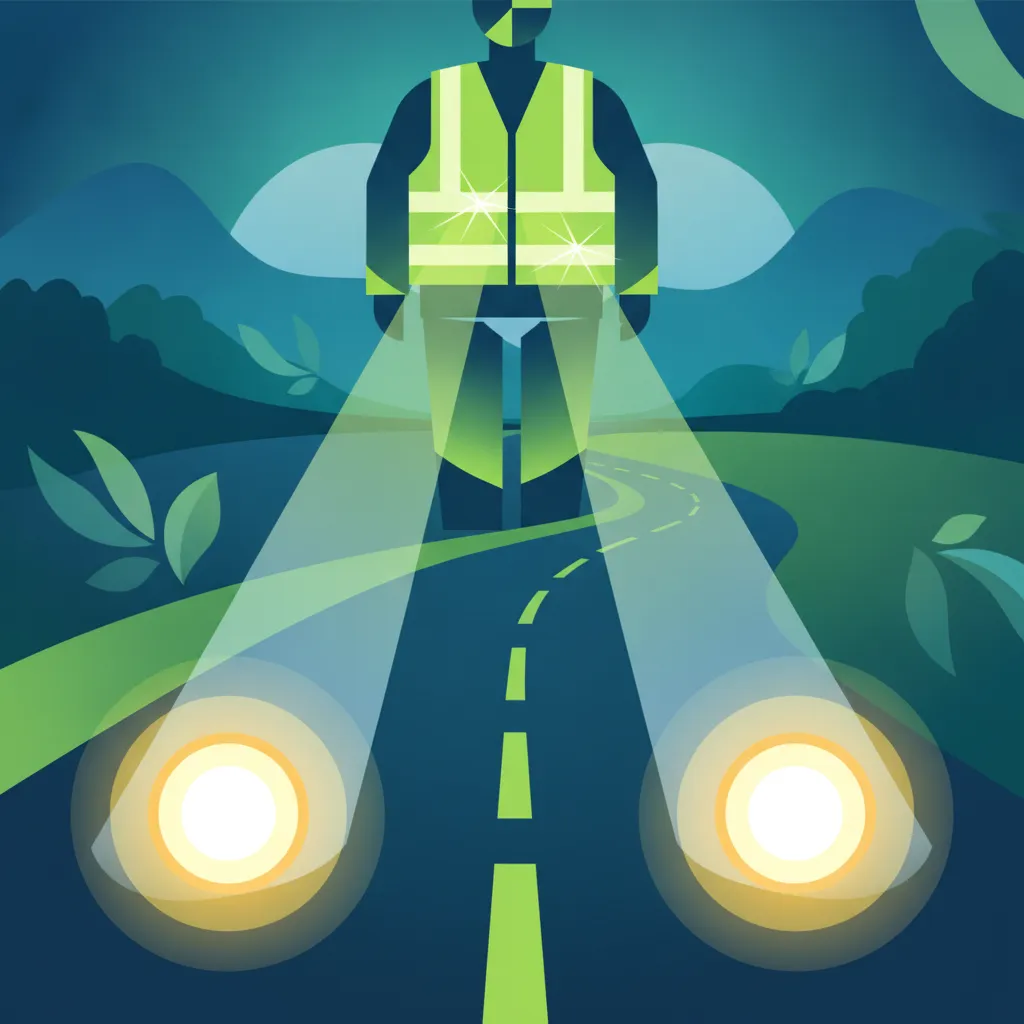
This lesson covers the various lighting and reflector systems required on heavy goods vehicles in Austria. It explains the function and legal requirements for headlights, taillights, brake lights, indicators, and reflective markings. Ensuring all lighting systems are operational is essential for visibility and communicating intentions to other road users.

This lesson covers the essential personal protective equipment (PPE) required for motorcycling in Austria. It details the safety standards for helmets, including fit and certification, and explains the benefits of armored jackets, gloves, and sturdy boots. The importance of high-visibility and weather-appropriate gear is also discussed to enhance rider protection in all conditions.
This lesson focuses on strategies for riding safely in conditions of poor visibility, such as rain, fog, and low sun glare. It explains how to use lights effectively, increase following distances, and moderate speed to maintain control. The content also addresses braking techniques on wet surfaces to prevent skidding and hydroplaning.
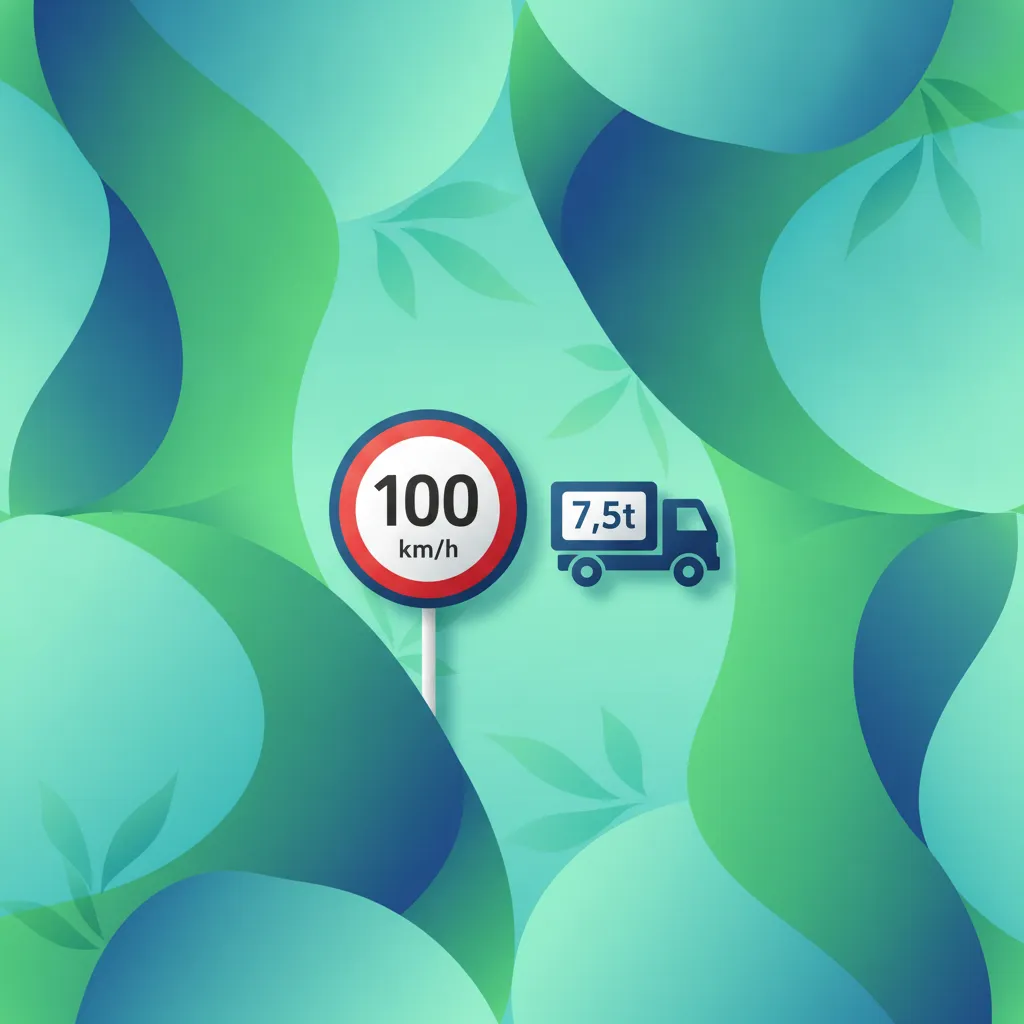
This lesson details the essential legal and administrative requirements for operating an AM vehicle in Austria. It covers the processes for vehicle registration, the obligation for licence plates, and the necessity of third-party liability insurance. Furthermore, it explains the importance of regular technical inspections to ensure the vehicle remains roadworthy and compliant with national standards.

This lesson focuses on clear communication with other road users through the correct use of signals. It covers the proper operation of turn indicators, including the importance of cancelling them after a maneuver, and the use of brake lights. Additionally, it reviews standard hand signals for turning and stopping, which serve as a vital backup or supplementary communication tool.
This lesson provides essential knowledge for using Austria's high-speed road network. It covers the correct procedure for entering via acceleration lanes, maintaining strict lane discipline (keeping right, passing left), and understanding the digital or physical Vignette (toll sticker) requirement. The formation of the 'Rettungsgasse' (emergency corridor) during traffic jams is also a key topic.
Find clear answers to common questions learners have about Rider Visibility Fundamentals. Learn how the lesson is structured, which driving theory objectives it supports, and how it fits into the overall learning path of units and curriculum progression in Austria. These explanations help you understand key concepts, lesson flow, and exam focused study goals.
Yes, under Austrian traffic law, motorcyclists must ride with their low beam or daytime running lights switched on at all times, regardless of the visibility conditions, to ensure they remain conspicuous to other drivers.
Strategic lane positioning allows you to remain within the field of view of drivers in front of you and at junctions. By avoiding the blind spots of cars and trucks, you significantly increase the chances of being seen before a potential conflict occurs.
Yes, exam questions often test your understanding of how high-contrast, bright, or reflective clothing improves your detection distance in low light or urban traffic. Recognizing these factors demonstrates your commitment to safety, which is a core theme in the Austrian theory syllabus.
In urban areas, visibility is often about standing out against complex backgrounds and avoiding blind spots at junctions. In rural areas, it is more about being visible at distance, especially around bends or when approaching farm exits where heavy machinery may be pulling out.
Refine your study plan by searching for specific Austrian driving theory practice sets. Pinpoint questions related to particular road rules, signs, or challenge levels, and begin practicing immediately to reinforce your knowledge and excel in your official exam with confidence. Get started with focused revision today.