
This lesson guides you through the complexities of navigating roadworks and construction sites in Austria, a crucial skill for all motorcycle licence categories. By learning to decode temporary traffic signage and anticipate surface hazards, you will be well-prepared for both the theory exam and the realities of the road.
Lesson content overview
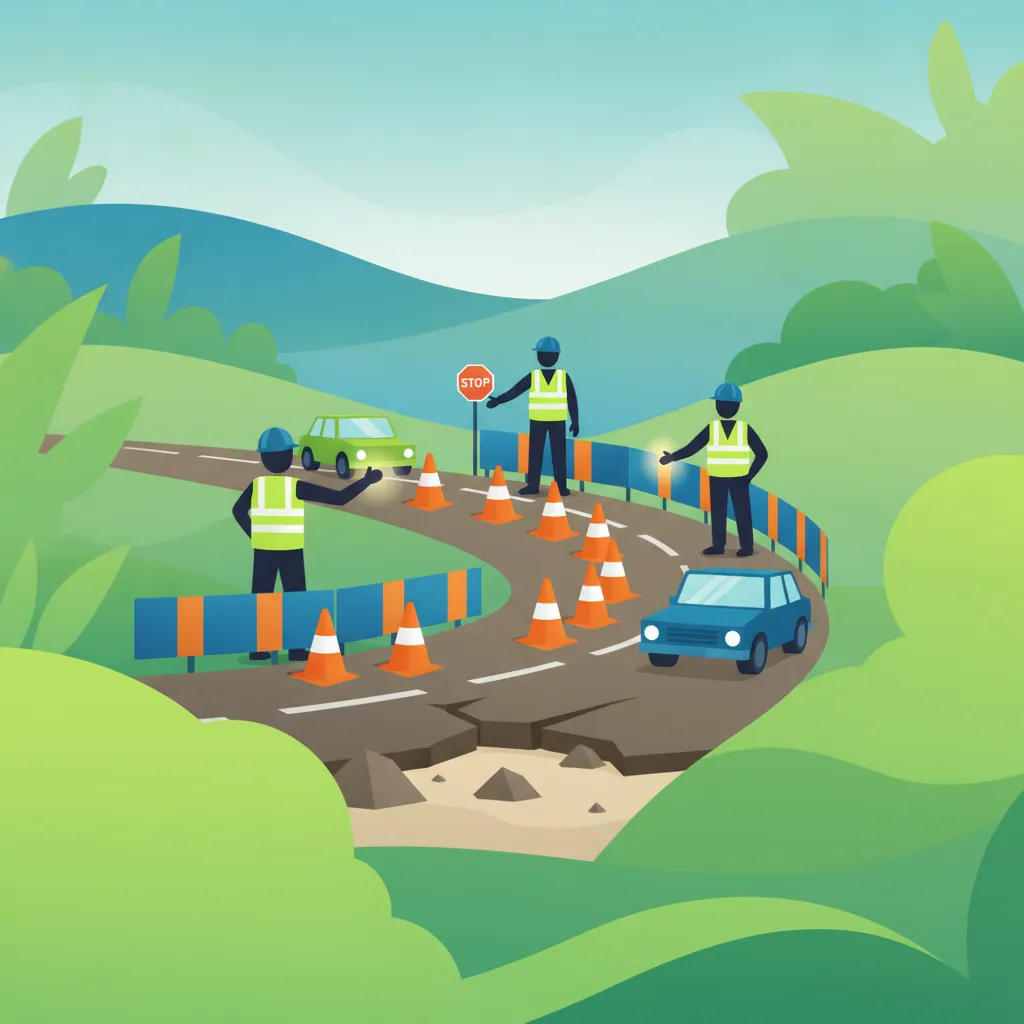
Roadworks and construction zones, known as Baustellen in Austria, are temporary sections of road where maintenance, repair, or building activities are underway. These zones fundamentally alter normal traffic flow, introducing unique hazards and demanding heightened vigilance from all road users, especially motorcyclists. Navigating these areas safely is crucial for rider safety, the protection of construction workers, and maintaining smooth traffic flow.
This lesson provides a comprehensive guide for riders preparing for their Austrian motorcycle theory test, covering categories A, A1, and A2. It equips you with the knowledge to interpret temporary signage, adhere to reduced speed limits, and anticipate specific hazards inherent to construction environments.
Construction zones present a dynamic and often unpredictable environment. What might be a minor inconvenience for a car driver can pose a significant risk for a motorcyclist due to reduced stability, direct exposure to elements, and the need for precise handling. Key challenges include:
Recognizing these challenges is the first step towards developing effective defensive riding strategies crucial for safe passage through any Baustelle on Austrian roads.
Within construction zones, temporary traffic control devices are paramount. These are specifically designed to guide traffic safely around work areas and protect both road users and workers. They take precedence over any permanent signs or markings that might contradict them.
These signs alert riders to upcoming construction activities, allowing ample time to reduce speed and prepare for altered conditions.
This common warning sign indicates that you are approaching a Baustelle. Upon seeing such a sign, you should immediately begin to reduce your speed, increase your scanning for potential hazards, and mentally prepare for changes in the road ahead. Riders should anticipate everything from narrowed lanes to temporary traffic lights.
Reduced speed limits are almost always implemented within construction zones. These limits are legally binding and are critical for safety.
These temporary limits, often 30 km/h or 40 km/h in urban areas, are not suggestions. They are enforced to give riders more time to react to unexpected hazards, such as workers stepping into the roadway, sudden stops, or changes in road surface. Exceeding these limits significantly increases stopping distance and the severity of a potential crash.
Always assume that temporary speed limits in construction zones are enforced, even if there are no visible cameras or police. They are put in place for your safety and the safety of the workers.
Construction zones frequently alter the normal road layout, often through the use of temporary lane markings. These might be different in color or texture from permanent markings but must be strictly followed.
Temporary lane markings can include:
It is crucial to follow these temporary markings over any permanent markings that might be visible underneath, as they reflect the current safe path through the zone. Ignoring them can lead to collisions with barriers, equipment, or other vehicles.
At times, construction zones may temporarily implement stop or yield requirements to manage traffic flow or allow construction vehicles to operate.
When you encounter a temporary STOP sign, you must come to a complete halt at the marked stop line. Only proceed when it is safe to do so, ensuring no workers or construction vehicles are moving into your path. A temporary Yield sign requires you to slow down and give priority to other traffic or construction vehicles before merging or proceeding. These temporary controls often override permanent right-of-way rules.
Beyond understanding signs, specific riding skills and a keen sense of hazard perception are vital for safe motorcycle navigation through Baustellen.
Construction vehicles, such as excavators, dump trucks, and pavers, often move slowly, unpredictably, or across traffic lanes. Workers may also be present on or near the roadway.
One of the most significant hazards for motorcyclists in Baustellen is sudden changes in road surface. These can range from newly laid asphalt to rough patches, temporary steel plates, or unearthed road materials.
Loose gravel, sand, dirt, or other debris frequently accumulates in construction zones, especially near excavations or material stockpiles. These materials significantly reduce tire grip.
Loose gravel is a notorious hazard for motorcyclists, often leading to loss of control if not handled correctly. Always approach with caution and significantly reduced speed.
Clear communication is vital for safety in the chaotic environment of a construction zone. Your intentions must be obvious to both construction personnel and other road users.
Adhering to the specific articles of the Austrian Road Traffic Act (Straßenverkehrsordnung, StVO) is not only a legal requirement but a fundamental aspect of safe riding in construction zones.
The StVO explicitly mandates the observance of temporary speed limit signs. These limits take precedence over any permanent speed limits that might be posted or implied for the road. Failure to comply can result in fines and points on your license.
Section 94 of the StVO places an obligation on drivers to give way to construction vehicles and workers operating within the designated zone. This rule acknowledges the often-restricted movement and priority of construction activities.
Overtaking can be extremely dangerous in construction zones due to narrowed lanes, unpredictable movements, and reduced visibility. The StVO prohibits overtaking where it is restricted by temporary signs or road markings.
Clear signaling is crucial for communicating your intentions, especially in dynamic environments like Baustellen. The StVO specifies when and how turn signals must be used.
Even experienced riders can make mistakes in construction zones. Awareness of common pitfalls can help you stay safe.
Construction zones exist in all environments and weather conditions, each presenting its own set of challenges.
Mastering the art of navigating construction zones boils down to a few core principles:
Baustelle ahead.STOP and Yield signs.These strategies, combined with knowledge from previous lessons on braking, traction, and hazard perception, will enable you to safely and confidently navigate any roadworks and construction zones you encounter on your Austrian riding journey.
Navigating Austrian construction zones (Baustellen) requires understanding that temporary signs override permanent ones, with reduced speed limits of 30 or 40 km/h being legally enforceable. Motorcyclists face unique hazards including loose gravel, uneven surfaces, narrow lanes, and reduced visibility, demanding smooth inputs and defensive riding. Austrian traffic law (StVO) mandates yielding to construction vehicles and workers, prohibiting overtaking where restricted, and requiring turn signals at least 50 metres before maneuvers. Key skills include anticipating surface changes, maintaining lane discipline through temporary markings, and maximizing visibility with headlights on at all times.
A short set of high-value points that capture the most important learning from this lesson.
Temporary traffic signs in construction zones override all permanent signs and markings and must be obeyed immediately upon sighting.
Reduced speed limits in Baustellen (30 or 40 km/h typical) are legally binding and essential for reaction time on unpredictable surfaces.
Construction vehicles and workers have priority over regular traffic according to Austrian traffic law.
Loose gravel, uneven surfaces, and temporary steel plates drastically reduce tire grip and require smooth, progressive inputs only.
Turn signals must be activated at least 50 metres before any lane change or maneuver in construction zones.
Explore all units and lessons included in this driving theory course.
Baustelle is the German term for construction zone; temporary signs with orange backgrounds signal roadworks ahead.
Solid white temporary lane markings prohibit lane changes; broken white lines permit them where safe.
Temporary STOP signs require a complete halt at the stop line, not a rolling stop.
Always prioritize temporary cones, barriers, and painted lines over visible permanent markings.
Adverse weather (rain, fog, snow) in construction zones requires even greater speed reduction and increased following distance.
Treating temporary speed limits as advisory rather than mandatory, leading to insufficient reaction time for hazards.
Following permanent road markings instead of temporary ones, causing confusion and potential collisions with barriers.
Attempting to overtake other vehicles in narrowed construction zones where lanes are constricted.
Applying sudden braking or steering on loose gravel, which can cause loss of control on two wheels.
Failing to yield to construction vehicles assuming they will give way, rather than anticipating their unpredictable movements.
Lesson content overview
A short set of high-value points that capture the most important learning from this lesson.
Temporary traffic signs in construction zones override all permanent signs and markings and must be obeyed immediately upon sighting.
Reduced speed limits in Baustellen (30 or 40 km/h typical) are legally binding and essential for reaction time on unpredictable surfaces.
Construction vehicles and workers have priority over regular traffic according to Austrian traffic law.
Loose gravel, uneven surfaces, and temporary steel plates drastically reduce tire grip and require smooth, progressive inputs only.
Turn signals must be activated at least 50 metres before any lane change or maneuver in construction zones.
Explore all units and lessons included in this driving theory course.
Baustelle is the German term for construction zone; temporary signs with orange backgrounds signal roadworks ahead.
Solid white temporary lane markings prohibit lane changes; broken white lines permit them where safe.
Temporary STOP signs require a complete halt at the stop line, not a rolling stop.
Always prioritize temporary cones, barriers, and painted lines over visible permanent markings.
Adverse weather (rain, fog, snow) in construction zones requires even greater speed reduction and increased following distance.
Treating temporary speed limits as advisory rather than mandatory, leading to insufficient reaction time for hazards.
Following permanent road markings instead of temporary ones, causing confusion and potential collisions with barriers.
Attempting to overtake other vehicles in narrowed construction zones where lanes are constricted.
Applying sudden braking or steering on loose gravel, which can cause loss of control on two wheels.
Failing to yield to construction vehicles assuming they will give way, rather than anticipating their unpredictable movements.
Explore search topics learners often look for when studying Roadworks and Construction Zones. These topics reflect common questions about road rules, driving situations, safety guidance, and lesson level theory preparation for learners in Austria.
Browse additional driving theory lessons that cover connected traffic rules, road signs, and common driving situations related to this topic. Improve your understanding of how different rules interact across everyday traffic scenarios.
Learn to identify and navigate common hazards in Austrian construction zones, including loose gravel and surface changes. Understand the specific road traffic act (StVO) regulations and yielding requirements for motorcyclists.

This lesson highlights the specific hazards of riding on countryside roads in Austria. It teaches riders to be vigilant for wildlife crossing signs, especially at dawn and dusk, and how to safely approach and overtake slow-moving agricultural machinery. Awareness of potential surface hazards like mud, gravel, or manure from farm access points is also crucial for maintaining traction.

This lesson provides essential knowledge for using Austria's high-speed road network. It covers the correct procedure for entering via acceleration lanes, maintaining strict lane discipline (keeping right, passing left), and understanding the digital or physical Vignette (toll sticker) requirement. The formation of the 'Rettungsgasse' (emergency corridor) during traffic jams is also a key topic.

This lesson provides a comprehensive explanation of Austria's right-of-way laws, which are fundamental to intersection safety. It covers the meaning of different priority signs and clarifies the 'Rechts vor Links' (priority to the right) rule that applies at unmarked junctions. A clear understanding of these rules is essential to prevent conflicts and collisions in urban and rural settings.

This lesson prepares riders for the specific conditions of Austria's mountain passes. It highlights hazards such as tight hairpin turns, potential for sudden weather changes, rockfall, and variable road surfaces. Awareness of these unique challenges allows riders to anticipate risks and adapt their technique for safe and enjoyable alpine touring.
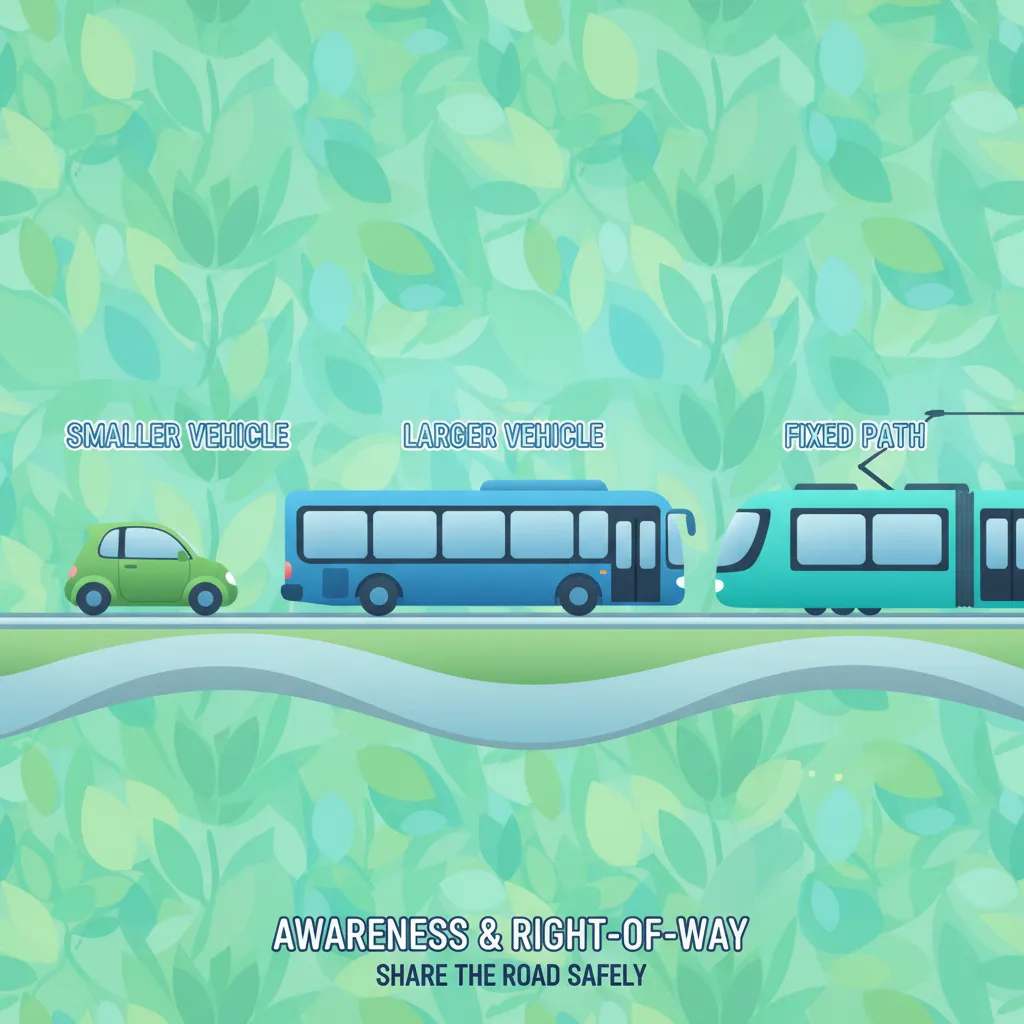
This lesson provides specific guidance for sharing the road with different types of vehicles in Austria. It covers the dangers of large vehicle blind spots, the rules for navigating near buses and dedicated tram tracks, and common conflict points at intersections. Understanding the behavior and limitations of other vehicles is key to safely navigating complex urban environments.
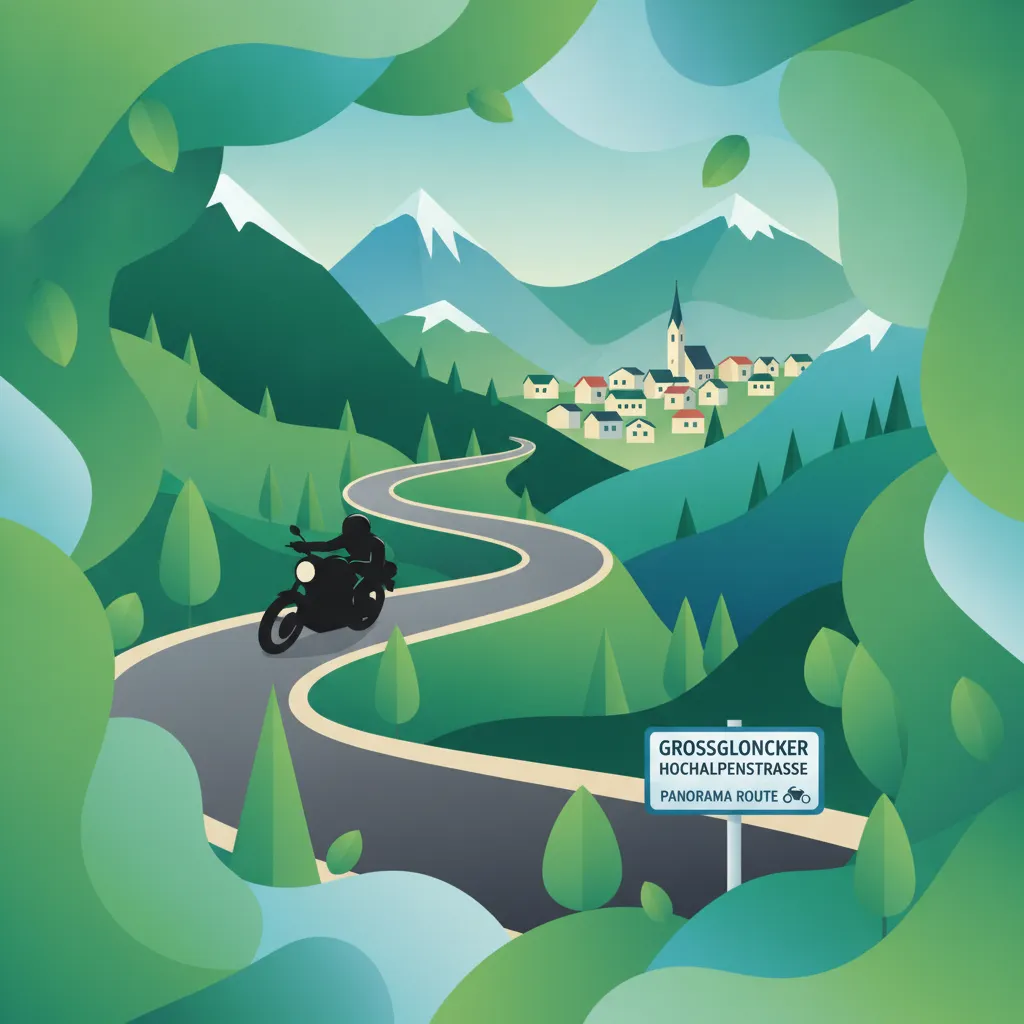
This lesson provides advice for navigating popular scenic routes, which often feature heavy traffic, cyclists, and distracted drivers. It emphasizes maintaining focus on the road despite beautiful scenery and anticipating unpredictable actions from other tourists who may stop suddenly. Adopting a patient and defensive mindset is key to safely enjoying these remarkable roads.

This lesson breaks down the overtaking maneuver into a safe, repeatable process: assess, signal, check, move, and return. It emphasizes the importance of ensuring a sufficient gap in oncoming traffic, checking mirrors and blind spots thoroughly, and maintaining a proper speed differential. Adherence to Austrian laws regarding where overtaking is prohibited is also covered in detail.

This lesson teaches a safe, methodical process for navigating intersections. It stresses the importance of proper lane positioning on approach, comprehensive visual scans for cross-traffic, pedestrians, and cyclists, and clear communication of intent. Special attention is given to the increased risks associated with left turns across oncoming traffic.
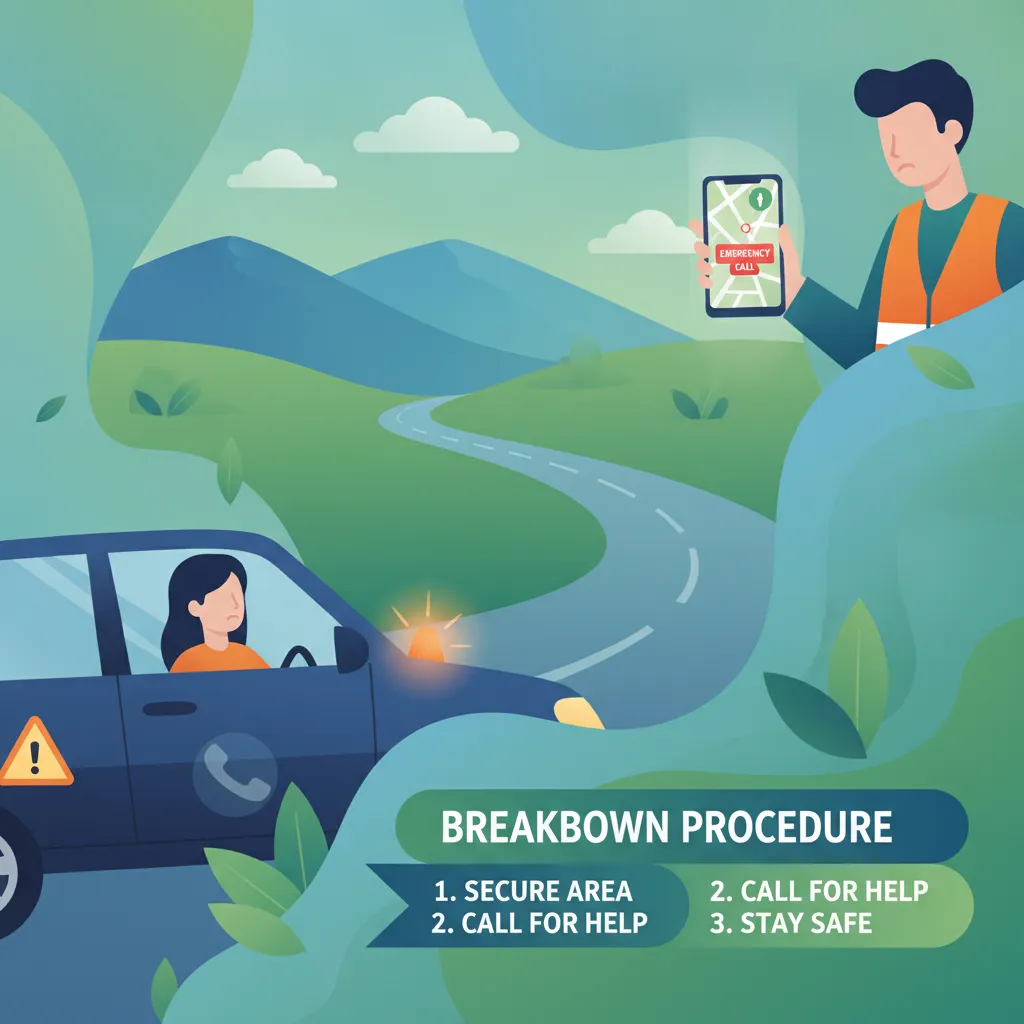
This lesson outlines the step-by-step safety protocol for a vehicle breakdown. It instructs the rider to move the motorcycle to the safest possible location, activate hazard lights, and put on a high-visibility vest. The proper placement of a warning triangle and the procedure for making an emergency call to 112 or a roadside assistance service are also detailed.

This lesson focuses on identifying and mitigating common hazards in dense urban settings. It explains how to maintain a safe distance from parked cars to avoid opening doors and how to navigate narrow streets. Additionally, it covers the special rules and heightened awareness required when riding in or near pedestrian zones and school areas.
Understand how to interpret temporary warning signs, mandatory speed limits, and altered lane markings used in Austrian construction zones. Master the rules for safe navigation around roadworks areas.

This lesson details the various types of road markings and their significance for guiding traffic and ensuring safety. Learners will understand the rules associated with solid versus broken lane lines, the instructions provided by directional arrows painted on the road, and the purpose of stop lines and pedestrian crossing markings. The content emphasizes how these markings work in conjunction with signs to regulate traffic flow and define legal lane usage.
This lesson categorizes and explains the different types of Austrian road signs, including warning, regulatory, and informational signs. It details how the shape and color of a sign indicate its function, such as communicating speed limits, prohibitions, or mandatory actions. Understanding this visual system is fundamental for making correct and safe decisions while riding.

This lesson focuses on the interpretation of traffic lights and road surface markings that guide riders through intersections. It covers the meaning of each traffic light phase, the rules for amber lights, and the significance of various lane lines and stop lines. Properly understanding these signals is essential for maintaining traffic flow and ensuring safety at junctions.
This lesson explains how to use different positions within a lane to maximize visibility, create safety buffers, and plan escape routes. It introduces the concept of anticipative riding, which involves actively scanning for potential hazards and predicting the actions of other drivers. Strategic positioning is a dynamic skill that allows a rider to manage space and time effectively in changing traffic.
This lesson provides a comprehensive explanation of Austria's right-of-way laws, which are fundamental to intersection safety. It covers the meaning of different priority signs and clarifies the 'Rechts vor Links' (priority to the right) rule that applies at unmarked junctions. A clear understanding of these rules is essential to prevent conflicts and collisions in urban and rural settings.
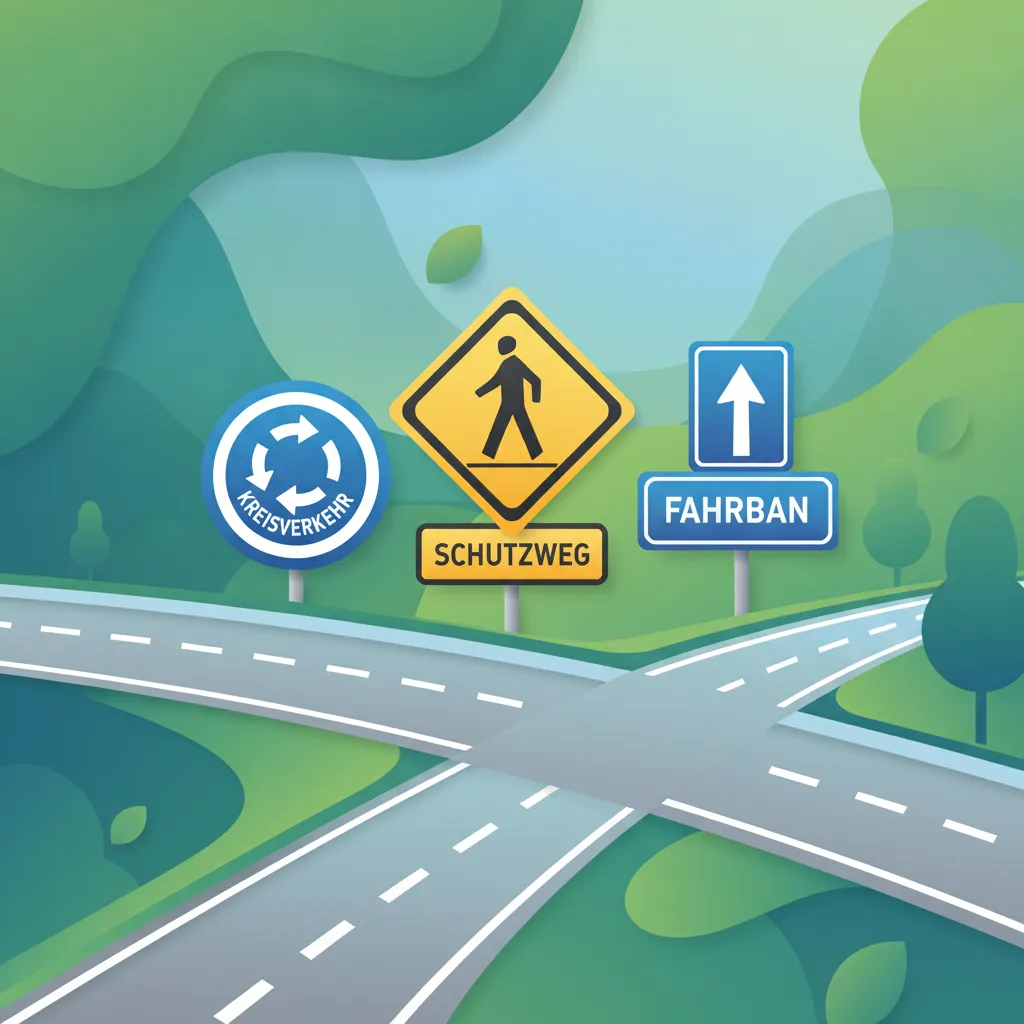
This lesson covers the specific regulations associated with special Austrian road signs and areas. It details the rules for 'Schutzweg' (protected pedestrian crossings), 'Kreisverkehr' (roundabouts), and the distinction between 'Fahrbahn' (road) and 'Fahrstreifen' (lane). Understanding these specific contexts is essential for safe navigation in urban and suburban environments.

This lesson covers the principles of proper lane discipline, including maintaining a correct and steady position within a lane and adhering to the 'keep right' rule on multi-lane roads. It details the safe and systematic protocol for changing lanes, which involves checking mirrors, signaling intention, performing a blind spot check, and then smoothly executing the manoeuvre. Correct lane usage is essential for maintaining predictable and safe traffic flow.
This lesson explains the operation and meaning of traffic light signals in Austria, including the standard red, yellow, and green phases, as well as flashing signals and arrows. It also covers other priority control devices, such as stop signs and yield signs, which are used to manage right-of-way at intersections. Understanding the hierarchy between these signals and signs is crucial for navigating junctions safely and in compliance with the law.

This lesson focuses on clear communication with other road users through the correct use of signals. It covers the proper operation of turn indicators, including the importance of cancelling them after a maneuver, and the use of brake lights. Additionally, it reviews standard hand signals for turning and stopping, which serve as a vital backup or supplementary communication tool.

This lesson focuses on warning signs, which are designed to alert drivers to potential hazards ahead. Learners will explore the meanings of signs indicating sharp curves, changes in road surface, potential animal crossings, and upcoming construction zones. The content explains how the characteristic triangular shape and symbols convey specific dangers, enabling drivers to anticipate conditions and adjust their speed and attention accordingly.
Find clear answers to common questions learners have about Roadworks and Construction Zones. Learn how the lesson is structured, which driving theory objectives it supports, and how it fits into the overall learning path of units and curriculum progression in Austria. These explanations help you understand key concepts, lesson flow, and exam focused study goals.
Yes. When yellow or orange temporary road markings are present, they always override permanent white markings. You must follow the temporary lane guidance exactly, as it is designed for the current construction layout.
The most common hazards are sudden changes in road surface, such as loose gravel, uneven edges, or metal plates, and narrowed lanes that reduce your room for error. Always reduce your speed and increase your following distance to prepare for these conditions.
In the context of the official theory exam, you should prioritize strict adherence to road signs and lane markings. Filtering through narrow construction zones can be dangerous and is generally not the expected safe response in theory scenarios.
Maintain a steady, slow speed, use your indicators early to signal your path, and keep a wide berth from workers. Always look for traffic controllers (flag-people) whose signals must be followed immediately, regardless of standard traffic light indications.
Refine your study plan by searching for specific Austrian driving theory practice sets. Pinpoint questions related to particular road rules, signs, or challenge levels, and begin practicing immediately to reinforce your knowledge and excel in your official exam with confidence. Get started with focused revision today.