
Logo
Austrian Driving Theory Courses

Lesson 2 of the Rural Roads, Alpine Roads, Motorways, Tunnels and Weather unit

Austrian Driving Theory B: Alpine Road Navigation, Gradients, and Weather Impacts

This lesson guides you through the unique challenges of driving on Austrian alpine roads, a critical topic for your Category B license. You will learn how to handle steep gradients, safely negotiate narrow mountain turns, and adapt your driving behavior to sudden weather shifts. Building on the basic vehicle control skills learned in previous units, this module prepares you for both mountain driving scenarios and specific alpine-related questions on your theory test.
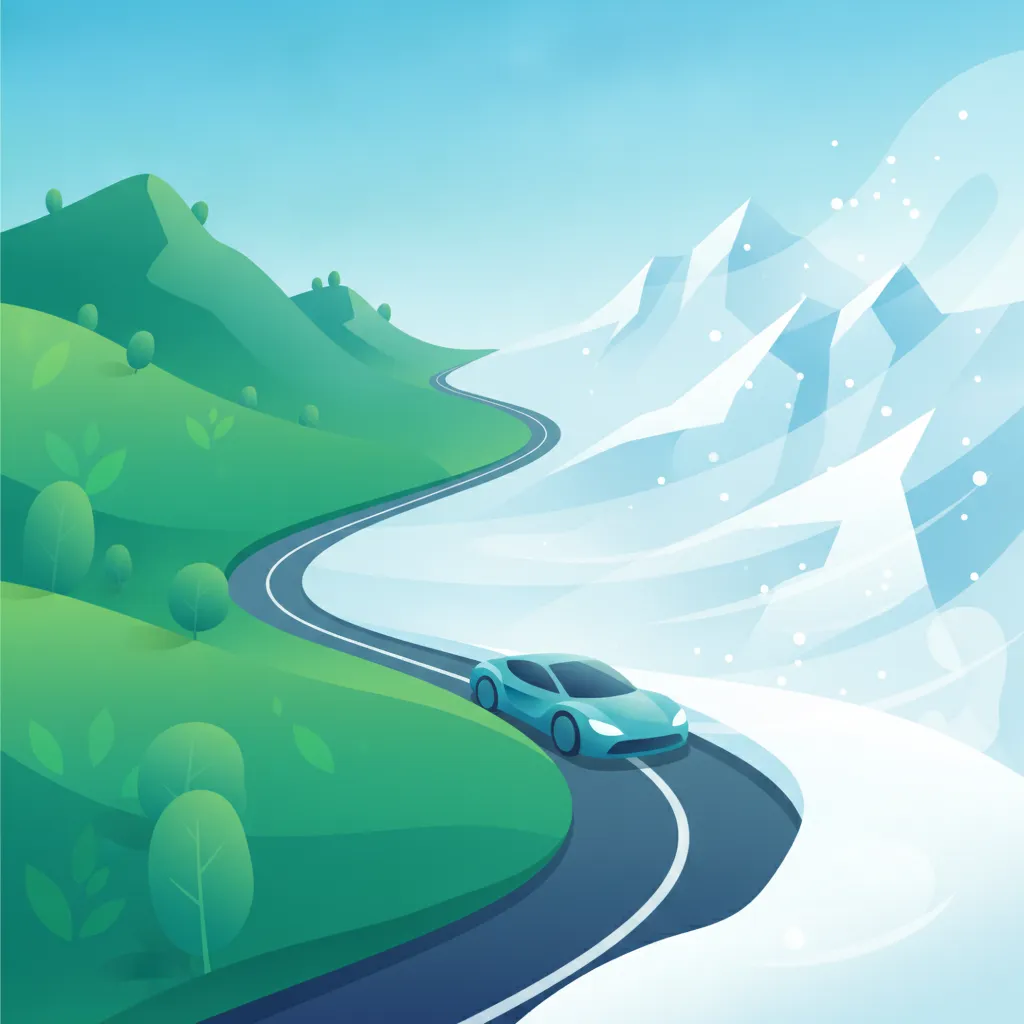
alpine drivingmountain roadsCategory Btheory examsafe driving
Austrian Driving Theory B: Alpine Road Navigation, Gradients, and Weather Impacts

Lesson content overview

Austrian Driving Theory B

Mastering Alpine Road Driving in Austria: Gradients, Navigation, and Weather Impacts

Driving on alpine roads presents a unique set of challenges that demand specialized skills and heightened awareness. For drivers in Austria, where mountainous terrain is prevalent, understanding how to safely navigate steep gradients, tight turns, and rapidly changing weather conditions is not just beneficial, but essential for both safety and legal compliance. This comprehensive lesson will equip you with the knowledge needed to confidently and responsibly tackle the country's breathtaking, yet demanding, mountain routes as part of your Austrian Driving License B theory course.

Understanding Alpine Road Gradients and Their Impact

Alpine roads are characterized by significant changes in elevation, known as gradients or slopes. A gradient refers to the steepness of a road, expressed as a percentage or a ratio. A positive gradient indicates an uphill climb, while a negative gradient signifies a downhill descent. Understanding these slopes is fundamental to safe mountain driving, as they directly influence your vehicle's performance and handling.

What are Road Gradients?

A road's gradient is calculated based on its vertical rise or fall over a horizontal distance. For instance, a 10% gradient means the road rises or falls 10 meters for every 100 meters traveled horizontally. Steep gradients demand more power from your vehicle when ascending and require more effective braking when descending. Recognizing gradient signs and anticipating their effects are key to proactive driving.

Managing Uphill Climbs Safely

Ascending steep inclines places a significant load on your vehicle's engine. To manage uphill climbs effectively, selecting the correct gear is crucial. You should choose a lower gear (e.g., second or third) that allows the engine to operate within its optimal power band without straining. Downshifting before the steepest part of the climb helps maintain momentum and prevents the engine from struggling or stalling. Avoid accelerating excessively, as this can lead to overheating. Maintaining a steady, appropriate speed is far more effective.

Safe Descent Strategies: The Art of Engine Braking

Descending steep mountain passes can be more dangerous than climbing them if not done correctly. Continuous reliance on your foot brake during a long descent can cause brake fade, where the brakes overheat and lose their effectiveness, potentially leading to a complete loss of braking power. This is why engine braking is a vital skill for alpine road navigation.

How Engine Braking Works

Engine braking involves using the resistance of your vehicle's engine to slow down the vehicle, rather than relying solely on the friction brakes. When you shift into a lower gear on a descent, the engine is forced to turn faster by the wheels, creating a natural resistance that slows the vehicle. This converts kinetic energy into engine work, significantly reducing the workload on your vehicle's friction brakes.

When and How to Use Engine Braking Effectively

To use engine braking effectively, anticipate descents and downshift into a gear that allows the engine to keep the vehicle's speed in check without needing constant foot braking. The goal is to select a gear that would allow you to climb the same gradient without excessive acceleration. On very steep or long descents, this might mean using second or even first gear.

Procedure for Safe Downhill Descents with Engine Braking

  1. Anticipate the Descent: Look ahead for gradient signs or the road curvature indicating a downhill section.

  2. Reduce Speed Before Entry: Lightly apply your foot brake before the descent begins to bring your speed down to a safe level.

  3. Select a Low Gear: Shift into a lower gear (e.g., 3rd, 2nd, or even 1st for very steep sections). The engine RPMs will increase, which is normal for engine braking.

  4. Monitor Speed: Allow the engine braking to maintain a controlled speed. Use light, intermittent presses of the foot brake only if the vehicle starts to accelerate beyond your desired safe speed.

  5. Avoid Over-Revving: Ensure your engine's RPMs do not enter the red zone. If they do, you might need to select a slightly higher gear or brake more firmly to reduce speed before selecting a lower gear.

Warning

In Austria, StVO § 49 Abs. 2 explicitly mandates drivers to use a lower gear on long downward slopes to prevent brake overheating. Failure to do so is a violation and can lead to serious safety risks.

Alpine roads are famous for their dramatic hairpin turns (or switchbacks), which are extremely sharp, almost 180-degree bends designed to manage steep changes in elevation over a short horizontal distance. These turns require precise handling and significant speed reduction to negotiate safely.

Characteristics of Hairpin Turns

Hairpin turns are often blind, meaning you cannot see through the turn or what might be coming around it until you are already in it. They can be very tight, sometimes requiring multiple steering inputs, and may have different banking angles or road surfaces than straight sections. Many hairpin turns on Austrian alpine roads are narrow, limiting space, especially for larger vehicles.

The Correct Cornering Technique for Hairpins

Successfully navigating a hairpin turn involves a careful sequence of actions to maintain control, avoid crossing into oncoming traffic, and manage vehicle stability.

Procedure for Negotiating Hairpin Turns

  1. Approach Slowly and Wide: Reduce your speed significantly well before entering the turn. For right-hand hairpins, position your vehicle slightly towards the left side of your lane (without crossing the center line) to maximize your turning radius. For left-hand hairpins, stay towards the right.

  2. Select the Right Gear: Downshift to a low gear (usually second or even first) that provides sufficient power to pull you through the turn and engine braking on entry, if needed. This gear should be selected before you enter the turn.

  3. Look Through the Turn: Aim your vision as far as possible through the turn to anticipate the exit and any potential hazards.

  4. Steer Smoothly: Begin turning the steering wheel gradually and smoothly as you enter the apex of the curve. Keep your speed low and consistent. Avoid sudden steering inputs.

  5. Accelerate Gently on Exit: Once you can see the exit of the turn and the road ahead is clear, gently apply throttle to smoothly accelerate out of the bend. This helps stabilize the vehicle.

Tip

Be particularly vigilant for cyclists, motorcyclists, and oncoming traffic that might be cutting the corner, especially on blind hairpins. Sounding your horn can be a good safety measure if visibility is severely restricted.

Altitude Effects on Your Vehicle and Driving Performance

Driving at higher altitudes, common in the Austrian Alps, affects both your vehicle's performance and your own physical state. Understanding these changes is crucial for safe navigation.

Reduced Engine Power at High Altitudes

As you ascend, the air density decreases, meaning there's less oxygen available for combustion in your engine. For naturally aspirated engines (without turbochargers), this results in a noticeable reduction in engine power. You'll find your vehicle accelerates more slowly and struggles more on uphill climbs. Turbocharged engines are less affected but still experience some power loss.

Implications: You will need to shift into lower gears earlier than you might at sea level to maintain momentum and prevent the engine from laboring. Anticipate slower acceleration and plan overtaking maneuvers with extra caution.

Braking Efficiency Changes with Altitude

The lower air density at altitude can also marginally affect the efficiency of your vehicle's cooling systems, including those for the brakes. While the primary concern on descents is brake fade from overuse, prolonged heavy braking at high altitudes might contribute to quicker overheating compared to lower elevations.

Implications: Reinforce the importance of engine braking and avoid over-reliance on friction brakes. Regularly check your brake fluid levels and ensure your brake system is well-maintained.

Driver Considerations at Higher Elevations

Lower oxygen levels at very high altitudes can affect drivers, leading to mild symptoms such as increased fatigue, headaches, or reduced concentration. While these effects are usually minor at typical alpine driving altitudes, awareness is key.

Implications: Take more frequent breaks, especially on long mountain journeys. Stay hydrated and avoid heavy meals. If you feel unusually tired or unwell, pull over safely and rest.

Adapting to Rapid Alpine Weather Changes

Alpine weather is notoriously unpredictable and can change dramatically within minutes, often varying significantly between the base of a mountain and its summit. Being prepared for and adapting to these rapid changes is paramount.

Sudden Rain and Fog: Visibility Challenges

Rain can quickly make roads slippery, especially after a dry spell when oil and dirt mix with water to form a slick surface. Fog, mist, and low clouds are common in mountain passes, drastically reducing visibility.

Driving in Rain and Fog

  1. Reduce Speed: Lower your speed significantly to match the reduced visibility and traction.

  2. Increase Following Distance: Double or even triple your normal following distance to allow more time to react to hazards.

  3. Use Appropriate Lighting: Activate your low-beam headlights. If visibility is severely reduced (typically below 50 meters), use your front and rear fog lights. Never use high beams in fog, as they reflect light back, worsening visibility.

  4. Avoid Sudden Movements: Steer, brake, and accelerate gently to maintain traction.

Driving in Snow and Ice: Essential Precautions

Snow and ice are significant hazards on alpine roads during colder months, making roads extremely treacherous.

Warning

In Austria, winter tires (M+S marked with the Alpine symbol) are legally required on designated mountain roads and during specific periods (generally November 1st to April 15th) when winter driving conditions prevail. Some alpine passes may also require snow chains to be carried or even fitted.

Precautions for Snow and Ice:

  • Winter Tires: Ensure your vehicle is fitted with appropriate winter tires.
  • Gentle Inputs: Use extremely gentle acceleration, braking, and steering. Any abrupt movement can cause a skid.
  • Increased Following Distance: Allow a significantly greater following distance – up to ten times the normal distance on icy roads.
  • Lower Gear Usage: Maintain a low gear to maximize engine braking and control.
  • Look Far Ahead: Anticipate hazards well in advance.
  • Black Ice: Be aware of "black ice," which is nearly invisible and often forms in shaded areas or on bridges.

Temperature Variations and Road Surface Impacts

Temperatures can drop rapidly at higher elevations, even in seemingly mild weather. This can lead to:

  • Freezing Rain or Sleet: Rain can turn to ice or sleet unexpectedly.
  • Ice Formation: Water from melting snow or rain can freeze rapidly in shaded areas, creating sudden icy patches.
  • Reduced Tire Grip: Even without visible ice, cold temperatures reduce the grip of summer tires.

Implications: Always monitor the ambient temperature. Be extra cautious when crossing bridges or driving in tunnels where temperature changes can be abrupt, leading to sudden slippery conditions.

Essential Pre-Trip Planning for Mountain Journeys

Thorough pre-trip planning is non-negotiable for any journey into alpine regions. Being well-prepared can prevent serious incidents and ensure a safer, more enjoyable experience.

Checking Weather and Road Conditions

Always check the latest weather forecasts for your entire route, paying close attention to mountain pass conditions and altitude-specific warnings. Consult official road condition reports or traffic information services to check for road closures, diversions, or special requirements (e.g., snow chain mandate).

Vehicle Preparation: Fuel, Tires, and Brakes

  • Fuel: Fill your fuel tank before entering remote alpine areas. Fuel stations can be sparse and expensive in the mountains.
  • Tires: Ensure your tires are in good condition with adequate tread depth. Check tire pressure, as altitude changes can affect it. If driving in winter, ensure winter tires are fitted and meet legal requirements.
  • Brakes: Have your brakes checked regularly. Alpine driving puts extra stress on the braking system.
  • Fluids: Check engine oil, coolant, and windscreen washer fluid levels. An overheated engine is a risk on long climbs.

Emergency Kit and Safety Gear

Carry an emergency kit that includes:

  • Warning triangle and reflective vest (mandatory in Austria).
  • First-aid kit (mandatory).
  • Warm clothing and blankets.
  • Food and water.
  • Shovel, sand, or cat litter (for traction in snow).
  • Jump start cables.
  • Flashlight.
  • Mobile phone and charger (be aware of limited reception in remote areas).

Tip

For winter alpine journeys, it is highly advisable to carry snow chains and know how to fit them, even if not explicitly mandated for your route, as conditions can change rapidly.

Austrian Traffic Regulations for Mountainous Roads

While general traffic laws apply, specific regulations and increased vigilance are crucial on alpine roads.

As mentioned, Austrian traffic law (StVO § 49 Abs. 2) requires drivers to use a lower gear on long downward slopes to prevent brake overheating. Non-compliance can lead to fines and is a significant safety hazard.

Mandatory Winter Tire Use (StVO § 41)

StVO § 41 mandates that vehicles must be equipped with functioning brakes, lights, and tires appropriate for weather conditions. Specifically, winter tires (marked with M+S and the Alpine symbol) are required in Austria from November 1st to April 15th when winter conditions prevail, or on roads specifically designated as requiring winter equipment. On certain alpine passes, signs may indicate mandatory snow chain use.

Speed Management and Visibility Rules (StVO § 7, § 33)

  • Speed Limits (StVO § 7): Standard speed limits apply unless otherwise indicated. However, on alpine roads, you must always adjust your speed to the road geometry, visibility, and conditions. This often means driving significantly below the posted limit.
  • Right of Way at Blind Intersections (StVO § 33): At blind intersections or hairpin turns with extremely limited sightlines, vehicles should proceed only after ensuring the way is absolutely clear. You may need to stop before the bend to check for oncoming traffic.

Proper Use of Hazard Warning Lights (StVO § 57)

If your vehicle becomes stationary and impedes traffic on a steep gradient or on the roadside in an alpine area, StVO § 57 requires you to use your hazard warning lights to alert other drivers. This is especially critical in areas with reduced visibility or where rescue times might be longer.

Common Mistakes and How to Avoid Them on Alpine Roads

Being aware of frequent errors can help you drive more safely.

  1. Relying Solely on Friction Brakes on Long Declines: This is the most common and dangerous mistake, leading to brake fade. Always prioritize engine braking.
  2. Entering Hairpin Turns at Excessive Speed: Causes loss of control, understeer, and can force you into the oncoming lane. Always reduce speed significantly before the turn.
  3. Neglecting Winter Tires on Alpine Roads in Cold Seasons: Significantly reduces traction on snow/ice. Ensure correct tires are fitted when required.
  4. Driving in Severe Fog or Snow Without Appropriate Lights: Reduces your visibility to others and your ability to see the road. Use low beams and fog lights.
  5. Stopping on a Steep Gradient Without Engaging a Gear: The vehicle may roll backward. Always engage a gear (first or reverse depending on direction of slope) or the parking brake firmly.
  6. Failing to Adjust Speed for Altitude-Reduced Engine Power Uphill: Can lead to engine strain or stalling. Downshift early and maintain momentum.
  7. Assuming Clear Weather at Base Means Clear Conditions at Summit: Alpine weather is highly localized and changeable. Always check forecasts for specific altitudes.

Key Terms for Alpine Road Navigation

Learn more with these articles

Check out these practice sets

Lesson recap

Quick summary before you move on

Fast revision

This lesson covers essential techniques for navigating Austria's demanding alpine roads, including gradient management, engine braking procedures to prevent brake fade, and proper hairpin turn negotiation. It addresses how altitude affects vehicle performance with reduced engine power and altered braking efficiency, requiring drivers to shift earlier and rely more on engine braking. The content also covers adapting to rapid alpine weather changes including fog, rain, snow, and ice, with specific Austrian legal requirements for winter tires and engine braking use under StVO regulations. Thorough pre-trip planning is emphasized as essential, including vehicle preparation, emergency equipment, and checking route-specific conditions before entering mountainous regions.


Core takeaways

Main ideas from this lesson

A short set of high-value points that capture the most important learning from this lesson.

Road gradients are expressed as percentages indicating vertical change per horizontal distance, and steep gradients require selecting lower gears for safe climbing and engine braking on descents

Engine braking uses the resistance of a lower gear to slow the vehicle on descents, preventing dangerous brake fade from overheated friction brakes

Hairpin turns require significant speed reduction before entering, positioning toward the outer edge of your lane, and accelerating gently only after confirming the exit is clear

High altitude reduces engine power due to lower air density, requiring earlier downshifts and more cautious overtaking maneuvers

Alpine weather can change rapidly with temperature drops, fog, rain, or snow appearing suddenly between the valley and summit

Remember this

Details worth keeping in mind

Point 1

StVO § 49 Abs. 2 legally requires using a lower gear on long downhills to prevent brake overheating, not optional technique

Point 2

Winter tires (M+S with Alpine symbol) are mandatory in Austria from November 1st to April 15th when winter conditions prevail on designated roads

Point 3

Never rely solely on foot brakes on steep descents—engine braking should be your primary slowing method with friction brakes used only intermittently

Point 4

At altitudes above typical driving elevations, expect reduced engine power, marginal brake cooling efficiency, and possible driver fatigue from lower oxygen levels

Point 5

Before entering remote alpine areas, check weather forecasts for your specific altitude, ensure adequate fuel, and carry mandatory safety equipment including warning triangle, reflective vest, and first-aid kit

Watch for this

Frequent learner mistakes

Using only friction brakes on long mountain descents, which causes brake fade and potential complete loss of braking ability

Entering hairpin turns too fast, causing loss of control and forcing the vehicle into the oncoming lane

Failing to downshift early enough on uphill climbs, forcing the engine to labor and potentially overheat

Assuming clear conditions at the mountain base mean clear conditions at the summit—alpine weather is highly localized and changeable

Stopping on a steep gradient without engaging a gear or setting the parking brake firmly, risking the vehicle rolling backward

Search topics related to Alpine Road Navigation, Gradients, and Weather Impacts

Explore search topics learners often look for when studying Alpine Road Navigation, Gradients, and Weather Impacts. These topics reflect common questions about road rules, driving situations, safety guidance, and lesson level theory preparation for learners in Austria.

how to drive on alpine roads in AustriaAustrian driving theory mountain driving questionsusing lower gears on steep descents Austriadriving theory test alpine road signs Austriahow to pass Category B theory test mountain driving sectionsafe driving on steep gradients and hairpin turns Austriamountain driving tips for Austrian theory exam

Related driving theory lessons for Alpine Road Navigation, Gradients, and Weather Impacts

Browse additional driving theory lessons that cover connected traffic rules, road signs, and common driving situations related to this topic. Improve your understanding of how different rules interact across everyday traffic scenarios.

Common Mistakes When Driving on Alpine Roads in Austria

Learn to avoid critical errors on steep mountain roads. This lesson covers frequent driver mistakes regarding gradients, hairpin turns, weather, and braking, crucial for your Austrian Category B theory.
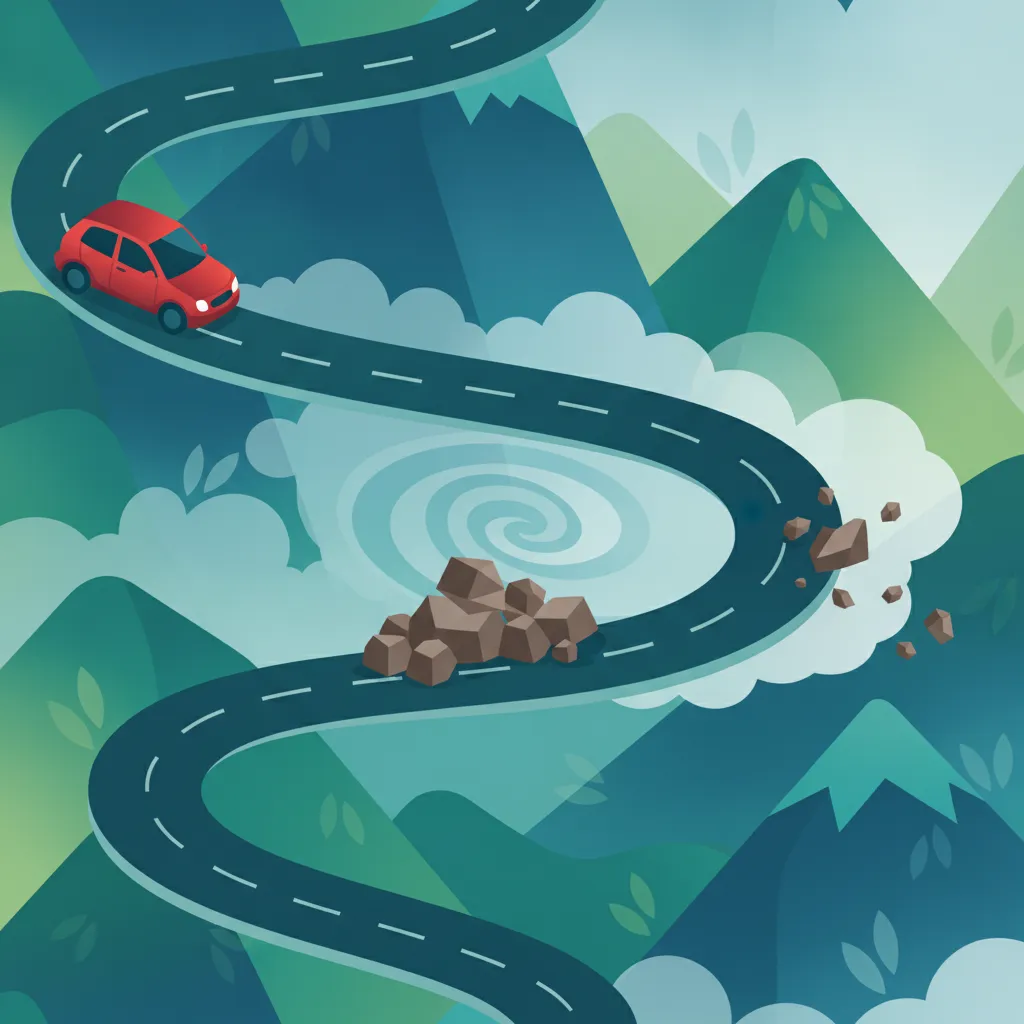
alpine drivingmountain roadscommon mistakesdriving safetytheory explanationsAustria
Alpine Road Characteristics and Hazards lesson image

Alpine Road Characteristics and Hazards

This lesson prepares riders for the specific conditions of Austria's mountain passes. It highlights hazards such as tight hairpin turns, potential for sudden weather changes, rockfall, and variable road surfaces. Awareness of these unique challenges allows riders to anticipate risks and adapt their technique for safe and enjoyable alpine touring.
Austrian Motorcycle Theory (A)Steering, Cornering, Bends, Gradients and Alpine Road Awareness
View lesson
Road Markings and Lane Guidance lesson image

Road Markings and Lane Guidance

This lesson details the various types of road markings and their significance for guiding traffic and ensuring safety. Learners will understand the rules associated with solid versus broken lane lines, the instructions provided by directional arrows painted on the road, and the purpose of stop lines and pedestrian crossing markings. The content emphasizes how these markings work in conjunction with signs to regulate traffic flow and define legal lane usage.
Austrian Driving Theory BSigns, Supplementary Plates, Signals and Road Markings
View lesson
Rural Road Features and Safe Driving Practices lesson image

Rural Road Features and Safe Driving Practices

This lesson explores the specific characteristics and hazards of rural roads (Landstraßen). It emphasizes the need for careful speed adjustment due to factors like narrow lanes, poor road surfaces, and hidden entrances. Learners will understand how to safely navigate blind curves, use passing places, and anticipate the presence of slow-moving agricultural vehicles or livestock on the road.
Austrian Driving Theory BRural Roads, Alpine Roads, Motorways, Tunnels and Weather
View lesson
Driving on Rural and Narrow Austrian Roads lesson image

Driving on Rural and Narrow Austrian Roads

Rural Austrian roads present unique challenges, including lack of markings, tight spaces, and slow-moving agricultural vehicles. This lesson teaches how to read the road ahead, anticipate hazards around blind bends, and use passing places effectively when meeting other large vehicles. It emphasizes adjusting speed to suit the limited visibility and variable road conditions.
Austrian Driving Theory DRural Services, Alpine Routes, Motorways, Tunnels and Long-Distance Coaches
View lesson
Downhill Speed Management on Alpine Grades lesson image

Downhill Speed Management on Alpine Grades

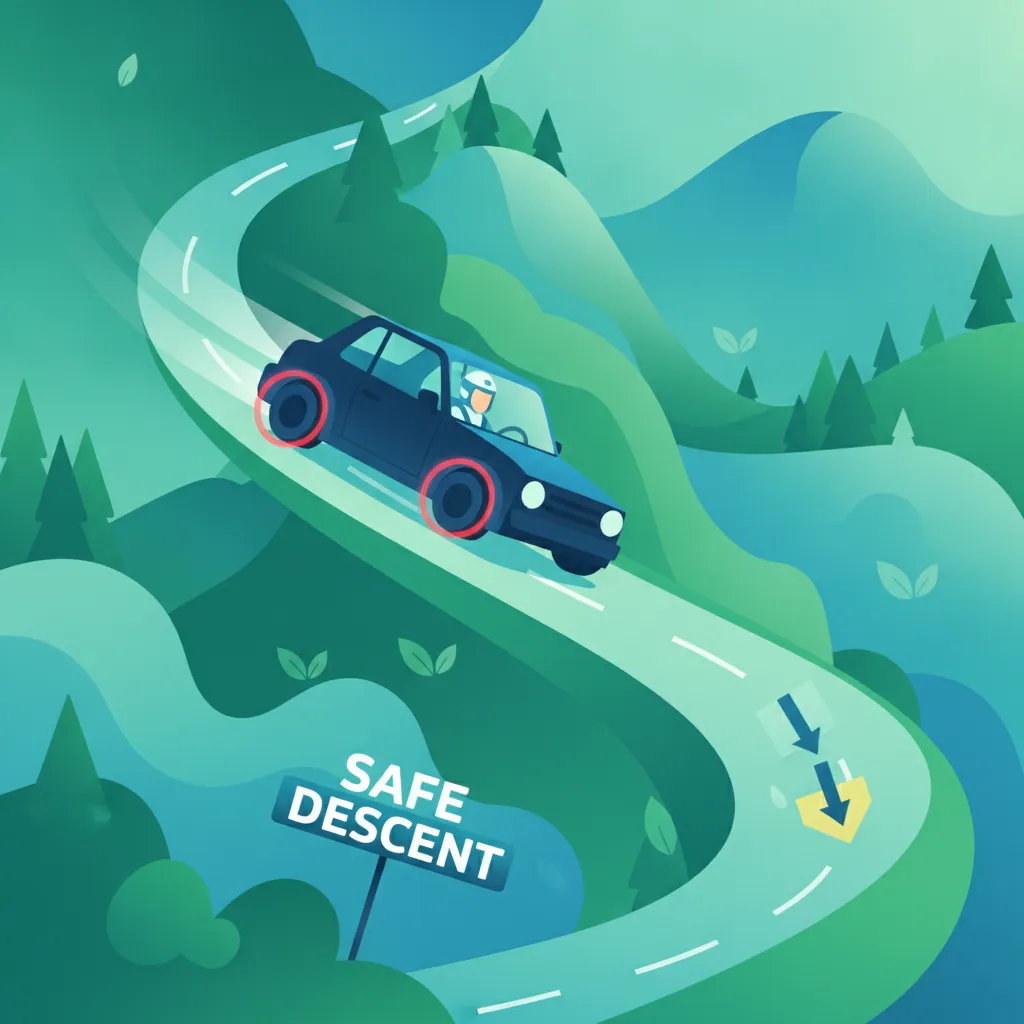
This lesson provides critical techniques for managing vehicle speed on the steep, long gradients found on Alpine roads. It emphasizes selecting the correct gear before the descent and using auxiliary braking systems to maintain a safe, controlled speed. These practices are essential to prevent service brake overheating and potential failure (brake fade).
Austrian HGV Theory CBrakes, Retarders, Downhill Control and Stopping Distance
View lesson
Tourist Route Specifics and Scenic Riding lesson image

Tourist Route Specifics and Scenic Riding

This lesson provides advice for navigating popular scenic routes, which often feature heavy traffic, cyclists, and distracted drivers. It emphasizes maintaining focus on the road despite beautiful scenery and anticipating unpredictable actions from other tourists who may stop suddenly. Adopting a patient and defensive mindset is key to safely enjoying these remarkable roads.

Austrian Motorcycle Theory (A)Overtaking, Motorways, Tunnels, Rural Roads and Tourist Routes
View lesson
Free‑Riding on Mountain Passes lesson image

Free‑Riding on Mountain Passes

This lesson focuses on the responsible enjoyment of riding on Austria's iconic mountain passes. It emphasizes finding a smooth, safe rhythm rather than excessive speed, and the importance of managing fatigue on long, demanding rides. Topics include planning for breaks, staying hydrated, and being considerate of other road users on these popular scenic routes.
Austrian Motorcycle Theory (A)Steering, Cornering, Bends, Gradients and Alpine Road Awareness
View lesson
Lane Discipline and Lane Change Protocols lesson image

Lane Discipline and Lane Change Protocols

This lesson covers the principles of proper lane discipline, including maintaining a correct and steady position within a lane and adhering to the 'keep right' rule on multi-lane roads. It details the safe and systematic protocol for changing lanes, which involves checking mirrors, signaling intention, performing a blind spot check, and then smoothly executing the manoeuvre. Correct lane usage is essential for maintaining predictable and safe traffic flow.
Austrian Driving Theory BObservation, Lane Use, Turning, Overtaking and Manoeuvres
View lesson
Weight Restrictions on Alpine Passes and Bridges lesson image

Weight Restrictions on Alpine Passes and Bridges

This lesson covers the specific weight restrictions that apply to sensitive infrastructure like Alpine passes and bridges throughout Austria. It explains how to identify these limits through road signage and incorporate them into route planning. Adhering to these restrictions is vital for preventing structural damage and ensuring safety in challenging terrain.
Austrian HGV Theory CMass, Dimensions, Axle Loads, Payload and Operating Limits
View lesson
Navigating Alpine Routes, Gradients and Hairpin Bends lesson image

Navigating Alpine Routes, Gradients and Hairpin Bends

Driving a heavy vehicle in the Alps requires specific skills to manage its energy and momentum. This lesson focuses on using lower gears and auxiliary braking systems (retarder/engine brake) to control speed on long descents and prevent brake overheating. It also covers the correct line and technique for navigating tight hairpin turns safely and efficiently.

Austrian Driving Theory DRural Services, Alpine Routes, Motorways, Tunnels and Long-Distance Coaches
View lesson

Austrian Traffic Regulations and Preparation for Alpine Roads

Understand the specific Austrian laws and essential preparation steps for driving mountain roads. Covers legal requirements for gradients, winter tires, and necessary safety gear for alpine conditions.

alpine drivingmountain roadstraffic regulationswinter drivingvehicle preparationAustria
Alpine Road Characteristics and Hazards lesson image

Alpine Road Characteristics and Hazards

This lesson prepares riders for the specific conditions of Austria's mountain passes. It highlights hazards such as tight hairpin turns, potential for sudden weather changes, rockfall, and variable road surfaces. Awareness of these unique challenges allows riders to anticipate risks and adapt their technique for safe and enjoyable alpine touring.

Austrian Motorcycle Theory (A)Steering, Cornering, Bends, Gradients and Alpine Road Awareness
View lesson
Weight Restrictions on Alpine Passes and Bridges lesson image

Weight Restrictions on Alpine Passes and Bridges

This lesson covers the specific weight restrictions that apply to sensitive infrastructure like Alpine passes and bridges throughout Austria. It explains how to identify these limits through road signage and incorporate them into route planning. Adhering to these restrictions is vital for preventing structural damage and ensuring safety in challenging terrain.

Austrian HGV Theory CMass, Dimensions, Axle Loads, Payload and Operating Limits
View lesson
Tourist Route Specifics and Scenic Riding lesson image

Tourist Route Specifics and Scenic Riding

This lesson provides advice for navigating popular scenic routes, which often feature heavy traffic, cyclists, and distracted drivers. It emphasizes maintaining focus on the road despite beautiful scenery and anticipating unpredictable actions from other tourists who may stop suddenly. Adopting a patient and defensive mindset is key to safely enjoying these remarkable roads.

Austrian Motorcycle Theory (A)Overtaking, Motorways, Tunnels, Rural Roads and Tourist Routes
View lesson
Austrian Tunnel Regulations and Safety Procedures lesson image

Austrian Tunnel Regulations and Safety Procedures

Austria's mountainous terrain means drivers will frequently encounter long tunnels. This lesson details the specific regulations, such as turning on lights and maintaining distance, as well as how to react to tunnel-specific warning signs and signals. Crucially, it covers the correct emergency procedures to follow in the event of a fire, accident, or breakdown inside a tunnel.

Austrian Driving Theory DRural Services, Alpine Routes, Motorways, Tunnels and Long-Distance Coaches
View lesson
General Traffic Rules for Heavy Vehicles lesson image

General Traffic Rules for Heavy Vehicles

This lesson details the general traffic rules applicable to heavy goods vehicles on Austrian roads, highlighting differences from passenger car regulations. It covers key topics such as right-of-way at intersections, specific rules for overtaking, maintaining proper lane discipline, and adhering to designated speed limits. Understanding these rules is critical for safe integration into mixed traffic.

Austrian HGV Theory CAustrian C Categories, Heavy-Vehicle Responsibility and Professional Mindset
View lesson
Driving on Rural and Narrow Austrian Roads lesson image

Driving on Rural and Narrow Austrian Roads

Rural Austrian roads present unique challenges, including lack of markings, tight spaces, and slow-moving agricultural vehicles. This lesson teaches how to read the road ahead, anticipate hazards around blind bends, and use passing places effectively when meeting other large vehicles. It emphasizes adjusting speed to suit the limited visibility and variable road conditions.
Austrian Driving Theory DRural Services, Alpine Routes, Motorways, Tunnels and Long-Distance Coaches
View lesson
Roadworks and Construction Zones lesson image

Roadworks and Construction Zones

This lesson prepares riders for safely transiting through construction zones ('Baustellen'). It covers the interpretation of temporary signage, adherence to reduced speed limits, and awareness of hazards suchas altered lane markings, abrupt surface changes, and loose gravel. Respecting the safety of road workers and anticipating unpredictable traffic patterns are key themes.

Austrian Motorcycle Theory (A)Intersections, Roundabouts, Tram Tracks, Roadworks and Urban Traffic
View lesson
Free‑Riding on Mountain Passes lesson image

Free‑Riding on Mountain Passes

This lesson focuses on the responsible enjoyment of riding on Austria's iconic mountain passes. It emphasizes finding a smooth, safe rhythm rather than excessive speed, and the importance of managing fatigue on long, demanding rides. Topics include planning for breaks, staying hydrated, and being considerate of other road users on these popular scenic routes.

Austrian Motorcycle Theory (A)Steering, Cornering, Bends, Gradients and Alpine Road Awareness
View lesson
Motorcycle Behaviour on Motorways (Autobahn & Schnellstraße) lesson image

Motorcycle Behaviour on Motorways (Autobahn & Schnellstraße)

This lesson provides essential knowledge for using Austria's high-speed road network. It covers the correct procedure for entering via acceleration lanes, maintaining strict lane discipline (keeping right, passing left), and understanding the digital or physical Vignette (toll sticker) requirement. The formation of the 'Rettungsgasse' (emergency corridor) during traffic jams is also a key topic.

Austrian Motorcycle Theory (A)Overtaking, Motorways, Tunnels, Rural Roads and Tourist Routes
View lesson
Yielding and Right‑of‑Way Rules lesson image

Yielding and Right‑of‑Way Rules

This lesson provides a comprehensive explanation of Austria's right-of-way laws, which are fundamental to intersection safety. It covers the meaning of different priority signs and clarifies the 'Rechts vor Links' (priority to the right) rule that applies at unmarked junctions. A clear understanding of these rules is essential to prevent conflicts and collisions in urban and rural settings.

Austrian Motorcycle Theory (A)Intersections, Roundabouts, Tram Tracks, Roadworks and Urban Traffic
View lesson

Frequently asked questions about Alpine Road Navigation, Gradients, and Weather Impacts

Find clear answers to common questions learners have about Alpine Road Navigation, Gradients, and Weather Impacts. Learn how the lesson is structured, which driving theory objectives it supports, and how it fits into the overall learning path of units and curriculum progression in Austria. These explanations help you understand key concepts, lesson flow, and exam focused study goals.

Why is using a low gear important on steep Austrian mountain roads?

Using a low gear allows the engine to act as a brake, preventing your service brakes from overheating or failing (brake fade) on long, steep descents. It is a fundamental safety practice tested in the Austrian Category B theory.

What should I do if I encounter fog or sudden snow in the mountains?

You must immediately reduce your speed, increase your following distance, and turn on appropriate lights (including fog lights if visibility is severely limited). Alpine weather changes rapidly, so constant observation and adaptation are key exam concepts.

Do I have a specific right of way on narrow mountain roads?

Generally, vehicles driving uphill have priority over vehicles driving downhill on narrow roads where passing is impossible. This is because it is easier for a downhill vehicle to stop and reverse safely than an uphill one.

How does altitude affect my vehicle on alpine roads?

High altitude can lead to lower oxygen levels affecting engine combustion and increased stress on the cooling system. While mostly a practical consideration, understanding that your vehicle's performance may change is relevant to your overall driving knowledge.

Start Your Targeted Austrian Driving Theory Practice Search Now

Refine your study plan by searching for specific Austrian driving theory practice sets. Pinpoint questions related to particular road rules, signs, or challenge levels, and begin practicing immediately to reinforce your knowledge and excel in your official exam with confidence. Get started with focused revision today.

Search Practice Questions

Continue your Austrian driving theory learning journey

Austrian road signsAustrian article topicsSearch Austrian road signsAustrian HGV Theory C courseAustrian driving theory homeAustrian road sign categoriesAustrian driving theory topicsSearch Austrian theory articlesAustrian driving theory coursesAustrian Driving Theory B courseAustrian Driving Theory D courseAustrian driving theory articlesAustrian driving theory practiceAustrian practice set categoriesAustrian AM Driving Theory courseAustrian driving licence proceduresAustrian Motorcycle Theory (A) courseSearch Austrian driving theory practiceAustrian driving theory terminology A–ZAustrian driving theory terms and glossarySigns, Signals, Priority and Austrian Road Basics unit in Austrian AM Driving TheoryMass, Dimensions, Axle Loads, Payload and Operating Limits unit in Austrian HGV Theory CCategory AM in Austria and the First Responsibility of a Rider unit in Austrian AM Driving TheoryAustrian Traffic Culture, Core Behaviour Rules and Road Sharing unit in Austrian Driving Theory BMotorcycle Controls, Safety Checks and Protective Equipment unit in Austrian Motorcycle Theory (A)Category B in Austria, L17, Learner Practice and Driver Responsibility unit in Austrian Driving Theory BAustrian D Categories, Passenger Duty of Care and Professional Identity unit in Austrian Driving Theory DPassenger Vehicle Checks, Dimensions, Doors, Mirrors and Safety Systems unit in Austrian Driving Theory DAustrian A1, A2 and A Categories, Rider Identity and Responsibility unit in Austrian Motorcycle Theory (A)Austrian C Categories, Heavy-Vehicle Responsibility and Professional Mindset unit in Austrian HGV Theory CTunnel Driving Rules and Emergency Procedures lesson in Rural Roads, Alpine Roads, Motorways, Tunnels and WeatherRural Road Features and Safe Driving Practices lesson in Rural Roads, Alpine Roads, Motorways, Tunnels and WeatherAlpine Road Navigation, Gradients, and Weather Impacts lesson in Rural Roads, Alpine Roads, Motorways, Tunnels and WeatherWeather Conditions: Rain, Fog, Snow, Ice, and Night Driving lesson in Rural Roads, Alpine Roads, Motorways, Tunnels and WeatherAutobahn and Schnellstraße: Merging, Exits, and Speed Choice lesson in Rural Roads, Alpine Roads, Motorways, Tunnels and Weather