
This lesson focuses on the unique demands of riding on Austria's famous mountain passes. You will learn to prioritize safety and smooth rhythm over speed while managing the specific physical and mental fatigue associated with high-altitude routes. This guide ensures you are fully prepared for both the theory exam and the real-world challenges of scenic alpine riding.

Lesson content overview
Riding on Austria's majestic mountain passes offers an unparalleled experience for motorcyclists, combining breathtaking scenery with exhilarating roads. However, these unique environments demand a specific approach to ensure both safety and enjoyment. This lesson introduces the concept of "free-riding" – a philosophy centered on maintaining a smooth, relaxed, and consistent rhythm that prioritizes control, rider endurance, and considerate interaction with other road users, rather than outright speed.
As part of your Austrian Motorcycle Theory preparation, understanding how to navigate these challenging yet rewarding routes safely is paramount. Free-riding techniques reduce accident risk, conserve rider energy, and foster harmony among the diverse traffic found on popular scenic routes. It's about finding your flow and becoming one with the machine and the magnificent Alpine landscape.
Austrian mountain passes are distinct from typical roads, presenting a unique set of challenges and features that demand a rider's full attention and skill. Recognizing these characteristics is the first step towards safe and enjoyable free-riding.
Mountain passes are defined by their gradient profiles, which include significant ascents and descents. These changes in elevation dramatically impact your motorcycle's performance and handling. Steep climbs require careful gear selection to maintain momentum without straining the engine, while long descents necessitate effective speed control to prevent brake overheating.
Furthermore, the curve geometry is often intricate. Riders will encounter tight hairpin bends that demand reduced speed and precise line choice, sweeping bends that can be deceptive, and changes in radius curves that require continuous adjustment of speed and lean. Blind corners are common, severely limiting your visibility zone and requiring maximum caution.
Alpine environments are notorious for rapidly changing weather. Bright sunshine can quickly give way to fog, heavy rain, or even snow, even in summer months, especially at higher altitudes. These sudden shifts significantly affect road surface grip and visibility. Riders must always be prepared to adapt their speed and riding style accordingly. Road surfaces themselves can vary, from smooth asphalt to rougher patches, gravel from runoff, or debris from rockfalls.
Austria's mountain passes are popular tourist destinations, attracting a wide array of road users. Motorcyclists share the road with cars, campervans, buses, trucks, cyclists, and even pedestrians. This mixed traffic demands increased awareness and considerate interaction. Limited overtaking zones and frequent photo stops or viewpoints mean riders must anticipate slower traffic and be prepared to adjust their pace.
Free-riding is a refined approach to motorcycle control on challenging terrain. It focuses on maintaining a constant, moderate speed and a fluid motion, utilizing subtle throttle adjustments and proper gear selection to navigate the road without abrupt inputs.
At the heart of free-riding is throttle modulation. Instead of frequently accelerating hard and then braking, a free-rider maintains a consistent throttle input that matches the road's gradient and curvature. On ascents, this means smoothly applying enough power to sustain your chosen speed without constantly needing to open the throttle further. On descents and through bends, it involves easing off the throttle in a controlled manner, allowing the engine to contribute to deceleration without heavy braking. This smooth application of power minimizes stress on the bike and reduces rider fatigue.
One of the most critical free-riding techniques for mountain passes is engine braking. This involves using the resistance of the engine to slow the motorcycle, rather than relying solely on the friction brakes. To engage engine braking, you close the throttle and downshift to a lower gear. This effectively uses the engine as a brake, reducing wear on your hydraulic brakes and preventing them from overheating and suffering from "brake fade" on long descents.
Anticipate descents: Before entering a long or steep downhill section, assess the gradient and choose an appropriate gear.
Close the throttle: Gently roll off the throttle completely. The engine's natural resistance will begin to slow the motorcycle.
Downshift progressively: If further deceleration is needed, smoothly downshift one gear at a time, ensuring the engine speed matches the road speed to avoid locking the rear wheel.
Supplement with brakes: Use light, intermittent application of the front and rear brakes as needed to fine-tune your speed or bring the motorcycle to a complete stop.
By primarily using engine braking, you maintain greater control and stability, especially on slippery surfaces or through fast turns.
Long rides on demanding mountain passes can be physically and mentally taxing. Fatigue management is crucial for maintaining alertness, sharp decision-making, and quick reaction times throughout your journey.
Planned breaks are not just for comfort; they are a vital safety measure. Continuous riding for extended periods leads to cognitive decline and an increase in reaction time. Micro-breaks of 5-10 minutes every 45-60 minutes can significantly improve concentration. Use these stops to stretch, walk around, and refocus. For longer breaks, plan for designated rest areas or scenic viewpoints. Also, consider fuel management; steep ascents can consume fuel more rapidly, so plan refueling stops strategically.
Strategies including scheduled breaks, adequate hydration, and proper nutrition designed to prevent rider exhaustion and sustain mental and physical alertness over long distances.
Dehydration can impair perception, reduce reaction times, and lead to cramps, making it a serious hazard for motorcyclists. Hydration planning involves consuming water or isotonic drinks regularly, even if you don't feel thirsty. The wind chill and physical exertion of riding can lead to substantial fluid loss.
Similarly, maintaining your energy levels through proper nutrition is essential. Carry energy bars, fruit, or light snacks to replenish glucose and prevent energy dips. Avoid heavy meals that can induce lethargy. These simple steps directly influence your endurance and ability to react to changing road conditions.
On popular Austrian mountain passes, you will share the road with a diverse range of vehicles and individuals. Considerate road-user interaction is not only a legal requirement but also a key to a safe and harmonious riding experience.
Always ride with the expectation that other road users may not see you or may make unexpected movements. Be particularly vigilant around tourist buses, campervans, and cars with foreign license plates, as their drivers may be less familiar with the roads or more distracted by the scenery.
Pay special attention to vulnerable road users such as cyclists and pedestrians. On narrow alpine roads, give them ample space when passing and be prepared to slow down significantly or even stop to ensure their safety. Remember that cyclists may be slower on climbs and faster on descents, and their lines through bends can differ from a motorcycle's.
Overtaking on mountain passes requires extreme caution. Only attempt to overtake when you have a clear visibility zone ahead, when the road is straight and wide enough, and when overtaking is permitted by road markings or signs. Never overtake in tight hairpin bends or where your line of sight is obstructed. Always use your indicators well in advance to signal your intentions clearly, making your actions predictable to others. Avoid staying in another vehicle's blind spot for extended periods.
Effective speed-gradient matching is a cornerstone of free-riding. It involves selecting a speed that harmonizes with the road's incline or decline, the curvature, and current surface conditions, ensuring both safety and efficiency.
On ascents, the goal is to maintain momentum without over-revving the engine or constantly shifting gears. This requires selecting a gear that allows the engine to operate efficiently within its power band at your desired speed. Downshift before the climb begins if possible, or as the gradient increases, to prevent loss of momentum and unnecessary strain on the engine. Smooth throttle application will help sustain a consistent speed.
Descents demand meticulous speed control. Gravity significantly increases your speed, and neglecting to manage this can lead to excessive speed and dangerous situations. As previously discussed, engine braking is your primary tool here. Select a gear low enough to provide significant engine resistance, allowing you to descend at a controlled speed without relying heavily on your friction brakes. Intermittent and gentle use of both front and rear brakes can supplement engine braking for fine-tuning speed and stability. This technique prevents brake fade, preserves brake components, and enhances overall control.
Before a long, steep descent, actively select a lower gear. Imagine you're climbing the same hill in reverse; that's often a good starting point for your downhill gear choice.
Riding on Austrian mountain passes, like all roads, is governed by specific traffic laws. Adhering to these regulations is not just about avoiding penalties; it's fundamental to your safety and the safety of others.
StVO §4 – Obedience to Traffic Regulations: This foundational rule mandates that riders must adapt their speed to prevailing road, traffic, visibility, weather, and vehicle conditions. On mountain passes, with their inherent variability, this means constantly evaluating and adjusting your speed. Maintaining full control of your motorcycle is always the priority.
StVO §5 – Right-of-way: Standard right-of-way rules apply universally. At intersections or merging points on mountain passes, you must yield where appropriate, regardless of your vehicle type. Never assume priority solely because you are on a motorcycle.
StVO §13 – Overtaking: Overtaking is only permitted when it can be done safely and the road layout allows it. This is especially critical on narrow mountain roads with limited visibility and frequent bends. Overtaking in hazardous areas like blind corners or tight hairpins is strictly forbidden and highly dangerous.
StVO §14 – Stopping and Parking: When planning breaks, ensure you stop only in designated areas where parking is permitted and safe. Do not block traffic, obstruct visibility, or pull over in dangerous, tight curves.
StVO §18 – Duty to Avoid Driving When Fatigued: This regulation legally binds you to not operate a vehicle if your ability to drive is impaired by fatigue. On long, demanding mountain routes, cumulative fatigue can severely compromise judgment and reaction times, making regular breaks not just advisable, but legally required.
Even experienced riders can fall prey to common pitfalls on mountain passes. Being aware of these challenges can help you avoid them.
Excessive Speed on Ascents: Pushing the engine too hard uphill can lead to overheating, mechanical strain, and loss of control, especially on less powerful motorcycles. A steady, sustainable pace is always better.
Brake-Only Descents: Over-reliance on hydraulic brakes for prolonged descents inevitably leads to brake fade, where the brakes lose effectiveness due to overheating. This significantly increases stopping distances and can result in total loss of braking ability. Always prioritize engine braking.
Neglecting Breaks and Hydration: Skipping scheduled rest stops or failing to hydrate properly causes fatigue and dehydration, which directly impairs concentration and reaction times. This is a leading cause of accidents on long rides.
Improper Overtaking: Attempting to overtake in blind corners, on the inside of tight hairpins, or where overtaking is prohibited is extremely dangerous and can lead to head-on collisions. Patience and careful observation are essential.
Ignoring Weather Changes: Failing to reduce speed and adjust riding technique when encountering sudden fog, rain, or wet patches can lead to loss of traction and accidents. Always be prepared for rapid weather shifts in the Alps.
Safe free-riding means constantly adapting your approach to external conditions. No two rides, even on the same pass, will be identical.
Always be extra vigilant for cyclists and pedestrians on mountain passes. They may not be as visible, predictable, or fast as other vehicles. Give them a wide berth, slow down, and be ready to react to sudden movements. Their safety depends on your awareness.
Successfully free-riding on Austrian mountain passes combines anticipation, smooth control, and a mindful approach to the environment and other road users.
Embracing the principles of free-riding will not only enhance your safety but also deepen your enjoyment of the incredible challenge and beauty that Austrian mountain passes offer.
Free-riding on Austrian mountain passes requires prioritizing smooth, controlled riding over speed, using engine braking as the main descent tool to prevent brake fade, and managing fatigue through regular breaks and hydration. Riders must adapt speed to gradient, weather, and traffic conditions while sharing narrow alpine roads responsibly with diverse users including cyclists and pedestrians. Austrian traffic law (StVO) specifically mandates speed adaptation to conditions (§4), safe overtaking only where permitted (§13), and prohibits driving when fatigued (§18). Mastering these principles ensures safer, more enjoyable alpine riding for both theory preparation and real-world motorcycle travel.
A short set of high-value points that capture the most important learning from this lesson.
Free-riding emphasizes maintaining a smooth, consistent rhythm using throttle and gear control rather than chasing outright speed
Engine braking is the primary descent control technique—use engine resistance before applying friction brakes to prevent brake fade
Fatigue management through scheduled breaks every 45-60 minutes and proper hydration is both a safety measure and a legal requirement
Mountain pass speed must constantly adapt to gradient, curvature, weather, and traffic conditions as mandated by Austrian law
Anticipating mixed traffic—including cyclists, pedestrians, and tourist vehicles—is essential for safe interaction on narrow alpine routes
Explore all units and lessons included in this driving theory course.
Before steep descents, downshift to a lower gear as if climbing the hill in reverse—this provides effective engine braking
Take micro-breaks of 5-10 minutes every 45-60 minutes to maintain concentration and prevent cognitive decline
StVO §18 legally prohibits operating a vehicle when fatigued, making regular rest stops mandatory on long alpine rides
Reduce speed significantly in fog, rain, or wet conditions and use smoother, shallower inputs due to reduced tyre traction
Only overtake when you have clear visibility, when the road is straight and wide enough, and never in hairpin bends or blind corners
Relying solely on friction brakes during long descents causes brake fade and loss of braking effectiveness
Skipping scheduled breaks or neglecting hydration leads to impaired concentration and slower reaction times
Attempting to overtake in blind corners, tight hairpins, or prohibited zones risks head-on collisions
Pushing hard on steep ascents strains the engine and can cause overheating or loss of momentum
Ignoring sudden weather changes in alpine conditions reduces traction and visibility, increasing accident risk
Lesson content overview
A short set of high-value points that capture the most important learning from this lesson.
Free-riding emphasizes maintaining a smooth, consistent rhythm using throttle and gear control rather than chasing outright speed
Engine braking is the primary descent control technique—use engine resistance before applying friction brakes to prevent brake fade
Fatigue management through scheduled breaks every 45-60 minutes and proper hydration is both a safety measure and a legal requirement
Mountain pass speed must constantly adapt to gradient, curvature, weather, and traffic conditions as mandated by Austrian law
Anticipating mixed traffic—including cyclists, pedestrians, and tourist vehicles—is essential for safe interaction on narrow alpine routes
Explore all units and lessons included in this driving theory course.
Before steep descents, downshift to a lower gear as if climbing the hill in reverse—this provides effective engine braking
Take micro-breaks of 5-10 minutes every 45-60 minutes to maintain concentration and prevent cognitive decline
StVO §18 legally prohibits operating a vehicle when fatigued, making regular rest stops mandatory on long alpine rides
Reduce speed significantly in fog, rain, or wet conditions and use smoother, shallower inputs due to reduced tyre traction
Only overtake when you have clear visibility, when the road is straight and wide enough, and never in hairpin bends or blind corners
Relying solely on friction brakes during long descents causes brake fade and loss of braking effectiveness
Skipping scheduled breaks or neglecting hydration leads to impaired concentration and slower reaction times
Attempting to overtake in blind corners, tight hairpins, or prohibited zones risks head-on collisions
Pushing hard on steep ascents strains the engine and can cause overheating or loss of momentum
Ignoring sudden weather changes in alpine conditions reduces traction and visibility, increasing accident risk
Explore search topics learners often look for when studying Free‑Riding on Mountain Passes. These topics reflect common questions about road rules, driving situations, safety guidance, and lesson level theory preparation for learners in Austria.
Browse additional driving theory lessons that cover connected traffic rules, road signs, and common driving situations related to this topic. Improve your understanding of how different rules interact across everyday traffic scenarios.
Explore the physics and techniques of riding a motorcycle on steep gradients and complex hairpin bends of Austrian mountain passes. Learn how to manage speed, traction, and bike control in challenging alpine environments for better theory understanding.

This lesson addresses the challenge of navigating terrain with changing elevation. It covers techniques for maintaining momentum and control on uphill climbs, including proper gear selection and throttle use. For descents, it emphasizes the use of engine braking to control speed and prevent brake overuse, a vital skill for long alpine descents.

This lesson prepares riders for the specific conditions of Austria's mountain passes. It highlights hazards such as tight hairpin turns, potential for sudden weather changes, rockfall, and variable road surfaces. Awareness of these unique challenges allows riders to anticipate risks and adapt their technique for safe and enjoyable alpine touring.

This lesson focuses on the specialized skills required for navigating alpine roads safely. It covers techniques for managing steep gradients, such as using a lower gear for engine braking on descents, and how to safely negotiate hairpin turns. The content stresses the importance of being prepared for rapid weather changes and understanding the effects of altitude on both the driver and the vehicle's performance.

This lesson highlights the specific hazards of riding on countryside roads in Austria. It teaches riders to be vigilant for wildlife crossing signs, especially at dawn and dusk, and how to safely approach and overtake slow-moving agricultural machinery. Awareness of potential surface hazards like mud, gravel, or manure from farm access points is also crucial for maintaining traction.

This lesson provides practical strategies for riding in windy conditions, a common occurrence on open roads and mountain passes. It explains how to anticipate wind gusts, use a relaxed but firm grip on the handlebars, and make subtle steering inputs to counteract side forces. Proper body positioning and lane choice can also significantly reduce the effect of wind and turbulence.
This lesson provides advice for navigating popular scenic routes, which often feature heavy traffic, cyclists, and distracted drivers. It emphasizes maintaining focus on the road despite beautiful scenery and anticipating unpredictable actions from other tourists who may stop suddenly. Adopting a patient and defensive mindset is key to safely enjoying these remarkable roads.

This lesson provides essential knowledge for using Austria's high-speed road network. It covers the correct procedure for entering via acceleration lanes, maintaining strict lane discipline (keeping right, passing left), and understanding the digital or physical Vignette (toll sticker) requirement. The formation of the 'Rettungsgasse' (emergency corridor) during traffic jams is also a key topic.

This lesson covers the established procedures for riding safely in a group. It explains the benefits of a staggered riding formation for visibility and reaction space, and introduces common hand signals used for communication within the group. The roles of the lead and sweep riders are defined, and the importance of a pre-ride briefing to establish the route and rules is emphasized.
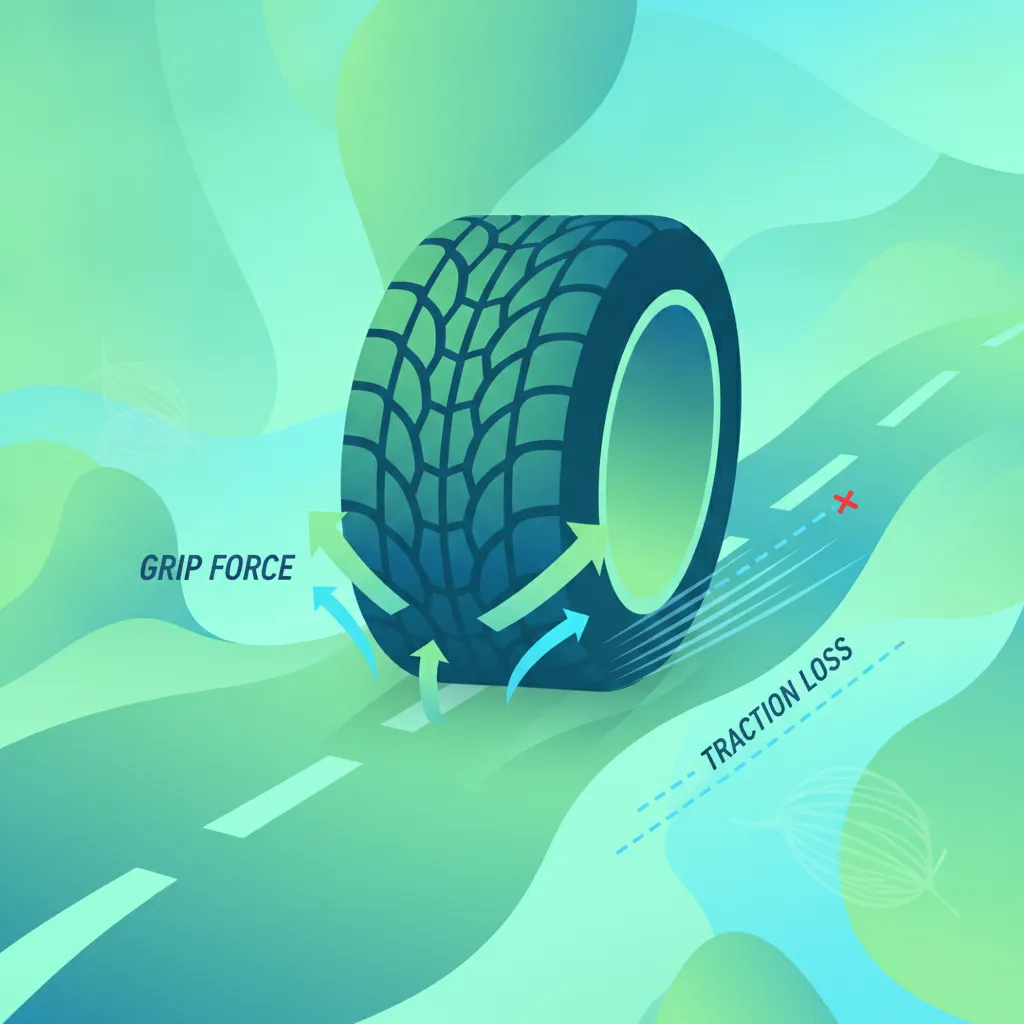
This lesson delves into the science of tyre traction, explaining how the small contact patch is critical for control. It examines how factors like tyre pressure, temperature, and road surface conditions (wet, dry, gravel) affect the available grip. Understanding the limits of traction is essential for knowing how hard a rider can safely brake or corner in any given situation.

This lesson emphasizes the practical and ethical duties of motorcyclists on Austrian roads, focusing on proactive risk assessment and sound judgment. It teaches learners how to recognize potential hazards, anticipate the actions of other road users, and consistently adhere to traffic regulations. Cultivating this responsible mindset is crucial for personal safety and protecting others in traffic.
Understand how to manage rider fatigue and apply essential road etiquette when navigating popular Austrian mountain passes. Focuses on maintaining alertness, considerate interaction with other road users, and responsible riding for the A license theory.
This lesson provides advice for navigating popular scenic routes, which often feature heavy traffic, cyclists, and distracted drivers. It emphasizes maintaining focus on the road despite beautiful scenery and anticipating unpredictable actions from other tourists who may stop suddenly. Adopting a patient and defensive mindset is key to safely enjoying these remarkable roads.
This lesson prepares riders for the specific conditions of Austria's mountain passes. It highlights hazards such as tight hairpin turns, potential for sudden weather changes, rockfall, and variable road surfaces. Awareness of these unique challenges allows riders to anticipate risks and adapt their technique for safe and enjoyable alpine touring.
This lesson provides essential knowledge for using Austria's high-speed road network. It covers the correct procedure for entering via acceleration lanes, maintaining strict lane discipline (keeping right, passing left), and understanding the digital or physical Vignette (toll sticker) requirement. The formation of the 'Rettungsgasse' (emergency corridor) during traffic jams is also a key topic.
This lesson highlights the specific hazards of riding on countryside roads in Austria. It teaches riders to be vigilant for wildlife crossing signs, especially at dawn and dusk, and how to safely approach and overtake slow-moving agricultural machinery. Awareness of potential surface hazards like mud, gravel, or manure from farm access points is also crucial for maintaining traction.
This lesson emphasizes the practical and ethical duties of motorcyclists on Austrian roads, focusing on proactive risk assessment and sound judgment. It teaches learners how to recognize potential hazards, anticipate the actions of other road users, and consistently adhere to traffic regulations. Cultivating this responsible mindset is crucial for personal safety and protecting others in traffic.

This lesson explains how fatigue, alcohol, and drugs dangerously impair a rider's judgment, coordination, and reaction time. It specifies the legal blood alcohol concentration (BAC) limit for vehicle operators in Austria and describes the severe penalties for driving under the influence (DUI). The importance of being well-rested and completely sober before every ride is strongly emphasized.
This lesson addresses the challenge of navigating terrain with changing elevation. It covers techniques for maintaining momentum and control on uphill climbs, including proper gear selection and throttle use. For descents, it emphasizes the use of engine braking to control speed and prevent brake overuse, a vital skill for long alpine descents.
This lesson prepares riders for safely transiting through construction zones ('Baustellen'). It covers the interpretation of temporary signage, adherence to reduced speed limits, and awareness of hazards suchas altered lane markings, abrupt surface changes, and loose gravel. Respecting the safety of road workers and anticipating unpredictable traffic patterns are key themes.

This lesson explains the significant impact of extra weight from a passenger or luggage on a motorcycle's dynamics. It covers how to properly secure loads to maintain a low center of gravity and the importance of instructing a passenger on how to lean with the bike. Riders will learn to adjust their braking, acceleration, and cornering techniques to compensate for the altered handling characteristics.

This lesson addresses the heightened vulnerability of motorcyclists and outlines essential strategies for personal safety and risk mitigation. It covers the importance of wearing certified protective gear, maintaining situational awareness, and adopting a defensive riding posture. By understanding and anticipating potential hazards in the Austrian traffic environment, riders can actively reduce their risk of accidents.
Find clear answers to common questions learners have about Free‑Riding on Mountain Passes. Learn how the lesson is structured, which driving theory objectives it supports, and how it fits into the overall learning path of units and curriculum progression in Austria. These explanations help you understand key concepts, lesson flow, and exam focused study goals.
On mountain passes, constant acceleration and heavy braking create instability. A smooth, steady rhythm allows for better tyre grip, more predictable handling, and less physical strain, which is crucial for safety on winding alpine roads.
Plan regular stops every 60 to 90 minutes to hydrate and stretch. Avoid the temptation to push through; mental fatigue slows your reaction time, which is dangerous on technical, high-altitude stretches.
Yes, watch for signs warning of steep gradients, hairpin bends, and falling rocks. In Austria, these are critical indicators of road conditions that require you to adjust your speed and lane position immediately.
Always maintain a buffer, especially when visibility is limited by bends. Be patient with tourist traffic and heavy vehicles, and only overtake when you have a clear, long-distance view of the road ahead.
Refine your study plan by searching for specific Austrian driving theory practice sets. Pinpoint questions related to particular road rules, signs, or challenge levels, and begin practicing immediately to reinforce your knowledge and excel in your official exam with confidence. Get started with focused revision today.