
This lesson focuses on the critical safety protocols for operating bus doors, a vital skill for every professional coach driver in Austria. You will learn how to effectively use sensitive edges, pressure-reversing systems, and interlock sensors to prevent accidents during passenger boarding and alighting.
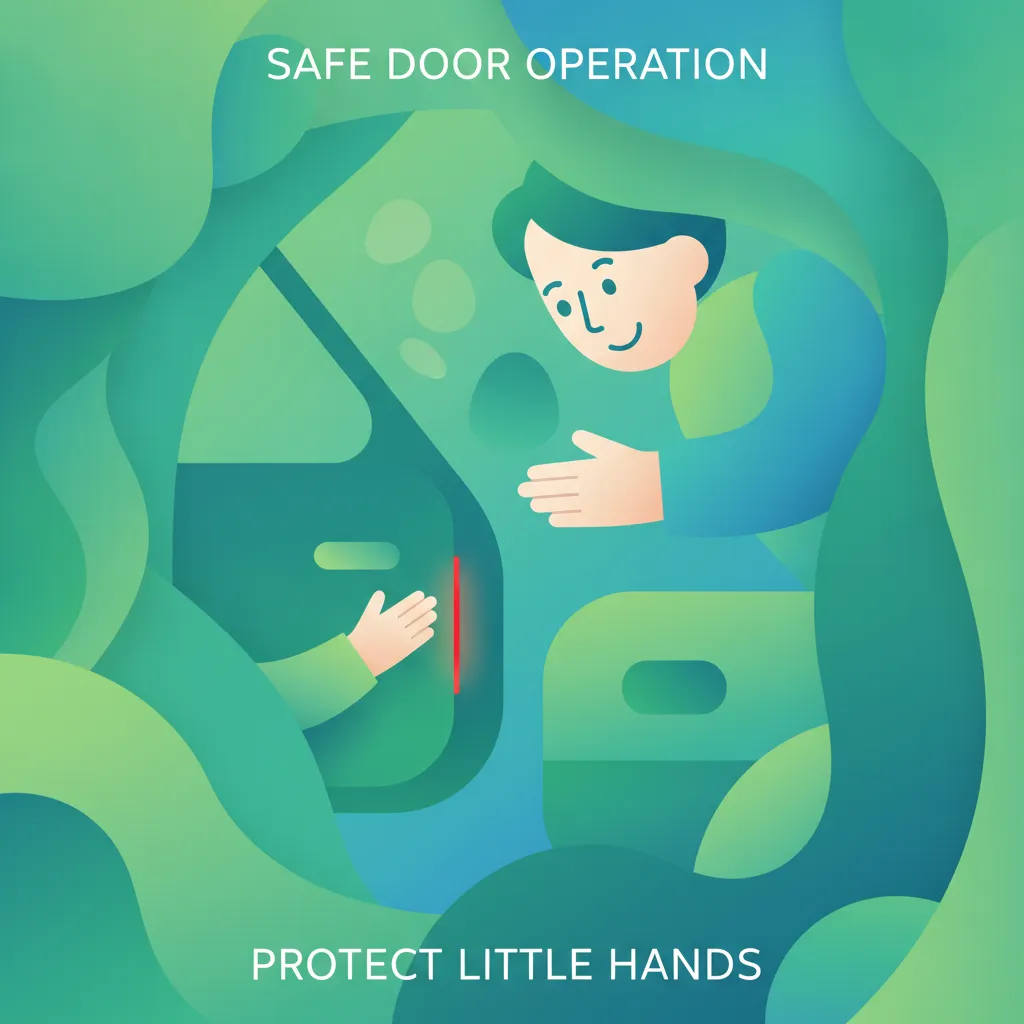
Lesson content overview
Operating passenger doors on buses and coaches requires meticulous attention to detail and a thorough understanding of sophisticated safety systems. For drivers holding a Category D licence in Austria, ensuring the safe and efficient movement of passengers is a core responsibility. This lesson delves into the mechanics and operational procedures for passenger doors, emphasizing critical safety features like sensitive edges, pressure-reversing mechanisms, and door interlock systems. Mastering these elements is crucial to prevent injuries, avoid vehicle damage, comply with Austrian traffic law, and uphold the paramount duty of care towards all passengers.
Passenger doors are a frequent point of interaction between the vehicle and its occupants, making them a common site for incidents if not operated with the utmost care. Professional bus and coach drivers must be proficient not only in the physical operation of these doors but also in understanding the underlying safety technology designed to protect passengers. This comprehensive guide provides the theoretical foundation necessary for all aspiring Category D drivers in Austria, ensuring they are prepared for the practical challenges of passenger transport.
Effective door operation integrates mechanical safety systems with human vigilance and legal requirements. The primary goal is to prevent the door from closing when an obstruction is present, thereby safeguarding passengers from crushing injuries. Austrian law reinforces this by mandating that drivers verify door clearance and system engagement before the vehicle moves.
An electronic sensor located near the inner edge of a passenger door that detects resistance caused by an object or passenger contacting the edge. Its primary purpose is to prevent the door from fully closing when an obstruction is present, significantly reducing the risk of crush injuries.
A hydraulic or pneumatic system designed to sense abnormal pressure on a closing door. Upon detecting such pressure, it automatically reverses the door’s motion, acting as a critical secondary safety measure if the sensitive edge does not detect an obstruction.
A mechanical or electronic safety feature that prevents the vehicle from being moved or driven while any passenger door is open or not fully latched. This system ensures the vehicle remains stationary until all passenger doors are securely closed, preventing accidental movement and safeguarding passengers.
The legal and ethical responsibility of a driver, particularly in passenger transport, to take all reasonable measures to ensure the safety of passengers while boarding, alighting, and traveling. This principle mandates proactive checks, strict adherence to safety protocols, and proper utilization of all vehicle safety systems.
Modern buses and coaches are equipped with several interconnected safety systems that work in harmony to protect passengers during door operation. Familiarity with each system’s function and proper response to its activation is fundamental for every Category D driver.
The sensitive edge is a primary safety feature designed to prevent injuries during door closure. It acts as an immediate guardian, sensing the slightest obstruction.
A sensitive edge is an electronic detector integrated along the inner periphery of a passenger door. When a passenger's hand, luggage, or any other object comes into contact with this edge during the closing cycle, the sensor registers the resistance. This contact triggers the door control system to immediately stop the door's movement and often to reverse it by opening slightly.
Sensitive edges can be broadly categorized into:
For drivers, the practical implication is clear: never attempt to force a door closed if a sensitive edge warning is activated. These warnings often involve an audible beep or a visual indicator on the dashboard. The door must be held open, or allowed to reopen, until the obstruction is removed and the edge sensor confirms the area is clear. Ignoring these warnings risks severe crushing injuries to passengers and potential legal liability.
Never Override Sensitive Edge Warnings: Attempting to force a door closed against a sensitive edge warning is extremely dangerous and can lead to serious injury or even fatality. Always investigate and clear the obstruction before reattempting closure.
While sensitive edges are the first line of defense, the pressure-reversing mechanism provides an essential secondary safety net. It operates independently, or in conjunction with, the sensitive edge system.
This system relies on hydraulic or pneumatic pressure sensors within the door mechanism. If a closing door encounters an abnormal level of resistance or pressure – such as a passenger's body or a large object that the sensitive edge might have missed – the pressure-reversing mechanism detects this spike in force. It then automatically halts the door's movement and reverses its direction, causing the door to open slightly. This prevents the door from exerting excessive, potentially harmful force on the obstruction.
Common types include:
If a pressure-reversing mechanism activates, the driver must release the door control immediately. It is crucial to allow the system to complete its reversal stroke and ensure the safety of any passenger or object that triggered it. Drivers must never attempt to forcibly close the door after a reversal; instead, they should wait for the system to reset and verify that the area is clear before making another attempt to close the door. This mechanism is mandatory on most Category D vehicles in Austria.
The door interlock system is a non-negotiable safety feature that prevents the bus or coach from moving while any passenger door is open or not fully latched.
This system typically comprises:
The practical meaning of the door interlock is profound: it completely disables vehicle propulsion. This prevents dangerous scenarios where the vehicle might accidentally roll away, or be driven off, while passengers are still boarding, alighting, or if a door is not securely fastened.
Before accelerating or releasing the parking brake, the driver must always verify that the interlock system indicates all doors are fully closed and latched. This is usually communicated via a dedicated indicator light or message on the driver's dashboard. Relying solely on visual confirmation that a door looks closed is insufficient; the electronic confirmation from the interlock system is mandatory. A common misunderstanding is assuming visual confirmation is enough; the interlock provides an electronic, fail-safe confirmation.
Always Verify the Interlock: Make it a habit to check the door interlock indicator light on your dashboard before every departure. This quick check is a vital step in ensuring passenger safety and preventing accidents.
A systematic pre-trip inspection of the passenger doors is a mandatory part of a Category D driver's routine, preventing failures during operation and upholding the highest safety standards.
Before beginning any service run with a Category D vehicle, a thorough functional check of all passenger doors and their safety systems must be performed. This ensures that the sensitive edges, pressure-reversing mechanisms, and the door interlock system are fully operational.
Visual Inspection: Examine all door edges, seals, and panels for any visible damage, wear, or foreign objects (e.g., ice, snow, debris) that could impede proper closure or interfere with sensors. Check that doors are aligned correctly within their frames.
Functional Closing Test: From a fully open position, operate each passenger door through a complete closing and opening cycle. Pay attention to the smoothness of operation, ensuring there are no grinding noises, excessive resistance, or jerky movements.
Sensitive Edge Verification: During the closing cycle, gently apply light pressure to the sensitive edge with your hand (taking care not to get caught). Verify that the door immediately stops and reverses, and that any associated audible or visual warnings (e.g., beeps, dashboard lights) activate as expected.
Door Latch Engagement Confirmation: Ensure that each door fully closes and latches securely. Listen for the distinct click of the latch mechanism. Visually confirm that there are no gaps when the door is closed.
Interlock System Activation Check: After closing all passenger doors, confirm that the door interlock indicator on your dashboard shows that all doors are securely latched and that the vehicle is safe to move. Attempt to engage a drive gear; if the interlock is functioning correctly, it should prevent gear engagement if any door is not fully secure.
Austrian road traffic regulations, specifically the Straßenverkehrsordnung (StVO), lay down clear legal obligations for drivers regarding passenger door operation. Adherence to these laws is not merely about compliance; it is fundamental to the driver's duty of care and the prevention of accidents.
This crucial regulation states that the driver must ensure all passenger doors are fully closed and securely latched before starting the vehicle or moving it after any stop. This applies universally to all Category D vehicles, whether city buses or long-distance coaches. The rationale behind this is to prevent doors from opening while the vehicle is in motion, which could lead to a passenger being ejected or the door colliding with external objects, causing severe damage or injury. Correct application involves checking the interlock indicator and confirming the door latch sound before releasing the brakes or applying throttle. Incorrect application, such as assuming visual confirmation is sufficient and releasing brakes while a door is slightly ajar, is strictly prohibited and can have serious consequences.
This paragraph reinforces the overarching principle that the driver of any passenger transport vehicle must take all reasonable measures to ensure the safety of passengers throughout their journey – during boarding, alighting, and while traveling. This legal mandate is a cornerstone of professional passenger transport in Austria. It means drivers must actively check door clearance, monitor passengers, and consistently utilize all vehicle safety features. Disregarding door sensor warnings or attempting to force a door closed directly contravenes this duty of care, potentially leading to severe penalties and jeopardizing passenger safety.
This regulation specifies that when a vehicle is stopped, especially at termini or parking areas, all passenger doors must be secured before the engine is shut off or before the vehicle departs. This prevents accidental opening of doors when the vehicle is unattended or during unexpected movements. The correct application involves the driver performing a final door latch check and ensuring the interlock is engaged before leaving the driver's seat or shutting off the engine. Leaving doors partially open, even for a short period, is a violation that can lead to unexpected door swings and potential hazards.
Understanding common mistakes helps in cultivating safer driving habits. Category D drivers must be aware of typical violations and commit to best practices.
Forcing Door Closure Despite Edge Warning:
Moving Vehicle with Door Interlock Not Engaged:
Neglecting Pressure-Reversal After Edge Failure:
Leaving Doors Partially Open at Stops:
Operating Door Near a Moving Vehicle:
Safe door operation is not a static procedure; it demands adaptability based on environmental factors, vehicle conditions, and the presence of vulnerable road users.
Every action, or inaction, by a driver concerning door operation has a direct consequence. Recognizing these cause-and-effect relationships reinforces the importance of correct procedures.
These scenarios illustrate how safe door operation principles are applied in various real-world situations for Category D drivers.
Urban Stop, Clear Weather:
Winter Conditions, Snow Accumulation:
High Passenger Turnover, Bus Lanes:
Understanding these key terms is vital for any Category D driver.
Safe door operation is a fundamental aspect of professional bus and coach driving in Austria, embodying the critical duty of care towards passengers. This lesson has provided a deep dive into the essential safety systems – sensitive edges, pressure-reversing mechanisms, and the door interlock system – explaining their functions and your responsibilities as a Category D driver.
By consistently performing pre-trip door checklists, understanding and responding correctly to system warnings, and adhering to Austrian traffic regulations (StVO), you actively prevent injuries, maintain vehicle integrity, and uphold your professional standing. Remember that conditional variations such as weather, vehicle load, and interactions with vulnerable road users demand heightened vigilance and adaptability. The logical flow of inspect → test → confirm → interlock → move should become second nature.
Mastering these concepts prepares you not only for your driving theory examination but also forms a crucial foundation for the practical challenges of passenger transport, especially when dealing with passenger movement at stops, as covered in later units of your Austrian Driving Theory Course for Bus & Coach Licence (Category D).
This lesson covers the essential safety systems protecting passengers during door operation on Austrian Category D vehicles: sensitive edges detect contact and prevent closure on obstructions, pressure-reversing mechanisms halt doors if abnormal force is detected, and door interlocks electronically prevent vehicle movement with open doors. Austrian law under StVO § 12 requires all doors to be fully latched before moving, verified through the interlock indicator rather than visual checks alone. Safe operation demands a systematic pre-trip inspection, vigilant monitoring during boarding and alighting, and adaptive procedures for weather conditions, vehicle load, and interactions with vulnerable road users. Mastering these systems protects passengers from crushing injuries and ejection hazards while ensuring legal compliance.
A short set of high-value points that capture the most important learning from this lesson.
Sensitive edges are electronic sensors on door edges that detect obstructions and immediately stop or reverse door closure to prevent crushing injuries
The door interlock system electronically prevents vehicle movement until all passenger doors are fully closed and latched
Pressure-reversing mechanisms provide a secondary safety net by detecting abnormal closing force and automatically reversing door motion
StVO § 12 mandates that all passenger doors must be fully closed and latched before moving the vehicle, with electronic verification required
A five-step pre-trip door checklist must be completed before every journey to verify all safety systems are operational
Explore all units and lessons included in this driving theory course.
Never attempt to force a door closed when a sensitive edge warning is active; always clear the obstruction first
Visual confirmation alone is insufficient; always verify the interlock indicator on the dashboard before departure
In winter conditions, clear ice and snow from door edges and seals before testing sensitive edges to avoid false activations
Allow the pressure-reversing mechanism to complete its full reversal stroke before attempting to close the door again
When boarding wheelchair passengers, perform additional clearance checks as wheelchair components can easily trigger sensitive edges
Forcing a door closed despite an active sensitive edge warning, risking crushing injuries and legal liability
Relying solely on visual confirmation that a door appears closed without checking the interlock indicator on the dashboard
Attempting to close the door again immediately after a pressure-reversal activation instead of allowing the system to reset
Leaving passenger doors partially open or unlatched when exiting the driver's seat, which can cause unexpected door swings
Operating doors while the vehicle is still moving slowly, creating collision risks with pedestrians, cyclists, or other vehicles
Lesson content overview
A short set of high-value points that capture the most important learning from this lesson.
Sensitive edges are electronic sensors on door edges that detect obstructions and immediately stop or reverse door closure to prevent crushing injuries
The door interlock system electronically prevents vehicle movement until all passenger doors are fully closed and latched
Pressure-reversing mechanisms provide a secondary safety net by detecting abnormal closing force and automatically reversing door motion
StVO § 12 mandates that all passenger doors must be fully closed and latched before moving the vehicle, with electronic verification required
A five-step pre-trip door checklist must be completed before every journey to verify all safety systems are operational
Explore all units and lessons included in this driving theory course.
Never attempt to force a door closed when a sensitive edge warning is active; always clear the obstruction first
Visual confirmation alone is insufficient; always verify the interlock indicator on the dashboard before departure
In winter conditions, clear ice and snow from door edges and seals before testing sensitive edges to avoid false activations
Allow the pressure-reversing mechanism to complete its full reversal stroke before attempting to close the door again
When boarding wheelchair passengers, perform additional clearance checks as wheelchair components can easily trigger sensitive edges
Forcing a door closed despite an active sensitive edge warning, risking crushing injuries and legal liability
Relying solely on visual confirmation that a door appears closed without checking the interlock indicator on the dashboard
Attempting to close the door again immediately after a pressure-reversal activation instead of allowing the system to reset
Leaving passenger doors partially open or unlatched when exiting the driver's seat, which can cause unexpected door swings
Operating doors while the vehicle is still moving slowly, creating collision risks with pedestrians, cyclists, or other vehicles
Explore search topics learners often look for when studying Safe Door Operation and Sensitive Edges. These topics reflect common questions about road rules, driving situations, safety guidance, and lesson level theory preparation for learners in Austria.
Browse additional driving theory lessons that cover connected traffic rules, road signs, and common driving situations related to this topic. Improve your understanding of how different rules interact across everyday traffic scenarios.
Detailed theory on how bus door sensitive edges, pressure-reversing mechanisms, and interlock systems function. Understand their role in passenger safety and Austrian road traffic regulations for Category D drivers.

The most critical moment at a stop is the final check before pulling away. This lesson teaches a non-negotiable safety routine: ensure all passengers are clear, close the doors, check all relevant mirrors and blind spots one last time, signal, and only then move off when safe. This systematic process is designed to prevent incidents with late-running passengers, pedestrians, or cyclists.
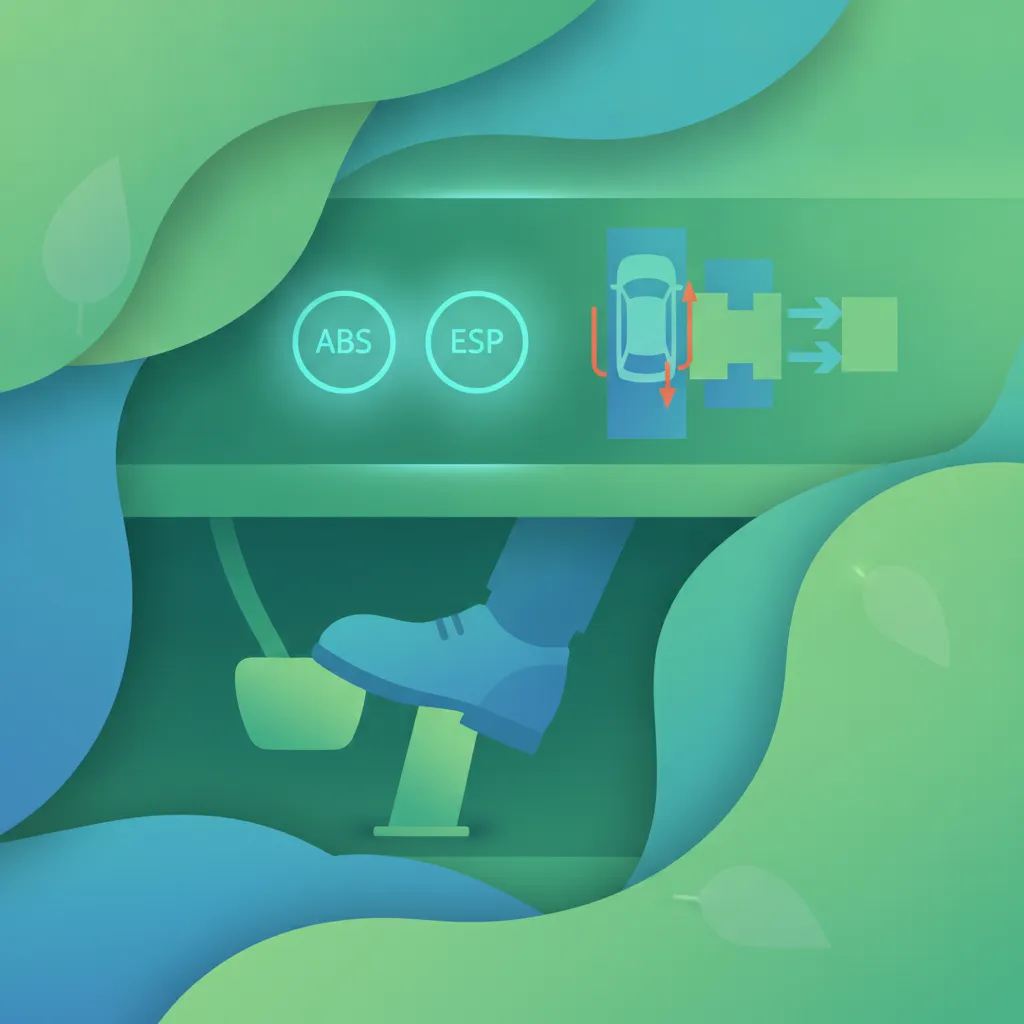
Modern passenger vehicles are equipped with advanced technology to improve safety. This lesson explains the function of systems like the Anti-lock Braking System (ABS) and Electronic Stability Program (ESP), detailing how they help prevent skidding and loss of control. It also provides an overview of other driver aids, such as retarders and engine brakes, which assist in managing speed on long descents.
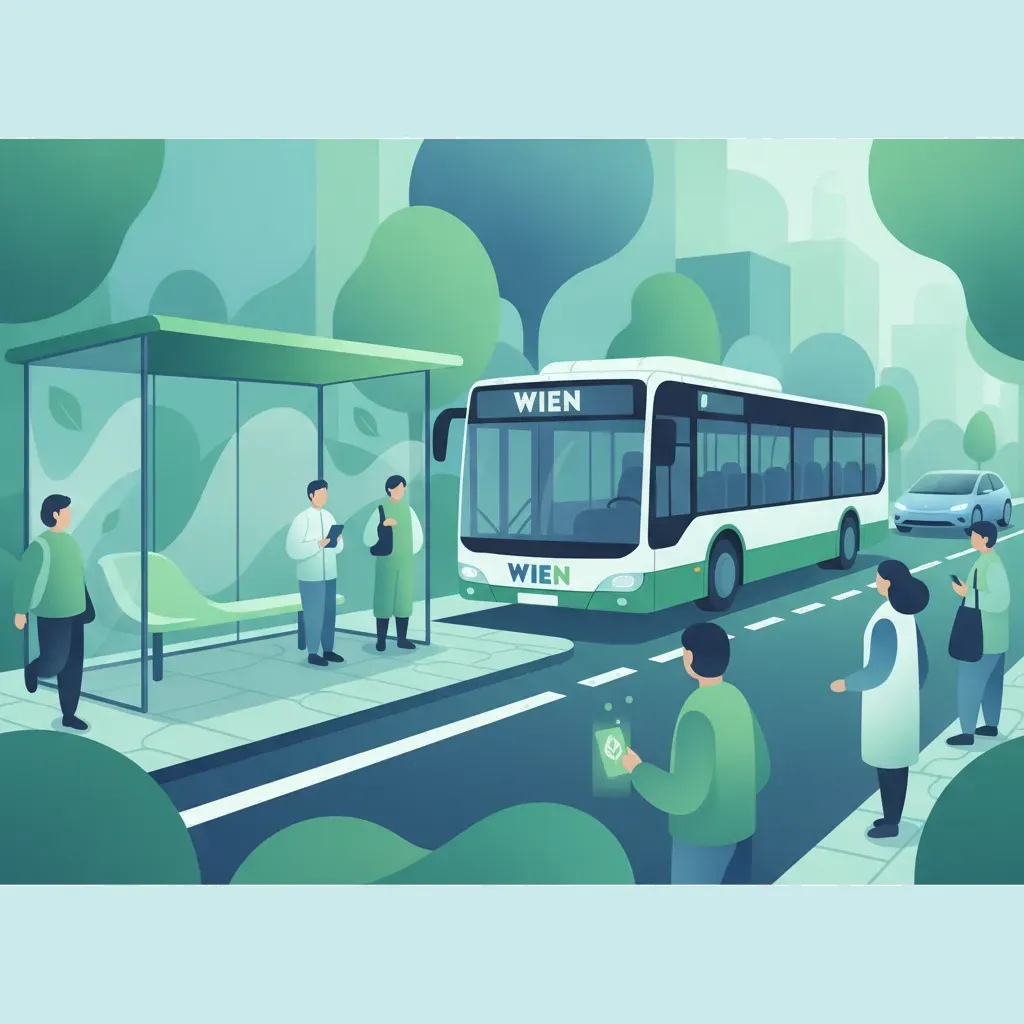
A safe stop begins with a planned approach. This lesson covers how to signal your intentions early, manage your speed, and scan for hazards like pedestrians and cyclists near the stop. It emphasizes the importance of aligning the bus parallel and close to the kerb to minimize the step for passengers, creating a safe platform for boarding and alighting.

Transporting children carries the highest level of responsibility. This lesson covers the specific Austrian rules for school buses, including the use of warning signs and lights. It focuses on developing a mindset of extreme caution, anticipating that children may run into the road unexpectedly, and managing the chaotic traffic environment often found around schools during drop-off and pick-up times.

Providing safe and respectful access for all passengers is a legal and professional duty. This lesson details the correct operation of accessibility features like ramps, lifts, and kneeling systems. It covers how to secure wheelchairs and mobility aids, and how to communicate effectively and respectfully with passengers who may require assistance with boarding or alighting.

Not all bus stops are created equal. This lesson trains you to assess a stop's environment and identify potential hazards, such as poor sightlines, proximity to a busy junction, or frequent presence of vulnerable road users. It encourages a proactive approach, where the driver heightens their observation and slows their approach when dealing with these known high-risk locations.
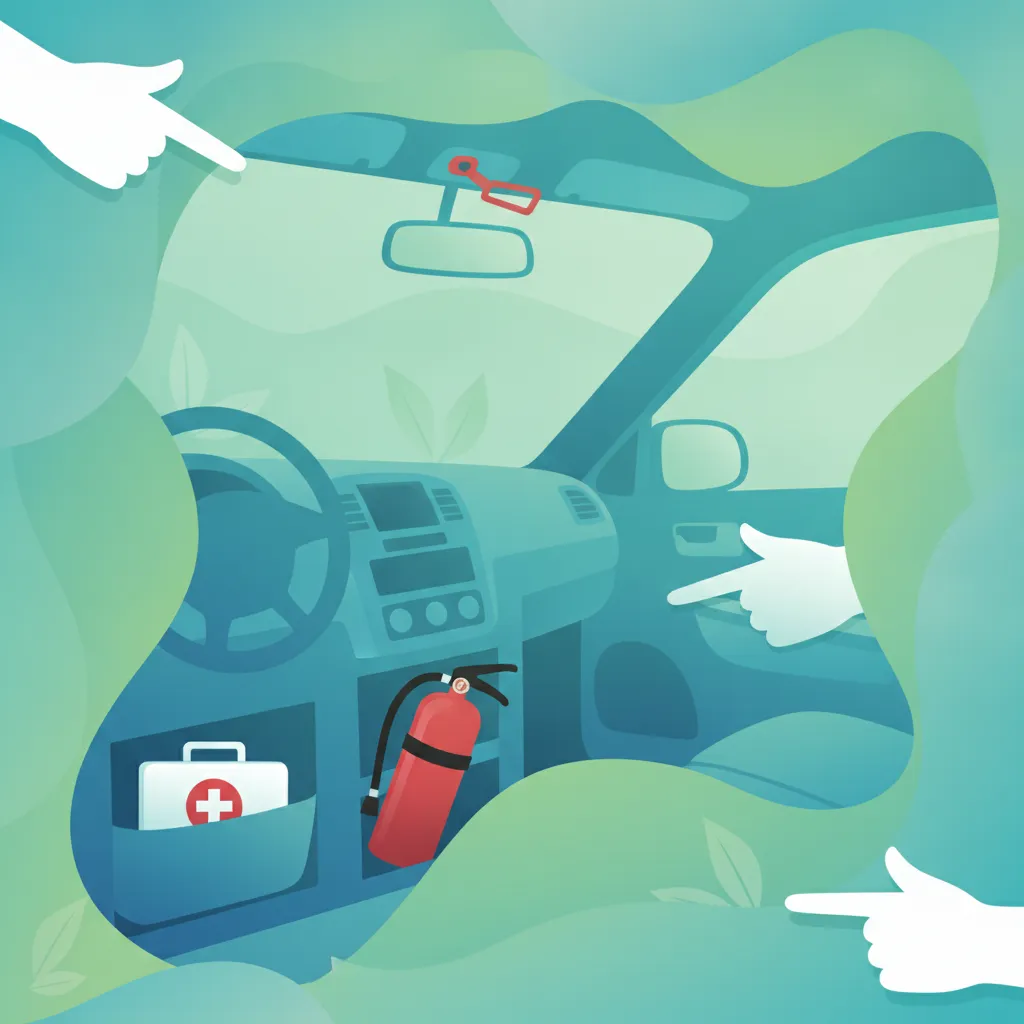
In an emergency, knowing the location and status of safety equipment is critical. This lesson details how to locate and inspect fire extinguishers, first aid kits, emergency hammers, and all designated emergency exits, including doors and roof hatches. It emphasizes the importance of ensuring these items are unobstructed and included in the daily pre-trip inspection.

A driver's duty of care extends to passengers until they are safely away from the vehicle. This lesson stresses the importance of monitoring passengers as they step off, ensuring they have stable footing and are clear of the bus's path. It highlights the particular need for vigilance when children or elderly passengers are alighting, and the importance of checking mirrors before closing the doors.

Bus stations and depots are complex, hazardous environments. This lesson covers the unique challenges, such as navigating tight spaces with other buses moving, adhering to site-specific speed limits and traffic flow systems, and being highly aware of staff and passengers walking in operational areas. Safe positioning in designated bays is a key focus.

Pedestrians have absolute priority on marked crossings in Austria, and a bus driver must always be ready to give way. This lesson covers the rules for approaching and stopping for pedestrians, and highlights the risk of pedestrians being hidden by the vehicle's structure. It also stresses the danger of passengers crossing the road after alighting from your bus.
Learn about frequent violations and incorrect practices related to bus and coach door operation. Understand how to avoid common errors to ensure passenger safety and comply with Austrian driving theory requirements.
The most critical moment at a stop is the final check before pulling away. This lesson teaches a non-negotiable safety routine: ensure all passengers are clear, close the doors, check all relevant mirrors and blind spots one last time, signal, and only then move off when safe. This systematic process is designed to prevent incidents with late-running passengers, pedestrians, or cyclists.
A driver's duty of care extends to passengers until they are safely away from the vehicle. This lesson stresses the importance of monitoring passengers as they step off, ensuring they have stable footing and are clear of the bus's path. It highlights the particular need for vigilance when children or elderly passengers are alighting, and the importance of checking mirrors before closing the doors.
A safe stop begins with a planned approach. This lesson covers how to signal your intentions early, manage your speed, and scan for hazards like pedestrians and cyclists near the stop. It emphasizes the importance of aligning the bus parallel and close to the kerb to minimize the step for passengers, creating a safe platform for boarding and alighting.
Providing safe and respectful access for all passengers is a legal and professional duty. This lesson details the correct operation of accessibility features like ramps, lifts, and kneeling systems. It covers how to secure wheelchairs and mobility aids, and how to communicate effectively and respectfully with passengers who may require assistance with boarding or alighting.

The driver is responsible for supervising the entire boarding process. This lesson covers techniques for encouraging orderly queues and ensuring passengers use handrails. It also details the driver's role in assisting passengers with mobility aids, prams, or heavy luggage, ensuring they are able to board without rushing and find a seat or safe standing position.
Not all bus stops are created equal. This lesson trains you to assess a stop's environment and identify potential hazards, such as poor sightlines, proximity to a busy junction, or frequent presence of vulnerable road users. It encourages a proactive approach, where the driver heightens their observation and slows their approach when dealing with these known high-risk locations.
Transporting children carries the highest level of responsibility. This lesson covers the specific Austrian rules for school buses, including the use of warning signs and lights. It focuses on developing a mindset of extreme caution, anticipating that children may run into the road unexpectedly, and managing the chaotic traffic environment often found around schools during drop-off and pick-up times.

Carrying standing passengers significantly increases a driver's responsibility for smooth control. This lesson details the specific adjustments required, such as reducing speed before turns to minimize sideways forces and increasing following distances to avoid sudden braking. It emphasizes the importance of awareness and observation of passengers' stability before accelerating from a stop.
In an emergency, knowing the location and status of safety equipment is critical. This lesson details how to locate and inspect fire extinguishers, first aid kits, emergency hammers, and all designated emergency exits, including doors and roof hatches. It emphasizes the importance of ensuring these items are unobstructed and included in the daily pre-trip inspection.
Pedestrians have absolute priority on marked crossings in Austria, and a bus driver must always be ready to give way. This lesson covers the rules for approaching and stopping for pedestrians, and highlights the risk of pedestrians being hidden by the vehicle's structure. It also stresses the danger of passengers crossing the road after alighting from your bus.
Find clear answers to common questions learners have about Safe Door Operation and Sensitive Edges. Learn how the lesson is structured, which driving theory objectives it supports, and how it fits into the overall learning path of units and curriculum progression in Austria. These explanations help you understand key concepts, lesson flow, and exam focused study goals.
A sensitive edge is a safety sensor that detects resistance or an obstruction. If it touches an object or passenger, the door will automatically stop or reverse to prevent injury.
The interlock prevents the bus from moving while doors are open. If it fails, the vehicle must be taken out of service immediately, as moving with an open door is a severe violation of safety regulations.
Yes. Sensors are a secondary safety measure. As a professional Category D driver, you remain legally responsible for ensuring the door area is clear before and during operation.
Exam questions often present scenarios where you must decide if it is safe to pull away from a stop. Always prioritize the interlock status and visual confirmation before moving.
Refine your study plan by searching for specific Austrian driving theory practice sets. Pinpoint questions related to particular road rules, signs, or challenge levels, and begin practicing immediately to reinforce your knowledge and excel in your official exam with confidence. Get started with focused revision today.