
Learning how to handle your vehicle in severe weather is a fundamental requirement for the DVSA theory test and real-world safety in England, Scotland, and Wales. This guide breaks down the essential defensive driving techniques required when driving across exposed areas like bridges or passing high-sided vehicles. You will learn how to anticipate wind-related hazards and protect yourself and other road users.
Article content overview
Driving in high winds is a critical skill that requires both theoretical knowledge and practical awareness. When preparing for your DVSA theory test in Great Britain, understanding how wind affects vehicle stability is not just about passing an exam; it is a fundamental aspect of defensive driving that keeps you and other road users safe on the motorways and rural roads of England, Scotland, and Wales. High winds can turn a routine journey into a dangerous situation, especially when passing through areas where the wind is suddenly interrupted or intensified.
High winds affect vehicles in different ways depending on their size, weight, and aerodynamics. As a driver, you must anticipate that your vehicle’s steering may become more difficult if you are driving a high-sided vehicle like a bus, coach, or heavy goods vehicle. However, even in a standard passenger car, gusts can push you out of your lane or make steering unpredictable. Vulnerable road users, such as motorcyclists, cyclists, and horse riders, are at a much higher risk during these conditions. A sudden gust can easily blow them off course, potentially into your path or towards the edge of the road.
Always give vulnerable road users like cyclists and motorcyclists extra room when overtaking in windy weather. A sudden gust can cause them to swerve or wobble, and your own vehicle's draught can exacerbate the risk when you are passing them at speed.
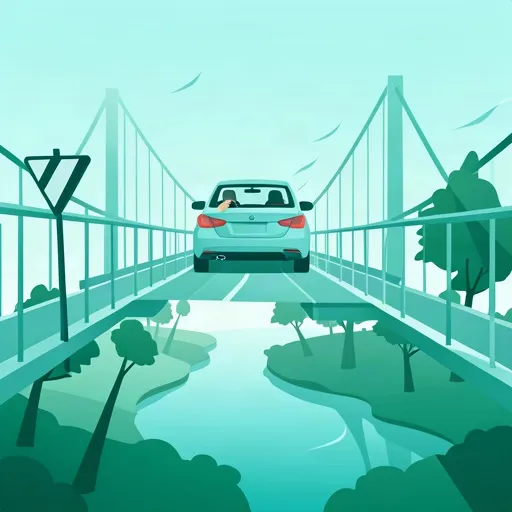
The Highway Code provides specific guidance to help you manage these risks. Rule 232 and Rule 233 are particularly important for your theory test. These rules highlight that high-sided vehicles are the most affected by strong gusts, particularly on open stretches of road, bridges, or when passing gaps in hedges. These specific locations act as "wind tunnels" or points of sudden exposure, where a vehicle shielded from the wind suddenly meets a strong crosswind. When you exit a shielded area, you must be prepared for the wind to strike your vehicle immediately, making steering correction necessary to maintain your lane position.
The turbulence and air displacement created by large, high-sided vehicles, which can affect the stability of smaller vehicles or cyclists traveling nearby.
Overtaking on a motorway during windy conditions requires heightened focus. When you approach a high-sided vehicle, be aware that you are entering a zone of turbulence. As you pull out to overtake, you may experience a sudden gust of wind as you move into the open space alongside the vehicle. To manage this safely, keep both hands firmly on the steering wheel and be ready to make minor adjustments to your steering to compensate for the wind. Avoid driving alongside these vehicles for longer than necessary, as the combined effect of wind and vehicle draught increases the risk of being pushed out of your lane.
To ensure your safety and the safety of others, you should always plan your route and consider how the weather may affect your journey. If a route is particularly exposed to high winds, it may be safer to take an alternative path if one is available. Never assume that the road will remain stable; always anticipate how the weather may affect other road users and adjust your speed accordingly.
This article covers essential safety procedures for driving in high winds, focusing on the risks posed by crosswinds to vehicle stability and vulnerable road users. It references specific Highway Code guidance (Rules 232 and 233) and explains how bridges, open roads, and gaps in hedges create sudden wind exposure zones. The content provides a step-by-step procedure for safely overtaking high-sided vehicles on motorways, emphasises the importance of keeping hands firm on the steering wheel, and highlights the heightened danger to motorcyclists and cyclists who require extra clearance. Understanding these defensive driving principles will help you recognise wind-related hazards in both the DVSA theory test and real-world driving.
A short set of high-value points that capture the most important ideas from this article.
High-sided vehicles such as lorries, coaches, and buses are most susceptible to strong crosswinds and can become unstable
Bridges, open road stretches, and gaps in hedges create sudden wind exposure where gusts can push any vehicle out of its lane
Vulnerable road users including motorcyclists, cyclists, and horse riders face significantly higher risk and require extra clearance in windy conditions
Exiting a sheltered area suddenly exposes your vehicle to wind, requiring immediate steering correction to maintain control
Both wind force and the draught effect from large vehicles combine to create dangerous turbulence when overtaking
Highway Code Rules 232 and 233 specifically address driving in windy weather and are relevant to DVSA theory test questions
Keep both hands firmly on the steering wheel when overtaking high-sided vehicles in wind and be ready to make minor corrections
Avoid driving alongside high-sided vehicles longer than necessary as combined wind and draught effect increases lane departure risk
Plan your route to avoid exposed sections if high winds are forecast, or take an alternative path when available
A sudden gust can blow vulnerable road users into your path; always give them extra room when passing in windy weather
Failing to anticipate the sudden gust as you pull out from behind a high-sided vehicle into the exposed lane
Overtaking vulnerable road users too closely in windy conditions without accounting for their instability
Not checking mirrors early enough to assess traffic positioning before beginning an overtake in wind
Assuming standard passenger cars are unaffected by wind when gusts can equally push them out of lane
Lingering alongside high-sided vehicles instead of completing the overtake promptly, increasing exposure to combined wind and draught forces
Article content overview
A short set of high-value points that capture the most important ideas from this article.
High-sided vehicles such as lorries, coaches, and buses are most susceptible to strong crosswinds and can become unstable
Bridges, open road stretches, and gaps in hedges create sudden wind exposure where gusts can push any vehicle out of its lane
Vulnerable road users including motorcyclists, cyclists, and horse riders face significantly higher risk and require extra clearance in windy conditions
Exiting a sheltered area suddenly exposes your vehicle to wind, requiring immediate steering correction to maintain control
Both wind force and the draught effect from large vehicles combine to create dangerous turbulence when overtaking
Highway Code Rules 232 and 233 specifically address driving in windy weather and are relevant to DVSA theory test questions
Keep both hands firmly on the steering wheel when overtaking high-sided vehicles in wind and be ready to make minor corrections
Avoid driving alongside high-sided vehicles longer than necessary as combined wind and draught effect increases lane departure risk
Plan your route to avoid exposed sections if high winds are forecast, or take an alternative path when available
A sudden gust can blow vulnerable road users into your path; always give them extra room when passing in windy weather
Failing to anticipate the sudden gust as you pull out from behind a high-sided vehicle into the exposed lane
Overtaking vulnerable road users too closely in windy conditions without accounting for their instability
Not checking mirrors early enough to assess traffic positioning before beginning an overtake in wind
Assuming standard passenger cars are unaffected by wind when gusts can equally push them out of lane
Lingering alongside high-sided vehicles instead of completing the overtake promptly, increasing exposure to combined wind and draught forces
Explore related topics, search based questions, and concepts that learners often look up when studying Driving in High Winds. These themes reflect real search intent and help you understand how this topic connects to wider driving theory knowledge in Great Britain.
Find clear and practical answers to common questions learners often have about Driving in High Winds. This section helps explain difficult points, remove confusion, and reinforce the key driving theory concepts that matter for learners in Great Britain.
High-sided vehicles have a larger surface area exposed to crosswinds, making them prone to being blown off course or, in extreme cases, overturned.
Be prepared for a sudden gust of wind as you emerge from the shelter of the vehicle, keep both hands on the steering wheel, and maintain a safe distance.
These areas provide temporary shelter from the wind; when you pass them, you can be hit by a sudden, strong gust of wind that can make steering difficult.
Give them extra space when overtaking, as they are highly vulnerable to being blown off course or swerving suddenly due to gusts.
Explore our extensive library of Great Britain driving theory articles to clarify any topic, review specific road rules, or gain deeper insights into vehicle safety and the Highway Code. Use the search to find exactly what you need for comprehensive DVSA theory test preparation.