
Learn the critical differences between loading restrictions marked on the kerb and designated loading bays. This guide explains how to correctly interpret time plates and road markings to ensure you stay compliant with the Highway Code and avoid common pitfalls on your theory exam.
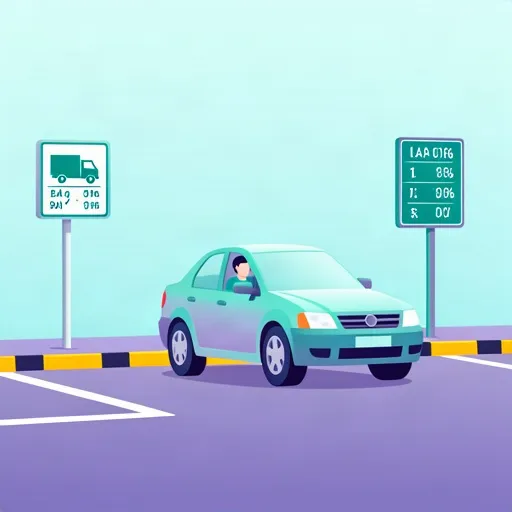
Article content overview
Understanding where you can and cannot park is a fundamental skill for any learner driver in Great Britain. The Highway Code provides clear, albeit nuanced, rules regarding waiting and parking. Misinterpreting these road markings is a common reason for theory test errors and, more importantly, can lead to costly penalty charge notices and unsafe road conditions in the real world.
It is vital to distinguish between parking restrictions and loading restrictions. While general parking rules—often indicated by single or double yellow lines on the road surface—regulate where you can leave your vehicle, loading restrictions are specifically indicated by yellow marks on the kerb. These "kerb blips" tell you whether you are permitted to load or unload goods, or drop off and pick up passengers, during restricted times.
If you see these marks, you must check the accompanying black and white time plate. If the plate does not show specific days or times, the restriction is in force every day of the week, including Sundays and Bank Holidays. Always err on the side of caution; if you are not actively loading or unloading, you should not be stationary in these areas.
Time plates are the final authority when it comes to waiting and parking restrictions. These signs specify the operational hours of the restriction, and ignoring them is a frequent source of exam questions. If a plate indicates that a restriction is in force, you are generally prohibited from parking, though you may be allowed to stop briefly to allow passengers to board or alight, provided you do not obstruct traffic.
Remember that simply being in your vehicle does not mean you are legally parked or waiting correctly. If you are stopped in a restricted area, you are still subject to the regulations dictated by the road markings and signs.
Loading bays are clearly marked areas reserved specifically for vehicles engaged in the loading or unloading of goods. These are identified by white bay markings on the road and signs featuring a white on blue "trolley" symbol. Some bays are restricted to goods vehicles only, while others may be used by any vehicle, provided the activity is strictly loading or unloading.
In the theory test, you might encounter questions that test your ability to distinguish between "stopping to drop off a passenger" and "parking." A common trap is assuming that you can park in a loading bay just because you are only staying for a few minutes. Unless you are actively performing the action of loading or unloading, you are considered to be parked, which is a contravention of the rules in a designated loading bay.
| Marking | Meaning | Can you load/unload? |
|---|---|---|
| Single/Double Yellow Lines | No parking/waiting | Usually yes, unless kerb blips are present |
| Single/Double Kerb Blips | No loading | No, during times on the plate |
| White Loading Bay | Reserved for loading | Yes, only while loading/unloading |
To excel in your theory exam, ensure you are comfortable with the following terms and their legal implications regarding the Highway Code.
If you encounter a scenario where the sign is missing or obscured, do not assume you have permission to park. Always prioritise safety and the flow of traffic, and look for alternative parking spaces that are clearly marked as available.
This article explains the critical distinction between kerb markings that restrict loading and road surface markings that restrict parking. Yellow kerb blips prohibit loading or unloading goods during the times shown on accompanying time plates, which apply every day if no specific days are listed. Loading bays are specifically marked areas reserved for active loading or unloading, not for general parking or brief passenger stops. The content clarifies that being stationary in a restricted area counts as waiting regardless of whether you remain in the vehicle, and emphasises that time plates are the final authority on restriction hours. Understanding these distinctions helps learners avoid common theory test errors and real-world penalties.
A short set of high-value points that capture the most important ideas from this article.
Yellow marks on the kerb indicate loading restrictions, while yellow lines on the road surface indicate parking restrictions—these are distinct rules.
Loading or unloading means actively moving goods to or from a vehicle; merely being in your vehicle does not constitute loading.
Time plates are the definitive authority for when a restriction applies—if absent or obscured, assume the restriction is in force.
Stopping briefly to allow passengers to board or alight may be permitted in some restricted areas, but this is not the same as parking.
Loading bays (white bay markings with a blue trolley symbol) are reserved exclusively for active loading or unloading of goods.
Kerb blips = no loading/unloading; Yellow road lines = no parking/waiting—these are different restrictions.
A restriction without specified days or times on the plate applies every day, including Sundays and Bank Holidays.
Being stationary in a restricted area while in your vehicle still counts as waiting under the regulations.
Loading bays may be restricted to goods vehicles only—check the signs carefully before using one.
Red Routes are high-traffic urban roads where stopping and parking are strictly controlled and different rules may apply.
Assuming you can park in a loading bay just because you will only be there briefly—loading bays require active loading or unloading.
Confusing a brief stop to drop off a passenger with permissible stopping in a restricted area—these are different scenarios.
Interpreting kerb blips (loading restrictions) the same as yellow lines (parking restrictions) and vice versa.
Believing that as long as you stay in your vehicle you are not technically parking or waiting in a restricted area.
Assuming a restriction is not active if no time plate is visible—always check for signs and err on the side of caution.
Article content overview
A short set of high-value points that capture the most important ideas from this article.
Yellow marks on the kerb indicate loading restrictions, while yellow lines on the road surface indicate parking restrictions—these are distinct rules.
Loading or unloading means actively moving goods to or from a vehicle; merely being in your vehicle does not constitute loading.
Time plates are the definitive authority for when a restriction applies—if absent or obscured, assume the restriction is in force.
Stopping briefly to allow passengers to board or alight may be permitted in some restricted areas, but this is not the same as parking.
Loading bays (white bay markings with a blue trolley symbol) are reserved exclusively for active loading or unloading of goods.
Kerb blips = no loading/unloading; Yellow road lines = no parking/waiting—these are different restrictions.
A restriction without specified days or times on the plate applies every day, including Sundays and Bank Holidays.
Being stationary in a restricted area while in your vehicle still counts as waiting under the regulations.
Loading bays may be restricted to goods vehicles only—check the signs carefully before using one.
Red Routes are high-traffic urban roads where stopping and parking are strictly controlled and different rules may apply.
Assuming you can park in a loading bay just because you will only be there briefly—loading bays require active loading or unloading.
Confusing a brief stop to drop off a passenger with permissible stopping in a restricted area—these are different scenarios.
Interpreting kerb blips (loading restrictions) the same as yellow lines (parking restrictions) and vice versa.
Believing that as long as you stay in your vehicle you are not technically parking or waiting in a restricted area.
Assuming a restriction is not active if no time plate is visible—always check for signs and err on the side of caution.
Explore related topics, search based questions, and concepts that learners often look up when studying Loading Bays and Kerb Rules. These themes reflect real search intent and help you understand how this topic connects to wider driving theory knowledge in Great Britain.
Find clear and practical answers to common questions learners often have about Loading Bays and Kerb Rules. This section helps explain difficult points, remove confusion, and reinforce the key driving theory concepts that matter for learners in Great Britain.
Yellow marks on the kerb indicate that loading or unloading is prohibited at the times shown on the nearby black and white time plates. If no times are shown, the restriction applies at all times.
Generally, you should not stop in a designated loading bay unless you are actively loading or unloading goods. Stopping to drop off passengers is permitted on roads with yellow kerb markings, but not within a restricted loading bay.
Yes, unless the time plate specifies otherwise, loading restrictions apply every day, including Sundays and Bank Holidays. Always check the sign to be certain.
Loading bays are indicated by a white 'bay' marking on the road surface with the words 'Loading Only' and a nearby sign featuring a white on blue 'trolley' symbol.
Explore our extensive library of Great Britain driving theory articles to clarify any topic, review specific road rules, or gain deeper insights into vehicle safety and the Highway Code. Use the search to find exactly what you need for comprehensive DVSA theory test preparation.