
This unit focuses on the critical task of protecting vulnerable road users and managing high-risk areas when driving a passenger transport vehicle in Denmark. You'll learn the specific rules and best practices for navigating school zones, tourist areas, and pedestrian crossings, as well as identifying dangerous stopping points to ensure the safety of everyone on or near the road.
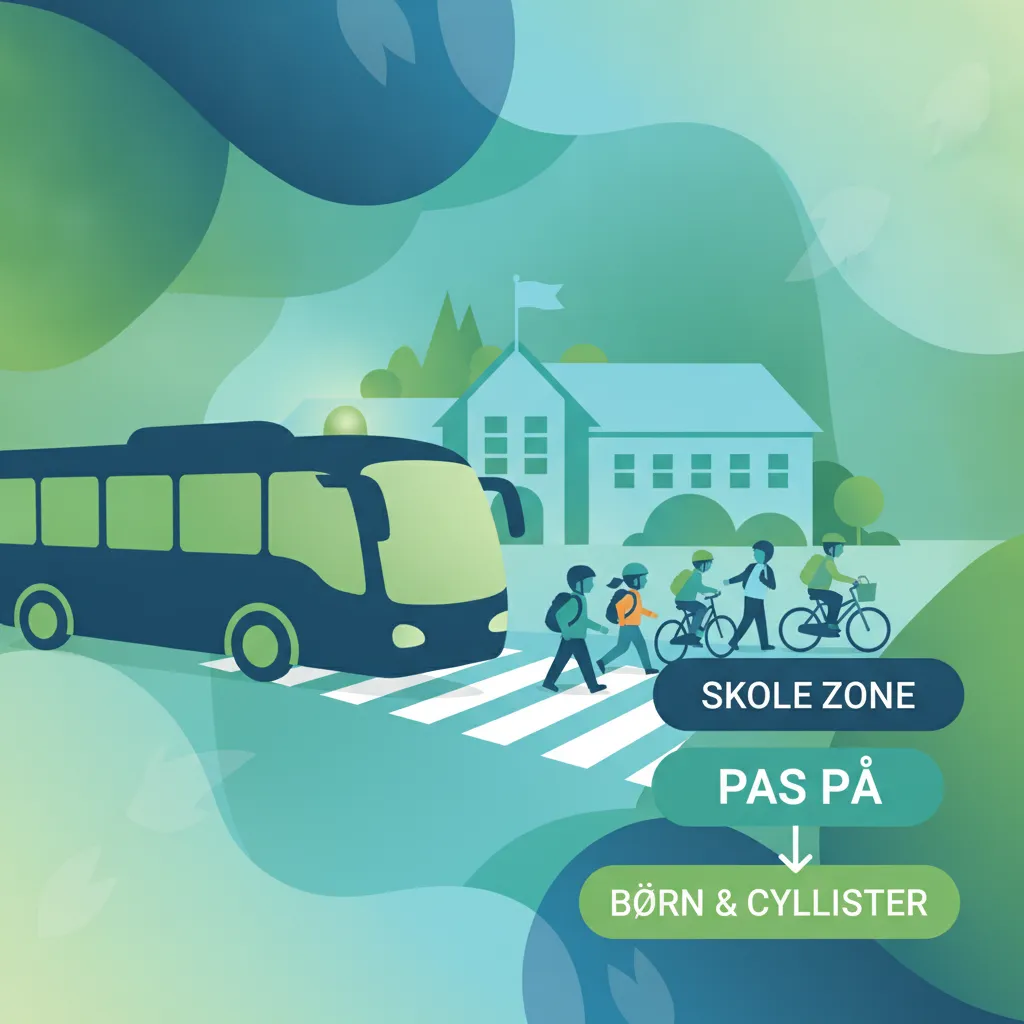
Browse all lessons that make up Schools, Pedestrians, Cyclists, Tourists and High-Risk Stop Areas. Each lesson focuses on specific topics, learning objectives, and core concepts, helping you build essential knowledge and follow a clear, structured progression toward your study goals in Denmark.
This lesson details the legal requirements and safety protocols for operating a bus near schools and pedestrian crossings. It covers mandatory speed reductions, the rules for yielding to pedestrians, and techniques for anticipating the sudden movements of children. The content emphasizes the importance of constant visual scanning and maintaining a high state of alert in these sensitive areas.
This lesson addresses the unique challenges of driving in tourist-heavy urban centers alongside cyclists. It teaches drivers to anticipate the behavior of individuals who may be distracted or unfamiliar with local traffic rules. The content provides strategies for communicating intentions clearly and navigating safely around large groups, luggage, and cyclists.
This lesson trains drivers to perform a risk assessment of bus stops along their route. It explains how to identify hazards such as poor visibility, proximity to busy intersections, or obstructed pedestrian access. The content provides proactive strategies for positioning the bus and managing passenger boarding and alighting to mitigate the identified risks effectively.
Explore high-intent keywords and long-tail search topics learners use when researching Schools, Pedestrians, Cyclists, Tourists and High-Risk Stop Areas. These terms reflect how people search for reliable study materials, structured explanations, and unit-level theory preparation support in Denmark.
Find clear answers to the most common questions learners ask about Schools, Pedestrians, Cyclists, Tourists and High-Risk Stop Areas. Understand how the unit is organized, what learning goals it supports, and how it contributes to your study progression with structured explanations and practical guidance tailored for learners in Denmark.
The primary dangers near Danish schools include the unpredictable movements of children, who may dart into the road without looking. Drivers must be particularly vigilant for increased pedestrian and cyclist traffic during school drop-off and pick-up times. Always be prepared to stop suddenly and reduce speed significantly in school zones, obeying all posted signs and speed limits.
In tourist areas with high pedestrian density, maintain a very low speed and be extra observant. Tourists may be unfamiliar with local traffic rules and can be distracted by their surroundings. Anticipate sudden stops or changes in direction. Ensure your vehicle's mirrors are correctly adjusted to monitor pedestrian activity around the bus, especially when boarding or alighting passengers.
High-risk stop areas include locations where visibility is limited, such as blind corners, crests of hills, or areas obscured by parked vehicles. They also encompass busy intersections, pedestrian crossings, school zones, and areas with frequent cyclist traffic. Drivers must exercise extreme caution when stopping in these areas, ensuring they do not obstruct traffic or endanger vulnerable road users.
Yes, Danish regulations often stipulate specific requirements for school bus stops to maximize safety. This can include designated stop areas, ensuring clear visibility, and sometimes requiring the use of hazard lights when stopped. Drivers must be aware of and adhere to all specific signage and local guidelines for school transport to ensure children can board and alight safely.
In busy Danish cities, cyclists are a constant presence. Always assume cyclists may appear unexpectedly, especially at junctions or when overtaking. Maintain a safe distance when passing cyclists, and be aware of their potential to swerve to avoid obstacles. Look carefully in your mirrors before changing lanes or turning, as cyclists can often be in your blind spots.
If a pedestrian suddenly enters the road, your immediate priority is to brake safely and firmly to avoid a collision. Be prepared for the possibility of other pedestrians following. Avoid swerving aggressively, as this could create other hazards. Once stopped, assess the situation before proceeding. It's crucial to have anticipated this possibility by driving at a safe speed and maintaining awareness.
All included lessons
Lessons in Schools, Pedestrians, Cyclists, Tourists and High-Risk Stop Areas
See who benefits most from studying Schools, Pedestrians, Cyclists, Tourists and High-Risk Stop Areas. This overview explains how the unit supports different learning needs, what level of knowledge is helpful before starting, and how it fits into the overall study path in Denmark.
This unit is essential for all aspiring Category D bus and passenger transport drivers in Denmark, particularly those preparing for their theory examination. It's especially beneficial for drivers who may be unfamiliar with Danish urban traffic dynamics or those who need to reinforce their understanding of protecting vulnerable road users.

Begin your official Danish driving licence preparation today by exploring our comprehensive curriculum. Choose a structured course that suits your learning style and progress confidently through all traffic rules, road signs, and practical scenarios required for your exam.
Browse Driving Theory CoursesExplore all units and lessons included in this driving theory course.
Begin your official Danish driving licence preparation today by exploring our comprehensive curriculum. Choose a structured course that suits your learning style and progress confidently through all traffic rules, road signs, and practical scenarios required for your exam.
Browse Driving Theory Courses