
This lesson focuses on the critical task of sharing the road safely with cyclists and tourists while operating a passenger vehicle. It provides strategies for anticipating the unpredictable behavior of road users in busy Danish urban centers to ensure passenger safety and professional driving standards. This content is vital for your Category D theory exam preparation and daily professional driving.

Lesson content overview
Operating a passenger transport vehicle in Denmark's vibrant urban centers often means navigating alongside a diverse range of road users. Among the most challenging are tourists and cyclists, whose behavior can be less predictable than regular local traffic. This lesson, designed for those pursuing a Danish Category D driving licence, focuses on equipping professional drivers with the knowledge and strategies necessary to ensure safety, maintain traffic flow, and provide passenger comfort in these high-density environments.
Understanding the unique characteristics of tourist-heavy areas and the habits of visiting cyclists is paramount. Many individuals may be unfamiliar with local Danish traffic rules, distracted by their surroundings, or carrying luggage, leading to sudden movements or unexpected stops. By anticipating these behaviors and communicating intentions clearly, professional drivers can significantly reduce the risk of incidents and contribute to a smoother, safer urban driving experience.
Professional drivers must recognize that cyclists and tourists in urban zones are particularly vulnerable. Their heightened risk stems from potential distractions, language barriers, and an unfamiliarity with local traffic patterns and infrastructure. This section delves into the specific behaviors you can expect from these groups.
Tourists are often engrossed in their surroundings, sightseeing, or consulting maps and devices. This can make them less attentive to traffic. They may step into the road without checking for vehicles, stop abruptly to take photos, or follow group leaders without fully observing local traffic signals.
Many tourists also carry luggage, which can affect their mobility and balance, especially if they are hurrying. This applies to both pedestrians and those using bicycles. Expect variations in their walking or cycling speeds and be prepared for sudden deviations from sidewalks or designated lanes. A group of tourists might, for instance, suddenly gather on the edge of a pavement, ready to cross, or even momentarily block part of the road to view an attraction.
Denmark is well-known for its cycling culture, and tourist areas often see a mix of local and visiting cyclists. While local cyclists are generally familiar with Danish bike lanes and traffic etiquette, visiting cyclists may not be. They might misinterpret lane markings, be unsure about right-of-way rules, or unfamiliar with specific cycling infrastructure.
This unfamiliarity can lead to unpredictable movements, such as weaving between lanes, sudden lane changes without signaling, or unexpected stops. Cyclists, especially those with luggage, may also ride slower or require more space to maintain balance. Drivers must assume that cyclists in tourist areas might not always follow designated bike lanes or strict traffic rules, necessitating increased vigilance and generous spacing.
Driving a large passenger vehicle requires a forward-thinking approach, especially when dealing with unpredictable road users. Anticipation is a key skill for preventing accidents and ensuring passenger comfort in tourist-heavy environments.
Large groups of tourists tend to move more slowly and often stop frequently without warning. When you approach a tourist group, assume they may not be fully aware of your vehicle's presence or intentions. Reduce your speed well in advance, creating a safe following distance that allows for gradual braking if they stop unexpectedly.
When encountering groups, observe their body language and direction of gaze. This can often provide clues about their next movement, such as an impending stop or a sudden change in direction.
Be prepared for groups crossing the road at unmarked spots or extending beyond designated pedestrian areas. Your vehicle's size can be intimidating, so a calm, steady approach, free from sudden accelerations or decelerations, is crucial. This proactive approach helps to maintain a steady traffic flow and reduces stress for both the driver and the vulnerable road users.
Cyclists in tourist zones might make sudden turns or stops to interact with their environment or other road users. As a professional driver, you must be ready to react safely to these actions. Avoid driving too close behind a cyclist, as this leaves you no room to brake or react if they stop abruptly.
Always assume that a cyclist might deviate from their path. This is particularly true on narrow streets or where cyclists are riding close to parked cars, as they might swerve to avoid opening car doors or uneven road surfaces. Your focus should be on creating a safe buffer zone around them, anticipating that they might suddenly enter your path.
Effective communication is vital when sharing the road with vulnerable and potentially distracted road users. As a driver, your vehicle's actions are your primary means of communication.
Clear and timely signaling is non-negotiable. Use your turn signals well in advance of any turn or lane change. This gives cyclists and pedestrians ample time to see your intentions and adjust their behavior accordingly. Late signaling can cause confusion, surprise, and increase the risk of a collision.
A device on a vehicle that indicates the driver's intention to turn, change lanes, or pull over. It must be used well in advance to alert other road users.
Your vehicle's positioning also conveys crucial information. When preparing to turn, position your vehicle in a way that clearly indicates your intended path. For instance, if turning right, move closer to the right side of your lane (while still maintaining safe distance from the curb or parked cars), making it clear that you are not proceeding straight. This visual cue helps cyclists and pedestrians understand your next move, even if they haven't seen your turn signal immediately.
Abrupt braking or acceleration can startle tourists and cyclists, potentially causing them to react unpredictably. Instead, strive for smooth, gradual speed adjustments. Slow down gently when approaching pedestrian crossings, busy intersections, or tourist groups. This provides more time for everyone to react and reduces the likelihood of sudden movements.
Maintaining a consistent, appropriate speed for the conditions communicates control and predictability. This approach contributes to a calm and safe environment, reducing the stress levels for both the driver and other road users.
Adjusting your speed and executing overtaking maneuvers safely are fundamental skills, particularly in the dynamic environment of a tourist-heavy urban center.
In areas with high tourist activity, the general speed limits may often be too high for safe operation. Drivers must adjust their speed to the prevailing traffic and road conditions. This means significantly reducing speed when approaching crowded pedestrian zones, areas with numerous cafes and shops, or cultural attractions where people are likely to be crossing or stopping.
Maintaining a speed that is too high for the conditions is a common violation in tourist areas and drastically reduces your reaction time, increasing accident risk.
Lower speeds provide more time to observe, anticipate, and react to the unpredictable behavior of tourists and cyclists. It also allows for longer braking distances, which is critical for heavy passenger vehicles. Prioritize safety over adhering rigidly to a timetable in these challenging zones.
When overtaking cyclists, a specific and crucial rule applies in Denmark: a minimum overtaking distance must be maintained.
The Danish Road Traffic Act specifies that drivers must maintain a safe lateral distance when passing cyclists. This is generally interpreted as 1.5 meters whenever possible. This buffer provides crucial safety for cyclists, accounting for potential wobbles, gusts of wind, or unexpected maneuvers.
StepList title="Safe Overtaking Procedure for Cyclists"
Never overtake a cyclist if there isn't enough space, if it would force the cyclist into an unsafe position (e.g., into oncoming traffic or against a curb), or if signage prohibits overtaking. Patience is key; wait for a safe opportunity.
Bus lanes are a critical component of urban public transport infrastructure, designed to ensure efficient passenger flow. Professional drivers must understand and respect the regulations governing their use, especially in areas frequented by tourists and cyclists.
A Bus Lane is a designated lane exclusively for public transport buses and, in some cases, other authorized vehicles such as taxis or emergency services. They are typically marked with specific symbols on the road surface and corresponding signage.
A designated lane on a public road exclusively reserved for buses and other authorized public transport vehicles, aimed at improving traffic flow and schedule adherence.
The primary rule is simple: Do not block or drive in a bus lane unless explicitly permitted. This permission might be indicated by specific times on signage (e.g., "Bus lane active Mon-Fri 7-9 AM, 3-5 PM") or specific vehicle types allowed. Using a bus lane when not permitted can lead to fines and obstruct public transport services.
The presence of bus lanes can sometimes create complex situations involving cyclists. While bus lanes provide a clear path for buses, cyclists may also use them if permitted, or they may ride adjacent to them. It is crucial never to force a cyclist into a bus lane if it is not designated for cyclists or if doing so would put them in danger.
Similarly, never use a bus lane to illegally overtake a cyclist. This not only violates bus lane regulations but also places the cyclist at significant risk, as they might not anticipate a vehicle approaching from that lane. Always maintain awareness of cyclists who may be using the bus lane legally or who may inadvertently stray into it.
Adherence to specific traffic regulations is essential for safe operation, especially when driving a passenger transport vehicle in tourist-dense urban areas. These rules are designed to protect vulnerable road users and ensure smooth traffic flow.
As discussed, Danish law emphasizes the safety of cyclists. When overtaking a cyclist, drivers must maintain a minimum lateral distance.
The general guideline in Denmark and many European countries recommends at least 1.5 meters lateral distance when passing a cyclist. This distance helps protect cyclists from your vehicle's slipstream and potential unexpected movements.
This rule applies universally across all road types where overtaking is permissible. Failure to provide adequate space significantly increases the risk of a side-swipe collision or causing the cyclist to lose balance.
Turn signals are the driver's primary tool for communicating intentions. The Danish Road Traffic Act mandates that drivers must use turn signals well in advance of any turn, lane change, or pulling away from the curb. This is particularly critical in areas with high pedestrian and cyclist traffic, as these vulnerable road users need maximum warning to react safely. Signaling just a few meters before a turn is considered late and dangerous.
Drivers are legally required to adjust their speed to the prevailing road and traffic conditions. In urban centers, particularly near tourist attractions or in shared spaces, this often means driving significantly below the posted speed limit. The rationale is clear: lower speeds provide more reaction time, reduce stopping distances, and mitigate the severity of potential accidents involving vulnerable road users. It's not just about staying under the limit, but driving at a safe, appropriate speed.
The integrity of bus lanes is protected by law to ensure efficient public transport. Drivers are strictly prohibited from driving in or blocking a bus lane unless specifically permitted by signage. This regulation also ensures that cyclists, who may sometimes use bus lanes, are not forced into dangerous positions by other vehicles unlawfully entering these lanes.
Professional drivers must always yield to pedestrians on marked crossings (e.g., zebra crossings) and to cyclists where they have the right of way, such as when turning across a cycle lane. This is a fundamental principle of protecting vulnerable road users. Ignoring this rule can lead to serious accidents and legal penalties. Always be prepared to stop and allow pedestrians and cyclists to pass.
Driving conditions are rarely static, and in tourist areas, they can vary significantly. Professional drivers must be adept at adjusting their driving style based on environmental factors, road types, vehicle state, and specific interactions with vulnerable road users.
Understanding the direct consequences of your driving behavior is fundamental to safe and professional operation. Every action, whether correct or incorrect, has a ripple effect on road safety and efficiency, particularly in dense urban tourist zones.
Applying theoretical knowledge to real-world situations is crucial. These scenarios illustrate how to integrate safe driving principles when interacting with tourists and cyclists.
Scenario 1: Approaching a Tourist Group on a Narrow Street
Scenario 2: Overtaking a Cyclist Near a Tourist Attraction Before a Right Turn
Scenario 3: Navigating a Bus Lane Near a Tourist Area with Cyclists
Successfully navigating urban environments, particularly those bustling with tourists and cyclists, requires a blend of vigilance, courtesy, and strict adherence to traffic regulations. As a professional driver, your role in ensuring safety and comfort for all road users is paramount.
By integrating these principles into your daily driving, you contribute significantly to a safer, more efficient, and more pleasant urban environment for everyone.
This lesson teaches Category D drivers in Denmark how to safely interact with cyclists and tourists in busy urban environments. Key principles include maintaining a 1.5 meter minimum overtaking distance from cyclists, signaling intentions early and clearly, and adjusting speed to conditions rather than rigidly following posted limits. The content covers specific regulations around bus lanes, weather-related hazards, vehicle loading effects on braking distance, and the unpredictable behavior patterns of distracted tourists and unfamiliar cyclists. Practical scenarios demonstrate correct versus incorrect responses to common situations like approaching tourist groups on narrow streets and overtaking cyclists before turns.
A short set of high-value points that capture the most important learning from this lesson.
Cyclists and tourists in urban areas are unpredictable due to distraction, unfamiliarity with Danish traffic rules, and luggage affecting mobility
Always maintain at least 1.5 meters lateral distance when overtaking cyclists as mandated by Danish traffic law
Use turn signals well in advance of any maneuver to give vulnerable road users maximum reaction time
Adjust speed below posted limits in tourist areas to account for unpredictable pedestrian and cyclist movements
Never drive or block bus lanes unless explicitly permitted by signage with specific time windows or vehicle authorizations
Explore all units and lessons included in this driving theory course.
Minimum 1.5 meter overtaking distance from cyclists is a legal requirement in Denmark
Turn signals must be activated early enough (several seconds before turning) not just meters away
Heavy bus loads significantly increase braking distances—adjust speed accordingly near bus stops and intersections
Tourist groups may stop suddenly, spread across lanes, or cross at unmarked spots without warning
Bus lanes are for authorized vehicles only; cyclists may legally use them in some cases
Using turn signals too late (only a few meters before turning) instead of well in advance
Overtaking cyclists with less than the required 1.5 meter lateral gap
Driving in or blocking bus lanes when not explicitly permitted by signage
Maintaining posted speed limits without adjusting for reduced visibility, weather, or high pedestrian activity
Attempting to squeeze past groups of tourists or cyclists on narrow streets instead of waiting patiently
Lesson content overview
A short set of high-value points that capture the most important learning from this lesson.
Cyclists and tourists in urban areas are unpredictable due to distraction, unfamiliarity with Danish traffic rules, and luggage affecting mobility
Always maintain at least 1.5 meters lateral distance when overtaking cyclists as mandated by Danish traffic law
Use turn signals well in advance of any maneuver to give vulnerable road users maximum reaction time
Adjust speed below posted limits in tourist areas to account for unpredictable pedestrian and cyclist movements
Never drive or block bus lanes unless explicitly permitted by signage with specific time windows or vehicle authorizations
Explore all units and lessons included in this driving theory course.
Minimum 1.5 meter overtaking distance from cyclists is a legal requirement in Denmark
Turn signals must be activated early enough (several seconds before turning) not just meters away
Heavy bus loads significantly increase braking distances—adjust speed accordingly near bus stops and intersections
Tourist groups may stop suddenly, spread across lanes, or cross at unmarked spots without warning
Bus lanes are for authorized vehicles only; cyclists may legally use them in some cases
Using turn signals too late (only a few meters before turning) instead of well in advance
Overtaking cyclists with less than the required 1.5 meter lateral gap
Driving in or blocking bus lanes when not explicitly permitted by signage
Maintaining posted speed limits without adjusting for reduced visibility, weather, or high pedestrian activity
Attempting to squeeze past groups of tourists or cyclists on narrow streets instead of waiting patiently
Explore search topics learners often look for when studying Managing Interactions with Cyclists and Tourists. These topics reflect common questions about road rules, driving situations, safety guidance, and lesson level theory preparation for learners in Denmark.
Browse additional driving theory lessons that cover connected traffic rules, road signs, and common driving situations related to this topic. Improve your understanding of how different rules interact across everyday traffic scenarios.
Explore advanced defensive driving techniques for Category D drivers in Danish urban areas. Learn to predict and manage unpredictable behavior from tourists and cyclists, focusing on complex scenarios and hazard perception.
This lesson provides critical guidance for driving in environments with heavy cycle traffic, typical of Danish cities. It focuses on identifying and yielding to cyclists in dedicated bike lanes, especially when turning right across their path. The content emphasizes advanced observation skills to detect cyclists in blind spots and the importance of giving adequate space.

This lesson covers the core principles of defensive driving in an urban context. It teaches drivers how to anticipate the actions of other road users, maintain safe following distances in dense traffic, and navigate complex intersections with multiple signals. The content emphasizes heightened awareness of pedestrians, cyclists, and unexpected events common in Danish city environments.

This lesson focuses on safe interactions with Denmark's large population of cyclists and other vulnerable road users. It covers the rules for passing cyclists, yielding at pedestrian crossings, and the specific hazard of turning across a bike lane. Developing heightened awareness for these interactions is critical for urban riding.

This lesson provides in-depth guidance on safely interacting with cyclists and e-bike riders, a daily reality in Danish cities. It explains how to provide adequate space when overtaking, how to anticipate their movements at intersections, and how to respect their right-of-way in designated lanes. Understanding these dynamics is essential for preventing common accidents and ensuring a safe urban driving experience for everyone.

This lesson addresses the critical skill of safely coexisting with cyclists and cargo bikes, which are prevalent in Denmark. It explains how to maintain a safe distance, overtake properly, and be vigilant for cyclists, especially when turning right. Understanding the infrastructure of cycle lanes and predicting cyclist behavior is a key focus.
This lesson addresses the unique challenges of streets with dedicated cycle lanes and numerous bus stops. It teaches riders how to anticipate pedestrians moving to and from buses and how to position themselves to avoid conflict with cyclists. The goal is to navigate these complex environments smoothly and safely.
This lesson addresses the specific skills required to navigate around public transport and heavy goods vehicles safely. You will learn the rules for bus lanes, recognize when buses have priority at stops, and understand the unique challenges posed by large vehicles, such as wider turning circles and larger blind spots. The material also provides clear protocols for overtaking these vehicles while maintaining adequate safety margins.
This lesson addresses the specific challenges of school and tourist transport. It outlines heightened safety protocols for stops near schools, including monitoring child behavior and working with school patrols. The content also covers techniques for managing large groups of tourists, dealing with luggage, and providing clear information at popular destinations.
This lesson introduces cooperative driving as a fundamental element of road safety in Denmark. It highlights the social responsibility of drivers to act predictably, anticipate the actions of others, and maintain courteous interactions with all road users. By fostering mutual respect and cooperation, you will learn how to reduce the potential for conflict and enhance overall traffic safety.

This lesson focuses on the safe integration of cyclists and pedestrians within the traffic system, a key feature of Danish roads. It covers the specific rights and common behaviors of cyclists, including those on e-bikes and cargo bikes, and explains procedures for yielding to pedestrians. The content emphasizes maintaining safe distances and heightened awareness to prevent accidents and promote harmonious road sharing.
Understand the specific Danish traffic regulations regarding bus lane usage, mandatory overtaking distances for cyclists, and how to safely navigate shared urban spaces with vulnerable road users.

This lesson details the specific rules related to bus lanes and bus stops. It clarifies when other vehicles may use bus lanes, the legal requirement to yield to buses pulling away from a stop, and the importance of being cautious around embarking or disembarking passengers. Adherence to these rules is vital for the efficient and safe operation of public transportation.
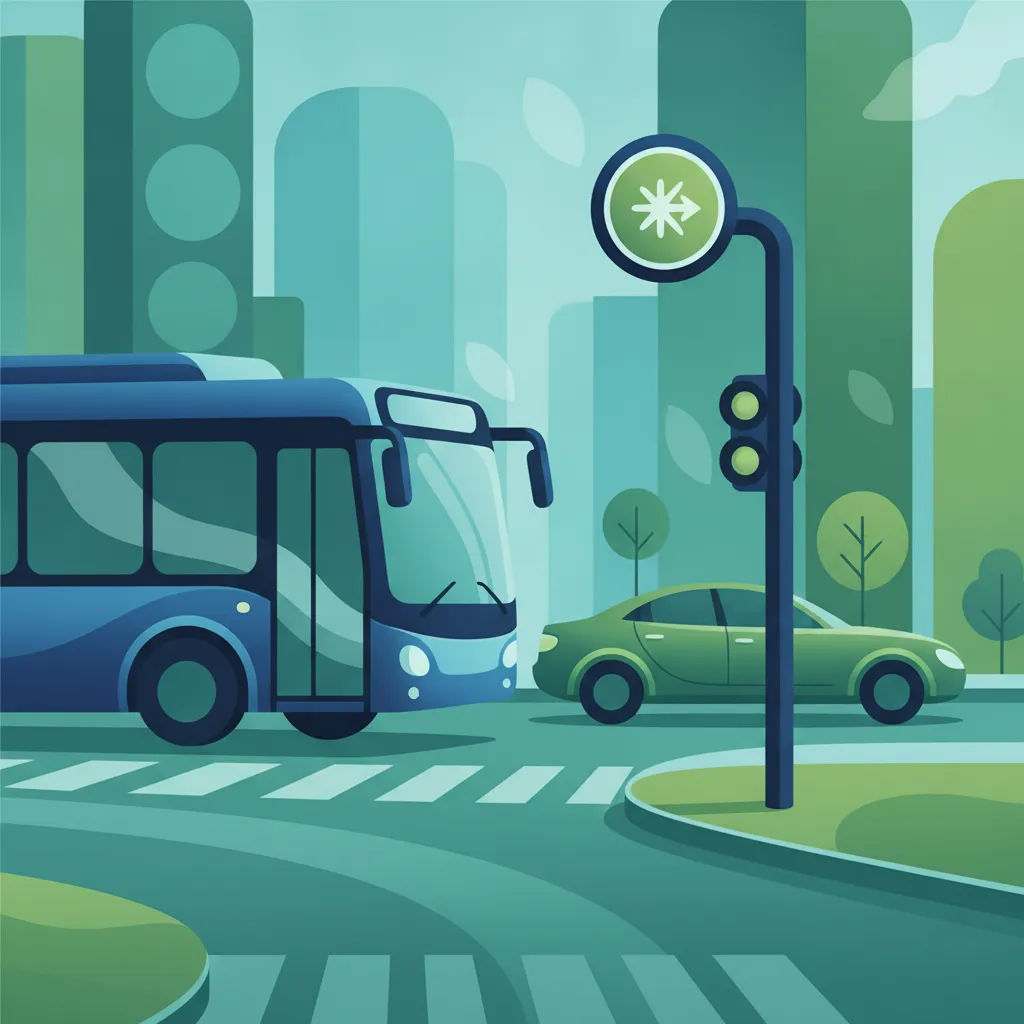
This lesson explains the regulations governing the use of dedicated bus lanes in Denmark. It covers when it is permissible to enter and exit these lanes, how to merge safely with general traffic, and the meaning of specific road markings. The content also details how public transport priority systems at traffic lights work and how drivers should respond to them.
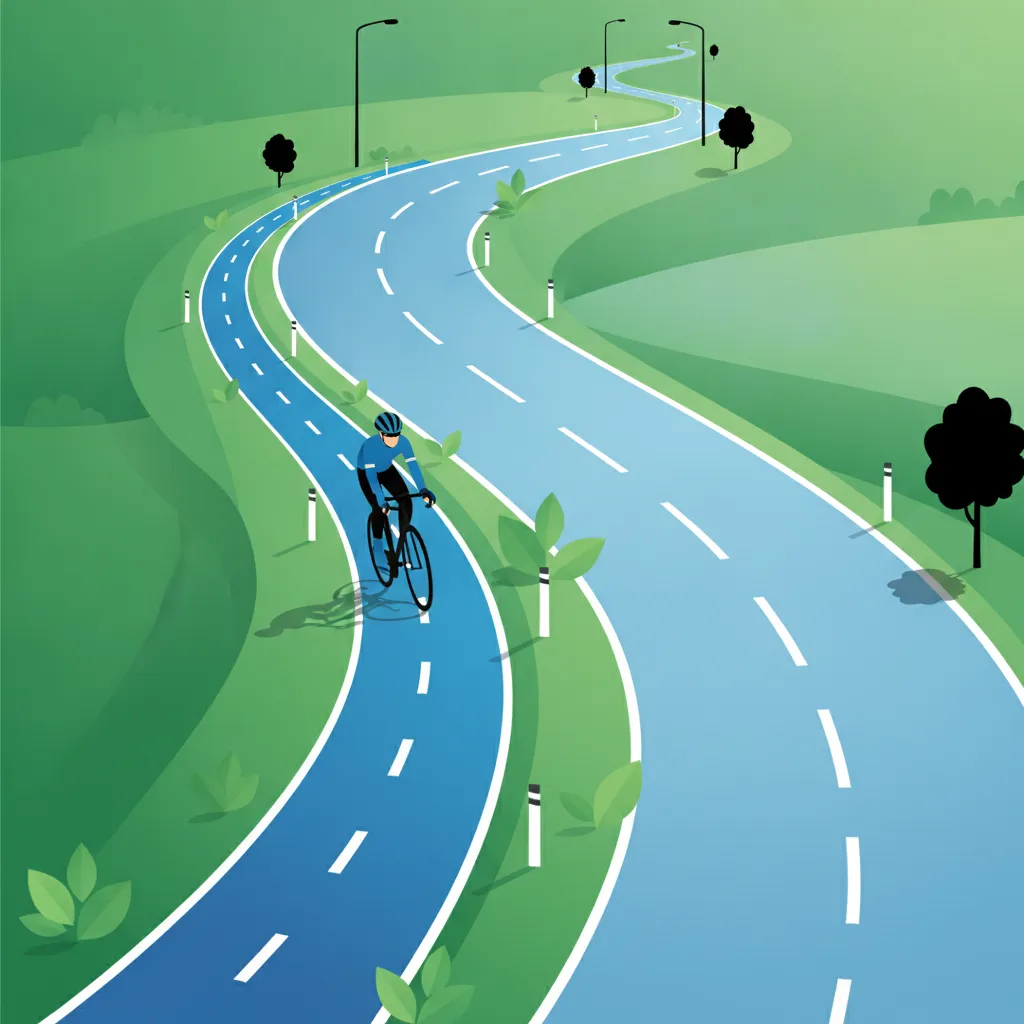
This lesson focuses on interpreting the various markings painted on Danish road surfaces. It explains the rules associated with solid and broken lane lines, directional arrows, and special-purpose lanes for buses and cyclists. Understanding these markings is crucial for maintaining correct lane discipline and safely navigating complex road layouts.
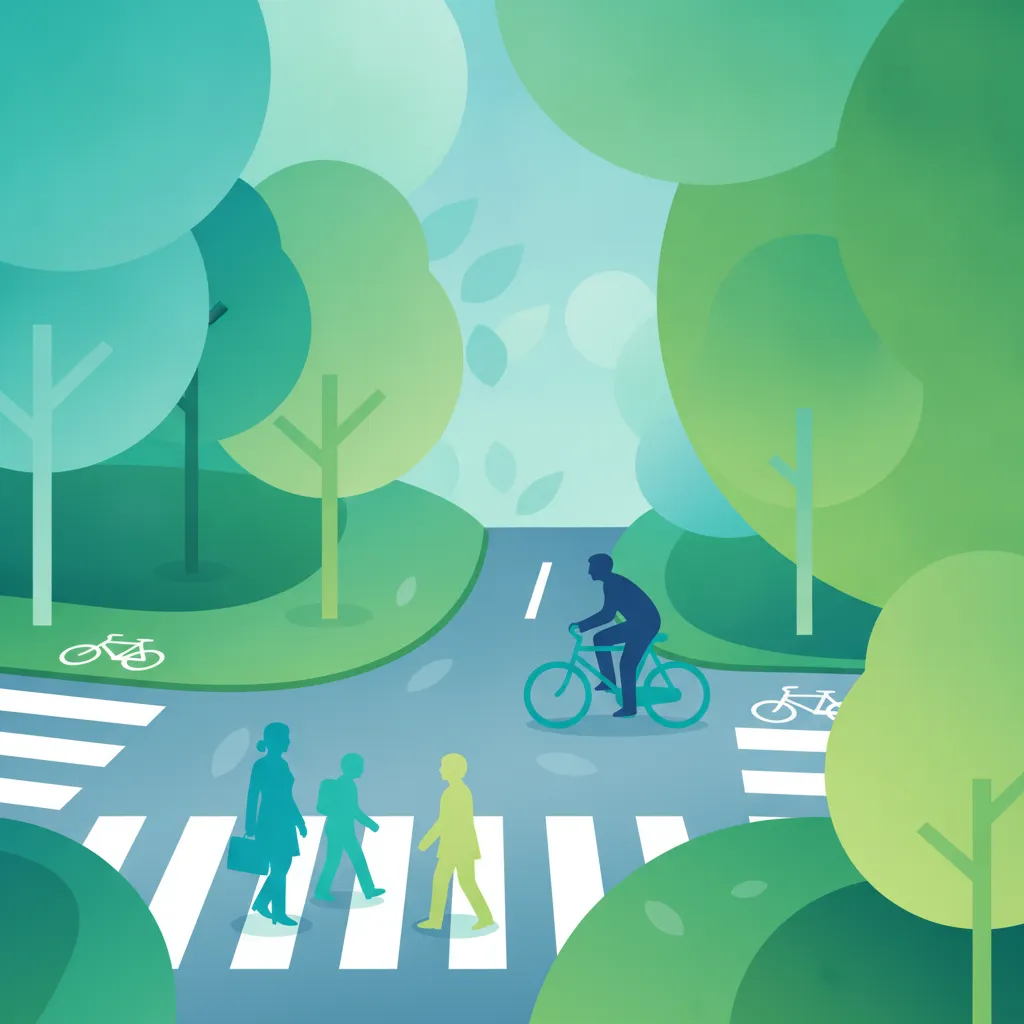
This lesson provides detailed guidance on navigating pedestrian crossings (fodgængerfelter) and areas with high cyclist traffic. It clarifies your legal obligation to stop for pedestrians at zebra crossings and the proper speed to approach these zones. A central theme is understanding the rights of vulnerable road users and how to yield safely to them in accordance with Danish traffic law.
This lesson focuses on the safe integration of cyclists and pedestrians within the traffic system, a key feature of Danish roads. It covers the specific rights and common behaviors of cyclists, including those on e-bikes and cargo bikes, and explains procedures for yielding to pedestrians. The content emphasizes maintaining safe distances and heightened awareness to prevent accidents and promote harmonious road sharing.
This lesson provides critical guidance for driving in environments with heavy cycle traffic, typical of Danish cities. It focuses on identifying and yielding to cyclists in dedicated bike lanes, especially when turning right across their path. The content emphasizes advanced observation skills to detect cyclists in blind spots and the importance of giving adequate space.
This lesson addresses the specific skills required to navigate around public transport and heavy goods vehicles safely. You will learn the rules for bus lanes, recognize when buses have priority at stops, and understand the unique challenges posed by large vehicles, such as wider turning circles and larger blind spots. The material also provides clear protocols for overtaking these vehicles while maintaining adequate safety margins.
This lesson addresses the critical skill of safely coexisting with cyclists and cargo bikes, which are prevalent in Denmark. It explains how to maintain a safe distance, overtake properly, and be vigilant for cyclists, especially when turning right. Understanding the infrastructure of cycle lanes and predicting cyclist behavior is a key focus.
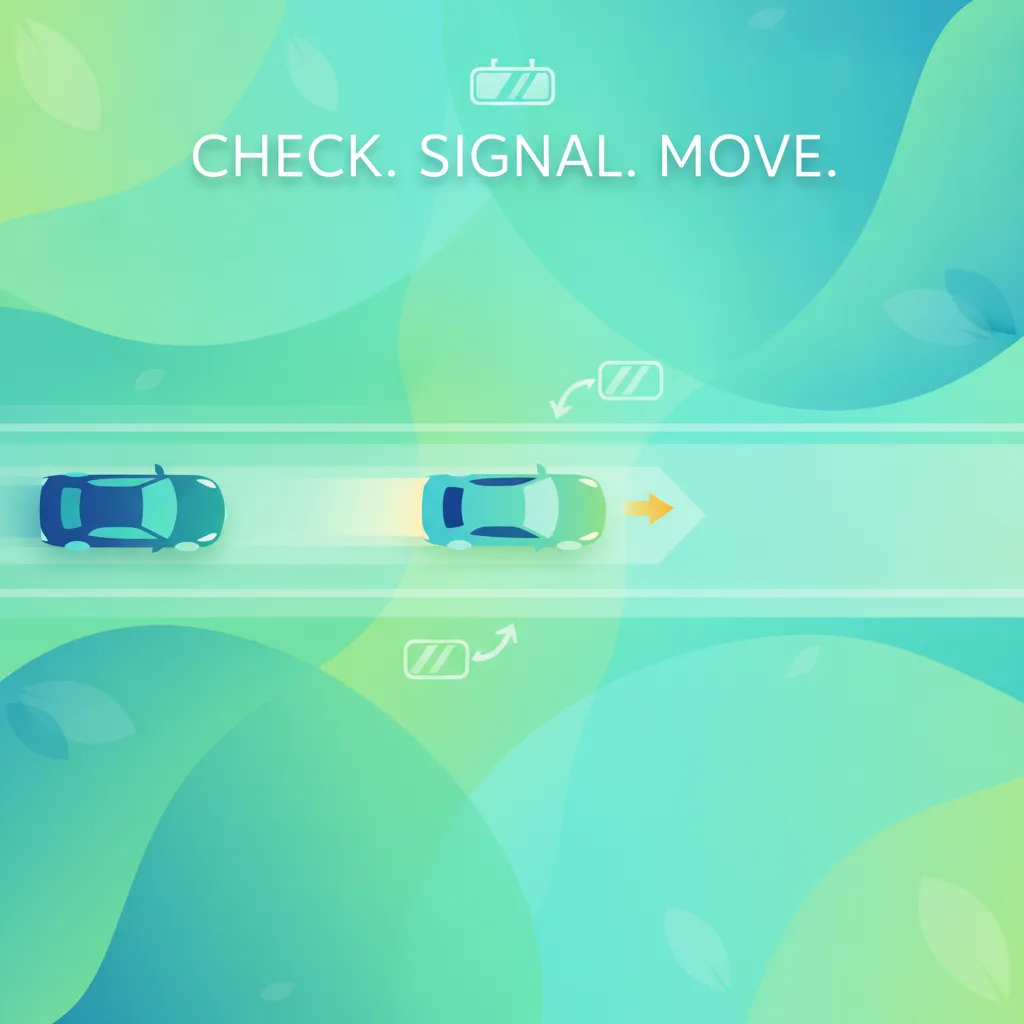
This lesson explains the principles of correct lane discipline, including proper positioning within your lane and adherence to road markings. It provides a clear, safe procedure for changing lanes, which includes signalling your intentions early, checking mirrors, and performing a final shoulder check for the blind spot. Mastering this process is essential for smooth and safe navigation in multi-lane traffic.

This lesson emphasizes the professional driver's heightened responsibility to protect vulnerable road users. It revisits Danish regulations concerning cyclist priority, particularly during right turns, and details the correct procedures for maintaining safe overtaking distances. The content focuses on developing advanced situational awareness, using mirrors and cameras effectively, and anticipating the behavior of pedestrians and cyclists in urban environments.
Find clear answers to common questions learners have about Managing Interactions with Cyclists and Tourists. Learn how the lesson is structured, which driving theory objectives it supports, and how it fits into the overall learning path of units and curriculum progression in Denmark. These explanations help you understand key concepts, lesson flow, and exam focused study goals.
Cyclists are vulnerable road users and often travel in significant volumes in Danish cities. As a bus driver, your vehicle's size creates large blind spots, making it easy to overlook cyclists, especially when turning or pulling into bus stops.
Expect unpredictable movements from tourists who may be unfamiliar with local traffic rules or distracted by their surroundings. Maintain a larger safety buffer, reduce your speed when near tourist-heavy areas, and be prepared to stop if you observe erratic behavior.
Yes. You must always check your mirrors for cyclists before pulling into or out of a bus stop. In many Danish urban configurations, you may have to cross a cycle lane to reach the curb, which requires extreme caution and strict adherence to yielding rules.
Exam questions often present visual scenarios where you must identify hazards involving cyclists or pedestrians. You will be asked to choose the safest action, such as waiting for a cyclist to pass before turning or confirming you have checked your blind spot.
Use our powerful search tool to pinpoint specific Danish driving theory topics, road signs, or traffic situations you need to review. Start exploring relevant practice sets now to reinforce your knowledge and build confidence for your upcoming driving licence exam.