
This lesson focuses on evaluating the safety of bus stops, a critical skill for Category D licence holders in Denmark. You will learn to identify environmental and traffic-related hazards and apply proactive measures to keep passengers safe during boarding and alighting.
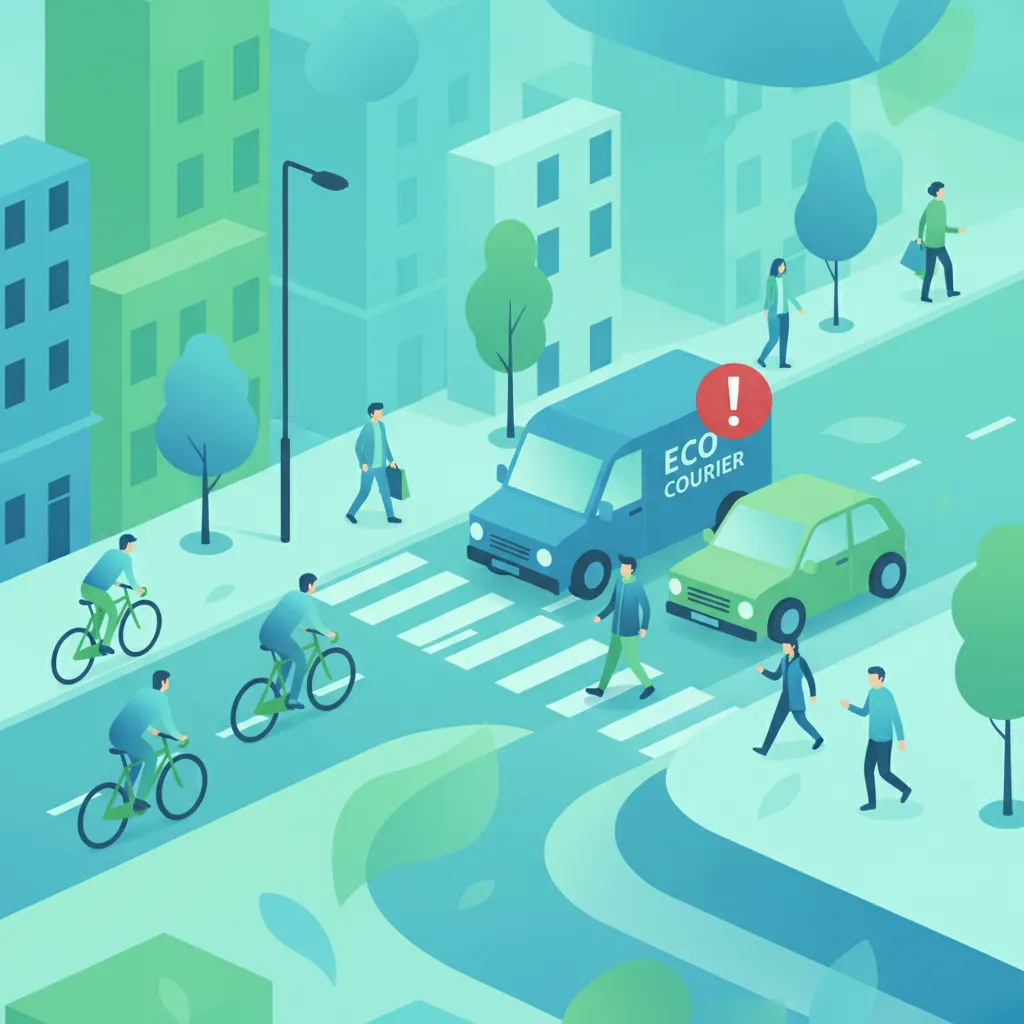
Lesson content overview
For drivers operating passenger transport vehicles under the Danish Category D Licence, understanding and mitigating risks at bus stops is paramount. This lesson delves into identifying high-risk areas, implementing proactive safety measures, and adhering to specific regulations to ensure the safety of passengers, pedestrians, cyclists, and other road users. It equips you with the knowledge to perform thorough risk assessments and manage your vehicle and passengers effectively in challenging environments.
A high-risk stop area is any location where stopping, boarding, or alighting passengers presents an elevated danger due to environmental factors, traffic conditions, or road layout. As a professional driver, your ability to quickly identify these zones and adapt your driving behavior is fundamental to fulfilling your duty of care and preventing incidents.
High-risk bus stops are characterized by specific conditions that amplify potential hazards. These can include poor visibility, where sightlines are obstructed for either the driver or other road users, or proximity to busy intersections, roundabouts, and pedestrian crossings. Areas with heavy pedestrian or cycle traffic, especially near schools or shopping centers, also fall into this category. Furthermore, stops on narrow streets or those requiring complex maneuvers due to restricted space increase the risk profile.
A location where stopping to board or alight passengers poses increased danger due to factors like limited visibility, complex traffic situations, or challenging road geometry. These areas demand heightened driver vigilance and specific safety protocols.
Ignoring these inherent risks can lead to serious consequences, from minor passenger injuries during boarding or alighting to severe collisions with other road users who may not anticipate the bus's presence or movement. Professional drivers must develop a keen awareness of these environmental cues and treat every stop as a potential risk scenario until a thorough assessment confirms its safety.
Proactive risk assessment at bus stops is a cornerstone of safe passenger transport. It is not merely about reacting to an immediate threat, but about anticipating potential dangers before they materialize. By systematically identifying and evaluating hazards before stopping, you can make informed decisions about your vehicle's positioning, communication with passengers, and interaction with surrounding traffic.
This systematic approach directly reduces the likelihood of accidents during the critical phases of passenger exchange. It minimizes the risk of collisions with vulnerable road users such as pedestrians and cyclists, prevents traffic disruptions, and ensures a smooth, safe experience for passengers. This proactive stance reflects the high standards of professionalism expected from Category D licence holders in Denmark.
Effective management of bus stops, particularly high-risk ones, hinges on adhering to several core principles. These guide your decision-making and actions, ensuring safety remains the top priority.
The principle of safety through risk assessment means systematically identifying and evaluating potential hazards at a bus stop before committing to a stop. This involves a quick but thorough mental checklist of the surroundings: checking for obstructions, assessing traffic flow, identifying vulnerable road users, and evaluating sightlines. The purpose is to anticipate and mitigate dangers, preventing accidents during the crucial boarding and alighting process. This assessment influences where you decide to stop, how you position the bus, and when to engage additional safety measures such as hazard lights or specific communication with passengers.
Visibility management is critical at any stop, but especially in high-risk areas. This principle mandates that you, as the bus driver, must ensure that you can clearly see your surroundings and, equally important, that your bus is clearly visible to other road users. Poor visibility is a significant contributor to collisions, particularly involving pedestrians and cyclists who might be obscured. Your assessment must cover your direct line of sight, the visibility offered to passengers, and how external factors like weather, lighting, or road geometry might affect overall visibility. Achieving optimal visibility dictates your optimal stopping point and may necessitate additional signaling or a more cautious approach.
The systematic evaluation of the visual field for both the driver and other road users (e.g., pedestrians, cyclists, other vehicles) before stopping, during passenger exchange, and before moving off from a bus stop.
The strategic placement of your bus relative to the curb, the road lane, and any nearby obstacles is paramount. This principle, known as positioning and clearance, aims to maximize safety for passengers boarding and alighting, while also minimizing the impact on the flow of other traffic. Correct positioning involves aligning the bus parallel to the curb, stopping at a safe distance from intersections, and avoiding locations where the bus itself creates a blind spot or obstructs views. It requires a thorough knowledge of your bus's dimensions, its turning radii, and the specific layout of the stop area. Improper positioning can create hazards for cyclists passing the bus, block pedestrian access, or impede other vehicles.
Professional drivers must develop an acute ability to identify various high-risk scenarios that may present themselves at bus stops. Recognizing these situations instantly allows for appropriate adjustments in driving behavior and safety protocols.
Stopping too close to an intersection or roundabout is inherently risky. Such locations involve converging traffic streams, complex turning movements, and often a high volume of vulnerable road users. If your bus obstructs the view of other drivers or creates a hazard for turning vehicles, it significantly increases the risk of a collision. Danish traffic law (Færdselsloven) generally requires vehicles to stop at a safe distance from intersections to avoid impeding traffic flow or creating dangerous blind spots. It is crucial to position the bus far enough back to allow other vehicles to pass safely and for the bus driver to have a clear view of approaching traffic from all directions before moving off.
Bus stops located on curves, at the crest of a hill, or immediately after a bend are classic examples of areas with limited visibility. These are high-risk locations because oncoming traffic, pedestrians, or cyclists may not see your stationary bus, or you may not see them until it is too late. Similarly, the bus itself can create significant blind spots for other road users, especially smaller vehicles or bicycles attempting to pass. It is imperative to choose stopping points that offer clear sightlines in both directions. If a designated stop is in such a location, the driver must exercise extreme caution, perhaps stopping slightly before or after the designated point to ensure maximum visibility, provided it is still safe and legal to do so. In these situations, active signaling, such as hazard lights, can be vital.
Bus stops situated in areas with high volumes of pedestrians and cyclists, such as city centers, near schools, markets, or parks, are by nature high-risk. These vulnerable road users are often less predictable, may be distracted, and are more susceptible to serious injury in a collision. When operating in such areas, drivers must be exceptionally vigilant. This includes constantly scanning for pedestrians and cyclists, anticipating their movements, and being prepared to react. Proper positioning away from pedestrian crossings and ensuring clear pathways for cyclists are critical. Communication, both visual (eye contact, hand signals) and auditory (horn if necessary, but carefully), becomes even more important here.
On narrow streets, bus stops can become particularly challenging. The width of the bus combined with limited road space means that stopping can significantly impede traffic flow or force other vehicles into dangerous maneuvers. Restricted maneuverability also arises in areas with parked cars, construction, or other obstacles near the stop. In such situations, the driver must carefully assess whether stopping is safe for both passengers and other road users. It might require the driver to temporarily occupy a larger portion of the road or to communicate clearly with trailing traffic. Extreme care is needed to ensure sufficient clearance for all parties and to avoid scraping obstacles or other vehicles.
Beyond merely looking, advanced visibility assessment involves a systematic and comprehensive check of your surroundings from multiple perspectives.
As a bus driver, your direct line of sight through the windshield provides the primary view. However, this is always complemented by extensive mirror usage. Your rearview mirrors and side mirrors are critical for monitoring traffic to your sides and rear, as well as passenger movement. Crucially, these mirrors must be correctly adjusted before starting your journey. When approaching and departing a stop, you must consciously cycle through mirror checks, looking for approaching vehicles, cyclists, and pedestrians. Never solely rely on mirrors, however; a direct head check for blind spots is always necessary, especially before pulling out or opening doors.
A complete visibility assessment also considers the perspective of your passengers, particularly when they are boarding or alighting. Are there obstacles that might obscure their view of oncoming traffic? Can they safely step off the bus without encountering immediate hazards? Furthermore, external factors like adverse weather conditions (rain, fog, snow) significantly reduce visibility for everyone. Night-time driving, combined with poor street lighting, demands extra caution and the strategic use of your vehicle's lighting systems. Road geometry, such as sharp curves or dips, also directly impacts how far you and others can see. Adjust your approach speed and stopping point accordingly in such conditions.
All large vehicles, including buses, have significant blind spots, areas around the vehicle that are not visible in mirrors. The most dangerous blind spots are typically along the sides, especially the left side (for right-hand drive countries, but relevant here for bus width) and immediately in front of the bus. Cyclists and pedestrians are particularly vulnerable to being hidden in these zones.
To overcome blind spots:
When stopping at a bus stop, especially if it's not a dedicated bus lane, try to maintain a slight distance from the curb if possible and safe. This creates a small gap that makes it less inviting for cyclists to squeeze between your bus and the curb, reducing the risk of being caught in your blind spot when you pull away.
Correct bus positioning at a stop is a fundamental safety measure, crucial for passenger safety and minimizing disruption to other traffic.
When stopping, your bus should be aligned as parallel to the curb as possible. This ensures passengers have a stable, level surface for boarding and alighting, minimizing the risk of trips or falls. The distance from the curb is also critical:
As per Danish traffic regulations, you must not stop where your bus obstructs traffic flow or sightlines, particularly near intersections (kryds) or pedestrian crossings (fodgængerfelter). The general rule in Denmark is that stopping or parking is prohibited within 10 meters of an intersection or a pedestrian crossing. This distance ensures that other drivers have a clear view of the intersection and that pedestrians can use crossings safely without obstruction from your vehicle. When approaching a bus stop near such areas, be prepared to stop slightly before or after the designated mark if it ensures compliance with this rule and enhances overall safety.
Certain locations, even if designated as bus stops, require extreme caution or even a slight adjustment to the stopping point if safety is compromised. These include:
Your professional judgment is key. If a designated stop inherently poses an unacceptable risk, communicate any necessary deviation from the standard stop point to passengers and traffic, and choose the safest alternative available.
The moments passengers board and alight are critical for safety, requiring precise procedures and constant vigilance from the driver.
The safe operation of bus doors is fundamental. Doors must only be opened when the bus is completely stationary at a designated stop, and the area immediately outside the door is confirmed to be clear of traffic, particularly cyclists and pedestrians.
Bring the bus to a complete, stable stop, ensuring parallel alignment to the curb and a safe distance from intersections.
Perform a thorough check of the area around the doors using mirrors and direct head checks to confirm no approaching traffic, especially cyclists, is about to pass.
Only then, activate the door opening mechanism.
Keep the doors open only for the necessary duration to allow passengers to board or alight safely.
Before closing the doors, confirm that all passengers are clear of the door area and no new passengers are attempting to board.
Close the doors smoothly. Never move the bus with doors open.
Opening doors into moving traffic, even slowly, is highly dangerous and strictly prohibited. In Denmark, as elsewhere, this is considered a serious breach of safety protocols.
Your duty of care extends to actively monitoring passengers throughout the boarding and alighting process. Observe passengers as they approach and leave the bus to ensure they do so safely. This includes watching for:
Effective communication, both verbal (e.g., "Please watch your step," "Mind the gap") and non-verbal (eye contact, patient demeanor), helps manage passenger expectations and promotes a safe environment. Clear announcements about the next stop, especially in unfamiliar areas, can also prevent passengers from attempting to alight at unsafe locations.
"Dwell time" refers to the time the bus spends stationary at a stop. While efficiency and maintaining a timetable are important, safety must never be compromised for speed. The goal is to minimize dwell time without rushing the boarding and alighting process. This is achieved through smooth, practiced procedures, clear communication, and efficient monitoring. Drivers who are well-versed in their routes and anticipate high-risk stops can prepare proactively, reducing delays that might tempt them to cut corners on safety.
The Danish Road Traffic Act (Færdselsloven) contains specific provisions governing the operation of public transport vehicles, including rules pertinent to bus stops. Adherence to these regulations is not only a legal obligation but also a critical component of safe driving practice.
According to Danish traffic law, a bus must always stop at a location where the driver has clear and unobstructed visibility in both directions of travel. This rule is particularly emphasized for stops on curves, near blind spots, and close to intersections. The rationale is to empower the driver to assess the traffic situation fully before stopping, pulling away, or opening doors, thereby significantly reducing the risk of collisions. Stopping on a blind curve where oncoming traffic is not visible, for example, is a direct violation of this mandate and an extremely dangerous practice.
Equally important is the legal requirement that the driver must be able to see and be seen by other road users before pulling away from a stop. This rule applies every time the bus resumes motion, ensuring that cyclists, pedestrians, and other vehicles in the immediate vicinity are not endangered. This necessitates comprehensive mirror checks, blind spot checks (often involving a physical head turn), and confirming that the path ahead is clear. Pulling out without adequately checking for a cyclist in a blind spot is a common cause of accidents and a direct infringement of this safety requirement.
As mentioned previously, the Færdselsloven mandates that vehicles, including buses, must stop at a safe distance from intersections to avoid obstructing traffic flow. This prevents congestion at busy junctions and minimizes the potential for collisions involving turning vehicles or those attempting to cross the intersection. While a designated bus stop may be close to an intersection, the driver's responsibility is to ensure that the bus's final stopping position complies with the legal minimum safe distance from the intersection's boundary or markings.
Danish regulations are stringent regarding door operation. Bus doors may only be opened when the bus is completely stopped at a designated stop and when the area immediately surrounding the doors is clear of any traffic or obstacles. This rule specifically aims to prevent doors from opening into the path of cyclists or pedestrians, or from creating a hazard for other vehicles. Under no circumstances should doors be opened while the bus is in motion, even if it is moving slowly, nor should they be opened on the side facing the road if it could expose passengers to oncoming traffic.
The Færdselsloven also implicitly, and in some areas explicitly, underpins the driver's comprehensive duty of care (omsorgspligt) towards their passengers. This legal and ethical obligation extends throughout the entire journey, but is particularly acute during boarding and alighting. It means the driver must take all reasonable steps to ensure passengers can enter and exit the bus safely, preventing injuries. This includes monitoring passenger movements, providing sufficient time, ensuring the ground is safe, and being prepared to assist if needed. Ignoring passengers who are still boarding or struggling while attempting to move off constitutes a serious breach of this duty.
Understanding common mistakes is just as important as knowing the rules. Learning from these pitfalls can help refine your driving practices and enhance safety.
Even when following rules, unique situations arise:
Driving conditions are rarely static. Professional drivers must constantly adapt their strategies for managing bus stops based on environmental and situational changes.
In areas known for high pedestrian or cyclist traffic (e.g., near schools, shopping districts), extra caution and clear communication are absolutely essential. This means:
The effective management of high-risk bus stops is not an isolated skill but is deeply integrated with other core driving competencies for Category D drivers. It reinforces the importance of blind spot management, as many incidents at stops involve unseen cyclists. It builds upon intersection safety knowledge, requiring careful navigation and positioning near junctions. Furthermore, it directly contributes to passenger comfort and accessibility, ensuring smooth and safe boarding/alighting experiences for all, including those with mobility challenges. By mastering these principles, you enhance your overall professional driving standard, ensuring safe and efficient passenger transport on Danish roads.
Let's examine how these principles apply in practical, everyday situations.
You are approaching a designated bus stop that is located on a gentle curve, just before a school zone. It's mid-afternoon, and children are starting to leave school.
Your next stop is immediately after a busy urban intersection with a pedestrian crossing, and there are several passengers waiting.
You are operating a late-night route. Your next stop is in a residential area with minimal street lighting, and it's raining lightly.
This lesson teaches Danish Category D drivers to identify and manage high-risk bus stops through systematic risk assessment, covering hazards such as poor visibility, proximity to intersections, and heavy pedestrian or cyclist traffic. Key principles include ensuring optimal visibility for all road users, strategic vehicle positioning parallel to the curb with safe clearance from intersections, and strict door operation protocols that only allow opening when stationary with a clear area. Danish traffic law (Færdselsloven) mandates clear visibility before stopping or moving off, prohibits stopping within 10 meters of intersections or crossings, and imposes a duty of care on drivers to ensure safe passenger boarding and alighting. The content includes practical scenarios, common violations with best practices, and guidance for adapting procedures to weather, lighting, and road geometry conditions.
A short set of high-value points that capture the most important learning from this lesson.
High-risk bus stops are characterized by poor visibility, proximity to intersections or roundabouts, heavy pedestrian or cyclist traffic, or challenging road geometry that elevates danger during passenger boarding and alighting
A systematic visibility assessment must evaluate sightlines for the driver, passengers, and other road users before stopping, during passenger exchange, and before moving off
Strategic positioning requires parallel alignment to the curb at a safe distance, adequate clearance from intersections and crossings, and stopping where the driver can see and be seen in both directions
Doors must only be opened when the bus is completely stationary and the immediate area is confirmed clear of cyclists and pedestrians - never while the bus is moving
The driver's duty of care (omsorgspligt) under Færdselsloven requires active monitoring of passengers throughout boarding and alighting and taking all reasonable steps to ensure their safe entry and exit
Explore all units and lessons included in this driving theory course.
Færdselsloven prohibits stopping within 10 meters of intersections or pedestrian crossings to avoid obstructing sightlines and traffic flow
Blind spots require physical head checks in addition to mirror usage before pulling away from any stop
Buses must stop where the driver has clear visibility in both directions of travel before committing to stop or moving off
Maintain a slight gap from the curb when safe to discourage cyclists from squeezing between the bus and curb, reducing blind spot risks when departing
Hazard lights should be activated in poor visibility conditions to make the stationary bus more visible to other road users
Stopping too close to an intersection or pedestrian crossing, which blocks sightlines for other drivers and pedestrians
Opening doors without first checking for cyclists who may be passing on the curb side in the driver's blind spot
Failing to perform head checks for blind spots before moving off, leading to collisions with cyclists or pedestrians
Stopping on blind curves or hill crests where visibility is severely limited for both the driver and approaching traffic
Rushing passenger boarding or alighting by closing doors before passengers have fully cleared the door area
Lesson content overview
A short set of high-value points that capture the most important learning from this lesson.
High-risk bus stops are characterized by poor visibility, proximity to intersections or roundabouts, heavy pedestrian or cyclist traffic, or challenging road geometry that elevates danger during passenger boarding and alighting
A systematic visibility assessment must evaluate sightlines for the driver, passengers, and other road users before stopping, during passenger exchange, and before moving off
Strategic positioning requires parallel alignment to the curb at a safe distance, adequate clearance from intersections and crossings, and stopping where the driver can see and be seen in both directions
Doors must only be opened when the bus is completely stationary and the immediate area is confirmed clear of cyclists and pedestrians - never while the bus is moving
The driver's duty of care (omsorgspligt) under Færdselsloven requires active monitoring of passengers throughout boarding and alighting and taking all reasonable steps to ensure their safe entry and exit
Explore all units and lessons included in this driving theory course.
Færdselsloven prohibits stopping within 10 meters of intersections or pedestrian crossings to avoid obstructing sightlines and traffic flow
Blind spots require physical head checks in addition to mirror usage before pulling away from any stop
Buses must stop where the driver has clear visibility in both directions of travel before committing to stop or moving off
Maintain a slight gap from the curb when safe to discourage cyclists from squeezing between the bus and curb, reducing blind spot risks when departing
Hazard lights should be activated in poor visibility conditions to make the stationary bus more visible to other road users
Stopping too close to an intersection or pedestrian crossing, which blocks sightlines for other drivers and pedestrians
Opening doors without first checking for cyclists who may be passing on the curb side in the driver's blind spot
Failing to perform head checks for blind spots before moving off, leading to collisions with cyclists or pedestrians
Stopping on blind curves or hill crests where visibility is severely limited for both the driver and approaching traffic
Rushing passenger boarding or alighting by closing doors before passengers have fully cleared the door area
Explore search topics learners often look for when studying Identifying and Managing High-Risk Stop Areas. These topics reflect common questions about road rules, driving situations, safety guidance, and lesson level theory preparation for learners in Denmark.
Browse additional driving theory lessons that cover connected traffic rules, road signs, and common driving situations related to this topic. Improve your understanding of how different rules interact across everyday traffic scenarios.
Explore critical real-world scenarios for Category D drivers in Denmark, focusing on managing high-risk bus stops. Learn best practices for challenging urban environments, intersections, and low-visibility conditions to ensure passenger safety.
This lesson focuses on the precise maneuvers required for approaching and stopping at bus stops. It covers how to manage vehicle speed, align the bus parallel to the curb for safe access, and correctly position it relative to stop lines and shelters. The content also explains how to interpret Danish road signs and markings specific to public transport stops.
This lesson covers strategies for safely managing passenger movement at bus stops. It provides guidance on directing passenger flow, encouraging the use of handrails, and providing assistance to those who need it. The content emphasizes the driver's observational role in preventing slips, trips, and falls, particularly during peak hours or in adverse weather.
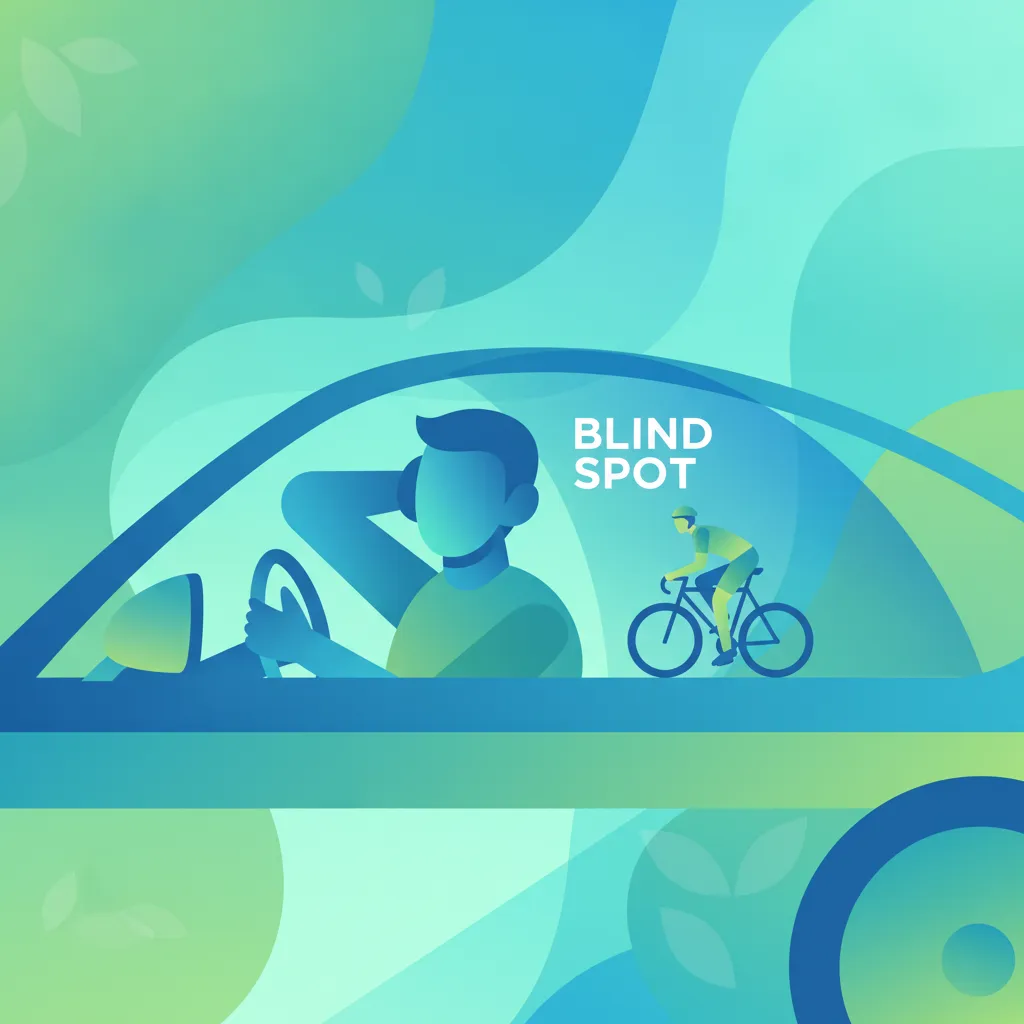
This lesson provides an in-depth analysis of the size and location of blind spots around a typical passenger bus. It teaches systematic scanning patterns that incorporate all mirrors, cameras, and direct head checks to maintain situational awareness. The content highlights high-risk areas where cyclists, pedestrians, or small vehicles can become hidden from view, especially during turns.
This lesson details the specific rules related to bus lanes and bus stops. It clarifies when other vehicles may use bus lanes, the legal requirement to yield to buses pulling away from a stop, and the importance of being cautious around embarking or disembarking passengers. Adherence to these rules is vital for the efficient and safe operation of public transportation.
This lesson addresses the specific challenges of school and tourist transport. It outlines heightened safety protocols for stops near schools, including monitoring child behavior and working with school patrols. The content also covers techniques for managing large groups of tourists, dealing with luggage, and providing clear information at popular destinations.
This lesson details the legal requirements and safety protocols for operating a bus near schools and pedestrian crossings. It covers mandatory speed reductions, the rules for yielding to pedestrians, and techniques for anticipating the sudden movements of children. The content emphasizes the importance of constant visual scanning and maintaining a high state of alert in these sensitive areas.
This lesson explains the concept of off-tracking, where the rear wheels follow a tighter path than the front wheels during a turn. It provides techniques for positioning the bus correctly before a turn to avoid striking curbs or obstacles. The content also outlines the systematic safety checks and procedures for reversing, including the proper use of mirrors, cameras, and a guide.
This lesson covers the core principles of defensive driving in an urban context. It teaches drivers how to anticipate the actions of other road users, maintain safe following distances in dense traffic, and navigate complex intersections with multiple signals. The content emphasizes heightened awareness of pedestrians, cyclists, and unexpected events common in Danish city environments.
This lesson explains the relationship between a bus's dimensions—length, width, and height—and its maneuverability. It covers key concepts such as turning radius, rear overhang, and swept path, which are critical for navigating turns and tight spaces safely. Learners will also understand how these physical characteristics create significant blind spots that require specific observation techniques to manage.
This lesson details the procedures for safe door operation during passenger boarding. It explains the driver's responsibility to visually clear the doorway and surrounding area before opening or closing doors. The content covers the function of safety features like sensors and interlock systems, ensuring compliance with Danish vehicle regulations to prevent passenger injuries.
Understand the specific legal requirements from the Danish Road Traffic Act (Færdselsloven) regarding bus stop safety, including stopping distances, visibility mandates, and driver duties of care for Category D licence holders.
This lesson focuses on the precise maneuvers required for approaching and stopping at bus stops. It covers how to manage vehicle speed, align the bus parallel to the curb for safe access, and correctly position it relative to stop lines and shelters. The content also explains how to interpret Danish road signs and markings specific to public transport stops.
This lesson details the specific rules related to bus lanes and bus stops. It clarifies when other vehicles may use bus lanes, the legal requirement to yield to buses pulling away from a stop, and the importance of being cautious around embarking or disembarking passengers. Adherence to these rules is vital for the efficient and safe operation of public transportation.
This lesson details the procedures for safe door operation during passenger boarding. It explains the driver's responsibility to visually clear the doorway and surrounding area before opening or closing doors. The content covers the function of safety features like sensors and interlock systems, ensuring compliance with Danish vehicle regulations to prevent passenger injuries.
This lesson focuses on the safe and correct operation of passenger vehicle doors. It covers the different types of door mechanisms and the importance of monitoring the door area to prevent injury during boarding and alighting. The content details Danish regulations regarding door safety systems and the driver's responsibility to ensure doors are fully closed and secured before moving.
This lesson details the legal requirements and safety protocols for operating a bus near schools and pedestrian crossings. It covers mandatory speed reductions, the rules for yielding to pedestrians, and techniques for anticipating the sudden movements of children. The content emphasizes the importance of constant visual scanning and maintaining a high state of alert in these sensitive areas.
This lesson covers strategies for safely managing passenger movement at bus stops. It provides guidance on directing passenger flow, encouraging the use of handrails, and providing assistance to those who need it. The content emphasizes the driver's observational role in preventing slips, trips, and falls, particularly during peak hours or in adverse weather.
This lesson addresses the specific challenges of school and tourist transport. It outlines heightened safety protocols for stops near schools, including monitoring child behavior and working with school patrols. The content also covers techniques for managing large groups of tourists, dealing with luggage, and providing clear information at popular destinations.
This lesson explains the regulations governing the use of dedicated bus lanes in Denmark. It covers when it is permissible to enter and exit these lanes, how to merge safely with general traffic, and the meaning of specific road markings. The content also details how public transport priority systems at traffic lights work and how drivers should respond to them.
This lesson contrasts the driving techniques required for rural roads and motorways. It covers managing speed on narrow, winding lanes with potential hazards like farm machinery or animals. The content also explains the principles of safe motorway driving, including maintaining lane discipline, managing high-speed stability, and executing safe overtaking maneuvers.
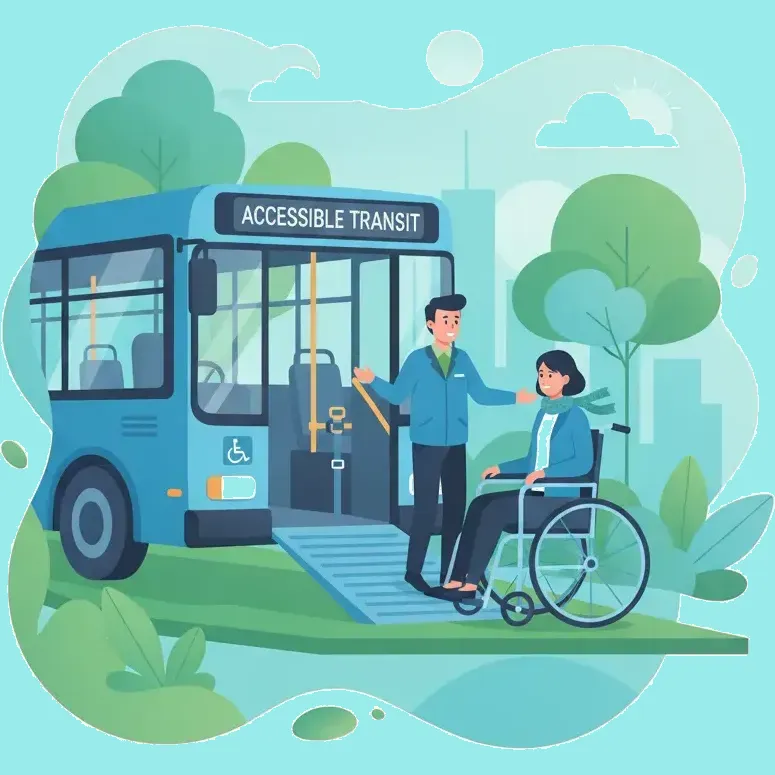
This lesson covers the driver's responsibilities in providing accessible transport for passengers with reduced mobility. It details the correct operation of wheelchair ramps and lifts, as well as the procedures for safely securing wheelchairs inside the vehicle. The content also emphasizes respectful communication and awareness of passenger needs, in line with Danish accessibility laws and standards.
Find clear answers to common questions learners have about Identifying and Managing High-Risk Stop Areas. Learn how the lesson is structured, which driving theory objectives it supports, and how it fits into the overall learning path of units and curriculum progression in Denmark. These explanations help you understand key concepts, lesson flow, and exam focused study goals.
A high-risk stop is characterized by factors like limited visibility, high pedestrian or cyclist traffic, proximity to busy intersections, or narrow road spaces that force passengers into hazardous areas when alighting.
If the designated area is blocked, you must assess whether it is safer to stop slightly away from the curb to keep passengers clear of obstructions, while ensuring they do not step directly into traffic or cycle paths.
Yes, the theory exam often features scenarios where you must decide the safest moment to open doors or advise passengers based on surrounding traffic hazards such as approaching cyclists.
School stops require heightened vigilance for children who may enter the road unexpectedly. You must ensure the bus is fully secured and monitor all sides before allowing movement, maintaining a defensive posture throughout.
Use our powerful search tool to pinpoint specific Danish driving theory topics, road signs, or traffic situations you need to review. Start exploring relevant practice sets now to reinforce your knowledge and build confidence for your upcoming driving licence exam.