
Explore comprehensive Danish driving theory topics, covering all essential traffic rules, road signs, priority situations, and vehicle operation specific to Denmark. This hub provides clear explanations designed to help you master official Danish legislation and practical driving concepts. Build a strong theoretical foundation here to prepare effectively for your driving license theory examination.
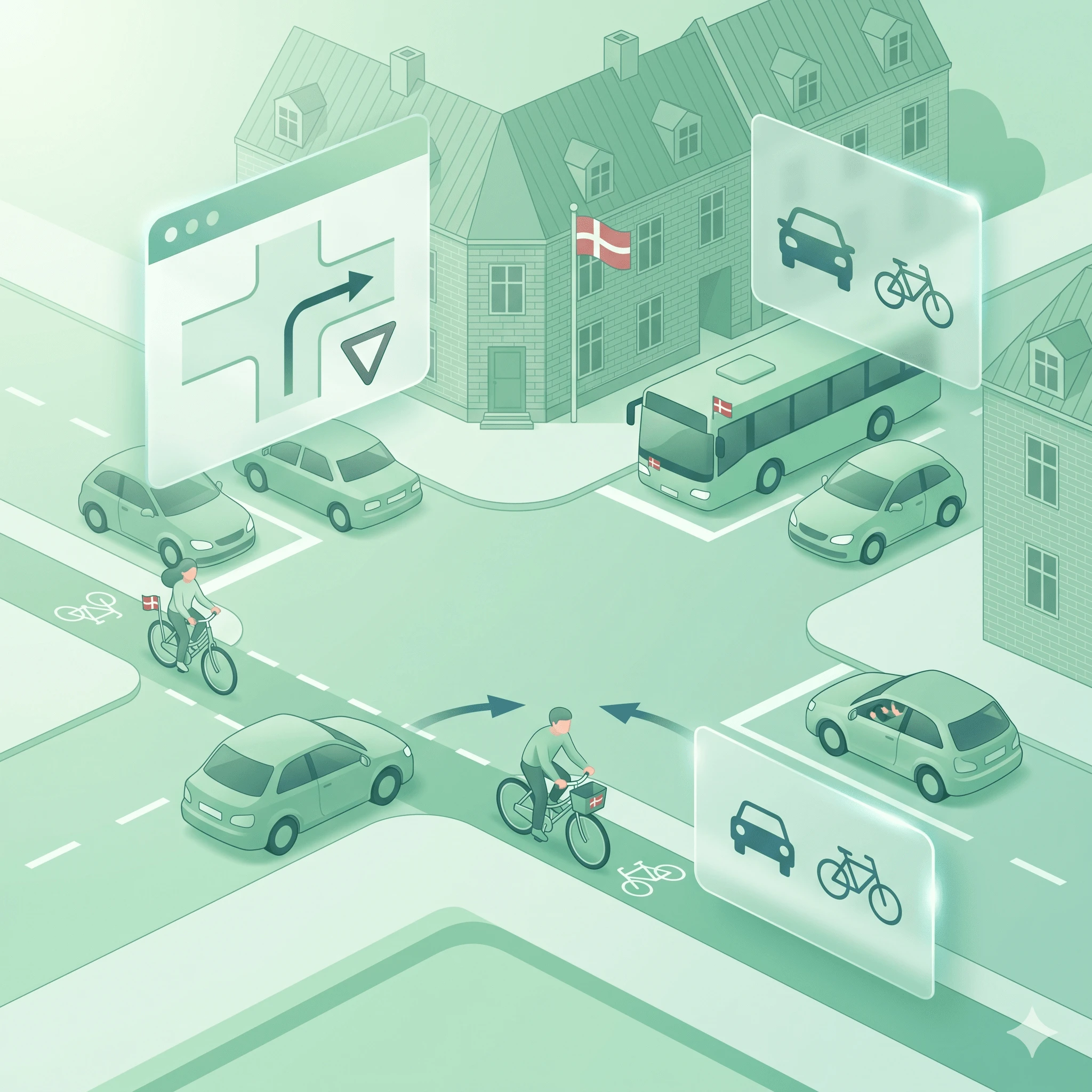
Deepen your knowledge of Danish traffic rules, right-of-way priority, and essential road safety through structured subject modules. These focused study areas help you build confidence in complex hazard perception and official road sign recognition before your test.
9 topics
7 topics
6 topics
3 topics
3 topics
3 topics
2 topics
1 topic
1 topic
1 topic
1 topic
1 topic
Navigate all essential Danish driving theory topics to prepare for your exam. Search for specific traffic rules or road signs, or browse subjects to deepen your understanding for comprehensive exam study.
Filter by category
6 theory topics found
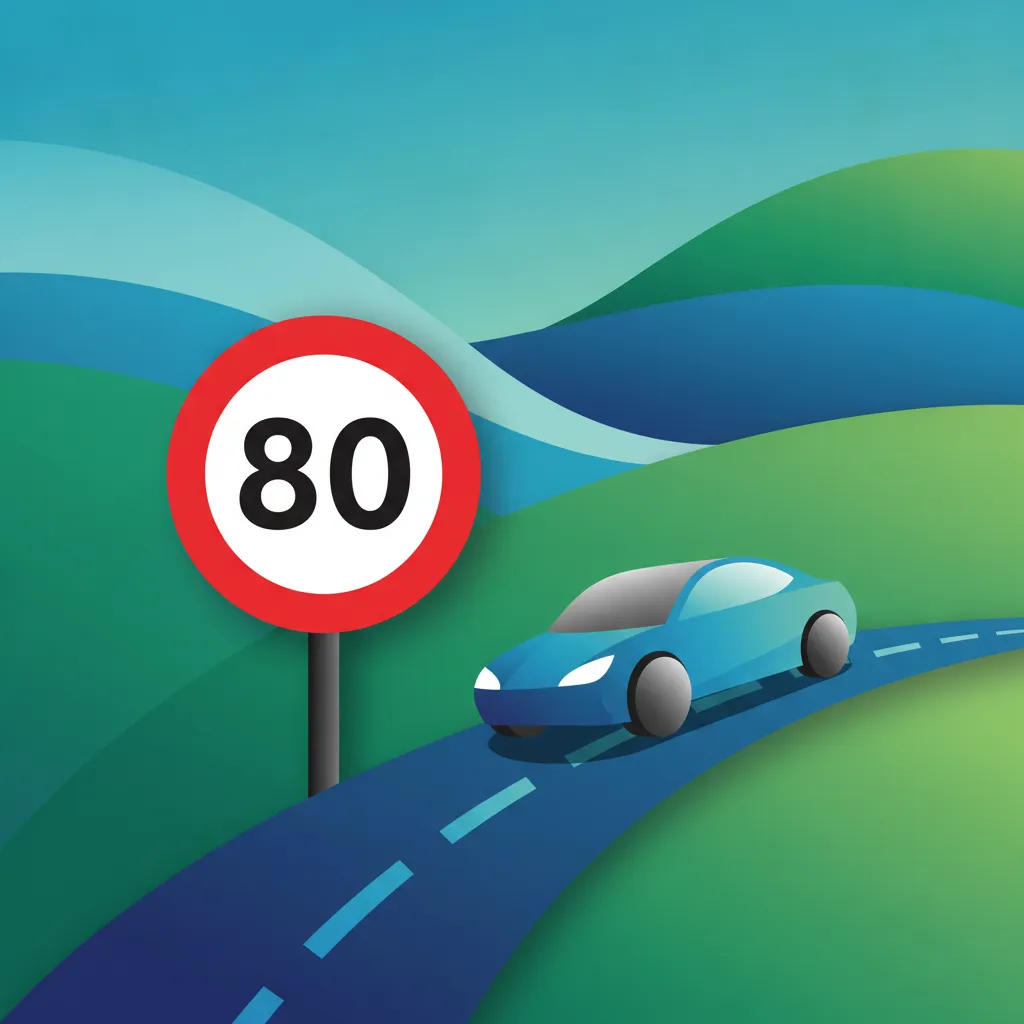
Speed limits in Denmark are established maximum speeds for various road types, crucial for maintaining safety and orderly traffic flow. While these limits define the highest legal speed, you must always drive according to conditions, even if it means going significantly slower. This section clarifies Danish speed regulations and the driver's responsibility for safe speed adaptation.
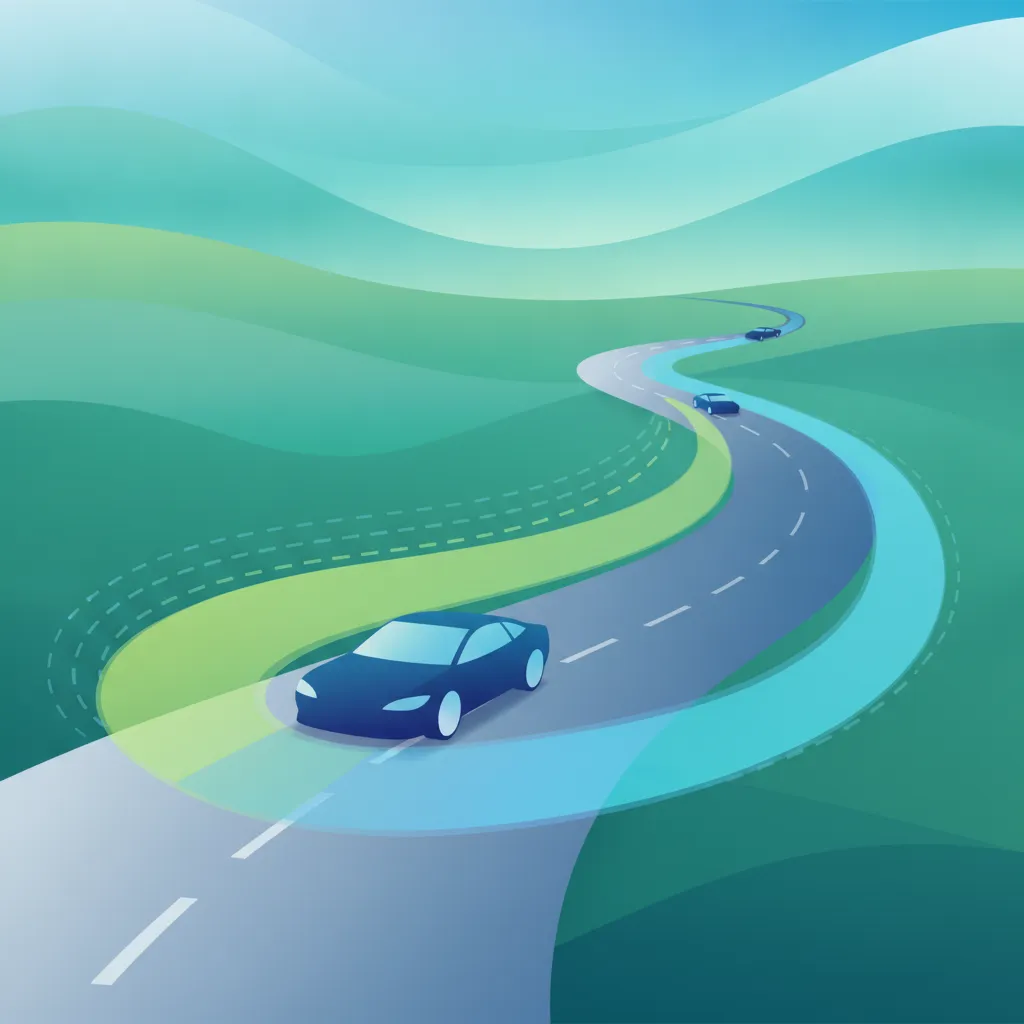
The total distance a vehicle needs to come to a complete stop is a sum of its reaction distance and braking distance. Both components are directly affected by your speed, but braking distance increases disproportionately faster. This page explains this crucial relationship, vital for judging safety margins and avoiding collisions in Danish traffic.
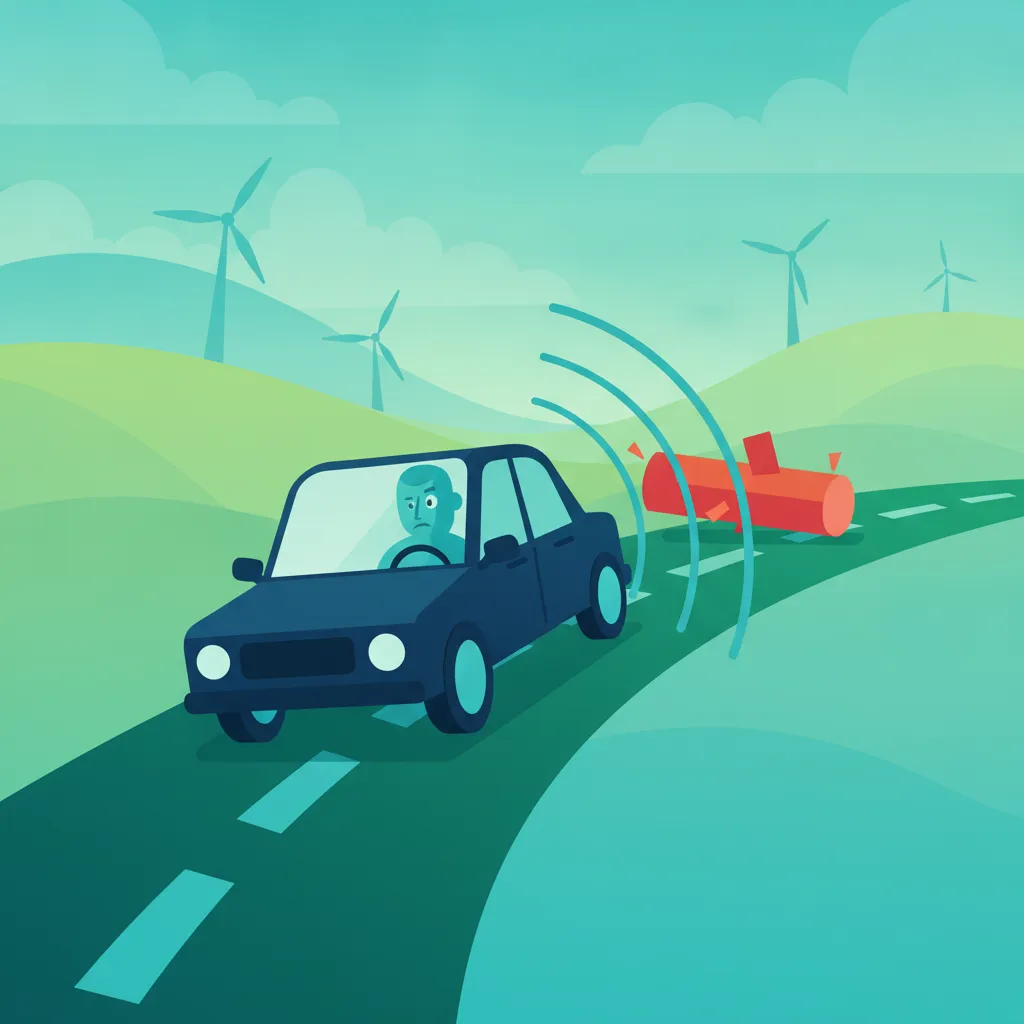
Reaction distance is a fundamental concept in Danish driving theory, describing the distance your vehicle covers while you perceive a danger, decide to act, and physically move to press the brake pedal. It's the 'unbraked' travel distance during your reaction time. Understanding this concept is vital for predicting stopping distances, maintaining safe following distances, and passing your Danish driving test.
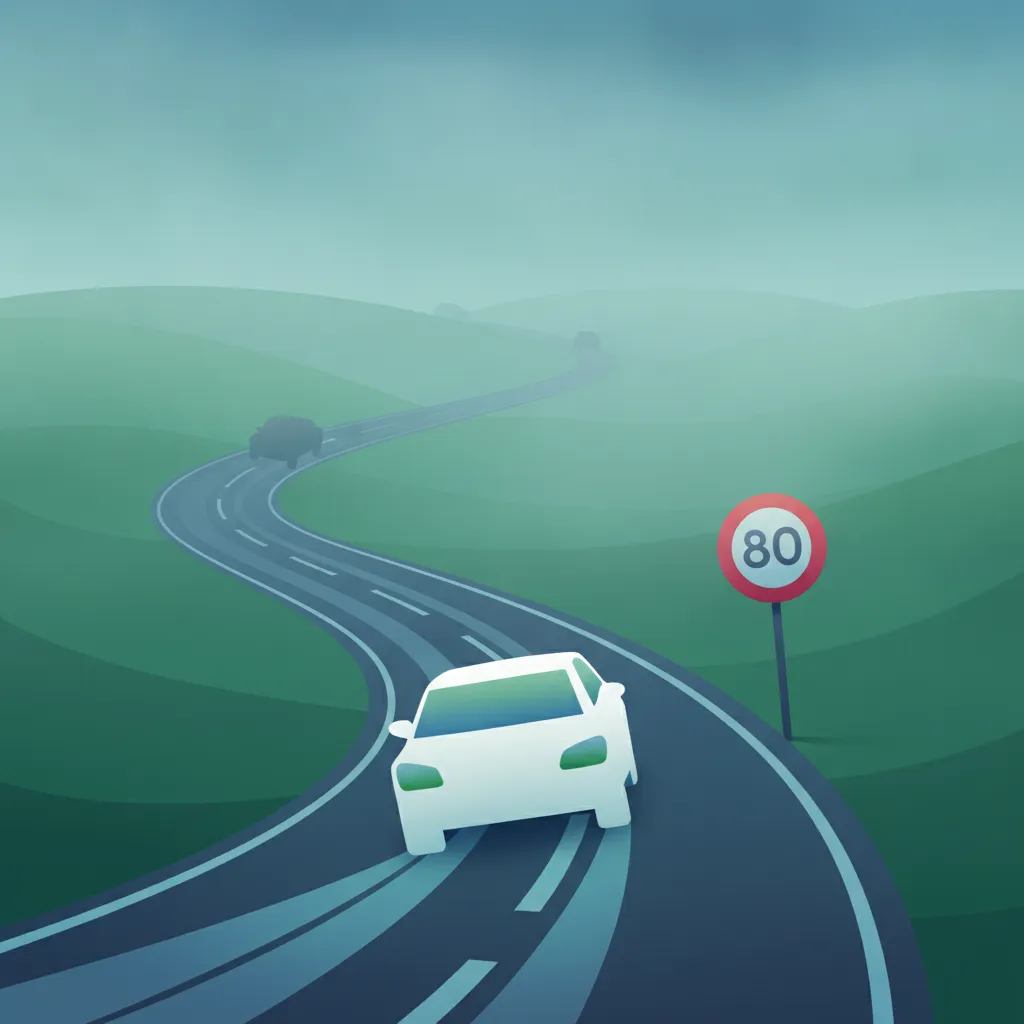
In Danish traffic, choosing a safe speed is a fundamental skill that goes beyond just observing posted speed limits. It's about making a continuous judgment call based on current conditions, ensuring you can always react and stop safely. This principle is vital for both passing your driving theory test and ensuring real-world road safety.

Braking distance, known in Danish as 'bremselængde', is the distance your vehicle travels from the instant you activate the brakes until it comes to a complete halt. It's a critical component of overall stopping distance and is heavily influenced by factors such as your speed, the road surface, and your vehicle's condition. Understanding these relationships is essential for passing your Danish driving theory test and ensuring safety in real-world traffic.
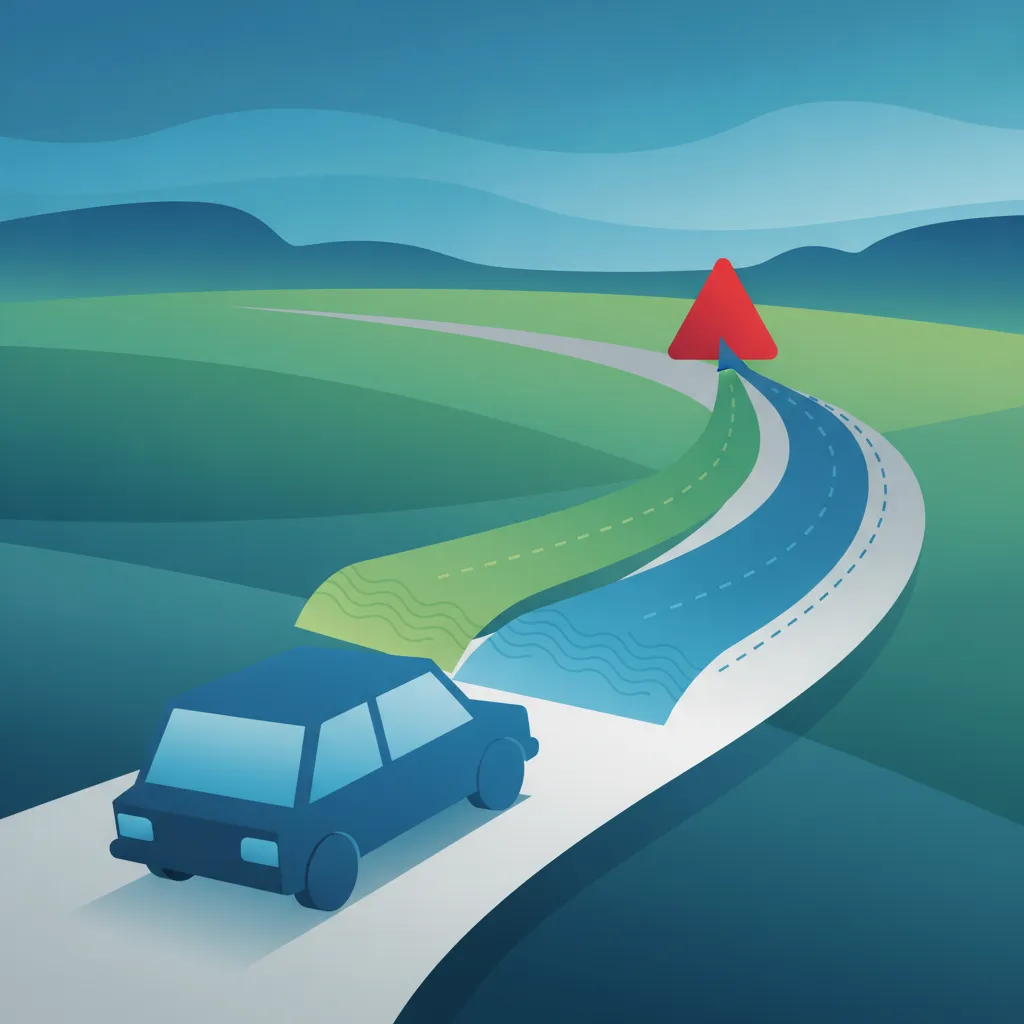
Stopping distance is a critical concept for all drivers, encompassing both the time it takes to react and the time it takes for your brakes to bring the vehicle to a halt. In Denmark, mastering this concept helps you maintain safe following distances and anticipate hazards on various road types and conditions.
Ready to deepen your understanding of Danish traffic laws and road safety? Browse our extensive library of articles to find explanations on specific rules, road signs, or driving procedures that will help you pass your driving theory exam with confidence.
Danish Driving Theory Articles