
In Danish traffic, choosing a safe speed is a fundamental skill that goes beyond just observing posted speed limits. It's about making a continuous judgment call based on current conditions, ensuring you can always react and stop safely. This principle is vital for both passing your driving theory test and ensuring real-world road safety.
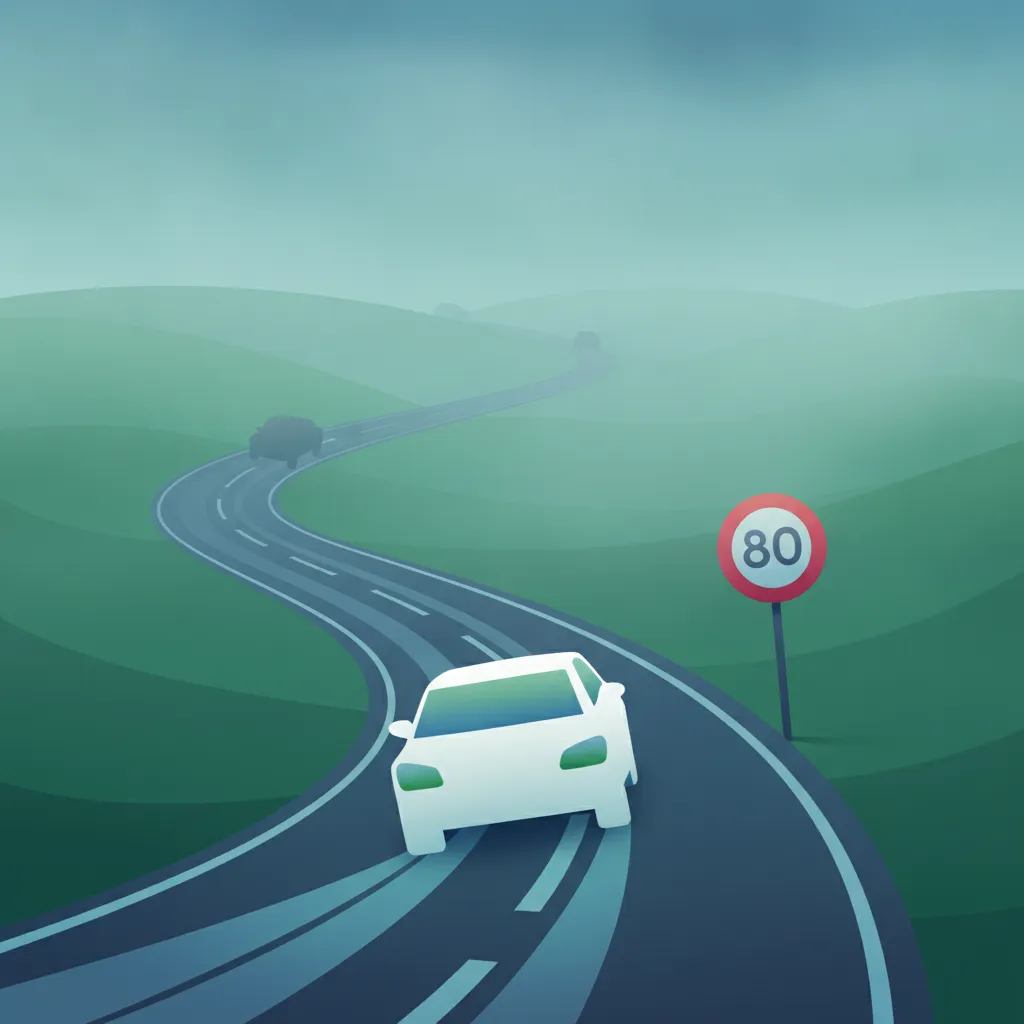
Theory topic content overview
Read the full theory topic guide for Safe Speed with structured, easy-to-scan content built for learners in Denmark. This detailed section explains the exact rule, meaning, traffic context, comparison points, and exam logic behind this Danish driving theory topic so you can study faster, understand the concept more clearly, and avoid common interpretation mistakes on the theory test.
In Danish driving theory, safe speed is a fundamental principle that goes far beyond simply adhering to posted speed limits. It's the critical judgment a driver makes to choose a speed that is appropriate for the current road conditions, traffic situation, visibility, and potential hazards, ensuring they can always maintain control of their vehicle and stop safely within the visible distance ahead.
While legal speed limits dictate the maximum speed allowed under ideal conditions, the principle of safe speed dictates the optimal speed for safety in any given moment. This distinction is paramount for both passing your Danish driving theory test and ensuring real-world road safety across Denmark's varied environments.
Understanding and applying the safe speed principle is vital for several reasons:
Determining a safe speed is a continuous process of observation, anticipation, and adjustment. It involves evaluating numerous factors:
One of the most common misconceptions among new drivers is confusing the legal speed limit with a safe driving speed. It is crucial to understand:
In the Danish context, driving exactly at the speed limit on a rainy day, in heavy traffic, or near a school at pick-up time would not be considered safe driving, even if legal. You are expected to exercise judgment and reduce your speed to mitigate risks.
Speed has a disproportionately large impact on your ability to stop. Danish driving theory emphasizes this fact:
This stark reality underscores why even a small reduction in speed can dramatically increase safety, especially in urban environments or adverse conditions.
Consider these typical Danish driving situations where adjusting your speed is paramount:
Learners often struggle with the practical application of safe speed:
Danish traffic safety data strongly reinforces the importance of safe speed:
These figures are a stark reminder that in Denmark, speed management is not just a theoretical concept but a critical element of preventing serious injury and death on the roads.
The most vital practical takeaway for safe speed is to always drive at a speed that allows you to:
Make a continuous judgment call. Never drive faster than the conditions allow, and remember that the posted speed limit is a maximum, not a target. Your ability to consistently choose a safe speed is the hallmark of a responsible and skilled driver in Danish traffic.
The Safe Speed Principle teaches that drivers must continuously choose a speed appropriate for road conditions, traffic, visibility, and hazards rather than simply following the posted speed limit. Speed limits represent the absolute maximum under ideal conditions, while safe speed is the responsible situational choice that keeps you in control and able to stop within visible distance. Danish research shows that even a 10% increase in urban speed can raise fatal accident risk by 45%, and doubling speed quadruples braking distance, underscoring why small reductions dramatically improve safety. Effective safe speed management requires observing conditions, anticipating hazards, and adjusting speed accordingly - this decision-making skill is essential for both passing the Danish theory exam and real-world driving in Denmark's varied traffic environments.
A short set of high-value points that capture the most important ideas from this theory explanation.
Safe speed is a continuous judgment call based on current conditions, not simply the posted speed limit
Speed limits are legal maximums under ideal conditions, while safe speed is the responsible speed for the actual situation
Doubling your speed quadruples your braking distance, making even small speed increases significantly more dangerous
Danish driving theory exams test your ability to identify when to reduce speed below the limit, not just know the numbers
You must always drive at a speed that allows you to stop within the visible clear distance ahead
The posted speed limit is a maximum, not a target - safe speed is often lower
Speed, stopping distance, and accident severity have a compounding relationship, not a linear one
Conditions requiring speed reduction include weather, visibility, road surface, traffic density, and presence of vulnerable road users
Vehicle load, trailer use, and tire condition all affect your ability to stop safely
Danish rural roads (landområder) have disproportionately high severe-speed-related accidents despite lower traffic
Assuming the speed limit is always safe regardless of current conditions like rain or fog
Not reducing speed sufficiently for wet, icy, or gravel-covered roads
Driving too close to the vehicle ahead, leaving insufficient space to stop safely
Not anticipating unexpected hazards at intersections, near bus stops, or in school zones
Failing to adjust speed when towing a trailer or carrying a heavy load, which significantly increases stopping distance
Start with a short, direct summary of Safe Speed before reading the full explanation below.
Safe speed refers to the speed a driver chooses based on prevailing road conditions, traffic density, visibility, and potential hazards, rather than simply driving at the maximum legal speed. It's a dynamic decision, requiring continuous adjustment to maintain control, stop within visible distance, and safely respond to unexpected events in Danish traffic. Prioritizing safe speed significantly reduces the risk of collisions.
Review the most important terms, rule signals, and traffic concepts linked to Safe Speed.
Explore related theory topic pages connected to Safe Speed and continue with the next useful rule explanation.
See the common search queries learners use when trying to understand Safe Speed in Denmark.

Dive into detailed explanations of Danish traffic legislation, road signs, and driving conventions. Solidify your understanding of key theory topics and prepare confidently for all sections of your official Danish driving license theory exam.
Explore Driving Theory TopicsTheory topic content overview
A short set of high-value points that capture the most important ideas from this theory explanation.
Safe speed is a continuous judgment call based on current conditions, not simply the posted speed limit
Speed limits are legal maximums under ideal conditions, while safe speed is the responsible speed for the actual situation
Doubling your speed quadruples your braking distance, making even small speed increases significantly more dangerous
Danish driving theory exams test your ability to identify when to reduce speed below the limit, not just know the numbers
You must always drive at a speed that allows you to stop within the visible clear distance ahead
The posted speed limit is a maximum, not a target - safe speed is often lower
Speed, stopping distance, and accident severity have a compounding relationship, not a linear one
Conditions requiring speed reduction include weather, visibility, road surface, traffic density, and presence of vulnerable road users
Vehicle load, trailer use, and tire condition all affect your ability to stop safely
Danish rural roads (landområder) have disproportionately high severe-speed-related accidents despite lower traffic
Assuming the speed limit is always safe regardless of current conditions like rain or fog
Not reducing speed sufficiently for wet, icy, or gravel-covered roads
Driving too close to the vehicle ahead, leaving insufficient space to stop safely
Not anticipating unexpected hazards at intersections, near bus stops, or in school zones
Failing to adjust speed when towing a trailer or carrying a heavy load, which significantly increases stopping distance
Start with a short, direct summary of Safe Speed before reading the full explanation below.
Safe speed refers to the speed a driver chooses based on prevailing road conditions, traffic density, visibility, and potential hazards, rather than simply driving at the maximum legal speed. It's a dynamic decision, requiring continuous adjustment to maintain control, stop within visible distance, and safely respond to unexpected events in Danish traffic. Prioritizing safe speed significantly reduces the risk of collisions.
Review the most important terms, rule signals, and traffic concepts linked to Safe Speed.
Explore related theory topic pages connected to Safe Speed and continue with the next useful rule explanation.
See the common search queries learners use when trying to understand Safe Speed in Denmark.
Dive into detailed explanations of Danish traffic legislation, road signs, and driving conventions. Solidify your understanding of key theory topics and prepare confidently for all sections of your official Danish driving license theory exam.
Explore Driving Theory TopicsUse this exam-focused revision tip to understand how Safe Speed is likely to appear in theory questions for learners in Denmark. This section helps you identify the most testable part of the rule, avoid common traps, and remember the concept more effectively during Danish driving theory exam preparation.
In the Danish theory exam, pay close attention to scenario details involving weather, road surface, traffic, and visibility. The correct answer will often involve reducing speed below the posted limit. Remember: a high score in the hazard perception section often relies on your ability to correctly identify when and why you must adjust your speed, not just know the legal numbers.
Read direct answers to the most common learner questions about Safe Speed in Denmark. This FAQ focuses on rule confusion, practical meaning, comparison with similar concepts, and the exact uncertainties that appear most often in Danish driving theory revision and exam preparation.
The speed limit is the legal maximum speed allowed under ideal conditions. Safe speed, however, is the speed you should actually drive at, which must be lower than or equal to the speed limit, depending on current road, weather, and traffic conditions. You must always choose a speed that allows you to maintain control and stop safely.
Key factors include road layout and surface (e.g., wet, icy, gravel), traffic density, visibility (fog, heavy rain, darkness), the presence of vulnerable road users (cyclists, pedestrians), and your own vehicle's condition (e.g., load, tire grip). In Denmark, this also includes navigating urban infrastructure like roundabouts and busy city centers.
As your speed increases, both your reaction distance (the distance traveled before you start braking) and your braking distance increase significantly. Doubling your speed quadruples your braking distance. This means a higher speed requires a much longer total stopping distance, greatly reducing your ability to avoid hazards.
Yes, absolutely. If conditions such as heavy rain, fog, ice, dense traffic, or narrow roads reduce visibility or grip, driving at the posted speed limit could be highly unsafe. Danish traffic law requires drivers to always adapt their speed to prevailing circumstances, even if it means driving well below the limit.
The Danish driving theory test frequently presents scenarios where you must assess the safest speed based on specific conditions, rather than simply knowing the legal maximum. Understanding safe speed demonstrates your ability to make critical safety judgments in real traffic situations, a key requirement for competent driving.
A common mistake is assuming the speed limit is always safe or feeling pressured to match the flow of traffic even when conditions are poor. Another error is failing to anticipate hazards far enough ahead to adjust speed smoothly. Always prioritize safety over maintaining a specific speed.
Use our powerful search tool to pinpoint specific Danish driving theory topics, road signs, or traffic situations you need to review. Start exploring relevant practice sets now to reinforce your knowledge and build confidence for your upcoming driving licence exam.