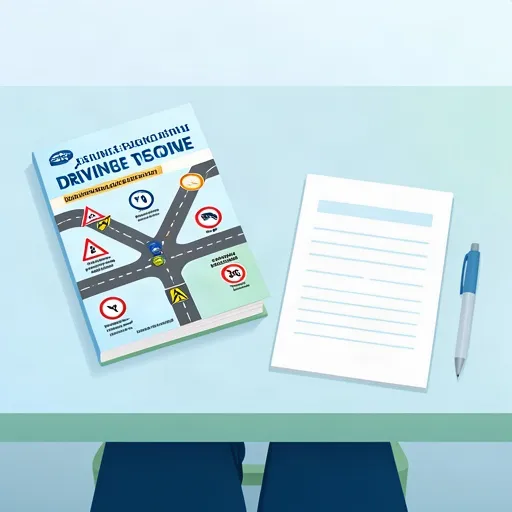
Understanding the specific legal language of the Code de la route is critical for accurately interpreting theory questions and avoiding common pitfalls. This article clarifies the technical definitions of terms you will encounter daily in the exam, ensuring you feel confident in your knowledge of French road regulations, signage, and administrative procedures.
Article content overview
Success in the French Code de la route theory exam, known as the Épreuve Théorique Générale (ETG), requires more than just memorizing road rules. You must understand the specific, technical language used in the questions. Examiners use precise terminology to describe traffic situations, and misinterpreting these terms is one of the most common reasons candidates lose points. By familiarizing yourself with these legal and administrative definitions, you can decode complex questions and respond with confidence.
In French traffic law, the environment is divided into specific zones, each with its own set of rules. An agglomération, for example, is not just a town; it is a legally defined space where the speed limit is typically 50 km/h unless otherwise signaled. Similarly, the chaussée refers to the part of the road intended for vehicle traffic, excluding sidewalks and shoulders.
A built-up area characterized by signs indicating the beginning and end of a town or city, where specific urban traffic rules apply, such as reduced speed limits and specific parking regulations.
Many exam questions focus on priority, specifically the difference between a cédez le passage (yield sign) and a standard intersection where the priorité à droite (right-hand priority) rule applies. Understanding these nuances is vital because the Code de la route assumes you know the default priority rules in the absence of signs.
Beyond road signs, you will encounter terms related to your vehicle and administrative status. Terms like PTAC (Poids Total Autorisé en Charge) are crucial if you are driving a vehicle with a trailer or a heavy vehicle, as they determine whether your license category is sufficient. Misunderstanding these acronyms can lead to significant errors in judgment regarding legal vehicle use.
When you are in the driver's seat during the exam, you need to react instantly to road markings and signage. The following table helps clarify the common priority scenarios you will face.
| Sign / Situation | Action Required | Priority Status |
|---|---|---|
| Unmarked Intersection | Yield to the right | Right-hand priority applies |
| Cédez le passage | Slow down, stop if needed | Yield to all |
| Stop Sign | Full stop at the line | Yield to all |
| Roundabout (Giratoire) | Yield to those on the circle | Priority to the left |
Common Pitfall: Many learners confuse a rond-point with a giratoire. In a giratoire, you must yield to those already in the circle (coming from your left). Always check for signs at the entrance of the intersection to confirm who has the right of way.
The ETG exam often presents images of junctions where signs are partially obscured or where the rule is implied by the environment. If you see a "priority road" sign, you maintain that status until you see a sign indicating the end of priority. Pay close attention to the small details, such as road markings, which act as a legal guide to your mandatory behavior on the road.
This vocabulary guide focuses on the technical language of the French Code de la route essential for passing the ETG theory exam. It explains key infrastructure terms like aggloméraphie and chaussée, clarifies priority rules at intersections including the default priorité à droite rule, and distinguishes between yield, stop, and roundabout signs. The article also covers important administrative terminology (PTAC, NEPH, ZFE) and explicitly warns against the common confusion between rond-points and giratoires. Understanding these precise definitions is critical because exam questions use exact legal terminology to test comprehension, not just memorization.
A short set of high-value points that capture the most important ideas from this article.
The ETG exam uses precise legal terminology; misunderstanding terms like agglomération or cédez le passage leads to lost points
An agglomération is a legally defined built-up area with specific speed limits and parking rules, not just any town
In a giratoire (roundabout), you must always yield to traffic already in the circle coming from your left
Without signs or lights at an intersection, French law defaults to priorité à droite (right-hand priority)
Administrative terms like PTAC, NEPH, and ZFE are exam-relevant and relate to vehicle weight limits, exam registration, and environmental zones
The chaussée is the roadway surface for vehicles only, excluding sidewalks and shoulders
Cédez le passage means yield without necessarily stopping if the road is clear
A Stop sign (AB6) requires a complete halt at the stop line before proceeding
Priority road status continues until you see a sign ending that priority
ZFE (Zones à Faibles Émissions) are low-emission areas with restricted vehicle access in French cities
Confusing a rond-point with a giratoire; only giratoires require yielding to traffic from the left
Assuming any built-up area is an aggloméraphie without checking for official entry signs
Forgetting that priority à droite applies only when there are no signs or lights at an intersection
Misinterpreting cédez le passage as requiring a full stop when the road is clear
Overlooking that PTAC determines whether your license category covers the vehicle and load combination
Article content overview
A short set of high-value points that capture the most important ideas from this article.
The ETG exam uses precise legal terminology; misunderstanding terms like agglomération or cédez le passage leads to lost points
An agglomération is a legally defined built-up area with specific speed limits and parking rules, not just any town
In a giratoire (roundabout), you must always yield to traffic already in the circle coming from your left
Without signs or lights at an intersection, French law defaults to priorité à droite (right-hand priority)
Administrative terms like PTAC, NEPH, and ZFE are exam-relevant and relate to vehicle weight limits, exam registration, and environmental zones
The chaussée is the roadway surface for vehicles only, excluding sidewalks and shoulders
Cédez le passage means yield without necessarily stopping if the road is clear
A Stop sign (AB6) requires a complete halt at the stop line before proceeding
Priority road status continues until you see a sign ending that priority
ZFE (Zones à Faibles Émissions) are low-emission areas with restricted vehicle access in French cities
Confusing a rond-point with a giratoire; only giratoires require yielding to traffic from the left
Assuming any built-up area is an aggloméraphie without checking for official entry signs
Forgetting that priority à droite applies only when there are no signs or lights at an intersection
Misinterpreting cédez le passage as requiring a full stop when the road is clear
Overlooking that PTAC determines whether your license category covers the vehicle and load combination
Explore related topics, search based questions, and concepts that learners often look up when studying Essential French Driving Terms. These themes reflect real search intent and help you understand how this topic connects to wider driving theory knowledge in France.
Find clear and practical answers to common questions learners often have about Essential French Driving Terms. This section helps explain difficult points, remove confusion, and reinforce the key driving theory concepts that matter for learners in France.
An agglomération refers to a built-up area marked by specific signs, where the speed limit is typically 50 km/h and specific rules regarding horn usage and overtaking apply.
The chaussée, or roadway, is the part of the road intended for vehicle traffic, excluding sidewalks, bicycle paths, or emergency lanes.
The theory exam uses precise legal language from the Code de la route; understanding these terms prevents you from misinterpreting the conditions described in the questions.
Continue your preparation for the French permis de conduire exam. Dive deeper into specific Code de la route sections, practice scenarios, or review official procedures. Use our comprehensive article collection to master every aspect of driving theory.