
This lesson focuses on the specific challenges of operating heavy goods vehicles on rural French roads, where narrow lanes and unexpected hazards are common. You will learn to adapt your driving to varying road surfaces, visibility constraints, and the presence of agricultural machinery. This essential knowledge will prepare you for complex scenario questions in your Category C and CE theory exams.

Lesson content overview
Rural roads present unique challenges for Category C and CE drivers due to narrow lanes, variable surfaces, and shared space with agricultural machinery. Key skills include managing vehicle stability on curves by reducing speed before entry, using engine braking and retarders on steep descents to prevent brake fade, and maintaining correct headlamp settings—particularly the legal restriction on rear fog lights during rain. Drivers must also exercise extreme caution with wildlife by braking straight rather than swerving, respect specific speed limits and axle weight restrictions indicated on signs, and follow strict procedures when overtaking slow-moving agricultural vehicles that require clear sight lines and adequate lateral clearance.
A short set of high-value points that capture the most important learning from this lesson.
Heavy vehicles with high centers of gravity are highly susceptible to rollover on tight bends; reduce speed BEFORE entering the curve, not during it.
When descending steep grades, downshift to the same gear you would use to climb and engage auxiliary braking (retarder) before the descent to prevent dangerous brake fade.
Rear fog lights must only be used in fog or snow under French law; using them during heavy rain dazzles following drivers and violates Article R414-4.
If a wild animal crosses the road, assume others follow immediately behind and apply maximum straight-line braking rather than swerving, which risks rollover.
Standard speed limit for Category C and CE vehicles exceeding 3.5 tonnes on non-priority rural roads is 80 km/h, but local departments may impose lower limits of 70 km/h or 50 km/h.
Explore all units and lessons included in this driving theory course.
Engine brake matching rule: descend in the same gear you would use to climb the same hill.
Lateral acceleration increases quadratically with speed, making heavy vehicles especially vulnerable on tight-radius bends.
Agricultural vehicles display orange/red triangular SMV signs and travel below 40 km/h; lateral clearance of at least 1.5 metres is required when overtaking.
Black ice (verglas) forms in valleys, forests, and riverside areas even when main highways are clear; increase following distance to at least four seconds.
B13 weight-per-axle signs prohibit crossing if axle load exceeds the indicated limit, protecting fragile rural bridge structures.
Relying solely on service brakes during long descents, causing brake fade and total loss of stopping power.
Switching to high beams on curves where oncoming traffic may appear unexpectedly, creating a collision hazard.
Attempting to overtake agricultural machinery near junctions, bends, crests, or narrow bridges due to insufficient visibility.
Swerving violently to avoid small animals, which causes dangerous lateral weight shifts and often leads to rollover or head-on collision.
Ignoring solid white lines (ligne continue) to overtake agricultural vehicles, which violates Article R414-4 of the Code de la route.
Lesson content overview
A short set of high-value points that capture the most important learning from this lesson.
Heavy vehicles with high centers of gravity are highly susceptible to rollover on tight bends; reduce speed BEFORE entering the curve, not during it.
When descending steep grades, downshift to the same gear you would use to climb and engage auxiliary braking (retarder) before the descent to prevent dangerous brake fade.
Rear fog lights must only be used in fog or snow under French law; using them during heavy rain dazzles following drivers and violates Article R414-4.
If a wild animal crosses the road, assume others follow immediately behind and apply maximum straight-line braking rather than swerving, which risks rollover.
Standard speed limit for Category C and CE vehicles exceeding 3.5 tonnes on non-priority rural roads is 80 km/h, but local departments may impose lower limits of 70 km/h or 50 km/h.
Explore all units and lessons included in this driving theory course.
Engine brake matching rule: descend in the same gear you would use to climb the same hill.
Lateral acceleration increases quadratically with speed, making heavy vehicles especially vulnerable on tight-radius bends.
Agricultural vehicles display orange/red triangular SMV signs and travel below 40 km/h; lateral clearance of at least 1.5 metres is required when overtaking.
Black ice (verglas) forms in valleys, forests, and riverside areas even when main highways are clear; increase following distance to at least four seconds.
B13 weight-per-axle signs prohibit crossing if axle load exceeds the indicated limit, protecting fragile rural bridge structures.
Relying solely on service brakes during long descents, causing brake fade and total loss of stopping power.
Switching to high beams on curves where oncoming traffic may appear unexpectedly, creating a collision hazard.
Attempting to overtake agricultural machinery near junctions, bends, crests, or narrow bridges due to insufficient visibility.
Swerving violently to avoid small animals, which causes dangerous lateral weight shifts and often leads to rollover or head-on collision.
Ignoring solid white lines (ligne continue) to overtake agricultural vehicles, which violates Article R414-4 of the Code de la route.
Explore search topics learners often look for when studying Rural Road Navigation and Hazards. These topics reflect common questions about road rules, driving situations, safety guidance, and lesson level theory preparation for learners in France.
Browse additional driving theory lessons that cover connected traffic rules, road signs, and common driving situations related to this topic. Improve your understanding of how different rules interact across everyday traffic scenarios.
Understand the specific challenges and regulatory requirements for driving heavy goods vehicles in dense urban environments. This guide explains how to manage delivery access, navigate narrow city streets safely, and mitigate risks when sharing space with pedestrians and cyclists in accordance with French driving theory and traffic regulations.
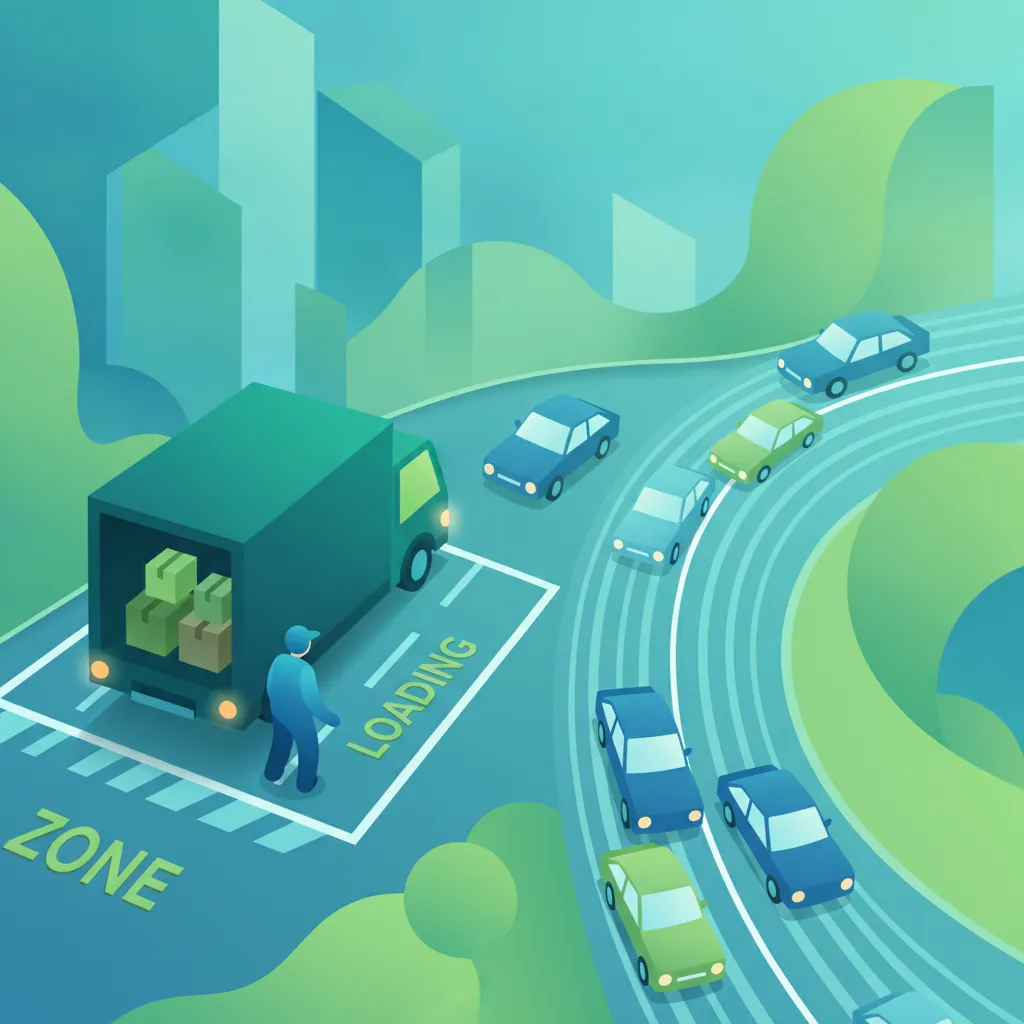
In this lesson, drivers will learn how to navigate urban delivery zones, understanding the rules surrounding loading bays, time windows, and restricted access areas. The content includes the process for obtaining delivery permits, strategies for safe maneuvering in congested city streets, and best practices for minimizing impact on pedestrian traffic. Learners will also be introduced to French city-specific regulations that govern goods vehicle deliveries.
This lesson examines the regulatory limits and environmental controls applied to large passenger vehicles operating in dense French urban centers. Drivers will study the Crit'Air clean air sticker system and low-emission zones (ZFE) that restrict access for older, high-polluting vehicles. It also addresses navigating physical constraints, such as narrow streets, tight turning radii, and strict municipal weight limits.

This lesson focuses on the unique challenges of performing deliveries in dense urban areas. Learners will explore best practices for loading and unloading safely, navigating traffic congestion, and minimizing risks to pedestrians and cyclists. The content also covers compliance with city regulations for delivery zones, scheduling considerations, and the importance of careful maneuvering to avoid accidents.
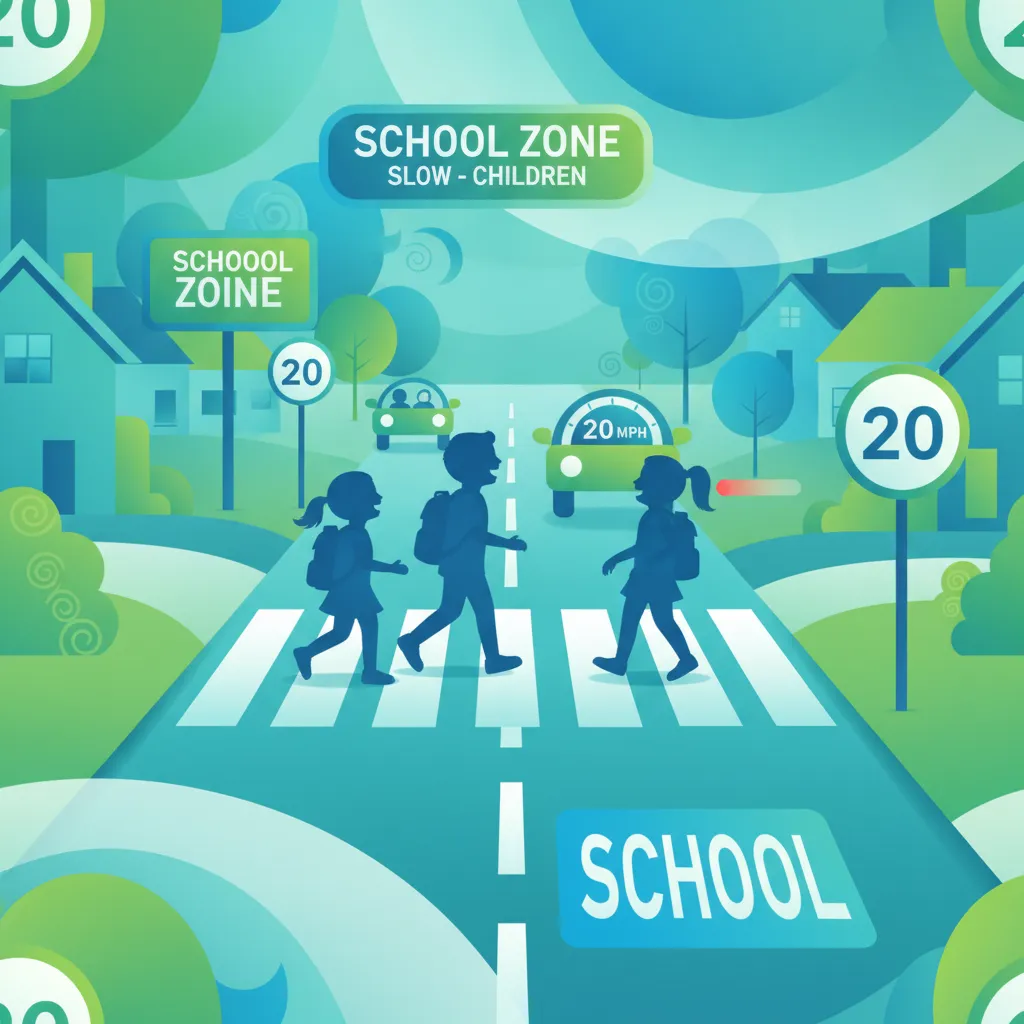
French municipalities utilize distinct low-speed configurations to foster pedestrian safety in residential and educational neighborhoods. This lesson details speed restrictions in 'zone 30', pedestrian-only districts, and shared 'zones de rencontre' where speed is capped at 20 km/h. You will learn how priority hierarchies shift in these zones, giving pedestrians legal priority to use the entire roadway.

This lesson analyzes the various traffic challenges unique to operating large passenger vehicles in historic and modern French urban areas. Drivers will learn to manage narrow street layouts, double-parked delivery trucks, and high-density multi-lane roundabouts safely. The lesson emphasizes defensive driving strategies, route adjustments, and maintaining mental focus under severe schedule and time pressures.
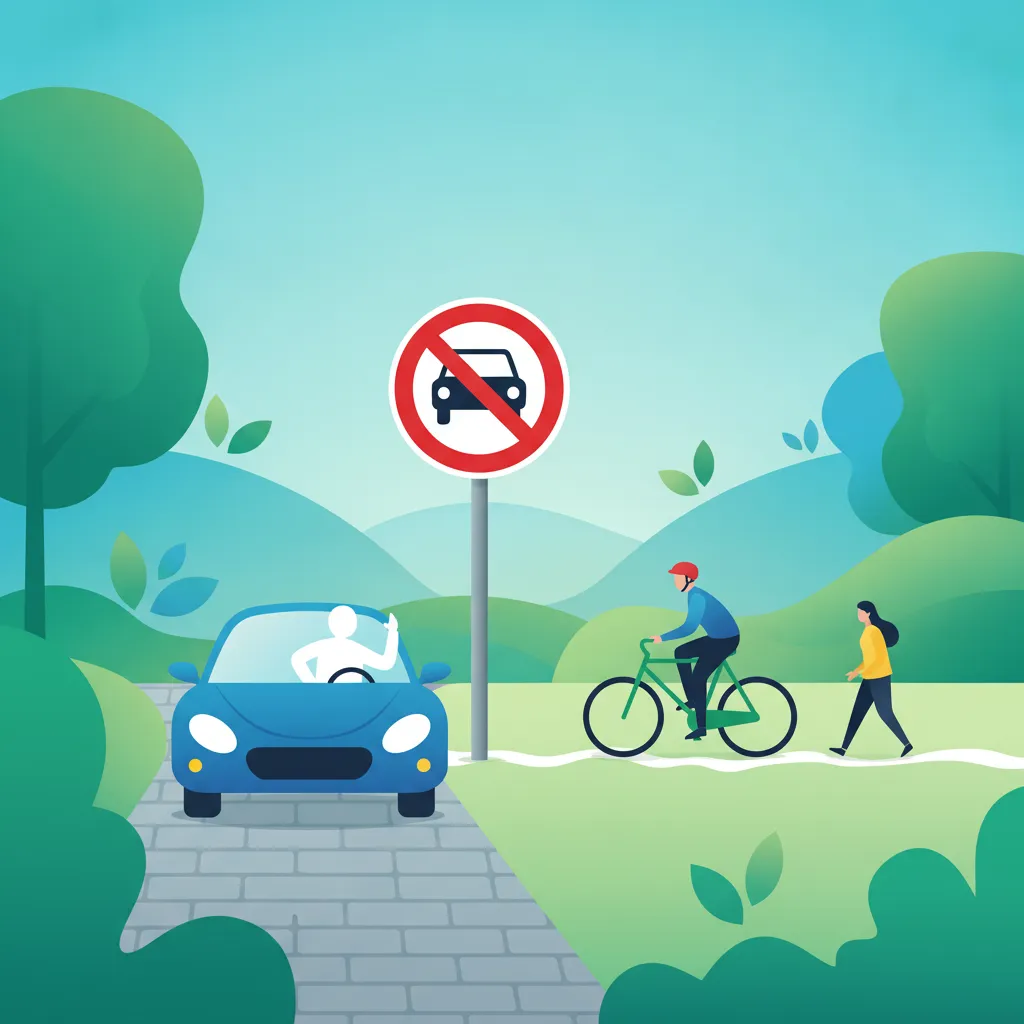
In this lesson, learners will explore the various access restrictions that apply to goods vehicles in France, such as low emission zones and weight-restricted areas. The focus is on understanding the process to obtain necessary access permits and authorisations, and how these restrictions influence route planning and operational decisions. Learners will also be introduced to specific regulations governing vehicle entry into city centres and environmentally sensitive zones.
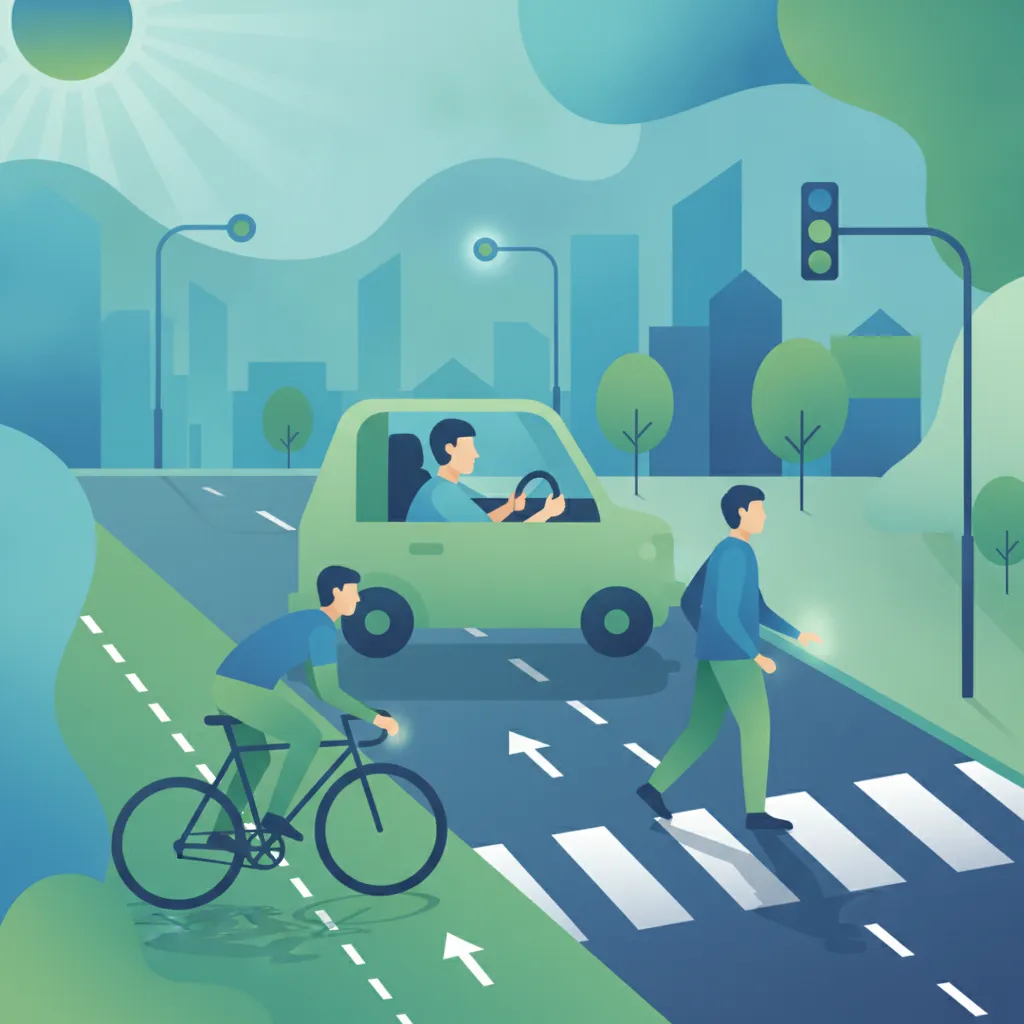
This lesson examines the specific challenges and responsibilities goods vehicle drivers face when interacting with pedestrians and cyclists in urban environments. Learners will understand right-of-way rules, the importance of yielding at pedestrian crossings, and safe turning practices that protect cyclists. The content emphasizes heightened driver vigilance, especially when navigating bike lanes and crowded sidewalks.

This lesson clarifies the legal boundaries of urban infrastructure, highlighting the strict ban on riding motorcycles within bus lanes or cycle paths. You will study French regulations concerning traffic flow, including where and when experimental lane filtering is permitted between lines of stationary cars. Understanding these boundaries ensures you can keep moving through congested areas without risking heavy fines or dangerous collisions.

This lesson examines how goods vehicle drivers should approach and navigate roadworks zones and temporary traffic restrictions. Learners will be taught to recognize temporary speed limit signs, follow detour routes safely, and respect lane closures. The content also highlights the importance of maintaining safe distances from workers, adjusting for reduced lane width, and ensuring compliance with temporary regulations to avoid penalties.
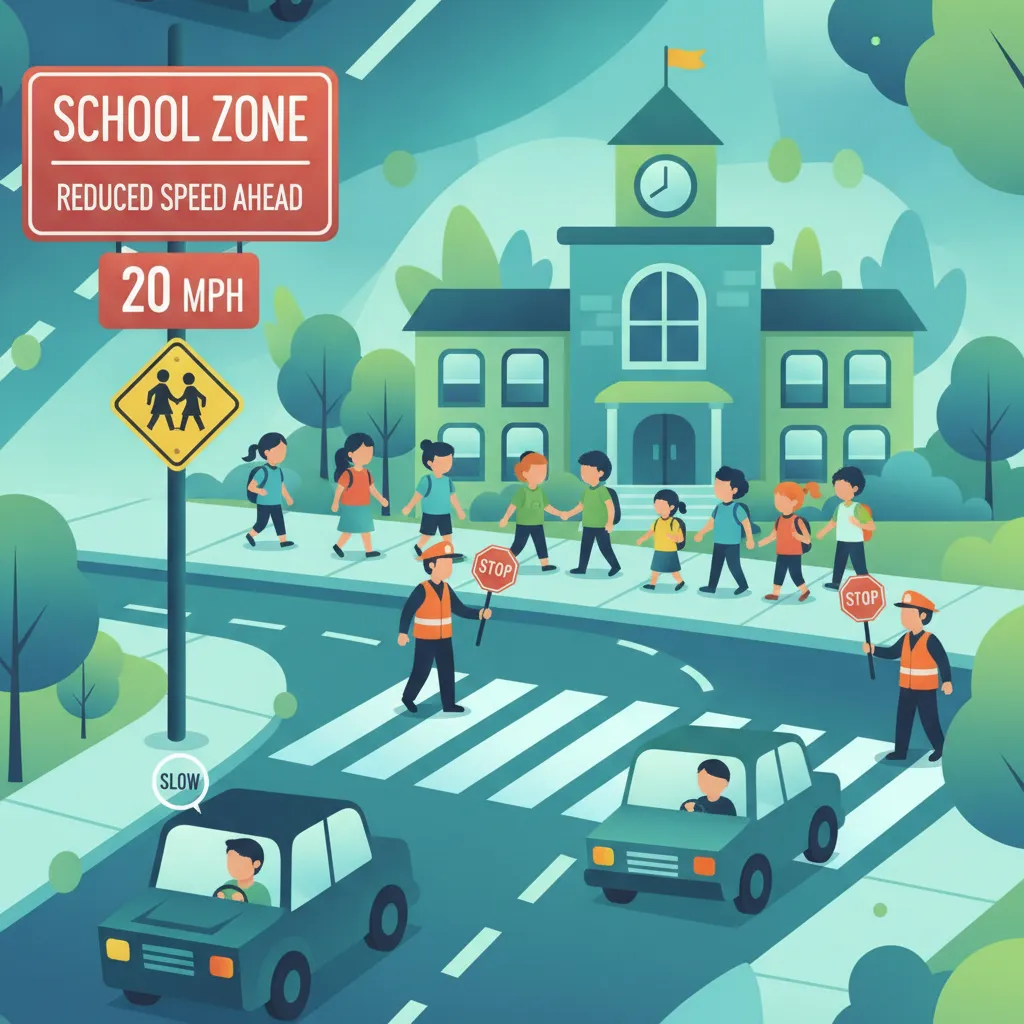
This lesson focuses on the legal rules and safety procedures required within school zones and during school transport (transport scolaire) services in France. Drivers will study strict speed limits, school bus warning sign applications, and mandatory stopping rules when children are boarding. It also details how to respond to official crossing guard signals and ensure students are safely clear before moving.
Learn the mechanics of heavy goods vehicle braking systems, including ABS and retarders. This lesson covers the physics of vehicle control on steep gradients, the risk of brake fade, and the proper use of auxiliary braking systems to ensure safe deceleration as required by French road safety theory.
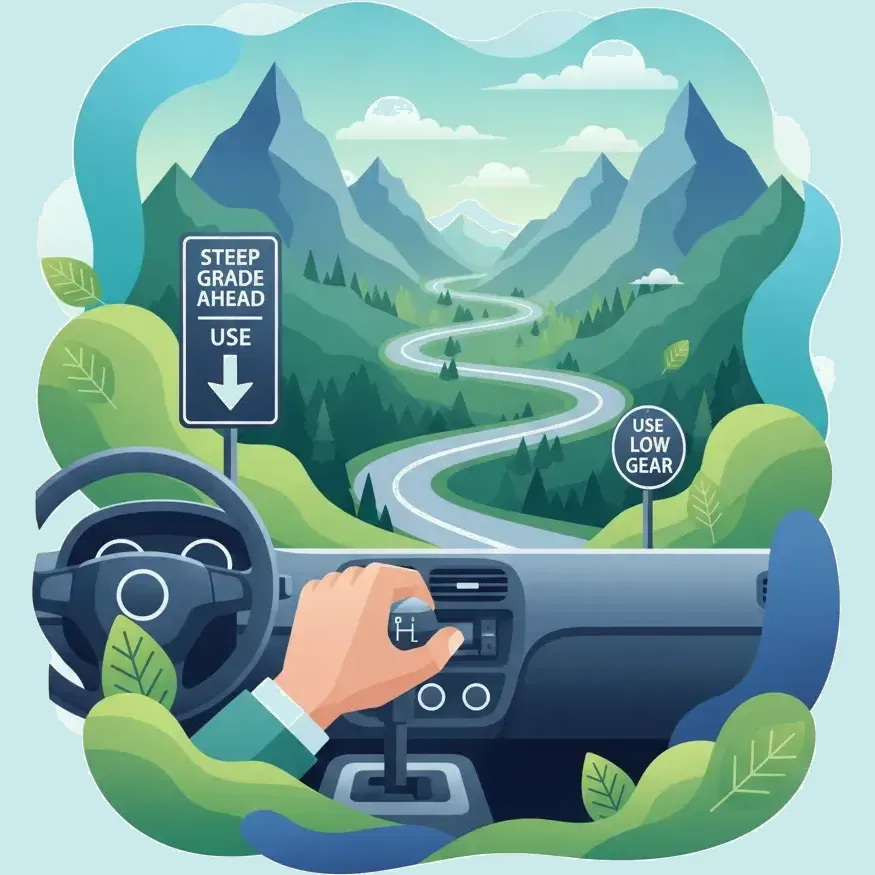
This lesson covers techniques for managing gradients while driving goods vehicles, focusing on downhill control, engine braking, and appropriate gear selection. Learners will understand how load distribution and vehicle dynamics affect descending performance and the importance of avoiding brake overheating. The content includes practical advice on using hill start assistance systems and maintaining safe speeds on steep slopes.
This lesson focuses on the various braking systems used in goods vehicles, including air brakes, hydraulic brakes, and advanced safety systems such as ABS and ESP. Learners will understand how these systems function, their impact on braking performance, and the importance of regular brake inspection and maintenance. The content also addresses brake wear, brake fade, and how these factors affect stopping distances, especially under heavy load conditions.
Find clear answers to common questions learners have about Rural Road Navigation and Hazards. Learn how the lesson is structured, which driving theory objectives it supports, and how it fits into the overall learning path of units and curriculum progression in France. These explanations help you understand key concepts, lesson flow, and exam focused study goals.
You must reduce your speed early and look for a safe place to pass. If the road is too narrow, prepare to stop and wait for the vehicle to move into a wider section or a field entrance, maintaining a safe distance at all times.
Managing your speed before you enter the bend is critical. Because of your vehicle's higher center of gravity, entering a curve too fast can lead to instability or rollover, so always slow down well in advance.
Yes, always watch for weight and width restriction signs that apply specifically to heavy goods vehicles. These are legally binding and must be strictly followed to avoid road infrastructure damage or fines.
Stay alert at dawn and dusk when animal activity is highest. If you see a warning sign for wildlife, reduce your speed and scan the verges, being prepared to brake firmly but safely if an animal steps into the road.
Ready to focus your study? Use the practice search to find exactly the French driving theory questions you need for the Code de la route and permis de conduire ETG. Refine your knowledge on specific topics or challenging rules to boost your confidence and exam readiness.