Understanding how residential parking zones work is a crucial part of navigating German city streets and passing your theory exam. This guide details the requirements for obtaining a residential parking permit, the role of local authorities at the Straßenverkehrsamt, and the specific traffic signs that govern these restricted parking areas. By learning the difference between standard public spaces and resident-specific zones, you will be better prepared to handle real-world parking situations.
Article content overview
Navigating German city streets requires a solid understanding of local parking management systems. In densely populated urban areas, local authorities often implement "Parkraumbewirtschaftung" (parking space management) to balance the needs of residents, commuters, and delivery traffic. As a learner driver, recognizing these zones is not just about avoiding fines; it is a fundamental aspect of understanding how the Straßenverkehrs-Ordnung (StVO) regulates the shared use of public road space.
The Bewohnerparkausweis is a specialized permit issued by the local Straßenverkehrsamt (Road Traffic Office) that allows registered residents to park their vehicles in designated residential zones without needing to pay standard hourly fees or adhere to short-term parking limits. These zones are established under Section 45 of the StVO to alleviate parking pressure for those living in areas where private off-street parking is insufficient or unavailable.
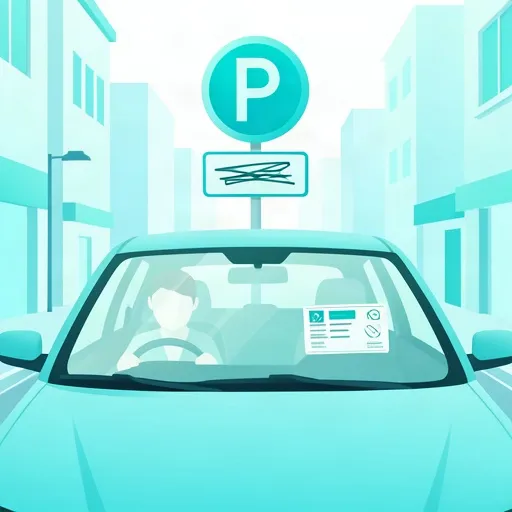
When you enter such an area, you will typically encounter specific traffic signs. It is critical to distinguish between the signage that permits general public parking—often requiring a Parkschein (parking ticket) or Parkscheibe (parking disc)—and the specific indicators that reserve space exclusively for permit holders.
The Bewohnerparkausweis does not grant you a universal right to park anywhere. It is strictly limited to the specific zone assigned to your residential address. Always check the letters or numbers on the supplementary signs to ensure your permit is valid for that specific block.
To obtain a residential parking permit, you must be officially registered as a resident in the managed area. The application process requires proof of your Hauptwohnsitz (primary residence) and documentation regarding your vehicle. If you are not the registered keeper of the vehicle, you may need a formal declaration from the owner confirming that you are the primary, permanent user of the car.
Modern traffic management is shifting toward more efficient enforcement. While physical permits that must be placed behind the windshield are still common, many municipalities are transitioning to digital parking permits. In these systems, enforcement officers verify your permission to park by scanning your license plate, eliminating the need to display a physical document.
German parking regulations are highly nuanced, particularly regarding shared-use spaces. Beyond resident-only spots, you will frequently encounter spaces reserved for specific vehicle types, such as car-sharing vehicles or electric vehicles, which are regulated by their own specific supplementary signs under the StVO.
It is important to remember that even within a resident parking zone, a percentage of the space is often kept available for general public use. When parking, always look for the combination of signs. A "Bewohner mit Parkausweis frei" sign clarifies that residents are exempt from the charges or time limits that apply to everyone else. If you do not have a permit, you must adhere strictly to the posted conditions for general users, such as using a parking disc or purchasing a ticket.
| Feature | Resident with Permit | General Public (Visitor) |
|---|---|---|
| Duration | Unlimited (usually) | Limited by signage |
| Payment | Annual permit fee | Hourly via machine/app |
| Obligation | Display permit or digital registration | Display ticket or parking disc |
| Restriction | Valid only in the assigned zone | Subject to posted time limits |
In the context of the German driving theory exam, pay close attention to questions involving supplementary signs. A common trap involves assuming that a "Parking" sign allows you to stay indefinitely. Always verify if there is an additional sign indicating a restricted timeframe, such as "9:00 - 18:00," which might mean different rules apply outside those hours.
Never assume a spot is free just because you do not see a ticket machine. Always scan for supplementary signs below the primary parking indicator. Parking in a resident-only zone without a valid, visible, or registered permit will almost certainly lead to a fine or, in some cases, your vehicle being towed.
Article content overview
Explore related topics, search based questions, and concepts that learners often look up when studying German Residential Parking Zones. These themes reflect real search intent and help you understand how this topic connects to wider driving theory knowledge in Germany.
Find clear and practical answers to common questions learners often have about German Residential Parking Zones. This section helps explain difficult points, remove confusion, and reinforce the key driving theory concepts that matter for learners in Germany.
A Bewohnerparkausweis is an official resident parking permit issued by the local authority that allows residents to park in designated zones within their neighborhood, exempting them from certain time limits or payment requirements.
Resident parking zones are typically marked with specific traffic signs, often showing the text 'Bewohner mit Parkausweis ... frei' or similar indicators that restrict parking to permit holders during specific times.
Yes, visitors must follow the general parking regulations indicated by signage, which may include using a parking disc (Parkscheibe) for a limited time or paying for parking at a meter, as they are not eligible for the resident permit.
You must apply for a resident parking permit at the local Straßenverkehrsamt or the relevant municipal authority responsible for vehicle and parking registration in your city of residence.
Didn't find what you were looking for? Continue your German driving theory preparation by exploring related articles, specific road sign categories, or in-depth guides on complex traffic situations. Deepen your understanding before the official test.