
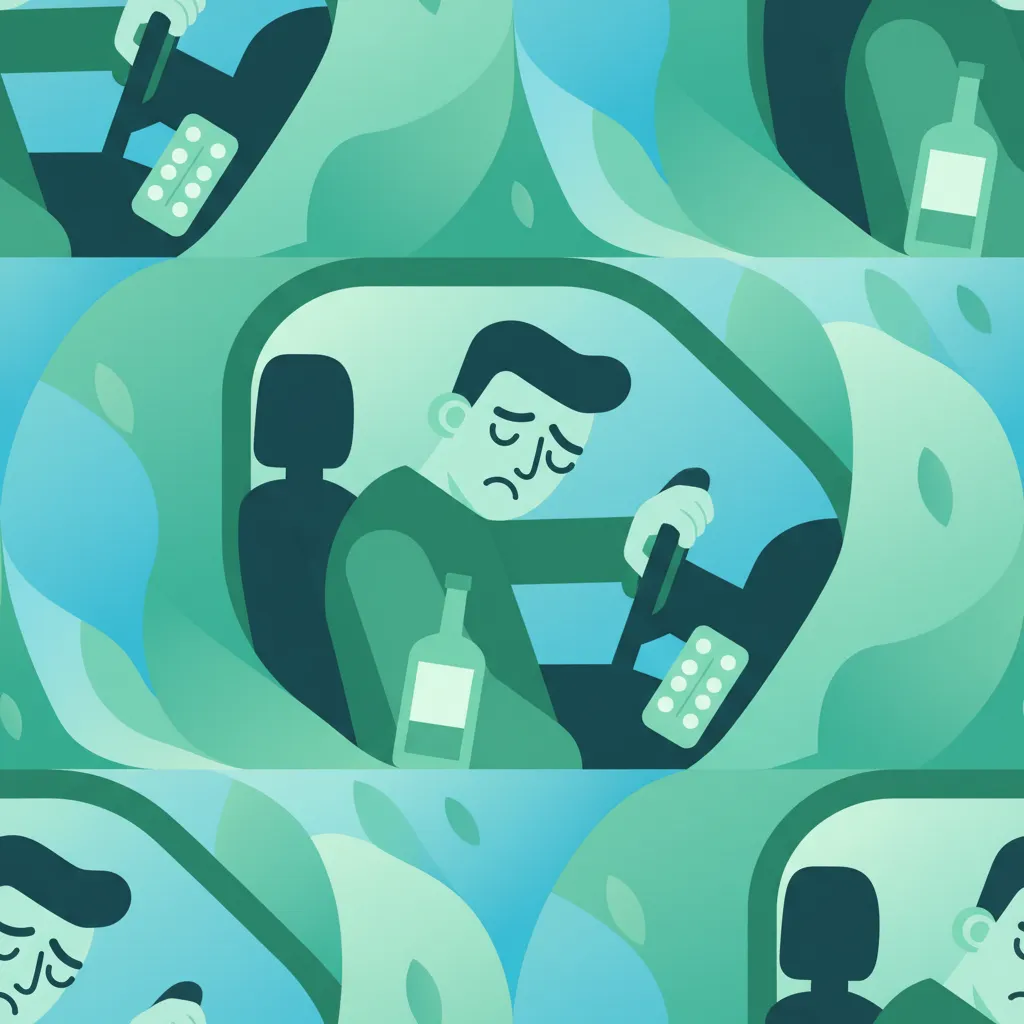
This crucial unit delves into the significant impact of alcohol, drugs, and fatigue on driving ability and the serious legal repercussions in Iceland. Through detailed lessons, you will grasp the legal Blood Alcohol Concentration (BAC) limits, the procedures for drug and alcohol testing, and how insufficient rest impairs performance. Understanding these rules is vital for safe driving and passing your Category B theory exam.
Browse all lessons that make up Alcohol, Drugs, Fatigue, Penalties & Legal Responsibility. Each lesson focuses on specific topics, learning objectives, and core concepts, helping you build essential knowledge and follow a clear, structured progression toward your study goals in Iceland.
This lesson details the legal blood alcohol concentration (BAC) limits applicable to drivers in Iceland and outlines the procedures used by police to enforce these limits. Learners will understand the specific BAC threshold, the operation of breathalyzer devices during roadside checks, and the signs of intoxication. The lesson also covers the penalties associated with exceeding limits, including fines, licence suspension, and the legal implications of refusing a test.
This lesson explores the regulations surrounding drug use and its impact on driver capability, examining prohibited substances, testing methods, and specific detection thresholds. Learners also study how prescription medications may affect driving and the legal penalties for drug-impaired driving, including licence revocation. The content emphasizes the importance of medical certification when using legally prescribed drugs that may impair performance.
This lesson addresses the dangers of fatigue and drowsiness while driving, focusing on how these factors impair judgment and reaction times. Learners will understand the physiological basis of fatigue, recommended rest periods, and the legal responsibilities to avoid drowsy driving. The lesson also highlights observable signs of drowsiness, strategies for driver self-assessment, and the legal consequences of causing an accident due to fatigue.
Explore high-intent keywords and long-tail search topics learners use when researching Alcohol, Drugs, Fatigue, Penalties & Legal Responsibility. These terms reflect how people search for reliable study materials, structured explanations, and unit-level theory preparation support in Iceland.
Find clear answers to the most common questions learners ask about Alcohol, Drugs, Fatigue, Penalties & Legal Responsibility. Understand how the unit is organized, what learning goals it supports, and how it contributes to your study progression with structured explanations and practical guidance tailored for learners in Iceland.
In Iceland, the legal Blood Alcohol Concentration (BAC) limit for drivers is 0.05%. Exceeding this limit can lead to significant penalties. For novice drivers or those with professional driving licenses, the limit is even lower, at 0.02%.
Yes, Iceland has strict laws against driving while impaired by any substance, including prescription medications. If a drug, even a legal one, affects your ability to drive safely, you can face penalties. It is crucial to consult your doctor or pharmacist about the side effects of any medication and whether it is safe to drive.
Fatigue significantly impairs reaction time, decision-making, and awareness, similar to alcohol. While there isn't a specific BAC-equivalent for fatigue, driving while excessively drowsy can be considered negligent or reckless driving, leading to penalties if an accident occurs or if driving behaviour is deemed unsafe.
Penalties for drunk driving in Iceland can be severe and include substantial fines, mandatory licence suspension for a specified period, and in serious cases, potential jail time. Repeat offences or very high BAC levels will result in harsher penalties.
Drivers in Iceland are legally required to submit to breathalyzer or drug tests if requested by law enforcement on reasonable suspicion of impairment. Refusal to take a test is a criminal offense and may result in penalties similar to those for a positive test result.
The law in Iceland generally prohibits driving while impaired by any drug that affects one's ability to drive safely, whether illegal substances or legal ones. Law enforcement uses testing methods to detect the presence of impairing drugs, and impairment is assessed based on the driver's condition and test results.
All included lessons
Lessons in Alcohol, Drugs, Fatigue, Penalties & Legal Responsibility
See who benefits most from studying Alcohol, Drugs, Fatigue, Penalties & Legal Responsibility. This overview explains how the unit supports different learning needs, what level of knowledge is helpful before starting, and how it fits into the overall study path in Iceland.
This unit is essential for all prospective Category B drivers in Iceland preparing for their theory exam. It is particularly vital for those who may be unsure about the legal limits or penalties related to impaired driving, or for anyone seeking to reinforce their understanding of driver responsibility and legal consequences.

Begin preparing for your Icelandic driving licence exam today by exploring our full range of organised courses. Select a curriculum path that suits your learning style and start mastering traffic rules, road signs, and essential driving safety with confidence and expert guidance.
Explore Driving Theory CoursesExplore all units and lessons included in this driving theory course.
Begin preparing for your Icelandic driving licence exam today by exploring our full range of organised courses. Select a curriculum path that suits your learning style and start mastering traffic rules, road signs, and essential driving safety with confidence and expert guidance.
Explore Driving Theory Courses