
This lesson delves into the critical topic of drug influence on driving ability, a key area for the Icelandic Category B theory exam. Understanding the legal framework, testing methods, and severe consequences of drug-impaired driving is vital for safe road use in Iceland. This module builds upon earlier discussions of driver fitness and legal responsibilities.
Lesson content overview
Operating a vehicle under the influence of drugs, whether illicit substances or certain prescription medications, poses a significant risk to road safety. The Official Icelandic Driving License B Theory Course emphasizes the critical importance of understanding and complying with strict regulations regarding drug-impaired driving. This lesson explores the specific laws, testing procedures, and severe legal consequences associated with drug use while driving in Iceland, aligning with the comprehensive framework established by the Icelandic Transport Authority (Samgöngustofa).
Driving is a complex task requiring full concentration, quick reaction times, and sound judgment. Psychoactive substances, including both illegal drugs and some prescribed medications, can severely impair these essential abilities. In Iceland, the law treats drug influence with the same gravity as alcohol impairment, implementing rigorous regulations designed to protect all road users.
Drugs affect the brain in various ways, leading to altered perception, reduced motor coordination, slower reaction times, and poor decision-making. For instance, stimulants might induce aggression and risk-taking, while depressants can cause drowsiness and lethargy. These changes drastically increase the probability of accidents, injuries, and fatalities. Understanding these risks is not just about avoiding legal penalties but, more importantly, about safeguarding lives.
Iceland maintains a strict zero-tolerance policy for illicit drugs. This means that any detectable amount of an illegal substance in a driver's system while operating a vehicle constitutes an offence, regardless of whether obvious signs of impairment are observed. This unambiguous stance removes any loopholes and reinforces the country's commitment to road safety. This policy applies universally to all drivers on public roads, ensuring that the presence of such substances is met with immediate legal action.
Even trace amounts of illicit drugs, if detected, can lead to severe legal penalties. The law does not consider self-assessment of sobriety a valid defence.
The range of substances that can impair driving ability is broad, encompassing both illegal drugs and certain prescription medications. Icelandic law categorizes these substances and outlines the specific legal responses to their detection in drivers.
Illicit drugs are substances prohibited by law, including, but not limited to, cannabis, cocaine, amphetamines, opiates, and hallucinogens. The presence of any detectable amount of these substances in a driver's system is strictly forbidden under Icelandic law. This zero-tolerance approach simplifies enforcement and underlines the inherent danger these substances pose to road safety.
Impairing substances can be broadly categorized based on their effects on the central nervous system (CNS):
The law does not distinguish between natural and synthetic illicit drugs; both fall under the zero-tolerance policy.
Enforcement officers in Iceland have the authority to conduct drug tests on drivers when impairment is suspected. These tests are crucial for objectively determining the presence and concentration of psychoactive substances.
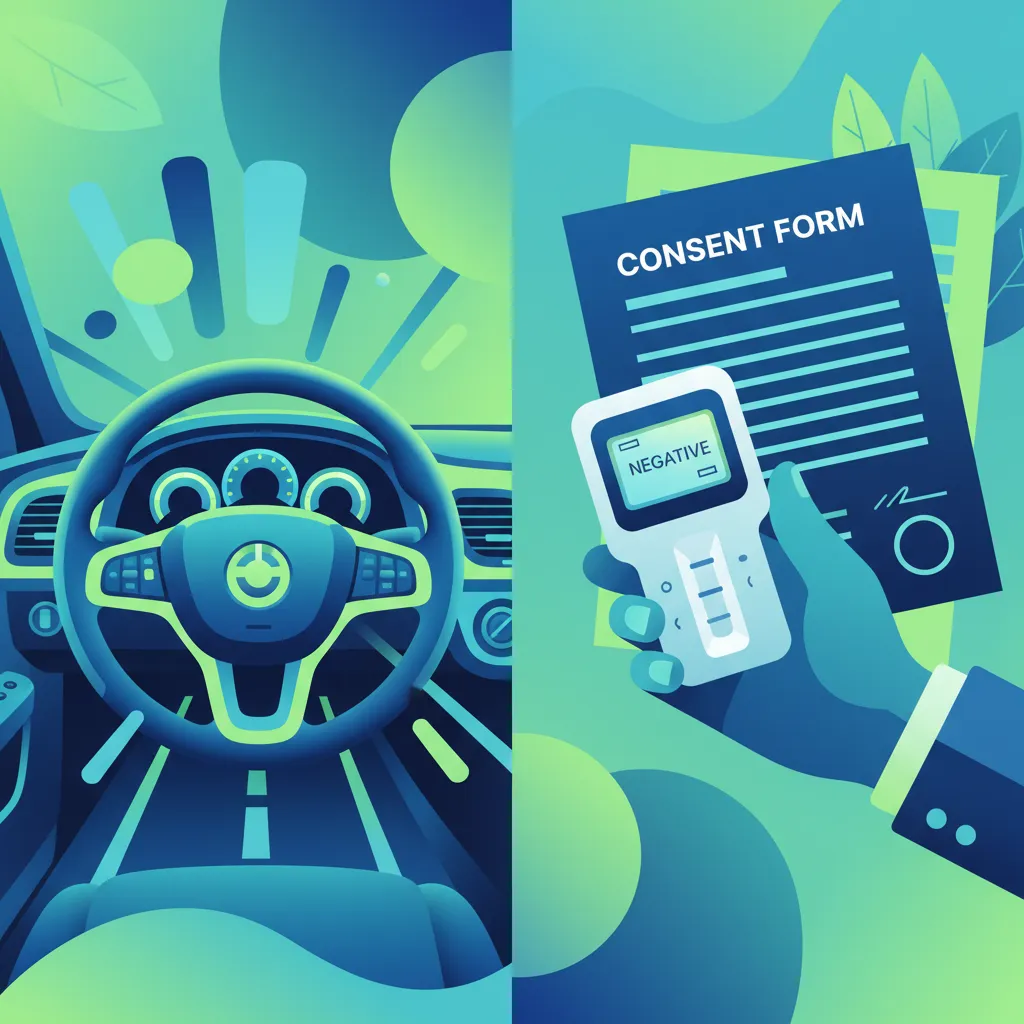
Upon reasonable suspicion of impairment (e.g., erratic driving, slurred speech, dilated pupils), a police officer may request a driver to undergo a roadside saliva test. This rapid screening method is designed to detect recent drug use, typically within the last 24 hours for many substances. It provides a quick preliminary indication of whether drugs are present in the driver's system.
Suspicion: An enforcement officer observes signs of impairment or has other reasonable grounds for suspicion.
Request for Saliva Sample: The driver is asked to provide a saliva sample using a specialized testing device.
Preliminary Result: The device quickly indicates the presence of certain drug classes (e.g., cannabis, cocaine, amphetamines).
Next Steps: If the saliva test is positive, or if impairment is still suspected despite a negative saliva test, the driver will be taken for confirmatory testing.
If a roadside saliva test yields a positive result, or if an officer believes further investigation is warranted, the driver will be required to provide a blood or urine sample for laboratory analysis.
A positive roadside test result must be confirmed by a laboratory analysis, typically a blood test, to form the basis of a conviction.
Refusing to provide a saliva, urine, or blood sample when requested by an authorized officer is a serious offence in Iceland. Such refusal is treated as an admission of guilt or as an obstruction of justice, leading to immediate and severe penalties, including licence suspension and substantial fines, even without a confirmed drug presence.
While illicit drugs are subject to zero-tolerance, Iceland's legal framework acknowledges that some individuals require prescription medications that may have psychoactive effects. For these substances, specific legal thresholds are established to balance medical necessity with road safety.
Drivers who use legally prescribed medications must ensure that these drugs do not impair their ability to drive safely. The law specifies permissible concentration limits for certain prescription drugs in the bloodstream. If a driver's blood concentration of a prescribed substance exceeds these limits, they will be treated as impaired, even with a valid prescription.
The Icelandic Traffic Act defines precise maximum allowable concentrations for various prescription drugs. These limits are set to ensure that therapeutic use does not compromise road safety.
Exceeding these legal thresholds, even with a valid prescription, will result in penalties similar to those for illicit drug use. It is the driver's responsibility to understand how their medication affects them and to ensure their blood concentration remains below the legal limit when driving.
For drivers on continuous or chronic medication that may affect driving ability, obtaining a medical fitness certificate is a mandatory requirement. This official document, signed by a qualified physician, confirms that the driver's health status and medication use do not impair their driving competence. This certificate must be carried by the driver and presented upon request during traffic stops or licence renewals.
The penalties for drug-impaired driving in Iceland are severe, reflecting the serious risks posed to public safety. These consequences can range from substantial fines and immediate licence suspension to long-term licence revocation and criminal charges.
For a first offence of drug-impaired driving, common penalties include:
These penalties aim to deter individuals from driving under the influence and to remove impaired drivers from the road quickly.
The consequences escalate significantly for repeat offenders or in cases of severe impairment, accidents causing injury, or death.
All drug-related traffic offences are recorded in the national driver registry. This ensures that previous offences are considered in future licensing decisions and penalty assessments. The system is designed to identify and manage repeat offenders, safeguarding the public from persistent risks.
Medical certification is a crucial aspect of responsible driving for individuals who use prescription medications with potential psychoactive effects. It ensures that therapeutic drug use does not inadvertently compromise road safety.
A medical fitness certificate is generally required if:
Even over-the-counter drugs with potential CNS effects, such as some sleep aids or cold remedies, should be carefully considered, and medical advice sought if there's any doubt about driving suitability.
It is the driver's responsibility to:
If you are unsure whether your medication requires a medical fitness certificate, consult your doctor or the Icelandic Transport Authority (Samgöngustofa) for clarification. Prioritizing safety and legal compliance is always the best approach.
Navigating the complexities of drug-impaired driving laws can be challenging. Addressing common misunderstandings and illustrating scenarios helps reinforce correct behaviour and legal compliance.
Understanding these rules through practical examples can clarify expected conduct:
Scenario: Prescription Medication on a City Commute
Scenario: Saliva Test after Erratic Driving
Scenario: THC Concentration Exceeding Legal Limit
Scenario: Professional Driver Using Benzodiazepine
Scenario: Over-the-Counter Sleep Aid
Navigating the roads of Iceland safely and legally requires a thorough understanding of the country's stringent laws concerning drug influence while driving.
Adherence to these regulations is paramount for personal safety, the safety of other road users, and for successful completion of the Official Icelandic Driving License B Theory Course.
Iceland maintains strict zero-tolerance laws for illicit drugs in driving, meaning any detectable amount constitutes an offence, while prescription medications are subject to specific blood concentration thresholds that drivers must monitor. Testing procedures involve roadside saliva screening followed by laboratory blood or urine analysis to confirm impairment, with refusal to test treated as a serious admission. Legal consequences range from immediate licence suspension and fines to long-term revocation and criminal charges, and drivers using potentially impairing medications must carry a valid medical fitness certificate. Understanding these distinctions is essential for both passing the Category B theory exam and ensuring safe, legal driving in Iceland.
A short set of high-value points that capture the most important learning from this lesson.
Iceland enforces zero-tolerance for illicit drugs—any detectable amount while driving is an offence regardless of perceived impairment
Drug testing follows a hierarchy: roadside saliva screening first, then confirmatory blood or urine analysis at a laboratory before conviction
Prescription medications are not exempt from driving limits—specific blood concentration thresholds still apply even with a valid prescription
Refusing a drug test when lawfully requested is a serious offence treated similarly to confirmed impairment
Drivers on chronic medication affecting the central nervous system must obtain and carry a valid medical fitness certificate
Explore all units and lessons included in this driving theory course.
A positive saliva test is only a screening result—conviction requires confirmation by laboratory blood analysis
Over-the-counter medications like certain antihistamines and sleep aids can also impair driving ability
Exceeding legal thresholds for prescribed substances carries the same penalties as illicit drug use
All drug-related traffic offences are recorded in the national driver registry and affect future licensing decisions
Medical certificates must be kept current and updated when medication or health status changes significantly
Assuming that feeling unimpaired means safe to drive after using illicit substances under Iceland's zero-tolerance policy
Believing a valid prescription automatically exempts a driver from all drug concentration limits
Thinking a positive roadside saliva test alone is sufficient for legal prosecution
Underestimating the impairing effects of over-the-counter medications like sleep aids or allergy pills
Driving without carrying a required medical fitness certificate when on chronic CNS-affecting medication
Lesson content overview
A short set of high-value points that capture the most important learning from this lesson.
Iceland enforces zero-tolerance for illicit drugs—any detectable amount while driving is an offence regardless of perceived impairment
Drug testing follows a hierarchy: roadside saliva screening first, then confirmatory blood or urine analysis at a laboratory before conviction
Prescription medications are not exempt from driving limits—specific blood concentration thresholds still apply even with a valid prescription
Refusing a drug test when lawfully requested is a serious offence treated similarly to confirmed impairment
Drivers on chronic medication affecting the central nervous system must obtain and carry a valid medical fitness certificate
Explore all units and lessons included in this driving theory course.
A positive saliva test is only a screening result—conviction requires confirmation by laboratory blood analysis
Over-the-counter medications like certain antihistamines and sleep aids can also impair driving ability
Exceeding legal thresholds for prescribed substances carries the same penalties as illicit drug use
All drug-related traffic offences are recorded in the national driver registry and affect future licensing decisions
Medical certificates must be kept current and updated when medication or health status changes significantly
Assuming that feeling unimpaired means safe to drive after using illicit substances under Iceland's zero-tolerance policy
Believing a valid prescription automatically exempts a driver from all drug concentration limits
Thinking a positive roadside saliva test alone is sufficient for legal prosecution
Underestimating the impairing effects of over-the-counter medications like sleep aids or allergy pills
Driving without carrying a required medical fitness certificate when on chronic CNS-affecting medication
Explore search topics learners often look for when studying Drug Influence, Testing, and Legal Consequences. These topics reflect common questions about road rules, driving situations, safety guidance, and lesson level theory preparation for learners in Iceland.
Browse additional driving theory lessons that cover connected traffic rules, road signs, and common driving situations related to this topic. Improve your understanding of how different rules interact across everyday traffic scenarios.
Understand the severe legal ramifications of driving under the influence of drugs in Iceland. This lesson details penalties including fines, licence suspension, and revocation, covering both illicit and prescription substances.

This lesson details the legal blood alcohol concentration (BAC) limits applicable to drivers in Iceland and outlines the procedures used by police to enforce these limits. Learners will understand the specific BAC threshold, the operation of breathalyzer devices during roadside checks, and the signs of intoxication. The lesson also covers the penalties associated with exceeding limits, including fines, licence suspension, and the legal implications of refusing a test.
This lesson explores the health criteria mandated by Icelandic law for operating a vehicle, focusing on visual and auditory acuity, as well as overall physical capability. Students will study required medical certifications and understand acceptable vision levels and hearing standards necessary for safe driving. The lesson also outlines how chronic illnesses, medication side-effects, and mental health conditions can influence driver fitness and legal compliance.
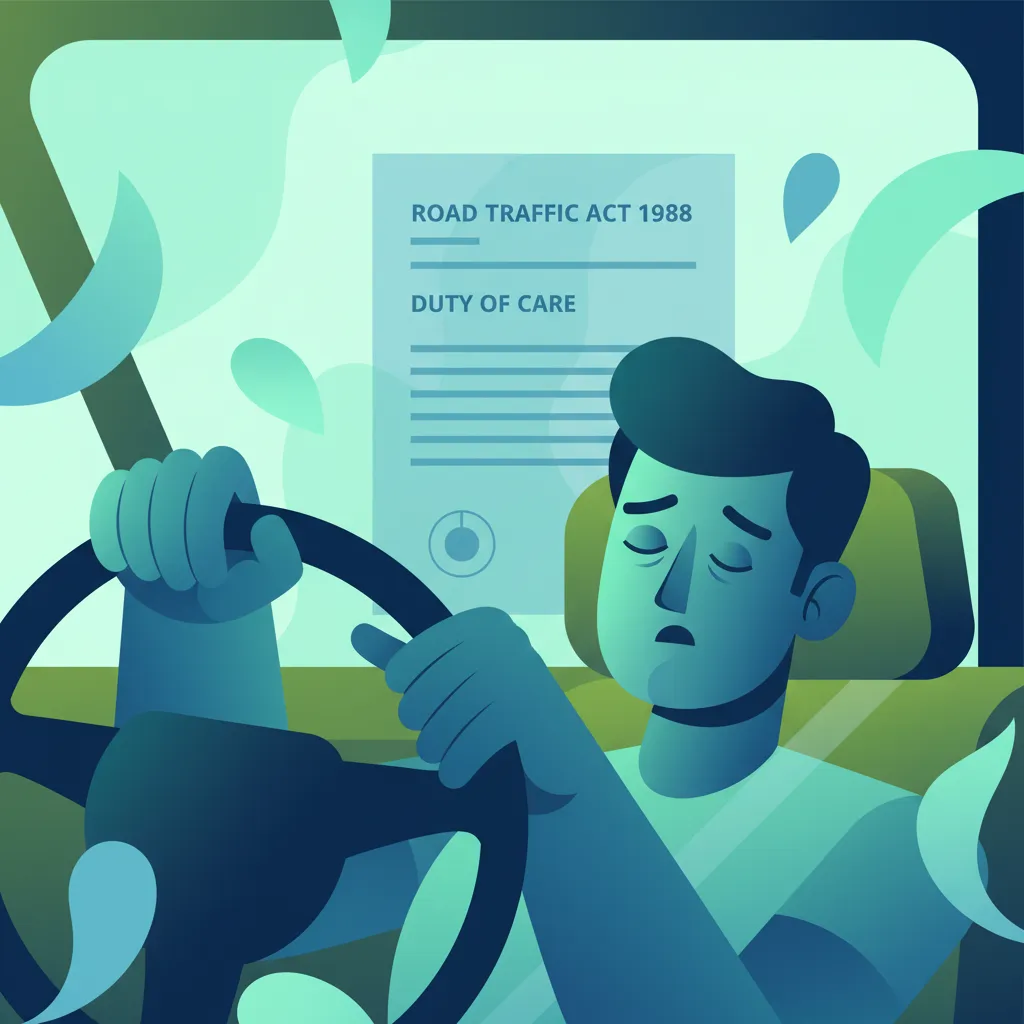
This lesson addresses the dangers of fatigue and drowsiness while driving, focusing on how these factors impair judgment and reaction times. Learners will understand the physiological basis of fatigue, recommended rest periods, and the legal responsibilities to avoid drowsy driving. The lesson also highlights observable signs of drowsiness, strategies for driver self-assessment, and the legal consequences of causing an accident due to fatigue.
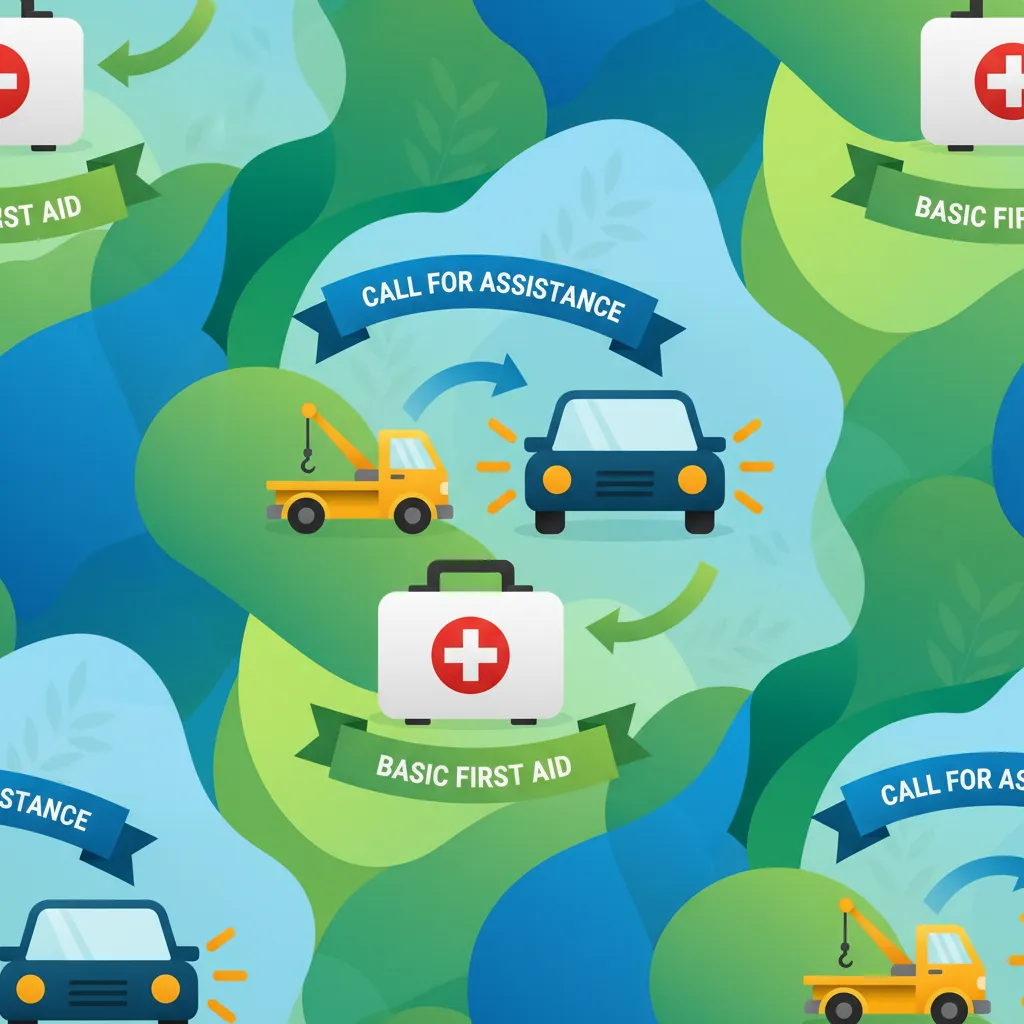
This lesson provides an overview of the legal penalties for traffic violations and outlines the correct procedures to follow after an accident. It covers how to secure an accident scene, contact emergency services using 112, and provide basic first aid. Riders will also learn about their legal obligations for reporting incidents and the initial steps for making an insurance claim.
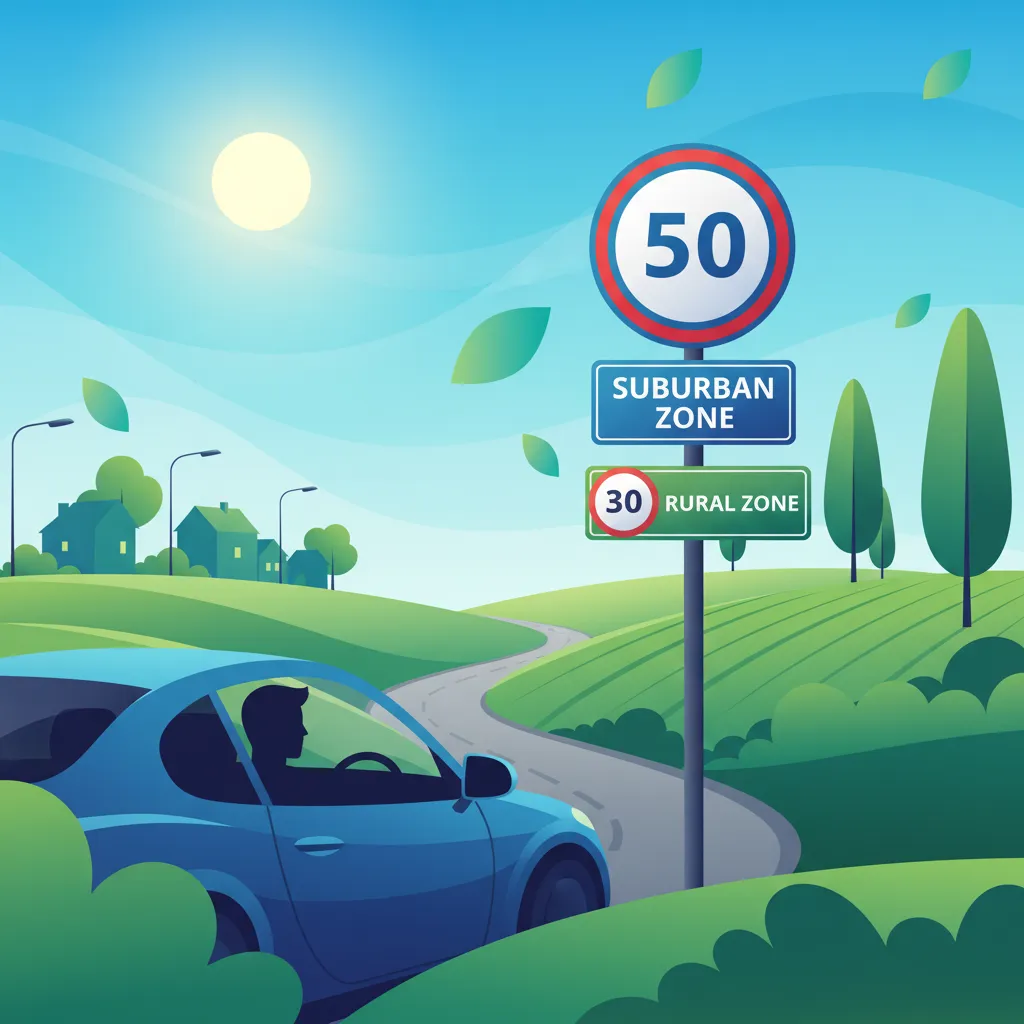
This lesson outlines the speed limits applicable to various road types in Iceland, from urban streets to rural highways and special zones like tunnels. Learners will interpret speed sign markings, understand variable speed limits that adjust for weather, and recognize when temporary speed reductions are enforced. The content also covers speed monitoring devices and the legal consequences of exceeding limits, emphasizing speed awareness in all driving contexts.
This lesson provides a contextual overview of Iceland's traffic law hierarchy, explaining how national statutes, road codes, and local rules interact. Learners will understand the precedence of national laws and how to interpret regulations in different jurisdictions. This knowledge ensures riders can correctly apply the relevant rules in any driving scenario, ensuring consistent legal compliance.
Learn about the requirements for driving when using prescription or over-the-counter medications in Iceland. Understand when medical certification is needed and the importance of adhering to legal blood concentration limits.
This lesson explores the health criteria mandated by Icelandic law for operating a vehicle, focusing on visual and auditory acuity, as well as overall physical capability. Students will study required medical certifications and understand acceptable vision levels and hearing standards necessary for safe driving. The lesson also outlines how chronic illnesses, medication side-effects, and mental health conditions can influence driver fitness and legal compliance.
This lesson addresses the dangers of fatigue and drowsiness while driving, focusing on how these factors impair judgment and reaction times. Learners will understand the physiological basis of fatigue, recommended rest periods, and the legal responsibilities to avoid drowsy driving. The lesson also highlights observable signs of drowsiness, strategies for driver self-assessment, and the legal consequences of causing an accident due to fatigue.
This lesson examines the set of safety equipment required by Icelandic law to be present in every passenger vehicle, focusing on seat belts, airbags, fire extinguishers, and reflective vests. The content explains the correct placement and usage protocols for each item, including how to operate a fire extinguisher and don a reflective vest. Additionally, learners are introduced to the legal requirement for an emergency triangle and a first-aid kit.
This lesson helps learners develop an understanding of how drivers perceive and assess risks on Icelandic roads, particularly under variable weather and lighting conditions. The content discusses mental models used to anticipate the actions of other road users and the importance of identifying subtle hazards. By analysing environmental cues and applying systematic hazard perception strategies, students learn to enhance their situational awareness and make safer driving decisions.
This lesson details the legal blood alcohol concentration (BAC) limits applicable to drivers in Iceland and outlines the procedures used by police to enforce these limits. Learners will understand the specific BAC threshold, the operation of breathalyzer devices during roadside checks, and the signs of intoxication. The lesson also covers the penalties associated with exceeding limits, including fines, licence suspension, and the legal implications of refusing a test.

This lesson provides detailed insight into the structure and logistics of the Icelandic theory test, including its format, question types, and time allocation. It describes how to schedule the exam, the locations of testing centres, and the specific criteria required to pass successfully. Furthermore, students are introduced to effective preparation methods, recommended study resources, and the official policies governing retakes and appeals.
This lesson explores the proper use of lane markings to maintain correct vehicle centering and adherence to the prescribed traffic flow direction in Iceland. The content describes how to interpret solid and broken lines, maintain safe following distances within a lane, and avoid unintended lane departures. Learners also examine the legal prohibitions on using the road shoulder for general travel, ensuring compliance with lane discipline rules for overall traffic safety.

This lesson focuses on the routine maintenance tasks essential for preserving vehicle safety and compliance in Iceland, including how to check tire pressure, assess brake wear, and monitor fluid levels. The content also outlines the periodic vehicle inspection process, the requirement for emissions testing, and the steps needed to renew vehicle registration. Understanding these procedures ensures the vehicle remains roadworthy and legally compliant.
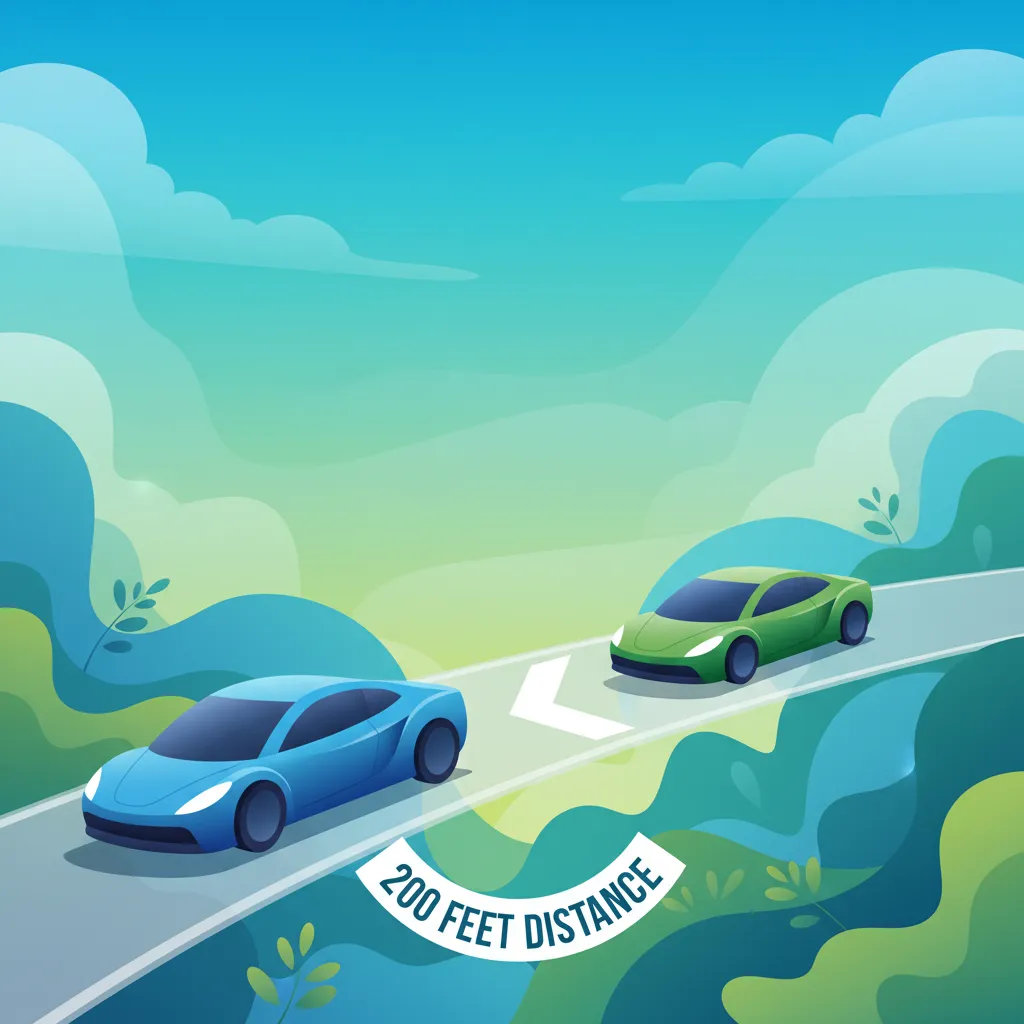
This lesson examines the calculation of safe following distances using the two-second rule and formulas that factor in vehicle speed and road conditions. The content explains how reaction time, weather conditions like ice or rain, and vehicle load affect braking zones. Students also learn specific techniques for stopping on hills and how to avoid tailgating, thereby maintaining sufficient safety margins under all Icelandic weather conditions.
This lesson outlines the specific duties and limitations placed on learner drivers in Iceland, from the mandatory display of L-plates to the requirement for a qualified supervisor. Learners will study night-driving prohibitions, passenger rules for newly licensed drivers, and the legal limits on alcohol consumption during the learning phase. The content also covers the necessity of maintaining a training log and ensuring appropriate insurance coverage for the vehicle.
Find clear answers to common questions learners have about Drug Influence, Testing, and Legal Consequences. Learn how the lesson is structured, which driving theory objectives it supports, and how it fits into the overall learning path of units and curriculum progression in Iceland. These explanations help you understand key concepts, lesson flow, and exam focused study goals.
Iceland has strict legal limits for various drugs. For illicit drugs, there is a zero-tolerance policy, meaning any detectable amount in your system can lead to penalties. For prescription drugs, the focus is on whether the medication impairs your ability to drive safely, and specific legal thresholds may apply in conjunction with medical advice.
You may drive while taking prescription medication if your doctor confirms that the medication does not impair your driving ability at the prescribed dosage. It is crucial to discuss this with your prescribing physician and understand any potential side effects. Always carry proof of prescription and medical advice if relevant.
Law enforcement officers can request a driver to undergo a test if they suspect impairment. This may involve a preliminary screening test, followed by a more definitive laboratory analysis of a blood or urine sample to detect and quantify the presence of specific drugs.
Penalties for drug-driving in Iceland are severe and can include substantial fines, mandatory drug awareness courses, licence suspension or revocation, and even imprisonment, depending on the circumstances and previous offenses. The Icelandic Transport Authority will also be notified.
This lesson focuses on the legal framework, testing procedures, and consequences. While it touches upon the general categories of substances that impair driving, it emphasizes the legal and practical aspects rather than providing an exhaustive pharmacological list. Always consult medical professionals for details on specific medications.
Utilize our advanced practice set search to pinpoint the exact Icelandic driving theory topics you need to review. Filter by subject, difficulty, or question type to create a highly effective study plan and ensure you are fully prepared for your official driving licence test in Iceland.